Guide: Conservation Areas
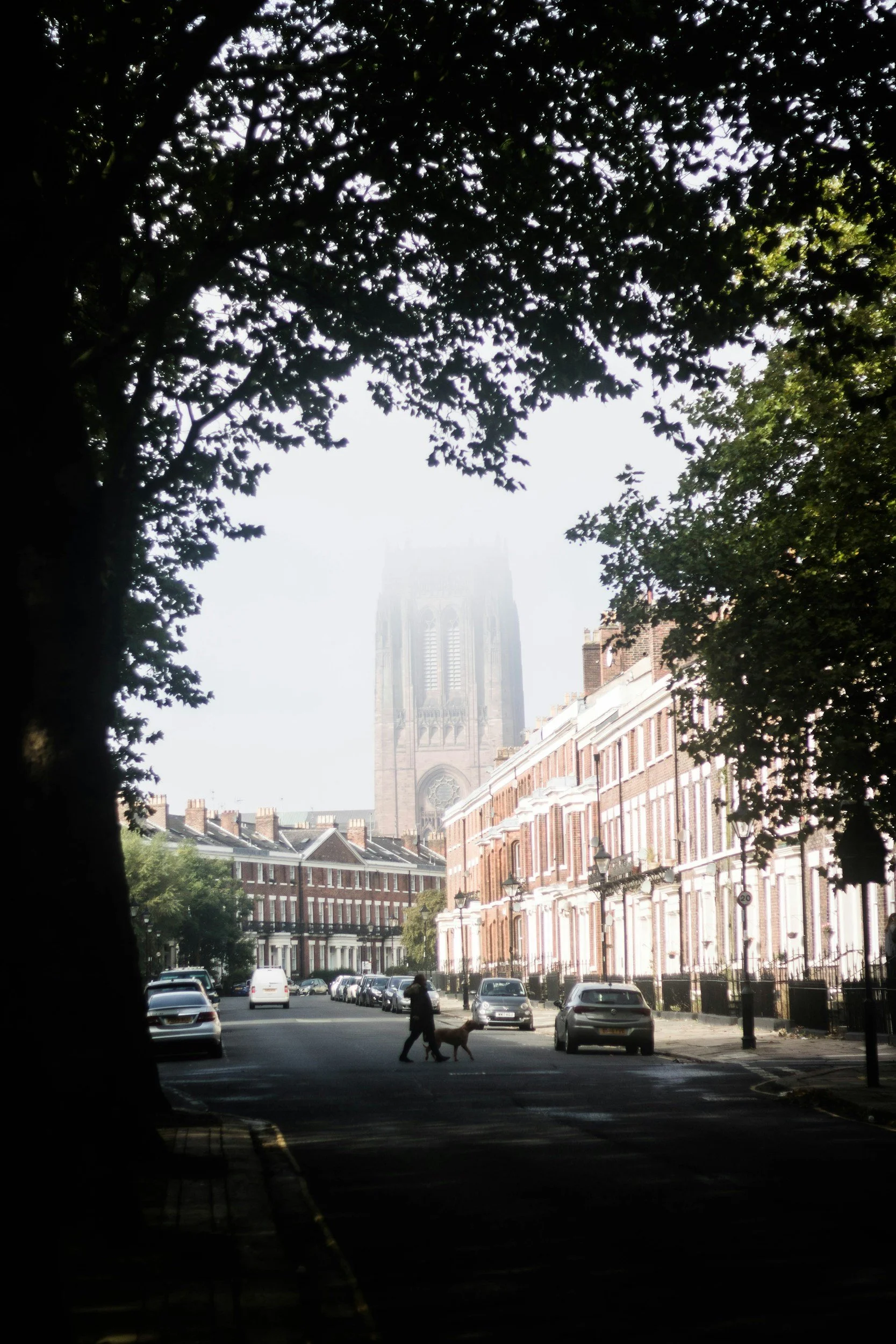
We understand the unique challenges and opportunities presented by Conservation Areas. These are designated parts of towns and cities recognised for their special architectural or historic interest, where it is important to preserve or enhance the character and appearance of the area. Navigating the rules surrounding these areas requires careful planning and specialist expertise.
What is a Conservation Area?
A Conservation Area is a location protected under the Planning (Listed Buildings and Conservation Areas) Act 1990. Local Planning Authorities (LPAs) designate these areas to ensure that changes to buildings, streets, and landscapes maintain the historic and visual character. Properties within these areas may have restrictions on extensions, demolitions, and even alterations to doors, windows, and roofs.
Why Conservation Areas Matter
Conservation Areas play a key role in maintaining the heritage and identity of our towns and cities. They help protect historic streetscapes, architectural details, and local character that might otherwise be lost. As architects, we work to balance modern living requirements with heritage conservation, ensuring that developments are sympathetic to their surroundings.
Refusal Risks in Conservation Areas
In our experience, applicants contact us after attempting to submit a Listed Building Consent or Conservation Area application, only to find that they, or their previous consultant, lack the expertise to manage the additional complexity inherent in applications affecting heritage assets. Common reasons for refusal typically include:
Insufficient or inappropriate historical or architectural assessment.
Inadequate consideration of the impact on the character and appearance of the building or conservation area.
Poor-quality drawings or documentation that fail to clearly explain the proposed works.
Unsympathetic design choices or materials that conflict with the heritage context.
Failure to demonstrate that harm to heritage significance has been minimised or justified.
Lack of engagement with statutory consultees or the Local Planning Authority early in the process.
We have extensive experience working in Conservation Areas and on Grade II, Grade II* and Grade I Listed Buildings. We can help you develop proposals that respect heritage constraints and maximise your chances of securing Planning Permission.
For bespoke guidance, get in touch here.
Planning Considerations in Conservation Areas
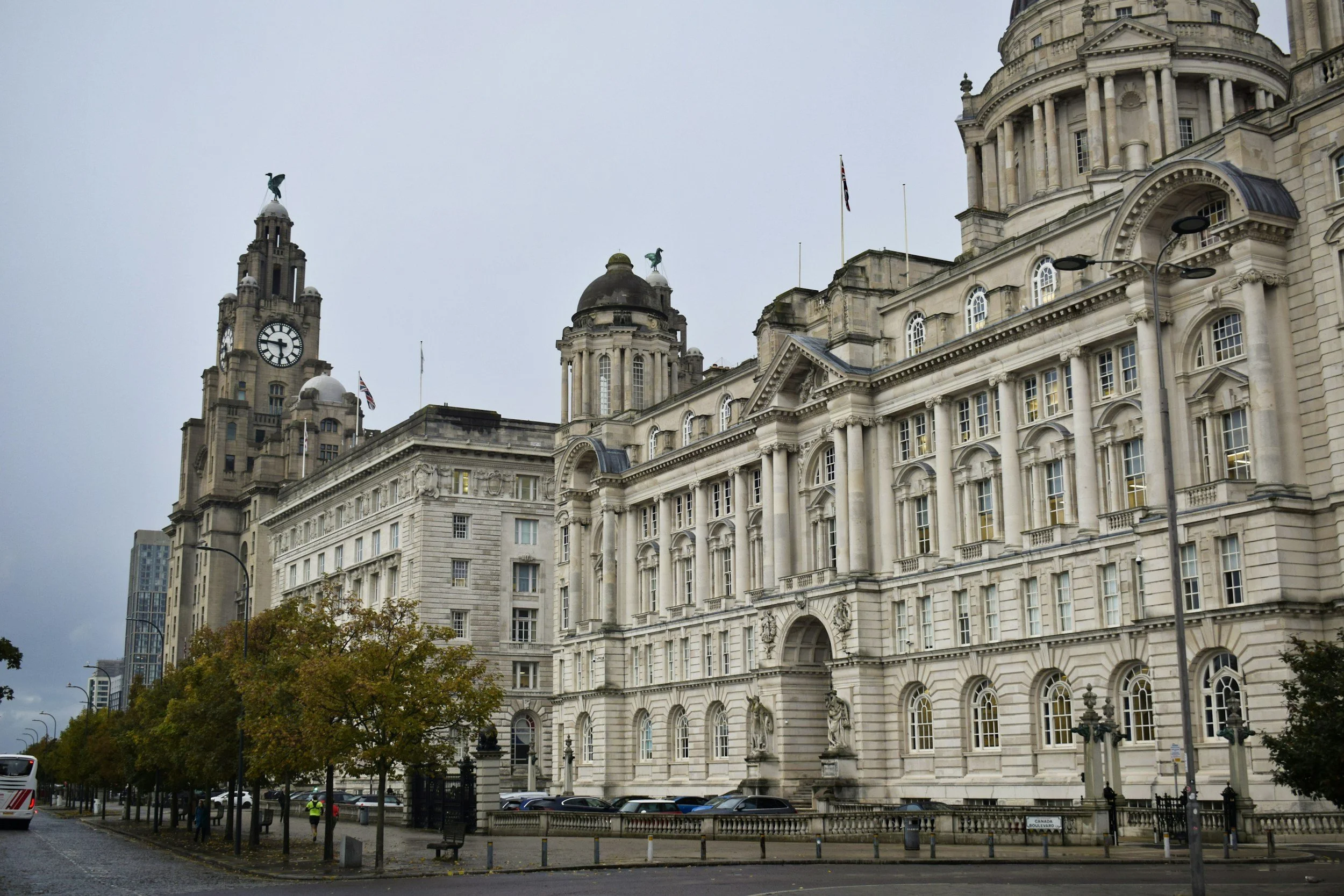
When working in a Conservation Area, it is important to consider:
Planning Permission Requirements – Many alterations that would normally not need permission outside a Conservation Area may require approval inside one.
Materials and Design – Using traditional materials and designs helps maintain the visual harmony of the area.
Demolition Restrictions – Demolishing buildings in a Conservation Area often requires express consent from the LPA.
Trees and Landscaping – Protecting existing trees and green spaces is crucial, and certain tree works may need formal consent.
How We Help Our Clients
Navigating the complexities of Conservation Area planning requires expertise. At Paul Ashton Architects, we:
Provide detailed site assessments to understand constraints and opportunities.
Prepare planning applications and gather supporting documents to maximise the likelihood of approval.
Advise on materials, extensions, and alterations that are sensitive to heritage and context.
Work closely with Local Planning Authorities to help ease the approval process.