Guide to Development & Nutrient Neutrality
Nutrient neutrality refers to areas where sensitive watercourses or protected habitats are affected by excess nutrients, such as nitrogen and phosphorus. Certain rivers, estuaries, and wetlands have been identified as being in unfavourable condition due to nutrient pollution. Local Planning Authorities (LPAs) must ensure that new development does not worsen water quality, which often means proposals must demonstrate “nutrient neutrality” before Planning Permission can be granted.
Key areas affected include:
The Solent and its tributaries: affected LPAs include East Hampshire, Winchester, Fareham, Gosport, and Portsmouth.
River Wye catchment: in England, primarily Herefordshire .
River Stour, Orwell, and Cam catchments: Babergh, East Suffolk, Ipswich, South Cambridgeshire, and Cambridge.
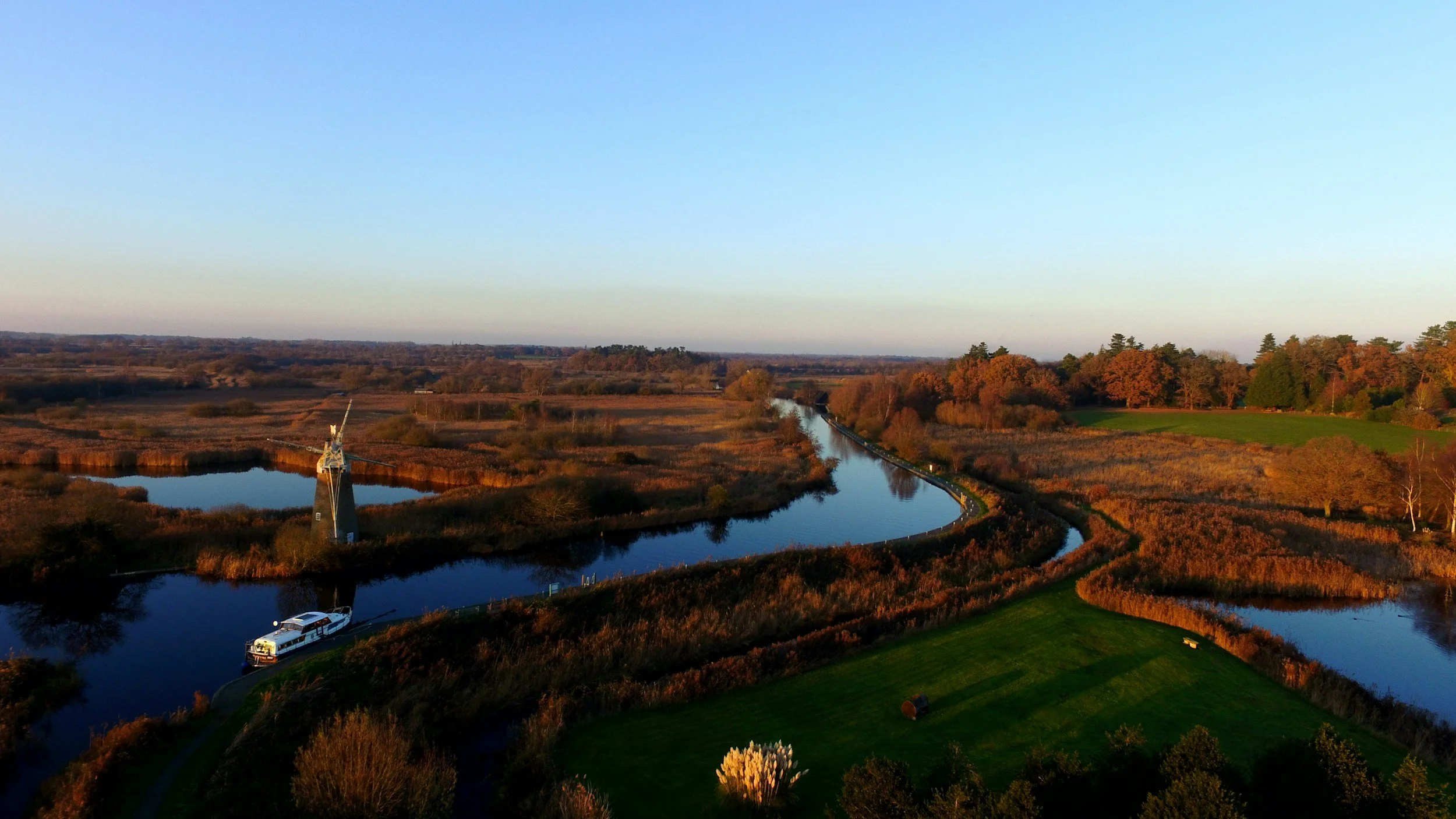
Parts of the Norfolk Broads: Broadland, North Norfolk, South Norfolk, and Norwich.
Development in these areas is therefore subject to strict environmental scrutiny. Proposals must account for potential nutrient impacts and often require mitigation measures such as sustainable drainage, habitat creation, or financial contributions to environmental schemes. Understanding the specific rules for each catchment is essential to preparing applications with a realistic chance of approval.
Refusal Risks in Nutrient Neutrality Areas
Applications in nutrient neutrality zones are frequently refused due to the complex interaction of environmental regulations, hydrology, and planning policy. Common reasons for refusal include:
Failure to demonstrate nutrient neutrality or provide appropriate mitigation measures.
Proposals that increase housing, commercial floorspace, or wastewater output without offsetting nutrient impact.
Inadequate environmental assessments or lack of ecological surveys.
Poorly justified development in sensitive catchments or protected habitats.
Conflicts with Local Planning Authority policies, Natural England advice, or the National Planning Policy Framework.
Late engagement with LPAs or statutory consultees, resulting in unresolved nutrient concerns.
We have extensive experience advising developers and landowners in nutrient neutrality zones. Early assessment and mitigation planning significantly improve the likelihood of securing Planning Permission.
For bespoke guidance, get in touch here.
For Developers
Standard residential or commercial development in nutrient neutrality areas is heavily restricted. Planning authorities will only consider proposals that clearly demonstrate no net increase in nutrient loading. Potential strategies include:
Designing sustainable drainage systems (SuDS) to reduce nutrient runoff.
Implementing habitat creation or restoration schemes to offset nutrient inputs.
Redeveloping or converting sites that do not increase nutrient discharge.
Making financial contributions to approved mitigation programmes or environmental schemes.
Early consultation with the Local Planning Authority, alongside clear nutrient-neutrality evidence, is essential to maximise approval chances.
For Landowners
Landowners in nutrient-sensitive catchments should focus on exceptional circumstances where development can be achieved responsibly. Opportunities include:
Redevelopment of existing buildings without increasing nutrient discharge.
Small-scale residential or commercial projects with approved nutrient mitigation.
Projects that contribute to environmental improvements or community benefits.
Professional guidance is highly recommended to navigate nutrient neutrality requirements, prepare robust applications, and satisfy planning and environmental policy. Well-prepared proposals can unlock development potential while protecting sensitive rivers, estuaries, and wetlands.