
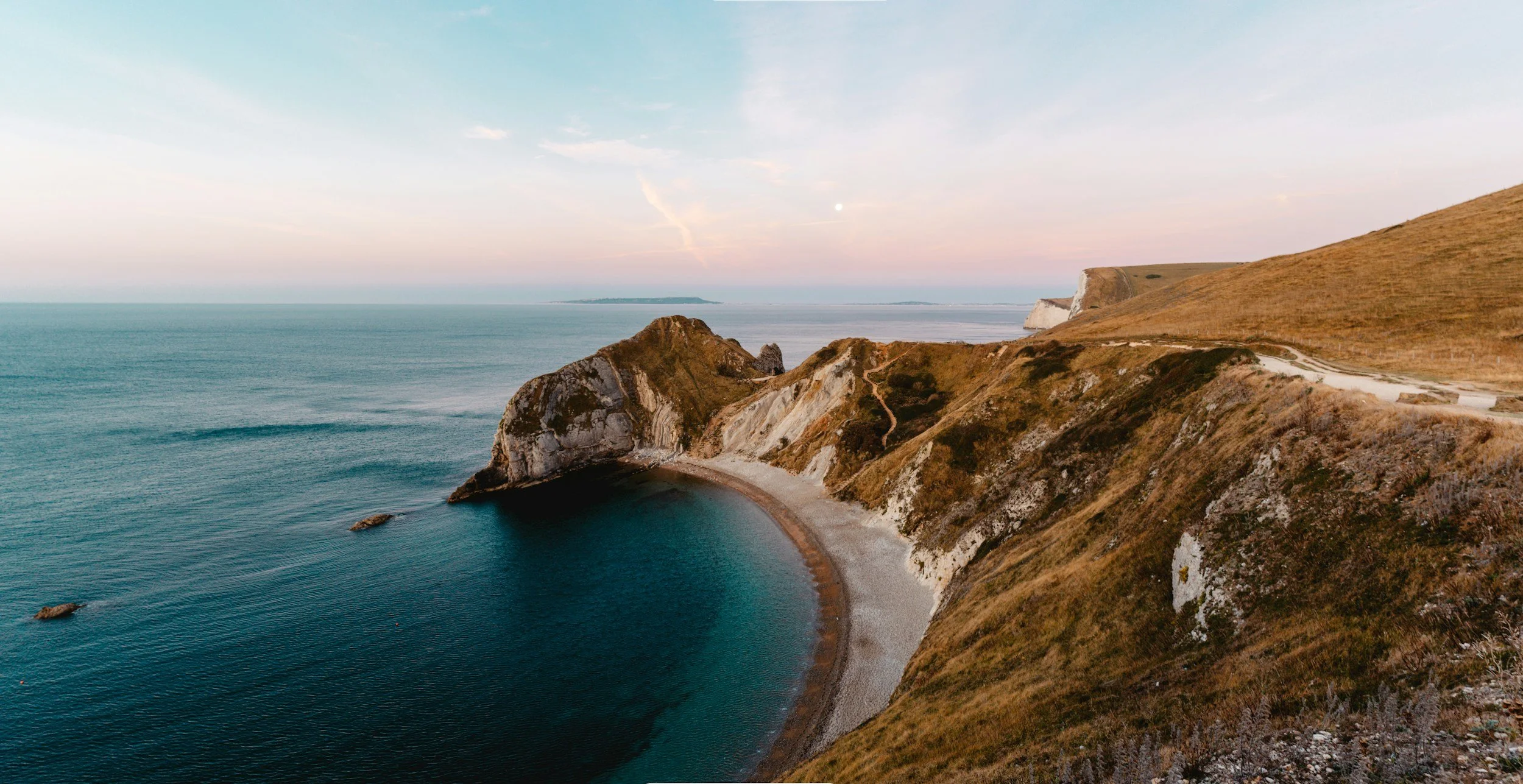
Guide to Development in Areas of Outstanding Natural Beauty
Areas of Outstanding Natural Beauty (AONBs) are protected landscapes with the highest level of policy protection for natural beauty and character. As a result, development is subject to strict control and increased scrutiny by the Local Planning Authority.
For developers and landowners, understanding these constraints early is critical. Proposals must be carefully justified, sensitively designed, and clearly demonstrate how landscape impact has been minimised to stand a realistic chance of securing Planning Permission. The top 5 largest AONB are:
Cotswolds AONB: LPAs include Gloucestershire, Cotswold, South Oxfordshire, West Oxfordshire, Wiltshire and Somerset.
North Pennines AONB: LPAs include Northumberland and Durham.
Chilterns AONB: LPAs include West Oxfordshire, South Oxfordshire, Buckinghamshire, Hertfordshire, Dacorum and Bedford.
North Wessex Downs AONB: LPAs include West Berkshire, Hampshire, Vale of White Horse and Wiltshire.
High Weald AONB: LPAs include Wealden, Rother, Tunbridge Wells, Horsham, Ashford.
Refusal Risks in an AONB
Based on our experience, applicants frequently reach out after struggling to submit a planning application within an Area of Outstanding Natural Beauty, only to realise that they, or their original consultant, do not have the specialised knowledge required to navigate the complex policy safeguards and landscape sensitivities. Common reasons for refusal often include:
Failure to demonstrate that the proposal conserves and enhances the natural beauty of the area.
Harm to landscape character, key views, or the wider setting.
Inappropriate scale, siting, or design that does not respond to the local context.
Insufficient landscape, visual impact, or environmental assessments.
Poor-quality drawings or supporting information that fail to clearly communicate the proposal.
Conflicts with Local Planning Authority policies and national planning policy relating to protected landscapes.
Lack of early engagement with the Local Planning Authority or relevant consultees.
We have considerable experience guiding development within Areas of Outstanding Natural Beauty. We will help you craft proposals that are sensitive to the landscape, fully aligned with planning policy, and optimised to improve your likelihood of securing Planning Permission.
For bespoke guidance, get in touch here.
For Developers
Developers must demonstrate that any proposed project will conserve and enhance the character of the landscape. Key considerations include:
Design and scale: Buildings must be sympathetic to the surrounding landscape and avoid dominating views.
Environmental impact: Projects must protect biodiversity, watercourses, and natural features.
Community and public benefit: Proposals that support local services, sustainable tourism, or essential infrastructure are more likely to gain approval.
Heritage and cultural assets: Any impact on historic sites, important views, or local features must be carefully managed.
Certain types of development may be acceptable in exceptional circumstances, such as small-scale affordable housing, rural worker dwellings, or the sensitive reuse of existing buildings. Early engagement with the Local Planning Authority and detailed landscape assessments are critical to a successful Planning Permission application.
For Landowners
Landowners seeking to develop in an AONB should be aware that standard housing or commercial development is rarely permitted. Opportunities typically focus on:
Converting or reusing existing buildings.
Providing essential rural housing for local workers.
Projects that enhance the landscape, ecology, or community facilities.
Expert advice can help landowners identify viable options and prepare applications that meet the strict requirements of the AONB designation. By carefully planning proposals and demonstrating clear benefits, landowners can achieve outcomes that respect the landscape while unlocking development potential.