Guide to Development in the Open Countryside
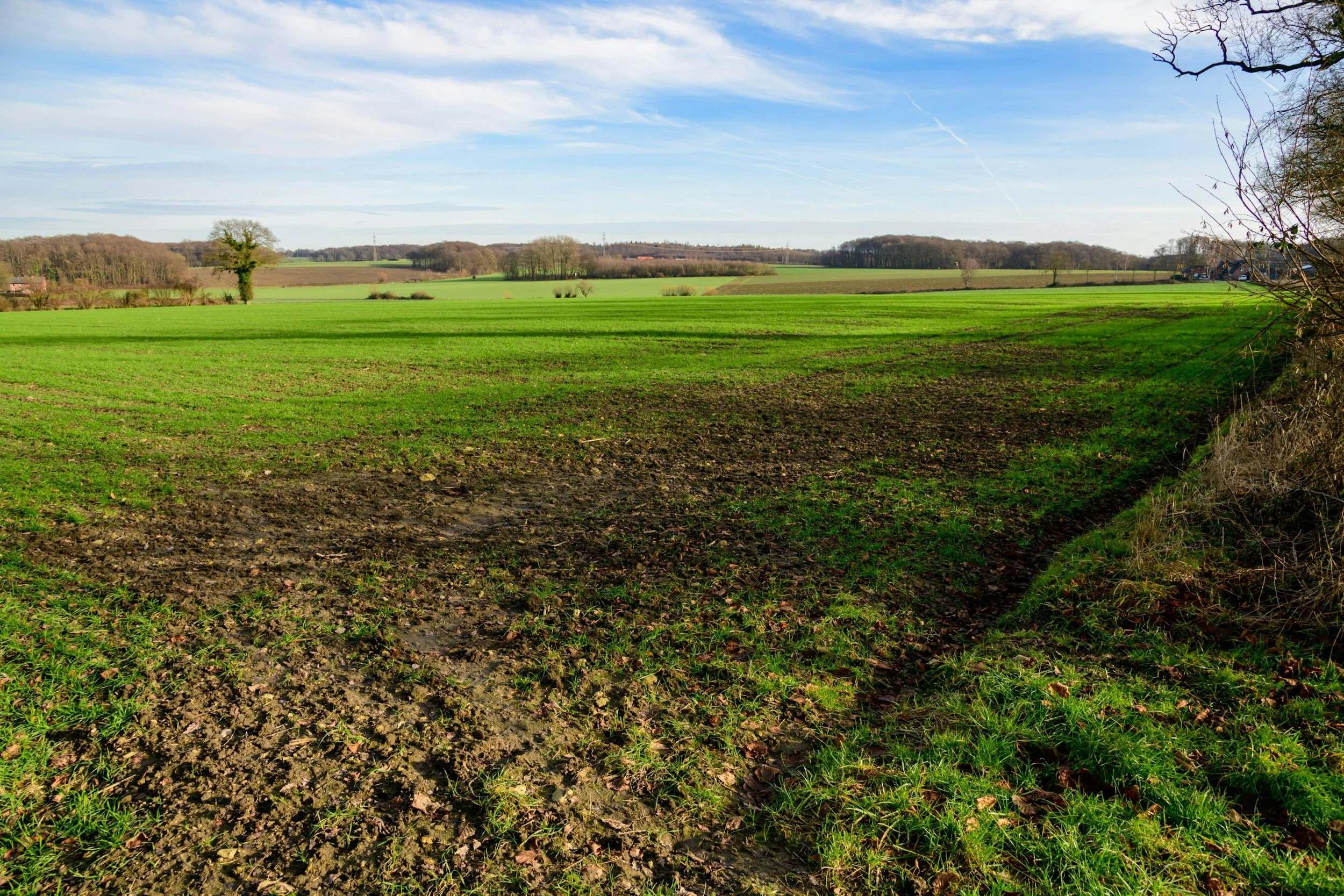
Open Countryside refers to areas located beyond settlement boundaries and outside designated Green Belt land, often consisting of agricultural fields, woodland, or other natural landscapes. These areas are protected to maintain their character, openness, and scenic quality, and to prevent sporadic or unsustainable development. Planning authorities apply strict policies to ensure that the intrinsic value of the countryside is preserved.
Development in the Open Countryside is therefore tightly controlled, and applications are subject to careful scrutiny. Proposals must demonstrate clear justification, show sensitivity to the landscape, and address environmental, highways, and local policy considerations. For developers and landowners, a thorough understanding of these rules is essential to prepare applications that have a realistic chance of securing Planning Permission.
Refusal Risks in the Green Belt
From our experience, many applicants reach out after trying to submit a development proposal in the Open Countryside, discovering that they, or their previous consultants, do not have the expertise to navigate the stringent policy requirements and site-specific challenges these locations involve. Typical reasons for refusal include:
Failure to justify the principle of development in a countryside location.
Proposals that are considered isolated, unsustainable, or poorly related to existing settlements.
Harm to landscape character, visual amenity, or rural setting.
Inadequate assessment of access, highways, drainage, or environmental constraints.
Poor-quality drawings or supporting information that fail to clearly explain the proposal.
Conflicts with Local Planning Authority policies or national planning policy.
Lack of early engagement with the Local Planning Authority or key consultees.
We have extensive experience advising on development in the Open Countryside. We can help you prepare proposals that respond to planning policy, respect landscape constraints, and maximise your chances of securing Planning Permission.
For bespoke guidance, get in touch here.
For Developers
Standard residential or commercial development is generally not permitted in the Open Countryside. Planning authorities will only consider proposals that meet strict exception criteria, including:
Affordable housing: Homes that meet a proven local need.
Rural worker dwellings: Housing required for agricultural or forestry employees.
Reuse of redundant buildings: Conversions that retain the original character and do not expand the footprint significantly.
Essential infrastructure or public benefit projects: Such as community facilities or utilities that cannot be located elsewhere.
Developers must carefully assess landscape and environmental impacts, demonstrating that the proposal will not harm the character or openness of the countryside. Early engagement with the Local Planning Authority, along with clear justification for the development, significantly improves the likelihood of approval.
For Landowners
Landowners looking to develop in the Open Countryside should focus on exceptional circumstances where development may be acceptable. Opportunities include:
Converting redundant farm buildings or other existing structures.
Providing affordable housing for local needs or rural workers.
Undertaking small-scale projects that enhance the landscape or local community facilities.
Professional guidance is highly recommended to navigate the strict regulations and prepare robust applications that satisfy Planning Policy and the National Planning Policy Framework. Properly prepared proposals can unlock the potential of a site while respecting the openness and character of the countryside.