Buckinghamshire encompasses towns such as Aylesbury, High Wycombe, and Amersham, with a mix of historic market towns and modern commuter centres. About 32.1% of the county is Green Belt, guiding where housing and commercial schemes can be located. Planning balances development with conservation of historic sites.
In the last year Buckinghamshire decided 4,436 applications which is well above the national average of 988. The approval rate was 83% (roughly equal to the national average of 88%) and 50% of applications were decided on time, (significantly below the national average of 59%). Stats updated March 2026 from gov. sources. See how Buckinghamshire performs relative to other LPAs in our LPA hub.
"We love helping clients win Planning Permission in Buckinghamshire"
Areas of Outstanding Natural Beauty in Buckinghamshire
Areas of Outstanding Natural Beauty (AONBs), sometimes called National Landscapes, are designated for their exceptional scenic and natural importance.
Buckinghamshire contains sections of the Chilterns AONB. Planning must consider landscape character, heritage, and visual impact.
In our experience, one of the top reasons proposals in Areas of Outstanding Natural Beauty are refused is causing landscape harm or visual intrusion, a risk that often arises when applications are not fully informed. We help minimise the likelihood of refusal with expert, guidance; contact us here.
Conservation and Listed Buildings
Buckinghamshire has an extensive and varied historic environment, with numerous Conservation Areas and a high concentration of listed buildings across its towns and villages. Heritage constraints are particularly evident in locations such as Beaconsfield and Marlow, where historic character, townscape quality, and landscape setting are key considerations.
One of the top reasons heritage building applications are refused is causing harm to historic significance, a risk that can arise when proposals are not prepared by a consultant with heritage expertise. We help minimise this risk with expert, site-specific guidance; contact us here.
Green Belt Approvals in Buckinghamshire
32.1% of Buckinghamshire is within the Green Belt and proposals in these areas can be subject to high levels of scrutiny.
The very high Green Belt coverage around Amersham and Chesham makes development highly sensitive to landscape and settlement gap protection.
In our experience, one of the top reasons poorly conceived Green Belt proposals are refused is causing 'harm to openness'. We can lower the risk of refusal with site-specific guidance. Contact us here.
You can also check whether your land is within the Green Belt using our interactive Green Belt map.
Development in the Open Countryside
Buckinghamshire’s open chalk hills, wooded valleys, and historic parklands are highly scenic and carefully controlled for development.
One of the top reasons poorly prepared proposals in the Open Countryside are refused is that they fail to demonstrate a policy-supported need. To minimise that risk with bespoke advice contact us here.
Planning Applications in Buckinghamshire
As well as acting as Planning Consultants we are ARB registered architects with over 25 years’ experience. We support clients through all stages of the planning process, offering the following services:
Planning Permissions by PAA in Buckinghamshire
- Full Planning Application: Proposed domestic alterations extensions and new pool outbuilding in the Green Belt. →
- Prior Approval Application: Rear extension in the Green Belt →
- Lawful Development Certificate: Certificate of Lawfulness for pool outbuilding in the Green Belt. →
Design-Led Planning Advice in Buckinghamshire
We specialise in resolving complex planning challenges through thoughtful architectural design, turning constrained or difficult sites into successful Planning Permission outcomes. Let’s discuss your project.
Buckinghamshire encompasses towns such as Aylesbury, High Wycombe, and Amersham, with a mix of historic market towns and modern commuter centres. About 32.1% of the county is Green Belt, guiding where housing and commercial schemes can be located. Planning balances development with conservation of historic sites.
In the last year Buckinghamshire decided 4,436 applications which is well above the national average of 988. The approval rate was 83% (roughly equal to the national average of 88%) and 50% of applications were decided on time, (significantly below the national average of 59%). Stats updated March 2026 from gov. sources. See how Buckinghamshire performs relative to other LPAs in our LPA hub.
"We love helping clients win Planning Permission in Buckinghamshire"
Areas of Outstanding Natural Beauty in Buckinghamshire
Areas of Outstanding Natural Beauty (AONBs), sometimes called National Landscapes, are designated for their exceptional scenic and natural importance.
Buckinghamshire contains sections of the Chilterns AONB. Planning must consider landscape character, heritage, and visual impact.
In our experience, one of the top reasons proposals in Areas of Outstanding Natural Beauty are refused is causing landscape harm or visual intrusion, a risk that often arises when applications are not fully informed. We help minimise the likelihood of refusal with expert, guidance; contact us here.
Conservation and Listed Buildings
Buckinghamshire has an extensive and varied historic environment, with numerous Conservation Areas and a high concentration of listed buildings across its towns and villages. Heritage constraints are particularly evident in locations such as Beaconsfield and Marlow, where historic character, townscape quality, and landscape setting are key considerations.
One of the top reasons heritage building applications are refused is causing harm to historic significance, a risk that can arise when proposals are not prepared by a consultant with heritage expertise. We help minimise this risk with expert, site-specific guidance; contact us here.
Green Belt Approvals in Buckinghamshire
32.1% of Buckinghamshire is within the Green Belt and proposals in these areas can be subject to high levels of scrutiny.
The very high Green Belt coverage around Amersham and Chesham makes development highly sensitive to landscape and settlement gap protection.
In our experience, one of the top reasons poorly conceived Green Belt proposals are refused is causing 'harm to openness'. We can lower the risk of refusal with site-specific guidance. Contact us here.
You can also check whether your land is within the Green Belt using our interactive Green Belt map.
Development in the Open Countryside
Buckinghamshire’s open chalk hills, wooded valleys, and historic parklands are highly scenic and carefully controlled for development.
One of the top reasons poorly prepared proposals in the Open Countryside are refused is that they fail to demonstrate a policy-supported need. To minimise that risk with bespoke advice contact us here.
Planning Applications in Buckinghamshire
As well as acting as Planning Consultants we are ARB registered architects with over 25 years’ experience. We support clients through all stages of the planning process, offering the following services:
Planning Permissions by PAA in Buckinghamshire
- Full Planning Application: Proposed domestic alterations extensions and new pool outbuilding in the Green Belt. →
- Prior Approval Application: Rear extension in the Green Belt →
- Lawful Development Certificate: Certificate of Lawfulness for pool outbuilding in the Green Belt. →
Design-Led Planning Advice in Buckinghamshire
We specialise in resolving complex planning challenges through thoughtful architectural design, turning constrained or difficult sites into successful Planning Permission outcomes. Let’s discuss your project.
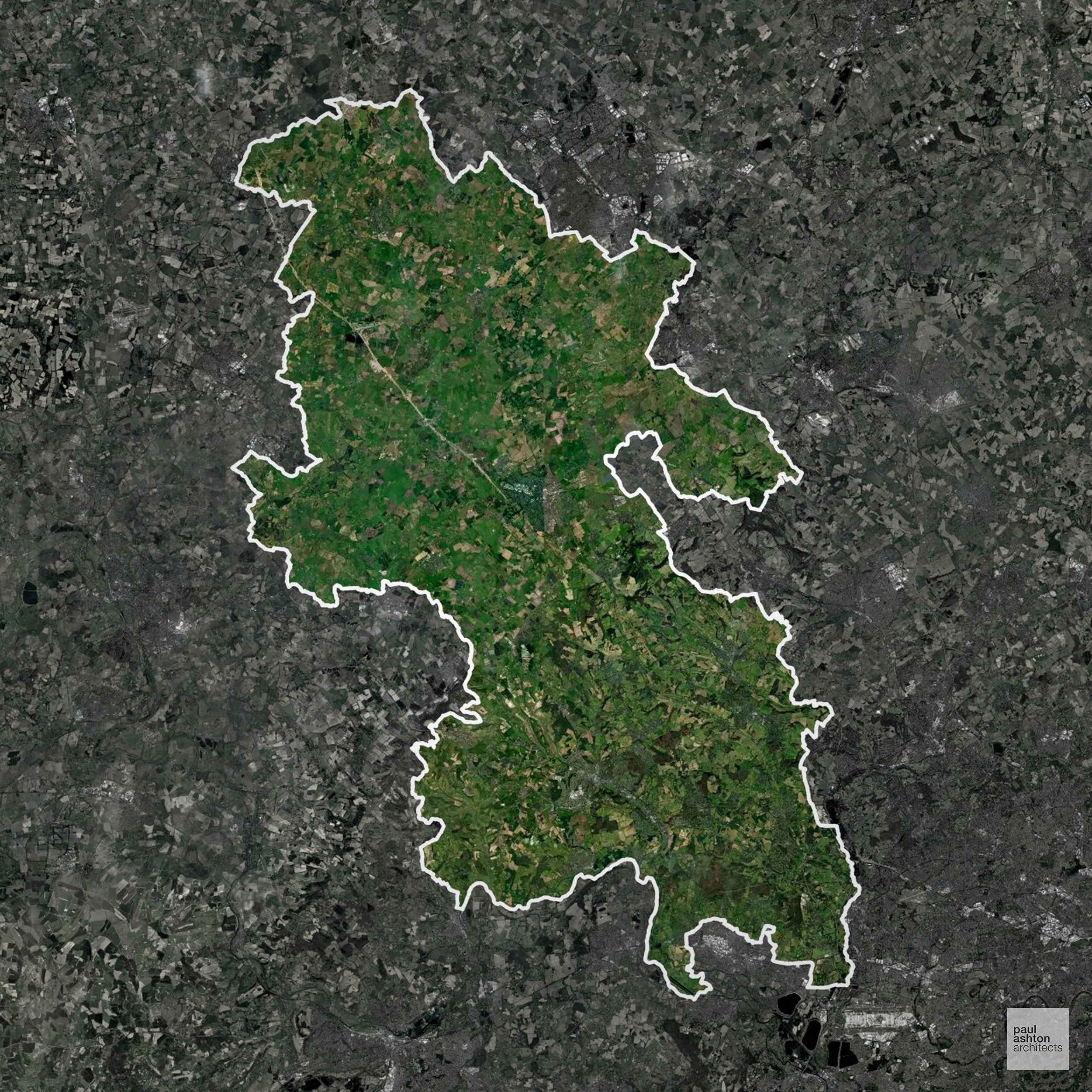 Image 1 of 7
 Image 2 of 7
 Image 3 of 7
 Image 4 of 7