
 Image 1 of 4
 Image 2 of 4
 Image 3 of 4
 Image 4 of 4
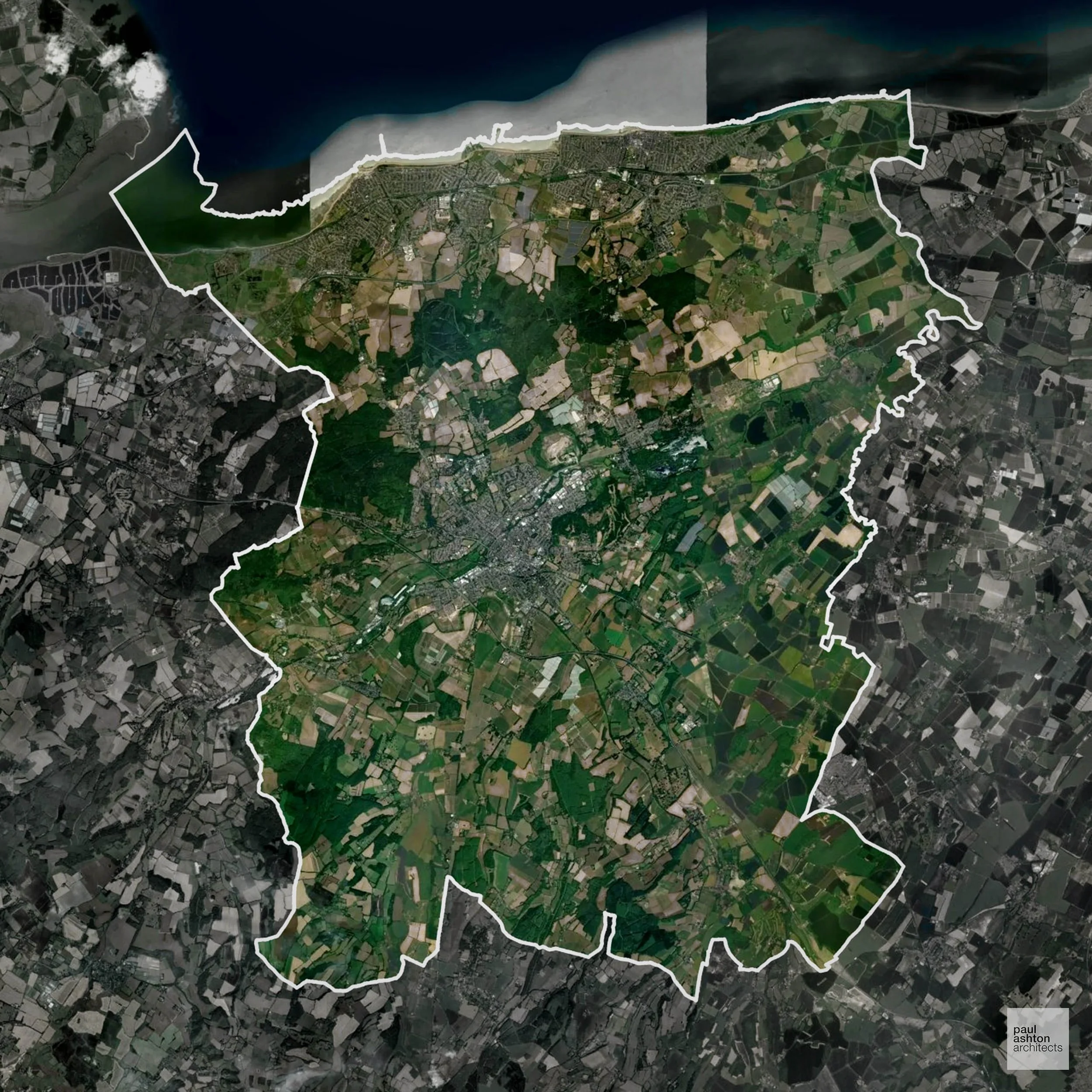
Canterbury in Kent includes Canterbury, Whitstable, and Herne Bay. The city is celebrated for its Cathedral, historic streets, and market heritage. Development is guided by urban policy and heritage considerations.
In the last year Canterbury decided 978 applications which is broadly in line with the national average of 988. The approval rate was 93% (marginally above the national average of 88%) and 53% of applications were decided on time, (significantly below the national average of 59%). Stats updated March 2026 from gov. sources. See how Canterbury performs relative to other LPAs in our LPA hub.
Areas of Outstanding Natural Beauty (AONBs), often referred to as National Landscapes, are protected for their remarkable natural and scenic value.
Canterbury contains part of the Kent Downs AONB. Projects are assessed for landscape, heritage, and environmental impact.
In our experience, one of the top reasons proposals in Areas of Outstanding Natural Beauty are refused is causing landscape harm or visual intrusion, a risk that often arises when applications are not fully informed. We help minimise the likelihood of refusal with expert, guidance; contact us here.
Canterbury is defined by its compact historic core, extensive Conservation Area, and exceptionally high concentration of listed buildings. Development proposals are subject to stringent assessment, particularly where they affect historic streetscapes, archaeological remains, and the setting of landmark assets such as Canterbury Cathedral. Canterbury LPA places very strong weight on heritage protection, requiring well-justified and contextually sensitive proposals to achieve Planning Permission.
One of the top reasons heritage building applications are refused is causing harm to historic significance, a risk that can arise when proposals are not prepared by a consultant with heritage expertise. We help minimise this risk with expert, site-specific guidance; contact us here.
Canterbury’s Kent Downs AONB and open countryside around historic villages are highly sensitive to development proposals.
One of the top reasons poorly prepared proposals in the Open Countryside are refused is that they fail to demonstrate a policy-supported need. To minimise that risk with bespoke advice contact us here.
Canterbury is substantially within the Stodmarsh designated sensitive catchment; both nitrogen and phosphorus neutrality are required, and the constraint applies to a wide range of development types generating additional wastewater.
Unfortunately, Nutrient Neutrality can halt development completely. If you need early-stage, project-specific advice contact us here.
Alongside acting as Planning Consultants we are ARB registered architects with 25+ years of experience. We advise on and prepare planning applications across a range of development types, including:
Thoughtful, well-considered design is often the key to securing Planning Permission, particularly on sites where others struggle to find a way forward. Let’s discuss your project.
Canterbury in Kent includes Canterbury, Whitstable, and Herne Bay. The city is celebrated for its Cathedral, historic streets, and market heritage. Development is guided by urban policy and heritage considerations.
In the last year Canterbury decided 978 applications which is broadly in line with the national average of 988. The approval rate was 93% (marginally above the national average of 88%) and 53% of applications were decided on time, (significantly below the national average of 59%). Stats updated March 2026 from gov. sources. See how Canterbury performs relative to other LPAs in our LPA hub.
Areas of Outstanding Natural Beauty (AONBs), often referred to as National Landscapes, are protected for their remarkable natural and scenic value.
Canterbury contains part of the Kent Downs AONB. Projects are assessed for landscape, heritage, and environmental impact.
In our experience, one of the top reasons proposals in Areas of Outstanding Natural Beauty are refused is causing landscape harm or visual intrusion, a risk that often arises when applications are not fully informed. We help minimise the likelihood of refusal with expert, guidance; contact us here.
Canterbury is defined by its compact historic core, extensive Conservation Area, and exceptionally high concentration of listed buildings. Development proposals are subject to stringent assessment, particularly where they affect historic streetscapes, archaeological remains, and the setting of landmark assets such as Canterbury Cathedral. Canterbury LPA places very strong weight on heritage protection, requiring well-justified and contextually sensitive proposals to achieve Planning Permission.
One of the top reasons heritage building applications are refused is causing harm to historic significance, a risk that can arise when proposals are not prepared by a consultant with heritage expertise. We help minimise this risk with expert, site-specific guidance; contact us here.
Canterbury’s Kent Downs AONB and open countryside around historic villages are highly sensitive to development proposals.
One of the top reasons poorly prepared proposals in the Open Countryside are refused is that they fail to demonstrate a policy-supported need. To minimise that risk with bespoke advice contact us here.
Canterbury is substantially within the Stodmarsh designated sensitive catchment; both nitrogen and phosphorus neutrality are required, and the constraint applies to a wide range of development types generating additional wastewater.
Unfortunately, Nutrient Neutrality can halt development completely. If you need early-stage, project-specific advice contact us here.
Alongside acting as Planning Consultants we are ARB registered architects with 25+ years of experience. We advise on and prepare planning applications across a range of development types, including:
Thoughtful, well-considered design is often the key to securing Planning Permission, particularly on sites where others struggle to find a way forward. Let’s discuss your project.