
 Image 1 of 4
 Image 2 of 4
 Image 3 of 4
 Image 4 of 4
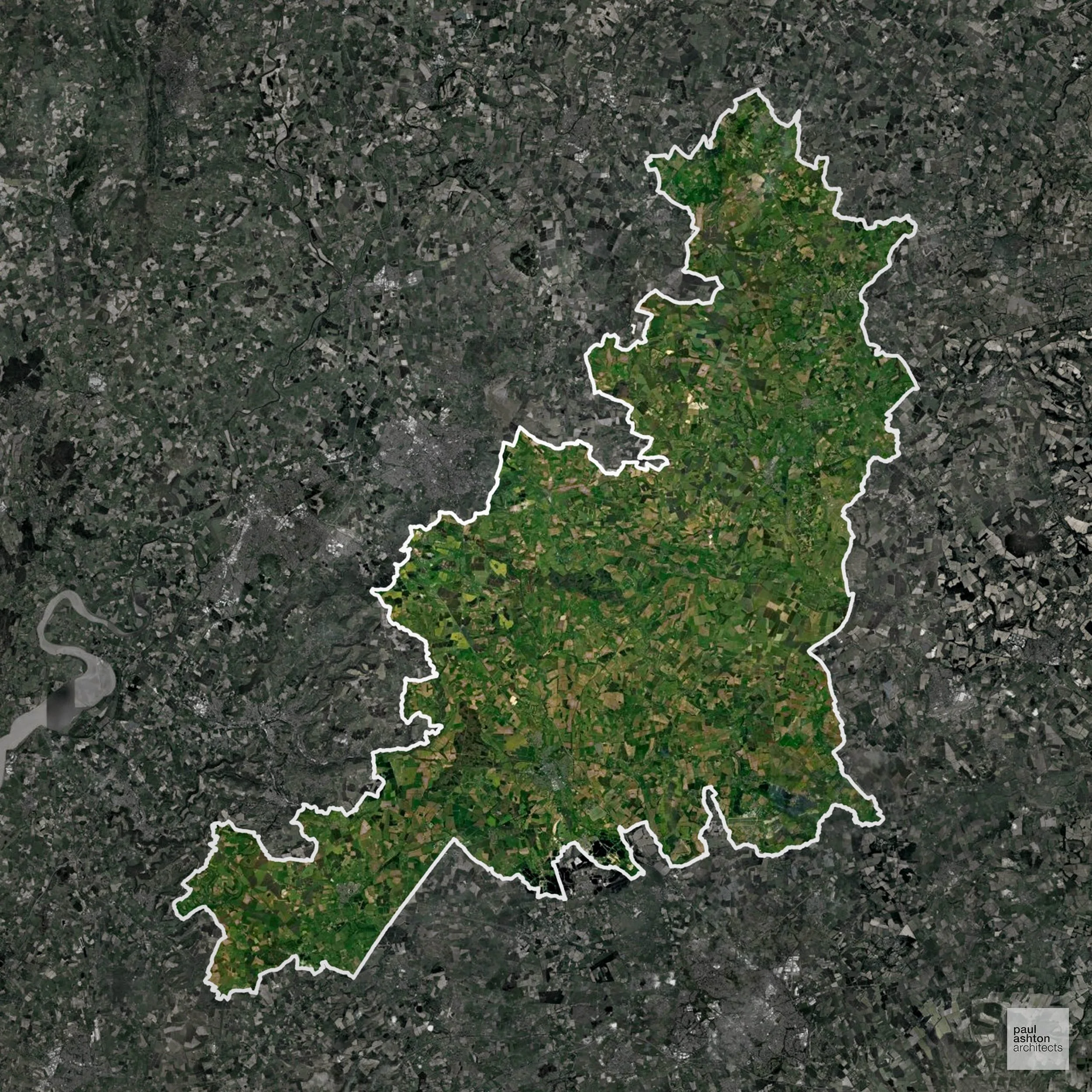
The Cotswold District includes Cirencester, Chipping Campden, and Tetbury. Renowned for its stone-built villages and historic market towns, Green Belt is 0.1%, playing a very minor role in planning.
In the last year Cotswold decided 1,287 applications which is well above the national average of 988. The approval rate was 89% (roughly equal to the national average of 88%) and 53% of applications were decided on time, (significantly below the national average of 59%). Stats updated March 2026 from gov. sources. See how Cotswold performs relative to other LPAs in our LPA hub.
The Cotswolds has an extensive and highly valued historic landscape, with a large number of Conservation Areas and listed buildings constructed in Cotswold limestone. Planning proposals are subject to detailed scrutiny in relation to scale, materials, and impact on village character and wider landscape setting.
Cotswold LPA places very strong emphasis on heritage and design quality, with Planning Permission generally requiring proposals that reinforce local distinctiveness.
One of the top reasons heritage building applications are refused is causing harm to historic significance, a risk that can arise when proposals are not prepared by a consultant with heritage expertise. We help minimise this risk with expert, site-specific guidance; contact us here.
0.1% of Cotswold is within the Green Belt and proposals in these areas can be subject to reasonable levels of scrutiny.
The Cotswold Green Belt protects rolling countryside, historic villages such as Bourton-on-the-Water and Stow-on-the-Wold, and distinctive limestone landscapes, restricting urban expansion and preserving sensitive ecological and heritage areas.
In our experience, one of the top reasons poorly conceived Green Belt proposals are refused is causing 'harm to openness'. We can lower the risk of refusal with site-specific guidance. Contact us here.
You can also check whether your land is within the Green Belt using our interactive Green Belt map.
The Cotswolds AONB dominates the district, with its limestone villages and rolling hills highly sensitive to development.
One of the top reasons poorly prepared proposals in the Open Countryside are refused is that they fail to demonstrate a policy-supported need. To minimise that risk with bespoke advice contact us here.
Alongside acting as Planning Consultants we are ARB registered architects with 25+ years of experience. We advise on and prepare planning applications across a range of development types, including:
Creative architectural design is often what secures Planning Permission where standard approaches fall short. Tell us about your project.
The Cotswold District includes Cirencester, Chipping Campden, and Tetbury. Renowned for its stone-built villages and historic market towns, Green Belt is 0.1%, playing a very minor role in planning.
In the last year Cotswold decided 1,287 applications which is well above the national average of 988. The approval rate was 89% (roughly equal to the national average of 88%) and 53% of applications were decided on time, (significantly below the national average of 59%). Stats updated March 2026 from gov. sources. See how Cotswold performs relative to other LPAs in our LPA hub.
The Cotswolds has an extensive and highly valued historic landscape, with a large number of Conservation Areas and listed buildings constructed in Cotswold limestone. Planning proposals are subject to detailed scrutiny in relation to scale, materials, and impact on village character and wider landscape setting.
Cotswold LPA places very strong emphasis on heritage and design quality, with Planning Permission generally requiring proposals that reinforce local distinctiveness.
One of the top reasons heritage building applications are refused is causing harm to historic significance, a risk that can arise when proposals are not prepared by a consultant with heritage expertise. We help minimise this risk with expert, site-specific guidance; contact us here.
0.1% of Cotswold is within the Green Belt and proposals in these areas can be subject to reasonable levels of scrutiny.
The Cotswold Green Belt protects rolling countryside, historic villages such as Bourton-on-the-Water and Stow-on-the-Wold, and distinctive limestone landscapes, restricting urban expansion and preserving sensitive ecological and heritage areas.
In our experience, one of the top reasons poorly conceived Green Belt proposals are refused is causing 'harm to openness'. We can lower the risk of refusal with site-specific guidance. Contact us here.
You can also check whether your land is within the Green Belt using our interactive Green Belt map.
The Cotswolds AONB dominates the district, with its limestone villages and rolling hills highly sensitive to development.
One of the top reasons poorly prepared proposals in the Open Countryside are refused is that they fail to demonstrate a policy-supported need. To minimise that risk with bespoke advice contact us here.
Alongside acting as Planning Consultants we are ARB registered architects with 25+ years of experience. We advise on and prepare planning applications across a range of development types, including:
Creative architectural design is often what secures Planning Permission where standard approaches fall short. Tell us about your project.