 Image 1 of 4
 Image 2 of 4
 Image 3 of 4
 Image 4 of 4
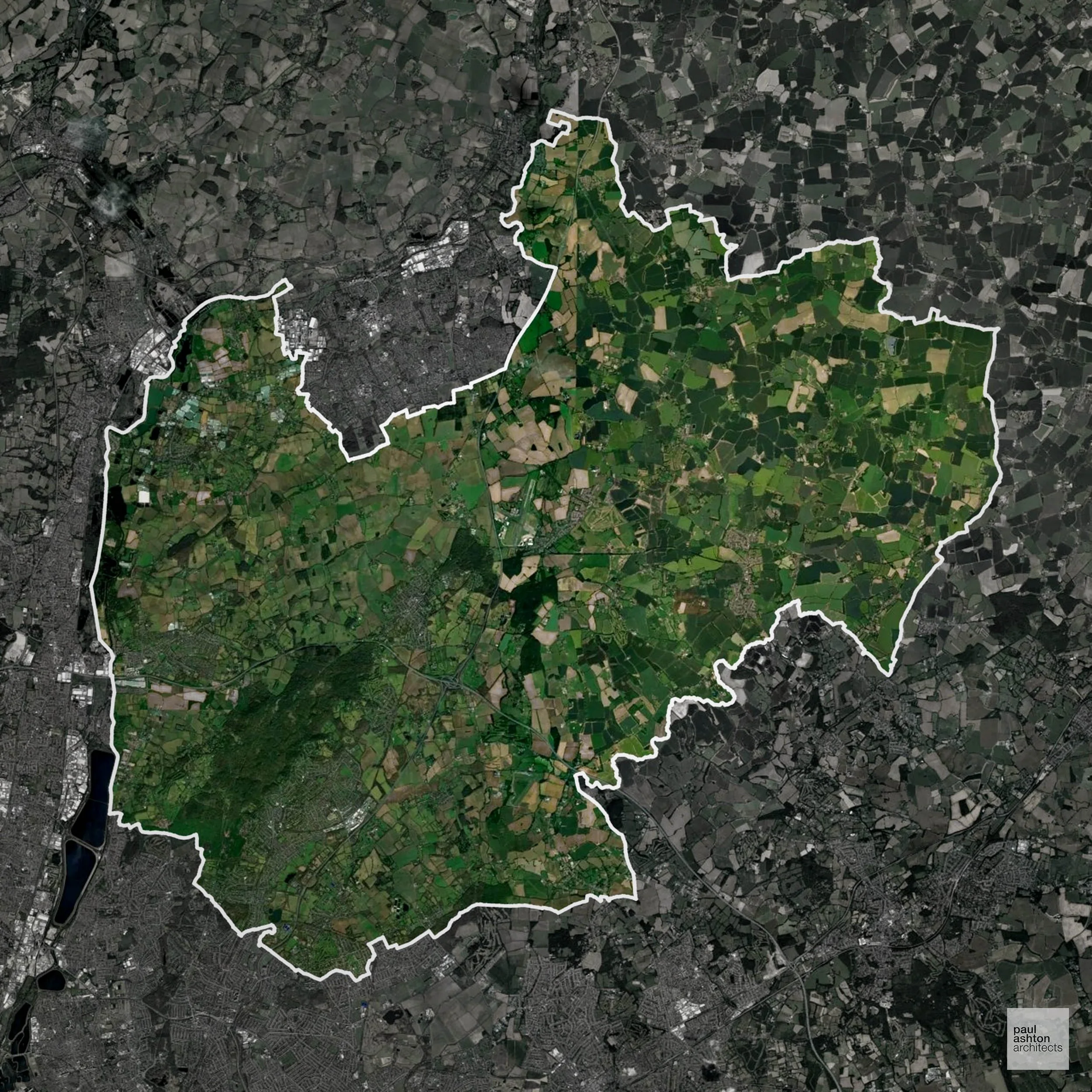
Epping Forest in Essex includes Loughton, Waltham Abbey, and Epping. Around 90.9% of the district is Green Belt, strongly influencing development patterns. Known for its forest, market towns, and heritage villages, planning focuses on balancing growth with protection of open countryside.
In the last year Epping Forest decided 1,350 applications which is well above the national average of 988. The approval rate was 66% (well below the national average of 88%) and 67% of applications were decided on time, (significantly above the national average of 59%). Stats updated March 2026 from gov. sources. See how Epping Forest performs relative to other LPAs in our LPA hub.
Significantly, 90.9% of Epping Forest is within the Green Belt and proposals in these areas can be subject to very high levels of scrutiny.
The Epping Forest Green Belt surrounding Loughton, Epping, and Harlow is sensitive due to pressures for housing and the need to protect ancient woodland and prevent settlement coalescence.
In our experience, one of the top reasons poorly conceived Green Belt proposals are refused is causing 'harm to openness'. We can lower the risk of refusal with site-specific guidance. Contact us here.
You can also check whether your land is within the Green Belt using our interactive Green Belt map.
As well as acting as Planning Consultants we are ARB registered architects with over 25 years’ experience. We support clients through all stages of the planning process, offering the following services:
We specialise in resolving complex planning challenges through thoughtful architectural design, turning constrained or difficult sites into successful Planning Permission outcomes. Let’s discuss your project.
Epping Forest in Essex includes Loughton, Waltham Abbey, and Epping. Around 90.9% of the district is Green Belt, strongly influencing development patterns. Known for its forest, market towns, and heritage villages, planning focuses on balancing growth with protection of open countryside.
In the last year Epping Forest decided 1,350 applications which is well above the national average of 988. The approval rate was 66% (well below the national average of 88%) and 67% of applications were decided on time, (significantly above the national average of 59%). Stats updated March 2026 from gov. sources. See how Epping Forest performs relative to other LPAs in our LPA hub.
Significantly, 90.9% of Epping Forest is within the Green Belt and proposals in these areas can be subject to very high levels of scrutiny.
The Epping Forest Green Belt surrounding Loughton, Epping, and Harlow is sensitive due to pressures for housing and the need to protect ancient woodland and prevent settlement coalescence.
In our experience, one of the top reasons poorly conceived Green Belt proposals are refused is causing 'harm to openness'. We can lower the risk of refusal with site-specific guidance. Contact us here.
You can also check whether your land is within the Green Belt using our interactive Green Belt map.
As well as acting as Planning Consultants we are ARB registered architects with over 25 years’ experience. We support clients through all stages of the planning process, offering the following services:
We specialise in resolving complex planning challenges through thoughtful architectural design, turning constrained or difficult sites into successful Planning Permission outcomes. Let’s discuss your project.