 Image 1 of 4
 Image 2 of 4
 Image 3 of 4
 Image 4 of 4
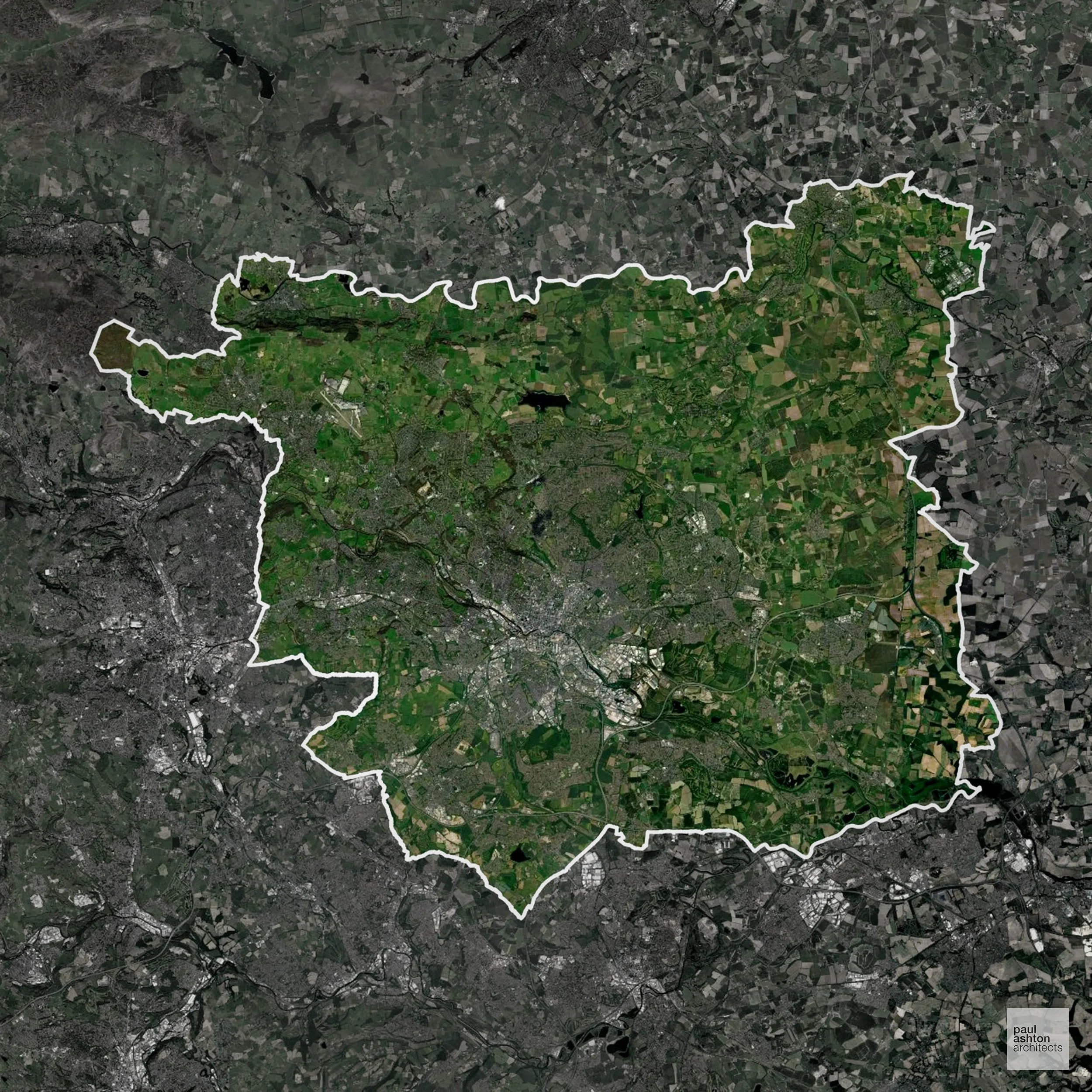
Leeds in West Yorkshire includes the city centre, Headingley, and Morley. About 61.3% of the district is Green Belt, shaping urban expansion and protecting open countryside. Known for financial hubs, historic mills, and cultural centres, planning balances growth with sensitive conservation.
In the last year Leeds decided 3,649 applications which is well above the national average of 988. The approval rate was 83% (roughly equal to the national average of 88%) and 63% of applications were decided on time, (slightly above the national average of 59%). Stats updated March 2026 from gov. sources. See how Leeds performs relative to other LPAs in our LPA hub.
Leeds has a diverse historic environment, with numerous Conservation Areas and a substantial number of listed buildings reflecting its industrial, commercial, and civic development. Heritage constraints are particularly evident in areas such as Leeds city centre and Headingley, where historic townscape, mills, and Victorian architecture contribute to local character.
One of the top reasons heritage building applications are refused is causing harm to historic significance, a risk that can arise when proposals are not prepared by a consultant with heritage expertise. We help minimise this risk with expert, site-specific guidance; contact us here.
Significantly, 61.3% of Leeds is within the Green Belt and proposals in these areas can be subject to high levels of scrutiny.
The Green Belt around Otley, Wetherby, and Guiseley limits growth to preserve countryside and prevent urban sprawl from the city.
In our experience, one of the top reasons poorly conceived Green Belt proposals are refused is causing 'harm to openness'. We can lower the risk of refusal with site-specific guidance. Contact us here.
You can also check whether your land is within the Green Belt using our interactive Green Belt map.
The Aire and Calder floodplains run through the heart of the city, and the devastating Boxing Day floods of 2015 prompted a £112m flood alleviation scheme that nonetheless leaves significant Flood Zone 3 areas constraining growth.
Where constraints permit, we can develop proposals that manage flood risk thoughtfully to give applications the best chance of approval. Learn more about development risks in flood risk areas here.
Alongside acting as Planning Consultants we are ARB registered architects with 25+ years of experience. We advise on and prepare planning applications across a range of development types, including:
Thoughtful, well-considered design is often the key to securing Planning Permission, particularly on sites where others struggle to find a way forward. Let’s discuss your project.
Leeds in West Yorkshire includes the city centre, Headingley, and Morley. About 61.3% of the district is Green Belt, shaping urban expansion and protecting open countryside. Known for financial hubs, historic mills, and cultural centres, planning balances growth with sensitive conservation.
In the last year Leeds decided 3,649 applications which is well above the national average of 988. The approval rate was 83% (roughly equal to the national average of 88%) and 63% of applications were decided on time, (slightly above the national average of 59%). Stats updated March 2026 from gov. sources. See how Leeds performs relative to other LPAs in our LPA hub.
Leeds has a diverse historic environment, with numerous Conservation Areas and a substantial number of listed buildings reflecting its industrial, commercial, and civic development. Heritage constraints are particularly evident in areas such as Leeds city centre and Headingley, where historic townscape, mills, and Victorian architecture contribute to local character.
One of the top reasons heritage building applications are refused is causing harm to historic significance, a risk that can arise when proposals are not prepared by a consultant with heritage expertise. We help minimise this risk with expert, site-specific guidance; contact us here.
Significantly, 61.3% of Leeds is within the Green Belt and proposals in these areas can be subject to high levels of scrutiny.
The Green Belt around Otley, Wetherby, and Guiseley limits growth to preserve countryside and prevent urban sprawl from the city.
In our experience, one of the top reasons poorly conceived Green Belt proposals are refused is causing 'harm to openness'. We can lower the risk of refusal with site-specific guidance. Contact us here.
You can also check whether your land is within the Green Belt using our interactive Green Belt map.
The Aire and Calder floodplains run through the heart of the city, and the devastating Boxing Day floods of 2015 prompted a £112m flood alleviation scheme that nonetheless leaves significant Flood Zone 3 areas constraining growth.
Where constraints permit, we can develop proposals that manage flood risk thoughtfully to give applications the best chance of approval. Learn more about development risks in flood risk areas here.
Alongside acting as Planning Consultants we are ARB registered architects with 25+ years of experience. We advise on and prepare planning applications across a range of development types, including:
Thoughtful, well-considered design is often the key to securing Planning Permission, particularly on sites where others struggle to find a way forward. Let’s discuss your project.