 Image 1 of 4
 Image 2 of 4
 Image 3 of 4
 Image 4 of 4
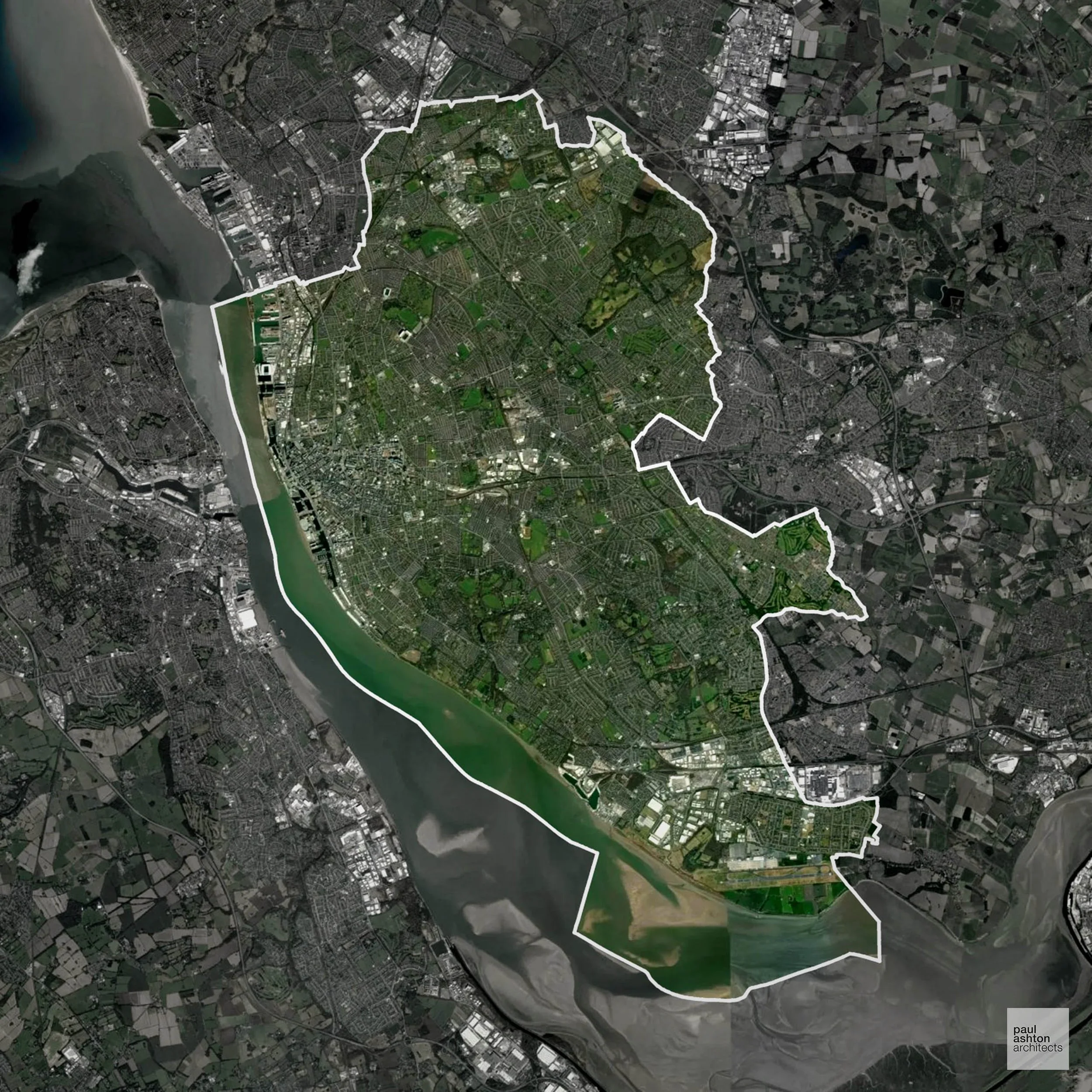
Liverpool includes the city centre, Toxteth, and Anfield. About 3.8% of the district is Green Belt, affecting only the urban periphery. Known for maritime heritage, historic docks, and cultural attractions, planning focuses on residential, commercial, and regeneration projects.
In the last year Liverpool decided 1,323 applications which is well above the national average of 988. The approval rate was 84% (roughly equal to the national average of 88%) and 68% of applications were decided on time, (significantly above the national average of 59%). Stats updated March 2026 from gov. sources. See how Liverpool performs relative to other LPAs in our LPA hub.
Liverpool has a highly distinctive historic environment shaped by its maritime and mercantile heritage, with extensive Conservation Areas and a large number of listed buildings. Heritage constraints are particularly evident within the Albert Dock and Castle Street Conservation Areas, where dock infrastructure and commercial architecture define character.
Development proposals are assessed in relation to waterfront views, historic grain, and the setting of assets such as Royal Albert Dock and the Three Graces.One of the top reasons heritage building applications are refused is causing harm to historic significance, a risk that can arise when proposals are not prepared by a consultant with heritage expertise. We help minimise this risk with expert, site-specific guidance; contact us here.
3.8% of Liverpool is within the Green Belt and proposals in these areas can be subject to reasonable levels of scrutiny.
The Liverpool Green Belt is minimal in extent but it protects farmland, historic villages, and open river corridors around Woolton and Speke, preserving countryside character and preventing coalescence between urban districts, highly sensitive to development pressure.
In our experience, one of the top reasons poorly conceived Green Belt proposals are refused is causing 'harm to openness'. We can lower the risk of refusal with site-specific guidance. Contact us here.
You can also check whether your land is within the Green Belt using our interactive Green Belt map.
Alongside acting as Planning Consultants we are ARB registered architects with 25+ years of experience. We advise on and prepare planning applications across a range of development types, including:
Thoughtful, well-considered design is often the key to securing Planning Permission, particularly on sites where others struggle to find a way forward. Let’s discuss your project.
Liverpool includes the city centre, Toxteth, and Anfield. About 3.8% of the district is Green Belt, affecting only the urban periphery. Known for maritime heritage, historic docks, and cultural attractions, planning focuses on residential, commercial, and regeneration projects.
In the last year Liverpool decided 1,323 applications which is well above the national average of 988. The approval rate was 84% (roughly equal to the national average of 88%) and 68% of applications were decided on time, (significantly above the national average of 59%). Stats updated March 2026 from gov. sources. See how Liverpool performs relative to other LPAs in our LPA hub.
Liverpool has a highly distinctive historic environment shaped by its maritime and mercantile heritage, with extensive Conservation Areas and a large number of listed buildings. Heritage constraints are particularly evident within the Albert Dock and Castle Street Conservation Areas, where dock infrastructure and commercial architecture define character.
Development proposals are assessed in relation to waterfront views, historic grain, and the setting of assets such as Royal Albert Dock and the Three Graces.One of the top reasons heritage building applications are refused is causing harm to historic significance, a risk that can arise when proposals are not prepared by a consultant with heritage expertise. We help minimise this risk with expert, site-specific guidance; contact us here.
3.8% of Liverpool is within the Green Belt and proposals in these areas can be subject to reasonable levels of scrutiny.
The Liverpool Green Belt is minimal in extent but it protects farmland, historic villages, and open river corridors around Woolton and Speke, preserving countryside character and preventing coalescence between urban districts, highly sensitive to development pressure.
In our experience, one of the top reasons poorly conceived Green Belt proposals are refused is causing 'harm to openness'. We can lower the risk of refusal with site-specific guidance. Contact us here.
You can also check whether your land is within the Green Belt using our interactive Green Belt map.
Alongside acting as Planning Consultants we are ARB registered architects with 25+ years of experience. We advise on and prepare planning applications across a range of development types, including:
Thoughtful, well-considered design is often the key to securing Planning Permission, particularly on sites where others struggle to find a way forward. Let’s discuss your project.