 Image 1 of 4
 Image 2 of 4
 Image 3 of 4
 Image 4 of 4
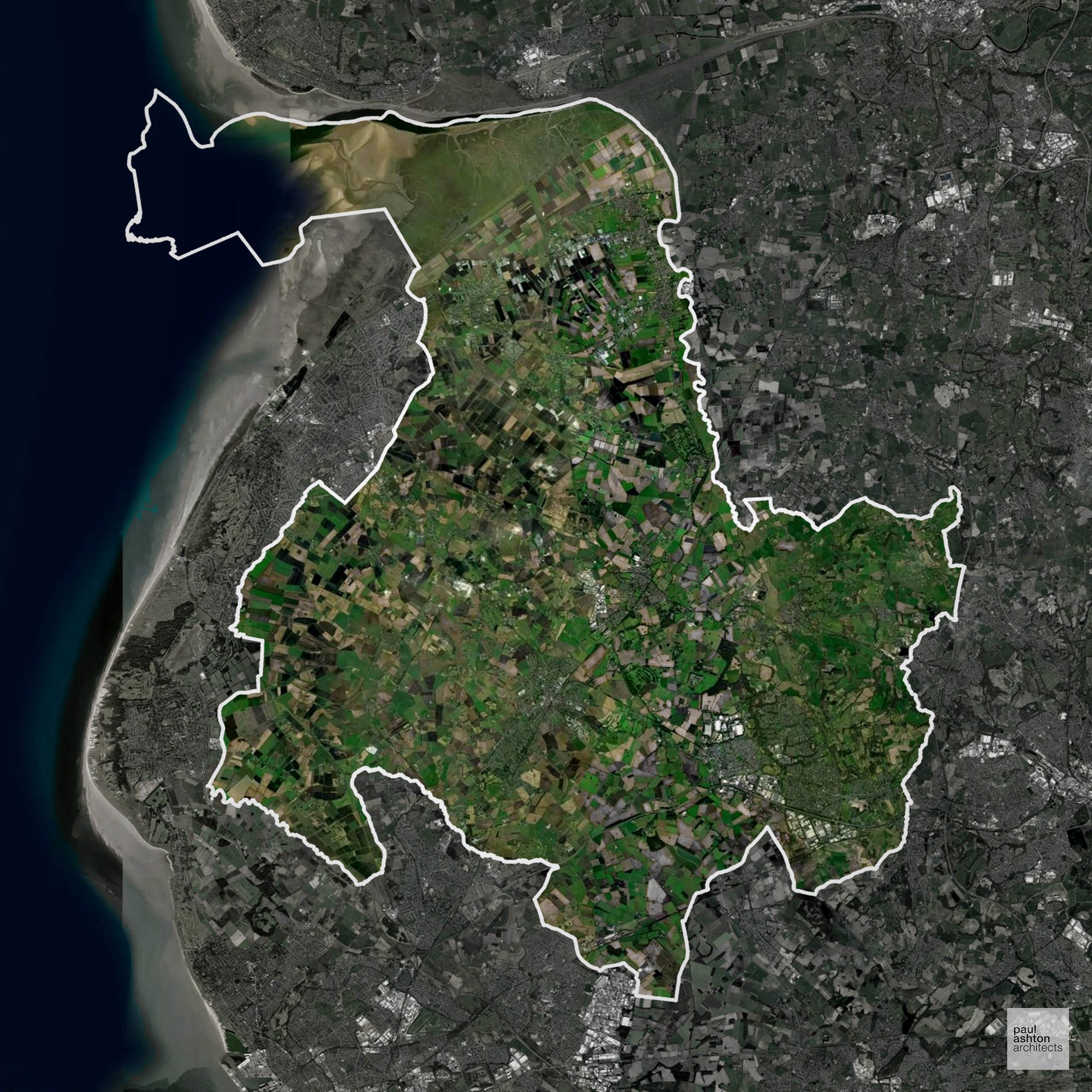
West Lancashire includes Ormskirk, Skelmersdale, and Burscough. About 89.5% of the district is Green Belt, shaping settlement edges and protecting surrounding villages. Known for market towns, historic streets, and rural landscapes, planning focuses on residential, commercial, and conversion projects.
In the last year West Lancashire decided 578 applications which is well below the national average of 988. The approval rate was 83% (slightly below the national average of 88%) and 43% of applications were decided on time, (significantly below the national average of 59%). Stats updated March 2026 from gov. sources. See how West Lancashire performs relative to other LPAs in our LPA hub.
West Lancashire has a predominantly rural historic environment, with several Conservation Areas and a number of listed buildings across its towns and villages. Heritage constraints are particularly evident within the Ormskirk Conservation Area and Parbold Conservation Area, where historic street patterns, vernacular buildings, and village character define local identity.
One of the top reasons heritage building applications are refused is causing harm to historic significance, a risk that can arise when proposals are not prepared by a consultant with heritage expertise. We help minimise this risk with expert, site-specific guidance; contact us here.
Significantly, 89.5% of West Lancashire is within the Green Belt and proposals in these areas can be subject to very high levels of scrutiny.
Almost the whole of West Lancashire is within the Green Belt, with sensitivities particularly around Ormskirk and Skelmersdale, where development pressure to meet housing need is constrained by rural character and agricultural land priorities.
In our experience, one of the top reasons poorly conceived Green Belt proposals are refused is causing 'harm to openness'. We can lower the risk of refusal with site-specific guidance. Contact us here.
You can also check whether your land is within the Green Belt using our interactive Green Belt map.
West Lancashire's rural landscapes span the West Lancashire Plain, mosslands around Burscough and Rufford, and the Martin Mere wetlands, where agricultural and ecological designations limit development.
One of the top reasons poorly prepared proposals in the Open Countryside are refused is that they fail to demonstrate a policy-supported need. To minimise that risk with bespoke advice contact us here.
Low-lying coastal mosslands, the River Alt corridor, and proximity to the Ribble Estuary place extensive areas of the district in Flood Zone 3, a significant constraint on growth in rural and semi-rural settlements.
Where constraints permit, we can develop proposals that manage flood risk thoughtfully to give applications the best chance of approval. Learn more about development risks in flood risk areas here.
In addition to acting as Planing Conultants we are ARB registered architects with 25+ years of experience. We provide a full range of planning services, including:
Creative architectural design is often what secures Planning Permission where standard approaches fall short. Tell us about your project.
West Lancashire includes Ormskirk, Skelmersdale, and Burscough. About 89.5% of the district is Green Belt, shaping settlement edges and protecting surrounding villages. Known for market towns, historic streets, and rural landscapes, planning focuses on residential, commercial, and conversion projects.
In the last year West Lancashire decided 578 applications which is well below the national average of 988. The approval rate was 83% (slightly below the national average of 88%) and 43% of applications were decided on time, (significantly below the national average of 59%). Stats updated March 2026 from gov. sources. See how West Lancashire performs relative to other LPAs in our LPA hub.
West Lancashire has a predominantly rural historic environment, with several Conservation Areas and a number of listed buildings across its towns and villages. Heritage constraints are particularly evident within the Ormskirk Conservation Area and Parbold Conservation Area, where historic street patterns, vernacular buildings, and village character define local identity.
One of the top reasons heritage building applications are refused is causing harm to historic significance, a risk that can arise when proposals are not prepared by a consultant with heritage expertise. We help minimise this risk with expert, site-specific guidance; contact us here.
Significantly, 89.5% of West Lancashire is within the Green Belt and proposals in these areas can be subject to very high levels of scrutiny.
Almost the whole of West Lancashire is within the Green Belt, with sensitivities particularly around Ormskirk and Skelmersdale, where development pressure to meet housing need is constrained by rural character and agricultural land priorities.
In our experience, one of the top reasons poorly conceived Green Belt proposals are refused is causing 'harm to openness'. We can lower the risk of refusal with site-specific guidance. Contact us here.
You can also check whether your land is within the Green Belt using our interactive Green Belt map.
West Lancashire's rural landscapes span the West Lancashire Plain, mosslands around Burscough and Rufford, and the Martin Mere wetlands, where agricultural and ecological designations limit development.
One of the top reasons poorly prepared proposals in the Open Countryside are refused is that they fail to demonstrate a policy-supported need. To minimise that risk with bespoke advice contact us here.
Low-lying coastal mosslands, the River Alt corridor, and proximity to the Ribble Estuary place extensive areas of the district in Flood Zone 3, a significant constraint on growth in rural and semi-rural settlements.
Where constraints permit, we can develop proposals that manage flood risk thoughtfully to give applications the best chance of approval. Learn more about development risks in flood risk areas here.
In addition to acting as Planing Conultants we are ARB registered architects with 25+ years of experience. We provide a full range of planning services, including:
Creative architectural design is often what secures Planning Permission where standard approaches fall short. Tell us about your project.