 Image 1 of 4
 Image 2 of 4
 Image 3 of 4
 Image 4 of 4
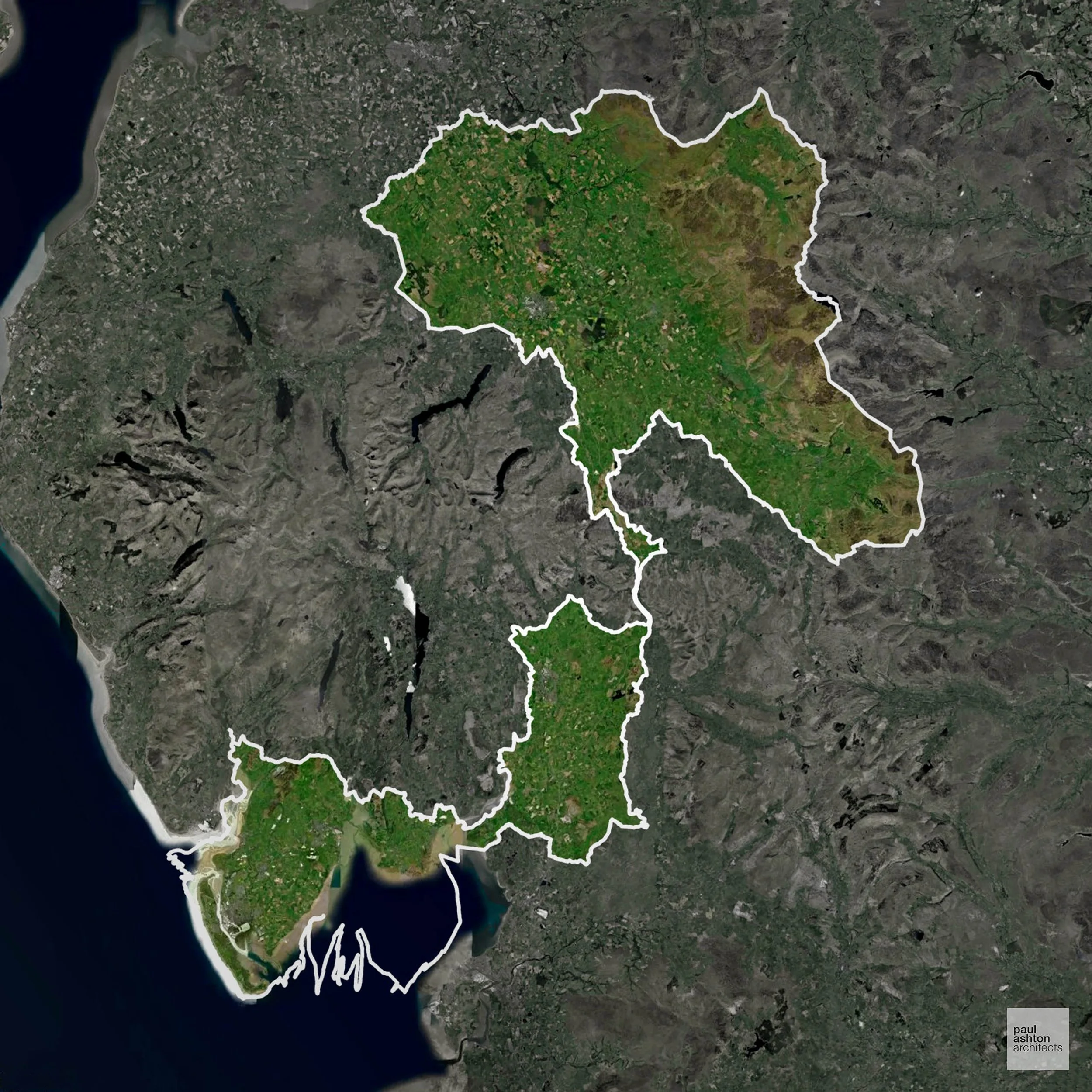
Westmorland and Furness includes Kendal, Barrow-in-Furness, and Ulverston. Planning focused on historic towns, villages, and rural landscapes. Known for heritage buildings, market towns, and scenic villages, planning supports residential, commercial, and conversion projects.
In the last year Westmorland and Furness decided 1,223 applications which is well above the national average of 988. The approval rate was 92% (marginally above the national average of 88%) and 48% of applications were decided on time, (significantly below the national average of 59%). Stats updated March 2026 from gov. sources. See how Westmorland and Furness performs relative to other LPAs in our LPA hub.
Westmorland and Furness contains a highly sensitive historic environment shaped by its rural settlements, vernacular architecture, and extensive Conservation Areas, many of which lie within nationally designated landscapes. Development proposals must respond carefully to the relationship between built form and landscape setting, with particular regard to traditional materials, dispersed settlement patterns, and cumulative visual impact.
One of the top reasons heritage building applications are refused is causing harm to historic significance, a risk that can arise when proposals are not prepared by a consultant with heritage expertise. We help minimise this risk with expert, site-specific guidance; contact us here.
Westmorland and Furness encompasses the Lake District fringes and Eden Valley countryside, where development is highly sensitive due to scenic and ecological value.
One of the top reasons poorly prepared proposals in the Open Countryside are refused is that they fail to demonstrate a policy-supported need. To minimise that risk with bespoke advice contact us here.
The Kent and Leven estuaries and the rivers draining the southern Lake District fells were devastated by Storm Desmond in 2015, and flood risk remains a fundamental planning constraint across much of the authority.
Where constraints permit, we can develop proposals that manage flood risk thoughtfully to give applications the best chance of approval. Learn more about development risks in flood risk areas here.
Westmorland and Furness is affected by three catchments (River Eden, River Kent, and Esthwaite Water) all requiring phosphorus neutrality; the varied and rural character of the area makes securing mitigation challenging.
Unfortunately, Nutrient Neutrality can halt development completely. If you need early-stage, project-specific advice contact us here.
As well as acting as Planning Consultants we are ARB registered architects with over 25 years’ experience. We support clients through all stages of the planning process, offering the following services:
Creative architectural design is often what secures Planning Permission where standard approaches fall short. Tell us about your project.
Westmorland and Furness includes Kendal, Barrow-in-Furness, and Ulverston. Planning focused on historic towns, villages, and rural landscapes. Known for heritage buildings, market towns, and scenic villages, planning supports residential, commercial, and conversion projects.
In the last year Westmorland and Furness decided 1,223 applications which is well above the national average of 988. The approval rate was 92% (marginally above the national average of 88%) and 48% of applications were decided on time, (significantly below the national average of 59%). Stats updated March 2026 from gov. sources. See how Westmorland and Furness performs relative to other LPAs in our LPA hub.
Westmorland and Furness contains a highly sensitive historic environment shaped by its rural settlements, vernacular architecture, and extensive Conservation Areas, many of which lie within nationally designated landscapes. Development proposals must respond carefully to the relationship between built form and landscape setting, with particular regard to traditional materials, dispersed settlement patterns, and cumulative visual impact.
One of the top reasons heritage building applications are refused is causing harm to historic significance, a risk that can arise when proposals are not prepared by a consultant with heritage expertise. We help minimise this risk with expert, site-specific guidance; contact us here.
Westmorland and Furness encompasses the Lake District fringes and Eden Valley countryside, where development is highly sensitive due to scenic and ecological value.
One of the top reasons poorly prepared proposals in the Open Countryside are refused is that they fail to demonstrate a policy-supported need. To minimise that risk with bespoke advice contact us here.
The Kent and Leven estuaries and the rivers draining the southern Lake District fells were devastated by Storm Desmond in 2015, and flood risk remains a fundamental planning constraint across much of the authority.
Where constraints permit, we can develop proposals that manage flood risk thoughtfully to give applications the best chance of approval. Learn more about development risks in flood risk areas here.
Westmorland and Furness is affected by three catchments (River Eden, River Kent, and Esthwaite Water) all requiring phosphorus neutrality; the varied and rural character of the area makes securing mitigation challenging.
Unfortunately, Nutrient Neutrality can halt development completely. If you need early-stage, project-specific advice contact us here.
As well as acting as Planning Consultants we are ARB registered architects with over 25 years’ experience. We support clients through all stages of the planning process, offering the following services:
Creative architectural design is often what secures Planning Permission where standard approaches fall short. Tell us about your project.