Canning Street Conservation Area
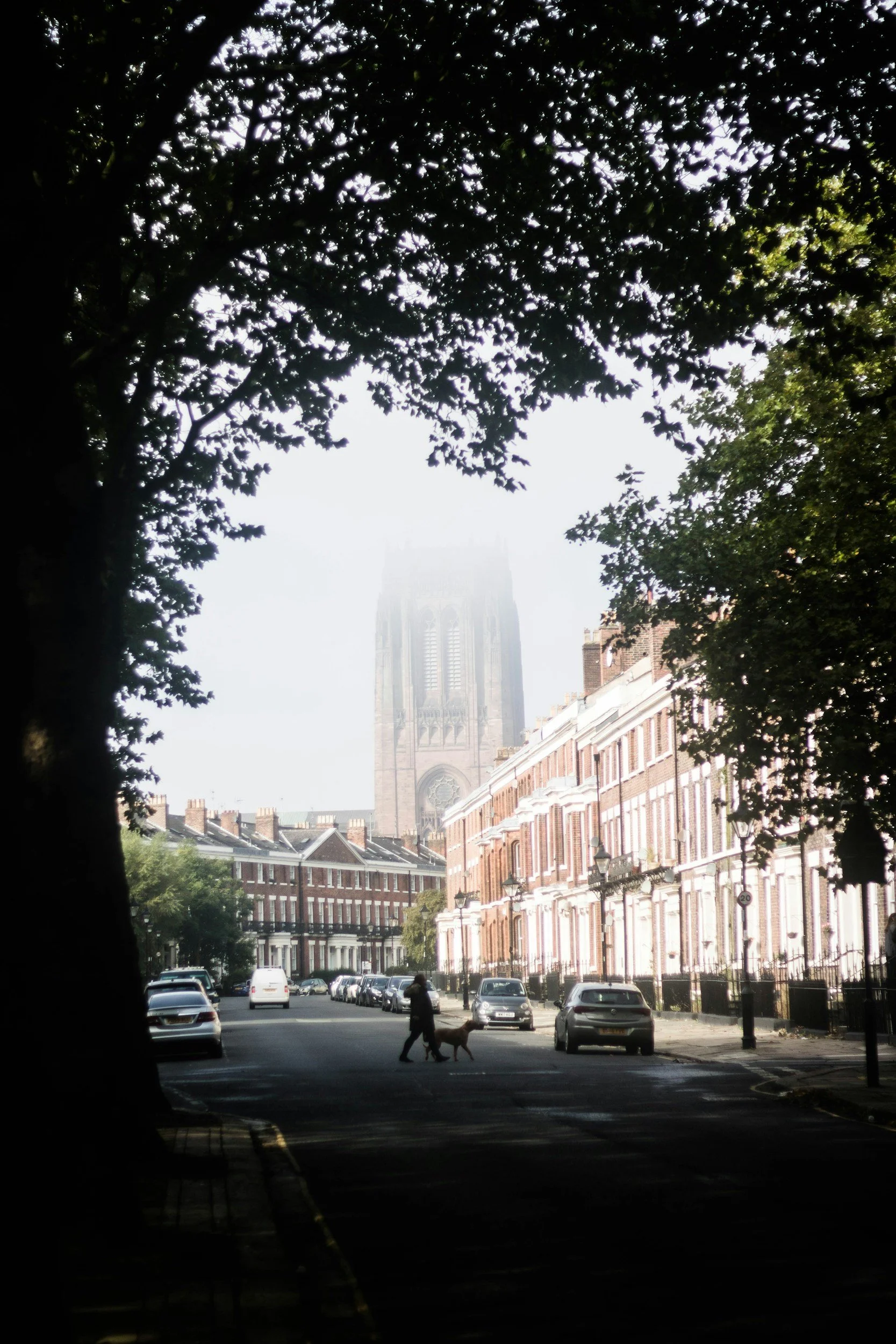
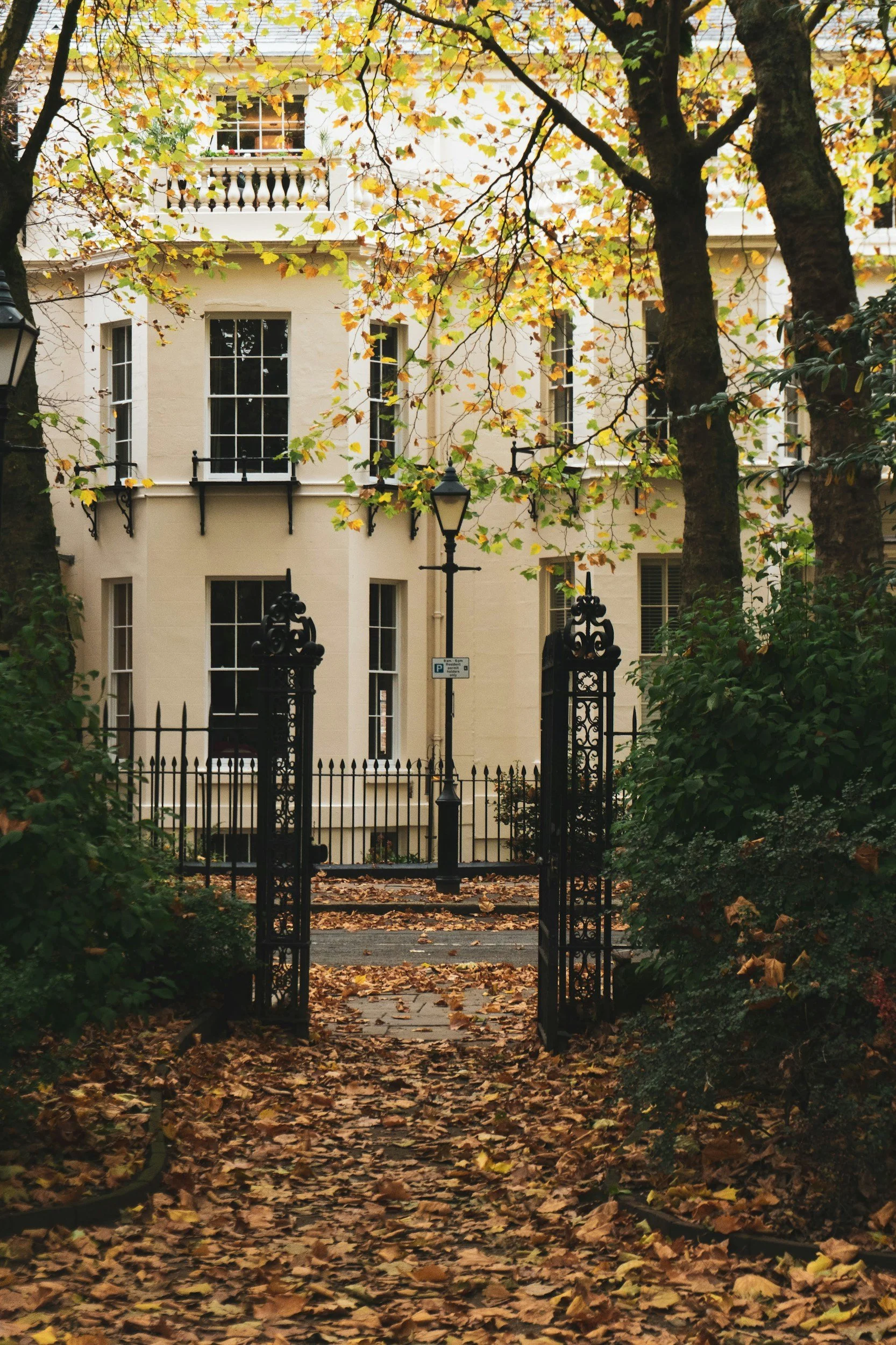
Nestled in the heart of Liverpool’s Georgian Quarter, the Canning Street Conservation Area is a remarkable testament to the city’s late eighteenth and early nineteenth-century development. Its narrow streets and elegant terraces reflect a period when Liverpool was expanding rapidly as a centre of trade and commerce. The area’s distinctive character comes from its finely proportioned townhouses, intricate brickwork, and carefully detailed façades, giving the streets a strong sense of rhythm, charm, and continuity.
Walking through the Canning Street Conservation Area today, it is easy to imagine the lives of the merchants, craftsmen, and families who once occupied these houses. Each doorway, window, and cornice tells part of a wider story, and the careful management of this historic environment ensures that the narrative continues for future generations.
The area is designated as a conservation area, meaning that changes to its buildings, particularly listed buildings, require careful consideration. This approach safeguards architectural integrity, historic character, and the wider townscape, while allowing buildings to evolve in a controlled and thoughtful way.
Our Work in the Georgian Quarter
Over the years, we have had the privilege of contributing to the ongoing stewardship of this remarkable area, delivering projects that balance heritage conservation with practical modern use. Our experience within the Canning Street Conservation Area includes:
Internal Modifications to a Listed Building
Listed Building Consent Ref: 15L/2289
Sensitive internal alterations to a Grade II listed property, retaining significant historic features while adapting the building for contemporary living.
Replacement Windows to a Grade II Listed Building
Listed Building Consent Ref: 22L/3326
Carefully specified replacement windows that respect historic proportions and detailing, while improving comfort and performance without harming the character of the building or street.
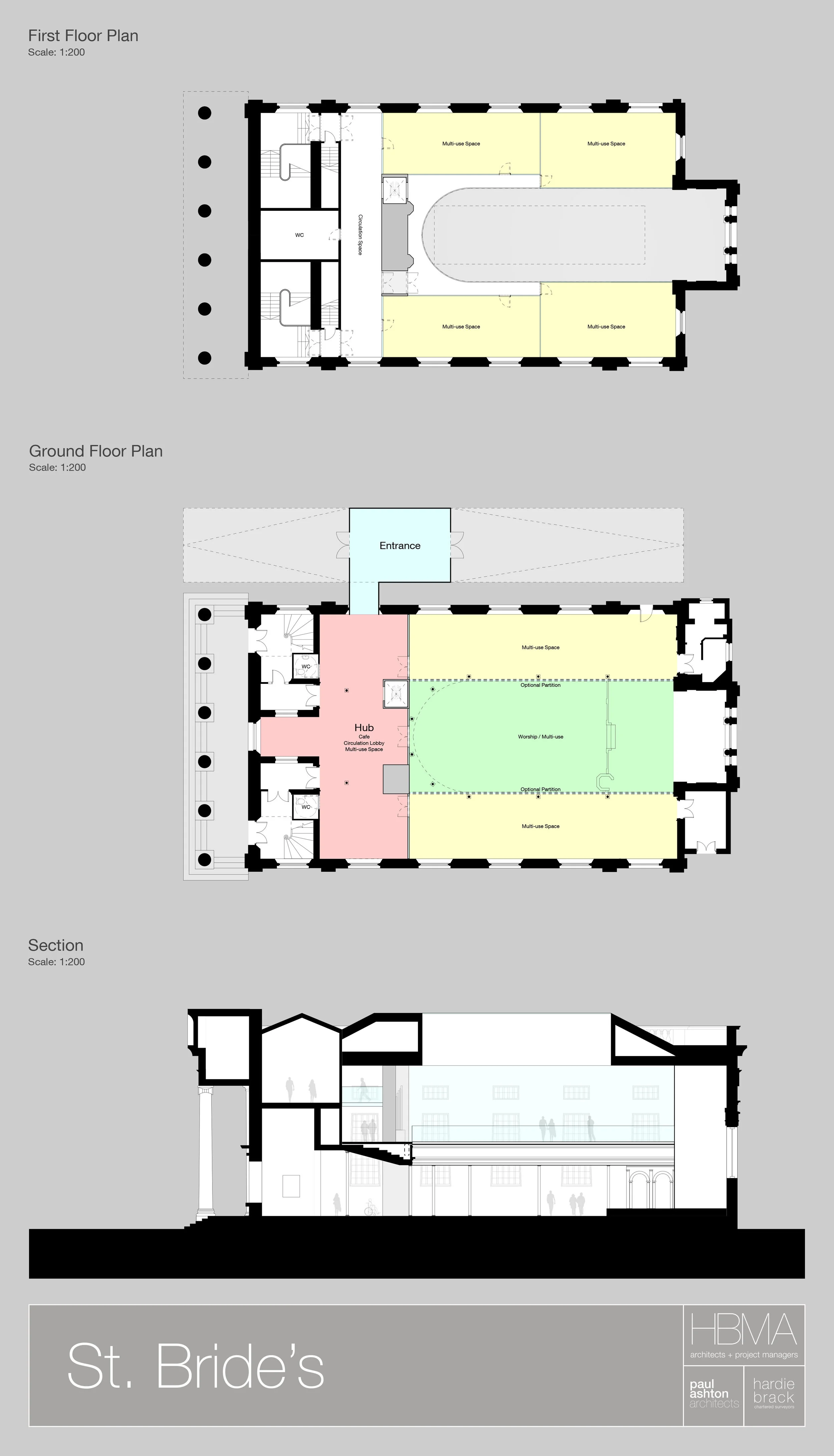
Feasibility Study for St Brides Church
Grade II Listed, List Entry Number: 1365835*
A detailed feasibility study exploring options for restoration and sensitive development, ensuring any future use would preserve the architectural and historic significance of this important landmark.
Rear Extensions and Alterations to a Grade II Listed Dwelling
Thoughtfully designed works to the rear of a listed building, allowing modern accommodation to be introduced while protecting the historic fabric and appearance of the original structure.
Through each project, the emphasis has been on understanding the building first, responding to its history, and working constructively with the Local Planning Authority. Working in such a distinctive conservation area is both a responsibility and a privilege, requiring detailed knowledge of conservation principles, planning policy, and historic construction.
The Canning Street Conservation Area remains one of Liverpool’s most cherished historic environments, and our work there reflects a commitment to ensuring that its buildings continue to tell their stories while remaining viable for modern use.
How We Can Help
We provide clear, practical support for projects within conservation areas and listed buildings, including:
Planning Permission applications within conservation areas
Listed Building Consent applications
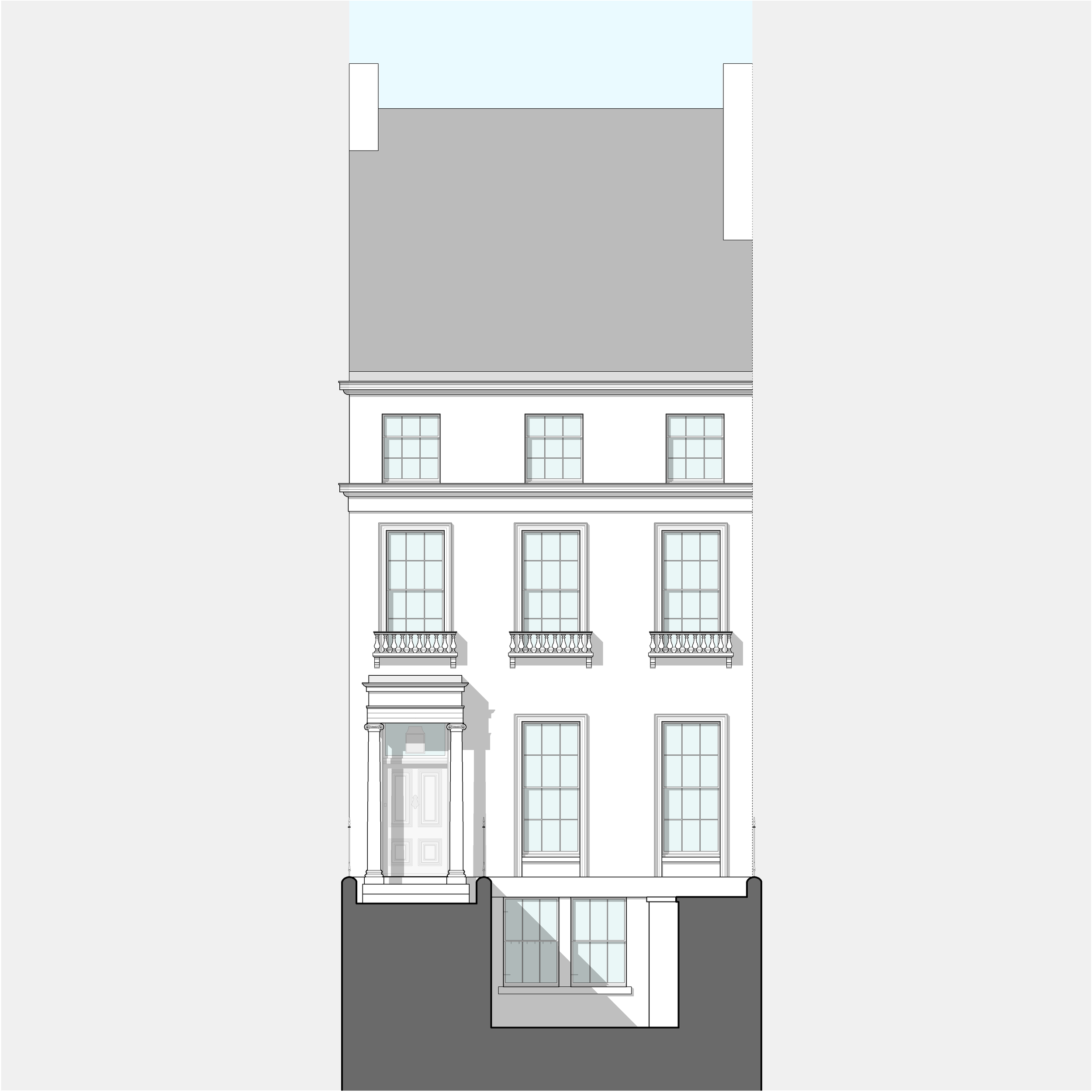
Measured drawings and elevations
Detailed specifications for replacement windows and external alterations
Heritage Statements and supporting conservation documentation
Advice on Building Regulations where they intersect with historic fabric
Our approach is collaborative, proportionate, and rooted in a detailed understanding of place, helping proposals progress smoothly while respecting the historic significance of the Canning Street Conservation Area.