Development in National Parks
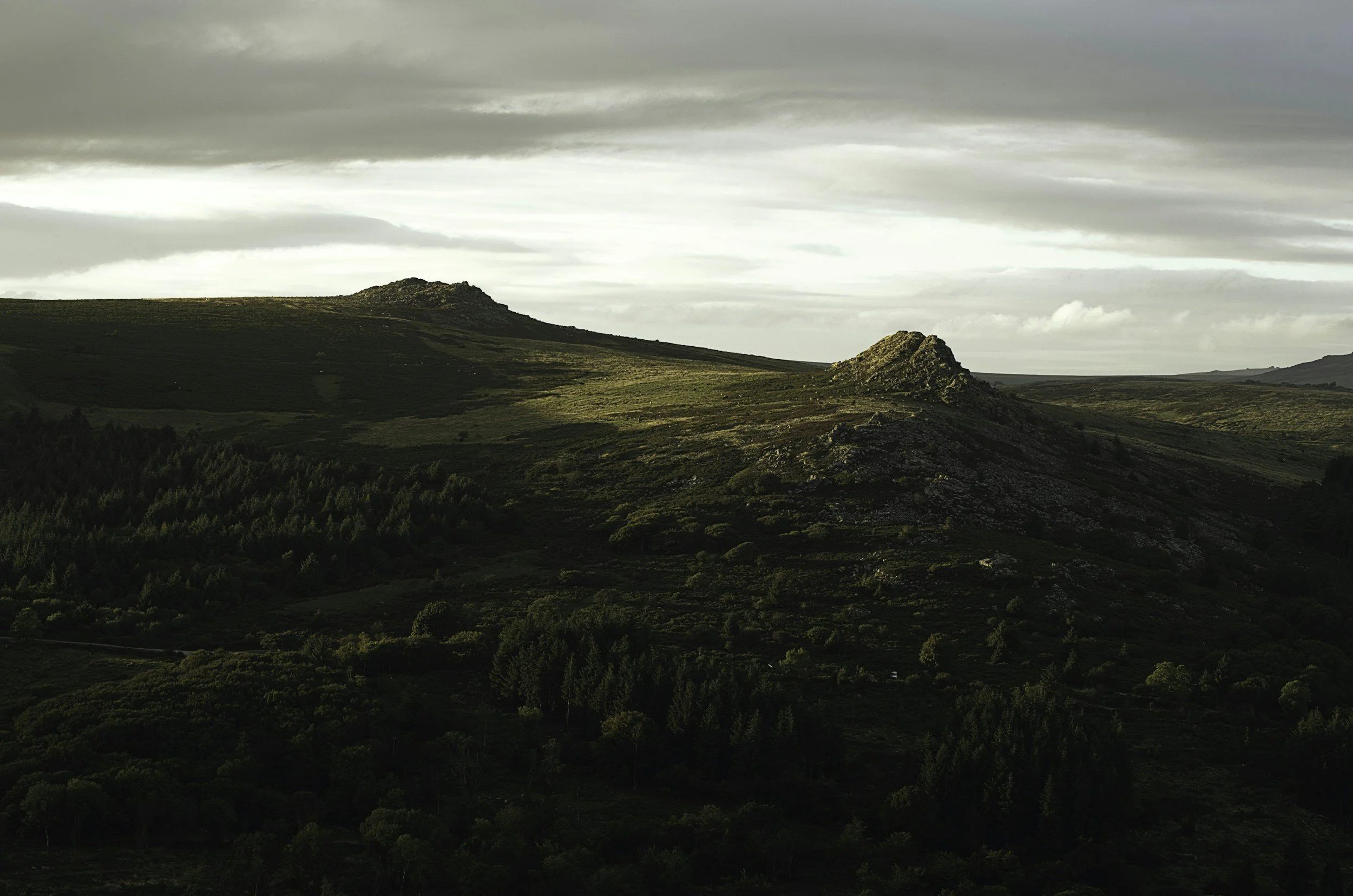
National Parks were established following the National Parks and Access to the Countryside Act 1949 to protect the country’s most valuable landscapes for their natural beauty, wildlife, and cultural heritage, while also providing opportunities for public access and recreation. The first parks were designated in the 1950s, beginning with the Peak District National Park, and the network has since expanded to cover some of the most sensitive and protected landscapes in England and Wales.
Today, there are 10 National Parks in England. Development in these areas are subject to the highest levels of planning control, with National Park Authorities acting as the Local Planning Authority.
Dartmoor National Park - 1951
Exmoor National Park - 1954
Lake District National Park - 1951
New Forest National Park - 2005
Peak District National Park - 1951
South Downs National Park - 2012
Northumberland National Park - 1956
The Broads Authority - 1989
Refusal Risks in a National Park
Applicants often approach us after submitting a planning application within a National Park, having found that they, or their original consultant, lack the specialist expertise needed to address the stringent policy requirements and environmental sensitivities these areas impose. Common reasons for refusal often include:
Failure to demonstrate that the proposal conserves and enhances the natural beauty, wildlife, and cultural heritage of the National Park.
Inappropriate scale, siting, or design that does not respond to the local context.
Harm to landscape character, key views, tranquillity, or the wider setting.
Insufficient landscape, visual impact, or environmental assessments.
Poor-quality drawings or supporting information that fail to clearly communicate the proposal.
Conflicts with National Park policies and national planning policy relating to protected landscapes.
Lack of early engagement with the National Park LPA or key consultees.
We can help you prepare proposals that respond to the unique landscape and policy constraints, align with planning policy, and maximise your chances of securing Planning Permission.
For site-specific guidance for your development, get in touch here.
For Developers
Any proposed development in these areas is subject to strict planning controls, and applications are carefully scrutinised to ensure they conserve the character and ecology of the park. Projects such as residential housing, commercial buildings, or conversions must demonstrate clear need, sustainable design, and minimal environmental impact to be considered.
For Homeowners
National Parks offer exceptional living environments, but planning permission is only granted in exceptional circumstances. Extensions, alterations, or replacement buildings are assessed with a focus on conserving the landscape and local heritage. Early professional advice can help navigate these constraints, maximise compliance with local planning policies, and improve the likelihood of approval.