
 Image 1 of 4
 Image 2 of 4
 Image 3 of 4
 Image 4 of 4
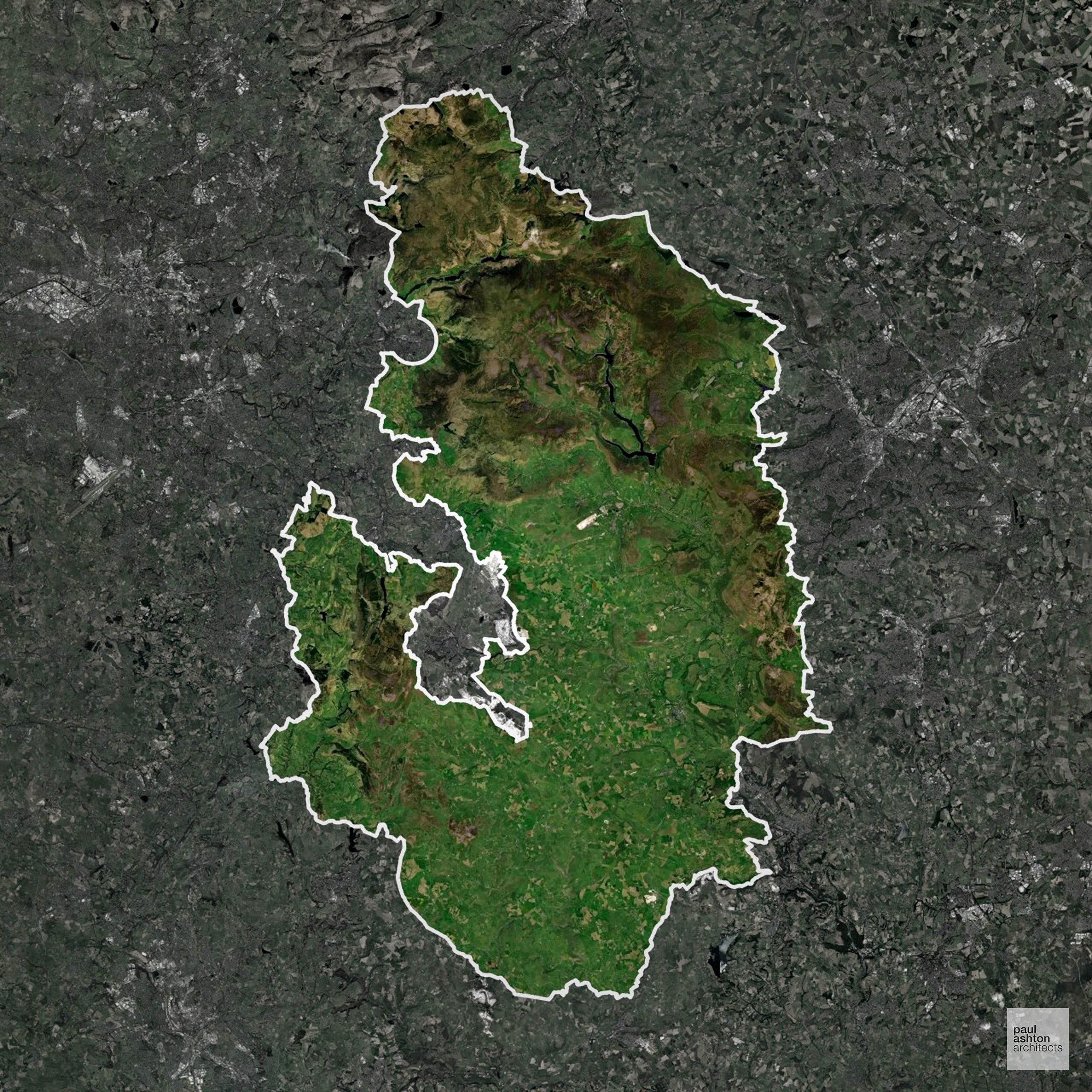
The Peak District National Park includes Bakewell, Buxton, and Matlock. Designated as a National Park, planning focuses on landscape conservation, heritage settlements, and sustainable rural development.
In the last year Peak District National Park decided 513 applications which is well below the national average of 959. The approval rate was 87% (roughly equal to the national average of 88%) and 66% of applications were decided on time, (significantly above the national average of 58%). Stats updated Sept 2026 from gov.uk sources. See how Peak District National Park performs relative to other LPAs in our LPA hub.
The White Peak dales and Dark Peak moorlands are tightly constrained, particularly near villages such as Bakewell, Castleton, and Hathersage. Development is resisted in open countryside and high-value scenic areas, but conversions of redundant farm buildings or modest infill in larger villages may be supported, provided proposals respect landscape character and ecological networks.
One of the top reasons National Park applications lacking specialist expertise are refused is failing to conserve or enhance the landscape. We help reduce this risk with expert, site-specific guidance; contact us here.
Areas of Outstanding Natural Beauty (AONBs), sometimes called National Landscapes, are designated for their exceptional scenic and natural importance.
Peak District National Park includes Peak District fringes designated as AONB. Development must consider landscape protection.
In our experience, one of the top reasons proposals in Areas of Outstanding Natural Beauty are refused is causing landscape harm or visual intrusion, a risk that often arises when applications are not fully informed. We help minimise the likelihood of refusal with expert, guidance; contact us here.
The Peak District National Park has an exceptionally sensitive historic environment, with numerous Conservation Areas and a high concentration of listed buildings set within a nationally protected landscape. Heritage constraints are closely intertwined with landscape considerations, particularly in settlements such as Bakewell and Castleton, where traditional building forms and materials are integral to local character.
Development proposals are subject to very stringent policy tests, with Planning Permission typically requiring exceptional justification and a design approach that conserves and enhances both heritage significance and landscape quality.One of the top reasons heritage building applications are refused is causing harm to historic significance, a risk that can arise when proposals are not prepared by a consultant with heritage expertise. We help minimise this risk with expert, site-specific guidance; contact us here.
A significant part of the National Park falls within the Peak District Dales SAC catchment, where phosphorus neutrality is required for new residential development and overnight accommodation in affected areas.
Unfortunately, Nutrient Neutrality can halt development completely. If you need early-stage, project-specific advice contact us here.
As well as acting as Planning Consultants we are ARB registered architects with over 25 years’ experience. We support clients through all stages of the planning process, offering the following services:
Creative architectural design is often what secures Planning Permission where standard approaches fall short. Tell us about your project.
The Peak District National Park includes Bakewell, Buxton, and Matlock. Designated as a National Park, planning focuses on landscape conservation, heritage settlements, and sustainable rural development.
In the last year Peak District National Park decided 513 applications which is well below the national average of 959. The approval rate was 87% (roughly equal to the national average of 88%) and 66% of applications were decided on time, (significantly above the national average of 58%). Stats updated Sept 2026 from gov.uk sources. See how Peak District National Park performs relative to other LPAs in our LPA hub.
The White Peak dales and Dark Peak moorlands are tightly constrained, particularly near villages such as Bakewell, Castleton, and Hathersage. Development is resisted in open countryside and high-value scenic areas, but conversions of redundant farm buildings or modest infill in larger villages may be supported, provided proposals respect landscape character and ecological networks.
One of the top reasons National Park applications lacking specialist expertise are refused is failing to conserve or enhance the landscape. We help reduce this risk with expert, site-specific guidance; contact us here.
Areas of Outstanding Natural Beauty (AONBs), sometimes called National Landscapes, are designated for their exceptional scenic and natural importance.
Peak District National Park includes Peak District fringes designated as AONB. Development must consider landscape protection.
In our experience, one of the top reasons proposals in Areas of Outstanding Natural Beauty are refused is causing landscape harm or visual intrusion, a risk that often arises when applications are not fully informed. We help minimise the likelihood of refusal with expert, guidance; contact us here.
The Peak District National Park has an exceptionally sensitive historic environment, with numerous Conservation Areas and a high concentration of listed buildings set within a nationally protected landscape. Heritage constraints are closely intertwined with landscape considerations, particularly in settlements such as Bakewell and Castleton, where traditional building forms and materials are integral to local character.
Development proposals are subject to very stringent policy tests, with Planning Permission typically requiring exceptional justification and a design approach that conserves and enhances both heritage significance and landscape quality.One of the top reasons heritage building applications are refused is causing harm to historic significance, a risk that can arise when proposals are not prepared by a consultant with heritage expertise. We help minimise this risk with expert, site-specific guidance; contact us here.
A significant part of the National Park falls within the Peak District Dales SAC catchment, where phosphorus neutrality is required for new residential development and overnight accommodation in affected areas.
Unfortunately, Nutrient Neutrality can halt development completely. If you need early-stage, project-specific advice contact us here.
As well as acting as Planning Consultants we are ARB registered architects with over 25 years’ experience. We support clients through all stages of the planning process, offering the following services:
Creative architectural design is often what secures Planning Permission where standard approaches fall short. Tell us about your project.