
Article: Nutrient Neutrality & Development
Nutrient neutrality was meant to protect rivers and wetlands from excess pollution, but in practice it stalls housing development, targets the wrong sources, and fails to address decades of under-investment in water infrastructure. This post examines why the policy, however well-intentioned, is often ineffective on the ground.

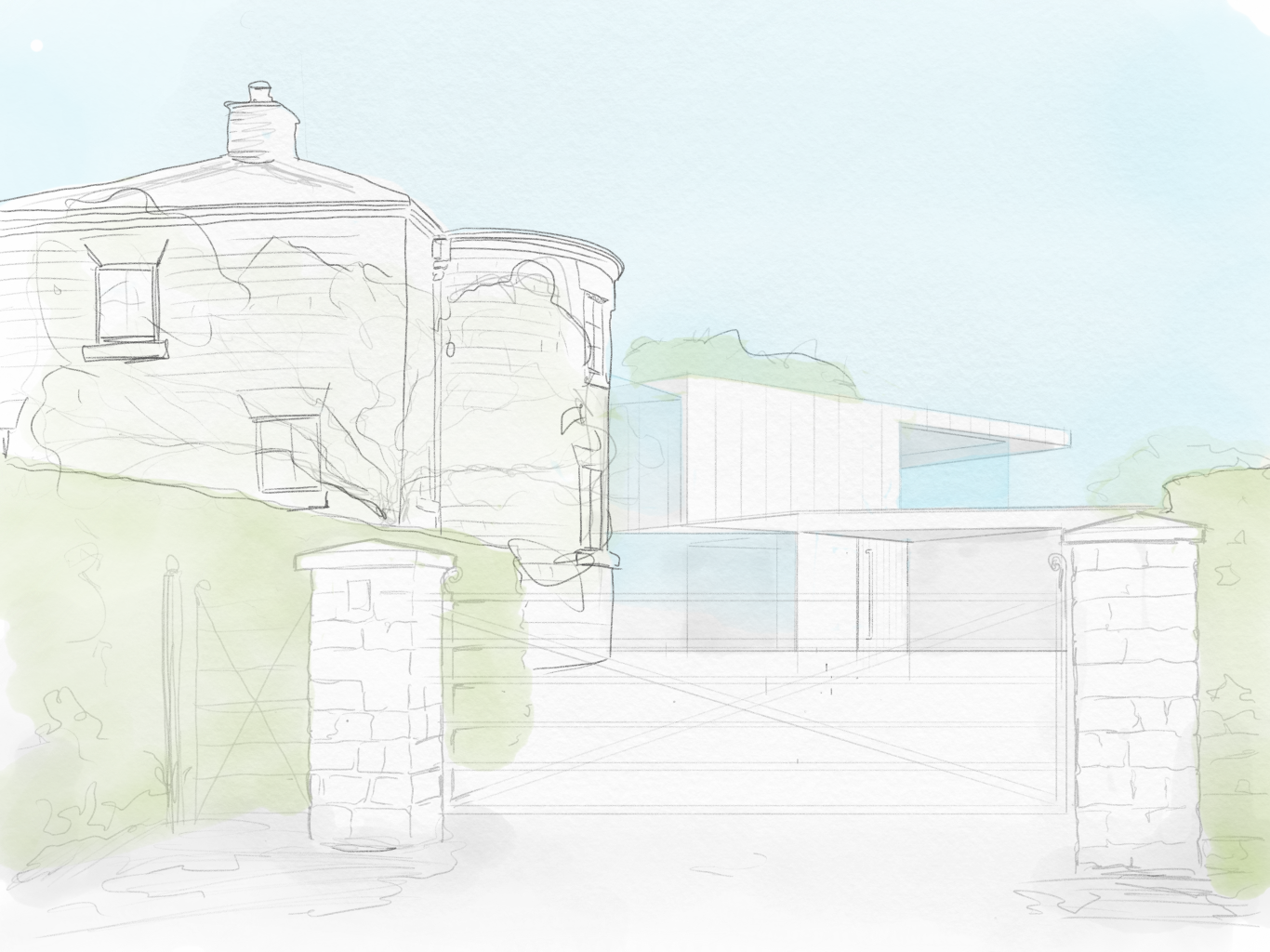
Feasibility Study: Chelford Green Belt
We were commissioned to produce a Feasibility Study for the former bowling green site in Chelford, a picturesque Cheshire village known for its historic homes and rural setting.
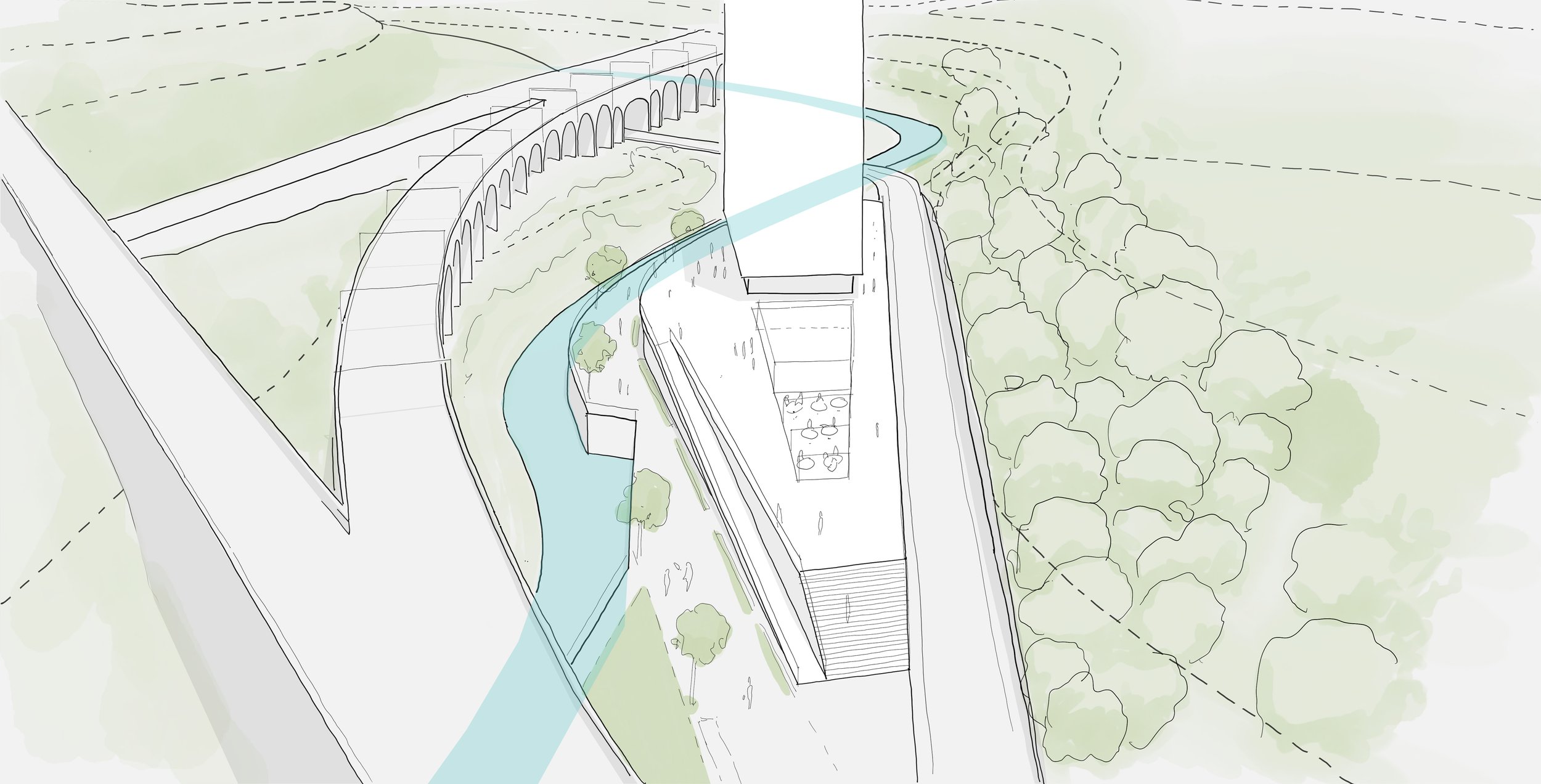
Feasibility: Post Industrial Development, Manchester
We were commissioned to produce a feasibility study, which formed the basis of several pre-application submissions to Manchester City Council. The site is the location of a former textile mill and is situated alongside the River Irk.
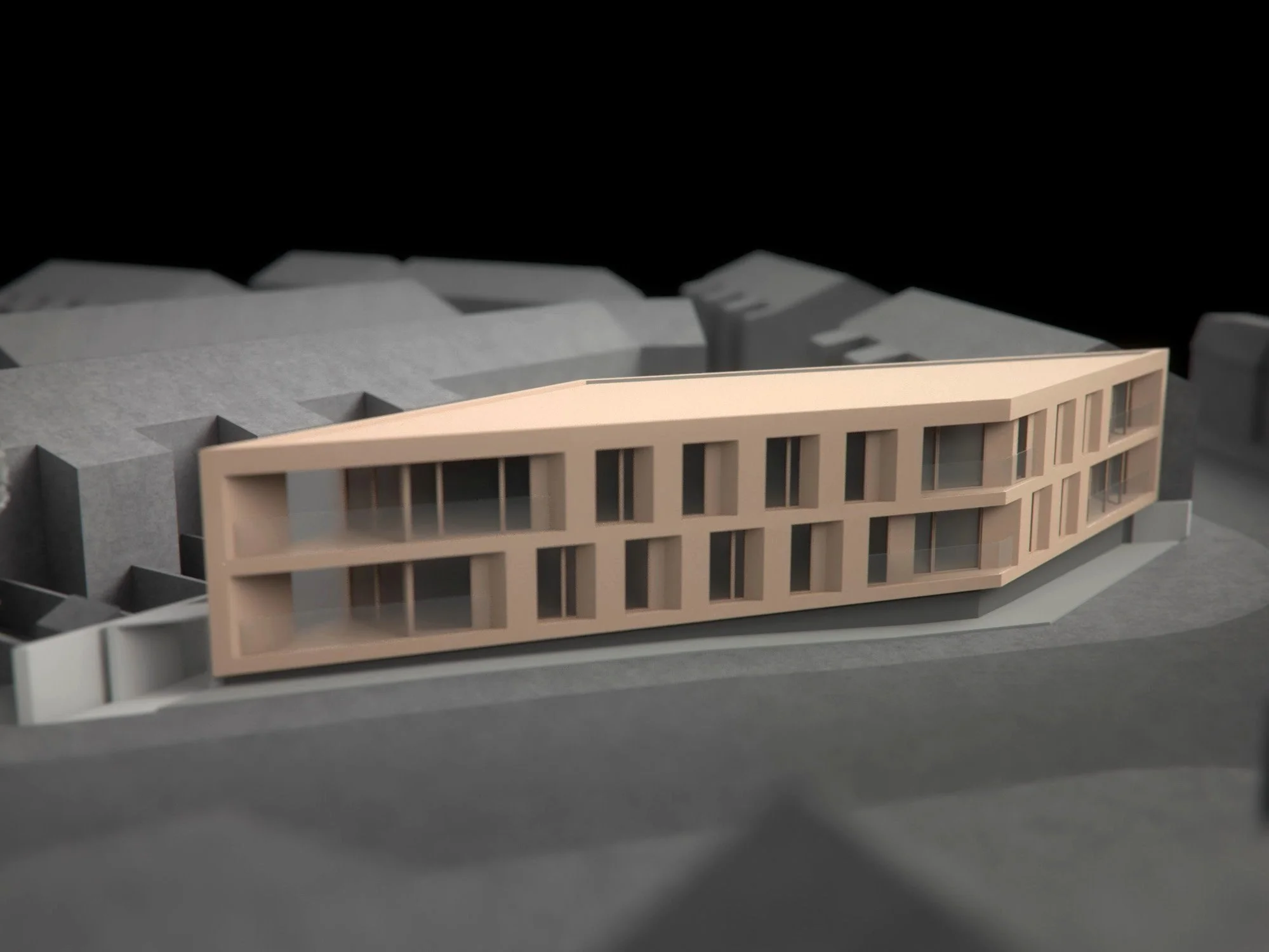
Planning Application: Apartments, Chester
The proposals comprise 6 no city-centre apartments arranged over two storeys with basement parking. The site was formerly used as a workshop for light industry and is currently vacant. The site is an infill with an irregular shape derived from the fact that it was simply a piece of land to the rear of the surrounding terraced housing.


Sketch Design for a Garden Office in Alderley Edge
Garden office pavilion for private client in Alderley Edge designed around a mature tree.
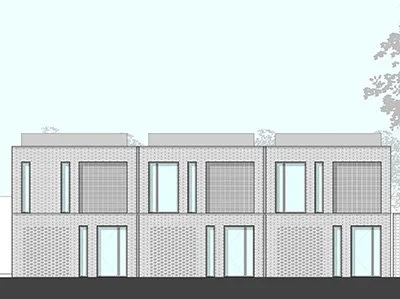
Conservation Area Consent: Sefton Park
Set behind a once-grand Victorian mansion within the Sefton Park Conservation Area in Liverpool lay a disused brownfield site ready for a new chapter. Our proposal introduced three high-quality executive family townhouses that balanced compact, contemporary design with a respect for the historic context. The architectural response was deliberately restrained, ensuring that when viewed from the street, the new buildings sit almost imperceptibly within their setting. The Flemish bond brickwork of the former hotel is reinterpreted by employing a crisp, rigorous contemporary language, establishing a dialogue between old and new.

Planning Application: Apartments, Formby
We were commissioned to design an 3-storey apartment building for a prominent site in Formby. The site was formerly occupied by a 1970s concrete-framed ambulance station as sits within a typical suburban context. The proposed building features a palette of buff Weinerger Con Mosso bricks with bronze coloured metal cladding to the mansard roof and cantilevered balconies. The design grew out of a helical plan, ensuring each apartment benefits from a uniform layout while addressing the geometry of the corner site.


Guide: Listed Building Consent
If you intend to extend or alter a Listed Building in a manner would affect its character then you need to apply for Listed Building Consent.
It is important to consider that an owner of a Listed Building is described as a ‘temporary custodian of the nation’s heritage’. The protection of the nation’s heritage is deemed to be so important that it is a criminal offence to carry out alterations which need Listed Building Consent without obtaining it first.
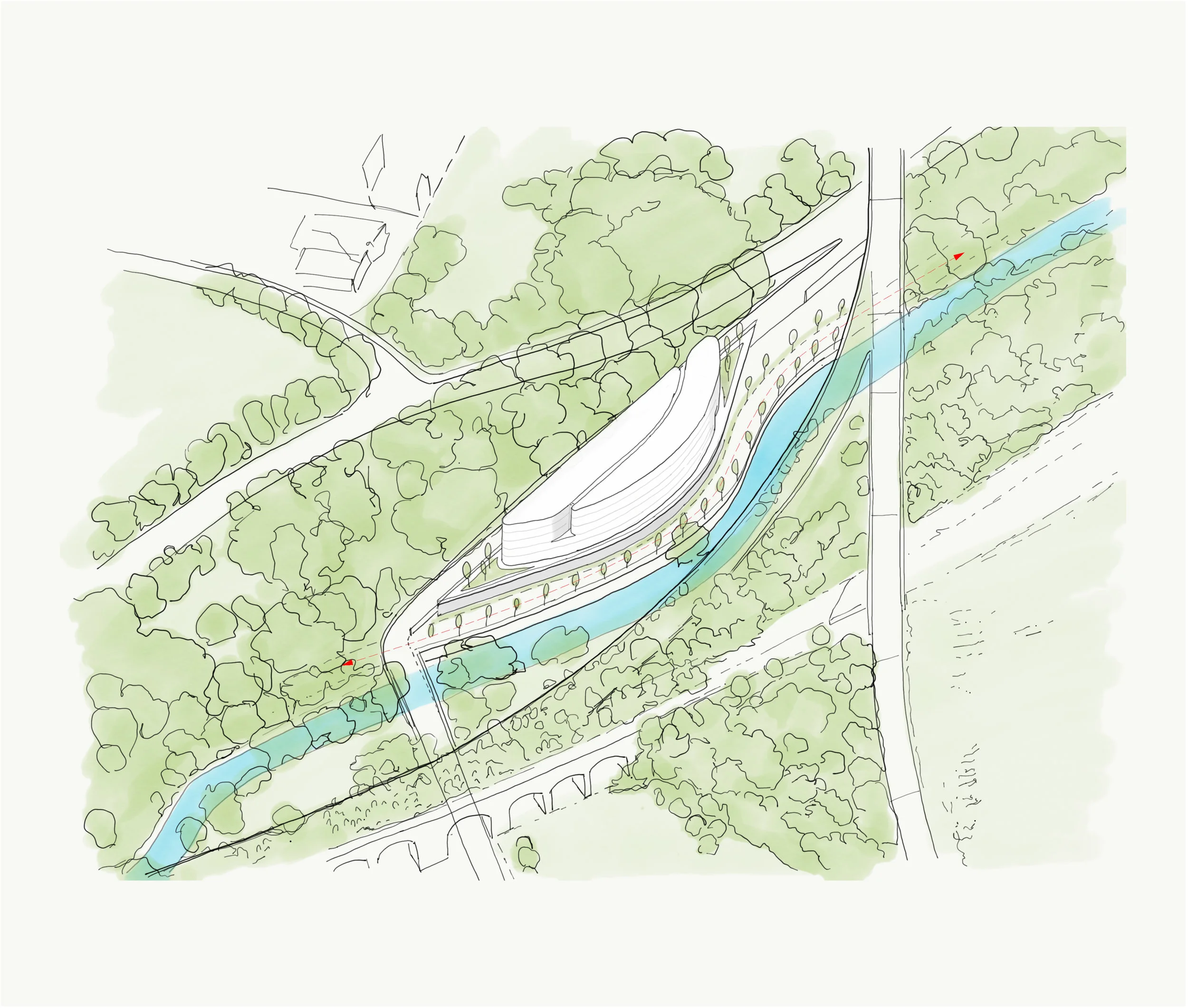
Pre Application: Post-industrial Site, Manchester
Residential proposal for post-industrial site in Manchester
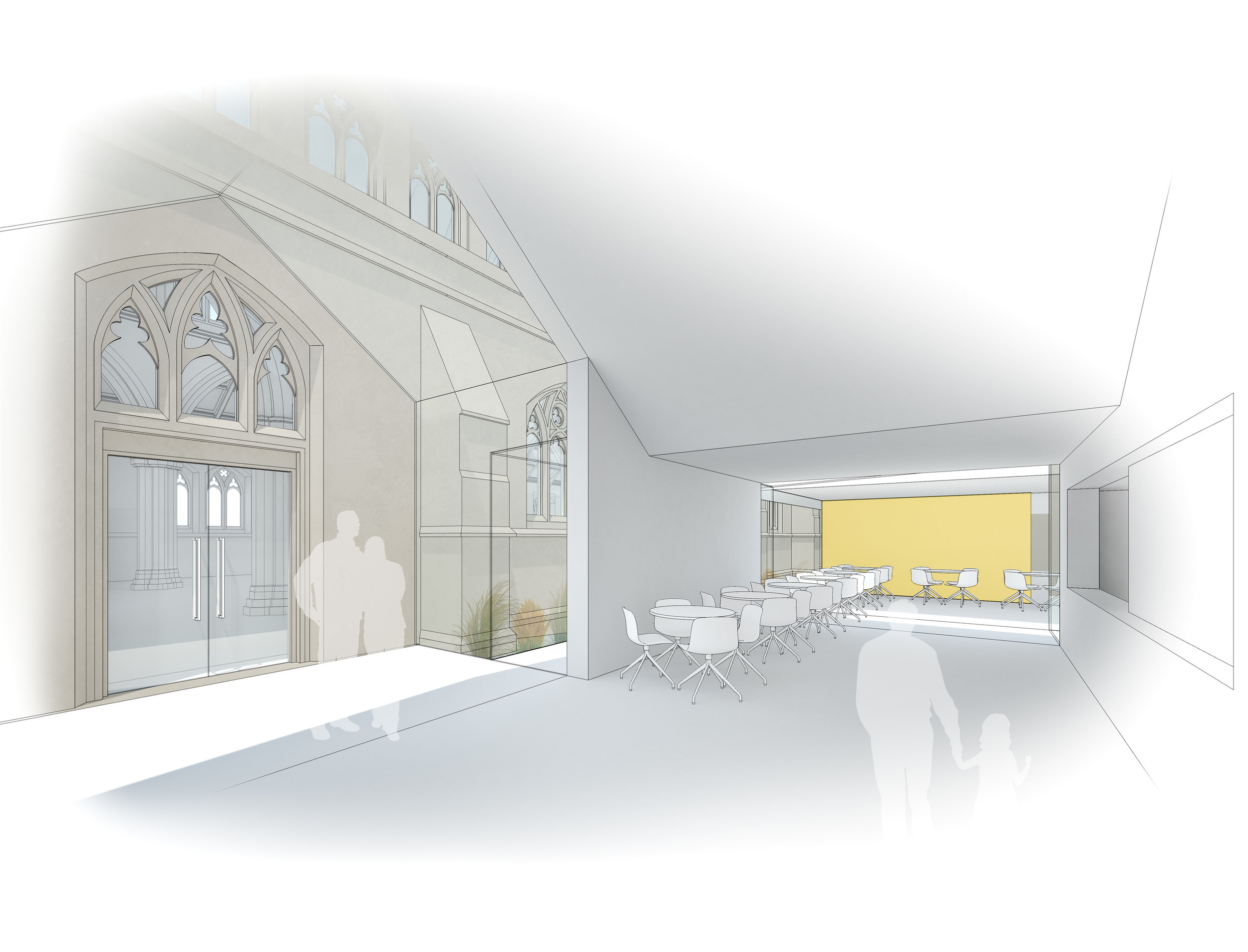


Planning Application: Stockport
Full Planning Permission has been secured for 6 no. 2 bed apartments in Bramhall, Stockport.


Proposed Dwelling - Cheshire
Paul Ashton Architects were commissioned by a private client to design a contemporary low-energy dwelling in Cheshire.
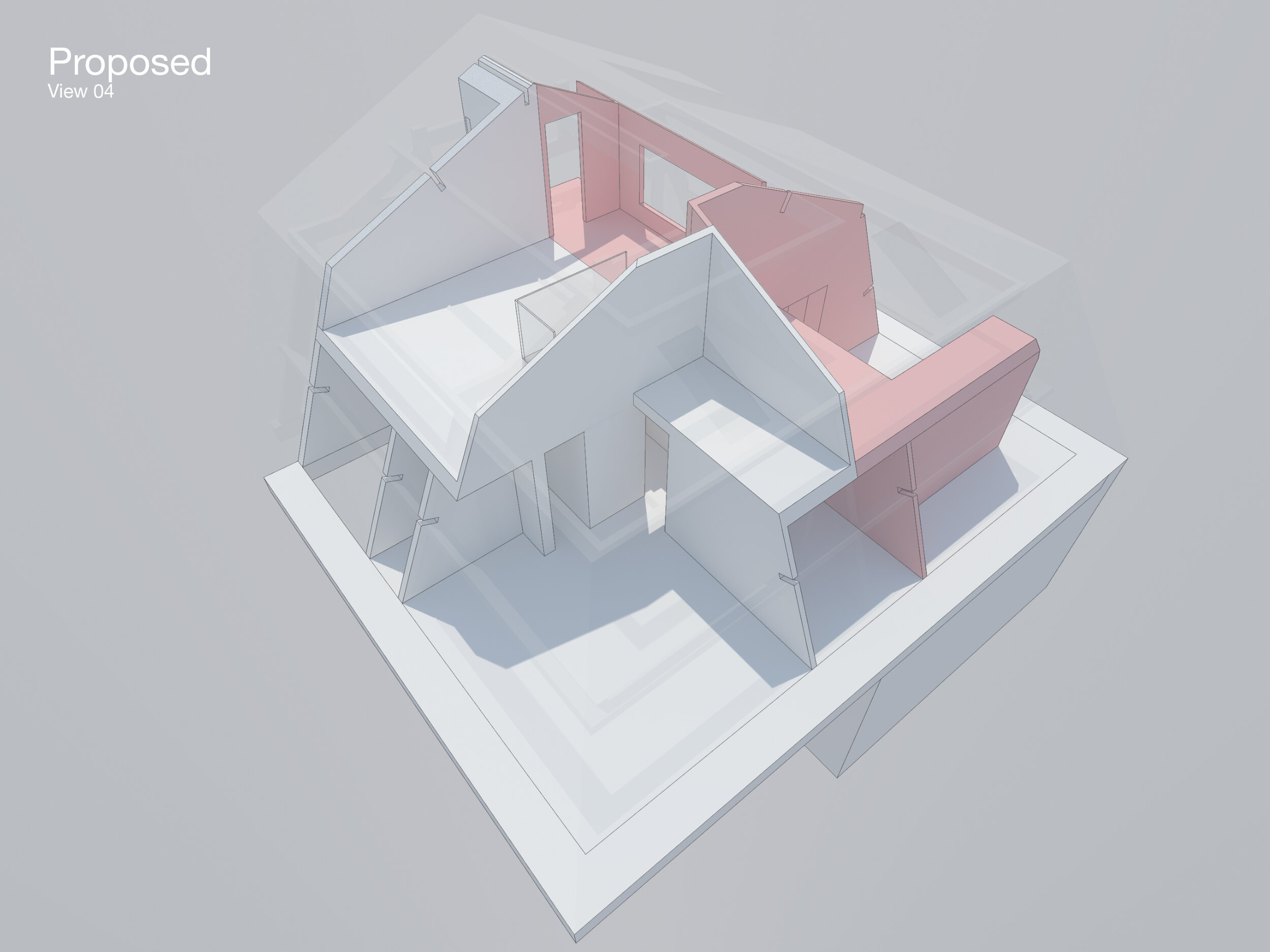
Alterations to Penthouse Apartment - Manchester
Internal modifications to 3 storey apartment in Manchester.

Liverpool Institute of Performing Arts Bid
Paul Ashton Architects were invited to bid for a project to adapt and refurbish a number of spaces in LIPA. Paul Ashton Architects were placed second. LIPA offers training in Acting, Dance, Music and Theatre and Performance Design.