
 Image 1 of 4
 Image 2 of 4
 Image 3 of 4
 Image 4 of 4
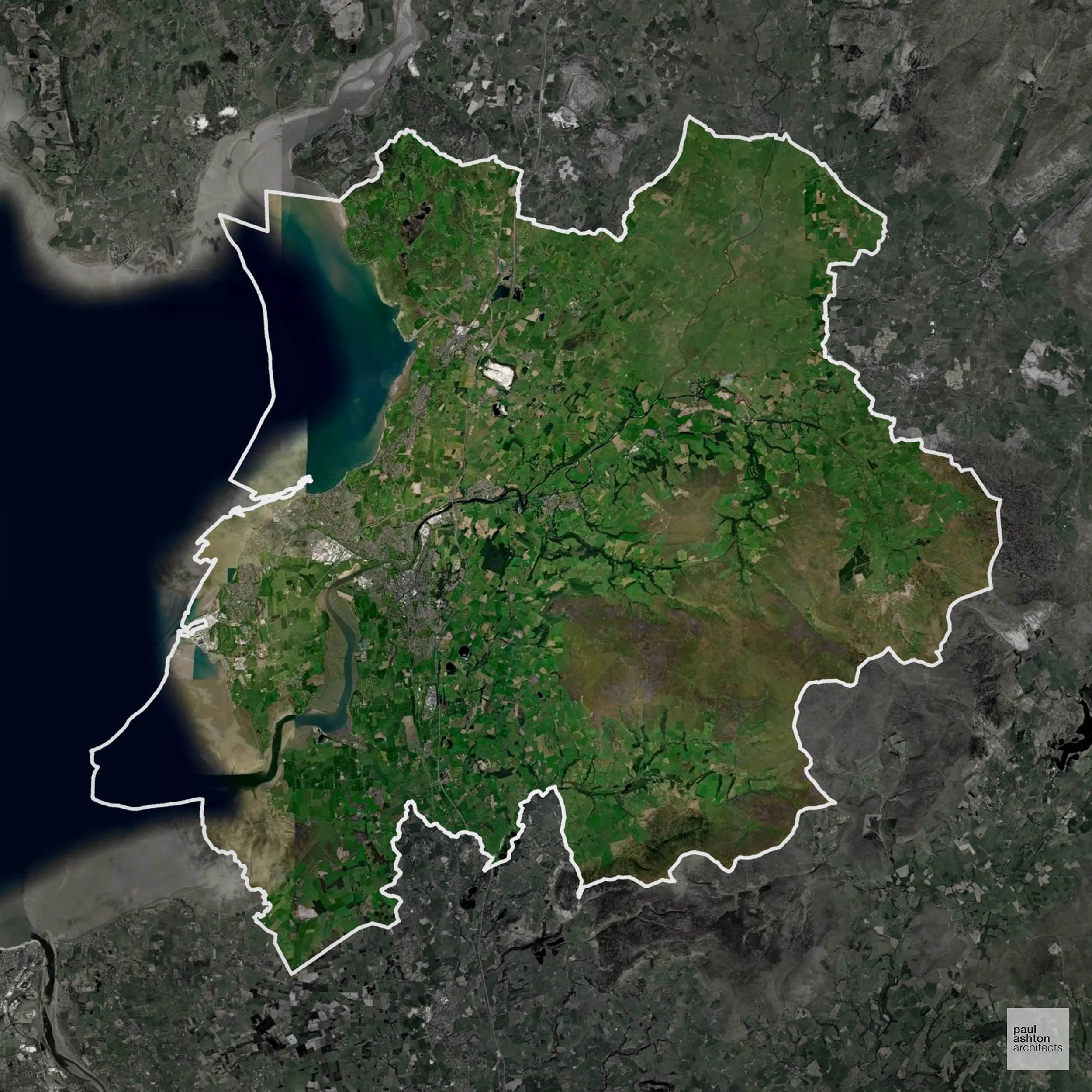
Lancaster LPA covers Lancaster, Morecambe, Carnforth, and the surrounding rural and coastal areas of North Lancashire. The district is known for its rich historic character, coastal regeneration, and landmark buildings including Lancaster Castle, the Ashton Memorial, The Midland Hotel, Morecambe Winter Gardens. Planning activity across the area commonly includes residential developments, listed building projects, town centre regeneration, tourism and hospitality schemes, student accommodation, barn conversions, and commercial developments supporting Lancaster’s growing economy and visitor sector.
In the last year Lancaster decided 654 applications which is well below the national average of 959. The approval rate was 83% (roughly equal to the national average of 88%) and 60% of applications were decided on time, (on par with the national average of 58%). Stats updated Sept 2026 from gov.uk sources. See how Lancaster performs relative to other LPAs in our LPA hub.
Lancaster currently reports a five-year housing land supply of 2.8 years (updated June 2026). This is significantly below the national requirement. Compared with other authorities in the North West, Lancaster has a weak housing land supply position.
Lancaster City Council covers a varied and historically rich area, with numerous Conservation Areas and a high concentration of listed buildings across both urban and coastal settlements. Heritage constraints are particularly pronounced in Lancaster and Morecambe, where historic townscape, civic buildings, and seafront character form key considerations.
One of the top reasons heritage building applications are refused is causing harm to historic significance, a risk that can arise when proposals are not prepared by a consultant with heritage expertise. We help minimise this risk with expert, site-specific guidance; contact us here.
2.7% of Lancaster is within the Green Belt and proposals in these areas can be subject to high levels of scrutiny.
The Lancaster Green Belt preserves farmland, village edges such as Caton and Ellel, and the Lune Valley landscapes, restricting development to protect rural character and prevent urban sprawl.
In our experience, one of the top reasons poorly conceived Green Belt proposals are refused is causing 'harm to openness'. We can lower the risk of refusal with site-specific guidance. Contact us here.
You can also check whether your land is within the Green Belt using our interactive Green Belt map.
Lancaster contains Morecambe Bay coastal marshes and the Lune Valley countryside, valued for scenic beauty and ecological importance.
One of the top reasons poorly prepared proposals in the Open Countryside are refused is that they fail to demonstrate a policy-supported need. To minimise that risk with bespoke advice contact us here.
As well as acting as Planning Consultants we are ARB registered architects with over 25 years’ experience. We support clients through all stages of the planning process, offering the following services:
Creative architectural design is often what secures Planning Permission where standard approaches fall short. Tell us about your project.
Lancaster LPA covers Lancaster, Morecambe, Carnforth, and the surrounding rural and coastal areas of North Lancashire. The district is known for its rich historic character, coastal regeneration, and landmark buildings including Lancaster Castle, the Ashton Memorial, The Midland Hotel, Morecambe Winter Gardens. Planning activity across the area commonly includes residential developments, listed building projects, town centre regeneration, tourism and hospitality schemes, student accommodation, barn conversions, and commercial developments supporting Lancaster’s growing economy and visitor sector.
In the last year Lancaster decided 654 applications which is well below the national average of 959. The approval rate was 83% (roughly equal to the national average of 88%) and 60% of applications were decided on time, (on par with the national average of 58%). Stats updated Sept 2026 from gov.uk sources. See how Lancaster performs relative to other LPAs in our LPA hub.
Lancaster currently reports a five-year housing land supply of 2.8 years (updated June 2026). This is significantly below the national requirement. Compared with other authorities in the North West, Lancaster has a weak housing land supply position.
Lancaster City Council covers a varied and historically rich area, with numerous Conservation Areas and a high concentration of listed buildings across both urban and coastal settlements. Heritage constraints are particularly pronounced in Lancaster and Morecambe, where historic townscape, civic buildings, and seafront character form key considerations.
One of the top reasons heritage building applications are refused is causing harm to historic significance, a risk that can arise when proposals are not prepared by a consultant with heritage expertise. We help minimise this risk with expert, site-specific guidance; contact us here.
2.7% of Lancaster is within the Green Belt and proposals in these areas can be subject to high levels of scrutiny.
The Lancaster Green Belt preserves farmland, village edges such as Caton and Ellel, and the Lune Valley landscapes, restricting development to protect rural character and prevent urban sprawl.
In our experience, one of the top reasons poorly conceived Green Belt proposals are refused is causing 'harm to openness'. We can lower the risk of refusal with site-specific guidance. Contact us here.
You can also check whether your land is within the Green Belt using our interactive Green Belt map.
Lancaster contains Morecambe Bay coastal marshes and the Lune Valley countryside, valued for scenic beauty and ecological importance.
One of the top reasons poorly prepared proposals in the Open Countryside are refused is that they fail to demonstrate a policy-supported need. To minimise that risk with bespoke advice contact us here.
As well as acting as Planning Consultants we are ARB registered architects with over 25 years’ experience. We support clients through all stages of the planning process, offering the following services:
Creative architectural design is often what secures Planning Permission where standard approaches fall short. Tell us about your project.