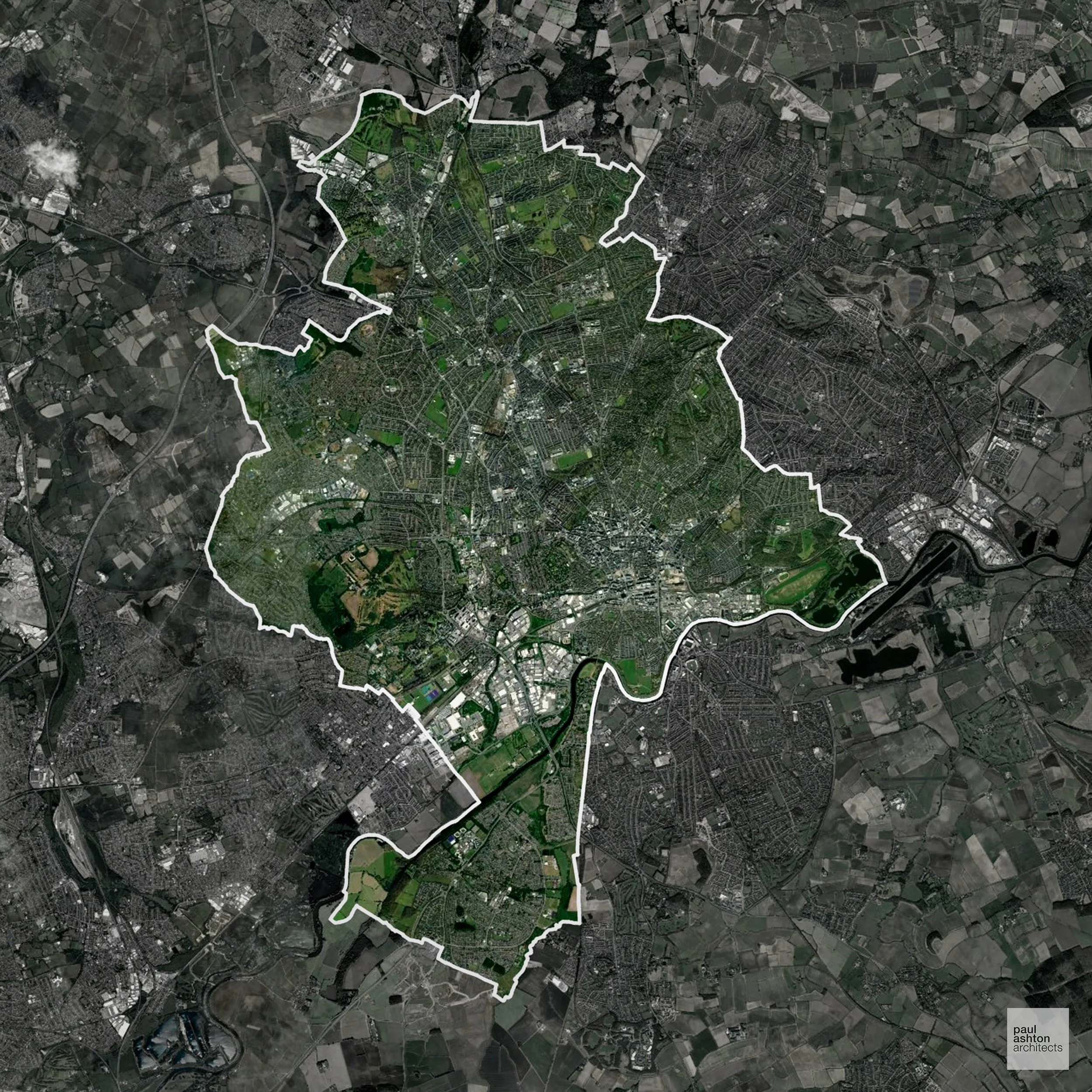
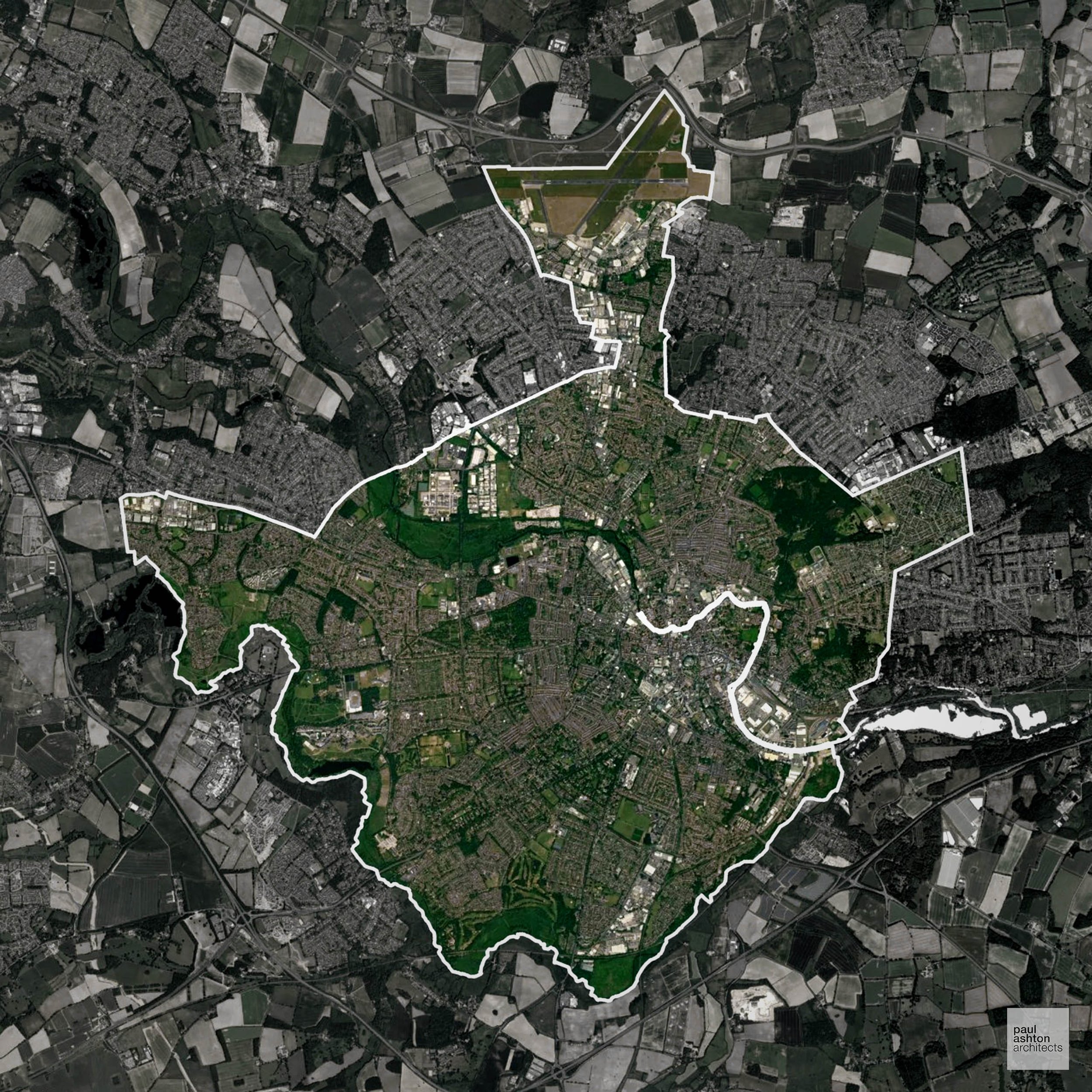
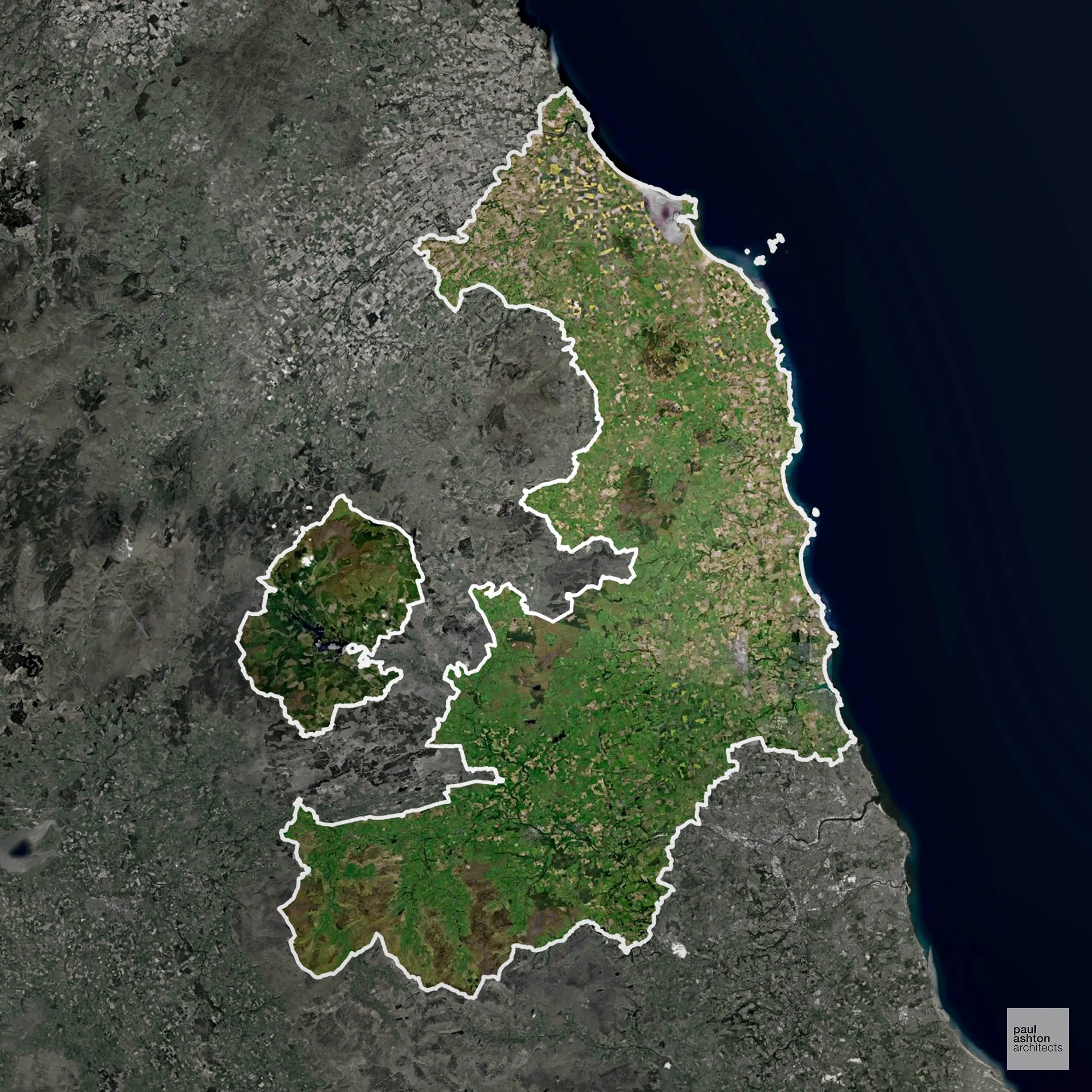
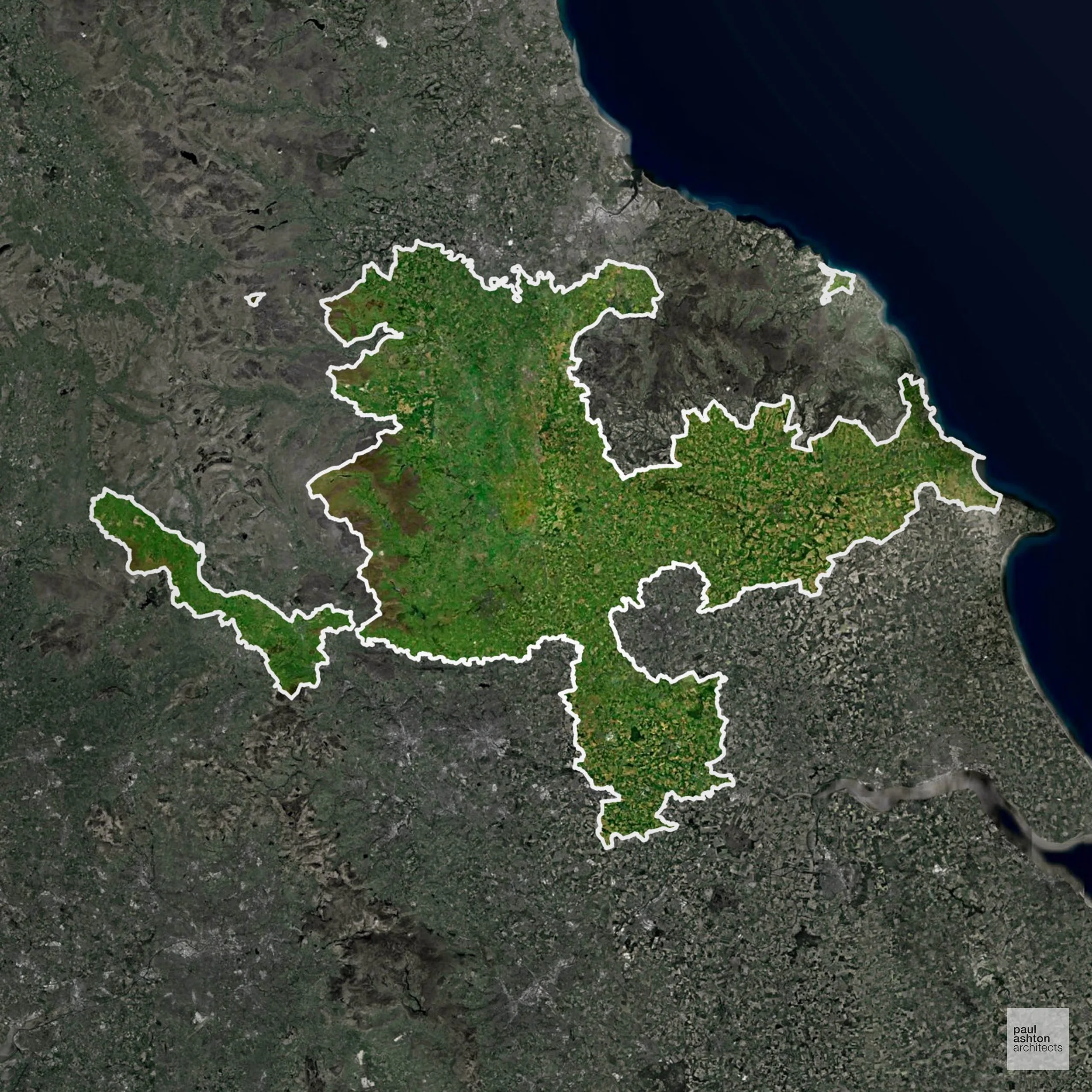
Title
LPA
LPA
- FRA |
- National Park |
- LPA |
Filters
Ensure your planning application addresses flood risk in line with the National Planning Policy Framework (NPPF) and Environment Agency guidance.
Our Desktop Flood Risk Assessment (FRA) service provides a fast, proportionate, and compliant review of flood risk for small-scale developments. Using publicly available Environment Agency flood maps, historic flood warnings, and local authority planning records, we produce a clear report tailored to your site, helping you meet planning requirements.
What is a Desktop FRA?
A desktop FRA is a non-technical, proportionate flood risk assessment for minor developments.
Suitable for works in Flood Zones 1, 2, and 3, particularly small-scale additions or alterations.
Does not involve new hydraulic modelling; relies on public flood maps, historic warnings, and professional interpretation.
Compliant with:
National Planning Policy Framework (NPPF) – Section 14: Flood Risk and Coastal Change
Environment Agency Standing Advice for Flood Risk
Coverage Across England
We provide FRA reports nationwide, covering all high- and medium-risk areas including:
Coastal regions – South Devon, Essex, Humber Estuary, Norfolk Broads
River valleys – Thames Valley, Somerset Levels, Yorkshire Ouse and Don Valleys
Urban flood risk areas – London, Manchester, Liverpool, Birmingham
Methodology
Our desktop FRA follows a structured, professional workflow:
Flood Zone Analysis: Environment Agency Flood Map for Planning
Historic Flood Records: EA flood warnings and historic events dataset
Local Authority Context: Strategic Flood Risk Assessments (SFRAs) and planning guidance
Site Assessment: Desktop evaluation of topography, drainage, and flood defences
Proportionate Recommendations – Mitigation, monitoring, and residual risk guidance
All findings are compiled into a ready-to-submit FRA report with maps, appendices, and clear conclusions.
Benefits of Our Desktop FRA Service
Quick and cost-effective – ideal for small-scale projects
Planning-ready: tailored for submission to LPAs across England
Proportionate: only what’s needed for minor works
Professional guidance: includes mitigation and residual risk advice
Peace of mind: clients can demonstrate awareness of flood risk and EA guidance
Report Scope & Delivery
Delivered electronically within 5–7 working days
Includes:
Flood maps (site and local area)
Historic flood warnings
Site-specific mitigation advice
Summary and conclusions compliant with EA guidance
Flood-Prone Areas
Dawlish, Starcross, Exmouth, Teignmouth, Sidmouth (EX postcode areas)
Somerset Levels – Glastonbury, Street, Bridgwater (BA postcode areas)
Medway Towns – Chatham, Rochester (ME postcode areas)
Thames Estuary – Gravesend, Tilbury, Rainham (DA/RM postcode areas)
Norfolk Broads – Norwich, Great Yarmouth, Lowestoft (NR/NR30 postcode areas)
Essex – Southend-on-Sea, Leigh-on-Sea (SS postcode areas)
River Trent floodplains – Newark, Nottingham, Gainsborough (NG/DN postcode areas)
Yorkshire Ouse and Don: York, Selby, Goole (YO/DN postcode areas)
Cumbria: Carlisle, Keswick, Workington (CA postcode areas)
Frequently Asked Questions
Q: Is a desktop FRA enough for all sites?
A: Desktop FRAs are suitable for minor developments. Larger or complex sites may require a full technical FRA with hydraulic modelling.
Q: Can I submit this FRA with my planning application?
A: Yes: our FRA is formatted to meet the requirements of the LPA and Environment Agency for minor works.
Q: Does this include flood defences or climate change analysis?
A: Yes, we reference existing defences and consider climate change impacts proportionately, in line with Environment Agency guidance.
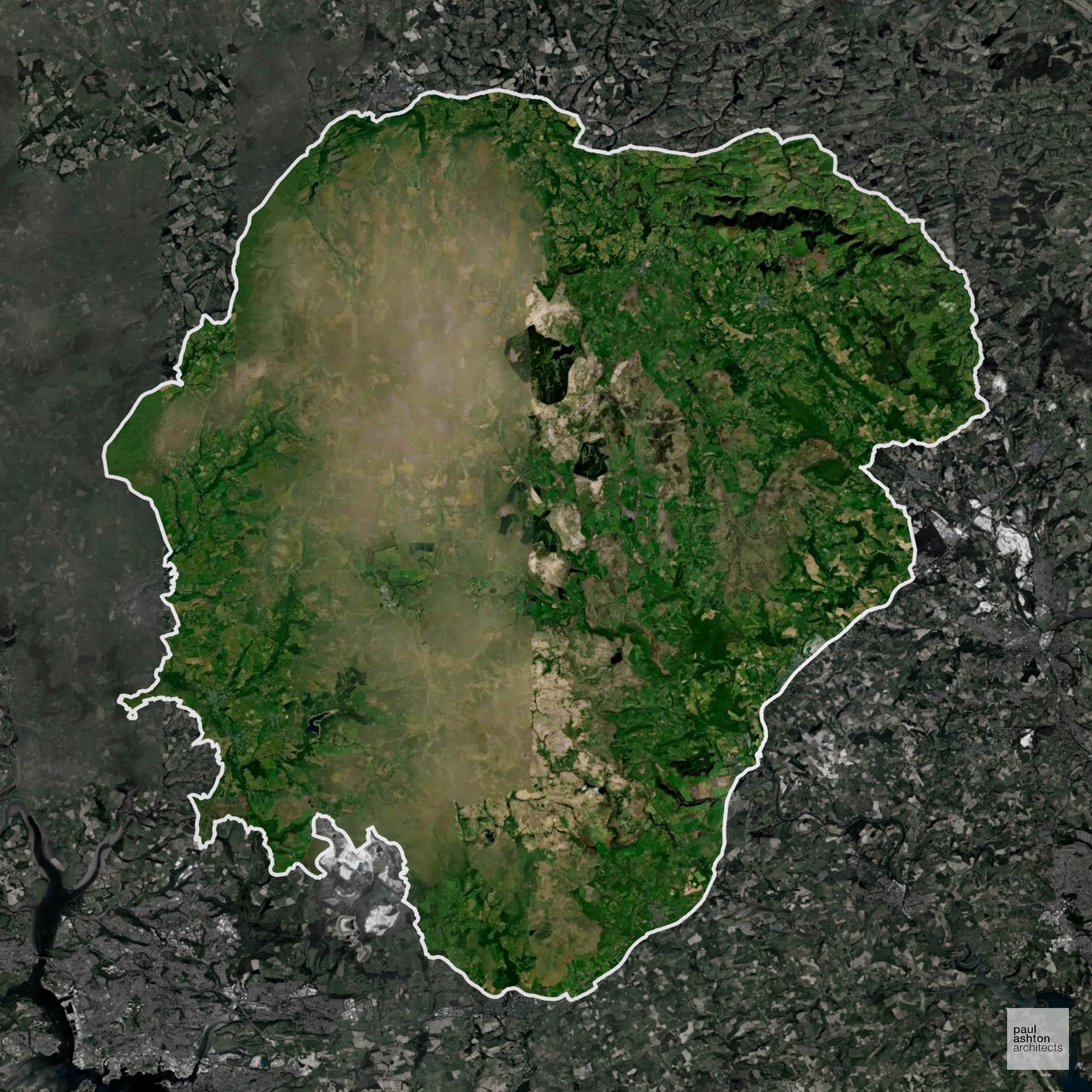
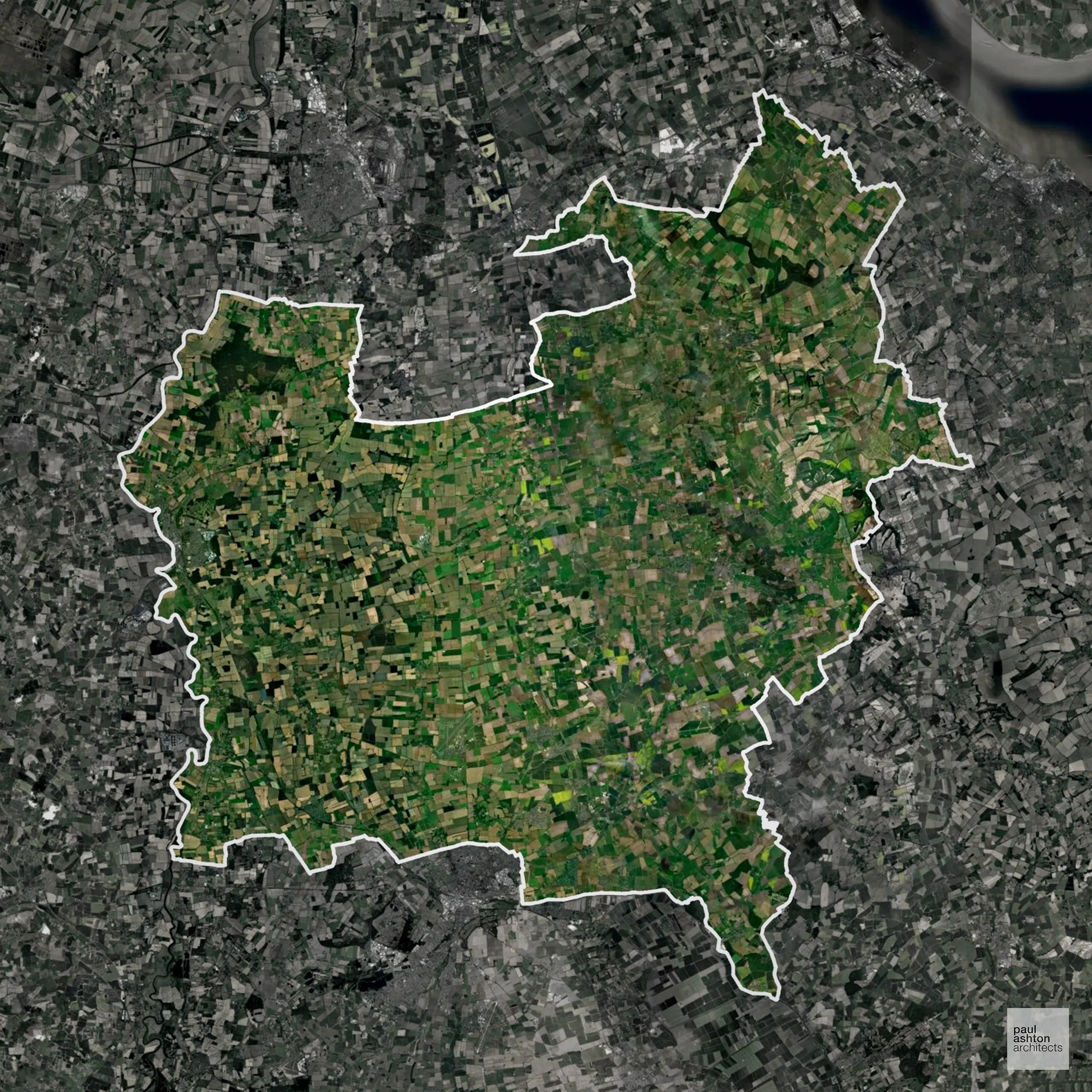
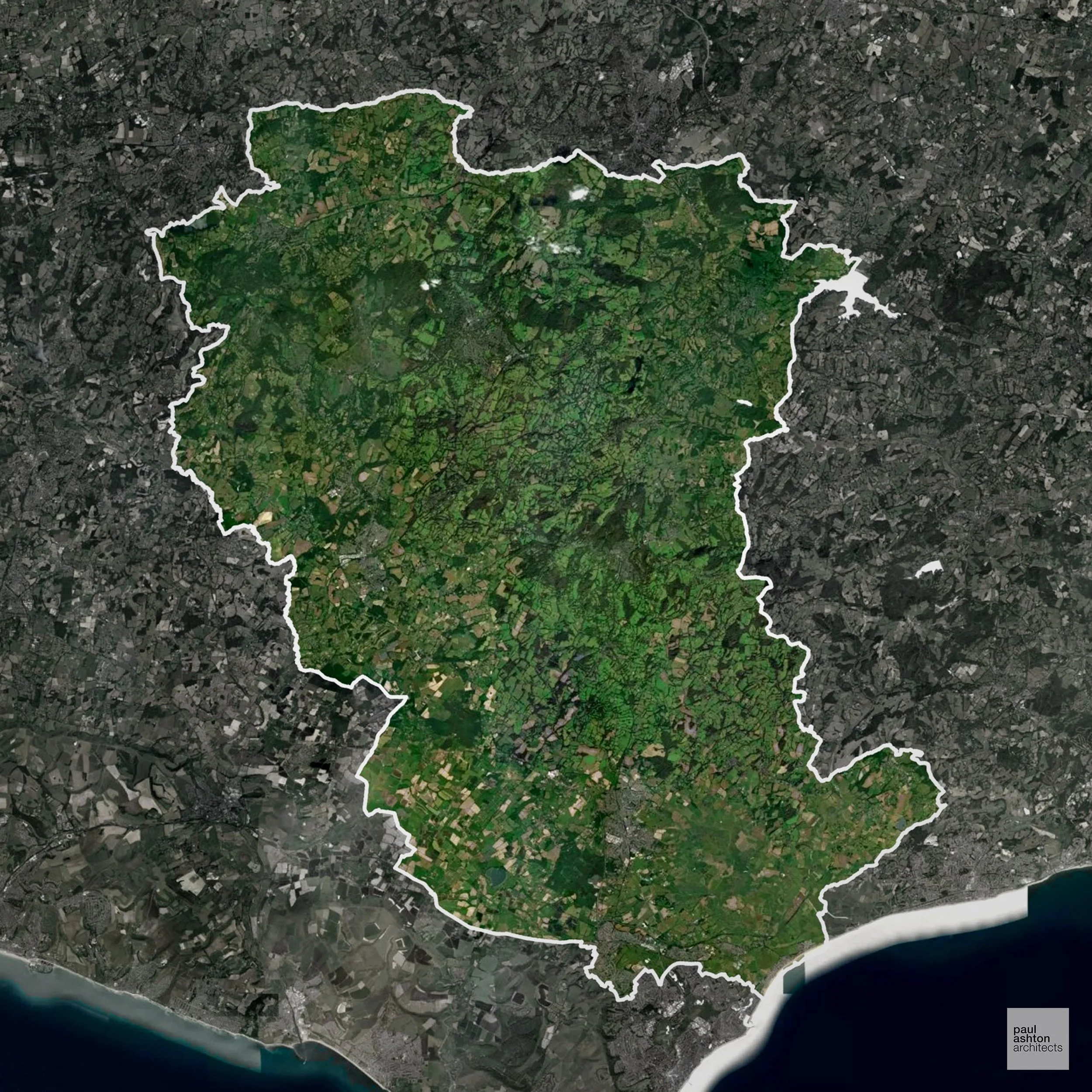
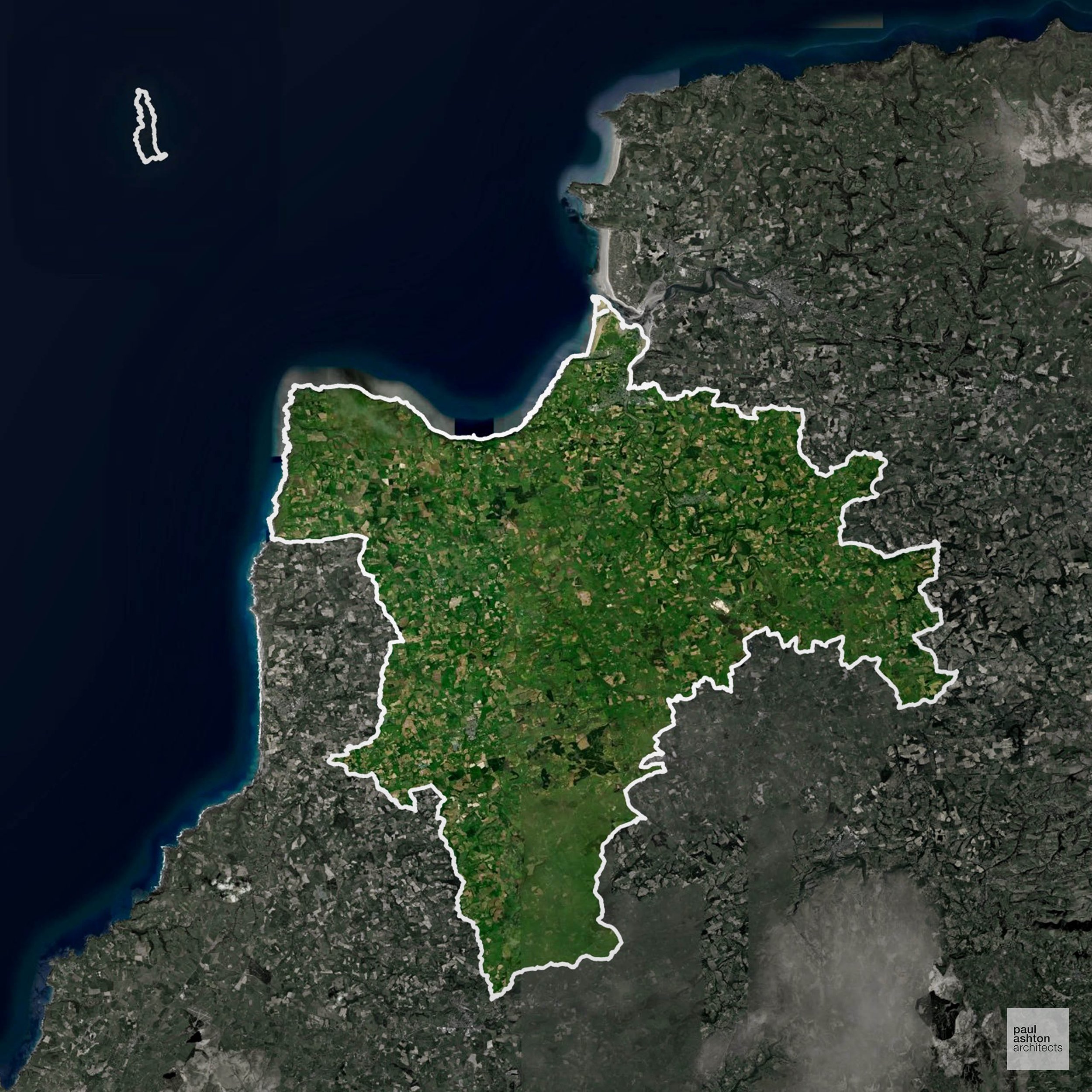
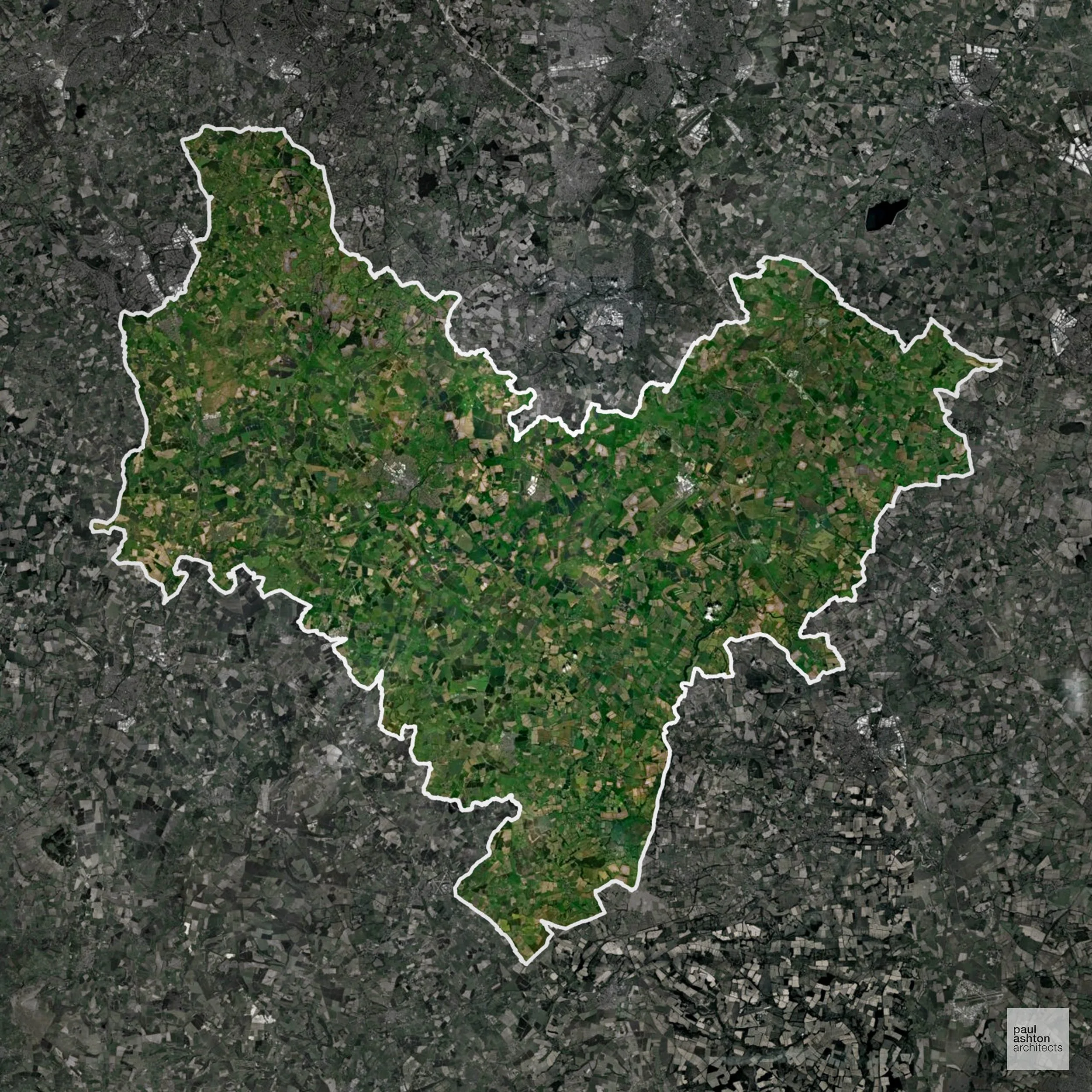
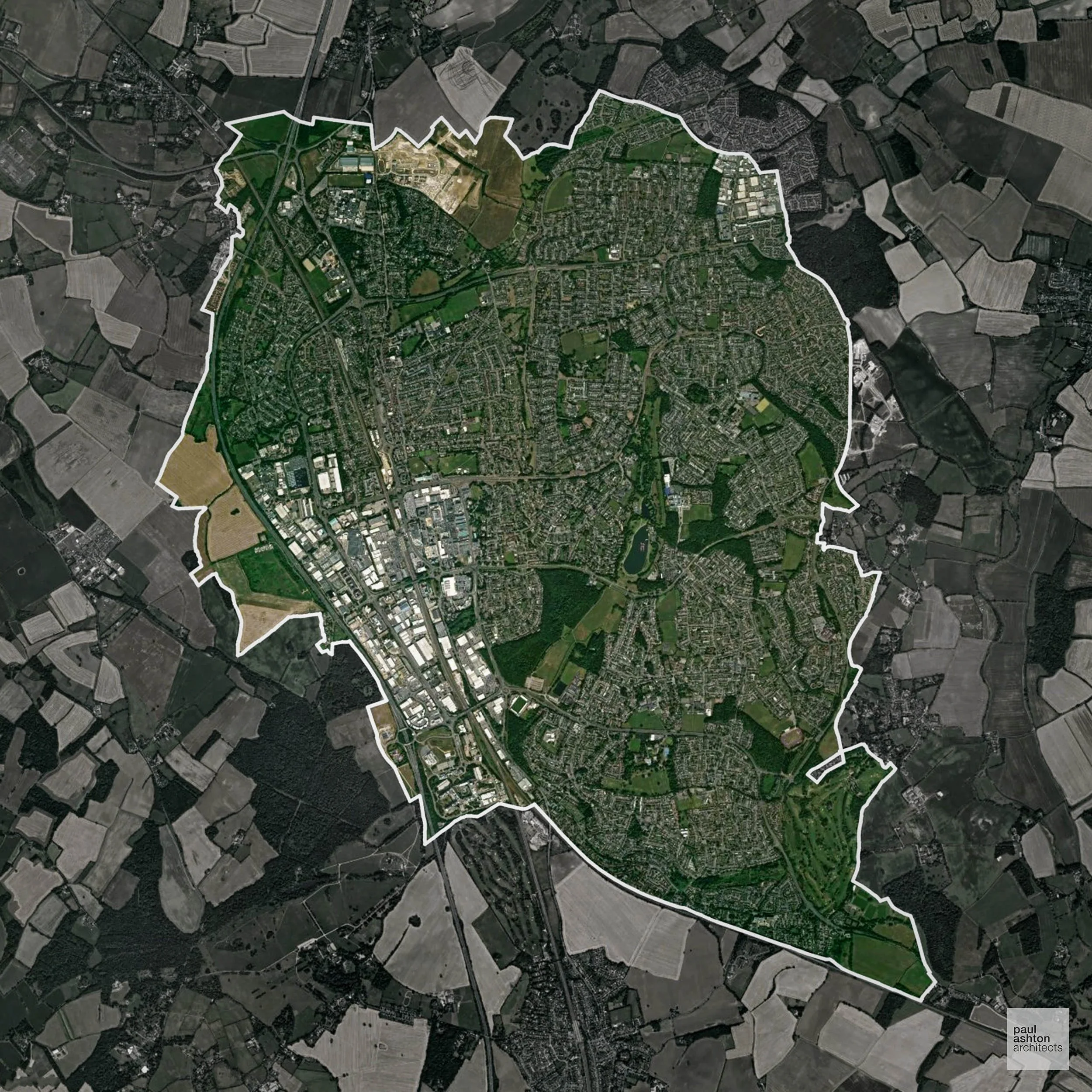
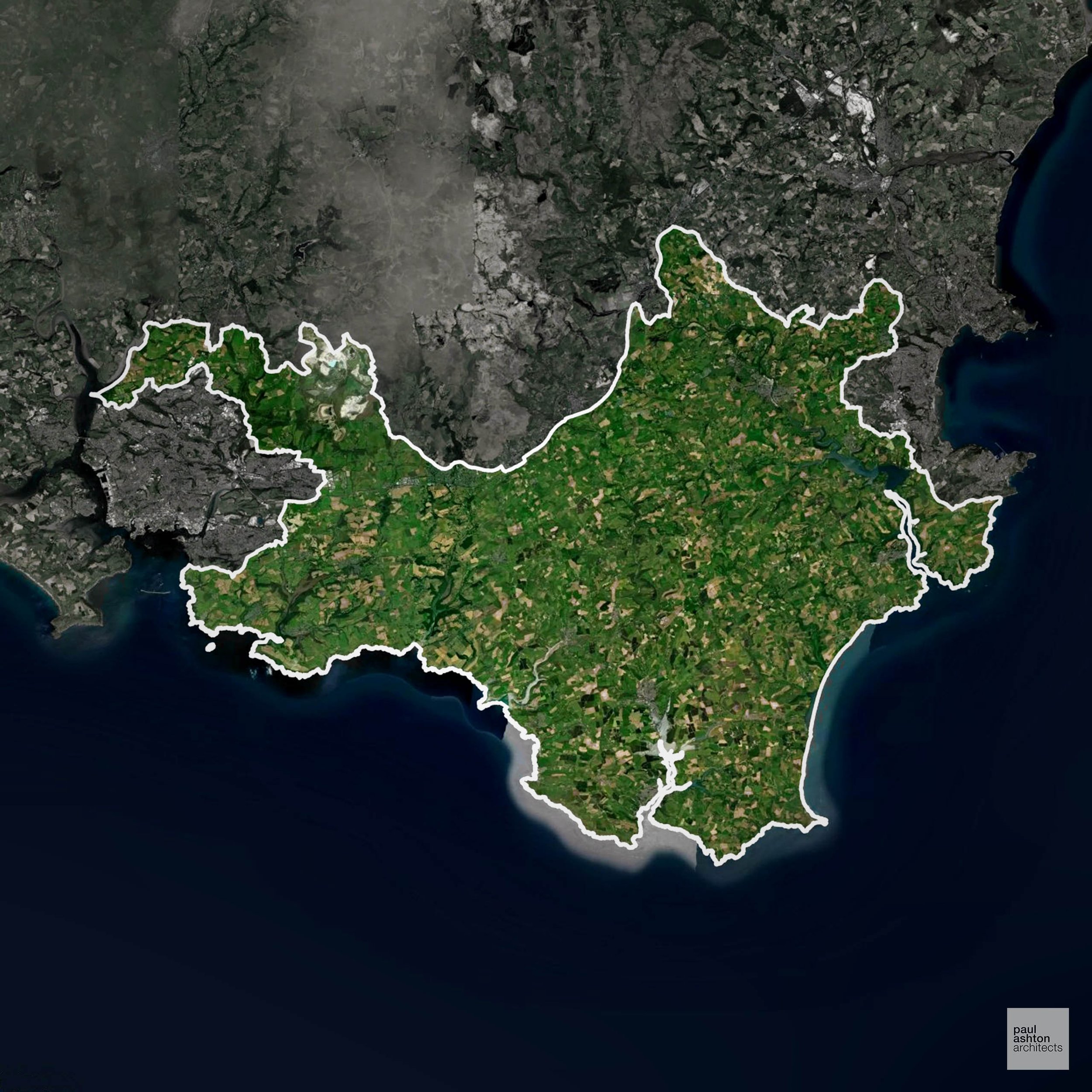
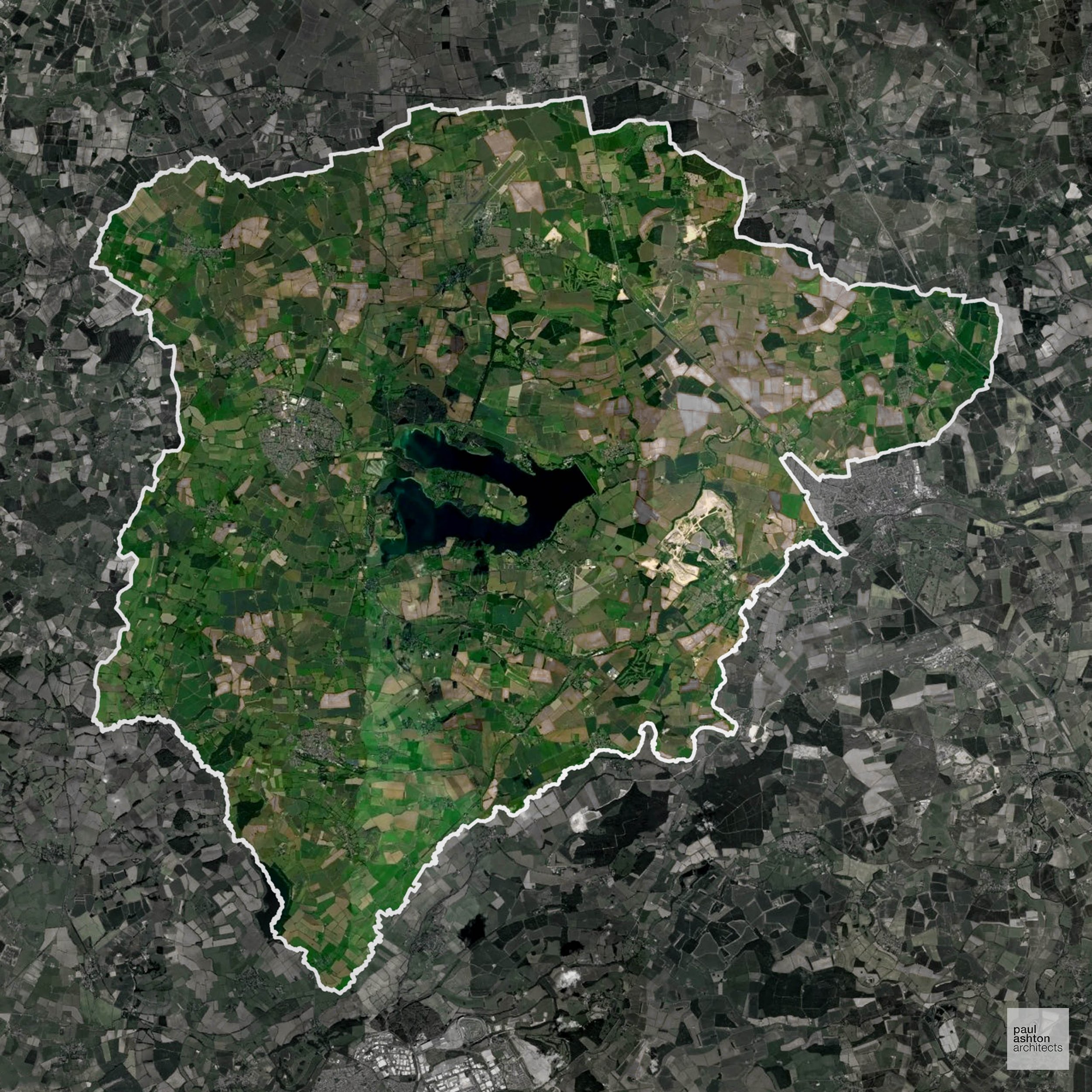
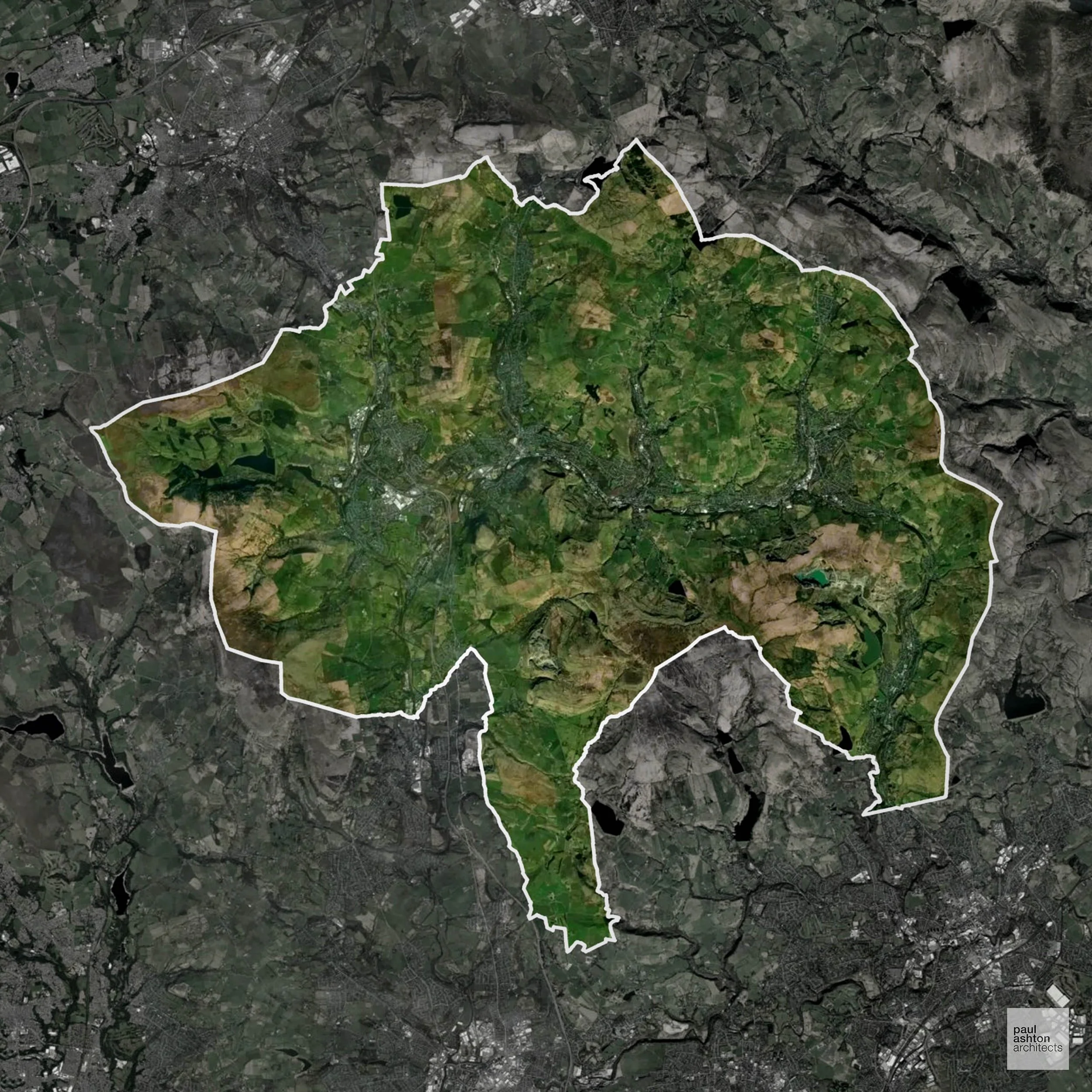
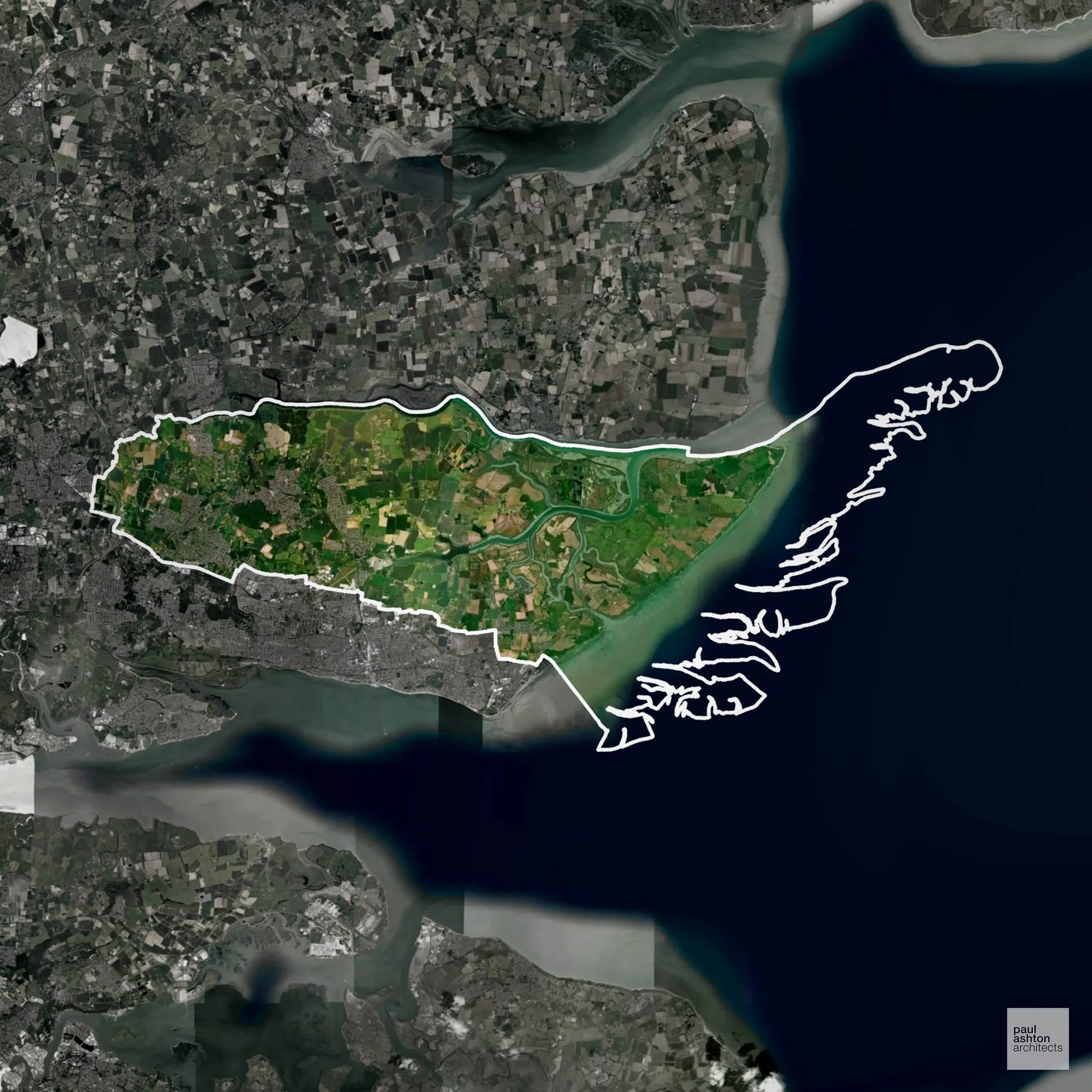
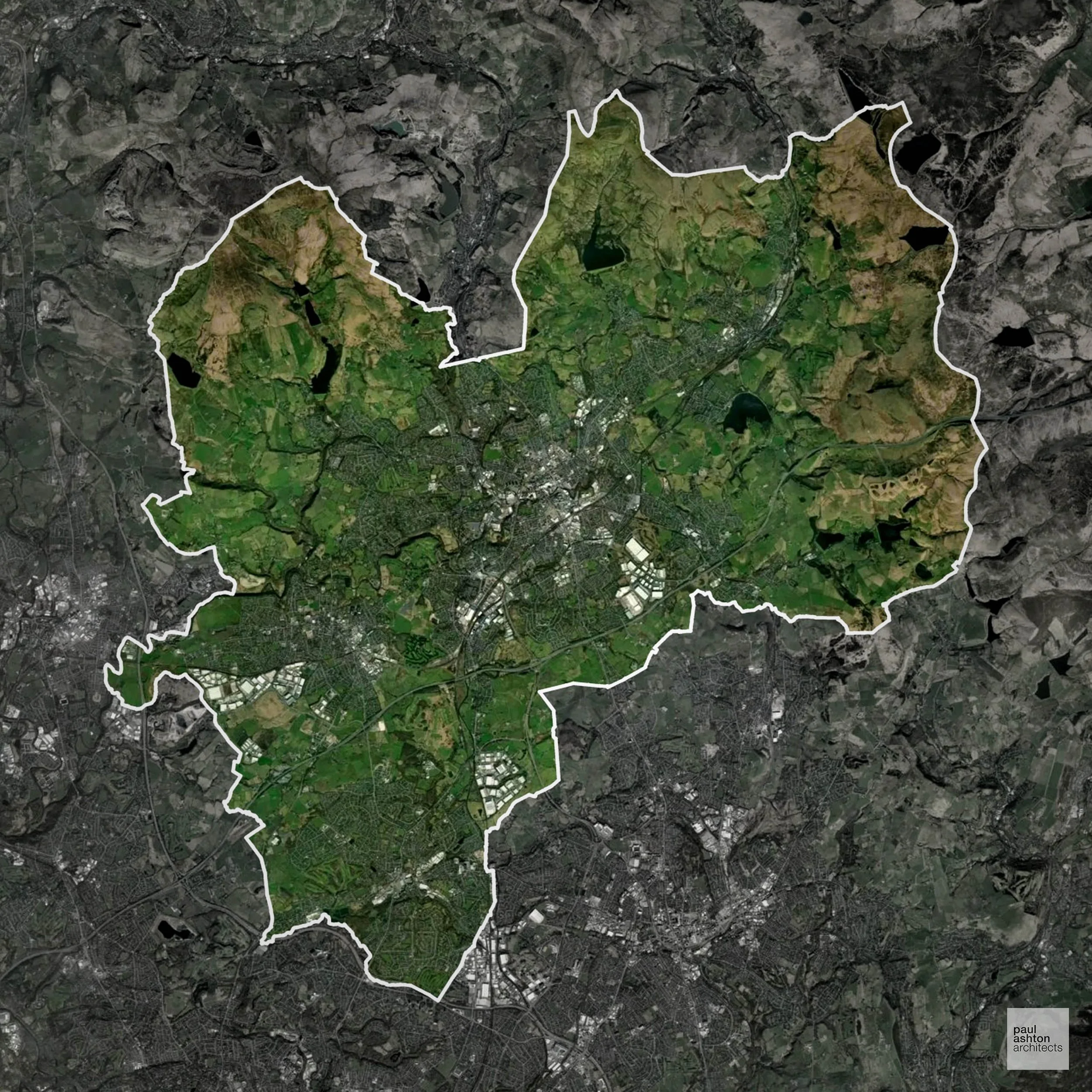
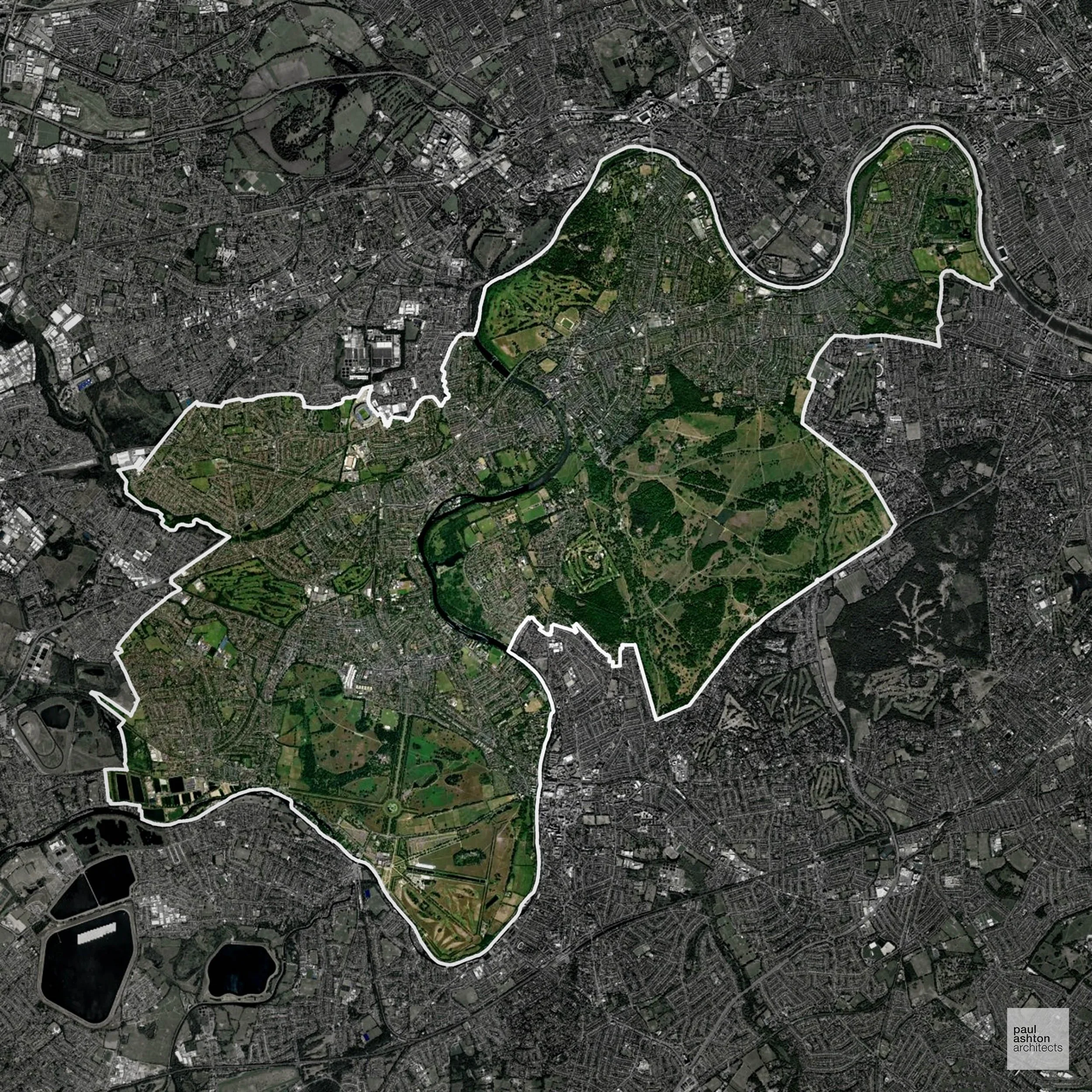
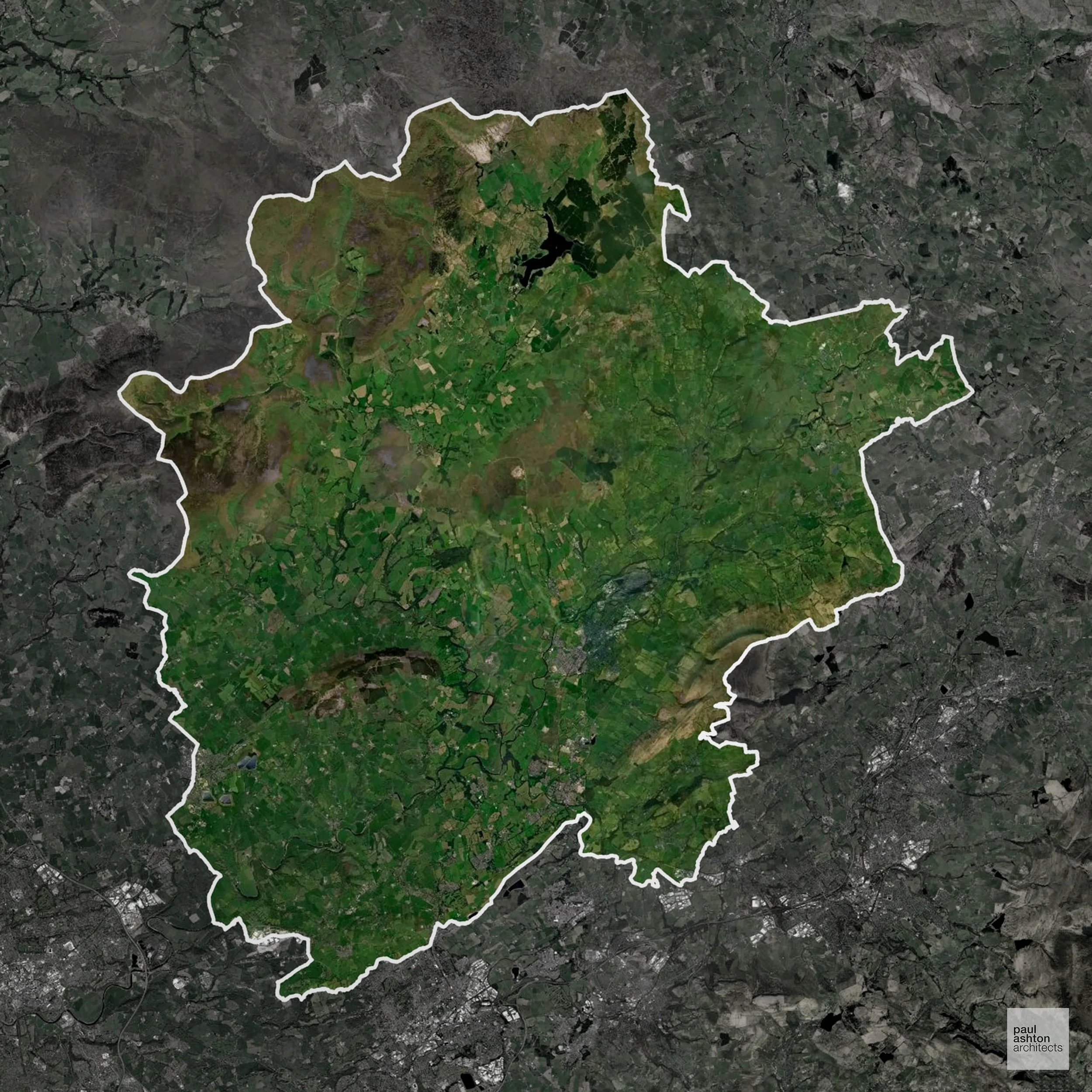
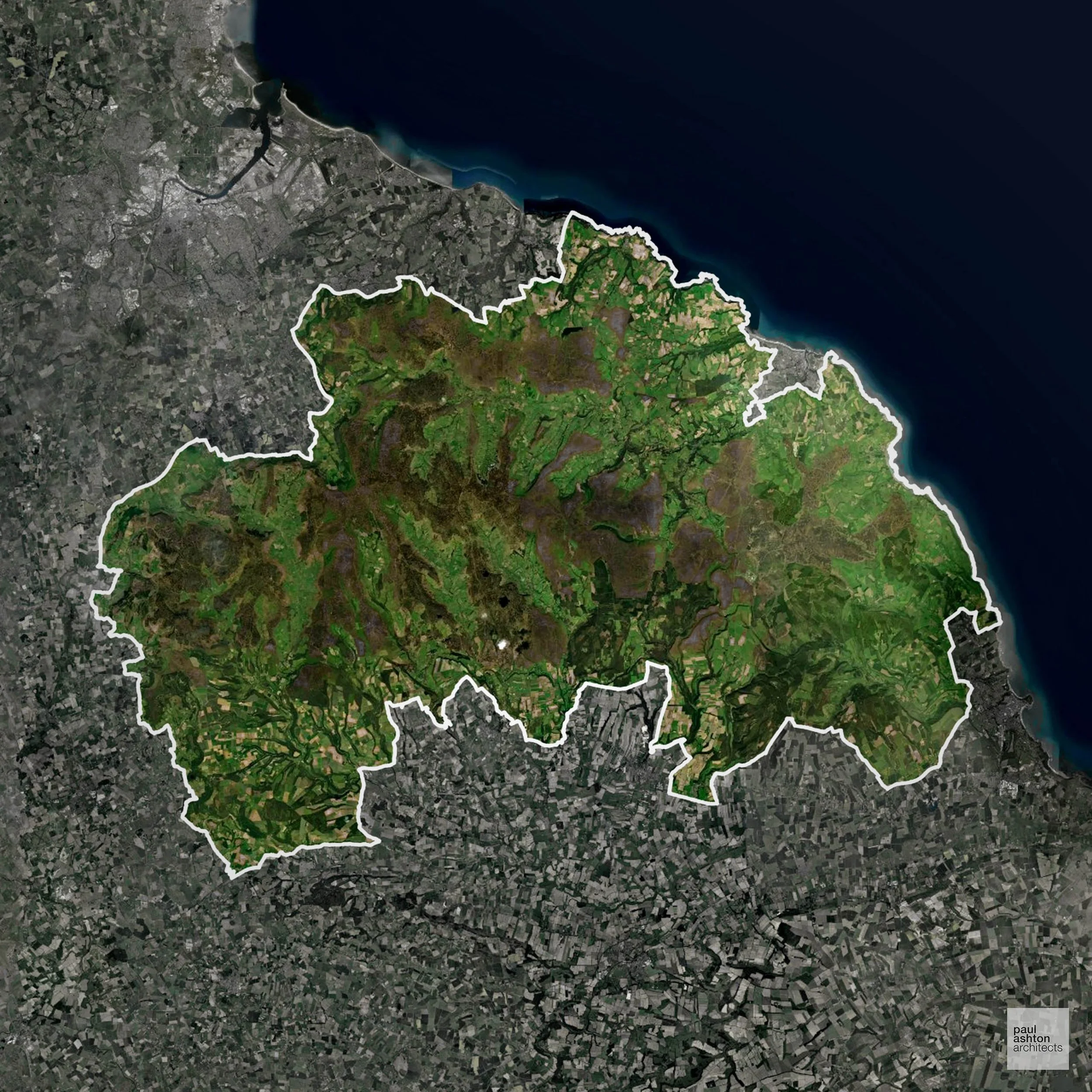
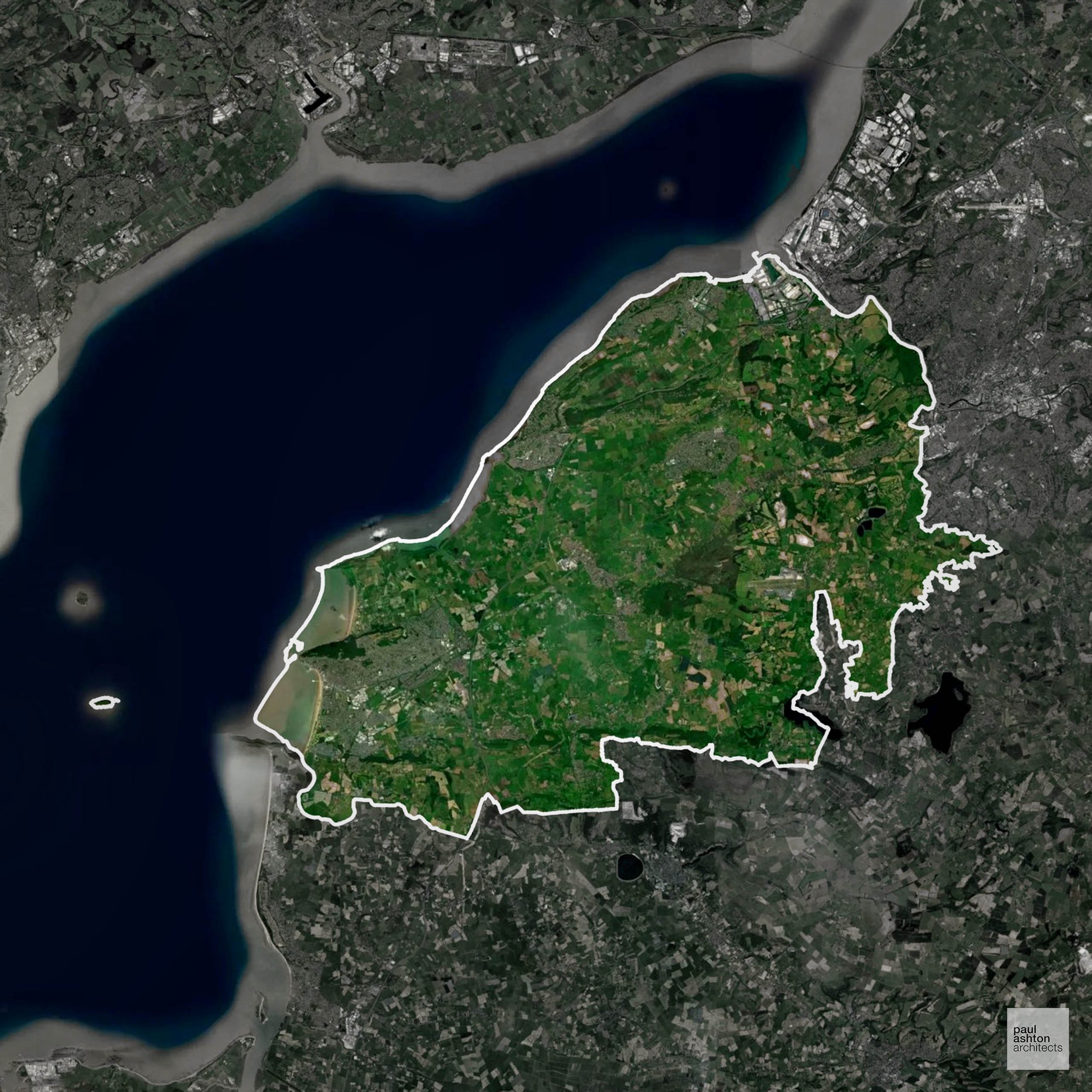
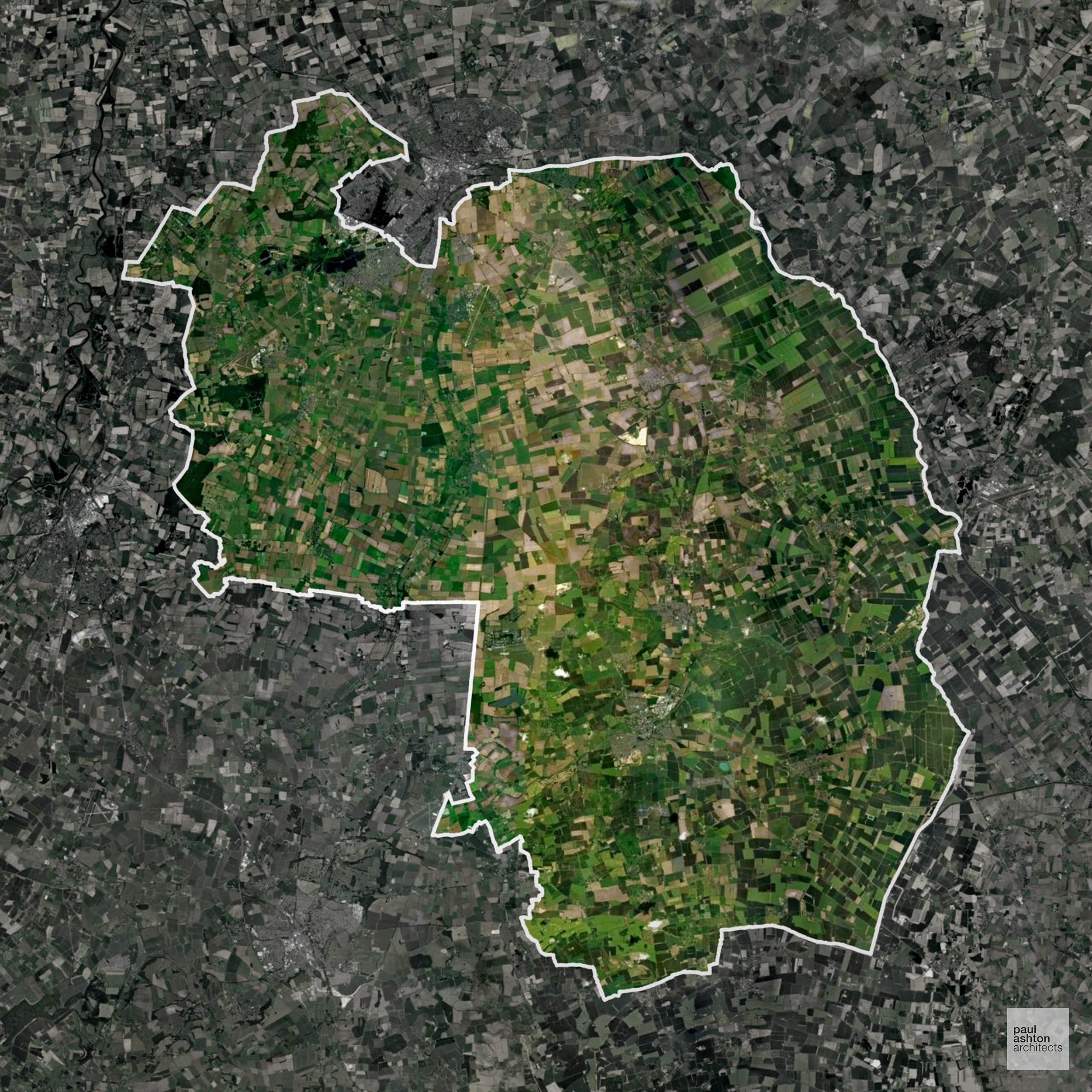
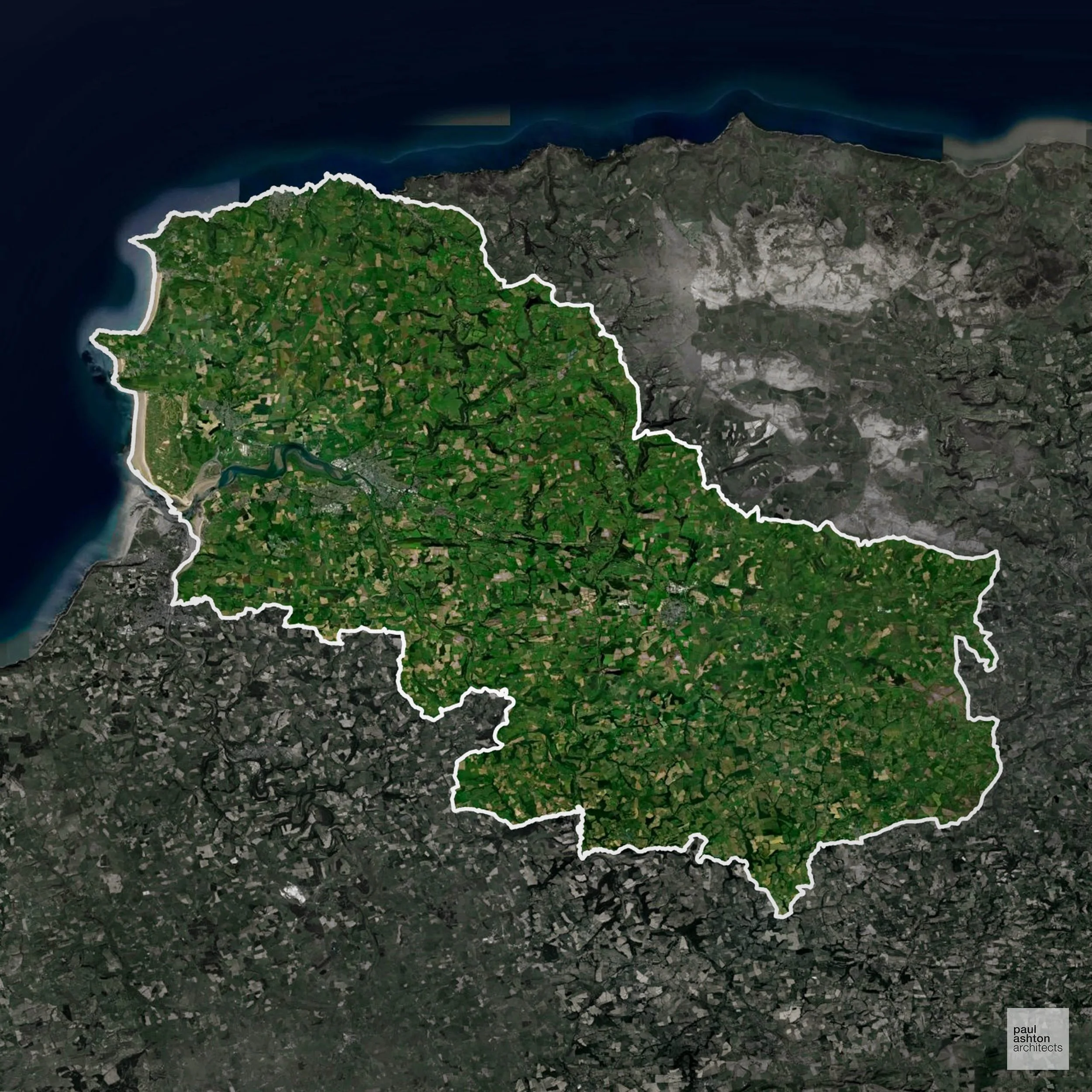
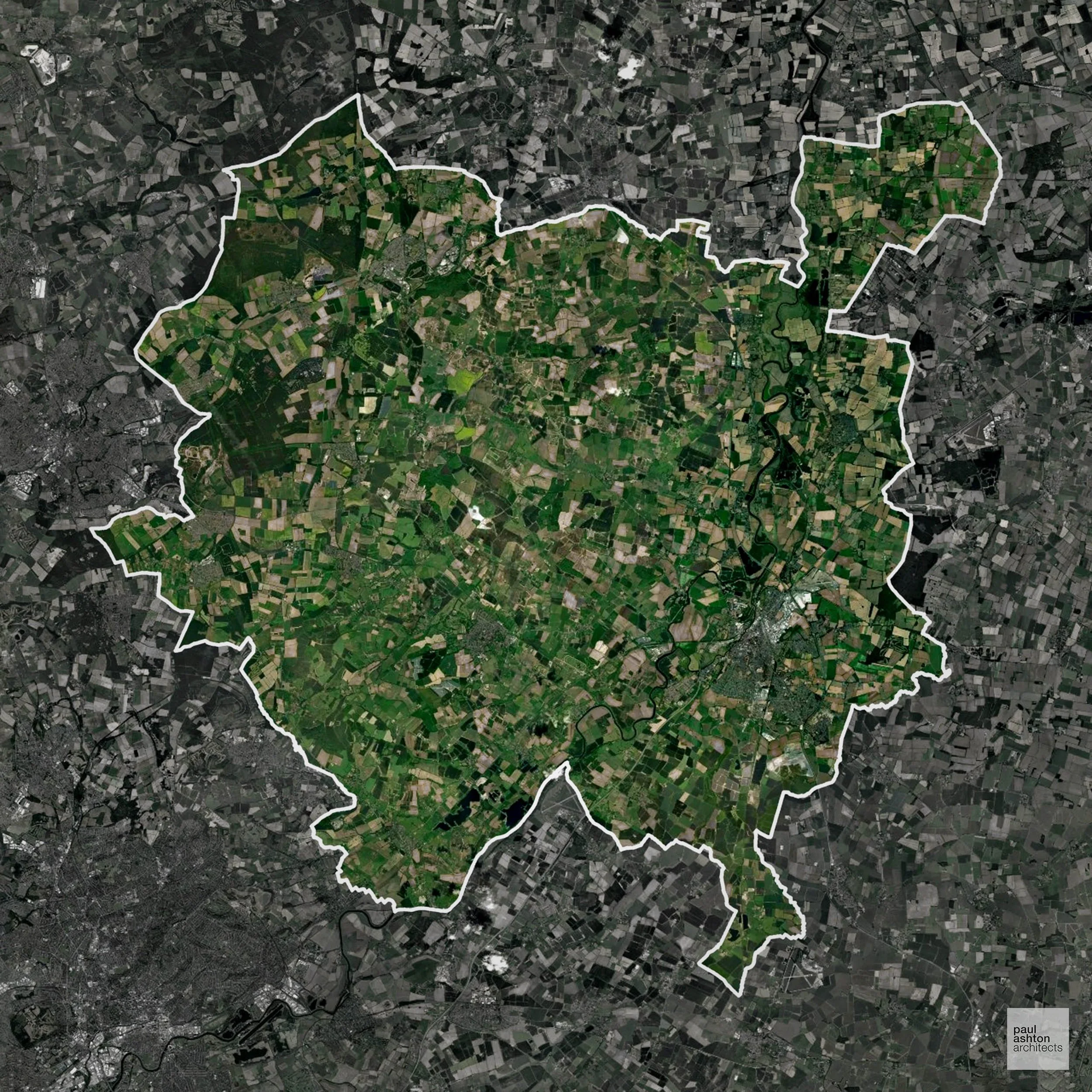
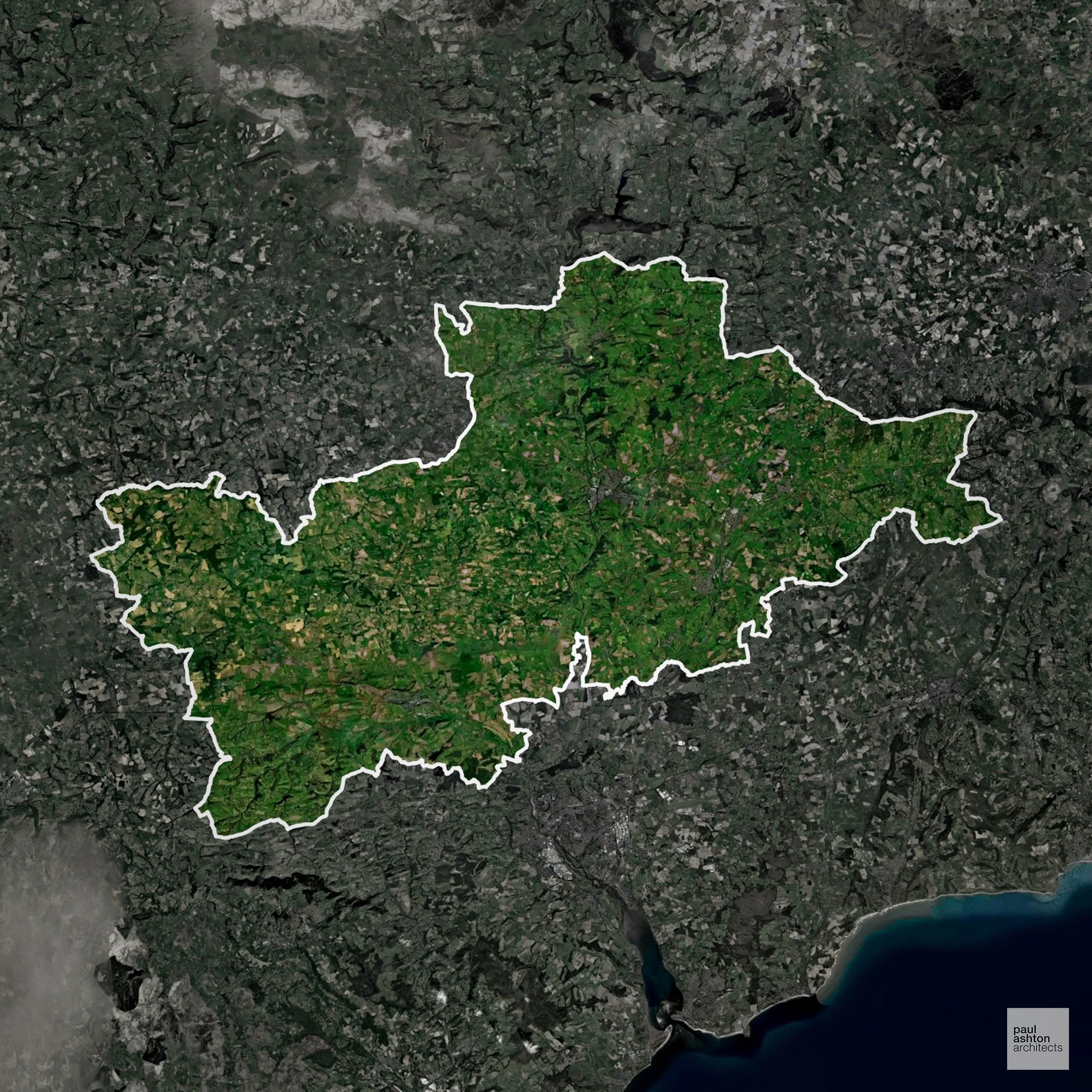
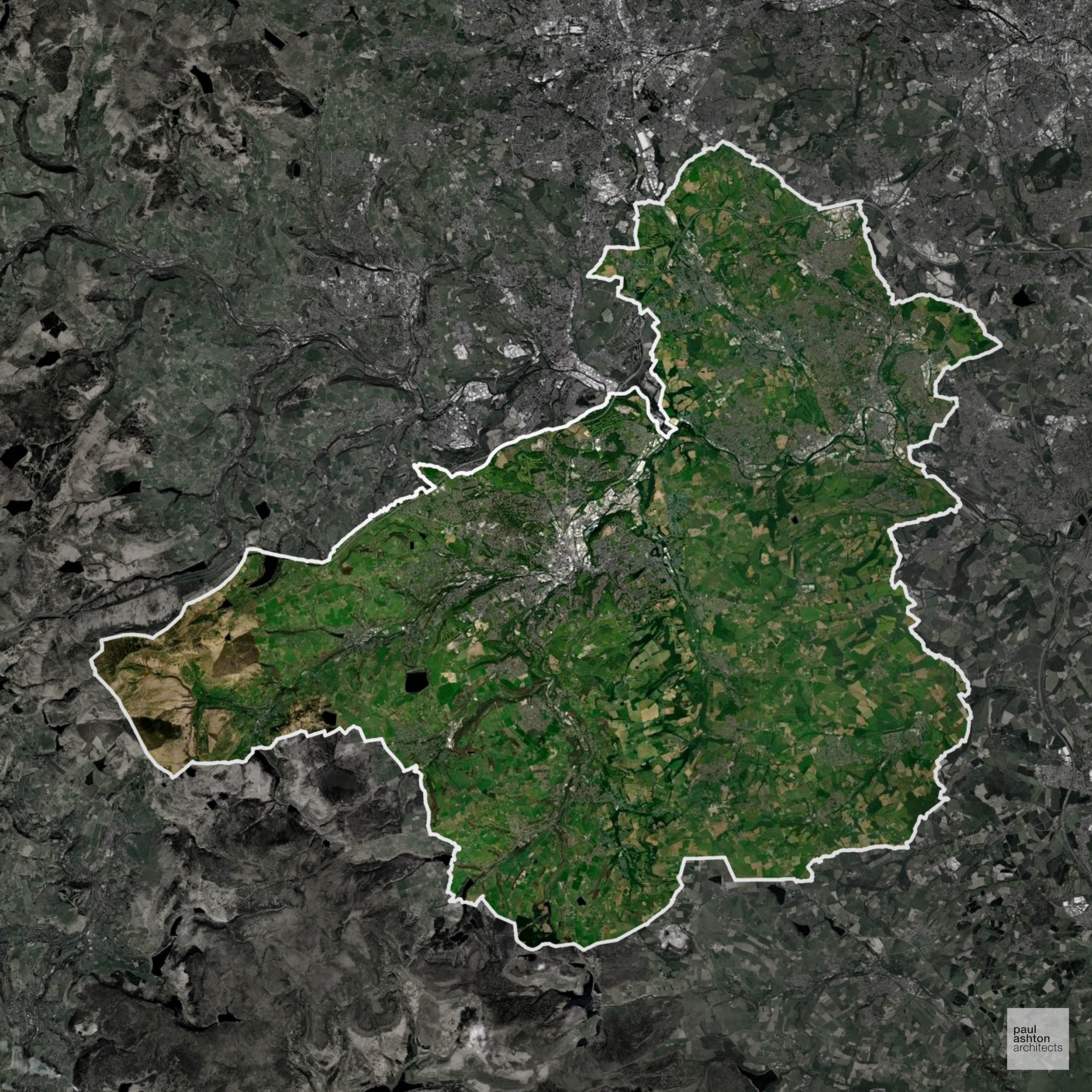
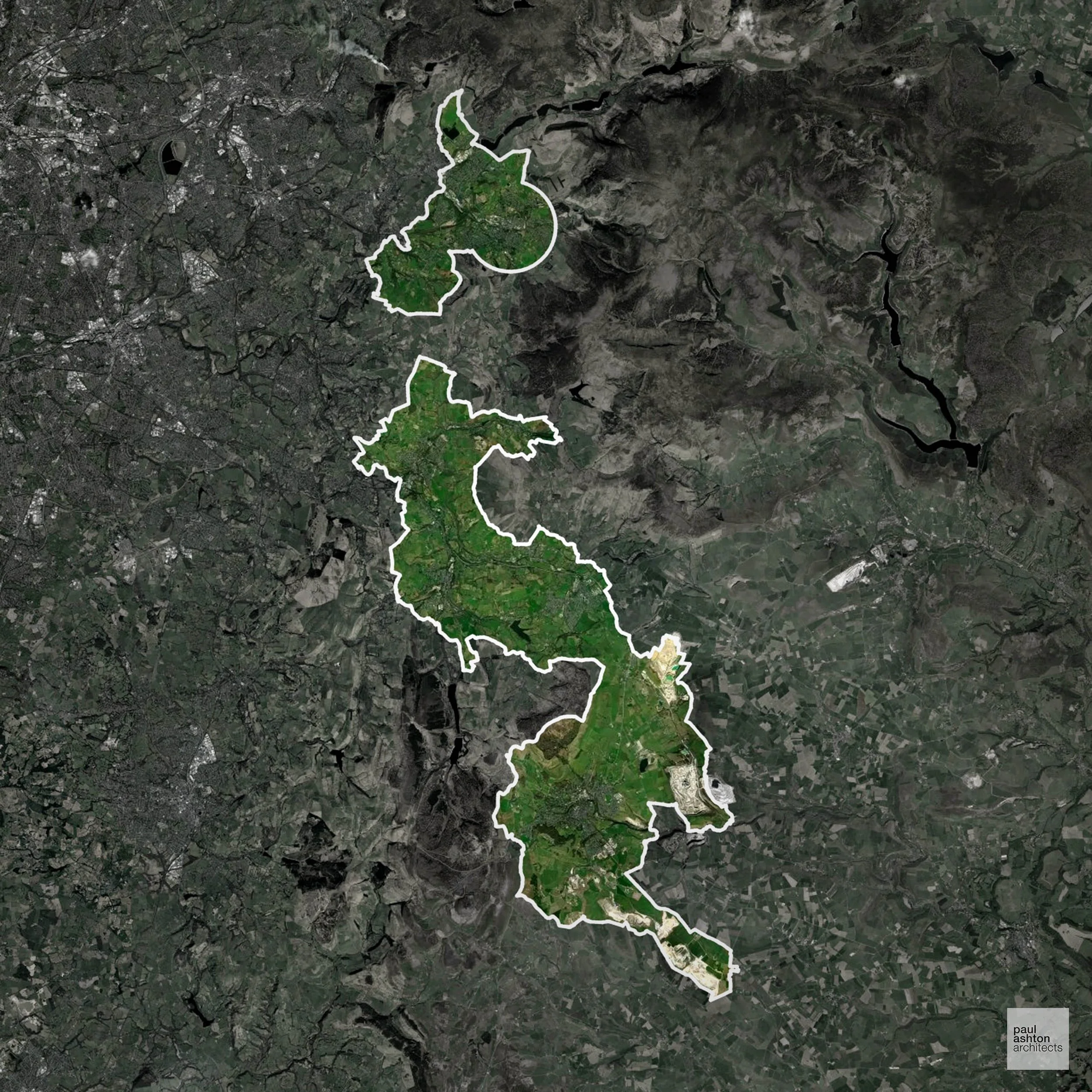
Dartmoor National Park Authority is the Local Planning Authority for the 954 square kilometres of upland moorland, river valleys and historic settlements within Dartmoor in Devon. The National Park was designated in 1951, one of the first in England, and is characterised by open granite tors, blanket bog, deep wooded combes and scattered rural villages. Development is tightly controlled, with a strong presumption in favour of conserving and enhancing landscape character, heritage assets and biodiversity. Most proposals relate to agricultural buildings, rural diversification, sensitive residential alterations, replacement dwellings, small-scale affordable housing for local needs, and tourism accommodation. Major housing estates and large commercial schemes are rarely supported. Planning applications are assessed against the Dartmoor Local Plan, National Planning Policy Framework policies specific to National Parks, and statutory duties giving great weight to landscape and scenic beauty. We can advise on residential, rural enterprise and heritage-led schemes within Dartmoor.
In the last year Dartmoor National Park decided 310 applications which is well below the national average of 988. The approval rate was 87% (roughly equal to the national average of 88%) and 55% of applications were decided on time, (slightly below the national average of 59%). Stats updated March 2026 from gov. sources. See how Dartmoor National Park performs relative to other LPAs in our LPA hub.
"We love helping clients win Planning Permission in Dartmoor National Park"
Development in Dartmoor National Park
National Parks have stricter protections, with development tightly controlled to safeguard landscape, wildlife, and heritage.
The tors, rivers, and historic villages like Widecombe-in-the-Moor and Chagford mean most new builds are resisted outside existing settlements. Practical development is generally restricted to brownfield sites, barn conversions, or minor infill, with strong emphasis on maintaining archaeological integrity, rural character, and landscape openness.
One of the top reasons National Park applications lacking specialist expertise are refused is failing to conserve or enhance the landscape. We help reduce this risk with expert, site-specific guidance; contact us here.
Planning Applications in Dartmoor National Park
As well as acting as Planning Consultants we are ARB registered architects with over 25 years’ experience. Our site-specific planning proposals balance creativity with strategic insight. We use the following field-tested work stages to help clients in Dartmoor National Park achieve successful planning outcomes:
- Stage 1: Site Appraisals & Planning Strategy Advice
- Stage 2: Feasibility Studies & Concept Designs
- Stage 3: Planning Application Packages
- Architectural Drawing Packages
- Planning Statements & Design and Access Statements
- Coordination of Consultant Reports
- Direct Liaison with Planning Officers
- Stage 4: Technical Design
- Discharge of Planning Conditions
- Building Regulations and Construction Packages
Planning Services We Offer in Dartmoor National Park
- Full Planning Applications: Commercial, new buildings, changes of use.
- Householder Planning Applications: Domestic extensions / garden structures.
- Listed Building Consent: Alterations / repairs to listed buildings.
- Conservation Area Consent: Developments within Conservation Areas.
- Lawful Development Certificates: Confirming existing / completed works are lawful.
- Validation Requirements: Gathering documentation to ensure applications are validated by Dartmoor National Park LPA.
Contextual Planning Support in Dartmoor National Park
We work collaboratively with clients and shape a design that respects local character and meets Planning Policy requirements in order to maximise your chances of winning Planning Permission.
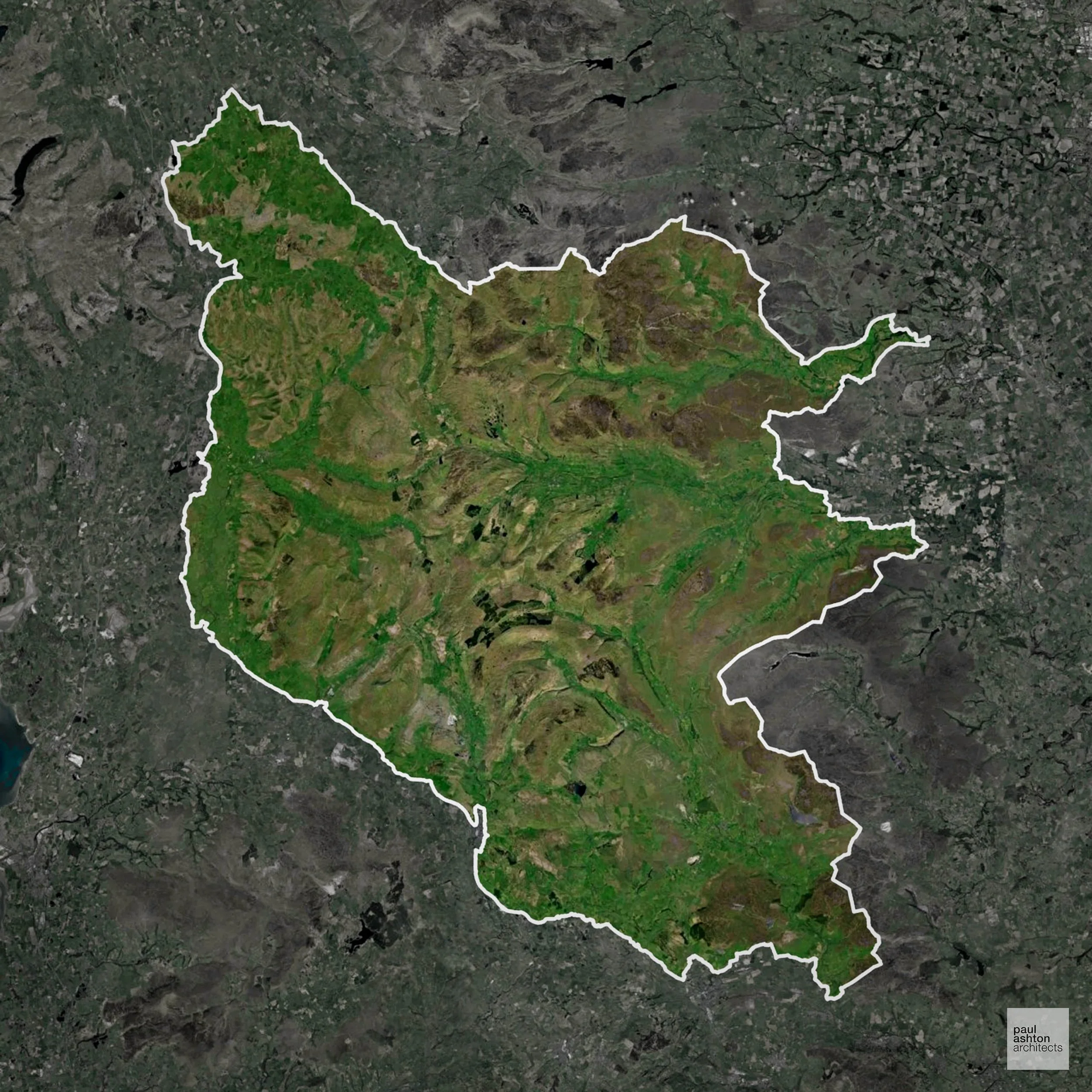
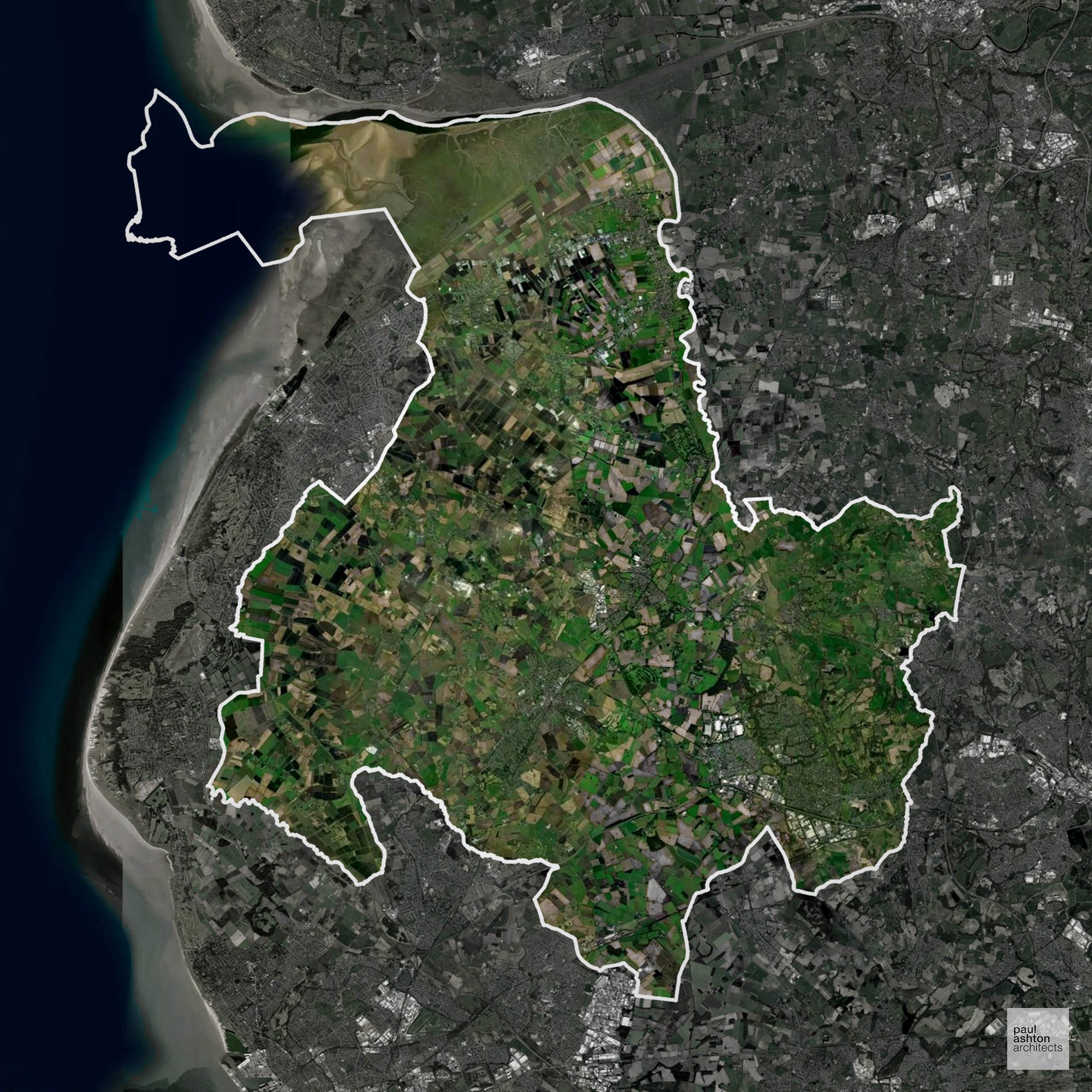
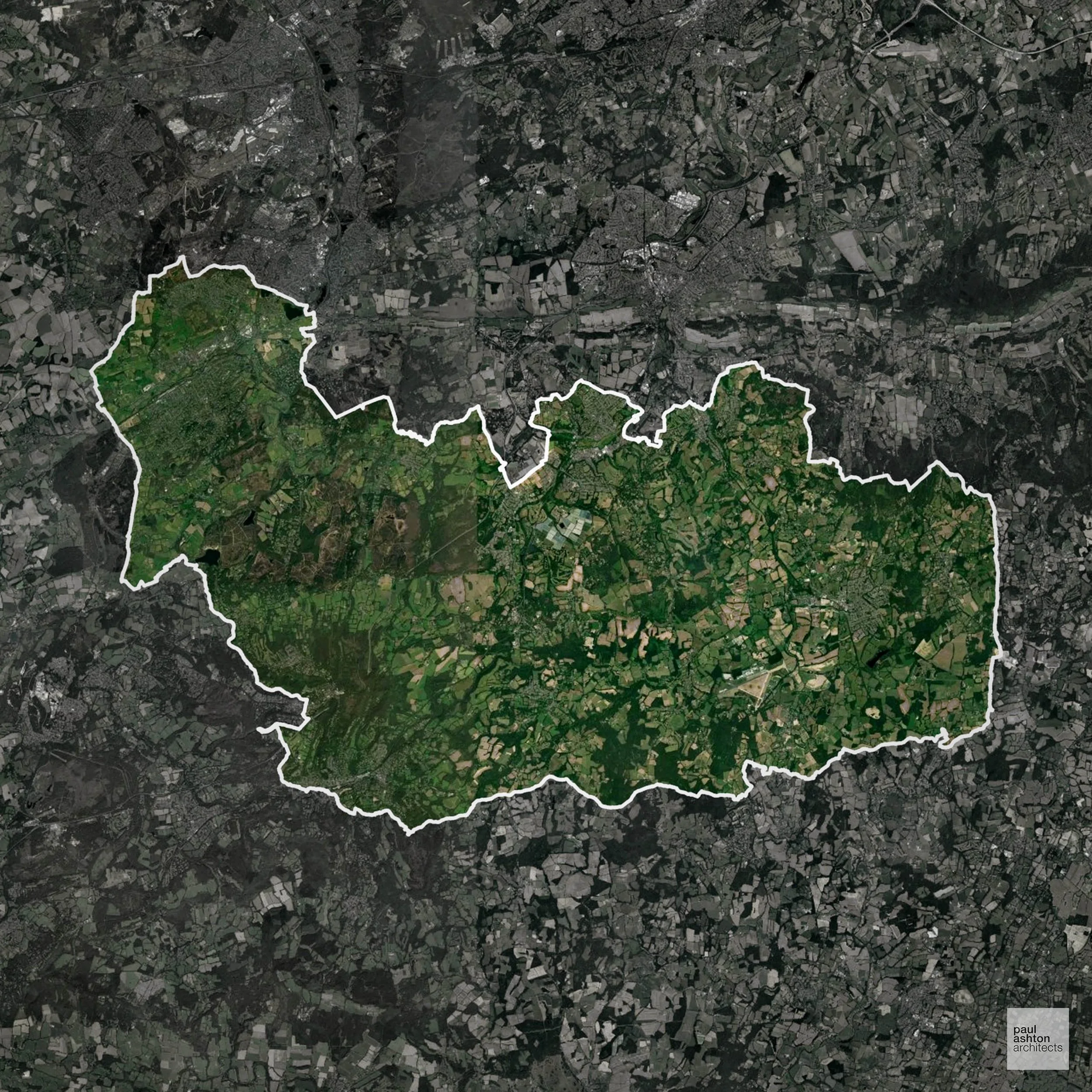
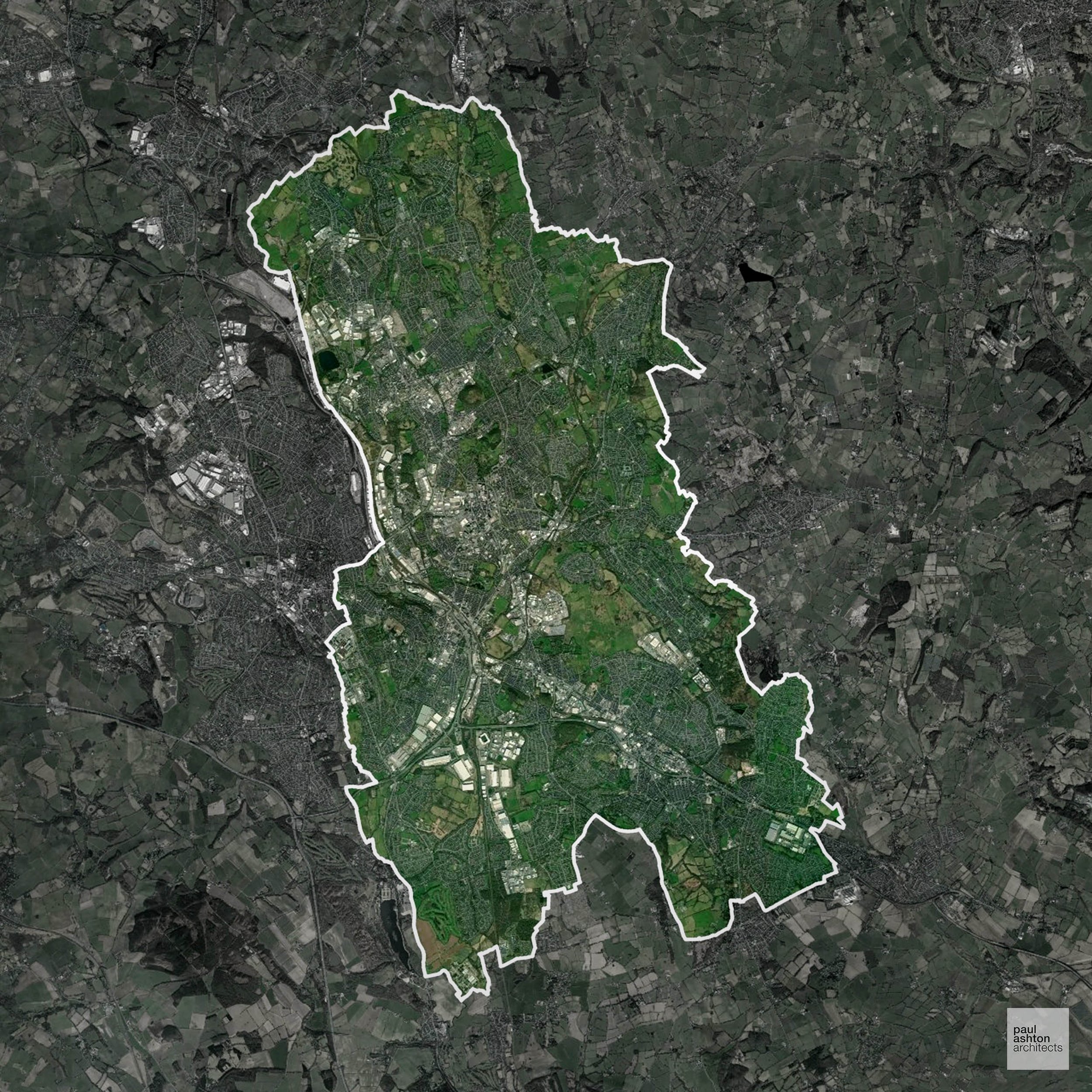
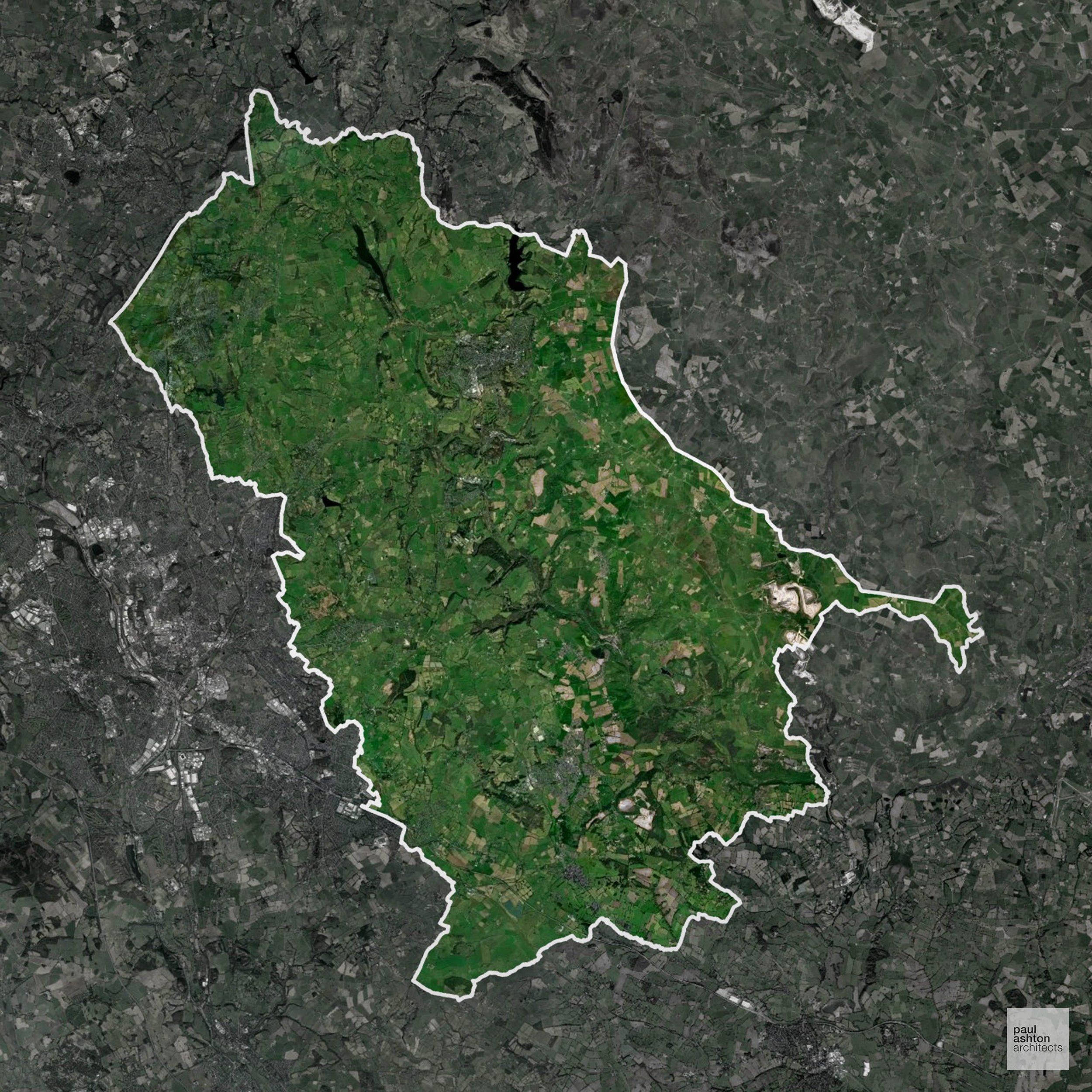
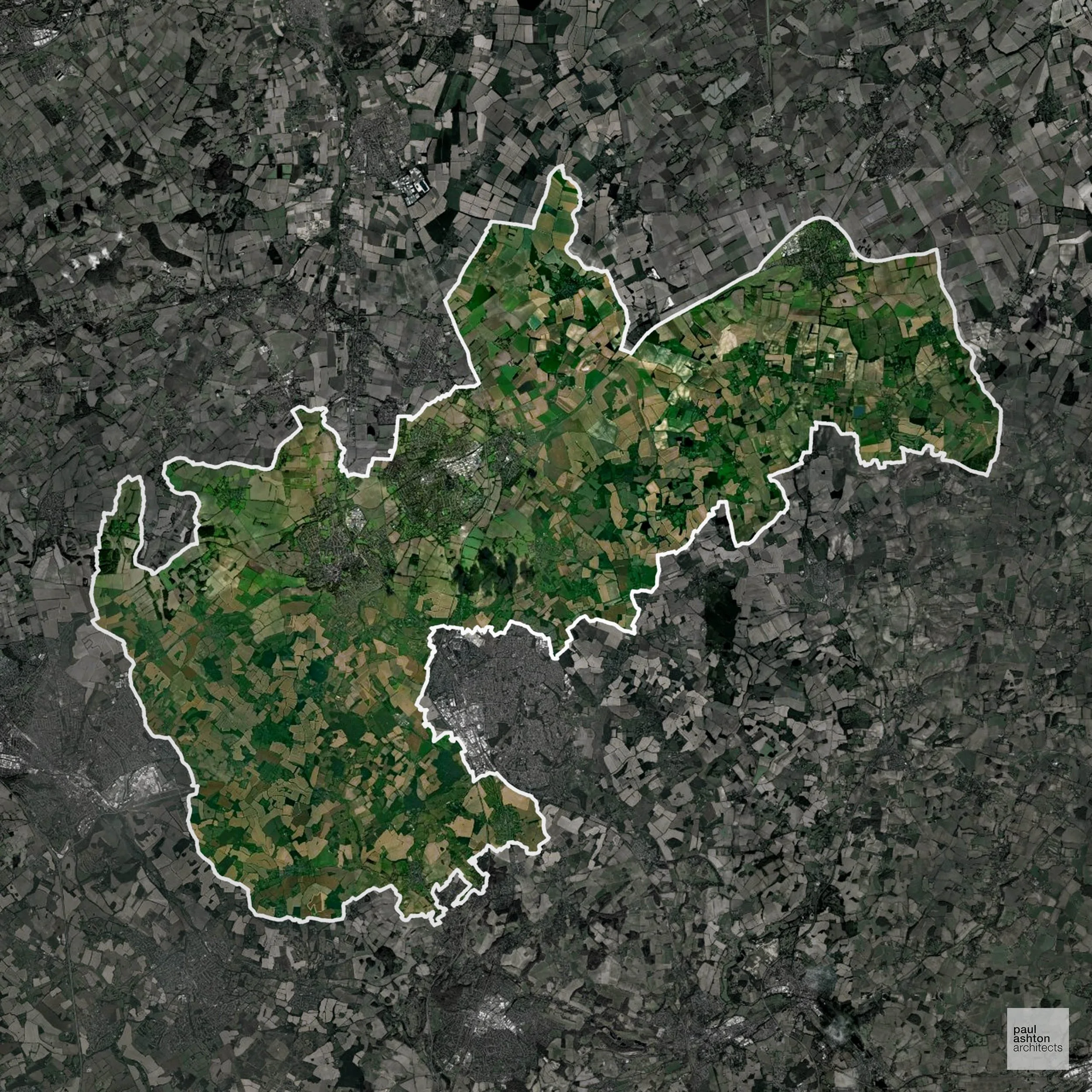
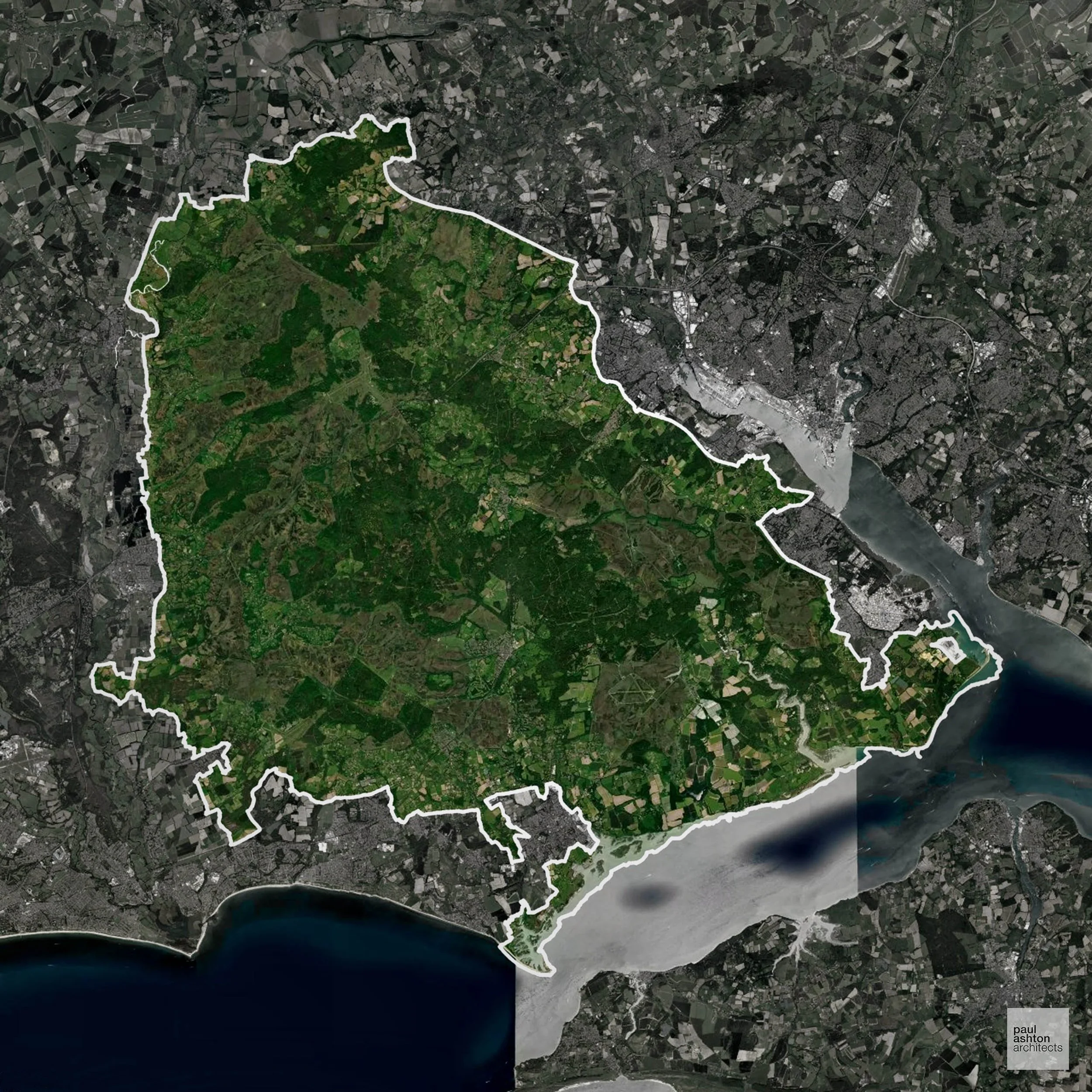
The Yorkshire Dales National Park includes towns such as Grassington, Hawes, and Settle. Planning is focused on heritage conservation, villages, and rural development. Known for scenic landscapes, historic villages, and listed farmsteads, planning supports residential, commercial, and conversion projects that respect conservation objectives. We can advise and support projects throughout the National Park.
In the last year Yorkshire Dales National Park decided 450 applications which is well below the national average of 988. The approval rate was 92% (roughly equal to the national average of 88%) and 54% of applications were decided on time, (slightly below the national average of 59%). Stats updated March 2026 from gov. sources. See how Yorkshire Dales National Park performs relative to other LPAs in our LPA hub.
"We love helping clients win Planning Permission in Yorkshire Dales National Park"
Development in Yorkshire Dales National Park
National Parks have stricter protections, with development tightly controlled to safeguard landscape, wildlife, and heritage.
The Yorkshire Dales’ limestone valleys, dry-stone walls, and notable features like Malham Cove and Aysgarth Falls make most greenfield development highly constrained, particularly around villages such as Grassington, Hawes, and Sedbergh. Development opportunities are generally limited to the sensitive conversion of redundant farm buildings, infill within existing village boundaries, or small-scale extensions, provided proposals respect the traditional architectural style and protect biodiversity.
One of the top reasons National Park applications lacking specialist expertise are refused is failing to conserve or enhance the landscape. We help reduce this risk with expert, site-specific guidance; contact us here.
Areas of Outstanding Natural Beauty in Yorkshire Dales National Park
Areas of Outstanding Natural Beauty (AONBs), often referred to as National Landscapes, are protected for their remarkable natural and scenic value. Any development proposals here are closely evaluated, with a strong presumption against works that could harm the landscape.
Yorkshire Dales National Park contains AONB fringes. Development proposals must respect scenic and ecological qualities.
In our experience, one of the top reasons proposals in Areas of Outstanding Natural Beauty are refused is causing landscape harm or visual intrusion, a risk that often arises when applications are not fully informed. We help minimise the likelihood of refusal with expert, guidance; contact us here.
Conservation and Listed Buildings in Yorkshire Dales National Park
The Yorkshire Dales National Park has an exceptionally sensitive historic environment, with numerous Conservation Areas and a high concentration of listed buildings set within a protected landscape. Heritage constraints are particularly evident within the Hawes Conservation Area and Reeth Conservation Area, where vernacular stone architecture, field patterns, and settlement form define character.
One of the top reasons heritage building applications are refused is causing harm to historic significance, a risk that can arise when proposals are not prepared by a consultant with heritage expertise. We help minimise this risk with expert, site-specific guidance; contact us here.
Planning Applications in Yorkshire Dales National Park
In addition to acting as Planing Conultants we are ARB registered architects with 25+ years of experience. Our planning proposals are creatively tailored to each site to maximise potential and improve planning outcomes. We use the following tried and tested process to guide clients in Yorkshire Dales National Park through planning to completion:
- Stage 1: Site Appraisals & Planning Strategy Advice
- Stage 2: Feasibility Studies & Concept Designs
- Stage 3: Planning Application Packages
- Architectural Drawing Packages
- Planning Statements & Design and Access Statements
- Coordination of Consultant Reports
- Direct Liaison with Planning Officers
- Stage 4: Technical Design
- Discharge of Planning Conditions
- Building Regulations and Construction Packages
Planning Services We Offer in Yorkshire Dales National Park
- Full Planning Applications: Commercial, new buildings, changes of use.
- Householder Planning Applications: Domestic extensions / garden structures.
- Listed Building Consent: Alterations / repairs to listed buildings.
- Conservation Area Consent: Developments within Conservation Areas.
- Lawful Development Certificates: Confirming existing / completed works are lawful.
- Validation Requirements: Gathering documentation to ensure applications are validated by Yorkshire Dales National Park LPA.
Creative Planning Advice in Yorkshire Dales National Park
We collaborate closely with our clients to develop designs that respond to local character and align with Planning Policy, helping to maximise the likelihood of securing Planning Permission in Yorkshire Dales National Park.
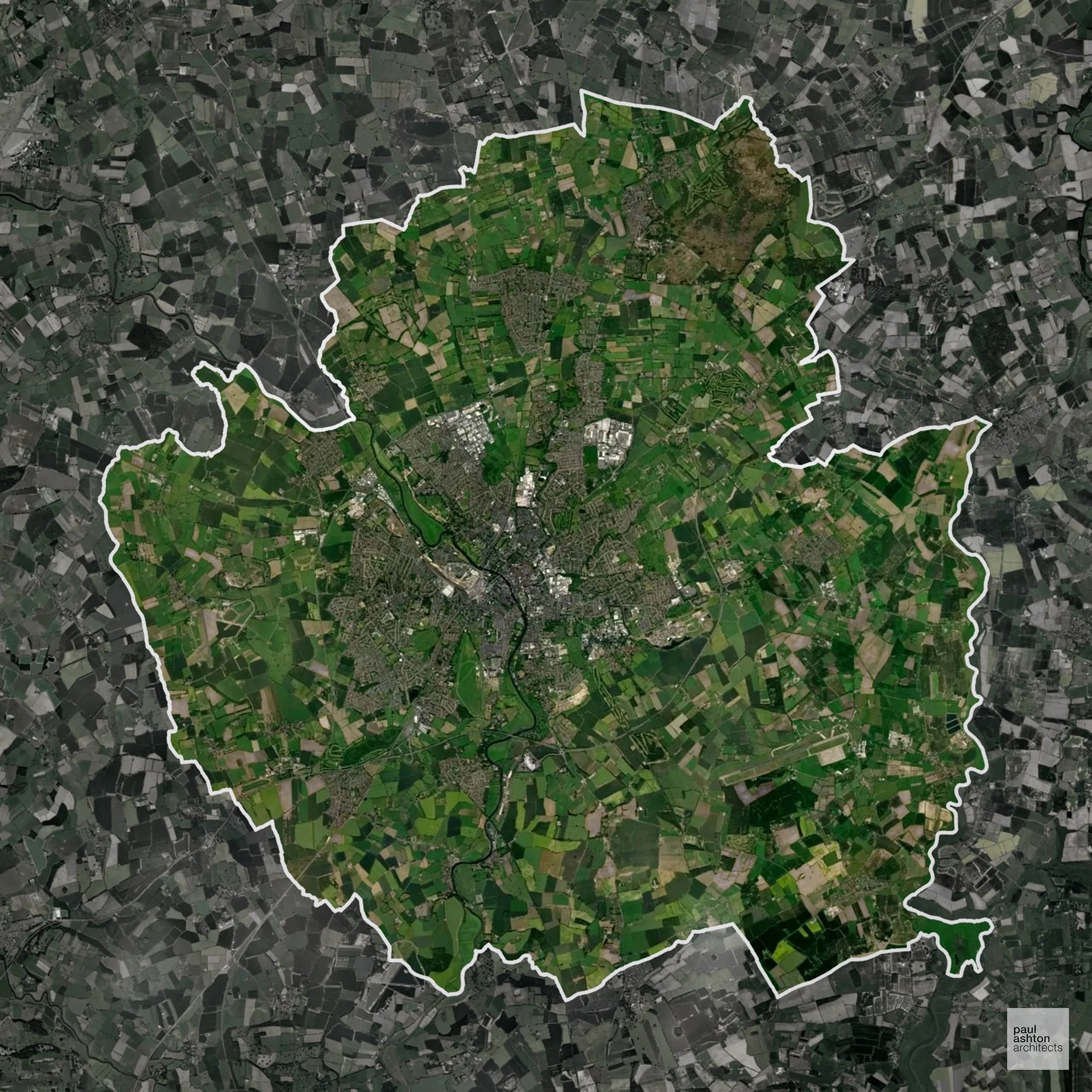
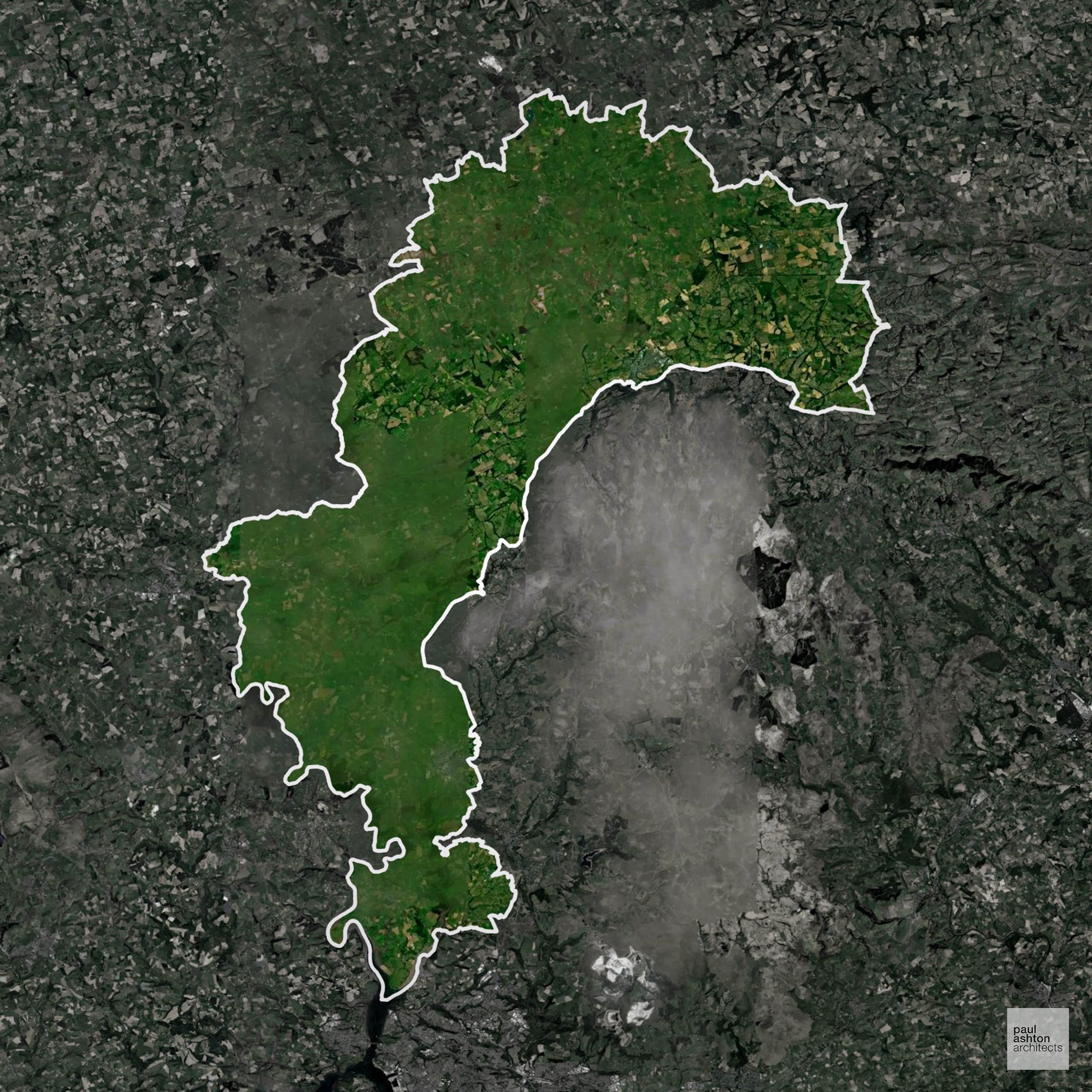
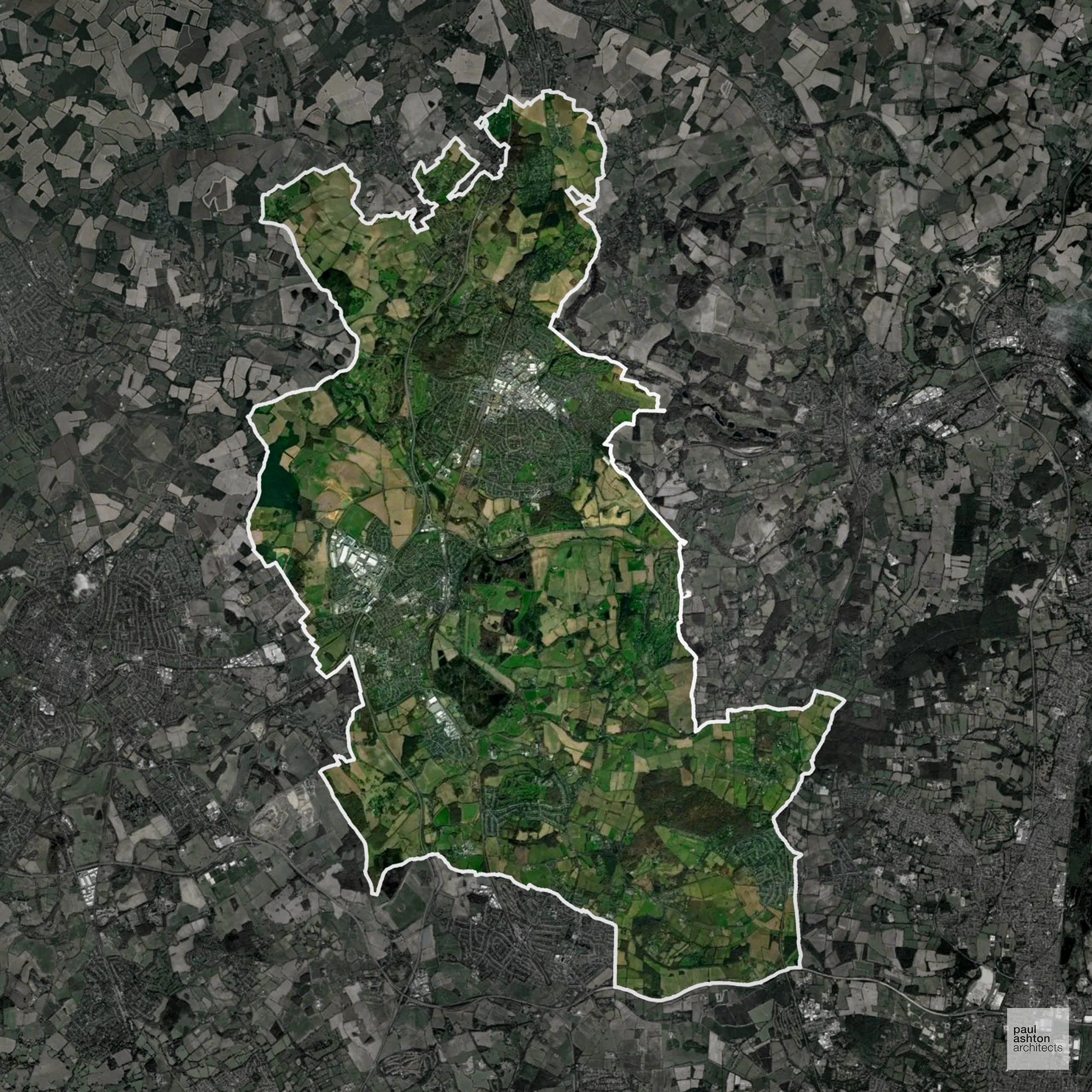
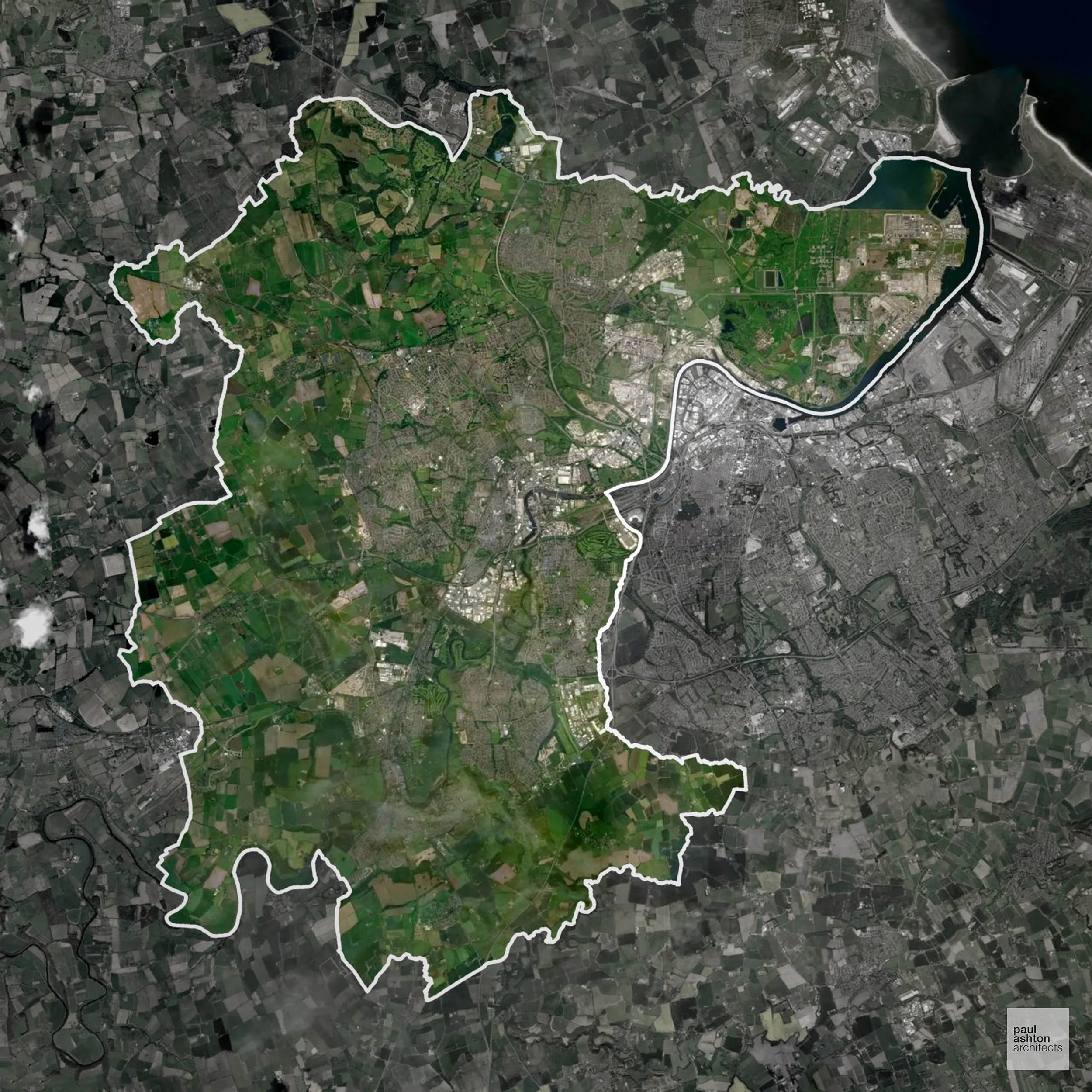
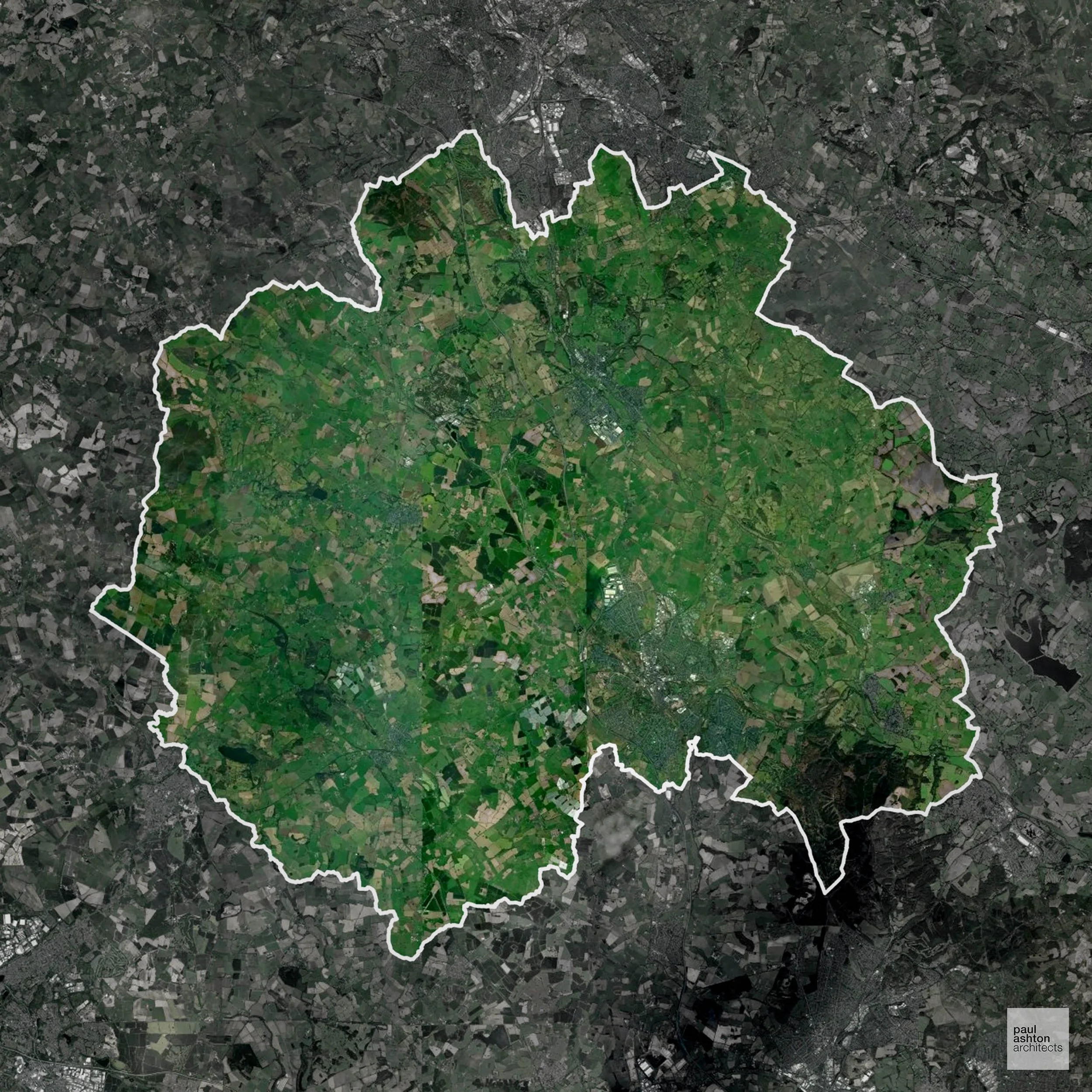
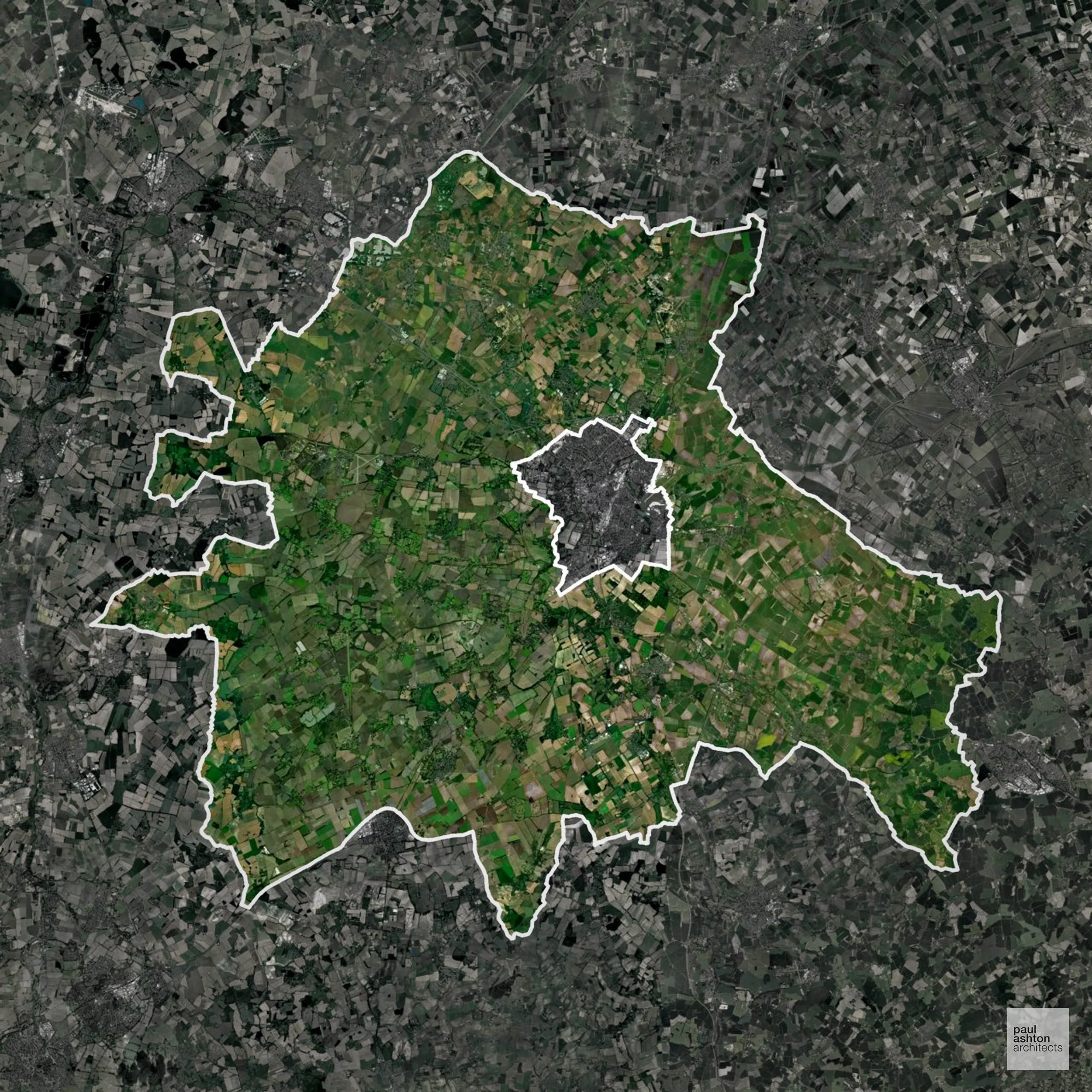
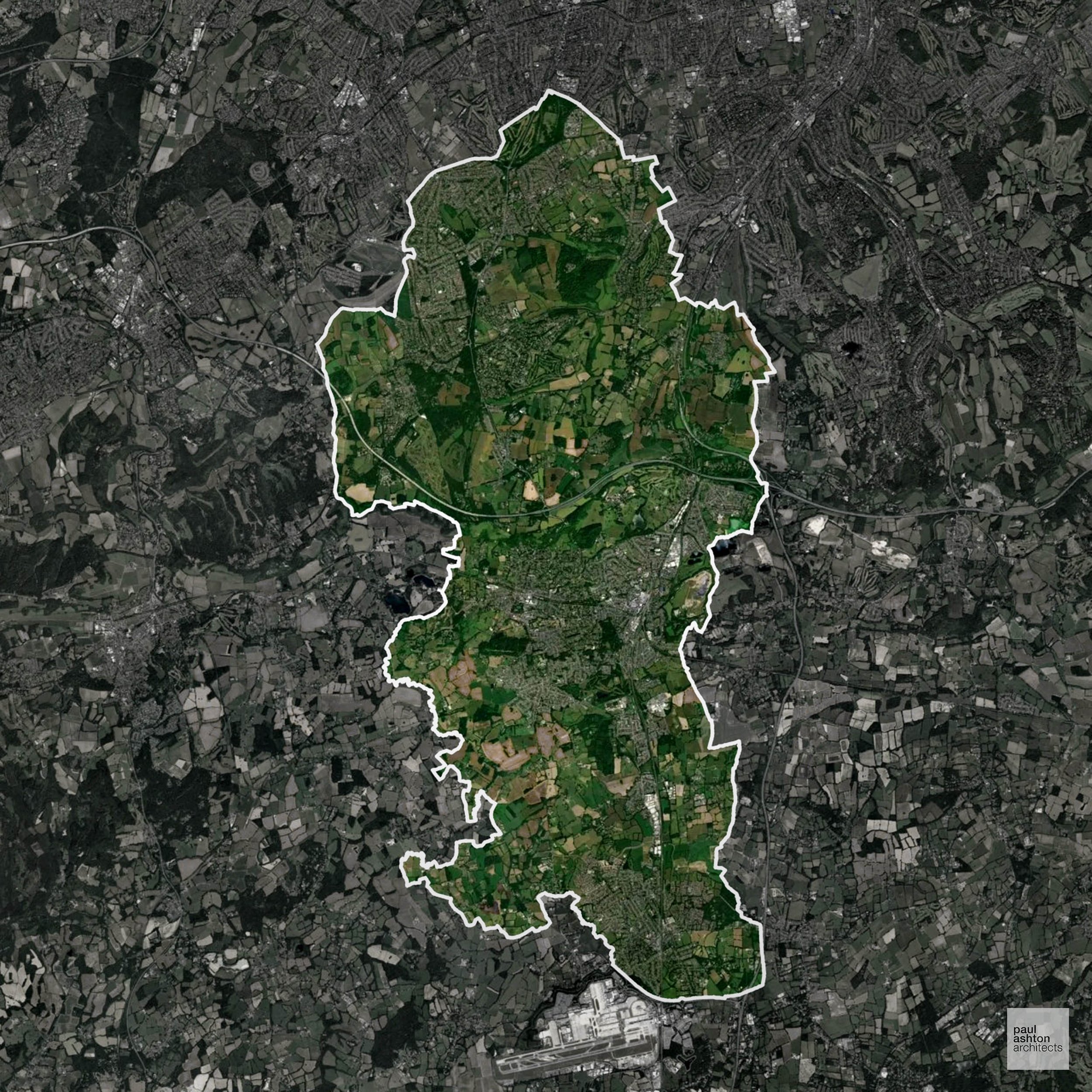
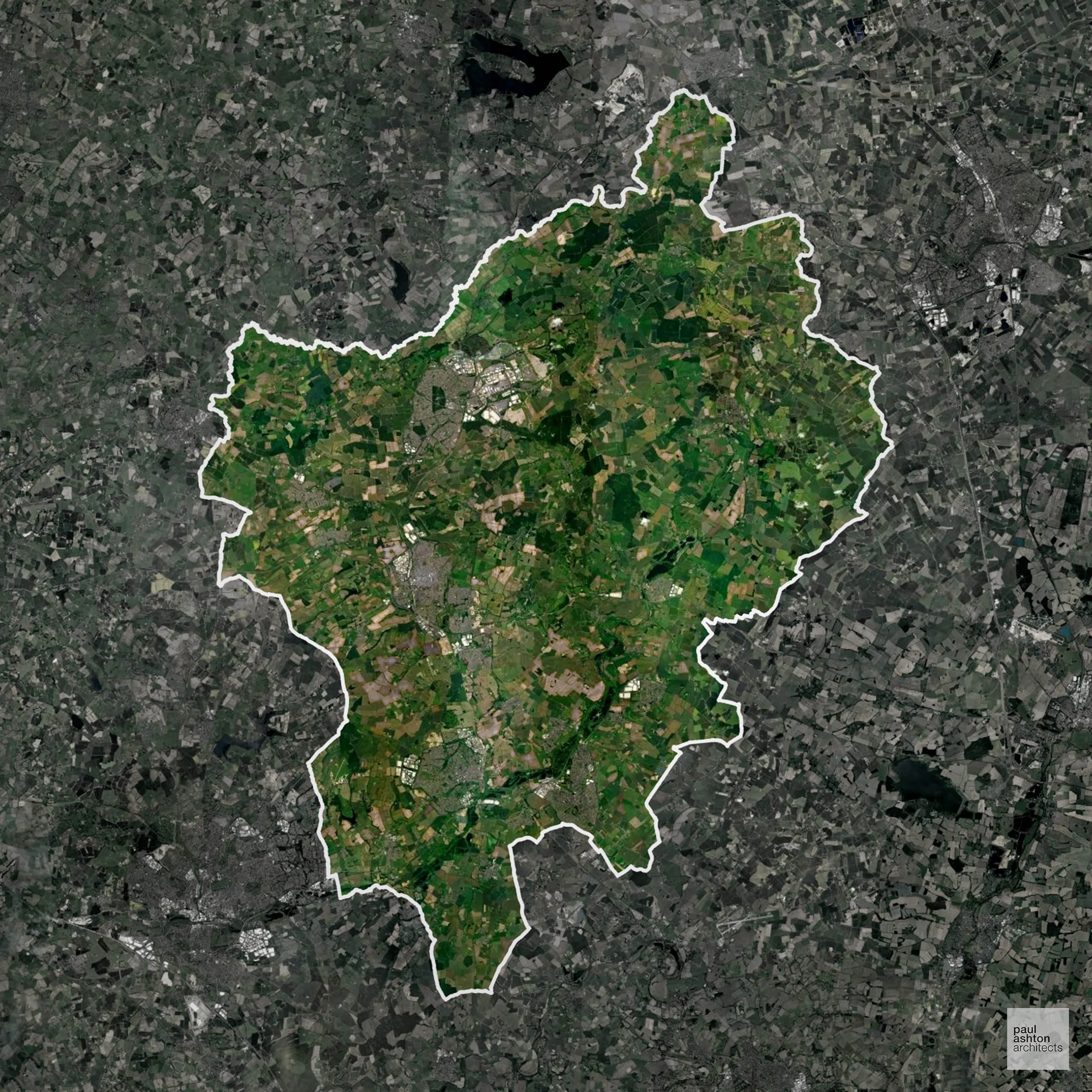
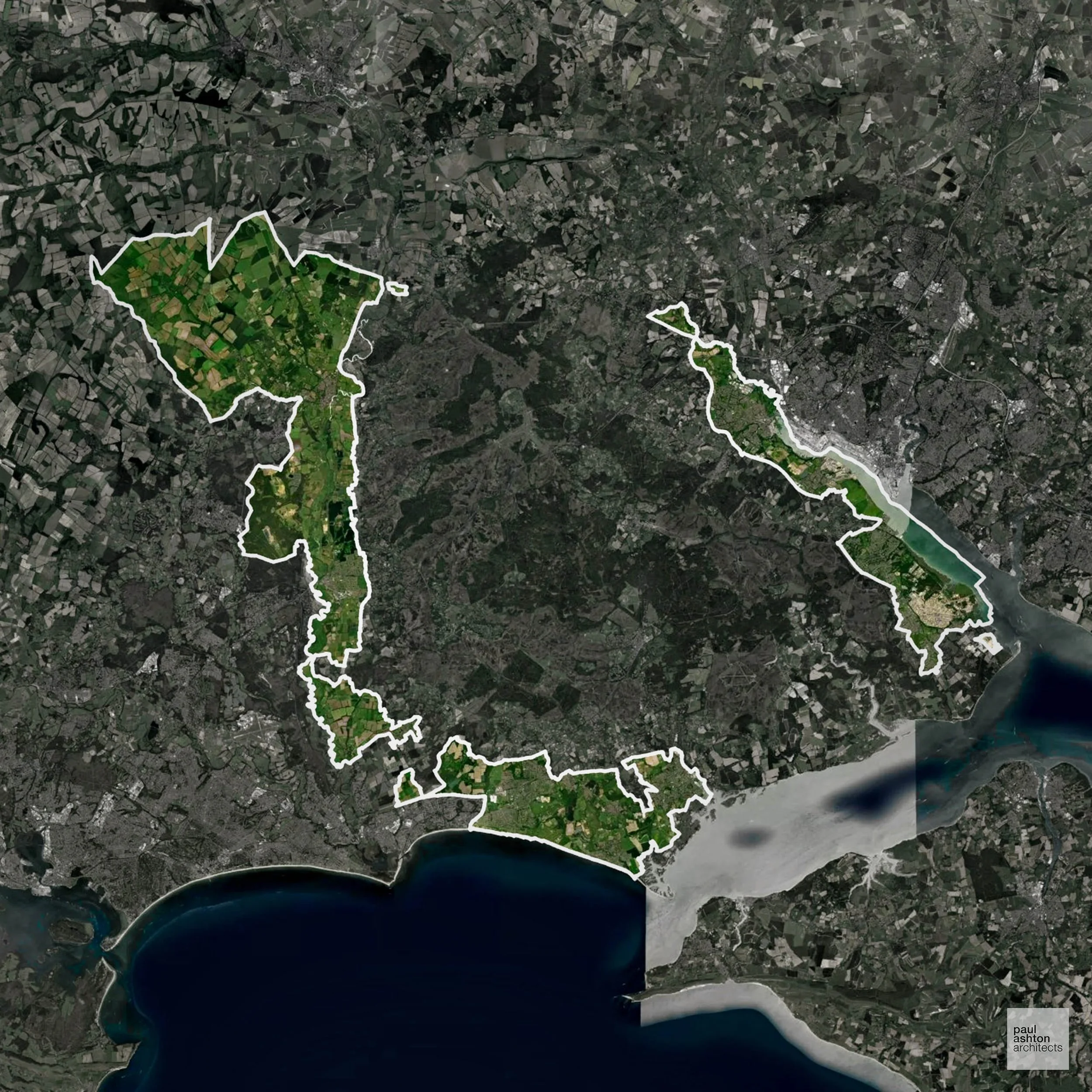
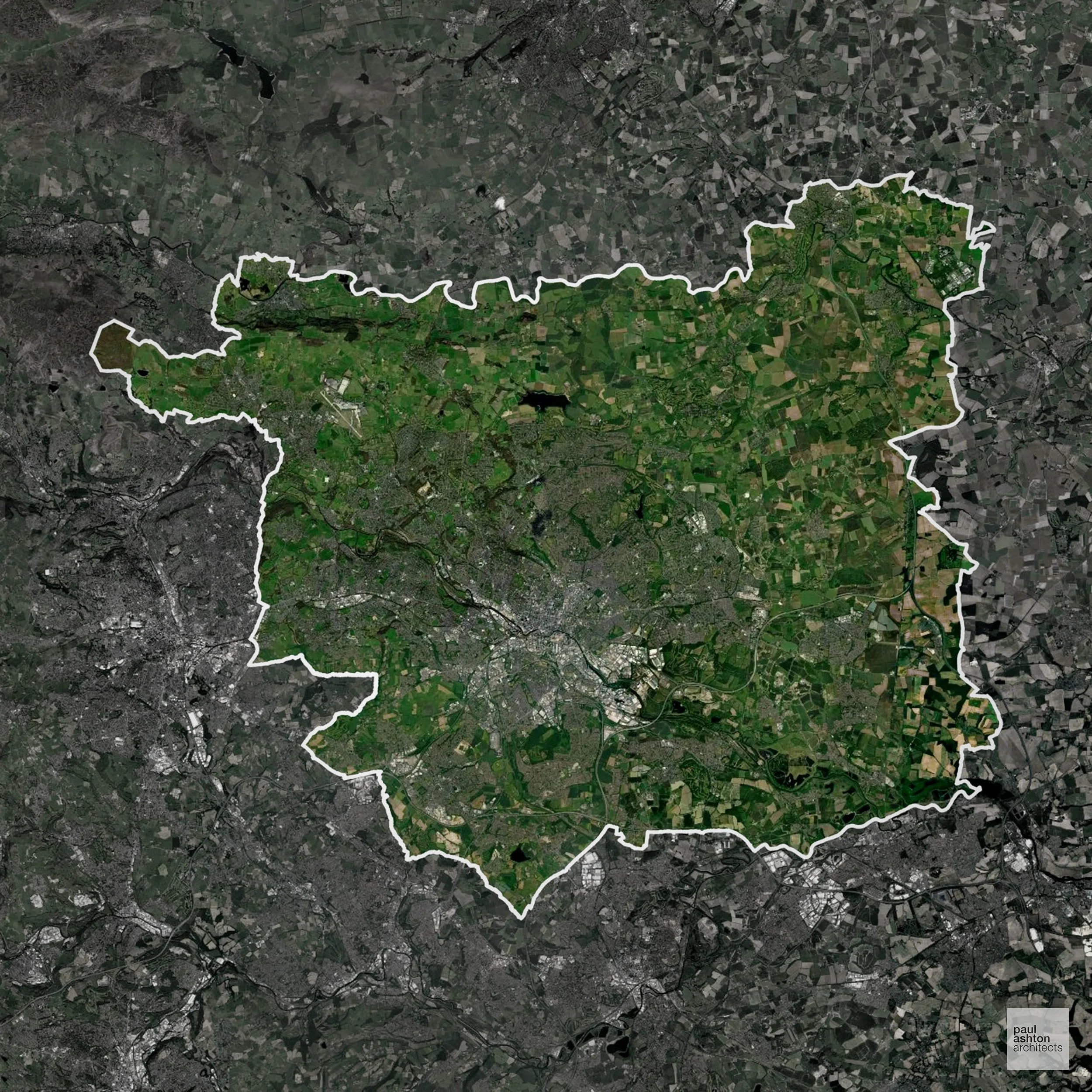
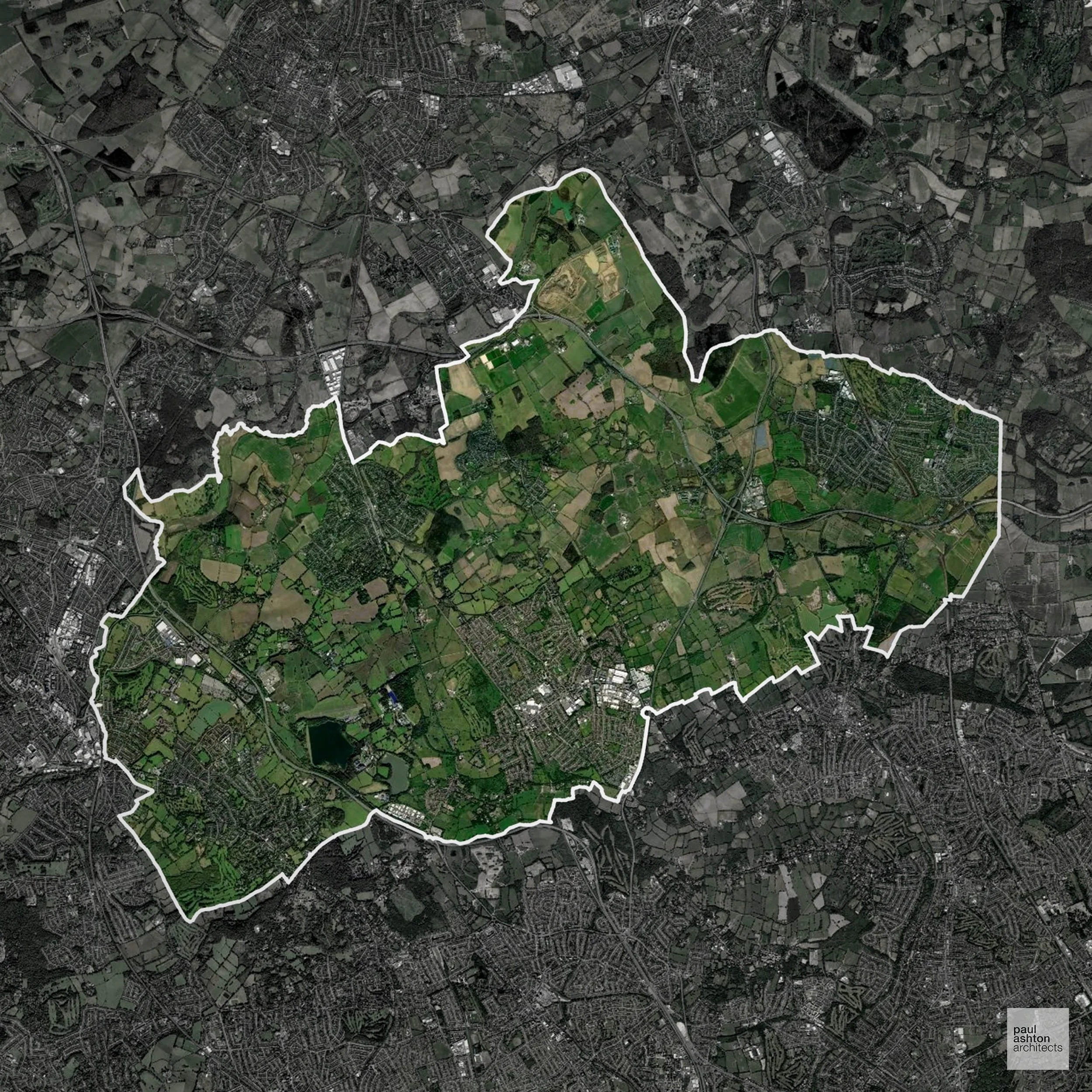
York includes the city centre, Acomb, and Fulford. About 80.5% of the district is Green Belt, framing settlements and protecting villages extensively. Known for its medieval streets, historic walls, and heritage buildings, planning focuses on residential, commercial, and conversion projects. We can advise and support projects across York.
In the last year York decided 1,243 applications which is well above the national average of 988. The approval rate was 84% (roughly equal to the national average of 88%) and 64% of applications were decided on time, (slightly above the national average of 59%). Stats updated March 2026 from gov. sources. See how York performs relative to other LPAs in our LPA hub.
"We love helping clients win Planning Permission in York"
Areas of Outstanding Natural Beauty in York
Areas of Outstanding Natural Beauty (AONBs), sometimes called National Landscapes, are designated for their exceptional scenic and natural importance. Planning proposals in these areas face close scrutiny, with a strong presumption against inappropriate development.
York LPA overlaps with the Howardian Hills AONB. Development is carefully controlled to conserve landscape character.
In our experience, one of the top reasons proposals in Areas of Outstanding Natural Beauty are refused is causing landscape harm or visual intrusion, a risk that often arises when applications are not fully informed. We help minimise the likelihood of refusal with expert, guidance; contact us here.
Conservation and Listed Buildings in York
York has one of the most sensitive historic environments in England, with an extensive Conservation Area and a very high concentration of listed buildings. Heritage constraints are particularly pronounced within the Central Historic Core Conservation Area and Clifton Conservation Area, where medieval street patterns, city walls, and fine-grain townscape define character.
Development proposals are rigorously assessed in relation to key views and the setting of assets such as York Minster, with Planning Permission typically requiring exceptional design quality and clear heritage justification.One of the top reasons heritage building applications are refused is causing harm to historic significance, a risk that can arise when proposals are not prepared by a consultant with heritage expertise. We help minimise this risk with expert, site-specific guidance; contact us here.
Green Belt Approvals in York
The Green Belt is a nationally designated area of protected land surrounding many English towns and cities, where development is strictly controlled to prevent urban sprawl.
Significantly, 80.5% of York is within the Green Belt and proposals in these areas can be subject to very high levels of scrutiny.
The Green Belt surrounding York preserves the villages of Haxby, Strensall, and Rawcliffe, maintaining the historic setting of York, protecting floodplain farmland, parklands, and river corridors, and preventing coalescence with neighbouring settlements under development pressure.
In our experience, one of the top reasons poorly conceived Green Belt proposals are refused is causing 'harm to openness'. We can lower the risk of refusal with site-specific guidance. Contact us here.
You can also check whether your land is within the Green Belt using our interactive Green Belt map.
Flood Risk in York
In some areas of the LPA, flood risk plays a key role in determining planning proposals. The Rivers Ouse and Foss regularly inundate large areas of the city, and York has some of the most constrained development options of any English city due to the extent of Flood Zone 3 within and around its boundaries. Where constraints permit, we can develop proposals that manage flood risk thoughtfully to give applications the best chance of approval.
Planning Applications in York
In addition to acting as Planing Conultants we are ARB registered architects with 25+ years of experience. Our planning proposals are creatively tailored to each site to maximise potential and improve planning outcomes. We use the following tried and tested process to guide clients in York through planning to completion:
- Stage 1: Site Appraisals & Planning Strategy Advice
- Stage 2: Feasibility Studies & Concept Designs
- Stage 3: Planning Application Packages
- Architectural Drawing Packages
- Planning Statements & Design and Access Statements
- Coordination of Consultant Reports
- Direct Liaison with Planning Officers
- Stage 4: Technical Design
- Discharge of Planning Conditions
- Building Regulations and Construction Packages
Planning Services We Offer in York
- Full Planning Applications: Commercial, new buildings, changes of use.
- Householder Planning Applications: Domestic extensions / garden structures.
- Listed Building Consent: Alterations / repairs to listed buildings.
- Conservation Area Consent: Developments within Conservation Areas.
- Lawful Development Certificates: Confirming existing / completed works are lawful.
- Validation Requirements: Gathering documentation to ensure applications are validated by York LPA.
Creative Planning Advice in York
We collaborate closely with our clients to develop designs that respond to local character and align with Planning Policy, helping to maximise the likelihood of securing Planning Permission in York.
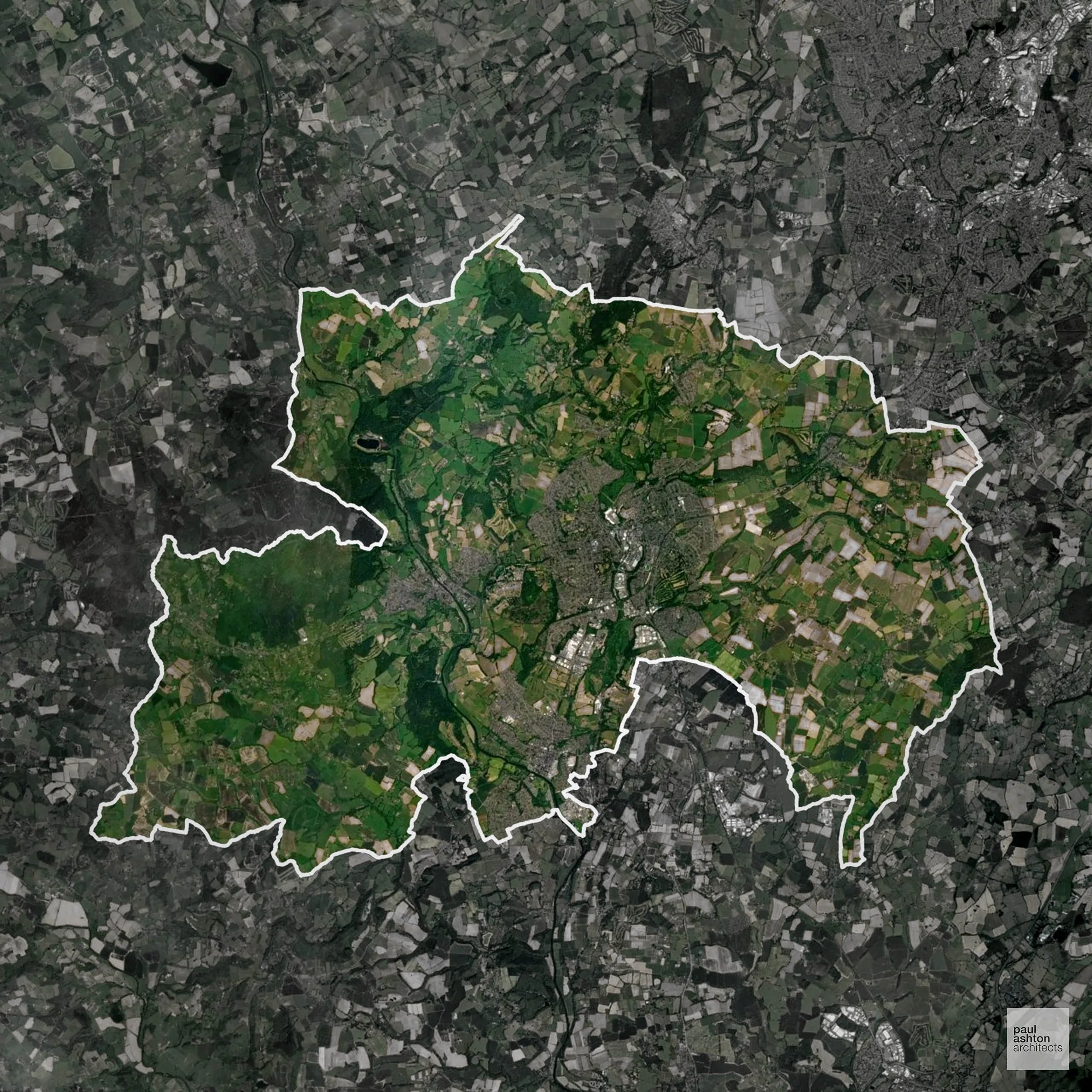
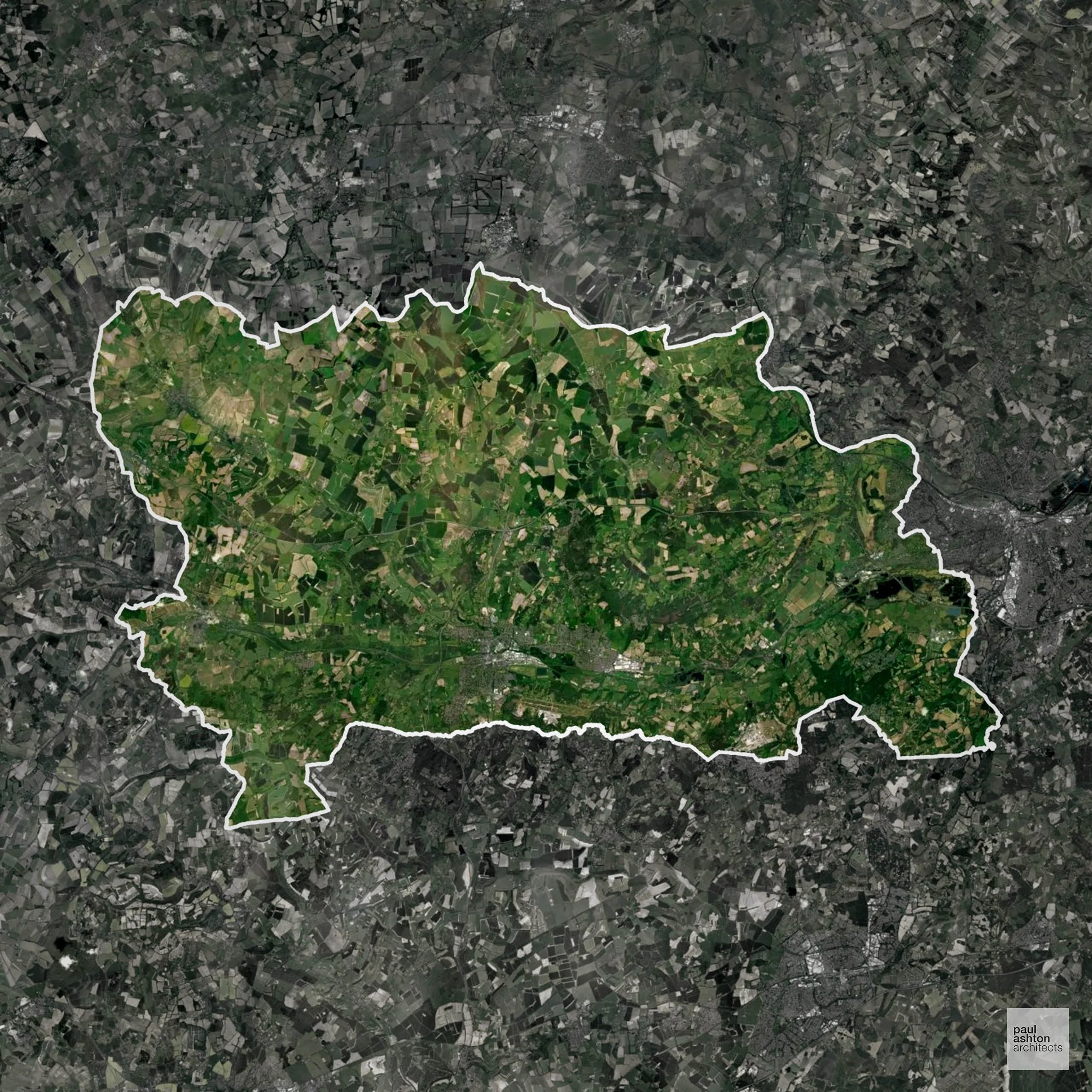
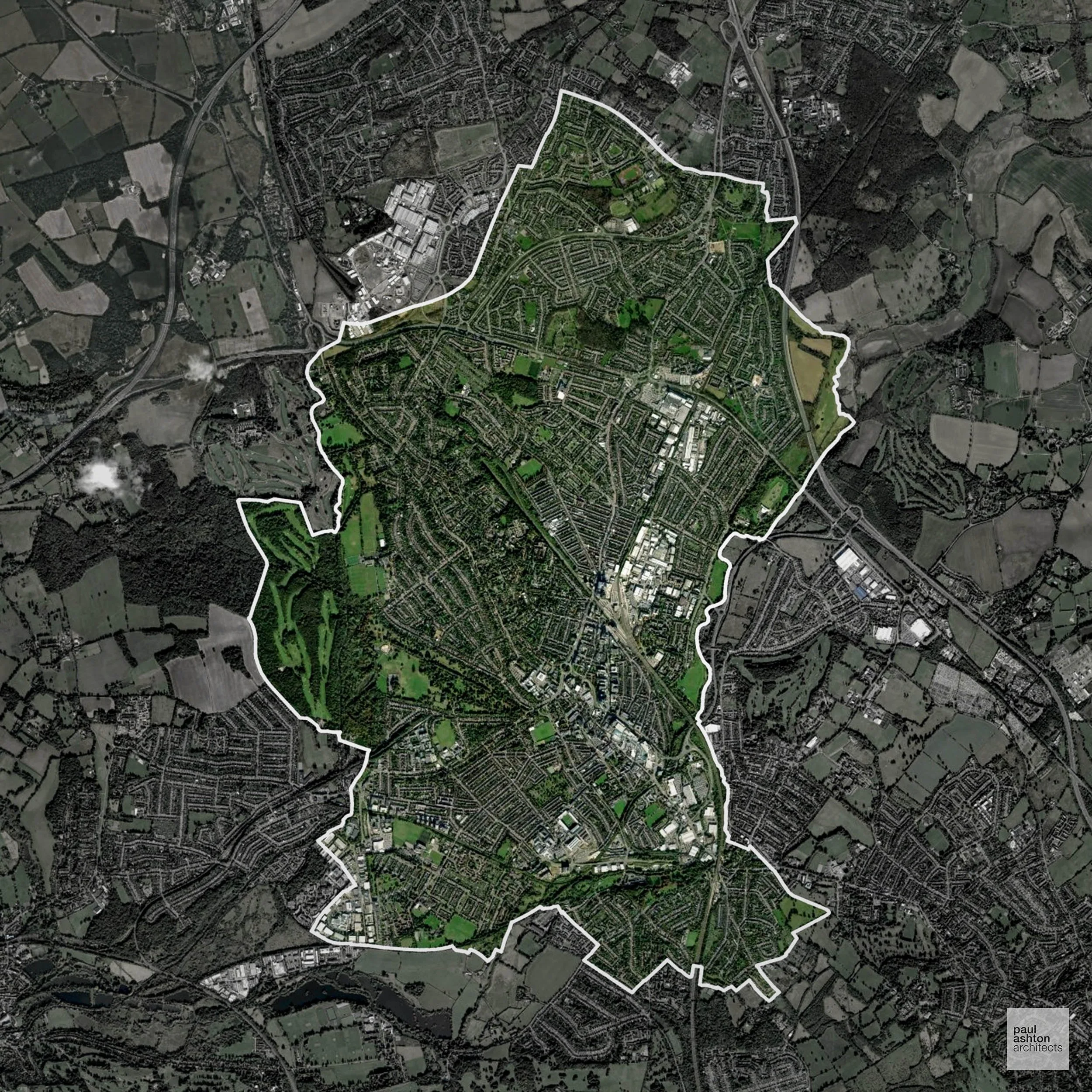
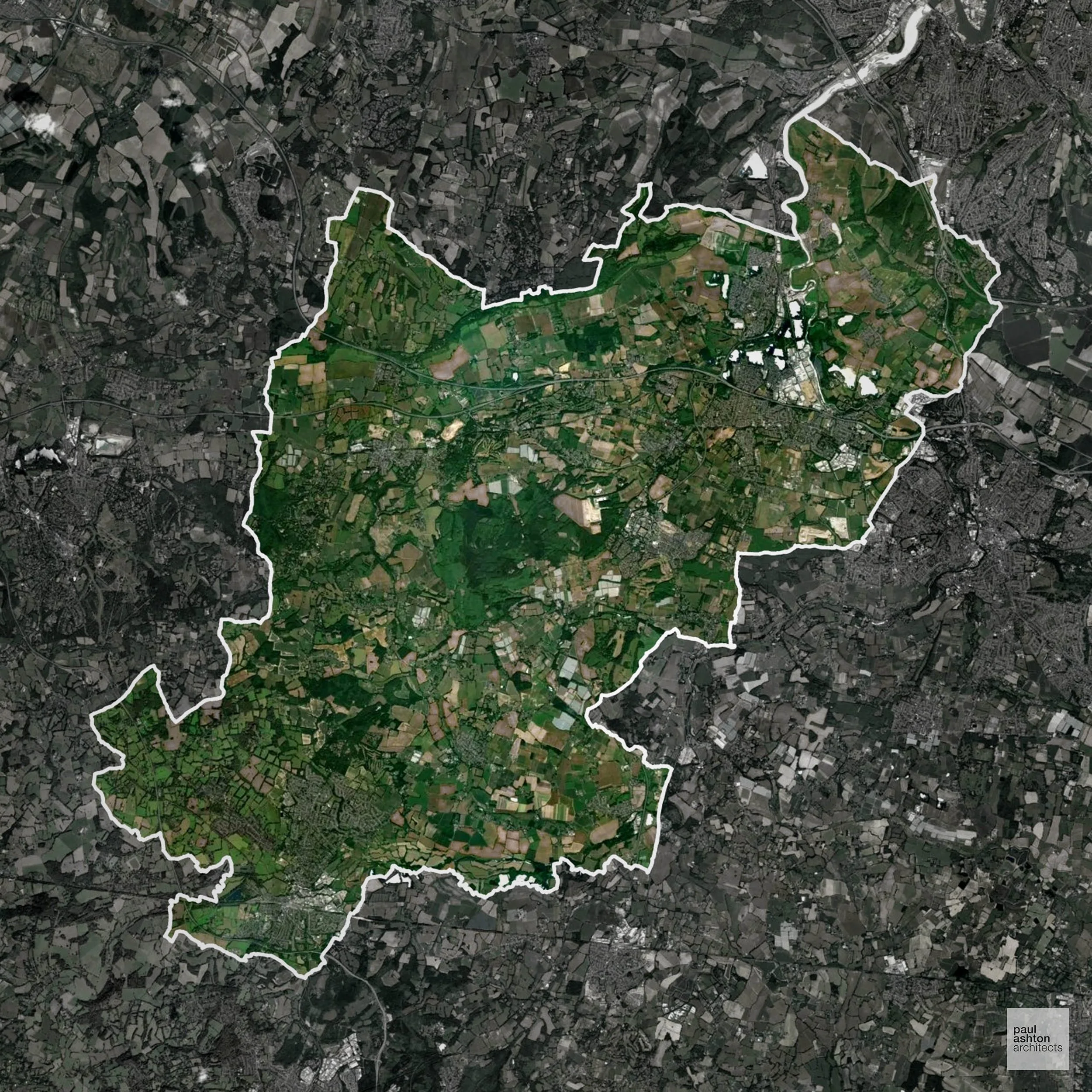
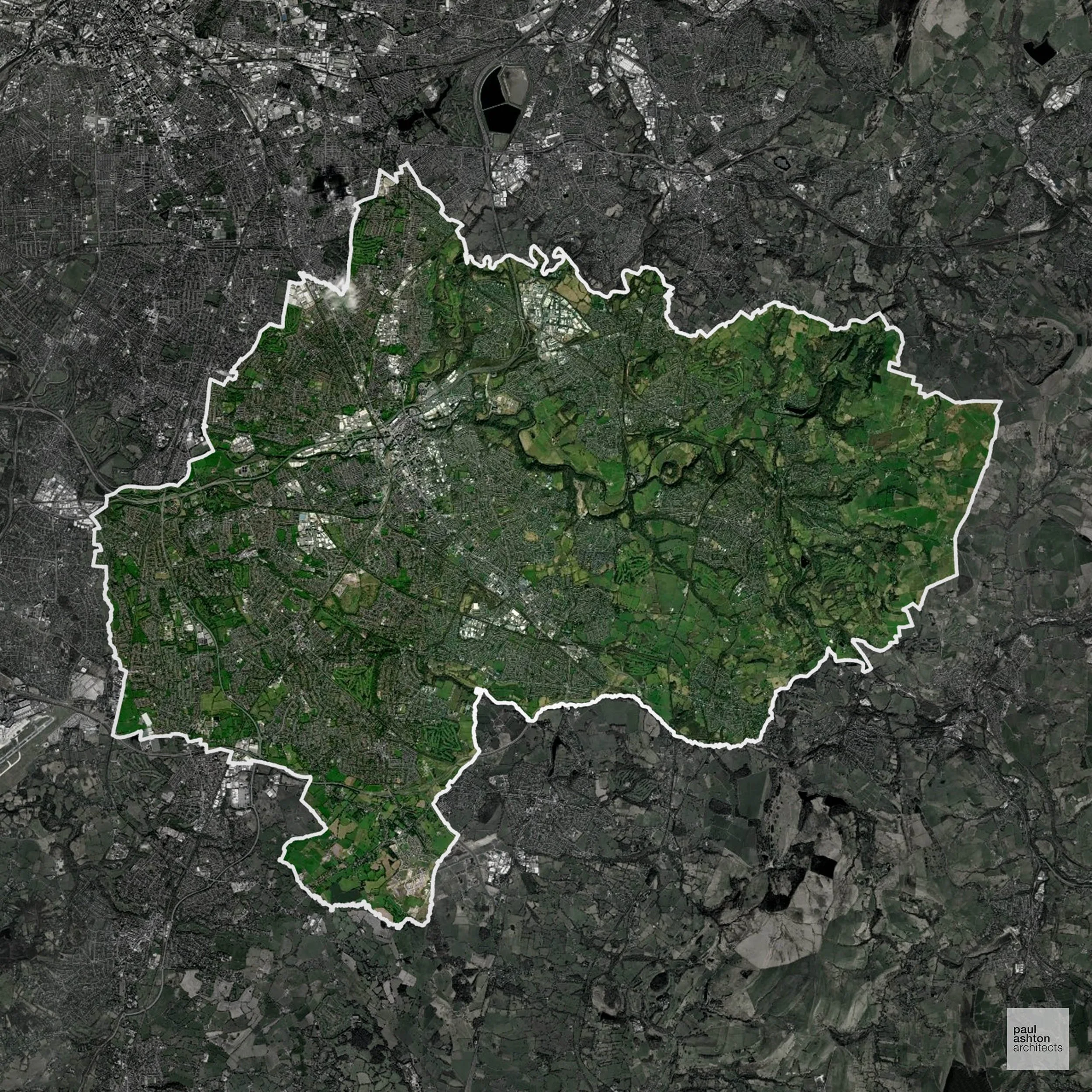
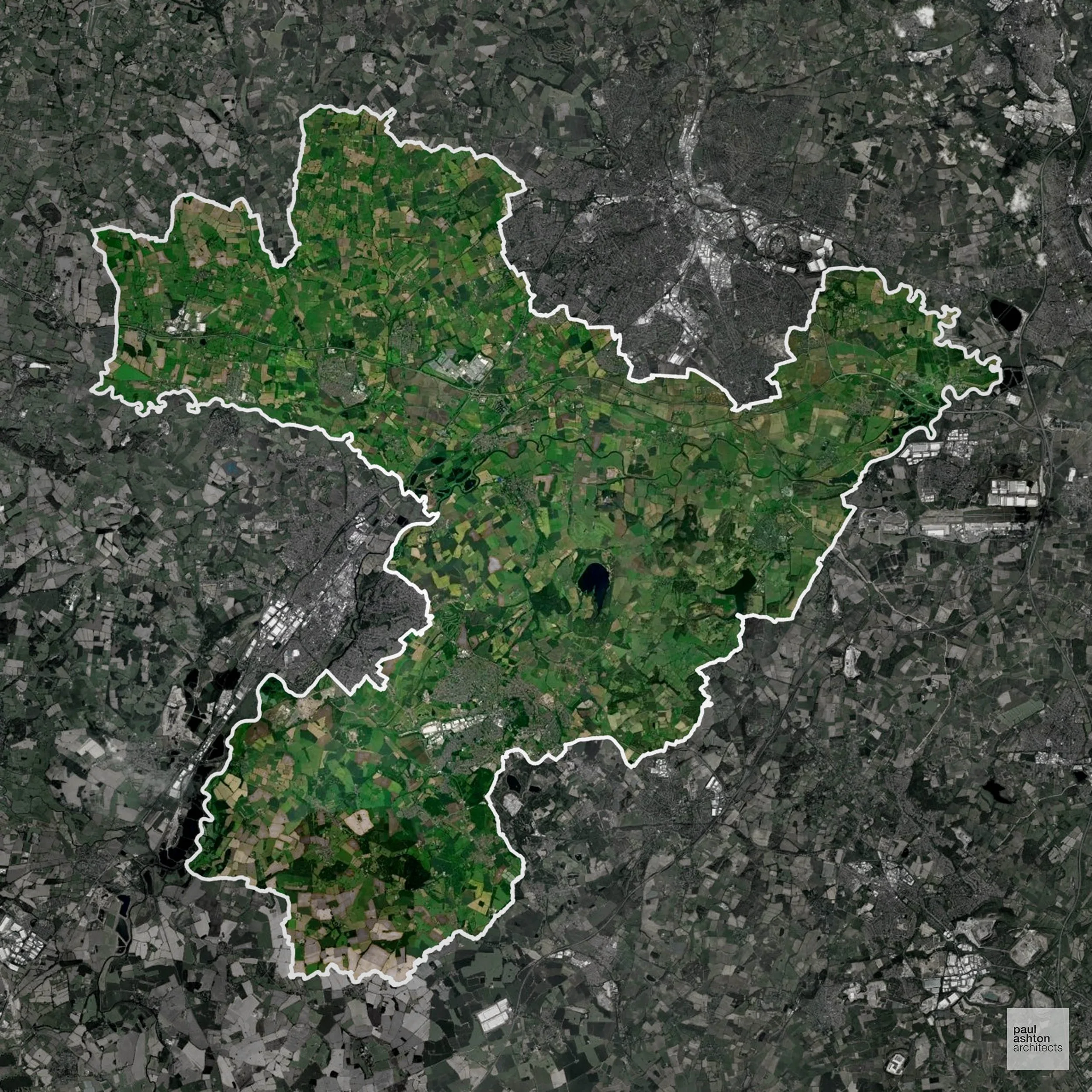
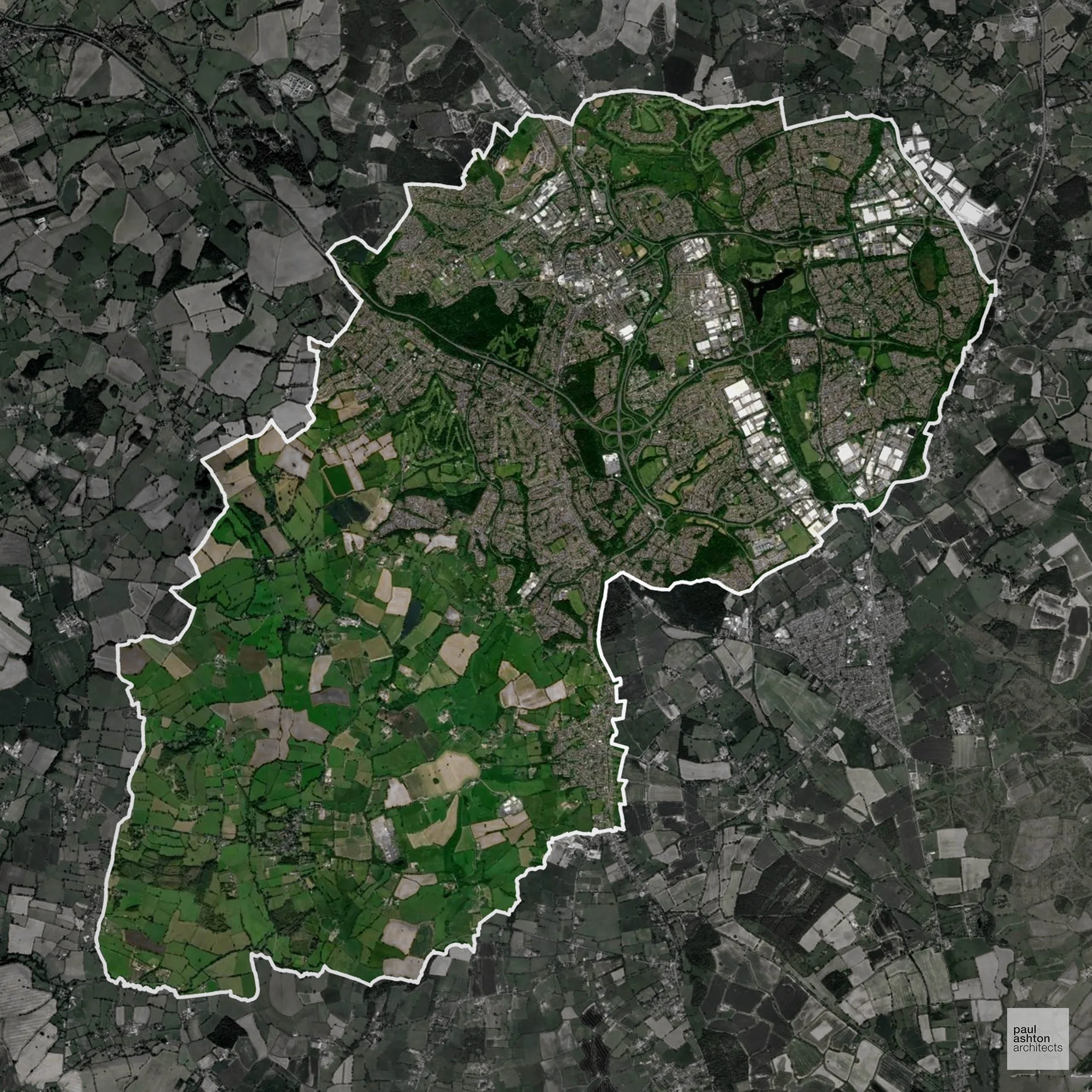
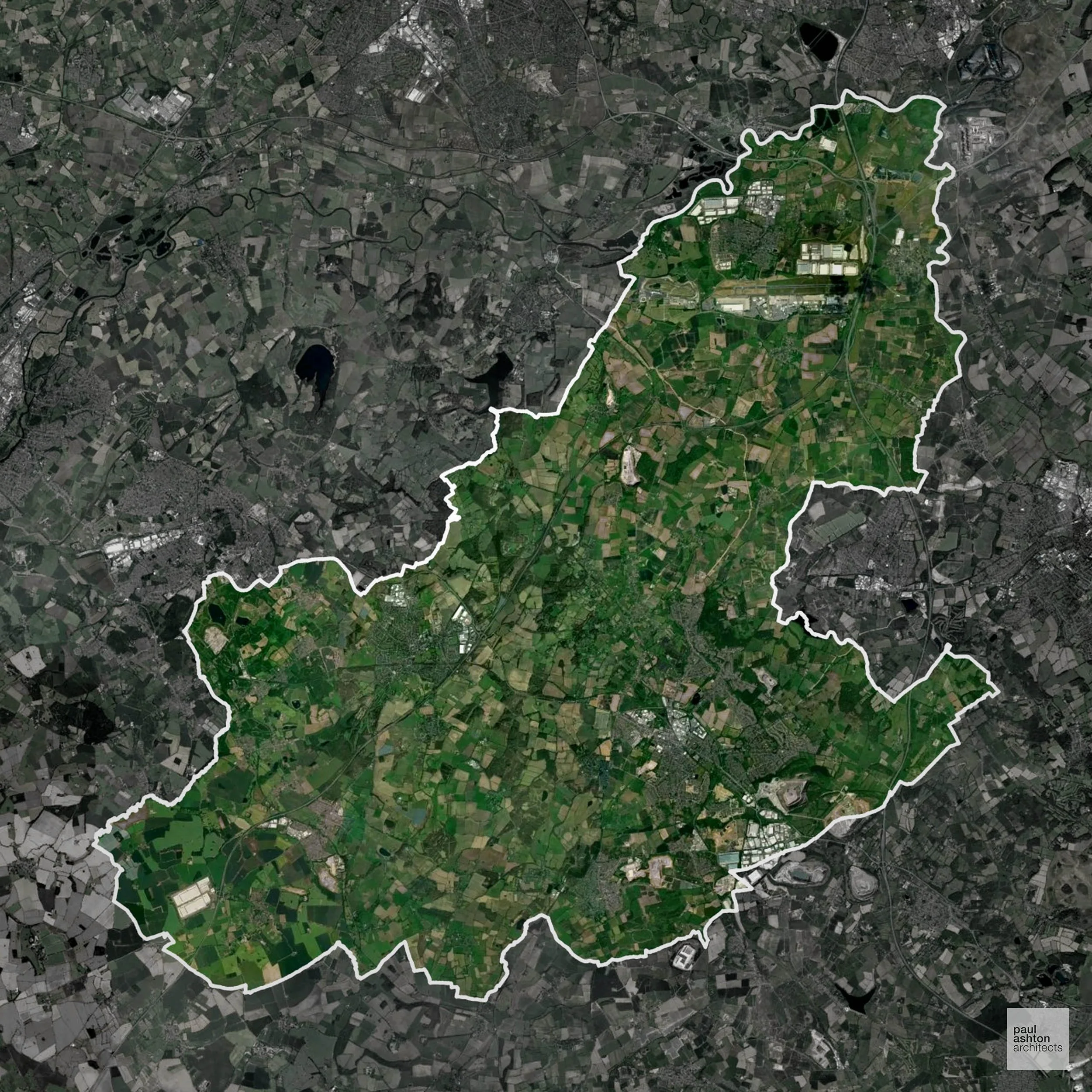
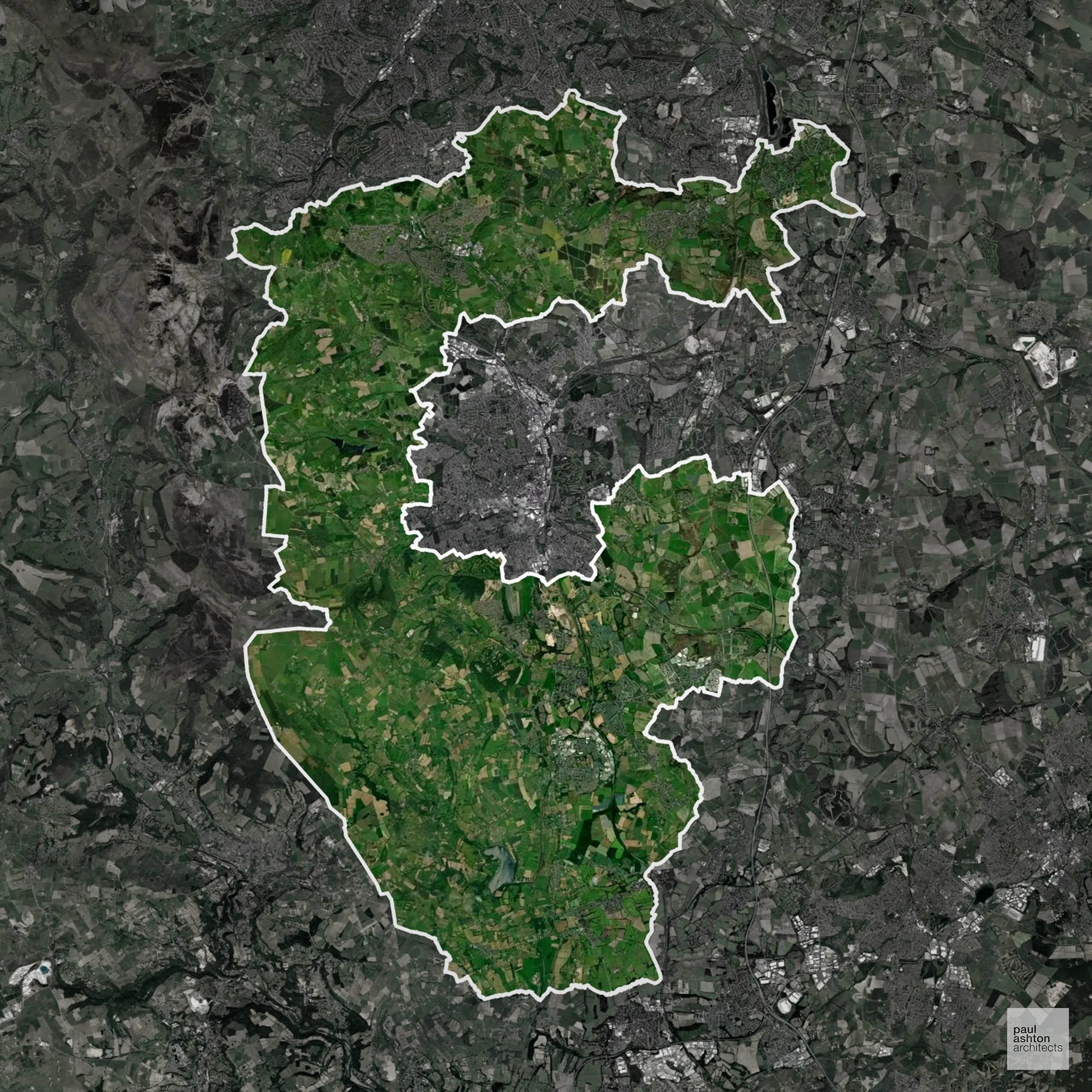
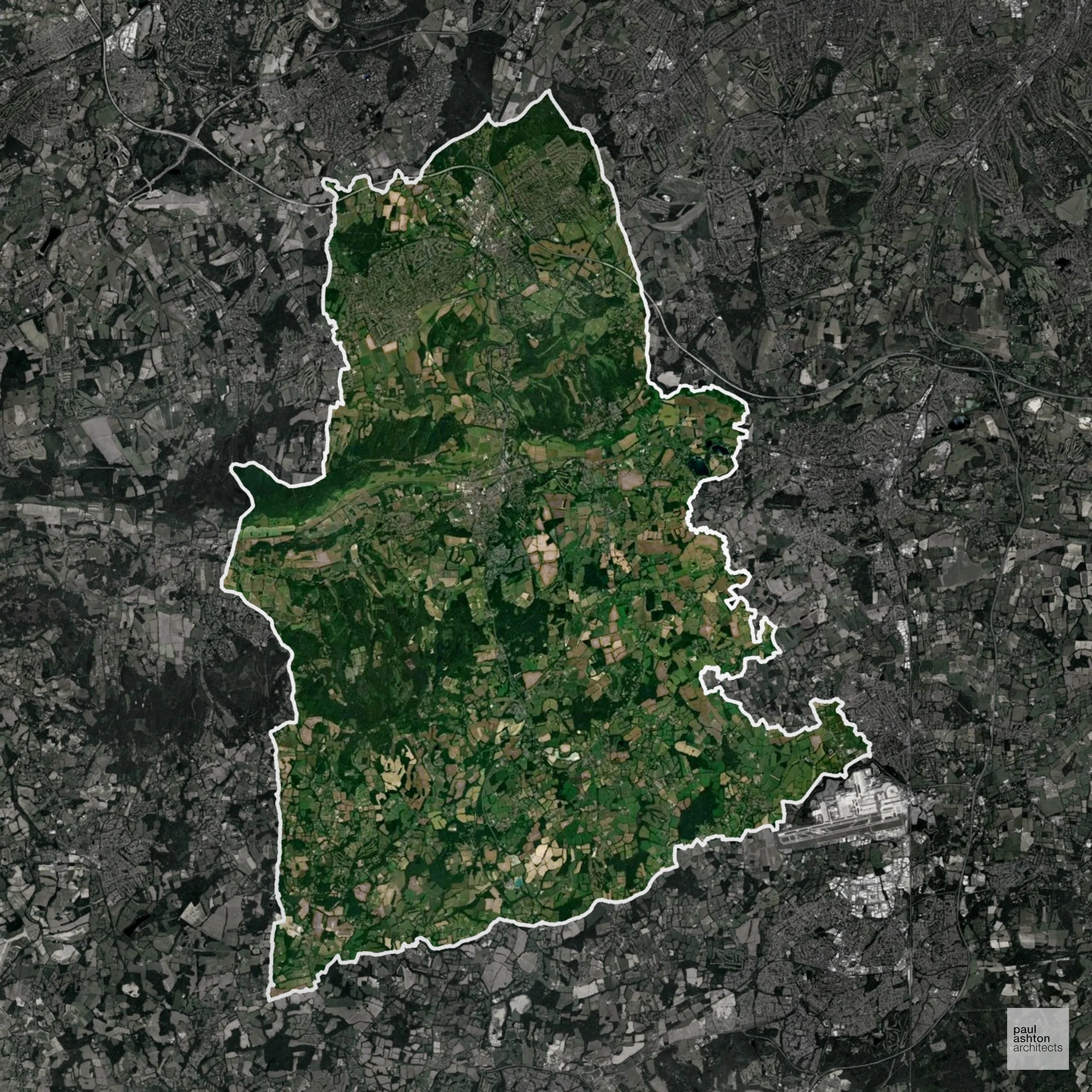
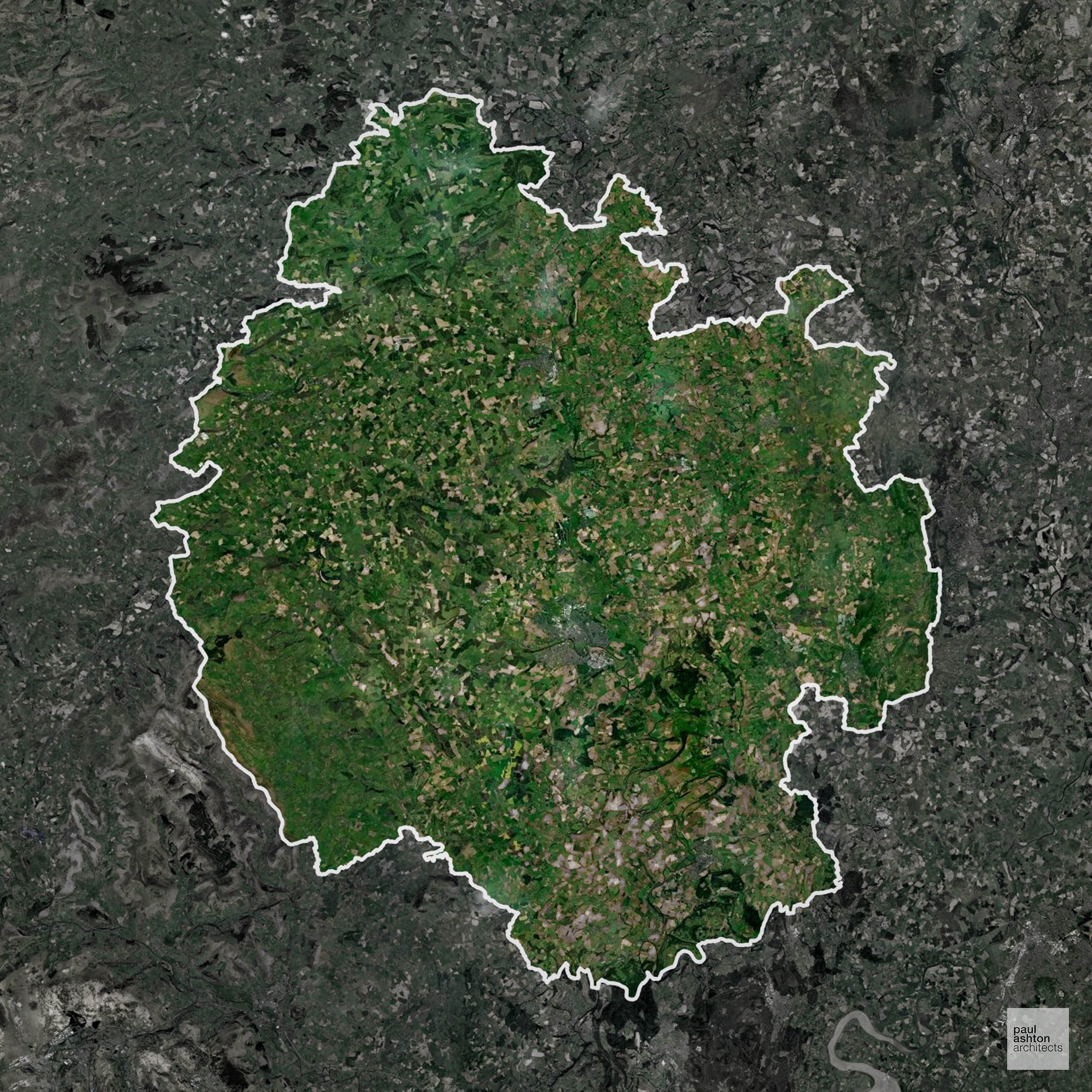
Wyre Forest includes Kidderminster, Stourport-on-Severn, and Bewdley. About 56.2% of the district is Green Belt, shaping town edges and protecting surrounding villages. Known for industrial heritage, historic streets, and market towns, planning balances residential, commercial, and conversion projects with conservation. We can advise and support projects throughout Wyre Forest.
In the last year Wyre Forest decided 563 applications which is well below the national average of 988. The approval rate was 85% (roughly equal to the national average of 88%) and 32% of applications were decided on time, (significantly below the national average of 59%). Stats updated March 2026 from gov. sources. See how Wyre Forest performs relative to other LPAs in our LPA hub.
"We love helping clients win Planning Permission in Wyre Forest"
Green Belt Approvals in Wyre Forest
The Green Belt is a nationally designated area of protected land surrounding many English towns and cities, where development is strictly controlled to prevent urban sprawl.
Significantly, 56.2% of Wyre Forest is within the Green Belt and proposals in these areas can be subject to high levels of scrutiny.
The Green Belt around Wyre Forest safeguards the villages of Kidderminster, Stourport-on-Severn, and surrounding hamlets, protecting river valleys, ancient woodland, and historic parklands, which are highly sensitive to housing and commercial expansion from nearby urban areas.
In our experience, one of the top reasons poorly conceived Green Belt proposals are refused is causing 'harm to openness'. We can lower the risk of refusal with site-specific guidance. Contact us here.
You can also check whether your land is within the Green Belt using our interactive Green Belt map.
Development in the Open Countryside
Wyre Forest includes areas classed as Open Countryside, generally encompassing land beyond settlements and Green Belt zones, often used for agriculture or left as natural landscapes. Development in these areas is tightly controlled, with standard residential proposals rarely permitted.
Wyre Forest incorporates the Wyre Forest itself and adjacent heathlands, protected for their ecological and visual importance.
One of the top reasons poorly prepared proposals in the Open Countryside are refused is that they fail to demonstrate a policy-supported need. To minimise that risk with bespoke advice contact us here.
Planning Applications in Wyre Forest
As well as acting as Planning Consultants we are ARB registered architects with over 25 years’ experience. Our site-specific planning proposals balance creativity with strategic insight. We use the following field-tested work stages to help clients in Wyre Forest achieve successful planning outcomes:
- Stage 1: Site Appraisals & Planning Strategy Advice
- Stage 2: Feasibility Studies & Concept Designs
- Stage 3: Planning Application Packages
- Architectural Drawing Packages
- Planning Statements & Design and Access Statements
- Coordination of Consultant Reports
- Direct Liaison with Planning Officers
- Stage 4: Technical Design
- Discharge of Planning Conditions
- Building Regulations and Construction Packages
Planning Services We Offer in Wyre Forest
- Full Planning Applications: Commercial, new buildings, changes of use.
- Householder Planning Applications: Domestic extensions / garden structures.
- Listed Building Consent: Alterations / repairs to listed buildings.
- Conservation Area Consent: Developments within Conservation Areas.
- Lawful Development Certificates: Confirming existing / completed works are lawful.
- Validation Requirements: Gathering documentation to ensure applications are validated by Wyre Forest LPA.
Design-Led Planning Advice in Wyre Forest
We can review your site in Wyre Forest and offer informed guidance on how proposals can be developed in order to maximise your chances of securing Planning Permission.
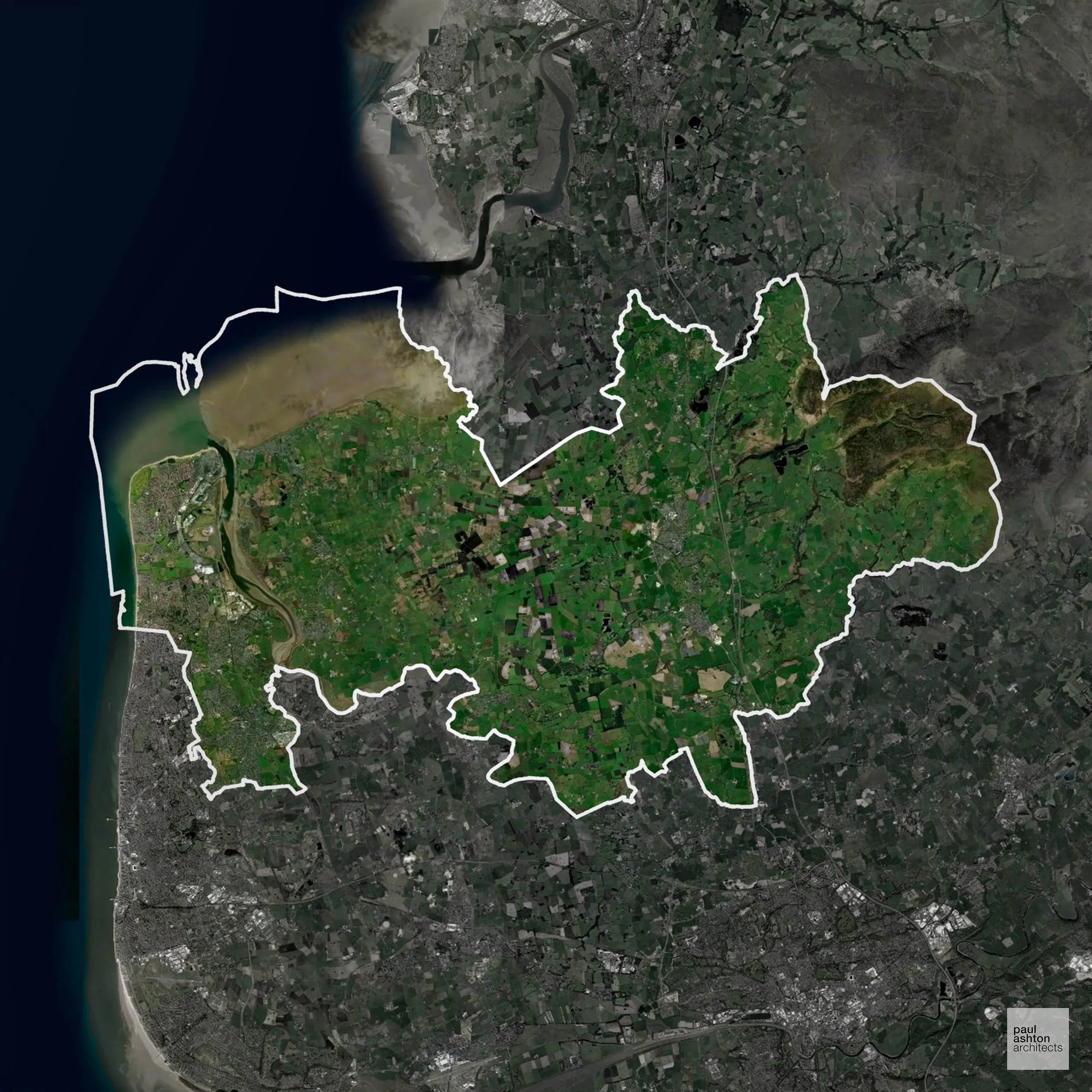
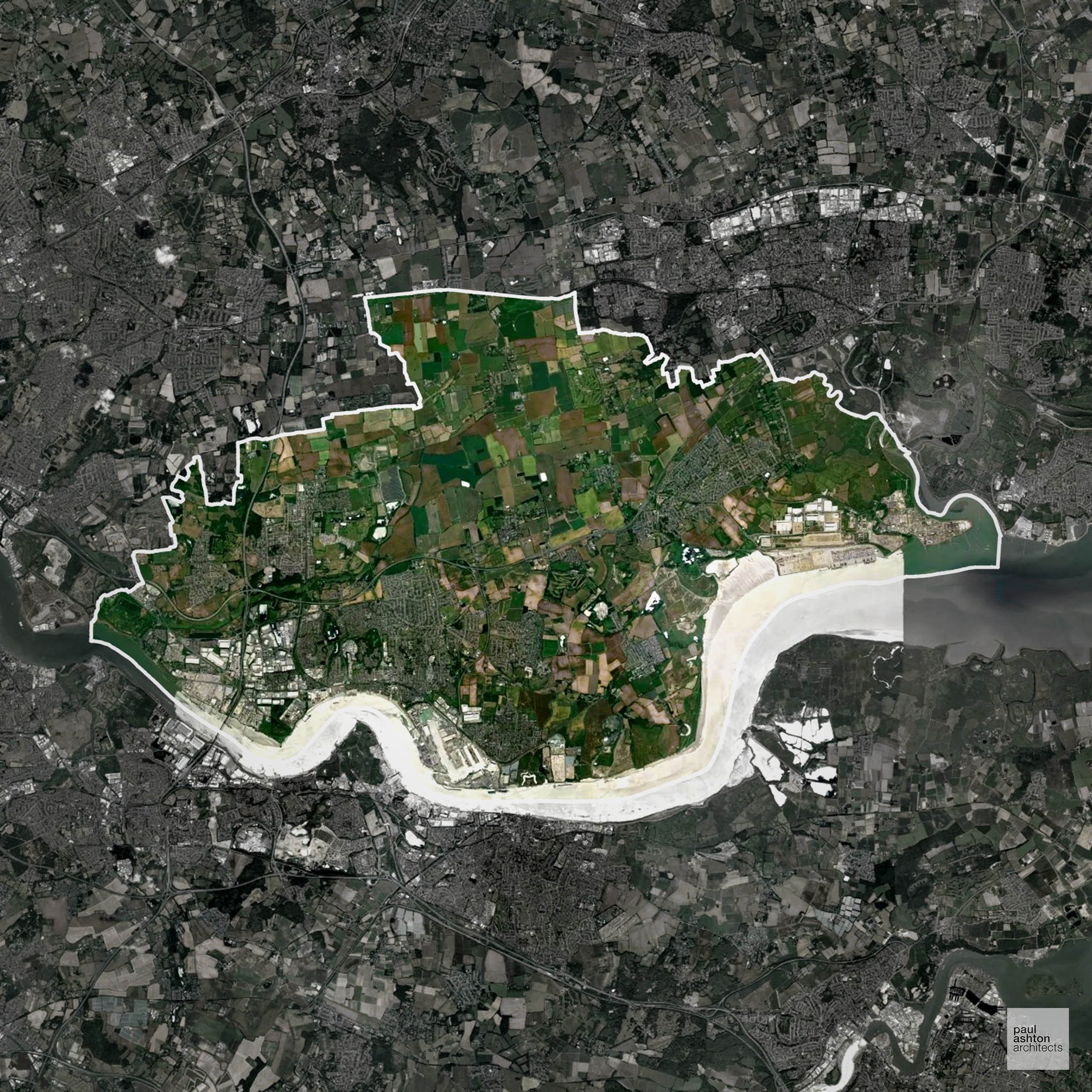
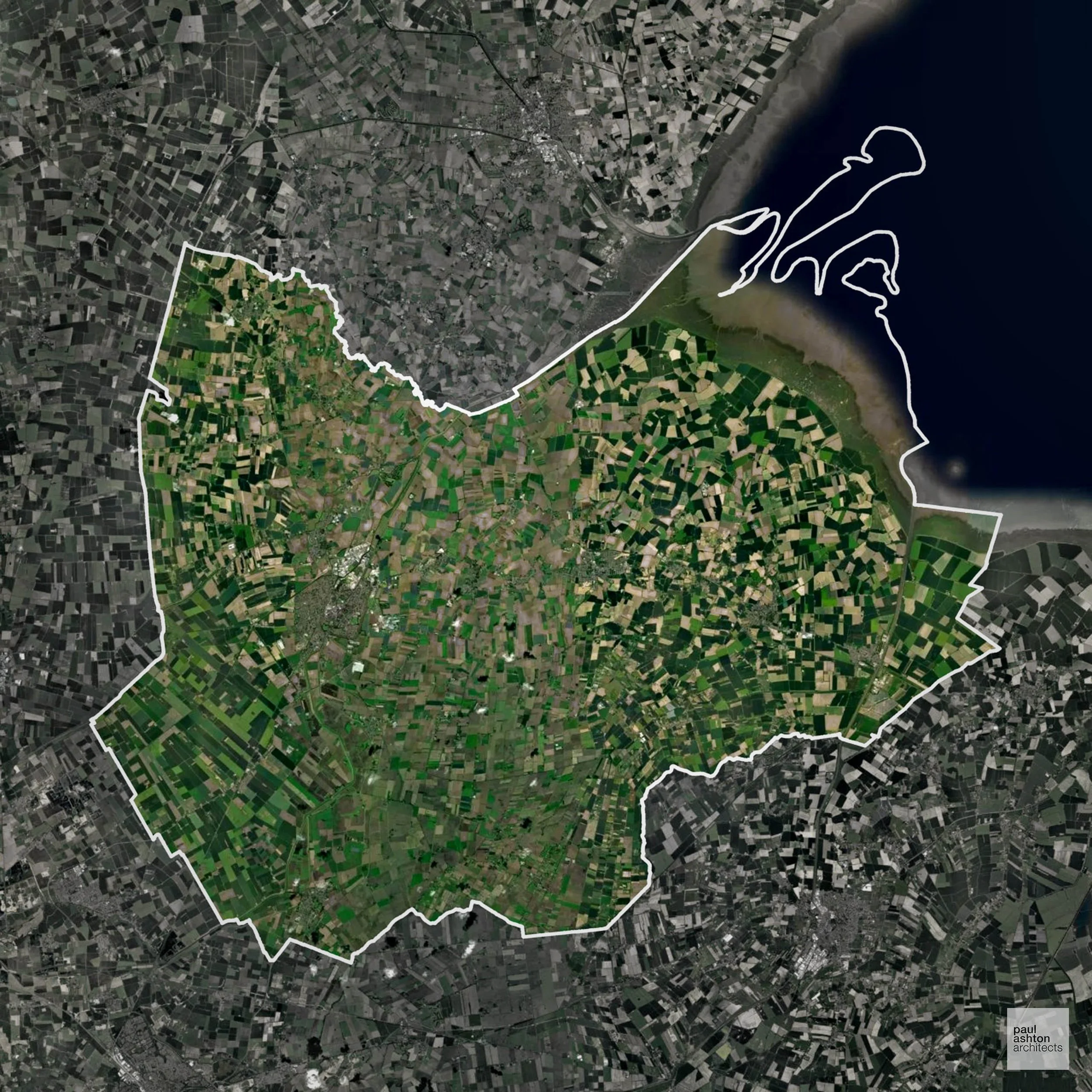
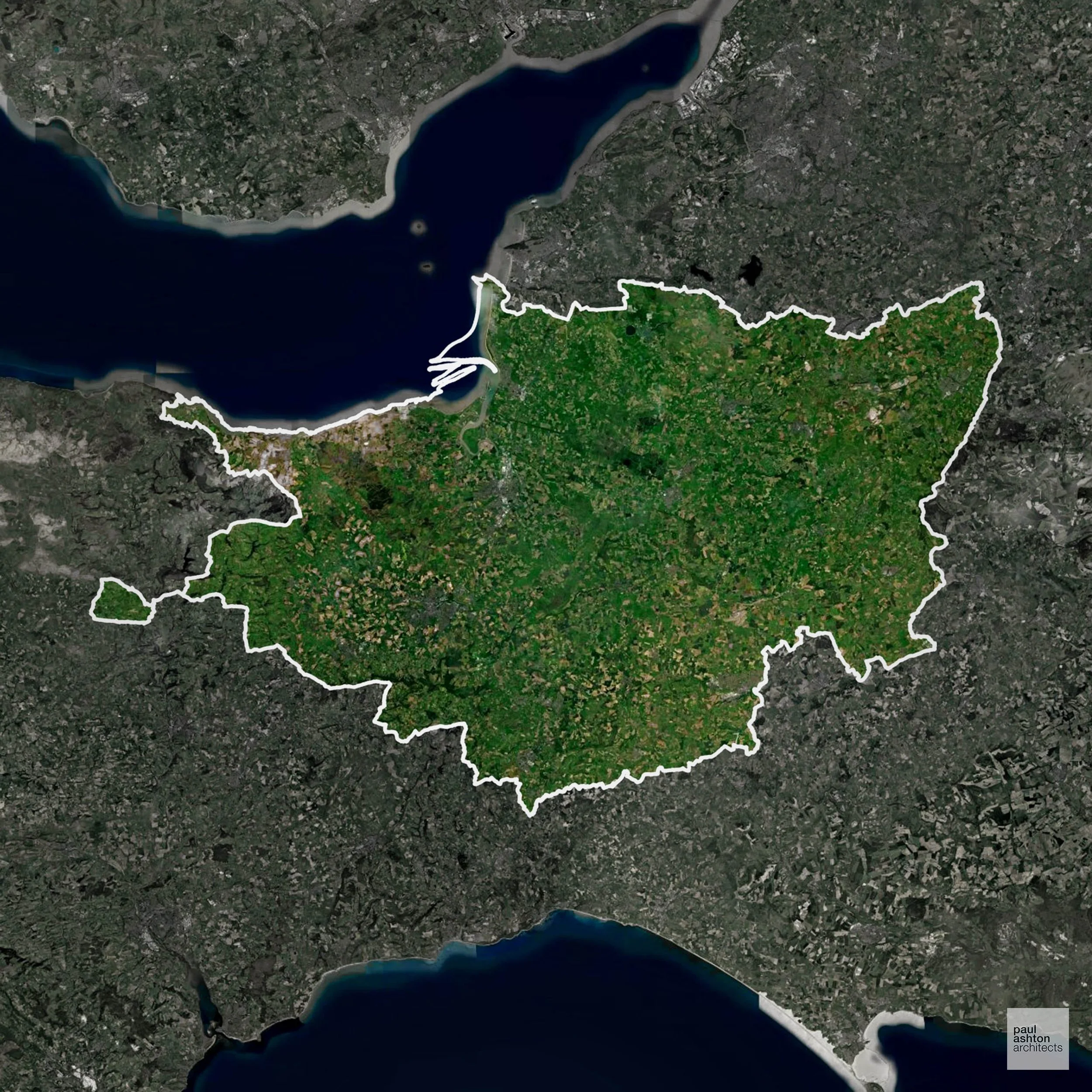
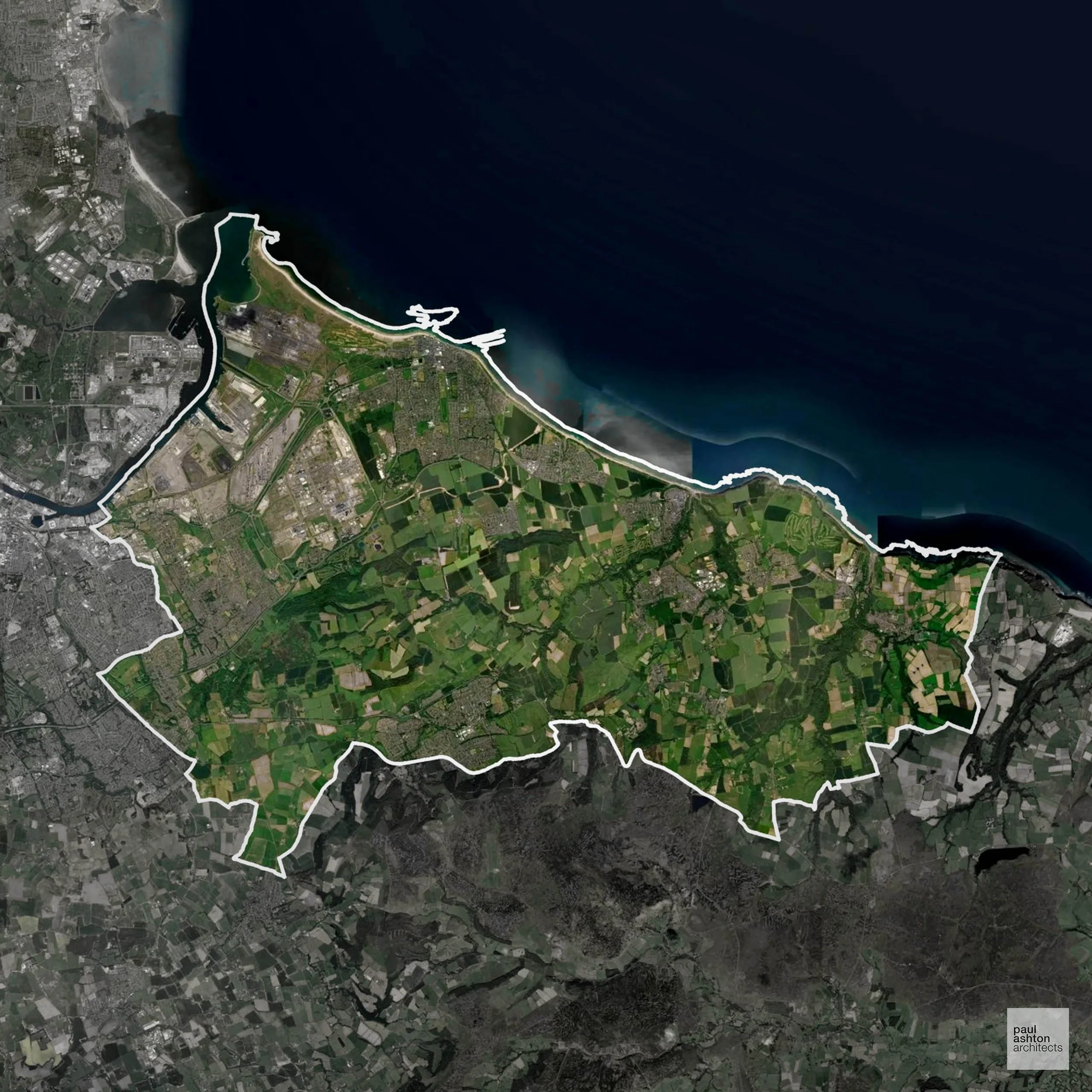
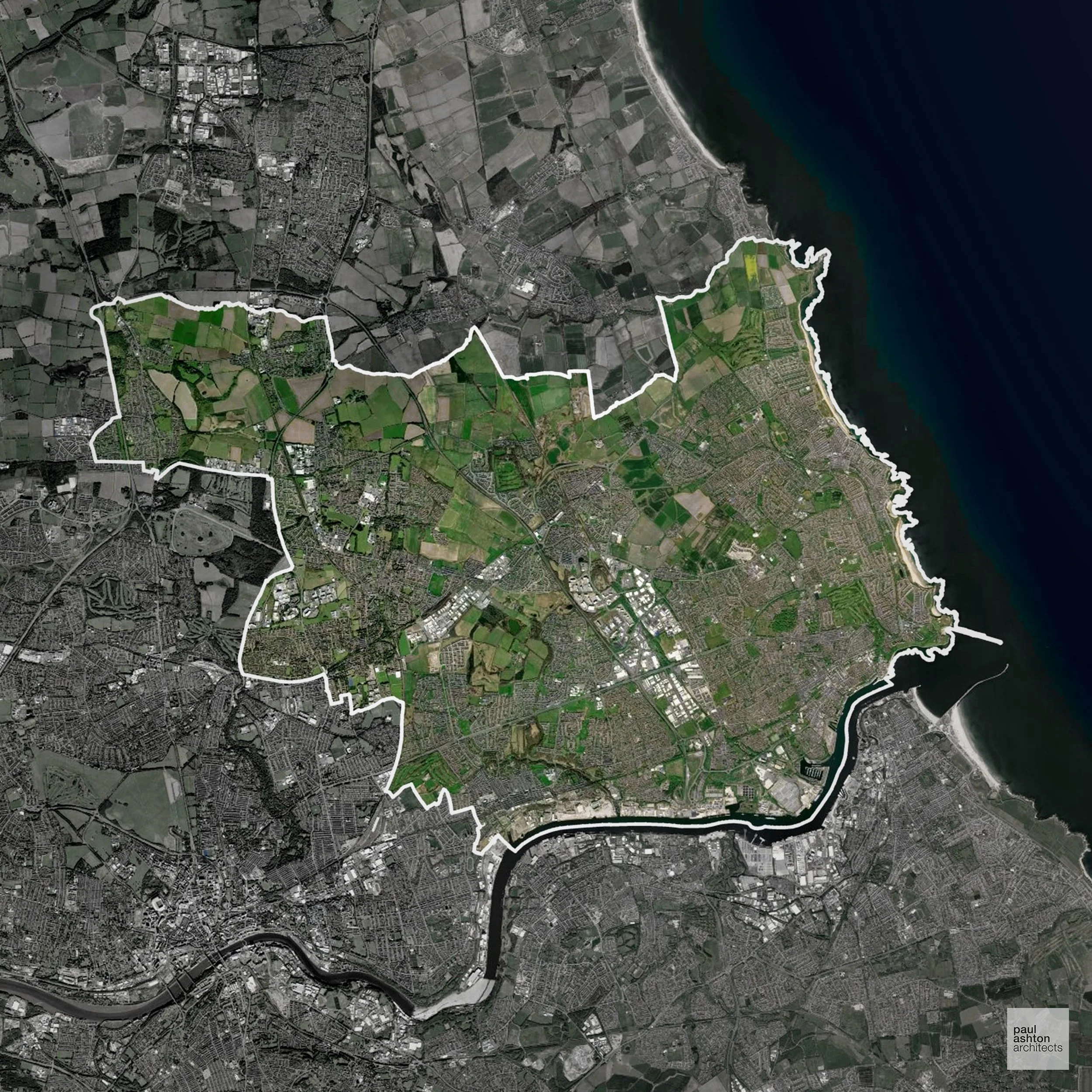
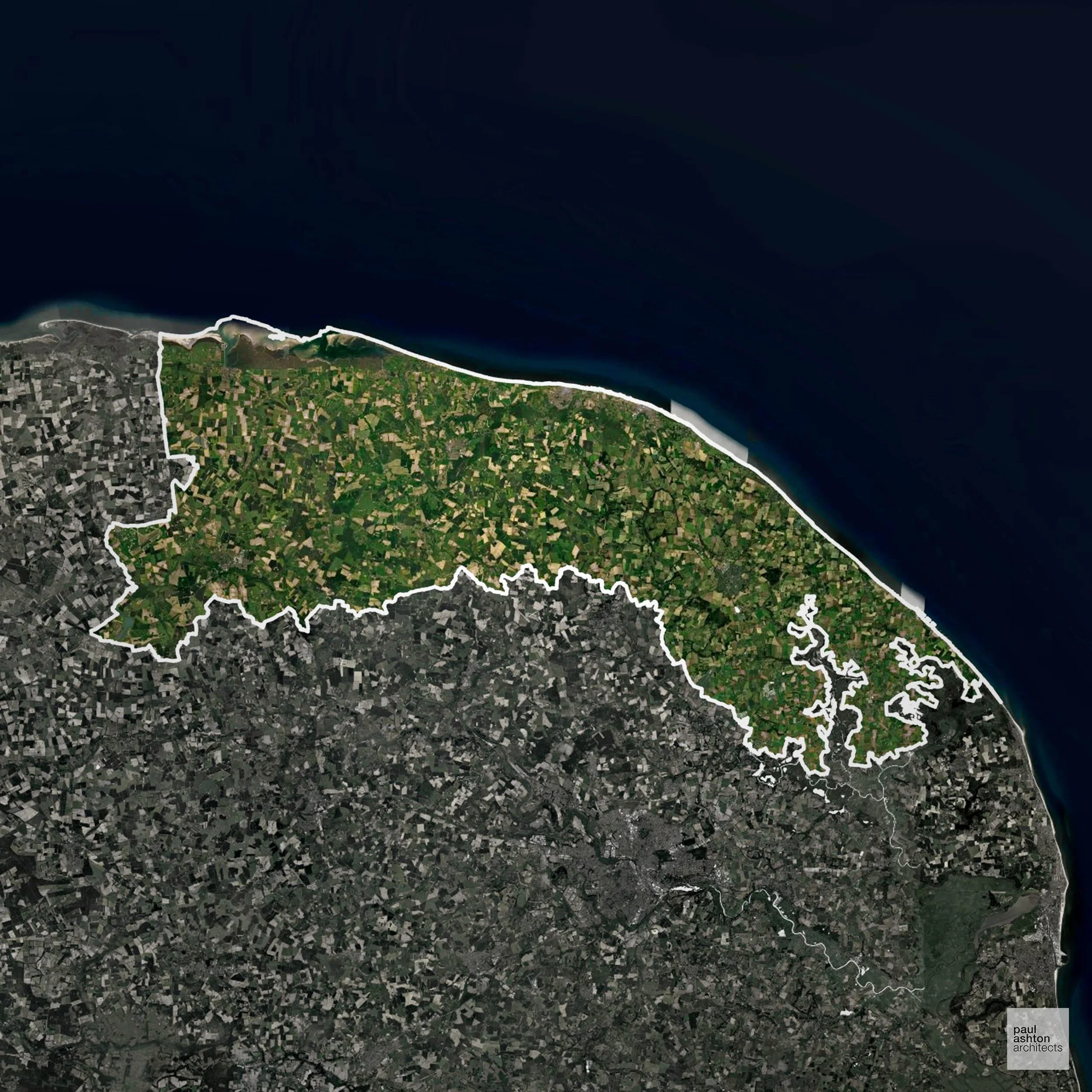
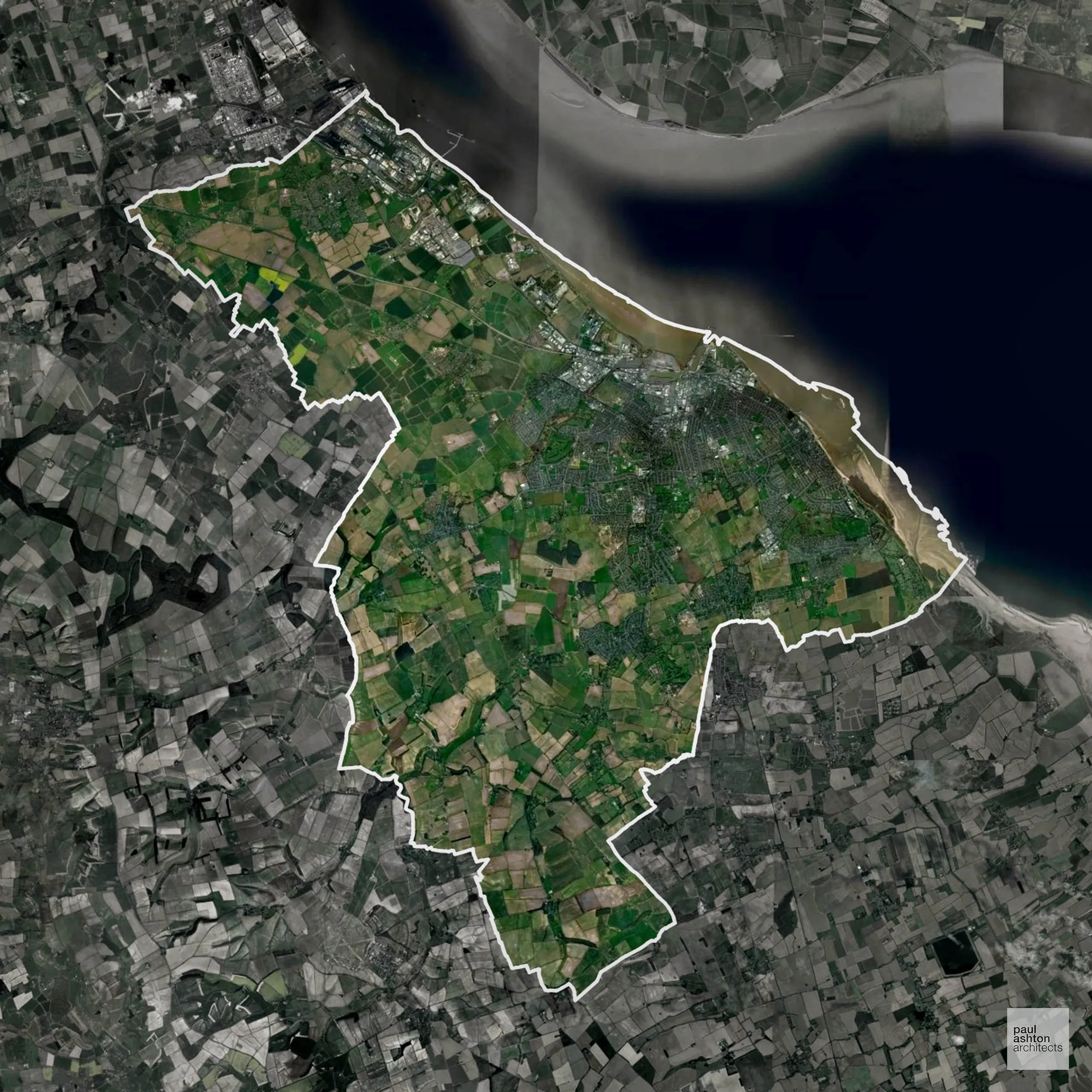
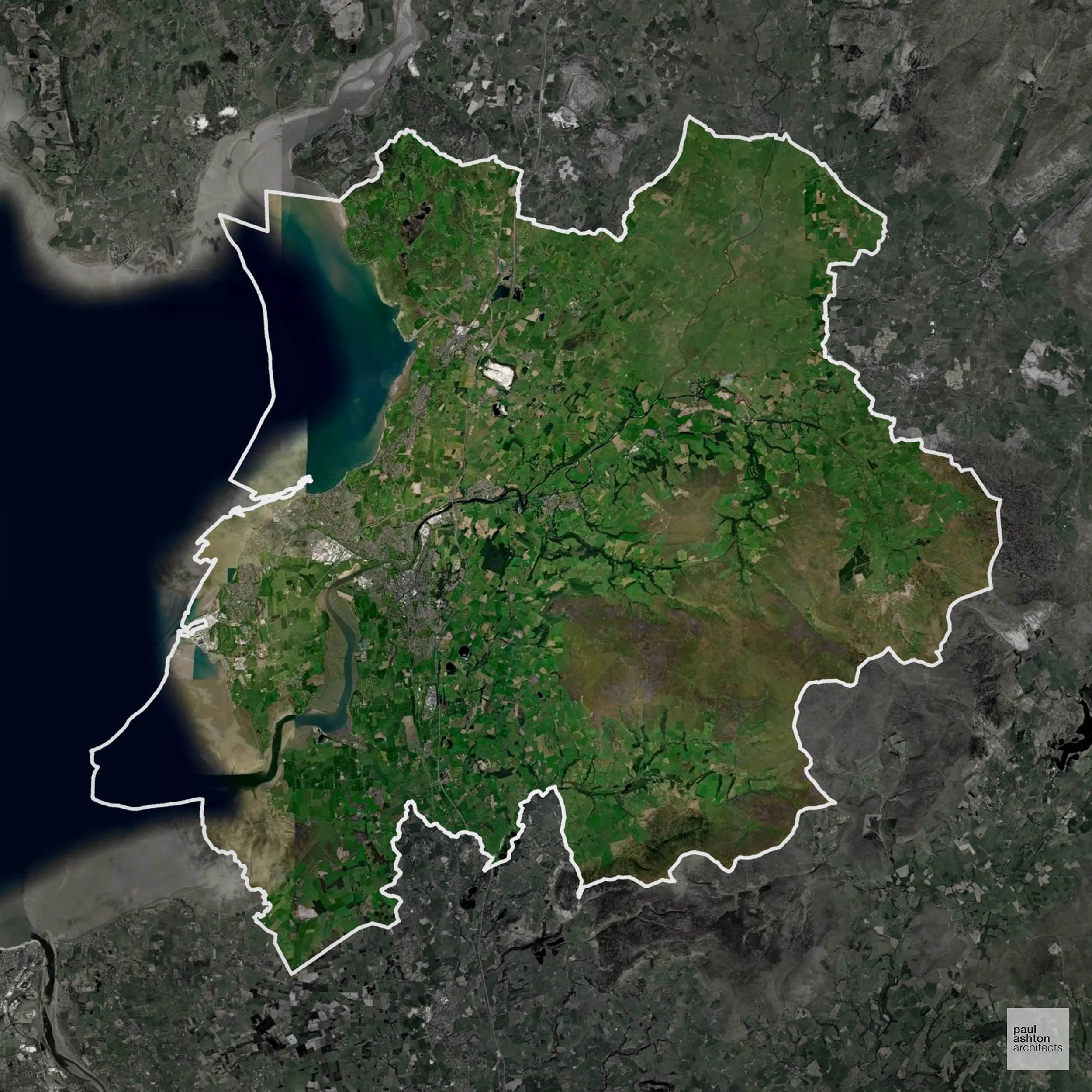
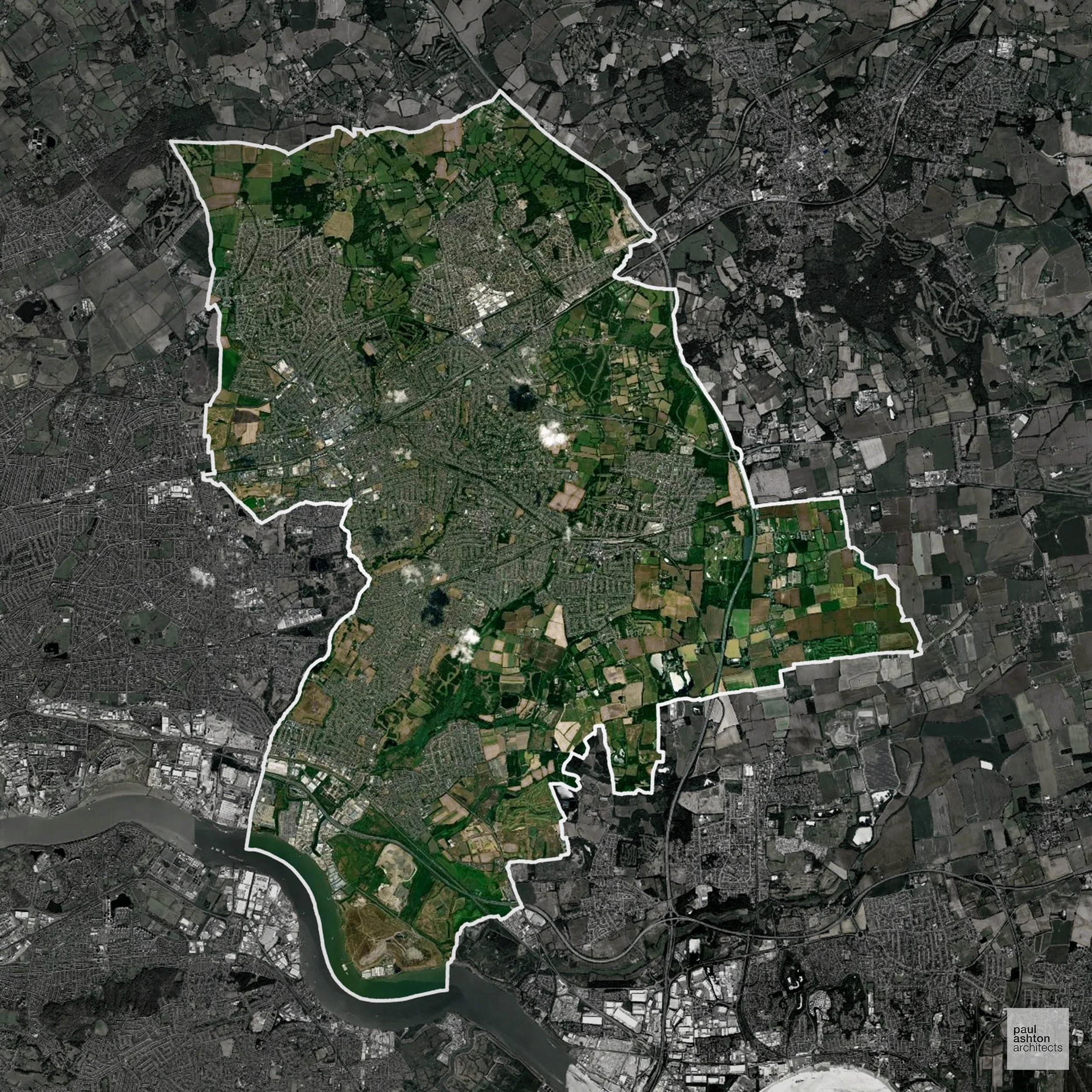
Wyre includes Poulton-le-Fylde, Fleetwood, and Garstang. About 2.4% of the district is Green Belt, framing minor settlement edges. Known for historic streets, market towns, and coastal villages, planning focuses on residential, commercial, and conversion projects. We can advise and support projects across Wyre.
In the last year Wyre decided 448 applications which is well below the national average of 988. The approval rate was 93% (marginally above the national average of 88%) and 65% of applications were decided on time, (slightly above the national average of 59%). Stats updated March 2026 from gov. sources. See how Wyre performs relative to other LPAs in our LPA hub.
"We love helping clients win Planning Permission in Wyre"
Areas of Outstanding Natural Beauty in Wyre
Areas of Outstanding Natural Beauty (AONBs), (now often referred to as National Landscapes), are protected areas recognised for their exceptional scenic and natural value. For developers, this means that planning proposals within these areas are carefully scrutinised, with a strong presumption against inappropriate development.
Wyre is partially within the Arnside & Silverdale AONB. Development must consider scenic and environmental effects.
In our experience, one of the top reasons proposals in Areas of Outstanding Natural Beauty are refused is causing landscape harm or visual intrusion, a risk that often arises when applications are not fully informed. We help minimise the likelihood of refusal with expert, guidance; contact us here.
Green Belt Approvals in Wyre
The Green Belt is a policy protecting land around many English towns and cities, where development is tightly controlled to safeguard the open countryside.
2.4% of Wyre is within the Green Belt and proposals in these areas can be subject to reasonable levels of scrutiny.
The Green Belt around Wyre protects the villages of Hambleton and St Michael’s on Wyre, preserving the fertile Fylde farmland, river corridors, and historic parklands, which are particularly sensitive to development pressures from nearby Preston and Blackpool.
In our experience, one of the top reasons poorly conceived Green Belt proposals are refused is causing 'harm to openness'. We can lower the risk of refusal with site-specific guidance. Contact us here.
You can also check whether your land is within the Green Belt using our interactive Green Belt map.
Development in the Open Countryside
Wyre includes areas classed as Open Countryside, generally encompassing land beyond settlements and Green Belt zones, often used for agriculture or left as natural landscapes. Development in these areas is tightly controlled, with standard residential proposals rarely permitted.
Wyre includes the Forest of Bowland fringes and rural coastal landscapes, where development is carefully controlled.
One of the top reasons poorly prepared proposals in the Open Countryside are refused is that they fail to demonstrate a policy-supported need. To minimise that risk with bespoke advice contact us here.
Flood Risk in Wyre
In some areas of the LPA, flood risk plays a key role in determining planning proposals. The Wyre Estuary and the low-lying Fylde coastal plain expose significant areas of the borough to tidal flood risk, with Flood Zone 3 constraining development in Fleetwood and other coastal settlements. Where constraints permit, we can develop proposals that manage flood risk thoughtfully to give applications the best chance of approval.
Planning Applications in Wyre
In addition to acting as Planing Conultants we are ARB registered architects with 25+ years of experience. Our planning proposals are creatively tailored to each site to maximise potential and improve planning outcomes. We use the following tried and tested process to guide clients in Wyre through planning to completion:
- Stage 1: Site Appraisals & Planning Strategy Advice
- Stage 2: Feasibility Studies & Concept Designs
- Stage 3: Planning Application Packages
- Architectural Drawing Packages
- Planning Statements & Design and Access Statements
- Coordination of Consultant Reports
- Direct Liaison with Planning Officers
- Stage 4: Technical Design
- Discharge of Planning Conditions
- Building Regulations and Construction Packages
Planning Services We Offer in Wyre
- Full Planning Applications: Commercial, new buildings, changes of use.
- Householder Planning Applications: Domestic extensions / garden structures.
- Listed Building Consent: Alterations / repairs to listed buildings.
- Conservation Area Consent: Developments within Conservation Areas.
- Lawful Development Certificates: Confirming existing / completed works are lawful.
- Validation Requirements: Gathering documentation to ensure applications are validated by Wyre LPA.
Contextual Planning Support in Wyre
We work collaboratively with clients and shape a design that respects local character and meets Planning Policy requirements in order to maximise your chances of winning Planning Permission.
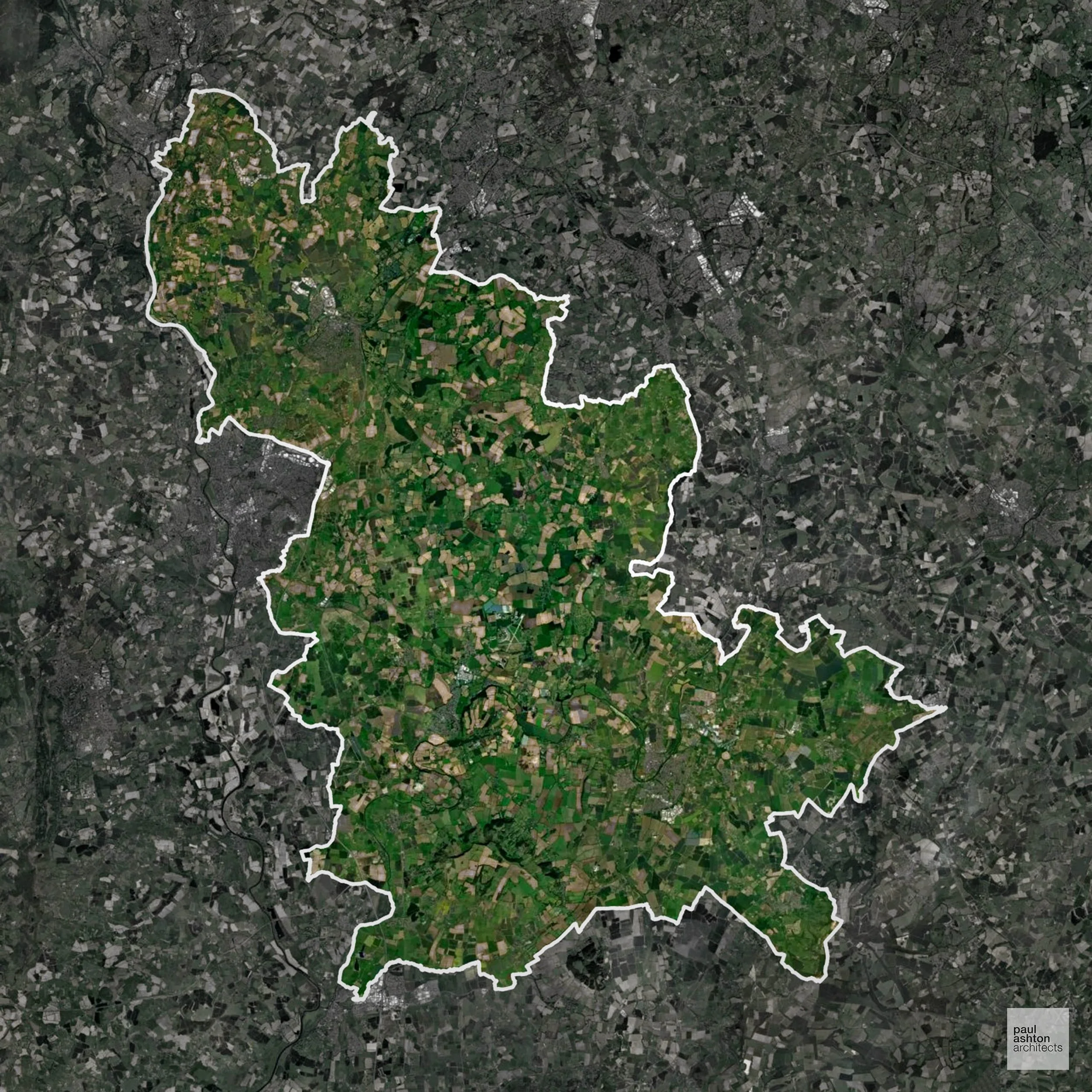
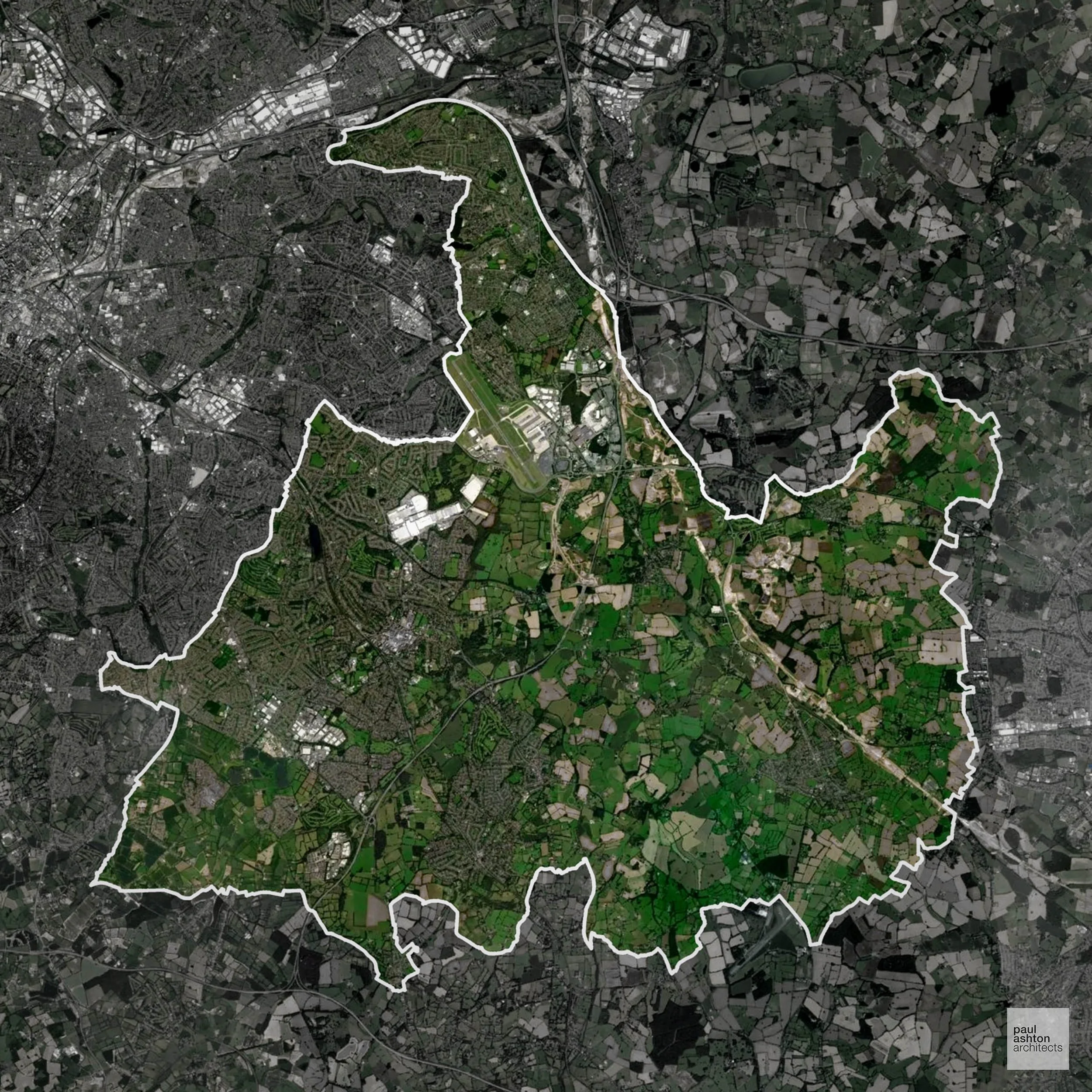
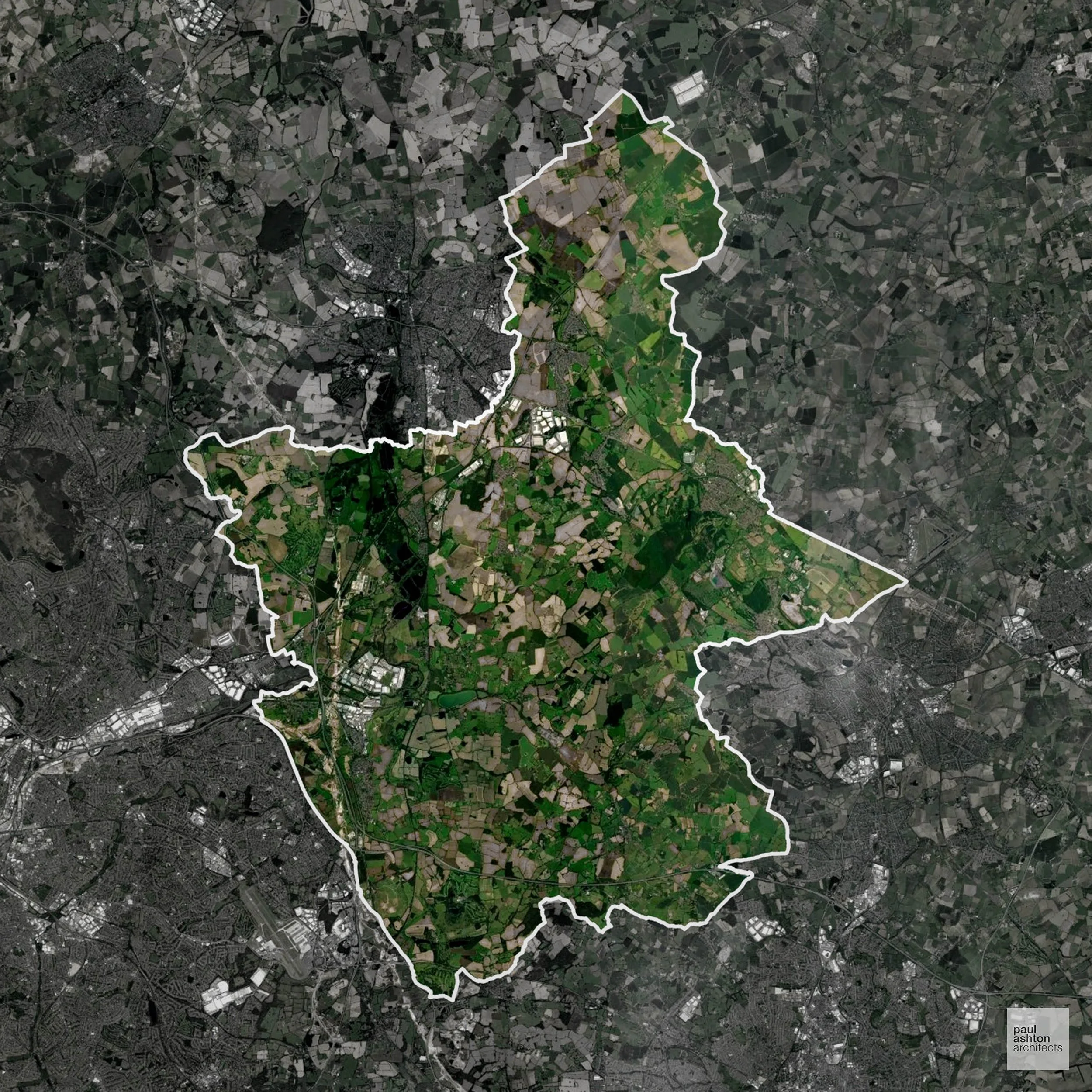
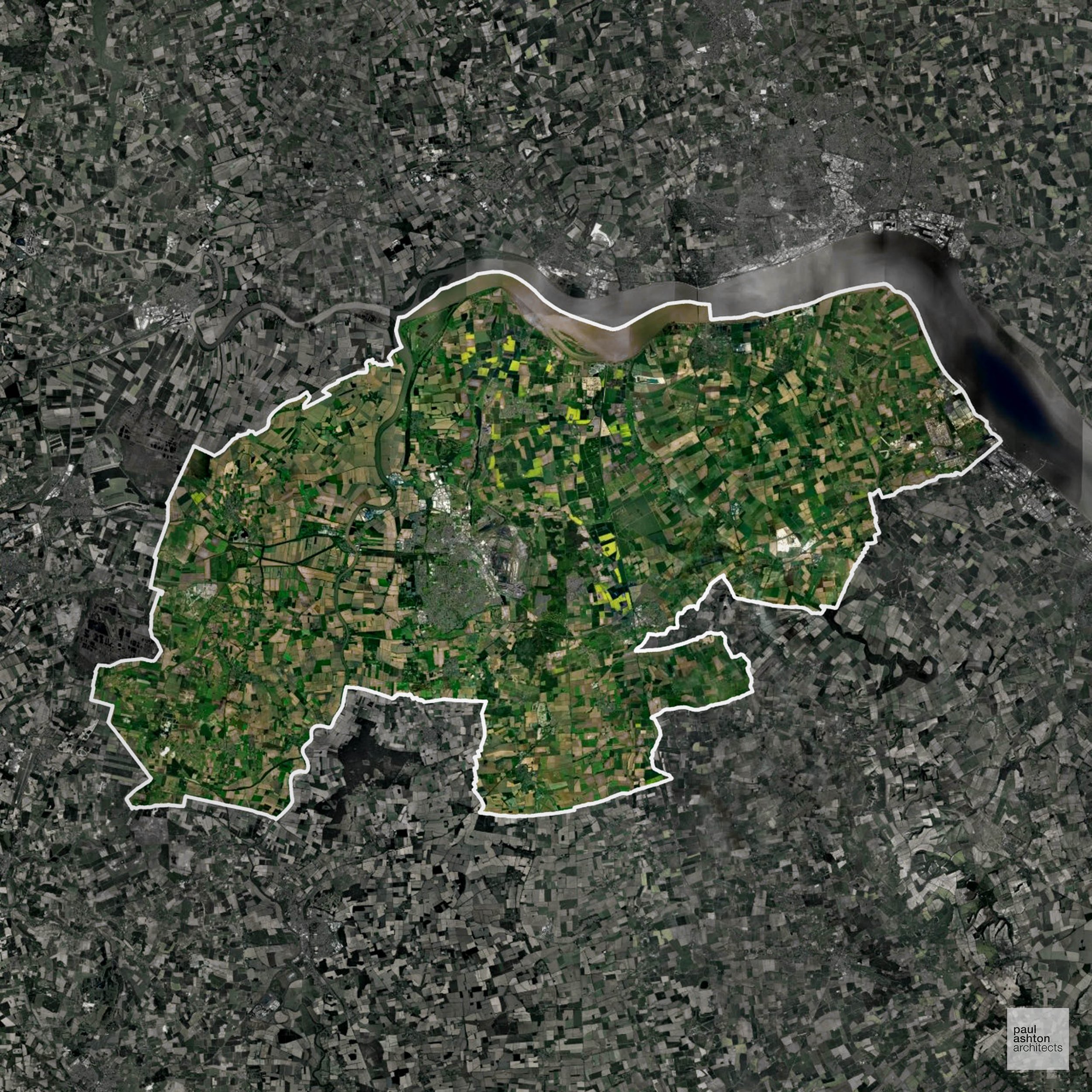
Wychavon includes Evesham, Droitwich, and Pershore. About 13.3% of the district is Green Belt, shaping settlement edges and protecting villages. Known for historic towns, heritage buildings, and market streets, planning balances residential, commercial, and conversion projects. We can advise and support projects throughout Wychavon.
In the last year Wychavon decided 1,076 applications which is just above the national average of 988. The approval rate was 86% (roughly equal to the national average of 88%) and 62% of applications were decided on time, (on par with the national average of 59%). Stats updated March 2026 from gov. sources. See how Wychavon performs relative to other LPAs in our LPA hub.
"We love helping clients win Planning Permission in Wychavon"
Green Belt Approvals in Wychavon
The Green Belt is a policy protecting land around many English towns and cities, where development is tightly controlled to safeguard the open countryside.
13.3% of Wychavon is within the Green Belt and proposals in these areas can be subject to high levels of scrutiny.
The Green Belt around Wychavon protects the villages of Droitwich Spa and Pershore, including the surrounding Vale farmland, historic parklands, and river corridors, which are particularly sensitive to housing and suburban expansion from Worcester and nearby urban areas.
In our experience, one of the top reasons poorly conceived Green Belt proposals are refused is causing 'harm to openness'. We can lower the risk of refusal with site-specific guidance. Contact us here.
You can also check whether your land is within the Green Belt using our interactive Green Belt map.
Development in the Open Countryside
The Open Countryside is generally defined as land outside settlement and Green Belt boundaries, often comprising agricultural or natural land. Development, particularly standard residential development, is usually restricted in Open Countryside.
Wychavon contains the Vale of Evesham and surrounding open farmland, valued for its scenic quality and agricultural character.
One of the top reasons poorly prepared proposals in the Open Countryside are refused is that they fail to demonstrate a policy-supported need. To minimise that risk with bespoke advice contact us here.
Planning Applications in Wychavon
Alongside acting as Planning Consultants we are ARB registered architects with 25+ years of experience. We use the following proven work stages to guide clients in Wychavon through the planning process in order to maximise the potential of their development :
- Stage 1: Site Appraisals & Planning Strategy Advice
- Stage 2: Feasibility Studies & Concept Designs
- Stage 3: Planning Application Packages
- Architectural Drawing Packages
- Planning Statements & Design and Access Statements
- Coordination of Consultant Reports
- Direct Liaison with Planning Officers
- Stage 4: Technical Design
- Discharge of Planning Conditions
- Building Regulations and Construction Packages
Planning Services We Offer in Wychavon
- Full Planning Applications: Commercial, new buildings, changes of use.
- Householder Planning Applications: Domestic extensions / garden structures.
- Listed Building Consent: Alterations / repairs to listed buildings.
- Conservation Area Consent: Developments within Conservation Areas.
- Lawful Development Certificates: Confirming existing / completed works are lawful.
- Validation Requirements: Gathering documentation to ensure applications are validated by Wychavon LPA.
Design-Led Planning Advice in Wychavon
We can review your site in Wychavon and offer informed guidance on how proposals can be developed in order to maximise your chances of securing Planning Permission.
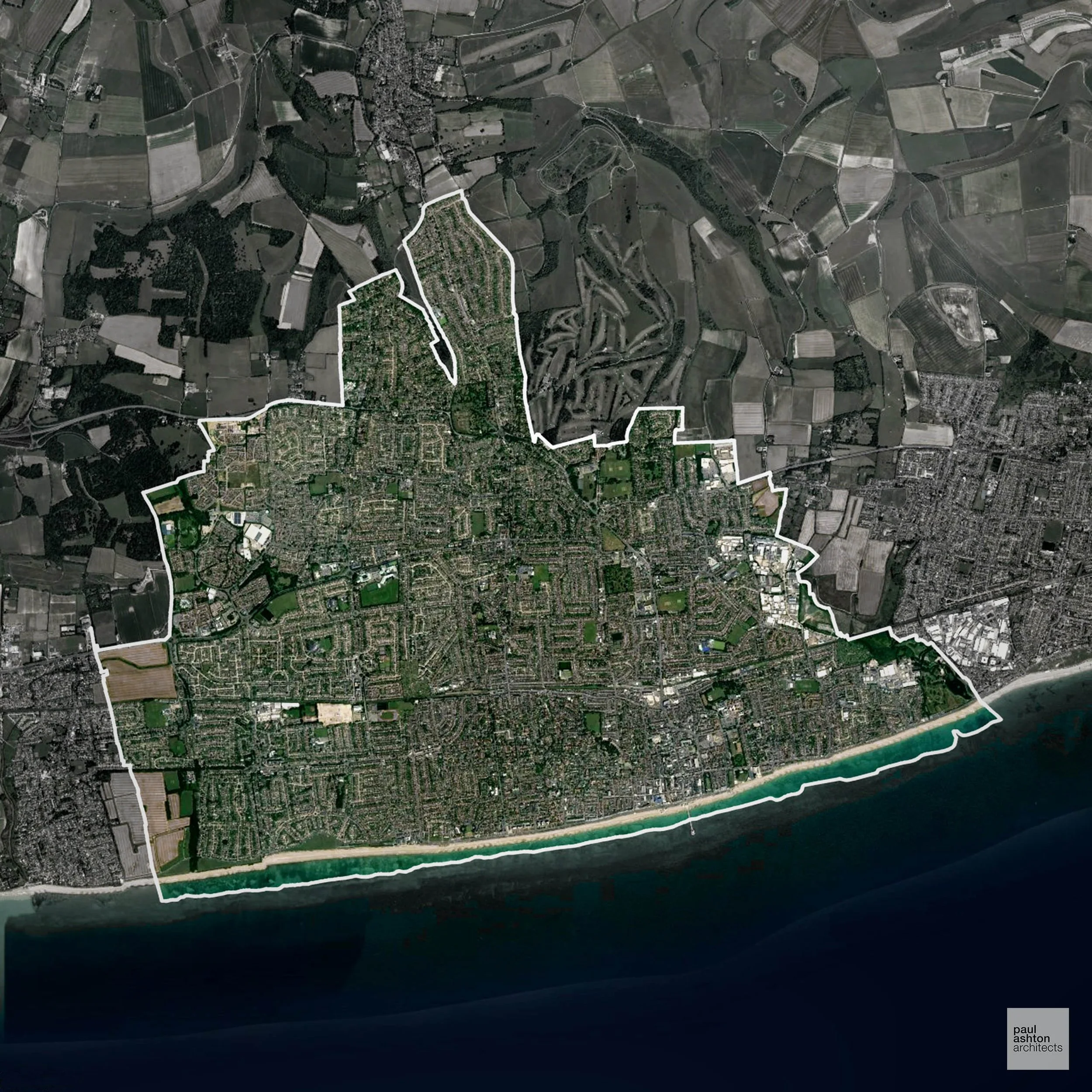
Worthing includes the town centre, Durrington, and Goring-by-Sea. Green Belt is 0%, leaving planning focused on seaside towns, historic streets, and coastal development. Known for heritage buildings, seaside resorts, and market towns, planning supports residential, commercial, and conversion projects. We can advise and support projects across Worthing.
In the last year Worthing decided 563 applications which is well below the national average of 988. The approval rate was 93% (marginally above the national average of 88%) and 54% of applications were decided on time, (slightly below the national average of 59%). Stats updated March 2026 from gov. sources. See how Worthing performs relative to other LPAs in our LPA hub.
"We love helping clients win Planning Permission in Worthing"
Planning Applications in Worthing
Alongside acting as Planning Consultants we are ARB registered architects with 25+ years of experience. We use the following proven work stages to guide clients in Worthing through the planning process in order to maximise the potential of their development :
- Stage 1: Site Appraisals & Planning Strategy Advice
- Stage 2: Feasibility Studies & Concept Designs
- Stage 3: Planning Application Packages
- Architectural Drawing Packages
- Planning Statements & Design and Access Statements
- Coordination of Consultant Reports
- Direct Liaison with Planning Officers
- Stage 4: Technical Design
- Discharge of Planning Conditions
- Building Regulations and Construction Packages
Planning Services We Offer in Worthing
- Full Planning Applications: Commercial, new buildings, changes of use.
- Householder Planning Applications: Domestic extensions / garden structures.
- Listed Building Consent: Alterations / repairs to listed buildings.
- Conservation Area Consent: Developments within Conservation Areas.
- Lawful Development Certificates: Confirming existing / completed works are lawful.
- Validation Requirements: Gathering documentation to ensure applications are validated by Worthing LPA.
Design-Led Planning Advice in Worthing
We can review your site in Worthing and offer informed guidance on how proposals can be developed in order to maximise your chances of securing Planning Permission.
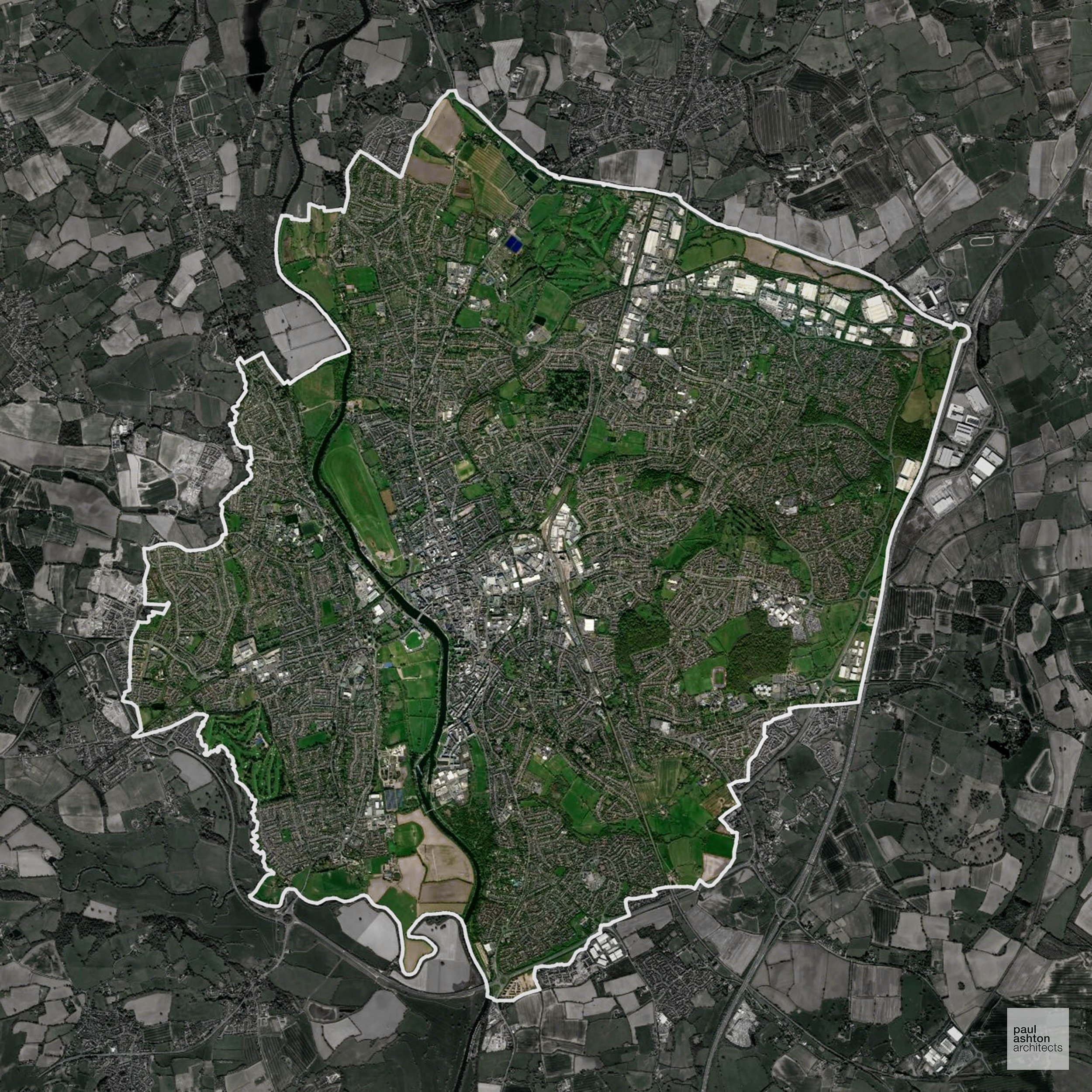
Worcester includes the city centre, St John’s, and Warndon. About 7% of the district is Green Belt, framing settlement edges and protecting nearby villages. Known for its cathedral, heritage streets, and market towns, planning focuses on residential, commercial, and conversion projects. We can advise and support projects throughout Worcester.
In the last year Worcester decided 406 applications which is well below the national average of 988. The approval rate was 85% (roughly equal to the national average of 88%) and 60% of applications were decided on time, (on par with the national average of 59%). Stats updated March 2026 from gov. sources. See how Worcester performs relative to other LPAs in our LPA hub.
"We love helping clients win Planning Permission in Worcester"
Green Belt Approvals in Worcester
The Green Belt is a nationally designated area of protected land surrounding many English towns and cities, where development is strictly controlled to prevent urban sprawl.
7.0% of Worcester is within the Green Belt and proposals in these areas can be subject to reasonable levels of scrutiny.
Worcester’s Green Belt safeguards the villages of Warndon and St Peter the Great County, including the surrounding floodplain, orchard landscapes, and historic parklands, maintaining separation from urban Worcester while preventing encroachment on valuable agricultural and ecological areas.
In our experience, one of the top reasons poorly conceived Green Belt proposals are refused is causing 'harm to openness'. We can lower the risk of refusal with site-specific guidance. Contact us here.
You can also check whether your land is within the Green Belt using our interactive Green Belt map.
Planning Applications in Worcester
In addition to acting as Planing Conultants we are ARB registered architects with 25+ years of experience. Our planning proposals are creatively tailored to each site to maximise potential and improve planning outcomes. We use the following tried and tested process to guide clients in Worcester through planning to completion:
- Stage 1: Site Appraisals & Planning Strategy Advice
- Stage 2: Feasibility Studies & Concept Designs
- Stage 3: Planning Application Packages
- Architectural Drawing Packages
- Planning Statements & Design and Access Statements
- Coordination of Consultant Reports
- Direct Liaison with Planning Officers
- Stage 4: Technical Design
- Discharge of Planning Conditions
- Building Regulations and Construction Packages
Planning Services We Offer in Worcester
- Full Planning Applications: Commercial, new buildings, changes of use.
- Householder Planning Applications: Domestic extensions / garden structures.
- Listed Building Consent: Alterations / repairs to listed buildings.
- Conservation Area Consent: Developments within Conservation Areas.
- Lawful Development Certificates: Confirming existing / completed works are lawful.
- Validation Requirements: Gathering documentation to ensure applications are validated by Worcester LPA.
Contextual Planning Support in Worcester
We work collaboratively with clients and shape a design that respects local character and meets Planning Policy requirements in order to maximise your chances of winning Planning Permission.
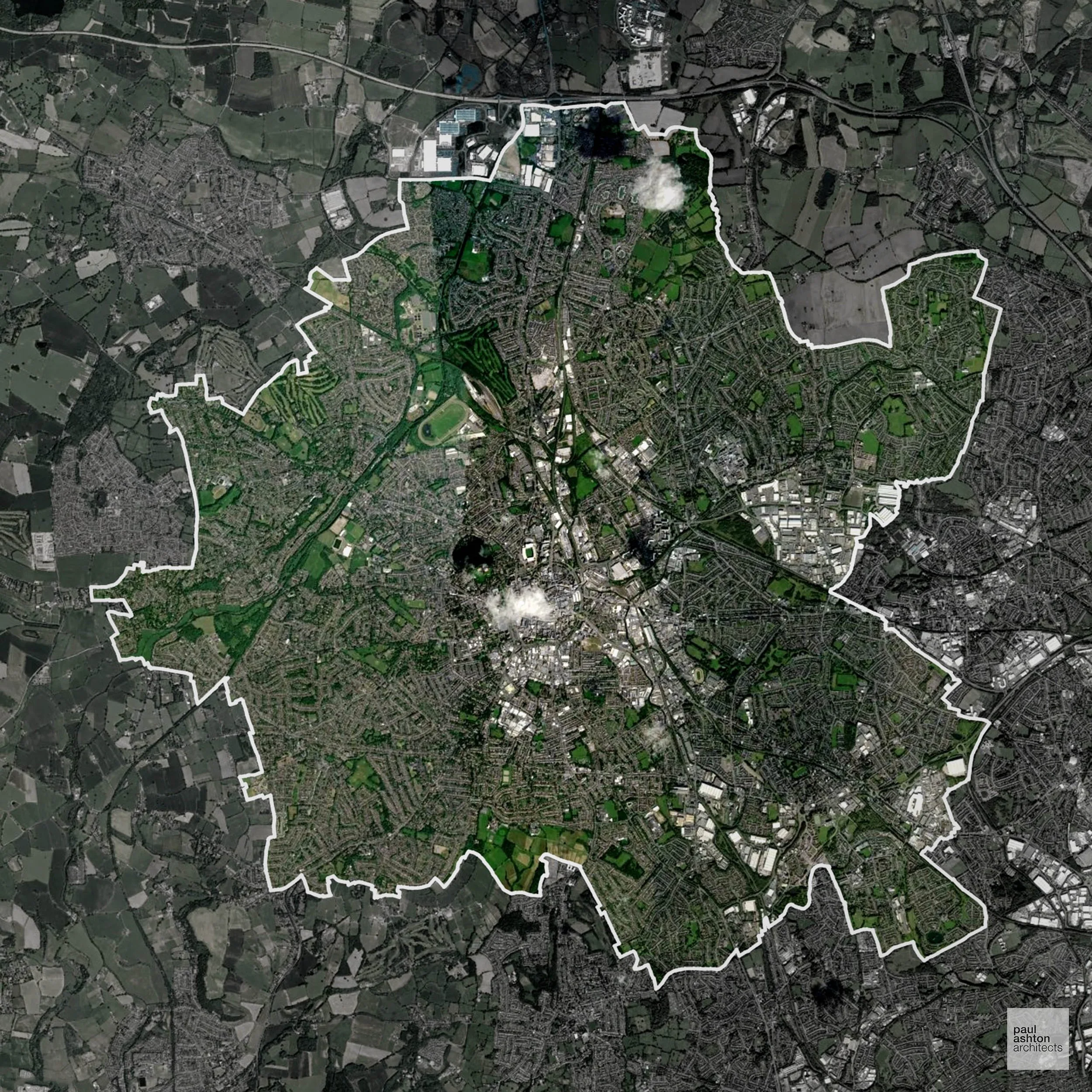
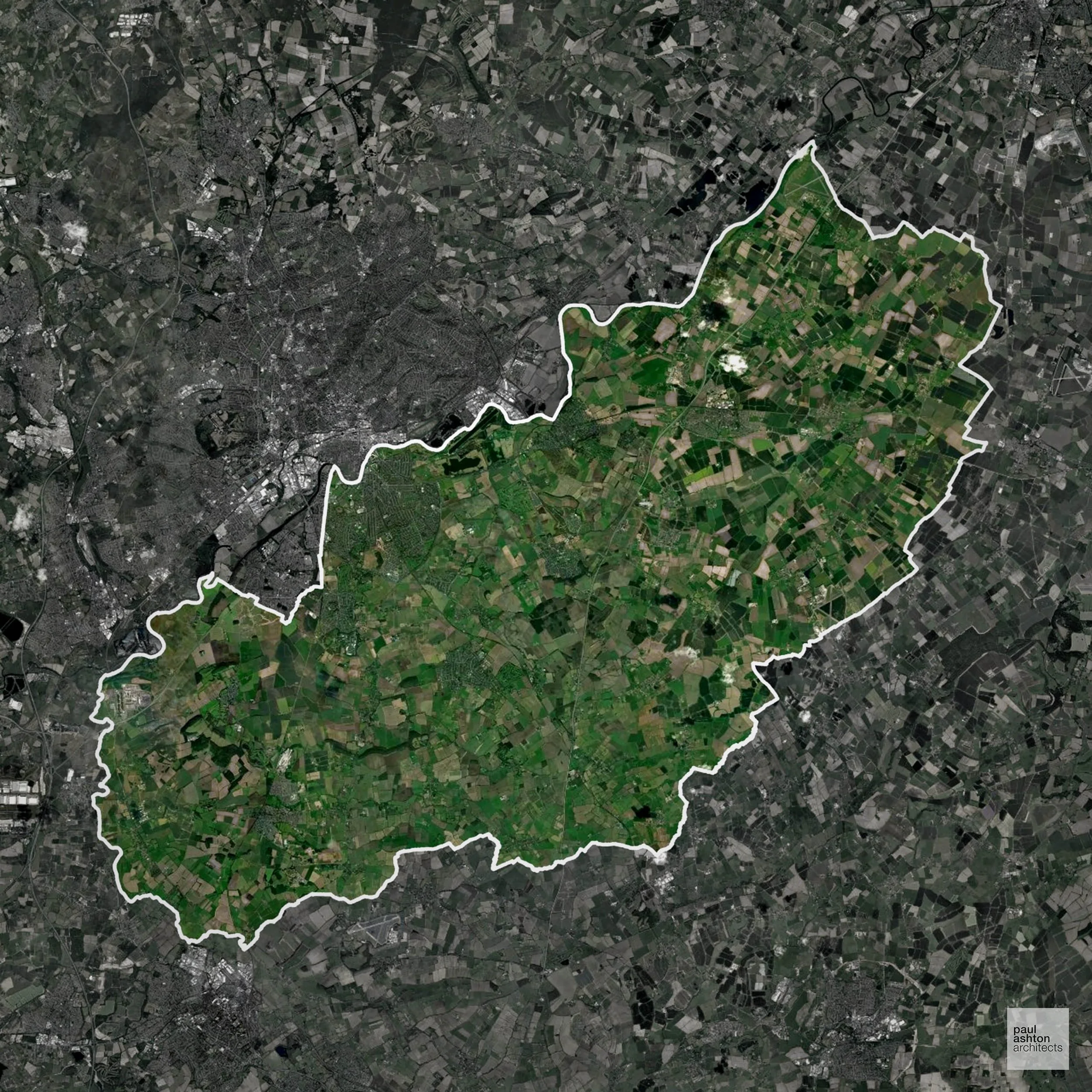
Wolverhampton includes the city centre, Bilston, and Wednesfield. About 11.5% of the city is Green Belt, shaping minor urban edges. Known for industrial heritage, historic streets, and market towns, planning supports residential, commercial, and conversion projects. We can advise and support projects across Wolverhampton.
In the last year Wolverhampton decided 811 applications which is slightly below the national average of 988. The approval rate was 89% (roughly equal to the national average of 88%) and 65% of applications were decided on time, (significantly above the national average of 59%). Stats updated March 2026 from gov. sources. See how Wolverhampton performs relative to other LPAs in our LPA hub.
"We love helping clients win Planning Permission in Wolverhampton"
Green Belt Approvals in Wolverhampton
The Green Belt is a nationally designated area of protected land surrounding many English towns and cities, where development is strictly controlled to prevent urban sprawl.
11.5% of Wolverhampton is within the Green Belt and proposals in these areas can be subject to reasonable levels of scrutiny.
The Green Belt surrounding Wolverhampton protects key villages such as Wednesfield and Bushbury, as well as the rural edges along the Penn Road and Pendeford corridors, preserving historic farmland, ancient hedgerows, and open landscapes that are highly sensitive to suburban expansion from the West Midlands conurbation.
In our experience, one of the top reasons poorly conceived Green Belt proposals are refused is causing 'harm to openness'. We can lower the risk of refusal with site-specific guidance. Contact us here.
You can also check whether your land is within the Green Belt using our interactive Green Belt map.
Planning Applications in Wolverhampton
Alongside acting as Planning Consultants we are ARB registered architects with 25+ years of experience. We use the following proven work stages to guide clients in Wolverhampton through the planning process in order to maximise the potential of their development :
- Stage 1: Site Appraisals & Planning Strategy Advice
- Stage 2: Feasibility Studies & Concept Designs
- Stage 3: Planning Application Packages
- Architectural Drawing Packages
- Planning Statements & Design and Access Statements
- Coordination of Consultant Reports
- Direct Liaison with Planning Officers
- Stage 4: Technical Design
- Discharge of Planning Conditions
- Building Regulations and Construction Packages
Planning Services We Offer in Wolverhampton
- Full Planning Applications: Commercial, new buildings, changes of use.
- Householder Planning Applications: Domestic extensions / garden structures.
- Listed Building Consent: Alterations / repairs to listed buildings.
- Conservation Area Consent: Developments within Conservation Areas.
- Lawful Development Certificates: Confirming existing / completed works are lawful.
- Validation Requirements: Gathering documentation to ensure applications are validated by Wolverhampton LPA.
Creative Planning Advice in Wolverhampton
We collaborate closely with our clients to develop designs that respond to local character and align with Planning Policy, helping to maximise the likelihood of securing Planning Permission in Wolverhampton.
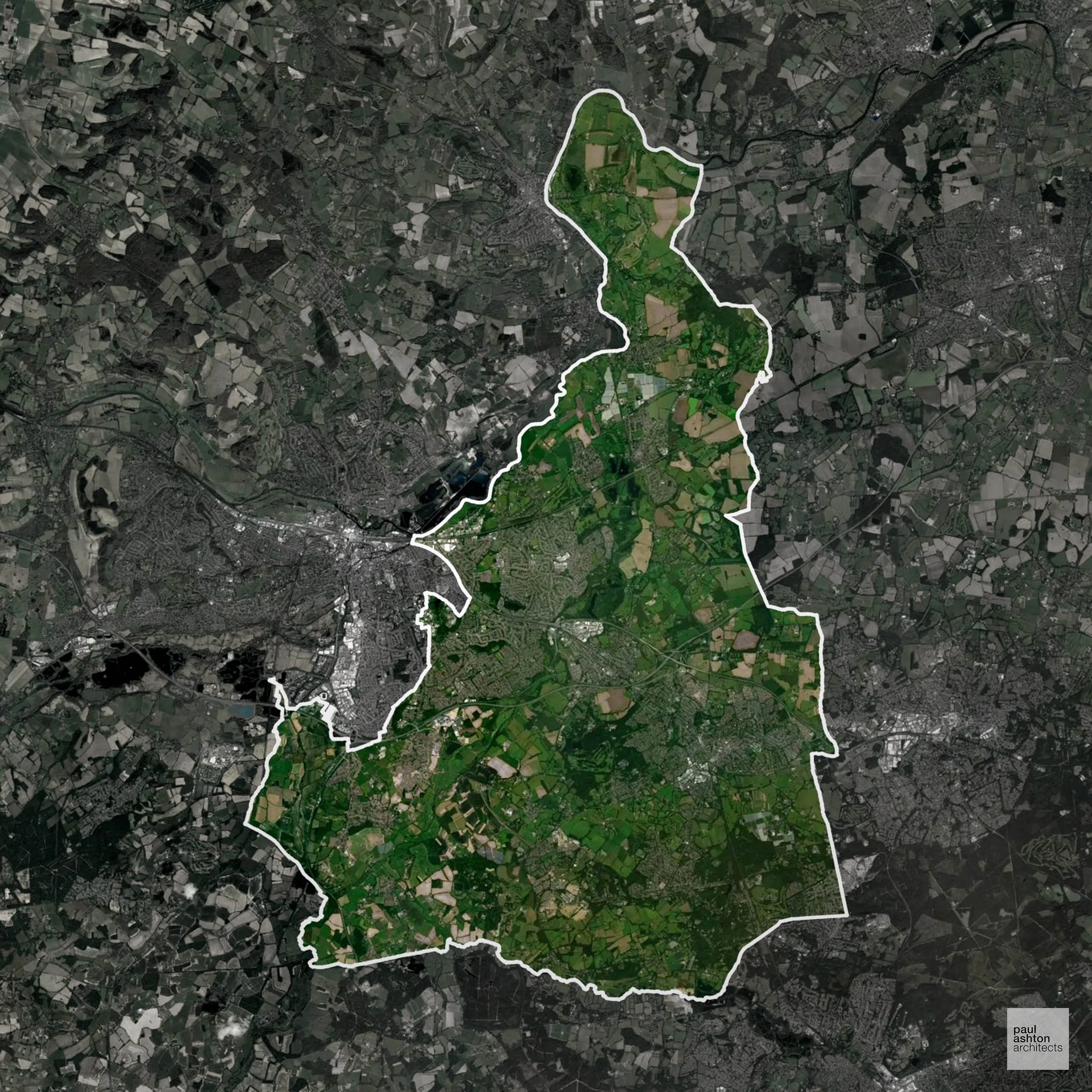
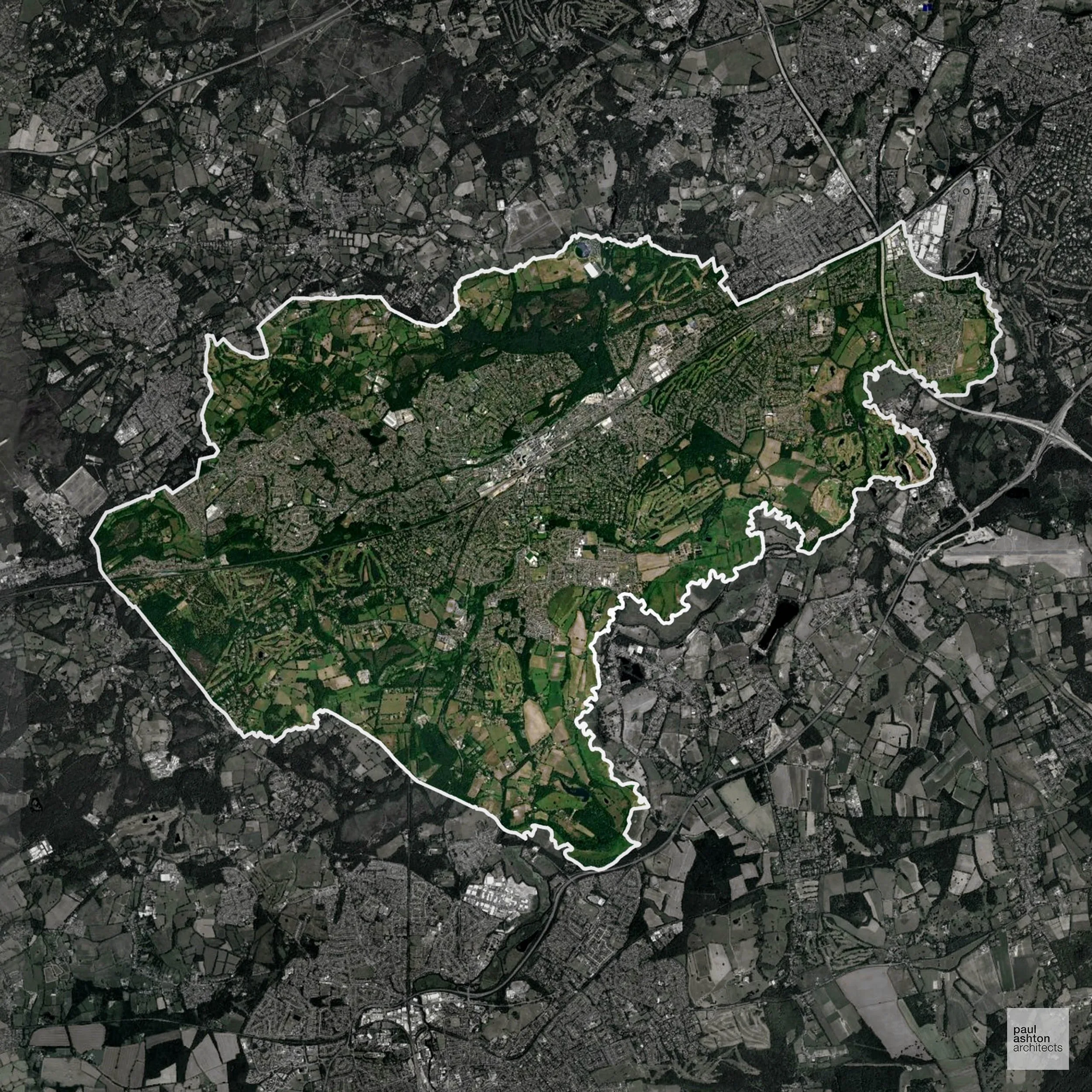
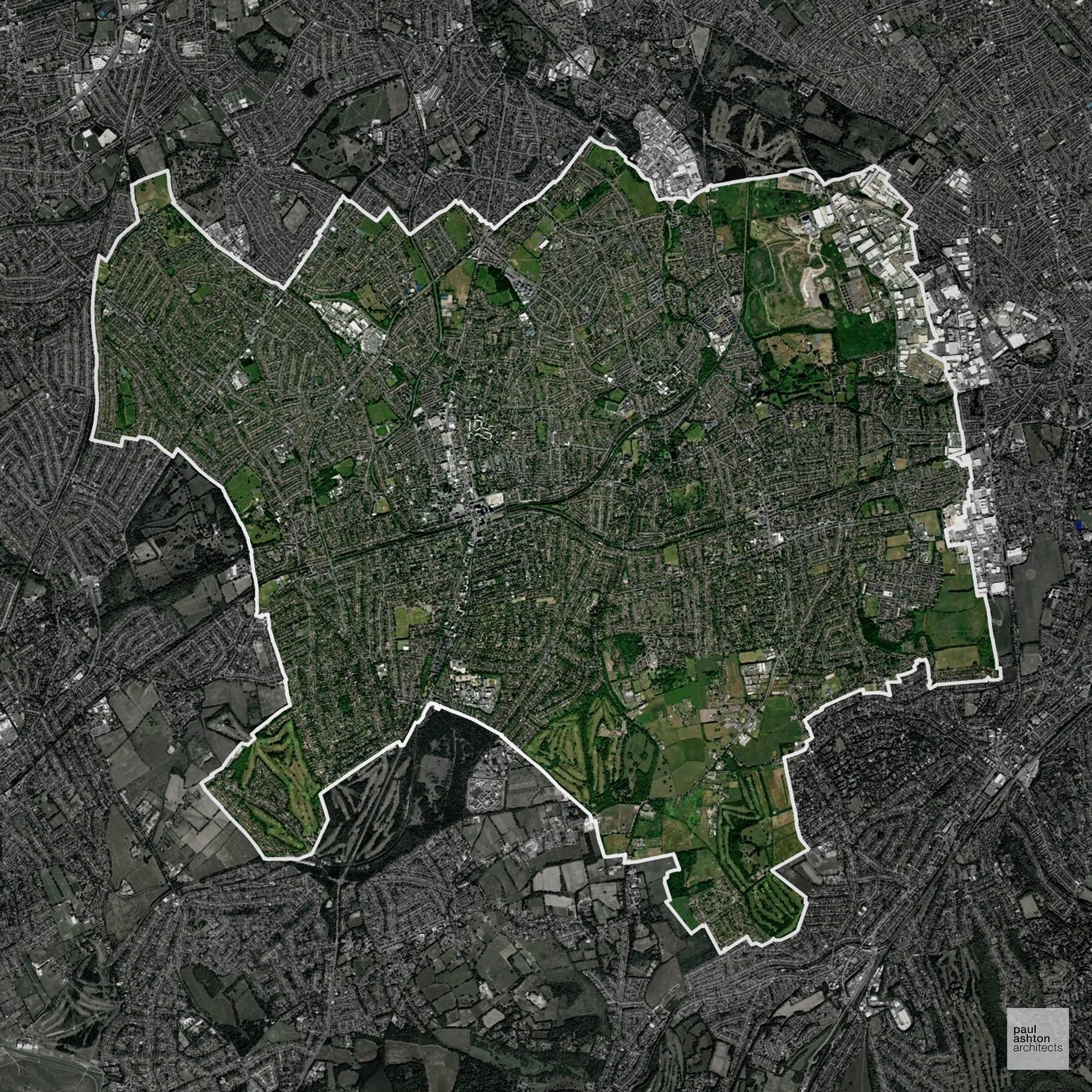
Wokingham includes the town centre, Woodley, and Crowthorne. About 16.2% of the borough is Green Belt, framing urban edges and protecting villages. Known for historic streets, market towns, and suburban communities, planning focuses on residential, commercial, and conversion projects. We can advise and support projects throughout Wokingham.
In the last year Wokingham decided 1,132 applications which is just above the national average of 988. The approval rate was 95% (marginally above the national average of 88%) and 65% of applications were decided on time, (significantly above the national average of 59%). Stats updated March 2026 from gov. sources. See how Wokingham performs relative to other LPAs in our LPA hub.
"We love helping clients win Planning Permission in Wokingham"
Green Belt Approvals in Wokingham
The Green Belt is a policy protecting land around many English towns and cities, where development is tightly controlled to safeguard the open countryside.
16.2% of Wokingham is within the Green Belt and proposals in these areas can be subject to reasonable levels of scrutiny.
The Wokingham Green Belt includes farmland, historic villages such as Wokingham and Hurst, and woodlands, areas particularly sensitive to development.
In our experience, one of the top reasons poorly conceived Green Belt proposals are refused is causing 'harm to openness'. We can lower the risk of refusal with site-specific guidance. Contact us here.
You can also check whether your land is within the Green Belt using our interactive Green Belt map.
Development in the Open Countryside
Wokingham includes areas classed as Open Countryside, generally encompassing land beyond settlements and Green Belt zones, often used for agriculture or left as natural landscapes. Development in these areas is tightly controlled, with standard residential proposals rarely permitted.
Wokingham includes the Thames Basin Heaths and surrounding open farmland, where development is tightly restricted to protect landscape character and biodiversity.
One of the top reasons poorly prepared proposals in the Open Countryside are refused is that they fail to demonstrate a policy-supported need. To minimise that risk with bespoke advice contact us here.
Planning Applications in Wokingham
As well as acting as Planning Consultants we are ARB registered architects with over 25 years’ experience. Our site-specific planning proposals balance creativity with strategic insight. We use the following field-tested work stages to help clients in Wokingham achieve successful planning outcomes:
- Stage 1: Site Appraisals & Planning Strategy Advice
- Stage 2: Feasibility Studies & Concept Designs
- Stage 3: Planning Application Packages
- Architectural Drawing Packages
- Planning Statements & Design and Access Statements
- Coordination of Consultant Reports
- Direct Liaison with Planning Officers
- Stage 4: Technical Design
- Discharge of Planning Conditions
- Building Regulations and Construction Packages
Planning Services We Offer in Wokingham
- Full Planning Applications: Commercial, new buildings, changes of use.
- Householder Planning Applications: Domestic extensions / garden structures.
- Listed Building Consent: Alterations / repairs to listed buildings.
- Conservation Area Consent: Developments within Conservation Areas.
- Lawful Development Certificates: Confirming existing / completed works are lawful.
- Validation Requirements: Gathering documentation to ensure applications are validated by Wokingham LPA.
Creative Planning Advice in Wokingham
We collaborate closely with our clients to develop designs that respond to local character and align with Planning Policy, helping to maximise the likelihood of securing Planning Permission in Wokingham.
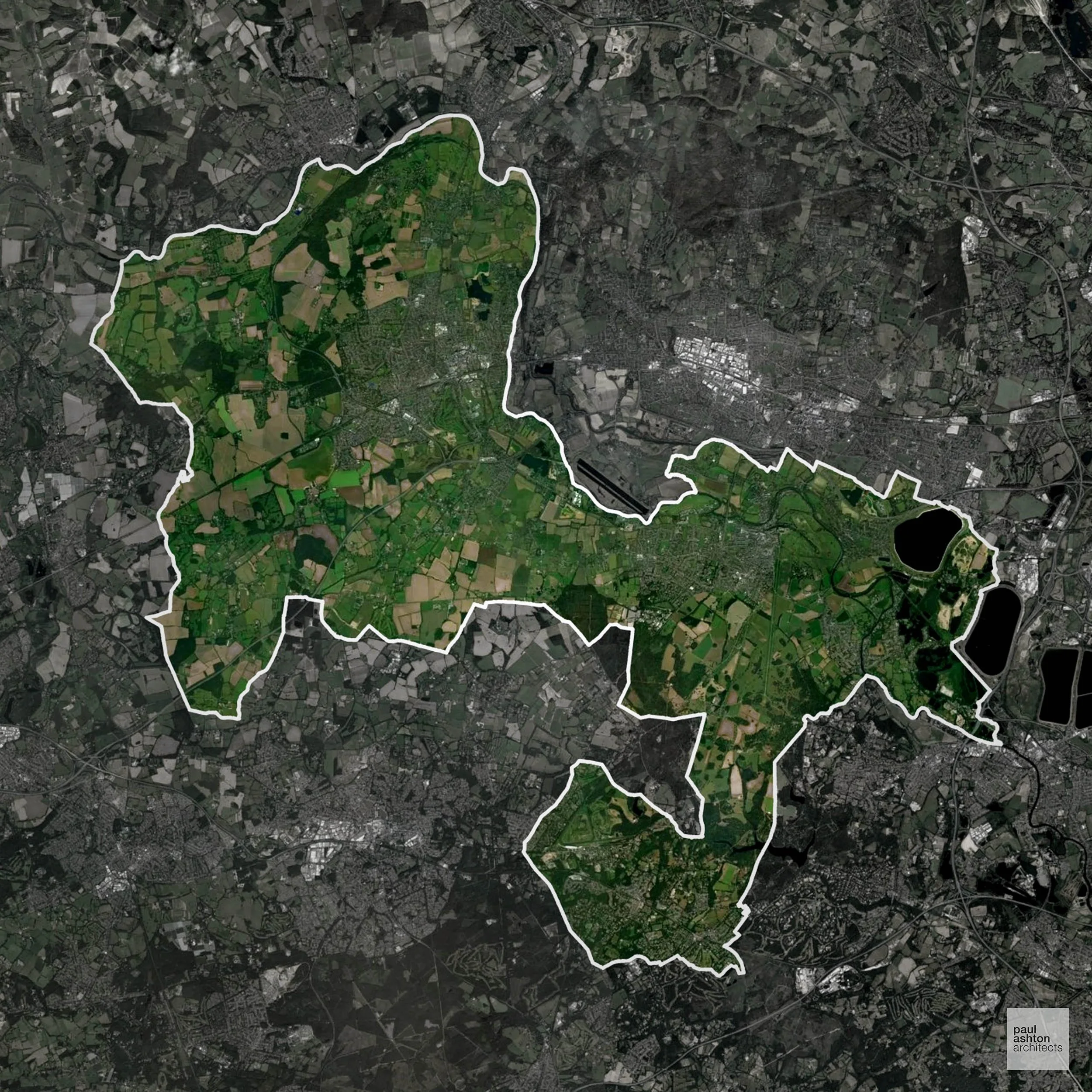
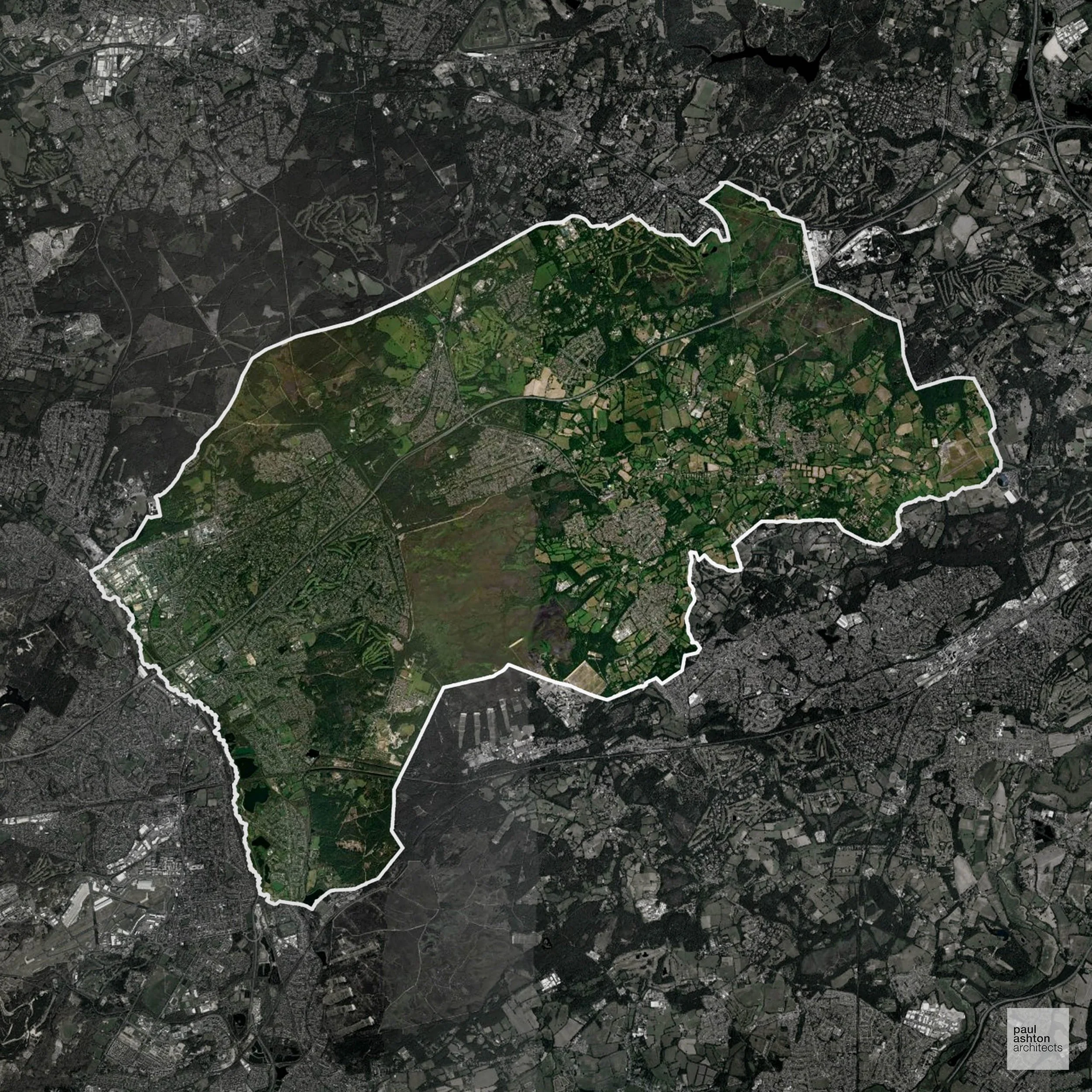
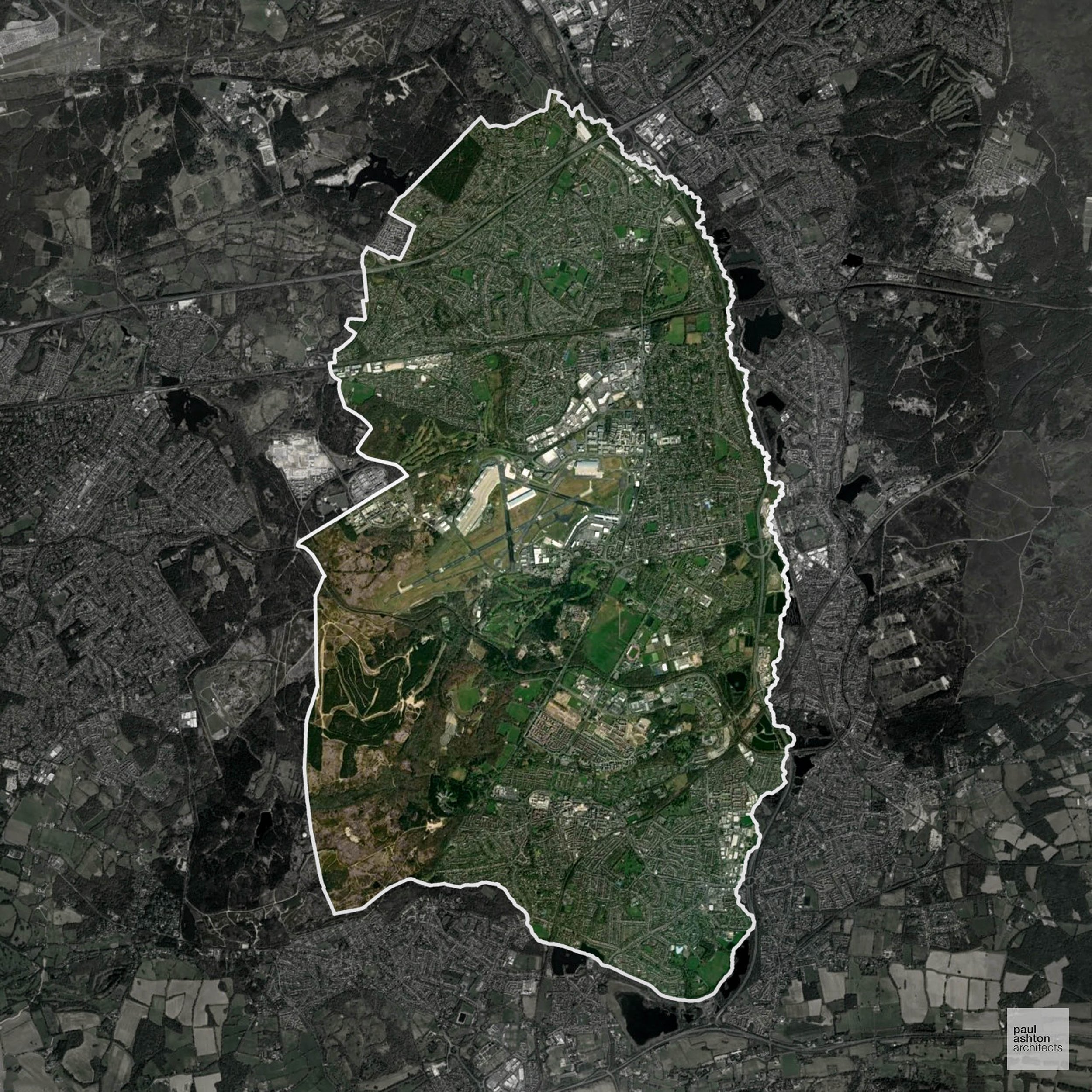
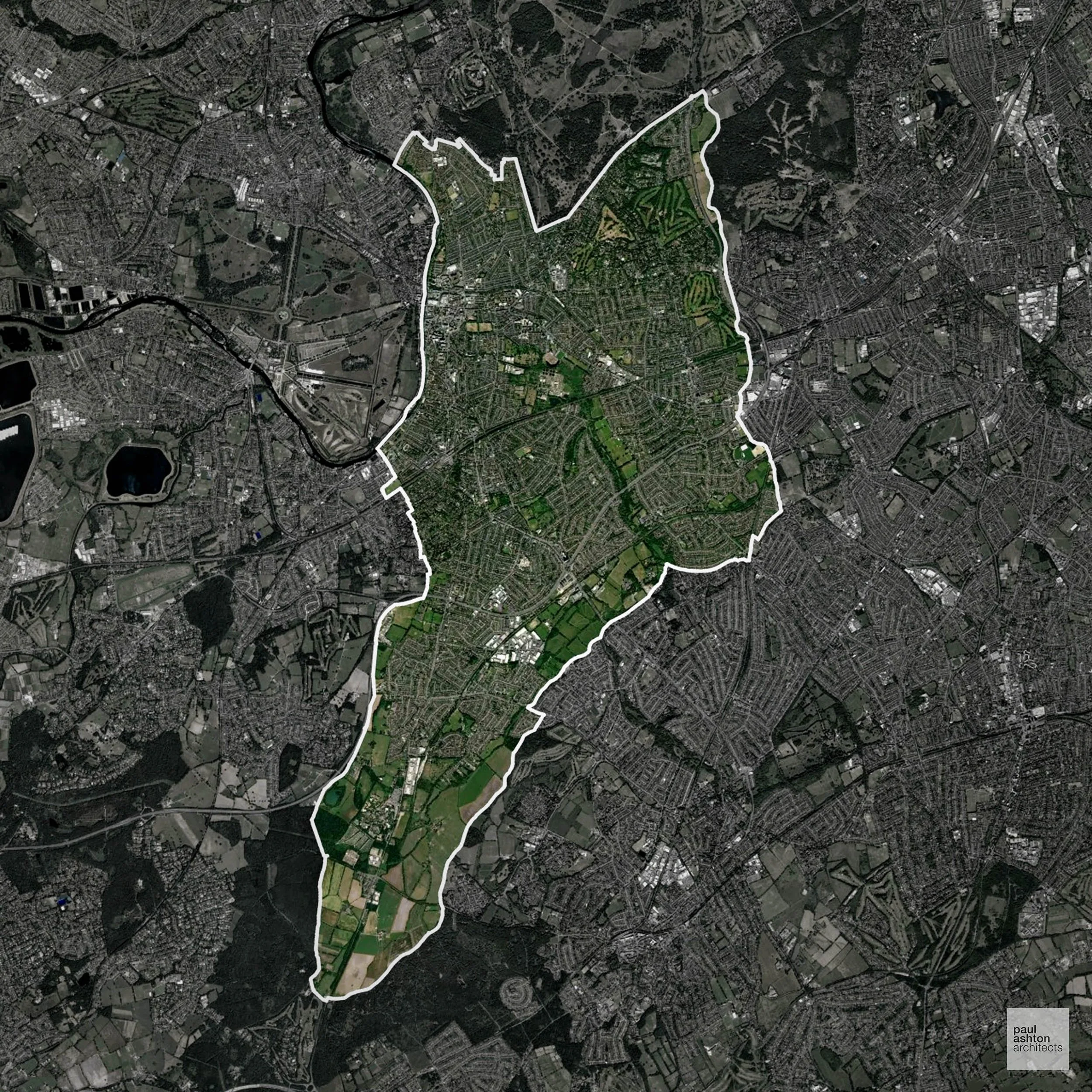
Woking in Surrey includes Woking town, Knaphill, and Byfleet. About 62% of the borough is Green Belt, framing settlements and protecting rural villages. Known for heritage buildings, market towns, and historic streets, planning balances residential, commercial, and conversion projects with conservation. We can advise and support projects across Woking.
In the last year Woking decided 748 applications which is well below the national average of 988. The approval rate was 80% (slightly below the national average of 88%) and 61% of applications were decided on time, (on par with the national average of 59%). Stats updated March 2026 from gov. sources. See how Woking performs relative to other LPAs in our LPA hub.
"We love helping clients win Planning Permission in Woking"
Green Belt Approvals in Woking
The Green Belt is nationally designated land around towns and cities, created to limit urban growth.
Significantly, 62.0% of Woking is within the Green Belt and proposals in these areas can be subject to very high levels of scrutiny.
The Green Belt around Woking protects the villages of Knaphill, Horsell, and West Byfleet, including stretches of Surrey Hills countryside, ancient woodland, and river corridors, which are particularly sensitive to housing expansion and urban sprawl from Woking town and surrounding commuter areas.
In our experience, one of the top reasons poorly conceived Green Belt proposals are refused is causing 'harm to openness'. We can lower the risk of refusal with site-specific guidance. Contact us here.
You can also check whether your land is within the Green Belt using our interactive Green Belt map.
Planning Applications in Woking
Alongside acting as Planning Consultants we are ARB registered architects with 25+ years of experience. We use the following proven work stages to guide clients in Woking through the planning process in order to maximise the potential of their development :
- Stage 1: Site Appraisals & Planning Strategy Advice
- Stage 2: Feasibility Studies & Concept Designs
- Stage 3: Planning Application Packages
- Architectural Drawing Packages
- Planning Statements & Design and Access Statements
- Coordination of Consultant Reports
- Direct Liaison with Planning Officers
- Stage 4: Technical Design
- Discharge of Planning Conditions
- Building Regulations and Construction Packages
Planning Services We Offer in Woking
- Full Planning Applications: Commercial, new buildings, changes of use.
- Householder Planning Applications: Domestic extensions / garden structures.
- Listed Building Consent: Alterations / repairs to listed buildings.
- Conservation Area Consent: Developments within Conservation Areas.
- Lawful Development Certificates: Confirming existing / completed works are lawful.
- Validation Requirements: Gathering documentation to ensure applications are validated by Woking LPA.
Design-Led Planning Advice in Woking
We can review your site in Woking and offer informed guidance on how proposals can be developed in order to maximise your chances of securing Planning Permission.
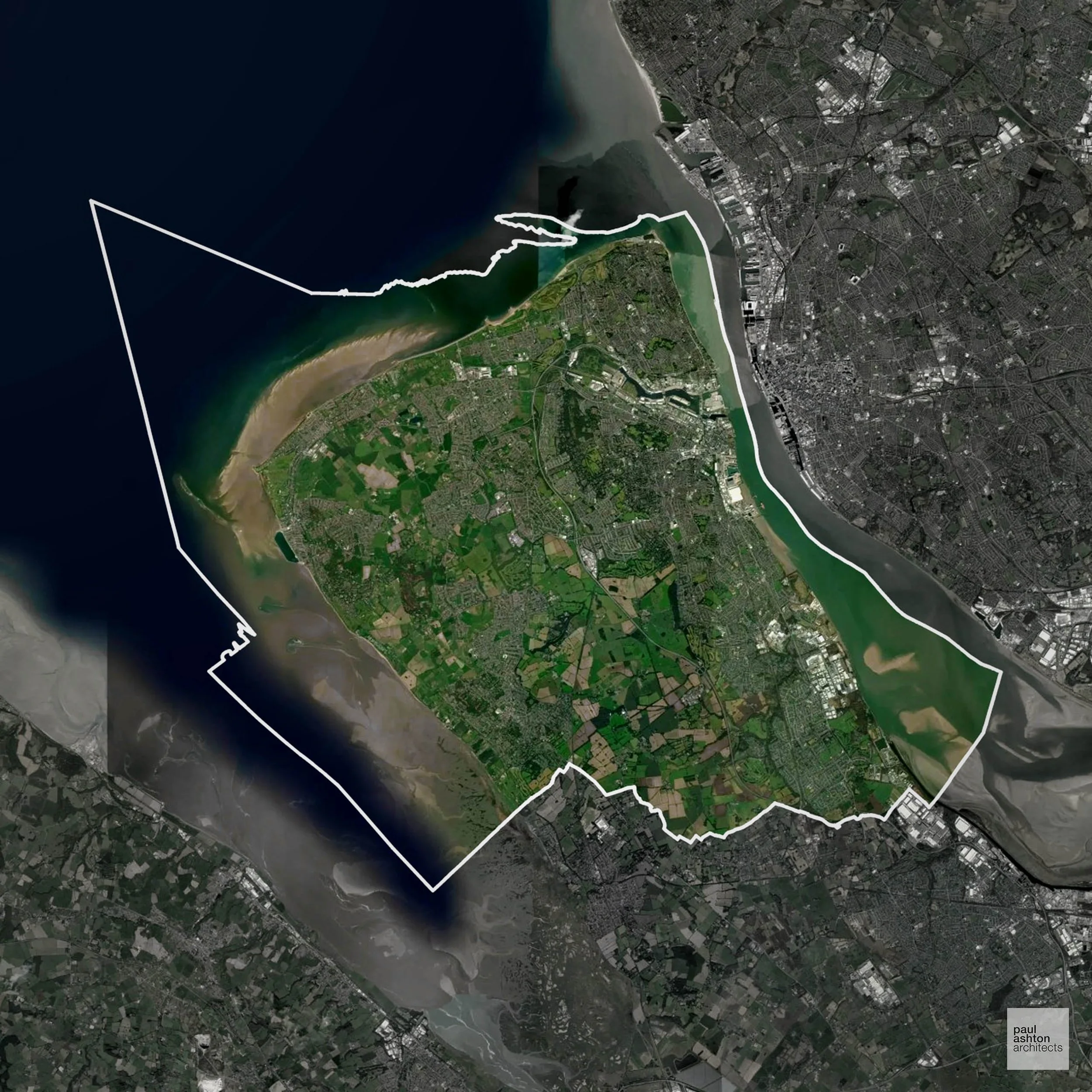
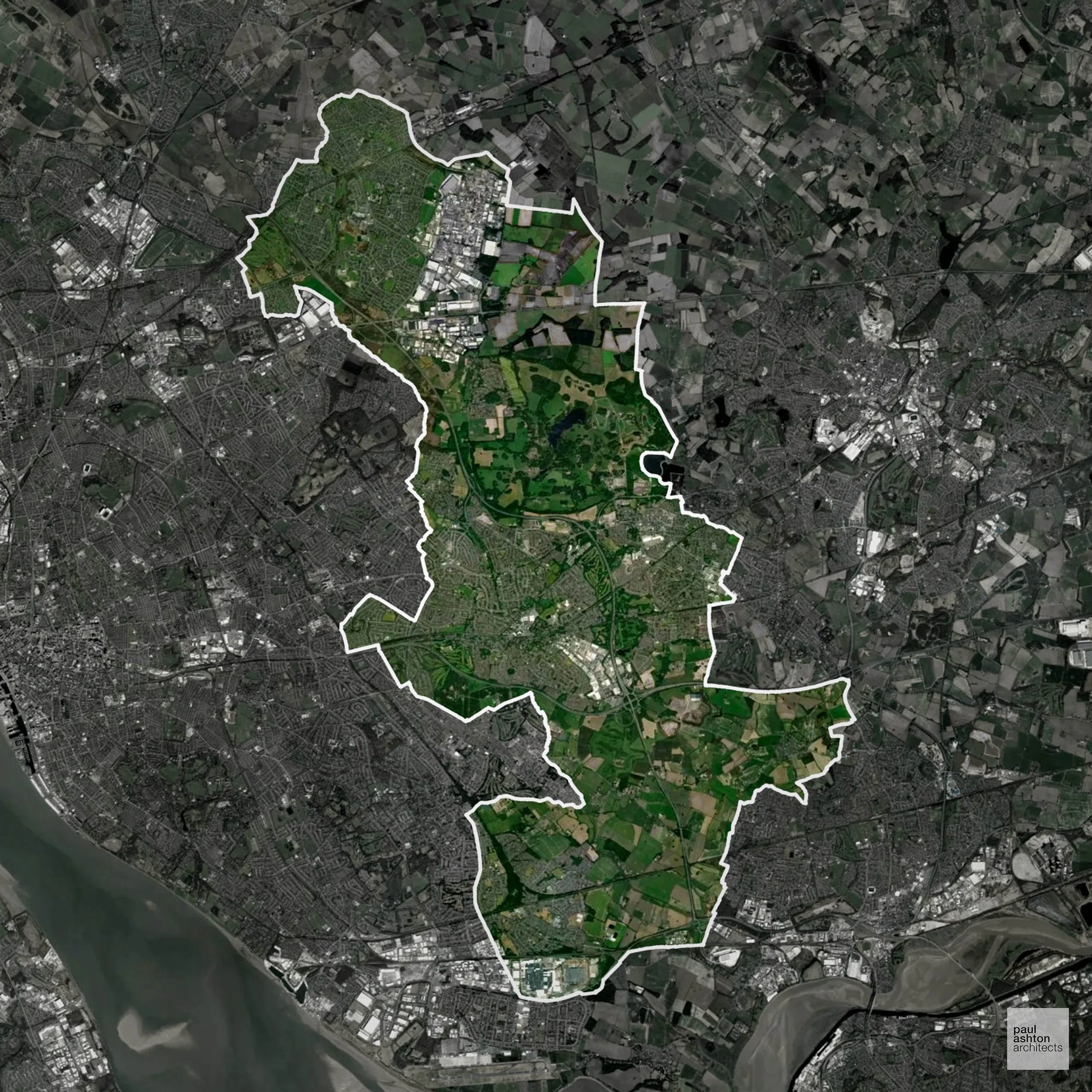
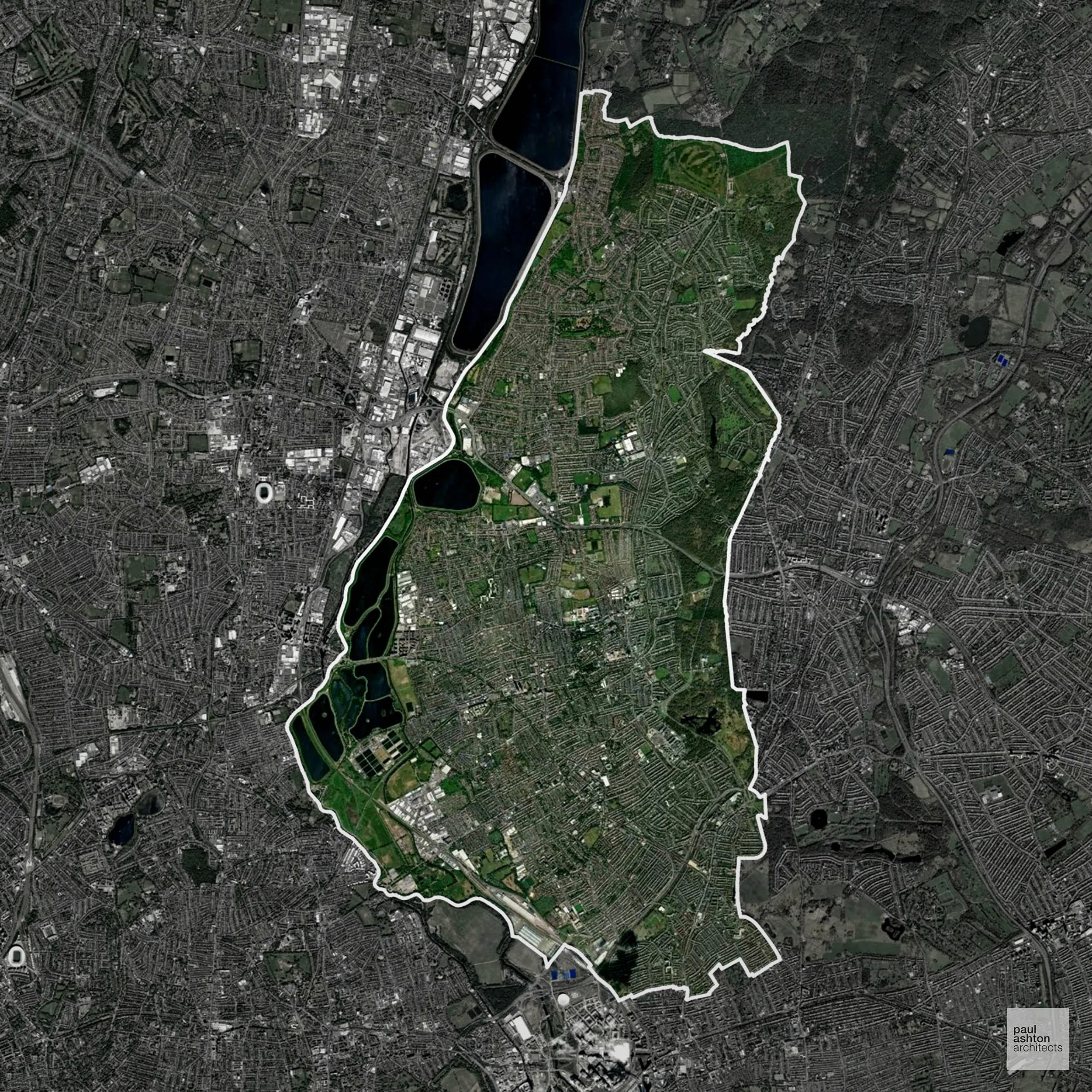
Wirral includes Birkenhead, Wallasey, and Heswall. About 45.5% of the borough is Green Belt, shaping settlement edges and protecting villages. Known for historic towns, waterfront areas, and residential suburbs, planning supports residential, commercial, and conversion projects. We can advise and support projects throughout Wirral.
In the last year Wirral decided 932 applications which is slightly below the national average of 988. The approval rate was 87% (roughly equal to the national average of 88%) and 55% of applications were decided on time, (slightly below the national average of 59%). Stats updated March 2026 from gov. sources. See how Wirral performs relative to other LPAs in our LPA hub.
"We love helping clients win Planning Permission in Wirral"
Conservation and Listed Buildings in Wirral
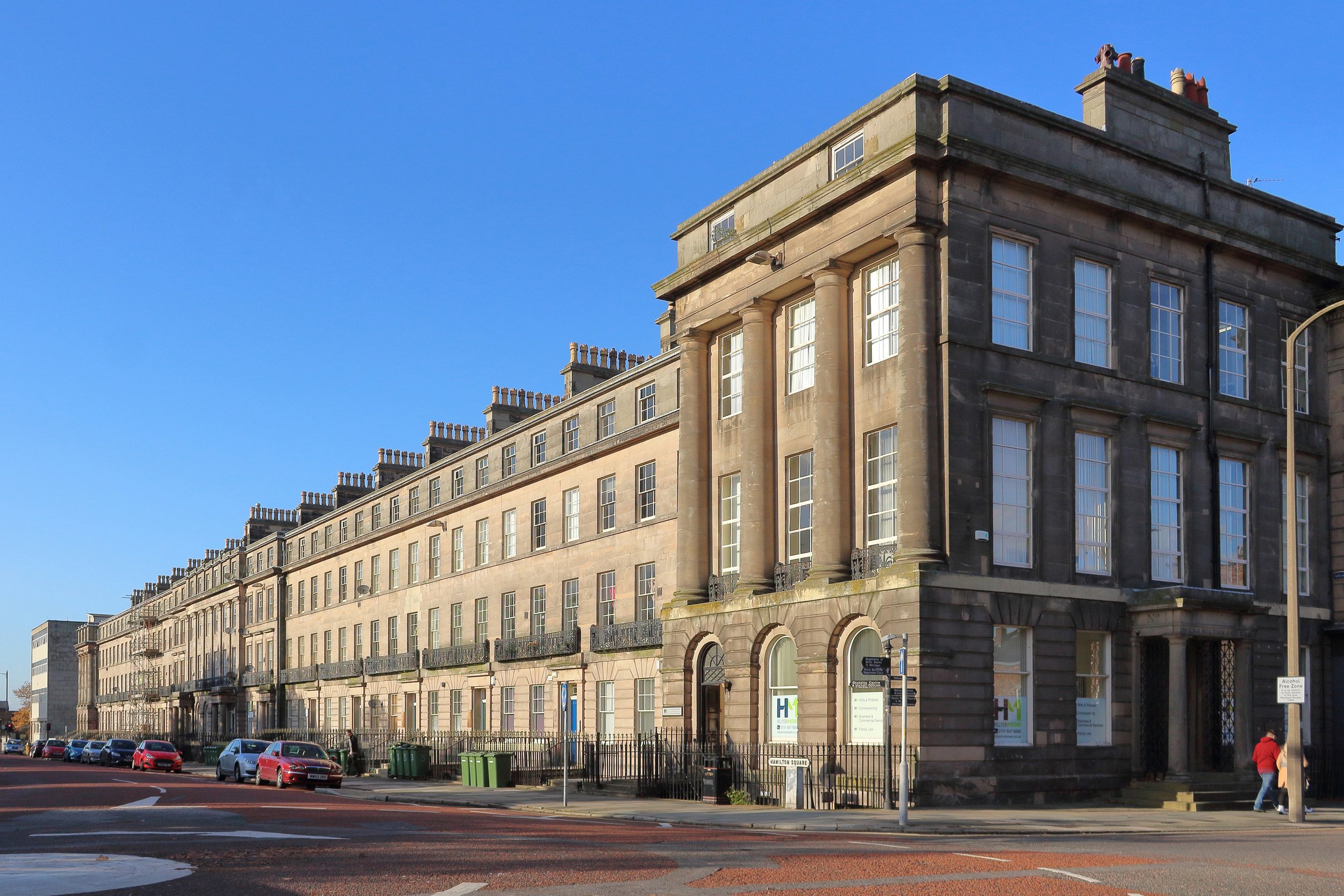
Wirral has a varied historic environment, with several Conservation Areas and a notable number of listed buildings across its coastal and suburban settlements. Heritage constraints are particularly evident within the Hamilton Square Conservation Area and Port Sunlight Conservation Area, where formal town planning, civic architecture, and model village design define local character.
Development proposals are assessed in relation to these assets and their setting, with Planning Permission typically requiring a well-considered, context-led design response.One of the top reasons heritage building applications are refused is causing harm to historic significance, a risk that can arise when proposals are not prepared by a consultant with heritage expertise. We help minimise this risk with expert, site-specific guidance; contact us here.
Green Belt Approvals in Wirral
The Green Belt is nationally designated land around towns and cities, created to limit urban growth.
45.5% of Wirral is within the Green Belt and proposals in these areas can be subject to high levels of scrutiny.
The Wirral Green Belt protects the villages of West Kirby, Hoylake, and Heswall, safeguarding coastal farmland, ancient woodlands, and open countryside, which are particularly sensitive to housing and suburban expansion from Birkenhead and Liverpool.
In our experience, one of the top reasons poorly conceived Green Belt proposals are refused is causing 'harm to openness'. We can lower the risk of refusal with site-specific guidance. Contact us here.
You can also check whether your land is within the Green Belt using our interactive Green Belt map.
Planning Applications in Wirral
In addition to acting as Planing Conultants we are ARB registered architects with 25+ years of experience. Our planning proposals are creatively tailored to each site to maximise potential and improve planning outcomes. We use the following tried and tested process to guide clients in Wirral through planning to completion:
- Stage 1: Site Appraisals & Planning Strategy Advice
- Stage 2: Feasibility Studies & Concept Designs
- Stage 3: Planning Application Packages
- Architectural Drawing Packages
- Planning Statements & Design and Access Statements
- Coordination of Consultant Reports
- Direct Liaison with Planning Officers
- Stage 4: Technical Design
- Discharge of Planning Conditions
- Building Regulations and Construction Packages
Planning Services We Offer in Wirral
- Full Planning Applications: Commercial, new buildings, changes of use.
- Householder Planning Applications: Domestic extensions / garden structures.
- Listed Building Consent: Alterations / repairs to listed buildings.
- Conservation Area Consent: Developments within Conservation Areas.
- Lawful Development Certificates: Confirming existing / completed works are lawful.
- Validation Requirements: Gathering documentation to ensure applications are validated by Wirral LPA.
Contextual Planning Support in Wirral
We work collaboratively with clients and shape a design that respects local character and meets Planning Policy requirements in order to maximise your chances of winning Planning Permission.
Windsor and Maidenhead includes Windsor, Maidenhead, and Ascot. About 81.9% of the borough is Green Belt, framing settlement edges and protecting rural villages extensively. Known for historic towns, royal heritage, and scenic villages, planning focuses on residential, commercial, and conversion projects. We can advise and support projects across Windsor and Maidenhead.
In the last year Windsor and Maidenhead decided 1,576 applications which is well above the national average of 988. The approval rate was 69% (well below the national average of 88%) and 70% of applications were decided on time, (significantly above the national average of 59%). Stats updated March 2026 from gov. sources. See how Windsor and Maidenhead performs relative to other LPAs in our LPA hub.
"We love helping clients win Planning Permission in Windsor and Maidenhead"
Green Belt Approvals in Windsor and Maidenhead
The Green Belt is nationally designated land around towns and cities, created to limit urban growth.
Significantly, 81.9% of Windsor and Maidenhead is within the Green Belt and proposals in these areas can be subject to very high levels of scrutiny.
The Green Belt around Windsor and Maidenhead preserves Thames-side landscapes, historic parks such as Windsor Great Park, and villages including Cookham and Datchet, which are highly sensitive to development pressure and prevent ribbon expansion along the river corridor.
In our experience, one of the top reasons poorly conceived Green Belt proposals are refused is causing 'harm to openness'. We can lower the risk of refusal with site-specific guidance. Contact us here.
You can also check whether your land is within the Green Belt using our interactive Green Belt map.
Planning Applications in Windsor and Maidenhead
Alongside acting as Planning Consultants we are ARB registered architects with 25+ years of experience. We use the following proven work stages to guide clients in Windsor and Maidenhead through the planning process in order to maximise the potential of their development :
- Stage 1: Site Appraisals & Planning Strategy Advice
- Stage 2: Feasibility Studies & Concept Designs
- Stage 3: Planning Application Packages
- Architectural Drawing Packages
- Planning Statements & Design and Access Statements
- Coordination of Consultant Reports
- Direct Liaison with Planning Officers
- Stage 4: Technical Design
- Discharge of Planning Conditions
- Building Regulations and Construction Packages
Planning Services We Offer in Windsor and Maidenhead
- Full Planning Applications: Commercial, new buildings, changes of use.
- Householder Planning Applications: Domestic extensions / garden structures.
- Listed Building Consent: Alterations / repairs to listed buildings.
- Conservation Area Consent: Developments within Conservation Areas.
- Lawful Development Certificates: Confirming existing / completed works are lawful.
- Validation Requirements: Gathering documentation to ensure applications are validated by Windsor and Maidenhead LPA.
Creative Planning Advice in Windsor and Maidenhead
We collaborate closely with our clients to develop designs that respond to local character and align with Planning Policy, helping to maximise the likelihood of securing Planning Permission in Windsor and Maidenhead.
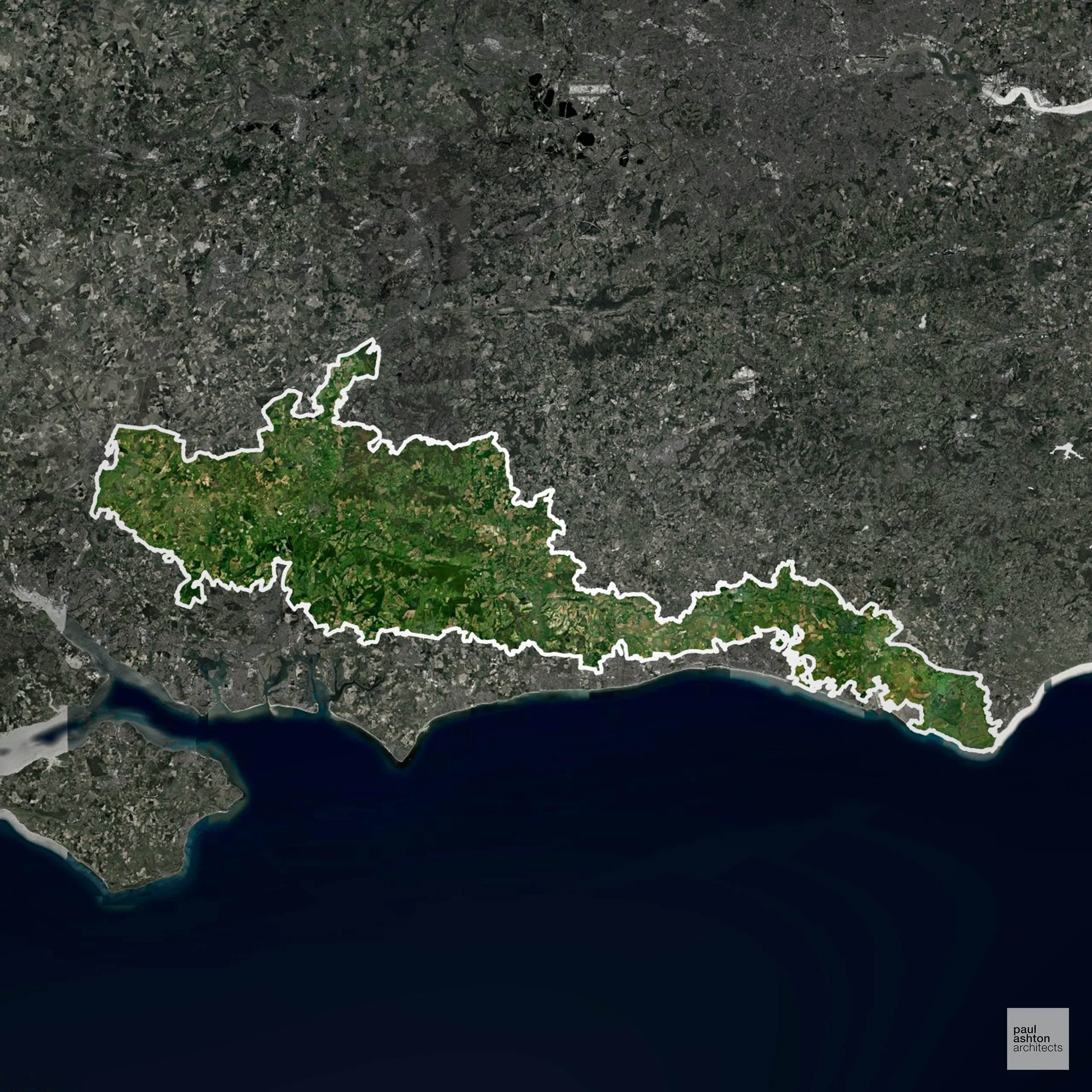
Winchester includes the city centre, Alresford, and Bishop’s Waltham. Planning focuses on historic towns, villages, and heritage buildings. Known for its cathedral, historic streets, and market towns, planning balances residential, commercial, and conversion projects. We can advise and support projects throughout Winchester.
In the last year Winchester decided 961 applications which is broadly in line with the national average of 988. The approval rate was 93% (marginally above the national average of 88%) and 53% of applications were decided on time, (significantly below the national average of 59%). Stats updated March 2026 from gov. sources. See how Winchester performs relative to other LPAs in our LPA hub.
"We love helping clients win Planning Permission in Winchester"
Conservation and Listed Buildings in Winchester
Winchester is characterised by its historic core, extensive Conservation Area, and high concentration of listed buildings, reflecting its status as a former capital of England. Planning proposals are closely assessed for their impact on historic form, important views, and the setting of key assets such as Winchester Cathedral.
Securing Planning Permission generally depends on a sensitive and well-justified approach that responds to the city’s distinctive heritage significance.One of the top reasons heritage building applications are refused is causing harm to historic significance, a risk that can arise when proposals are not prepared by a consultant with heritage expertise. We help minimise this risk with expert, site-specific guidance; contact us here.
Development in the Open Countryside
Winchester includes areas classed as Open Countryside, generally encompassing land beyond settlements and Green Belt zones, often used for agriculture or left as natural landscapes. Development in these areas is tightly controlled, with standard residential proposals rarely permitted.
Winchester contains the South Downs and surrounding rural areas, where development is restricted to preserve natural beauty and landscape character.
One of the top reasons poorly prepared proposals in the Open Countryside are refused is that they fail to demonstrate a policy-supported need. To minimise that risk with bespoke advice contact us here.
Nutrient Neutrality in Winchester
Nutrient Neutrality ensures new developments do not increase harmful nitrogen or phosphorus levels in sensitive waterways. Winchester faces a dual constraint from both the Solent nitrogen catchment and the River Itchen SAC phosphorus catchment, making it one of the most constrained districts in the country and a long-standing example of significant housing delivery shortfall. Unfortunately, Nutrient Neutrality can halt development completely. If you need early-stage, project-specific advice contact us here.
Planning Applications in Winchester
Alongside acting as Planning Consultants we are ARB registered architects with 25+ years of experience. We use the following proven work stages to guide clients in Winchester through the planning process in order to maximise the potential of their development :
- Stage 1: Site Appraisals & Planning Strategy Advice
- Stage 2: Feasibility Studies & Concept Designs
- Stage 3: Planning Application Packages
- Architectural Drawing Packages
- Planning Statements & Design and Access Statements
- Coordination of Consultant Reports
- Direct Liaison with Planning Officers
- Stage 4: Technical Design
- Discharge of Planning Conditions
- Building Regulations and Construction Packages
Planning Services We Offer in Winchester
- Full Planning Applications: Commercial, new buildings, changes of use.
- Householder Planning Applications: Domestic extensions / garden structures.
- Listed Building Consent: Alterations / repairs to listed buildings.
- Conservation Area Consent: Developments within Conservation Areas.
- Lawful Development Certificates: Confirming existing / completed works are lawful.
- Validation Requirements: Gathering documentation to ensure applications are validated by Winchester LPA.
Contextual Planning Support in Winchester
We work collaboratively with clients and shape a design that respects local character and meets Planning Policy requirements in order to maximise your chances of winning Planning Permission.
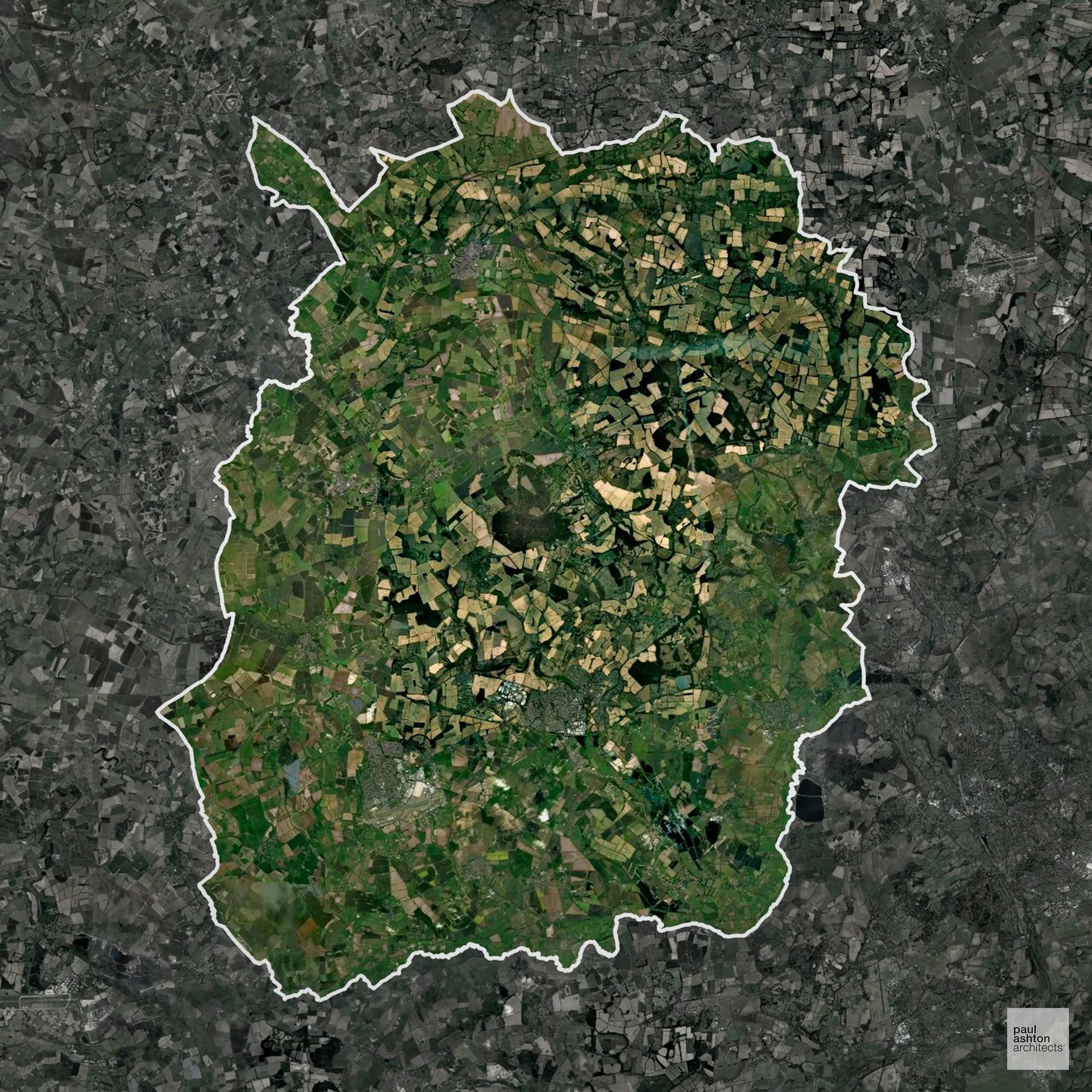
Wiltshire includes Salisbury, Devizes, and Trowbridge. About 2.1% of the county is Green Belt, framing minor urban edges. Known for heritage buildings, market towns, and historic streets, planning supports residential, commercial, and conversion projects. We can advise and support projects across Wiltshire.
In the last year Wiltshire decided 3,734 applications which is well above the national average of 988. The approval rate was 93% (marginally above the national average of 88%) and 44% of applications were decided on time, (significantly below the national average of 59%). Stats updated March 2026 from gov. sources. See how Wiltshire performs relative to other LPAs in our LPA hub.
"We love helping clients win Planning Permission in Wiltshire"
Green Belt Approvals in Wiltshire
The Green Belt is a nationally designated area of protected land surrounding many English towns and cities, where development is strictly controlled to prevent urban sprawl.
2.1% of Wiltshire is within the Green Belt and proposals in these areas can be subject to reasonable levels of scrutiny.
The Wiltshire Green Belt protects the western edge of the county, including villages such as Bradford-on-Avon and settlements along the Avon Valley, preserving historic landscapes, river corridors, and the setting of nearby Bath, which are particularly sensitive to development pressure and urban expansion.
In our experience, one of the top reasons poorly conceived Green Belt proposals are refused is causing 'harm to openness'. We can lower the risk of refusal with site-specific guidance. Contact us here.
You can also check whether your land is within the Green Belt using our interactive Green Belt map.
Development in the Open Countryside
Open Countryside within Wiltshire refers to land situated outside built-up areas and Green Belt boundaries, typically comprising farmland or natural landscapes. Residential development is generally restricted unless special circumstances can be demonstrated.
Wiltshire includes Salisbury Plain and Cranborne Chase, with open landscapes that are protected and where new development is carefully controlled.
One of the top reasons poorly prepared proposals in the Open Countryside are refused is that they fail to demonstrate a policy-supported need. To minimise that risk with bespoke advice contact us here.
Nutrient Neutrality in Wiltshire
Nutrient Neutrality ensures new developments do not increase harmful nitrogen or phosphorus levels in sensitive waterways. Wiltshire is one of the most complex nutrient neutrality environments in England, affected by four separate catchments with different nutrient requirements; different parts of the county require phosphorus neutrality (River Avon, River Lambourn, Somerset Levels) or nitrogen neutrality (Solent via River Test). Unfortunately, Nutrient Neutrality can halt development completely. If you need early-stage, project-specific advice contact us here.
Planning Applications in Wiltshire
As well as acting as Planning Consultants we are ARB registered architects with over 25 years’ experience. Our site-specific planning proposals balance creativity with strategic insight. We use the following field-tested work stages to help clients in Wiltshire achieve successful planning outcomes:
- Stage 1: Site Appraisals & Planning Strategy Advice
- Stage 2: Feasibility Studies & Concept Designs
- Stage 3: Planning Application Packages
- Architectural Drawing Packages
- Planning Statements & Design and Access Statements
- Coordination of Consultant Reports
- Direct Liaison with Planning Officers
- Stage 4: Technical Design
- Discharge of Planning Conditions
- Building Regulations and Construction Packages
Planning Services We Offer in Wiltshire
- Full Planning Applications: Commercial, new buildings, changes of use.
- Householder Planning Applications: Domestic extensions / garden structures.
- Listed Building Consent: Alterations / repairs to listed buildings.
- Conservation Area Consent: Developments within Conservation Areas.
- Lawful Development Certificates: Confirming existing / completed works are lawful.
- Validation Requirements: Gathering documentation to ensure applications are validated by Wiltshire LPA.
Design-Led Planning Advice in Wiltshire
We can review your site in Wiltshire and offer informed guidance on how proposals can be developed in order to maximise your chances of securing Planning Permission.
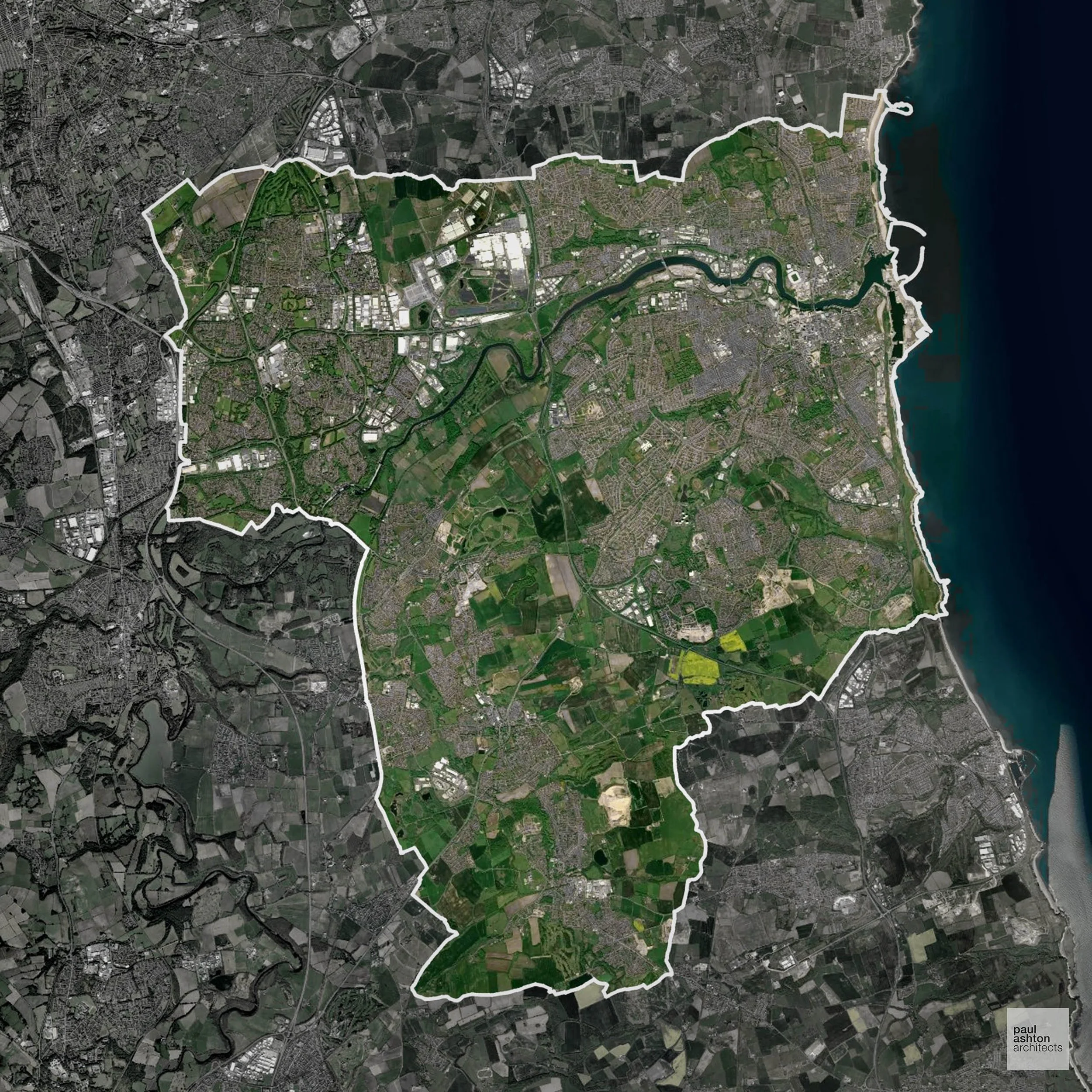
Wigan includes the town centre, Leigh, and Ashton-in-Makerfield. About 55.7% of the borough is Green Belt, shaping suburban edges and protecting surrounding villages. Known for industrial heritage, historic streets, and market towns, planning balances residential, commercial, and conversion projects with conservation. We can advise and support projects throughout Wigan.
In the last year Wigan decided 712 applications which is well below the national average of 988. The approval rate was 87% (roughly equal to the national average of 88%) and 41% of applications were decided on time, (significantly below the national average of 59%). Stats updated March 2026 from gov. sources. See how Wigan performs relative to other LPAs in our LPA hub.
"We love helping clients win Planning Permission in Wigan"
Conservation and Listed Buildings in Wigan
Wigan has a historic environment shaped by its industrial and market town origins, with several Conservation Areas and a number of listed buildings across the borough. Heritage constraints are particularly evident within the Wigan Town Centre Conservation Area and Haigh Village Conservation Area, where civic architecture, historic streetscape, and estate landscapes define local character.
One of the top reasons heritage building applications are refused is causing harm to historic significance, a risk that can arise when proposals are not prepared by a consultant with heritage expertise. We help minimise this risk with expert, site-specific guidance; contact us here.
Green Belt Approvals in Wigan
The Green Belt is a nationally designated area of protected land surrounding many English towns and cities, where development is strictly controlled to prevent urban sprawl.
Significantly, 55.7% of Wigan is within the Green Belt and proposals in these areas can be subject to high levels of scrutiny.
The Green Belt around Wigan protects the villages of Standish, Shevington, and Aspull, preserving former mining landscapes, wetlands, and agricultural land, which are particularly sensitive to development pressure and play a key role in preventing coalescence between Wigan, Bolton, and the wider Greater Manchester conurbation.
In our experience, one of the top reasons poorly conceived Green Belt proposals are refused is causing 'harm to openness'. We can lower the risk of refusal with site-specific guidance. Contact us here.
You can also check whether your land is within the Green Belt using our interactive Green Belt map.
Planning Applications in Wigan
As well as acting as Planning Consultants we are ARB registered architects with over 25 years’ experience. Our site-specific planning proposals balance creativity with strategic insight. We use the following field-tested work stages to help clients in Wigan achieve successful planning outcomes:
- Stage 1: Site Appraisals & Planning Strategy Advice
- Stage 2: Feasibility Studies & Concept Designs
- Stage 3: Planning Application Packages
- Architectural Drawing Packages
- Planning Statements & Design and Access Statements
- Coordination of Consultant Reports
- Direct Liaison with Planning Officers
- Stage 4: Technical Design
- Discharge of Planning Conditions
- Building Regulations and Construction Packages
Planning Services We Offer in Wigan
- Full Planning Applications: Commercial, new buildings, changes of use.
- Householder Planning Applications: Domestic extensions / garden structures.
- Listed Building Consent: Alterations / repairs to listed buildings.
- Conservation Area Consent: Developments within Conservation Areas.
- Lawful Development Certificates: Confirming existing / completed works are lawful.
- Validation Requirements: Gathering documentation to ensure applications are validated by Wigan LPA.
Planning Permissions We’ve Won in Wigan
- Full Planning Application + Conservation: Conversion of former bank into ground-floor retail unit with two apartments on first and second floors within Hindley Conservation Area. →
Design-Led Planning Advice in Wigan
We can review your site in Wigan and offer informed guidance on how proposals can be developed in order to maximise your chances of securing Planning Permission.
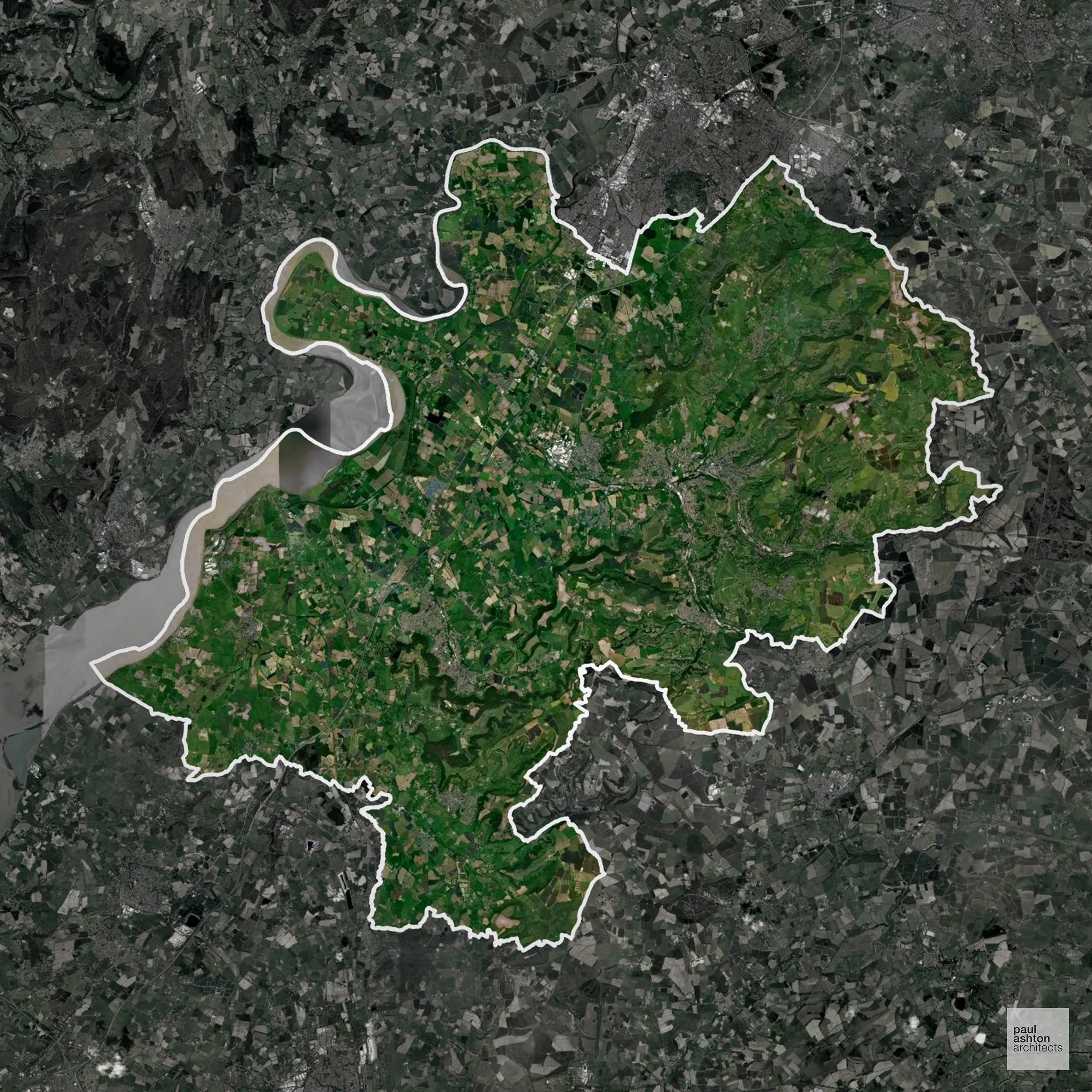
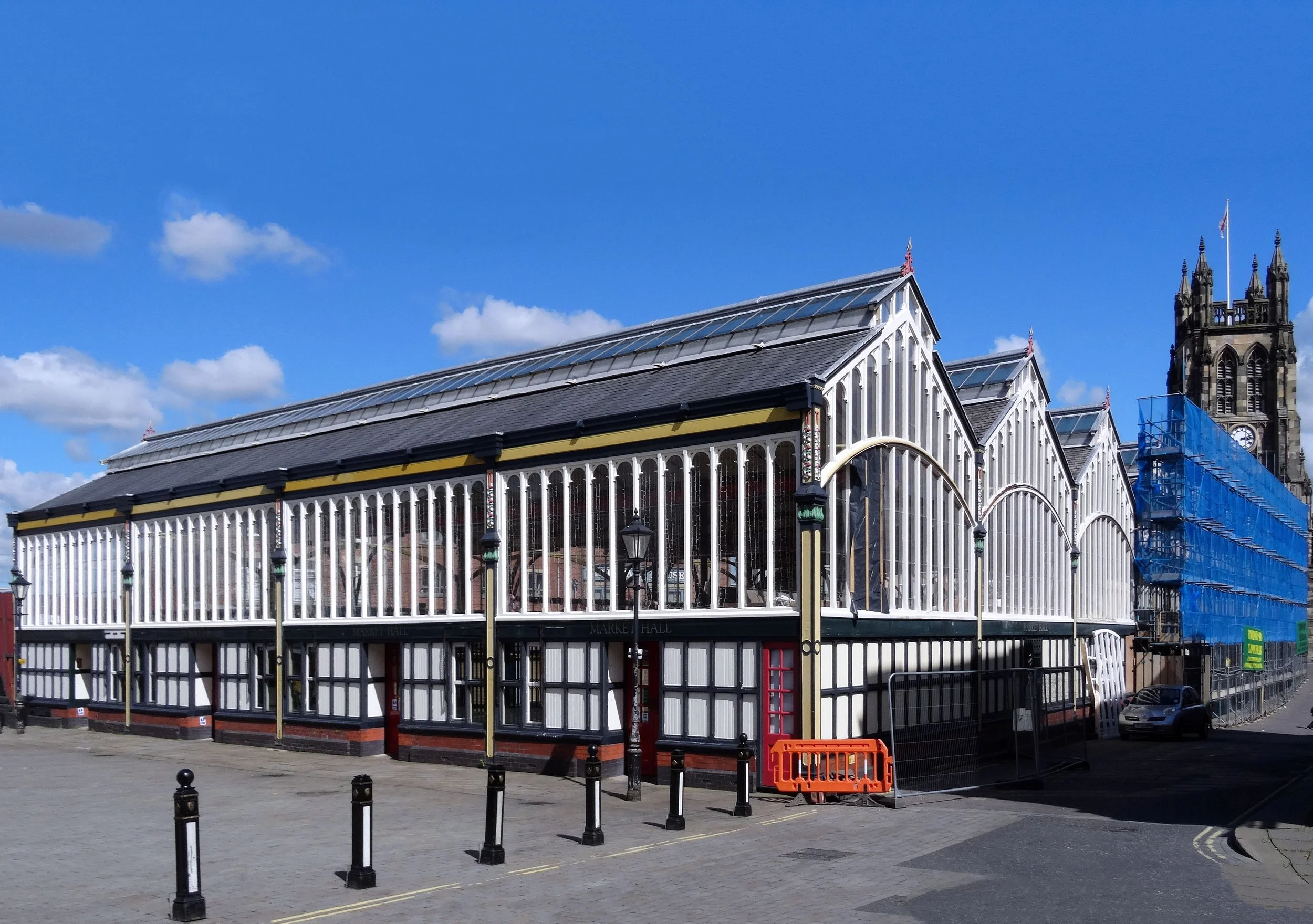
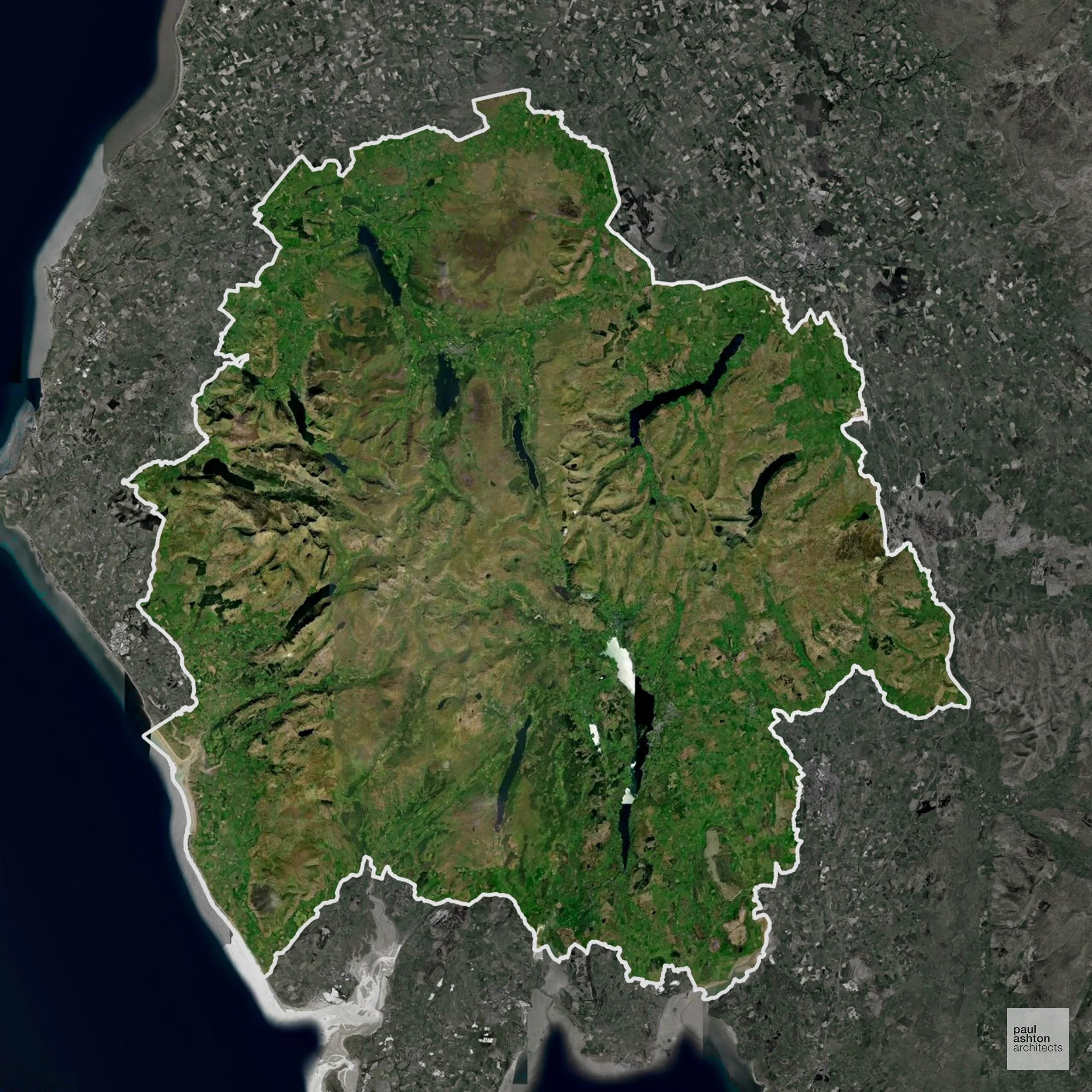
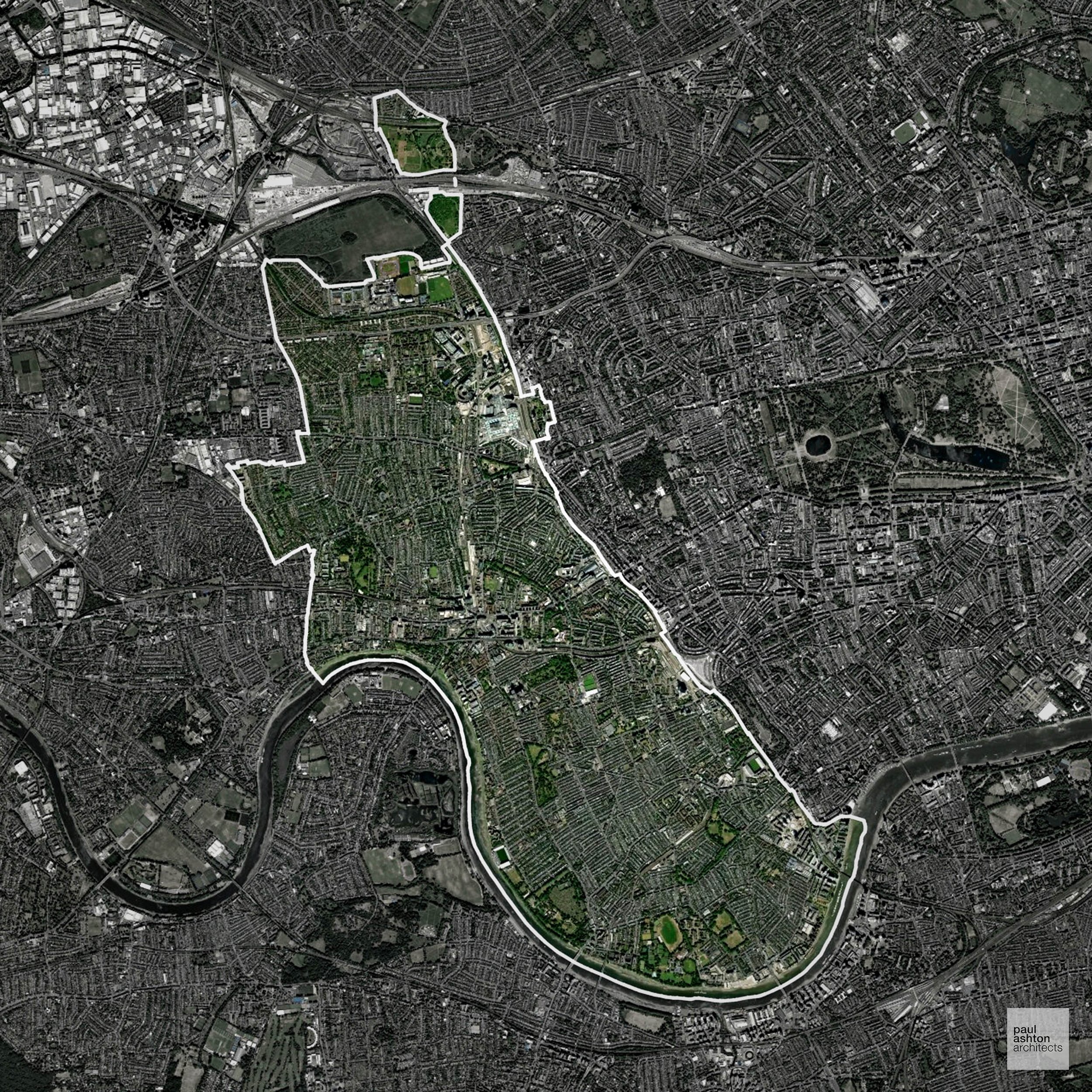
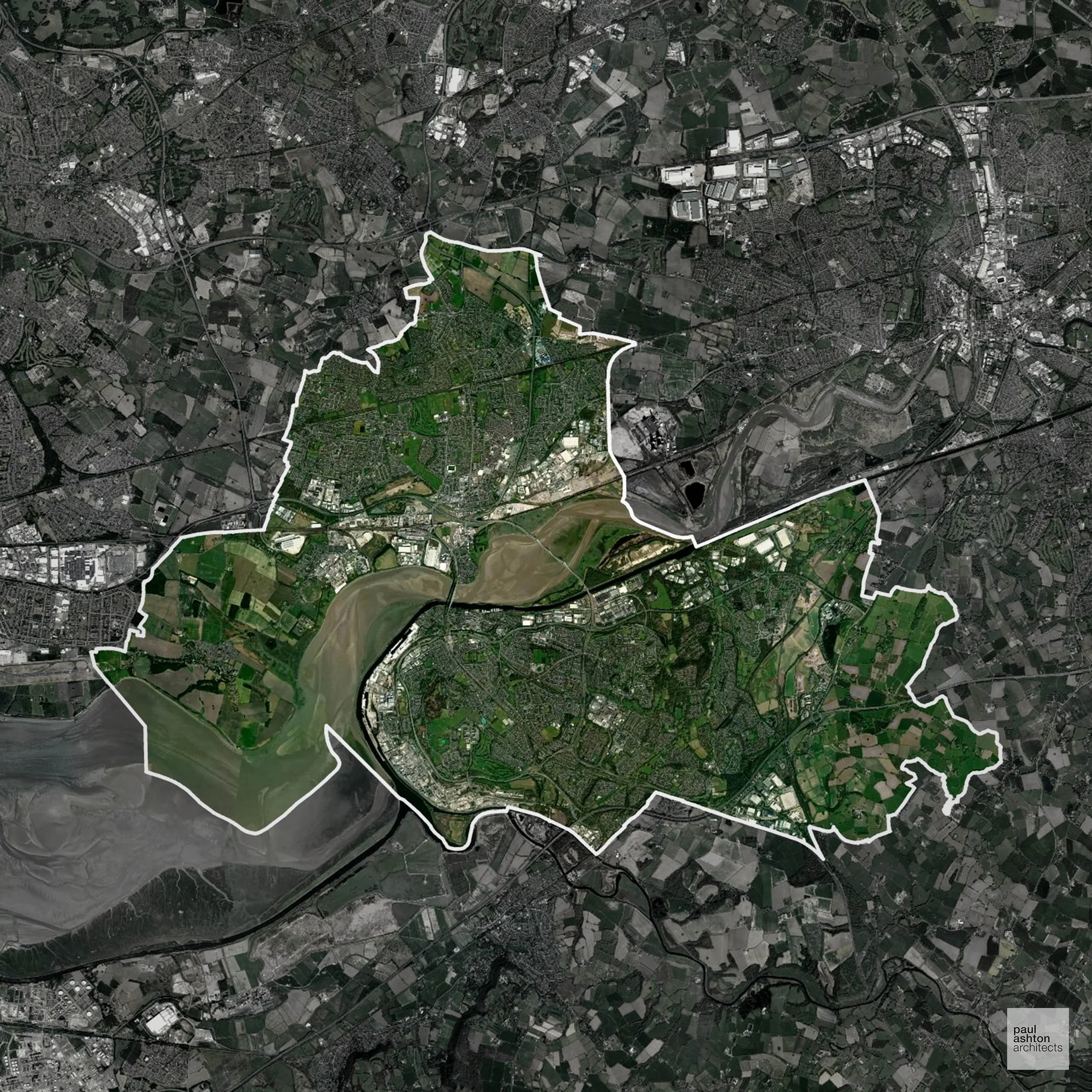
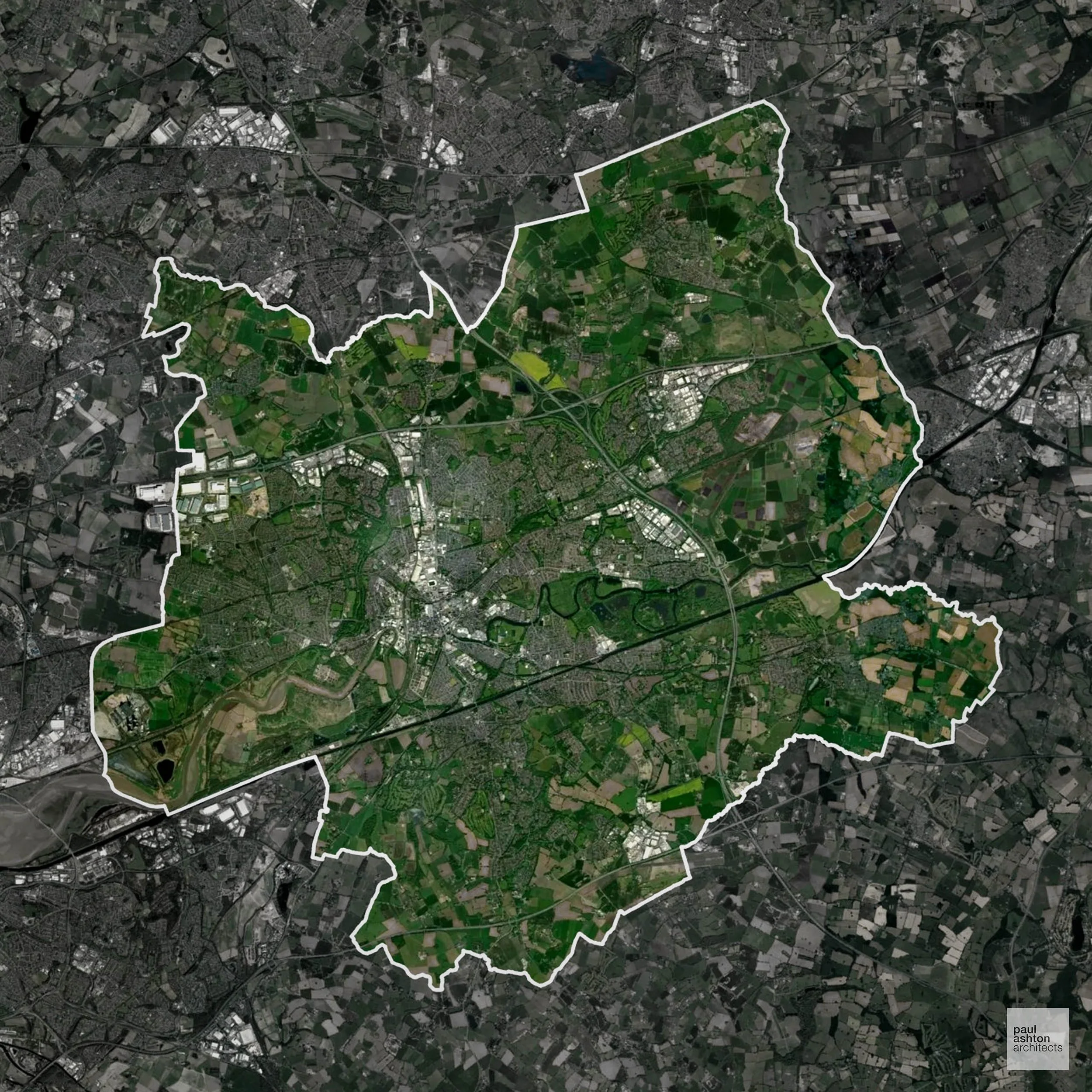
Westmorland and Furness includes Kendal, Barrow-in-Furness, and Ulverston. Planning focused on historic towns, villages, and rural landscapes. Known for heritage buildings, market towns, and scenic villages, planning supports residential, commercial, and conversion projects. We can advise and support projects across Westmorland and Furness.
In the last year Westmorland and Furness decided 1,223 applications which is well above the national average of 988. The approval rate was 92% (marginally above the national average of 88%) and 48% of applications were decided on time, (significantly below the national average of 59%). Stats updated March 2026 from gov. sources. See how Westmorland and Furness performs relative to other LPAs in our LPA hub.
"We love helping clients win Planning Permission in Westmorland and Furness"
Conservation and Listed Buildings in Westmorland and Furness
Westmorland and Furness contains a highly sensitive historic environment shaped by its rural settlements, vernacular architecture, and extensive Conservation Areas, many of which lie within nationally designated landscapes. Development proposals must respond carefully to the relationship between built form and landscape setting, with particular regard to traditional materials, dispersed settlement patterns, and cumulative visual impact.
One of the top reasons heritage building applications are refused is causing harm to historic significance, a risk that can arise when proposals are not prepared by a consultant with heritage expertise. We help minimise this risk with expert, site-specific guidance; contact us here.
Development in the Open Countryside
The Open Countryside is generally defined as land outside settlement and Green Belt boundaries, often comprising agricultural or natural land. Development, particularly standard residential development, is usually restricted in Open Countryside.
Westmorland and Furness encompasses the Lake District fringes and Eden Valley countryside, where development is highly sensitive due to scenic and ecological value.
One of the top reasons poorly prepared proposals in the Open Countryside are refused is that they fail to demonstrate a policy-supported need. To minimise that risk with bespoke advice contact us here.
Flood Risk in Westmorland and Furness
In some areas of the LPA, flood risk plays a key role in determining planning proposals. The Kent and Leven estuaries and the rivers draining the southern Lake District fells were devastated by Storm Desmond in 2015, and flood risk remains a fundamental planning constraint across much of the authority. Where constraints permit, we can develop proposals that manage flood risk thoughtfully to give applications the best chance of approval.
Nutrient Neutrality in Westmorland and Furness
Nutrient Neutrality ensures new developments do not increase harmful nitrogen or phosphorus levels in sensitive waterways. Westmorland and Furness is affected by three catchments (River Eden, River Kent, and Esthwaite Water) all requiring phosphorus neutrality; the varied and rural character of the area makes securing mitigation challenging. Unfortunately, Nutrient Neutrality can halt development completely. If you need early-stage, project-specific advice contact us here.
Planning Applications in Westmorland and Furness
As well as acting as Planning Consultants we are ARB registered architects with over 25 years’ experience. Our site-specific planning proposals balance creativity with strategic insight. We use the following field-tested work stages to help clients in Westmorland and Furness achieve successful planning outcomes:
- Stage 1: Site Appraisals & Planning Strategy Advice
- Stage 2: Feasibility Studies & Concept Designs
- Stage 3: Planning Application Packages
- Architectural Drawing Packages
- Planning Statements & Design and Access Statements
- Coordination of Consultant Reports
- Direct Liaison with Planning Officers
- Stage 4: Technical Design
- Discharge of Planning Conditions
- Building Regulations and Construction Packages
Planning Services We Offer in Westmorland and Furness
- Full Planning Applications: Commercial, new buildings, changes of use.
- Householder Planning Applications: Domestic extensions / garden structures.
- Listed Building Consent: Alterations / repairs to listed buildings.
- Conservation Area Consent: Developments within Conservation Areas.
- Lawful Development Certificates: Confirming existing / completed works are lawful.
- Validation Requirements: Gathering documentation to ensure applications are validated by Westmorland and Furness LPA.
Design-Led Planning Advice in Westmorland and Furness
We can review your site in Westmorland and Furness and offer informed guidance on how proposals can be developed in order to maximise your chances of securing Planning Permission.
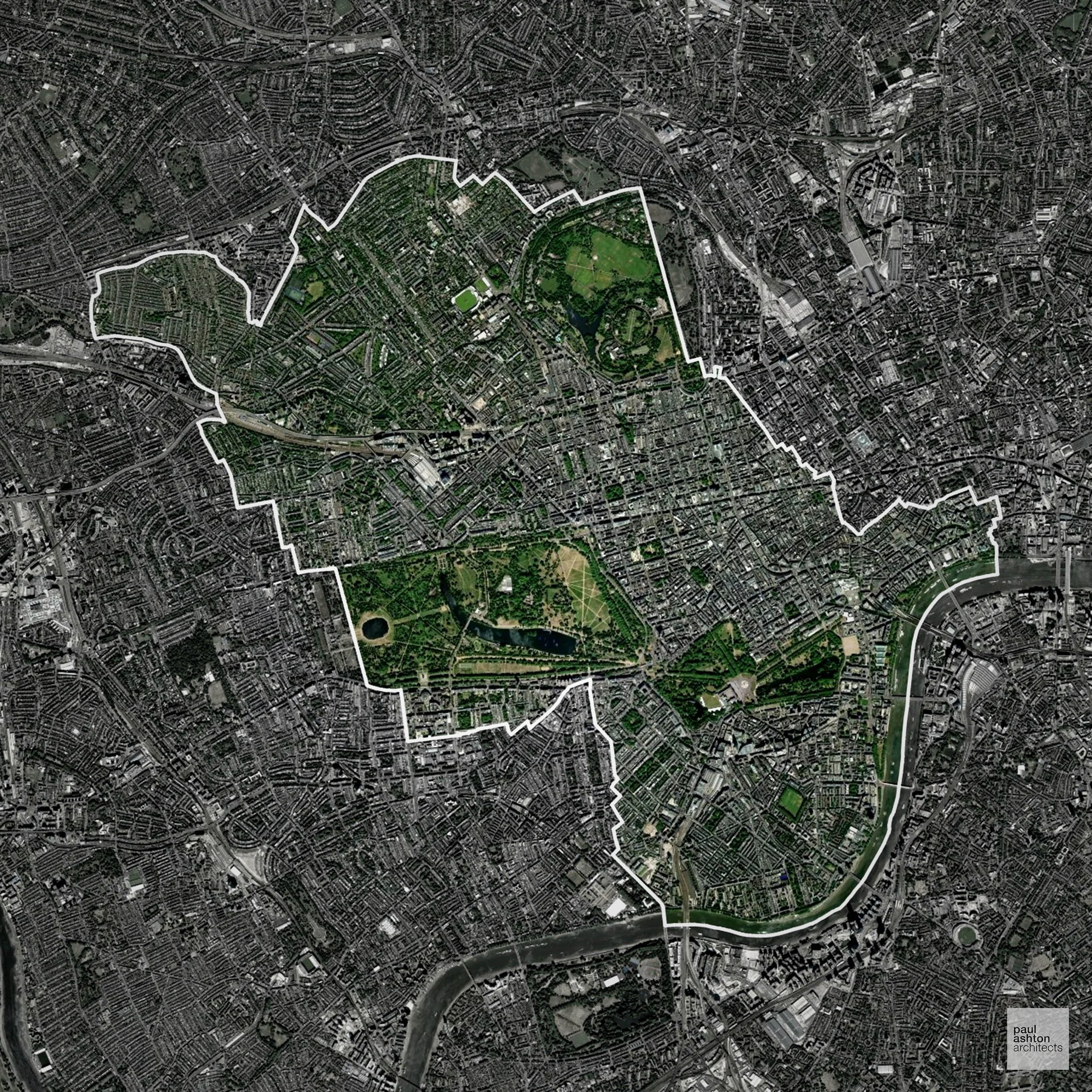
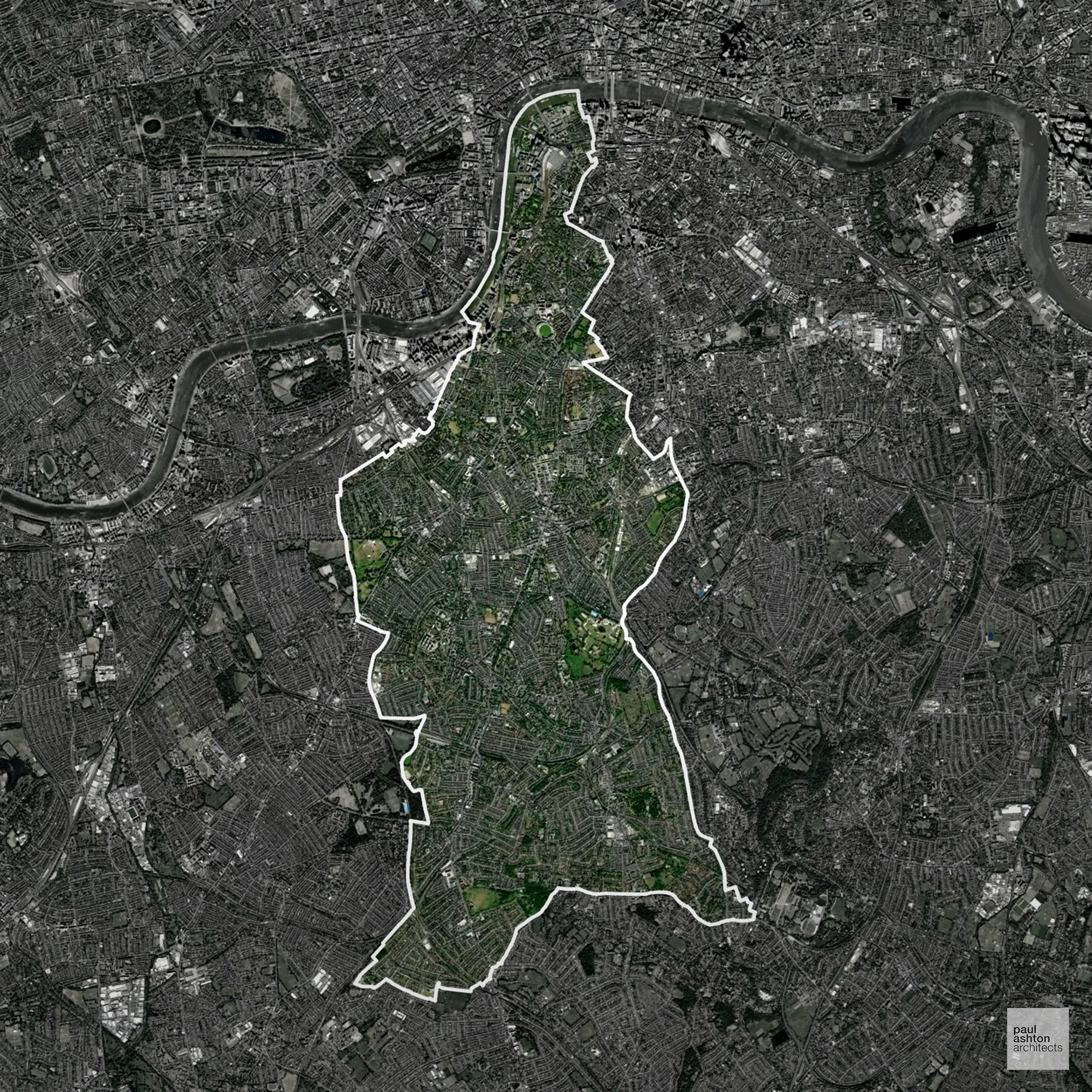
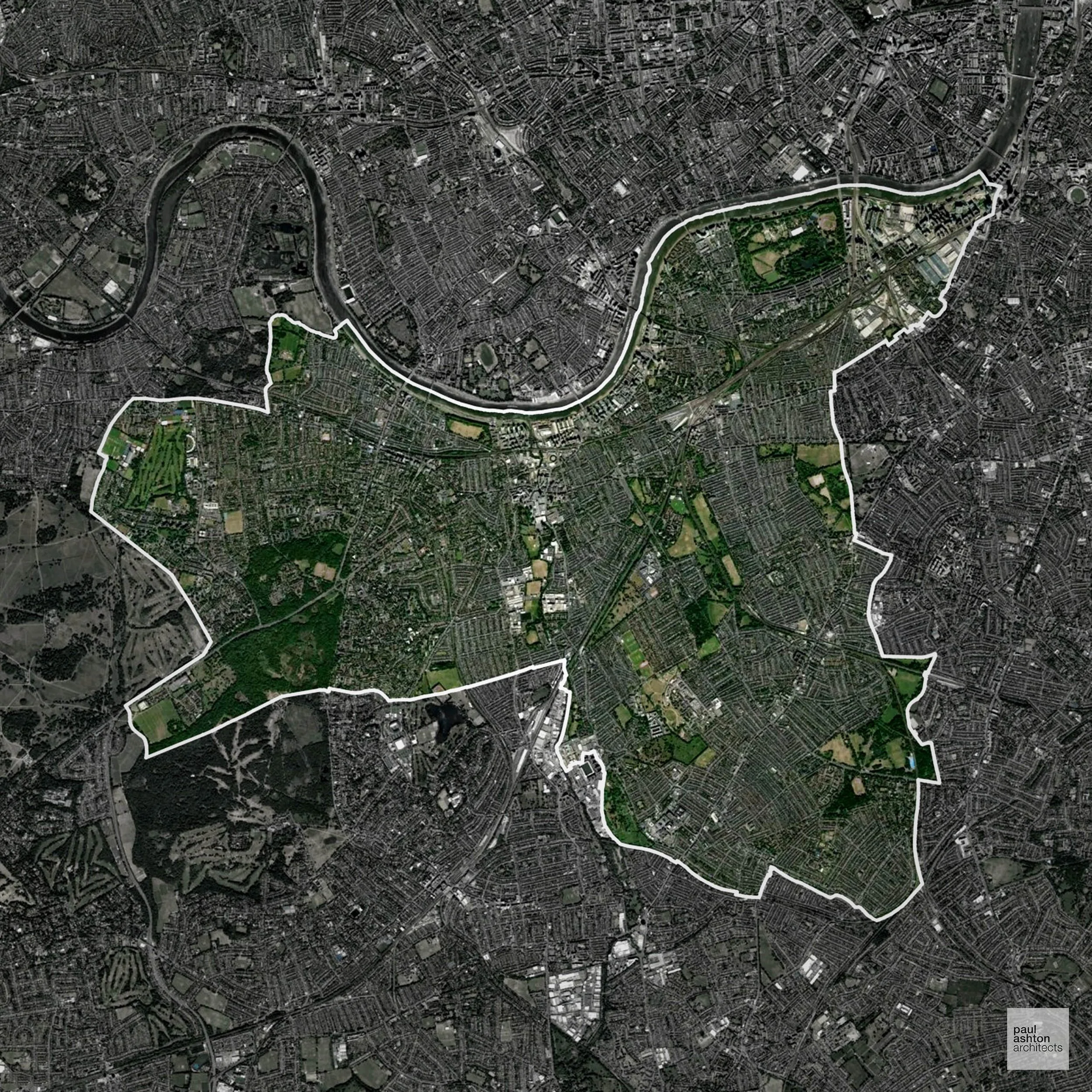
Westminster includes the city centre, Marylebone, and Mayfair. Planning focuses on urban regeneration, heritage streets, and high-density development. Known for government buildings, historic streets, and cultural hubs, planning balances residential, commercial, and conversion projects. We can advise and support projects throughout Westminster.
In the last year Westminster decided 4,828 applications which is well above the national average of 988. The approval rate was 86% (roughly equal to the national average of 88%) and 74% of applications were decided on time, (significantly above the national average of 59%). Stats updated March 2026 from gov. sources. See how Westminster performs relative to other LPAs in our LPA hub.
"We love helping clients win Planning Permission in Westminster"
Conservation and Listed Buildings in Westminster
Westminster has one of the most sensitive historic environments in the UK, with an exceptional concentration of listed buildings and extensive Conservation Areas. Heritage constraints are particularly pronounced within the Mayfair Conservation Area and St James’s Conservation Area, where formal townscape, uniform terraces, and historic squares define character.
Development proposals are subject to intense scrutiny in relation to scale, views, and the setting of nationally significant assets such as Palace of Westminster, with Planning Permission typically requiring an exceptionally high-quality, context-led design response.One of the top reasons heritage building applications are refused is causing harm to historic significance, a risk that can arise when proposals are not prepared by a consultant with heritage expertise. We help minimise this risk with expert, site-specific guidance; contact us here.
Planning Applications in Westminster
In addition to acting as Planing Conultants we are ARB registered architects with 25+ years of experience. Our planning proposals are creatively tailored to each site to maximise potential and improve planning outcomes. We use the following tried and tested process to guide clients in Westminster through planning to completion:
- Stage 1: Site Appraisals & Planning Strategy Advice
- Stage 2: Feasibility Studies & Concept Designs
- Stage 3: Planning Application Packages
- Architectural Drawing Packages
- Planning Statements & Design and Access Statements
- Coordination of Consultant Reports
- Direct Liaison with Planning Officers
- Stage 4: Technical Design
- Discharge of Planning Conditions
- Building Regulations and Construction Packages
Planning Services We Offer in Westminster
- Full Planning Applications: Commercial, new buildings, changes of use.
- Householder Planning Applications: Domestic extensions / garden structures.
- Listed Building Consent: Alterations / repairs to listed buildings.
- Conservation Area Consent: Developments within Conservation Areas.
- Lawful Development Certificates: Confirming existing / completed works are lawful.
- Validation Requirements: Gathering documentation to ensure applications are validated by Westminster LPA.
Creative Planning Advice in Westminster
We collaborate closely with our clients to develop designs that respond to local character and align with Planning Policy, helping to maximise the likelihood of securing Planning Permission in Westminster.
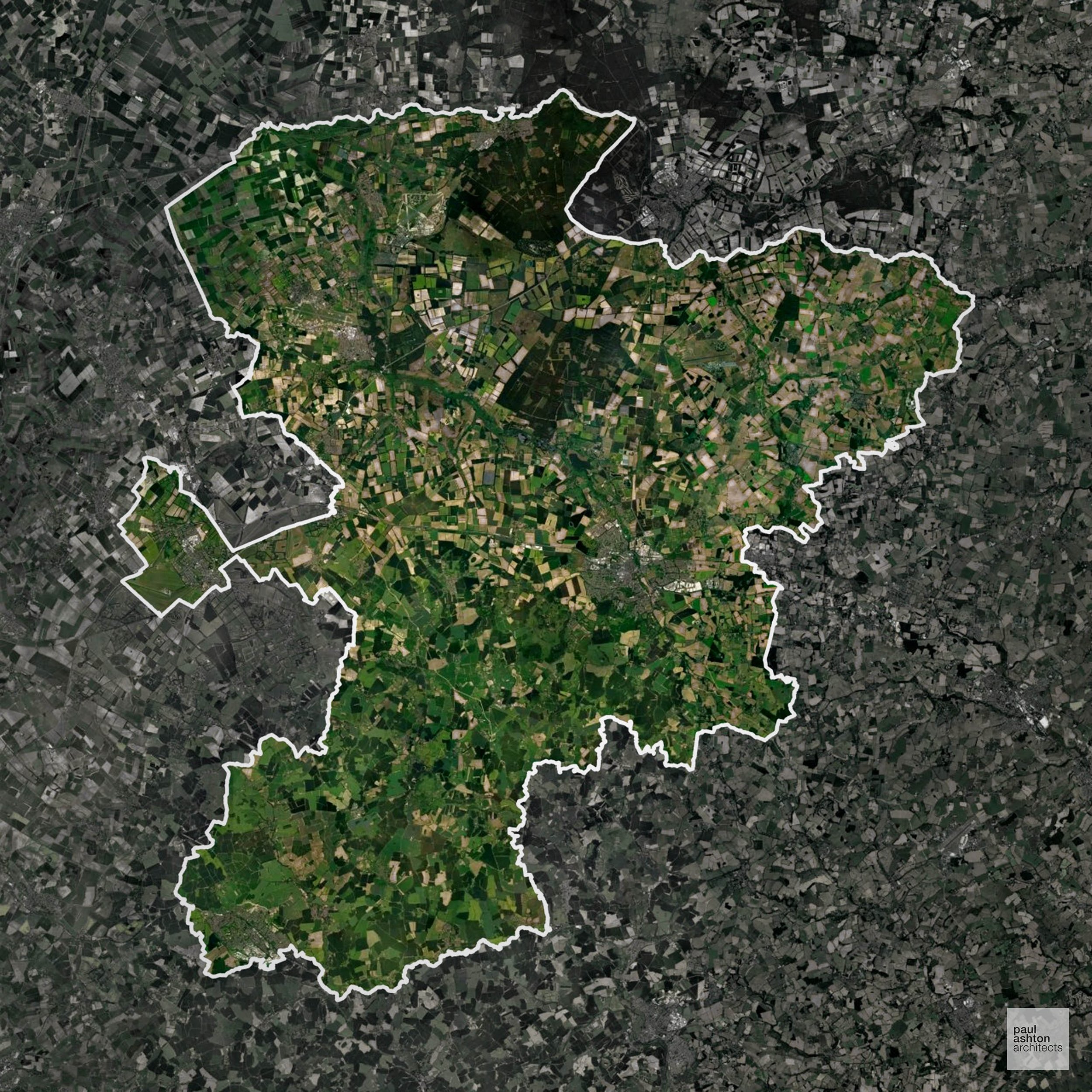
West Suffolk includes Bury St Edmunds, Haverhill, and Newmarket. Planning focusea on historic towns, villages, and rural landscapes. Known for heritage streets, market towns, and cultural sites, planning supports residential, commercial, and conversion projects. We can advise and support projects across West Suffolk.
In the last year West Suffolk decided 1,042 applications which is just above the national average of 988. The approval rate was 91% (roughly equal to the national average of 88%) and 53% of applications were decided on time, (significantly below the national average of 59%). Stats updated March 2026 from gov. sources. See how West Suffolk performs relative to other LPAs in our LPA hub.
"We love helping clients win Planning Permission in West Suffolk"
Development in the Open Countryside
The Open Countryside is generally defined as land outside settlement and Green Belt boundaries, often comprising agricultural or natural land. Development, particularly standard residential development, is usually restricted in Open Countryside.
West Suffolk includes historic open countryside around Lakenheath and Bury St Edmunds, with sensitive landscapes where development is restricted.
One of the top reasons poorly prepared proposals in the Open Countryside are refused is that they fail to demonstrate a policy-supported need. To minimise that risk with bespoke advice contact us here.
Planning Applications in West Suffolk
Alongside acting as Planning Consultants we are ARB registered architects with 25+ years of experience. We use the following proven work stages to guide clients in West Suffolk through the planning process in order to maximise the potential of their development :
- Stage 1: Site Appraisals & Planning Strategy Advice
- Stage 2: Feasibility Studies & Concept Designs
- Stage 3: Planning Application Packages
- Architectural Drawing Packages
- Planning Statements & Design and Access Statements
- Coordination of Consultant Reports
- Direct Liaison with Planning Officers
- Stage 4: Technical Design
- Discharge of Planning Conditions
- Building Regulations and Construction Packages
Planning Services We Offer in West Suffolk
- Full Planning Applications: Commercial, new buildings, changes of use.
- Householder Planning Applications: Domestic extensions / garden structures.
- Listed Building Consent: Alterations / repairs to listed buildings.
- Conservation Area Consent: Developments within Conservation Areas.
- Lawful Development Certificates: Confirming existing / completed works are lawful.
- Validation Requirements: Gathering documentation to ensure applications are validated by West Suffolk LPA.
Creative Planning Advice in West Suffolk
We collaborate closely with our clients to develop designs that respond to local character and align with Planning Policy, helping to maximise the likelihood of securing Planning Permission in West Suffolk.
West Oxfordshire includes Witney, Chipping Norton, and Carterton. About 2.3% of the district is Green Belt, framing minor settlement edges. Known for historic towns, heritage buildings, and scenic villages, planning focuses on residential, commercial, and conversion projects. We can advise and support projects throughout West Oxfordshire.
In the last year West Oxfordshire decided 1,147 applications which is just above the national average of 988. The approval rate was 95% (marginally above the national average of 88%) and 63% of applications were decided on time, (slightly above the national average of 59%). Stats updated March 2026 from gov. sources. See how West Oxfordshire performs relative to other LPAs in our LPA hub.
"We love helping clients win Planning Permission in West Oxfordshire"
Areas of Outstanding Natural Beauty in West Oxfordshire
Areas of Outstanding Natural Beauty (AONBs), (now often referred to as National Landscapes), are protected areas recognised for their exceptional scenic and natural value. For developers, this means that planning proposals within these areas are carefully scrutinised, with a strong presumption against inappropriate development.
West Oxfordshire includes part of the Cotswolds AONB. Development proposals must consider landscape and heritage impacts.
In our experience, one of the top reasons proposals in Areas of Outstanding Natural Beauty are refused is causing landscape harm or visual intrusion, a risk that often arises when applications are not fully informed. We help minimise the likelihood of refusal with expert, guidance; contact us here.
Green Belt Approvals in West Oxfordshire
The Green Belt is a policy protecting land around many English towns and cities, where development is tightly controlled to safeguard the open countryside.
2.3% of West Oxfordshire is within the Green Belt and proposals in these areas can be subject to reasonable levels of scrutiny.
The West Oxfordshire Green Belt protects the eastern edge of the district, including villages such as Eynsham, Cassington, and Woodstock, preserving the setting of Blenheim Palace, historic parkland, and open countryside, which are highly sensitive to development pressure from Oxford.
In our experience, one of the top reasons poorly conceived Green Belt proposals are refused is causing 'harm to openness'. We can lower the risk of refusal with site-specific guidance. Contact us here.
You can also check whether your land is within the Green Belt using our interactive Green Belt map.
Development in the Open Countryside
Open Countryside within West Oxfordshire refers to land situated outside built-up areas and Green Belt boundaries, typically comprising farmland or natural landscapes. Residential development is generally restricted unless special circumstances can be demonstrated.
West Oxfordshire incorporates Cotswold escarpments and rolling farmland, areas of high scenic and ecological importance.
One of the top reasons poorly prepared proposals in the Open Countryside are refused is that they fail to demonstrate a policy-supported need. To minimise that risk with bespoke advice contact us here.
Planning Applications in West Oxfordshire
As well as acting as Planning Consultants we are ARB registered architects with over 25 years’ experience. Our site-specific planning proposals balance creativity with strategic insight. We use the following field-tested work stages to help clients in West Oxfordshire achieve successful planning outcomes:
- Stage 1: Site Appraisals & Planning Strategy Advice
- Stage 2: Feasibility Studies & Concept Designs
- Stage 3: Planning Application Packages
- Architectural Drawing Packages
- Planning Statements & Design and Access Statements
- Coordination of Consultant Reports
- Direct Liaison with Planning Officers
- Stage 4: Technical Design
- Discharge of Planning Conditions
- Building Regulations and Construction Packages
Planning Services We Offer in West Oxfordshire
- Full Planning Applications: Commercial, new buildings, changes of use.
- Householder Planning Applications: Domestic extensions / garden structures.
- Listed Building Consent: Alterations / repairs to listed buildings.
- Conservation Area Consent: Developments within Conservation Areas.
- Lawful Development Certificates: Confirming existing / completed works are lawful.
- Validation Requirements: Gathering documentation to ensure applications are validated by West Oxfordshire LPA.
Planning Permissions We’ve Won in West Oxfordshire
- Householder Planning Application: New access from Public Highway in Long Hanborough. →
Contextual Planning Support in West Oxfordshire
We work collaboratively with clients and shape a design that respects local character and meets Planning Policy requirements in order to maximise your chances of winning Planning Permission.
"Paul Ashton was excellent in handling my planning permission with West Oxfordshire County Council. He was professional, efficient and communicative. I have no hesitation in recommending his services." - Lucy Linczyc >
West Northamptonshire includes Northampton, Daventry, and Towcester. Planning focuses on urban growth, historic towns, and residential extensions. Known for market towns, heritage streets, and industrial areas, planning balances residential, commercial, and conversion projects. We can advise and support projects across West Northamptonshire.
In the last year West Northamptonshire decided 1,812 applications which is well above the national average of 988. The approval rate was 90% (roughly equal to the national average of 88%) and 25% of applications were decided on time, (significantly below the national average of 59%). Stats updated March 2026 from gov. sources. See how West Northamptonshire performs relative to other LPAs in our LPA hub.
"We love helping clients win Planning Permission in West Northamptonshire"
Development in the Open Countryside
The Open Countryside is generally defined as land outside settlement and Green Belt boundaries, often comprising agricultural or natural land. Development, particularly standard residential development, is usually restricted in Open Countryside.
West Northamptonshire contains rural villages and Nene and Welland valley countryside, where new development is tightly controlled.
One of the top reasons poorly prepared proposals in the Open Countryside are refused is that they fail to demonstrate a policy-supported need. To minimise that risk with bespoke advice contact us here.
Planning Applications in West Northamptonshire
In addition to acting as Planing Conultants we are ARB registered architects with 25+ years of experience. Our planning proposals are creatively tailored to each site to maximise potential and improve planning outcomes. We use the following tried and tested process to guide clients in West Northamptonshire through planning to completion:
- Stage 1: Site Appraisals & Planning Strategy Advice
- Stage 2: Feasibility Studies & Concept Designs
- Stage 3: Planning Application Packages
- Architectural Drawing Packages
- Planning Statements & Design and Access Statements
- Coordination of Consultant Reports
- Direct Liaison with Planning Officers
- Stage 4: Technical Design
- Discharge of Planning Conditions
- Building Regulations and Construction Packages
Planning Services We Offer in West Northamptonshire
- Full Planning Applications: Commercial, new buildings, changes of use.
- Householder Planning Applications: Domestic extensions / garden structures.
- Listed Building Consent: Alterations / repairs to listed buildings.
- Conservation Area Consent: Developments within Conservation Areas.
- Lawful Development Certificates: Confirming existing / completed works are lawful.
- Validation Requirements: Gathering documentation to ensure applications are validated by West Northamptonshire LPA.
Contextual Planning Support in West Northamptonshire
We work collaboratively with clients and shape a design that respects local character and meets Planning Policy requirements in order to maximise your chances of winning Planning Permission.
West Lindsey in Lincolnshire includes Gainsborough, Market Rasen, and Caistor. Planning focuses on market towns, villages, and rural areas. Known for heritage buildings, historic streets, and scenic landscapes, planning supports residential, commercial, and conversion projects. We can advise and support projects throughout West Lindsey.
In the last year West Lindsey decided 562 applications which is well below the national average of 988. The approval rate was 93% (marginally above the national average of 88%) and 55% of applications were decided on time, (slightly below the national average of 59%). Stats updated March 2026 from gov. sources. See how West Lindsey performs relative to other LPAs in our LPA hub.
"We love helping clients win Planning Permission in West Lindsey"
Development in the Open Countryside
West Lindsey includes areas classed as Open Countryside, generally encompassing land beyond settlements and Green Belt zones, often used for agriculture or left as natural landscapes. Development in these areas is tightly controlled, with standard residential proposals rarely permitted.
West Lindsey includes the Lincolnshire Wolds and surrounding open farmland, sensitive to development due to landscape and ecological value.
One of the top reasons poorly prepared proposals in the Open Countryside are refused is that they fail to demonstrate a policy-supported need. To minimise that risk with bespoke advice contact us here.
Planning Applications in West Lindsey
As well as acting as Planning Consultants we are ARB registered architects with over 25 years’ experience. Our site-specific planning proposals balance creativity with strategic insight. We use the following field-tested work stages to help clients in West Lindsey achieve successful planning outcomes:
- Stage 1: Site Appraisals & Planning Strategy Advice
- Stage 2: Feasibility Studies & Concept Designs
- Stage 3: Planning Application Packages
- Architectural Drawing Packages
- Planning Statements & Design and Access Statements
- Coordination of Consultant Reports
- Direct Liaison with Planning Officers
- Stage 4: Technical Design
- Discharge of Planning Conditions
- Building Regulations and Construction Packages
Planning Services We Offer in West Lindsey
- Full Planning Applications: Commercial, new buildings, changes of use.
- Householder Planning Applications: Domestic extensions / garden structures.
- Listed Building Consent: Alterations / repairs to listed buildings.
- Conservation Area Consent: Developments within Conservation Areas.
- Lawful Development Certificates: Confirming existing / completed works are lawful.
- Validation Requirements: Gathering documentation to ensure applications are validated by West Lindsey LPA.
Contextual Planning Support in West Lindsey
We work collaboratively with clients and shape a design that respects local character and meets Planning Policy requirements in order to maximise your chances of winning Planning Permission.
West Lancashire includes Ormskirk, Skelmersdale, and Burscough. About 89.5% of the district is Green Belt, shaping settlement edges and protecting surrounding villages. Known for market towns, historic streets, and rural landscapes, planning focuses on residential, commercial, and conversion projects. We can advise and support projects across West Lancashire.
In the last year West Lancashire decided 578 applications which is well below the national average of 988. The approval rate was 83% (slightly below the national average of 88%) and 43% of applications were decided on time, (significantly below the national average of 59%). Stats updated March 2026 from gov. sources. See how West Lancashire performs relative to other LPAs in our LPA hub.
"We love helping clients win Planning Permission in West Lancashire"
Conservation and Listed Buildings in West Lancashire
West Lancashire has a predominantly rural historic environment, with several Conservation Areas and a number of listed buildings across its towns and villages. Heritage constraints are particularly evident within the Ormskirk Conservation Area and Parbold Conservation Area, where historic street patterns, vernacular buildings, and village character define local identity.
One of the top reasons heritage building applications are refused is causing harm to historic significance, a risk that can arise when proposals are not prepared by a consultant with heritage expertise. We help minimise this risk with expert, site-specific guidance; contact us here.
Green Belt Approvals in West Lancashire
The Green Belt is nationally designated land around towns and cities, created to limit urban growth.
Significantly, 89.5% of West Lancashire is within the Green Belt and proposals in these areas can be subject to very high levels of scrutiny.
Almost the whole of West Lancashire is within the Green Belt, with sensitivities particularly around Ormskirk and Skelmersdale, where development pressure to meet housing need is constrained by rural character and agricultural land priorities.
In our experience, one of the top reasons poorly conceived Green Belt proposals are refused is causing 'harm to openness'. We can lower the risk of refusal with site-specific guidance. Contact us here.
You can also check whether your land is within the Green Belt using our interactive Green Belt map.
Development in the Open Countryside
Open Countryside within West Lancashire refers to land situated outside built-up areas and Green Belt boundaries, typically comprising farmland or natural landscapes. Residential development is generally restricted unless special circumstances can be demonstrated.
West Lancashire's rural landscapes span the West Lancashire Plain, mosslands around Burscough and Rufford, and the Martin Mere wetlands, where agricultural and ecological designations limit development.
One of the top reasons poorly prepared proposals in the Open Countryside are refused is that they fail to demonstrate a policy-supported need. To minimise that risk with bespoke advice contact us here.
Flood Risk in West Lancashire
In some areas of the LPA, flood risk plays a key role in determining planning proposals. Low-lying coastal mosslands, the River Alt corridor, and proximity to the Ribble Estuary place extensive areas of the district in Flood Zone 3, a significant constraint on growth in rural and semi-rural settlements. Where constraints permit, we can develop proposals that manage flood risk thoughtfully to give applications the best chance of approval.
Planning Applications in West Lancashire
As well as acting as Planning Consultants we are ARB registered architects with over 25 years’ experience. Our site-specific planning proposals balance creativity with strategic insight. We use the following field-tested work stages to help clients in West Lancashire achieve successful planning outcomes:
- Stage 1: Site Appraisals & Planning Strategy Advice
- Stage 2: Feasibility Studies & Concept Designs
- Stage 3: Planning Application Packages
- Architectural Drawing Packages
- Planning Statements & Design and Access Statements
- Coordination of Consultant Reports
- Direct Liaison with Planning Officers
- Stage 4: Technical Design
- Discharge of Planning Conditions
- Building Regulations and Construction Packages
Planning Services We Offer in West Lancashire
- Full Planning Applications: Commercial, new buildings, changes of use.
- Householder Planning Applications: Domestic extensions / garden structures.
- Listed Building Consent: Alterations / repairs to listed buildings.
- Conservation Area Consent: Developments within Conservation Areas.
- Lawful Development Certificates: Confirming existing / completed works are lawful.
- Validation Requirements: Gathering documentation to ensure applications are validated by West Lancashire LPA.
Planning Permissions We’ve Won in West Lancashire
- Full Planning Application: Green Belt extension to historic character dwelling on Cleeves Hill, Aughton. →
- Full Planning Application: Green Belt extension to existing canalside dwelling in Haskayne. →
- Condition Discharge Application: Student accommodation in Ormskirk town centre →
Design-Led Planning Advice in West Lancashire
We can review your site in West Lancashire and offer informed guidance on how proposals can be developed in order to maximise your chances of securing Planning Permission.
"Paul Ashton helped us secure Planning Permission for a new-build house on a Green Belt site in West Lancashire. His guidance through the planning process was clear and professional. We would highly recommend his services." - John Showering >
West Devon includes Tavistock, Okehampton, and Hatherleigh. Planning focuses on historic towns, rural villages, and countryside development. Known for heritage buildings, market towns, and scenic landscapes, planning balances residential, commercial, and conversion projects with conservation. We can advise and support projects throughout West Devon.
In the last year West Devon decided 355 applications which is well below the national average of 988. The approval rate was 85% (roughly equal to the national average of 88%) and 65% of applications were decided on time, (slightly above the national average of 59%). Stats updated March 2026 from gov. sources. See how West Devon performs relative to other LPAs in our LPA hub.
"We love helping clients win Planning Permission in West Devon"
Development in the Open Countryside
West Devon includes areas classed as Open Countryside, generally encompassing land beyond settlements and Green Belt zones, often used for agriculture or left as natural landscapes. Development in these areas is tightly controlled, with standard residential proposals rarely permitted.
West Devon encompasses Dartmoor National Park and surrounding moorlands, with strict restrictions on new development to protect natural and cultural heritage.
One of the top reasons poorly prepared proposals in the Open Countryside are refused is that they fail to demonstrate a policy-supported need. To minimise that risk with bespoke advice contact us here.
Planning Applications in West Devon
As well as acting as Planning Consultants we are ARB registered architects with over 25 years’ experience. Our site-specific planning proposals balance creativity with strategic insight. We use the following field-tested work stages to help clients in West Devon achieve successful planning outcomes:
- Stage 1: Site Appraisals & Planning Strategy Advice
- Stage 2: Feasibility Studies & Concept Designs
- Stage 3: Planning Application Packages
- Architectural Drawing Packages
- Planning Statements & Design and Access Statements
- Coordination of Consultant Reports
- Direct Liaison with Planning Officers
- Stage 4: Technical Design
- Discharge of Planning Conditions
- Building Regulations and Construction Packages
Planning Services We Offer in West Devon
- Full Planning Applications: Commercial, new buildings, changes of use.
- Householder Planning Applications: Domestic extensions / garden structures.
- Listed Building Consent: Alterations / repairs to listed buildings.
- Conservation Area Consent: Developments within Conservation Areas.
- Lawful Development Certificates: Confirming existing / completed works are lawful.
- Validation Requirements: Gathering documentation to ensure applications are validated by West Devon LPA.
Creative Planning Advice in West Devon
We collaborate closely with our clients to develop designs that respond to local character and align with Planning Policy, helping to maximise the likelihood of securing Planning Permission in West Devon.
West Berkshire includes Newbury, Thatcham, and Hungerford. Planning focuses on market towns, villages, and rural landscapes. Known for historic streets, heritage buildings, and scenic villages, planning supports residential, commercial, and conversion projects. We can advise and support projects across West Berkshire.
In the last year West Berkshire decided 1,141 applications which is just above the national average of 988. The approval rate was 90% (roughly equal to the national average of 88%) and 50% of applications were decided on time, (significantly below the national average of 59%). Stats updated March 2026 from gov. sources. See how West Berkshire performs relative to other LPAs in our LPA hub.
"We love helping clients win Planning Permission in West Berkshire"
Development in the Open Countryside
Open Countryside within West Berkshire refers to land situated outside built-up areas and Green Belt boundaries, typically comprising farmland or natural landscapes. Residential development is generally restricted unless special circumstances can be demonstrated.
West Berkshire contains North Wessex Downs AONB and open river valleys, where development is limited to conserve landscape character.
One of the top reasons poorly prepared proposals in the Open Countryside are refused is that they fail to demonstrate a policy-supported need. To minimise that risk with bespoke advice contact us here.
Nutrient Neutrality in West Berkshire
Nutrient Neutrality ensures new developments do not increase harmful nitrogen or phosphorus levels in sensitive waterways. West Berkshire contains the River Lambourn SAC, a small designated sensitive catchment where phosphorus neutrality is required; the rural and small-scale nature of the catchment means bespoke on-site mitigation is often the only viable option. Unfortunately, Nutrient Neutrality can halt development completely. If you need early-stage, project-specific advice contact us here.
Planning Applications in West Berkshire
In addition to acting as Planing Conultants we are ARB registered architects with 25+ years of experience. Our planning proposals are creatively tailored to each site to maximise potential and improve planning outcomes. We use the following tried and tested process to guide clients in West Berkshire through planning to completion:
- Stage 1: Site Appraisals & Planning Strategy Advice
- Stage 2: Feasibility Studies & Concept Designs
- Stage 3: Planning Application Packages
- Architectural Drawing Packages
- Planning Statements & Design and Access Statements
- Coordination of Consultant Reports
- Direct Liaison with Planning Officers
- Stage 4: Technical Design
- Discharge of Planning Conditions
- Building Regulations and Construction Packages
Planning Services We Offer in West Berkshire
- Full Planning Applications: Commercial, new buildings, changes of use.
- Householder Planning Applications: Domestic extensions / garden structures.
- Listed Building Consent: Alterations / repairs to listed buildings.
- Conservation Area Consent: Developments within Conservation Areas.
- Lawful Development Certificates: Confirming existing / completed works are lawful.
- Validation Requirements: Gathering documentation to ensure applications are validated by West Berkshire LPA.
Contextual Planning Support in West Berkshire
We work collaboratively with clients and shape a design that respects local character and meets Planning Policy requirements in order to maximise your chances of winning Planning Permission.
Welwyn Hatfield includes Welwyn Garden City, Hatfield, and Cuffley. About 76.7% of the borough is Green Belt, framing settlements and protecting surrounding villages. Known for heritage buildings, historic streets, and garden city layouts, planning balances residential, commercial, and conversion projects with conservation. We can advise and support projects throughout Welwyn Hatfield.
In the last year Welwyn Hatfield decided 630 applications which is well below the national average of 988. The approval rate was 88% (roughly equal to the national average of 88%) and 49% of applications were decided on time, (significantly below the national average of 59%). Stats updated March 2026 from gov. sources. See how Welwyn Hatfield performs relative to other LPAs in our LPA hub.
"We love helping clients win Planning Permission in Welwyn Hatfield"
Green Belt Approvals in Welwyn Hatfield
The Green Belt is a policy protecting land around many English towns and cities, where development is tightly controlled to safeguard the open countryside.
Significantly, 76.7% of Welwyn Hatfield is within the Green Belt and proposals in these areas can be subject to high levels of scrutiny.
The Green Belt near Welwyn Garden City and Hatfield tightly controls growth to maintain open land and prevent urban coalescence.
In our experience, one of the top reasons poorly conceived Green Belt proposals are refused is causing 'harm to openness'. We can lower the risk of refusal with site-specific guidance. Contact us here.
You can also check whether your land is within the Green Belt using our interactive Green Belt map.
Planning Applications in Welwyn Hatfield
Alongside acting as Planning Consultants we are ARB registered architects with 25+ years of experience. We use the following proven work stages to guide clients in Welwyn Hatfield through the planning process in order to maximise the potential of their development :
- Stage 1: Site Appraisals & Planning Strategy Advice
- Stage 2: Feasibility Studies & Concept Designs
- Stage 3: Planning Application Packages
- Architectural Drawing Packages
- Planning Statements & Design and Access Statements
- Coordination of Consultant Reports
- Direct Liaison with Planning Officers
- Stage 4: Technical Design
- Discharge of Planning Conditions
- Building Regulations and Construction Packages
Planning Services We Offer in Welwyn Hatfield
- Full Planning Applications: Commercial, new buildings, changes of use.
- Householder Planning Applications: Domestic extensions / garden structures.
- Listed Building Consent: Alterations / repairs to listed buildings.
- Conservation Area Consent: Developments within Conservation Areas.
- Lawful Development Certificates: Confirming existing / completed works are lawful.
- Validation Requirements: Gathering documentation to ensure applications are validated by Welwyn Hatfield LPA.
Creative Planning Advice in Welwyn Hatfield
We collaborate closely with our clients to develop designs that respond to local character and align with Planning Policy, helping to maximise the likelihood of securing Planning Permission in Welwyn Hatfield.
Wealden in East Sussex includes Uckfield, Crowborough, and Hailsham. Planning focuses on historic towns, villages, and rural landscapes. Known for heritage buildings, market towns, and scenic villages, planning supports residential, commercial, and conversion projects. We can advise and support projects across Wealden.
In the last year Wealden decided 1,401 applications which is well above the national average of 988. The approval rate was 84% (roughly equal to the national average of 88%) and 60% of applications were decided on time, (on par with the national average of 59%). Stats updated March 2026 from gov. sources. See how Wealden performs relative to other LPAs in our LPA hub.
"We love helping clients win Planning Permission in Wealden"
Development in the Open Countryside
The Open Countryside is generally defined as land outside settlement and Green Belt boundaries, often comprising agricultural or natural land. Development, particularly standard residential development, is usually restricted in Open Countryside.
Wealden includes Ashdown Forest and surrounding rural landscapes, with high sensitivity to development due to ecological and scenic importance.
One of the top reasons poorly prepared proposals in the Open Countryside are refused is that they fail to demonstrate a policy-supported need. To minimise that risk with bespoke advice contact us here.
Flood Risk in Wealden
In some areas of the LPA, flood risk plays a key role in determining planning proposals. The Pevensey Levels, one of the largest areas of low-lying wetland in the South East, together with the Cuckmere and Rother valleys, place substantial areas of the district within Flood Zone 3. Where constraints permit, we can develop proposals that manage flood risk thoughtfully to give applications the best chance of approval.
Planning Applications in Wealden
Alongside acting as Planning Consultants we are ARB registered architects with 25+ years of experience. We use the following proven work stages to guide clients in Wealden through the planning process in order to maximise the potential of their development :
- Stage 1: Site Appraisals & Planning Strategy Advice
- Stage 2: Feasibility Studies & Concept Designs
- Stage 3: Planning Application Packages
- Architectural Drawing Packages
- Planning Statements & Design and Access Statements
- Coordination of Consultant Reports
- Direct Liaison with Planning Officers
- Stage 4: Technical Design
- Discharge of Planning Conditions
- Building Regulations and Construction Packages
Planning Services We Offer in Wealden
- Full Planning Applications: Commercial, new buildings, changes of use.
- Householder Planning Applications: Domestic extensions / garden structures.
- Listed Building Consent: Alterations / repairs to listed buildings.
- Conservation Area Consent: Developments within Conservation Areas.
- Lawful Development Certificates: Confirming existing / completed works are lawful.
- Validation Requirements: Gathering documentation to ensure applications are validated by Wealden LPA.
Contextual Planning Support in Wealden
We work collaboratively with clients and shape a design that respects local character and meets Planning Policy requirements in order to maximise your chances of winning Planning Permission.
Waverley in Surrey includes Farnham, Godalming, and Haslemere. About 60.4% of the borough is Green Belt, shaping settlement edges and protecting rural villages. Known for historic towns, heritage streets, and scenic villages, planning focuses on residential, commercial, and conversion projects. We can advise and support projects throughout Waverley.
In the last year Waverley decided 1,377 applications which is well above the national average of 988. The approval rate was 87% (roughly equal to the national average of 88%) and 67% of applications were decided on time, (significantly above the national average of 59%). Stats updated March 2026 from gov. sources. See how Waverley performs relative to other LPAs in our LPA hub.
"We love helping clients win Planning Permission in Waverley"
Green Belt Approvals in Waverley
The Green Belt is a policy protecting land around many English towns and cities, where development is tightly controlled to safeguard the open countryside.
Significantly, 60.4% of Waverley is within the Green Belt and proposals in these areas can be subject to high levels of scrutiny.
The Green Belt around Godalming, Farnham, and Haslemere restricts development to protect Surrey Hills landscapes and village separation.
In our experience, one of the top reasons poorly conceived Green Belt proposals are refused is causing 'harm to openness'. We can lower the risk of refusal with site-specific guidance. Contact us here.
You can also check whether your land is within the Green Belt using our interactive Green Belt map.
Development in the Open Countryside
Open Countryside within Waverley refers to land situated outside built-up areas and Green Belt boundaries, typically comprising farmland or natural landscapes. Residential development is generally restricted unless special circumstances can be demonstrated.
Waverley encompasses parts of the Surrey Hills AONB, including open heathland and wooded valleys, where development is tightly controlled.
One of the top reasons poorly prepared proposals in the Open Countryside are refused is that they fail to demonstrate a policy-supported need. To minimise that risk with bespoke advice contact us here.
Planning Applications in Waverley
Alongside acting as Planning Consultants we are ARB registered architects with 25+ years of experience. We use the following proven work stages to guide clients in Waverley through the planning process in order to maximise the potential of their development :
- Stage 1: Site Appraisals & Planning Strategy Advice
- Stage 2: Feasibility Studies & Concept Designs
- Stage 3: Planning Application Packages
- Architectural Drawing Packages
- Planning Statements & Design and Access Statements
- Coordination of Consultant Reports
- Direct Liaison with Planning Officers
- Stage 4: Technical Design
- Discharge of Planning Conditions
- Building Regulations and Construction Packages
Planning Services We Offer in Waverley
- Full Planning Applications: Commercial, new buildings, changes of use.
- Householder Planning Applications: Domestic extensions / garden structures.
- Listed Building Consent: Alterations / repairs to listed buildings.
- Conservation Area Consent: Developments within Conservation Areas.
- Lawful Development Certificates: Confirming existing / completed works are lawful.
- Validation Requirements: Gathering documentation to ensure applications are validated by Waverley LPA.
Contextual Planning Support in Waverley
We work collaboratively with clients and shape a design that respects local character and meets Planning Policy requirements in order to maximise your chances of winning Planning Permission.
Watford includes the town centre, Cassiobury, and Garston. About 17.8% of the borough is Green Belt, framing minor urban edges. Known for heritage buildings, market streets, and suburban communities, planning balances residential, commercial, and conversion projects. We can advise and support projects across Watford.
In the last year Watford decided 522 applications which is well below the national average of 988. The approval rate was 79% (slightly below the national average of 88%) and 80% of applications were decided on time, (significantly above the national average of 59%). Stats updated March 2026 from gov. sources. See how Watford performs relative to other LPAs in our LPA hub.
"We love helping clients win Planning Permission in Watford"
Green Belt Approvals in Watford
The Green Belt is a policy protecting land around many English towns and cities, where development is tightly controlled to safeguard the open countryside.
17.8% of Watford is within the Green Belt and proposals in these areas can be subject to high levels of scrutiny.
The Watford Green Belt protects farmland, parkland, and village edges near Rickmansworth and Chorleywood, sensitive to housing and urban expansion.
In our experience, one of the top reasons poorly conceived Green Belt proposals are refused is causing 'harm to openness'. We can lower the risk of refusal with site-specific guidance. Contact us here.
You can also check whether your land is within the Green Belt using our interactive Green Belt map.
Planning Applications in Watford
As well as acting as Planning Consultants we are ARB registered architects with over 25 years’ experience. Our site-specific planning proposals balance creativity with strategic insight. We use the following field-tested work stages to help clients in Watford achieve successful planning outcomes:
- Stage 1: Site Appraisals & Planning Strategy Advice
- Stage 2: Feasibility Studies & Concept Designs
- Stage 3: Planning Application Packages
- Architectural Drawing Packages
- Planning Statements & Design and Access Statements
- Coordination of Consultant Reports
- Direct Liaison with Planning Officers
- Stage 4: Technical Design
- Discharge of Planning Conditions
- Building Regulations and Construction Packages
Planning Services We Offer in Watford
- Full Planning Applications: Commercial, new buildings, changes of use.
- Householder Planning Applications: Domestic extensions / garden structures.
- Listed Building Consent: Alterations / repairs to listed buildings.
- Conservation Area Consent: Developments within Conservation Areas.
- Lawful Development Certificates: Confirming existing / completed works are lawful.
- Validation Requirements: Gathering documentation to ensure applications are validated by Watford LPA.
Contextual Planning Support in Watford
We work collaboratively with clients and shape a design that respects local character and meets Planning Policy requirements in order to maximise your chances of winning Planning Permission.
Warwick includes the town centre, Leamington Spa, and Kenilworth. About 67.4% of the district is Green Belt, framing urban edges and protecting villages. Known for historic towns, castles, and heritage streets, planning focuses on residential, commercial, and conversion projects. We can advise and support projects throughout Warwick.
In the last year Warwick decided 939 applications which is broadly in line with the national average of 988. The approval rate was 90% (roughly equal to the national average of 88%) and 43% of applications were decided on time, (significantly below the national average of 59%). Stats updated March 2026 from gov. sources. See how Warwick performs relative to other LPAs in our LPA hub.
"We love helping clients win Planning Permission in Warwick"
Green Belt Approvals in Warwick
The Green Belt is a policy protecting land around many English towns and cities, where development is tightly controlled to safeguard the open countryside.
Significantly, 67.4% of Warwick is within the Green Belt and proposals in these areas can be subject to high levels of scrutiny.
The Green Belt around Warwick and Leamington Spa focuses on protecting the countryside and preventing urban coalescence.
In our experience, one of the top reasons poorly conceived Green Belt proposals are refused is causing 'harm to openness'. We can lower the risk of refusal with site-specific guidance. Contact us here.
You can also check whether your land is within the Green Belt using our interactive Green Belt map.
Development in the Open Countryside
Open Countryside within Warwick refers to land situated outside built-up areas and Green Belt boundaries, typically comprising farmland or natural landscapes. Residential development is generally restricted unless special circumstances can be demonstrated.
Warwick contains the countryside around Leamington Spa and Kenilworth, with sensitive agricultural land and scenic village settings.
One of the top reasons poorly prepared proposals in the Open Countryside are refused is that they fail to demonstrate a policy-supported need. To minimise that risk with bespoke advice contact us here.
Planning Applications in Warwick
Alongside acting as Planning Consultants we are ARB registered architects with 25+ years of experience. We use the following proven work stages to guide clients in Warwick through the planning process in order to maximise the potential of their development :
- Stage 1: Site Appraisals & Planning Strategy Advice
- Stage 2: Feasibility Studies & Concept Designs
- Stage 3: Planning Application Packages
- Architectural Drawing Packages
- Planning Statements & Design and Access Statements
- Coordination of Consultant Reports
- Direct Liaison with Planning Officers
- Stage 4: Technical Design
- Discharge of Planning Conditions
- Building Regulations and Construction Packages
Planning Services We Offer in Warwick
- Full Planning Applications: Commercial, new buildings, changes of use.
- Householder Planning Applications: Domestic extensions / garden structures.
- Listed Building Consent: Alterations / repairs to listed buildings.
- Conservation Area Consent: Developments within Conservation Areas.
- Lawful Development Certificates: Confirming existing / completed works are lawful.
- Validation Requirements: Gathering documentation to ensure applications are validated by Warwick LPA.
Creative Planning Advice in Warwick
We collaborate closely with our clients to develop designs that respond to local character and align with Planning Policy, helping to maximise the likelihood of securing Planning Permission in Warwick.
Warrington includes the town centre, Latchford, and Great Sankey. About 60.8% of the borough is Green Belt, shaping settlement edges and protecting rural villages. Known for historic streets, industrial heritage, and suburban towns, planning balances residential, commercial, and conversion projects with countryside protection. We can advise and support projects across Warrington.
In the last year Warrington decided 901 applications which is slightly below the national average of 988. The approval rate was 76% (slightly below the national average of 88%) and 70% of applications were decided on time, (significantly above the national average of 59%). Stats updated March 2026 from gov. sources. See how Warrington performs relative to other LPAs in our LPA hub.
"We love helping clients win Planning Permission in Warrington"
Conservation and Listed Buildings in Warrington
Warrington has a varied historic environment, with several Conservation Areas and a number of listed buildings reflecting its market town and industrial origins. Heritage constraints are particularly evident within the Stockton Heath Conservation Area and Latchford Village Conservation Area, where historic street patterns, village character, and traditional building forms define local identity.
One of the top reasons heritage building applications are refused is causing harm to historic significance, a risk that can arise when proposals are not prepared by a consultant with heritage expertise. We help minimise this risk with expert, site-specific guidance; contact us here.
Green Belt Approvals in Warrington
The Green Belt is a policy protecting land around many English towns and cities, where development is tightly controlled to safeguard the open countryside.
Significantly, 60.8% of Warrington is within the Green Belt and proposals in these areas can be subject to very high levels of scrutiny.
The Green Belt near Lymm and Grappenhall limits development to preserve countryside and village separation.
In our experience, one of the top reasons poorly conceived Green Belt proposals are refused is causing 'harm to openness'. We can lower the risk of refusal with site-specific guidance. Contact us here.
You can also check whether your land is within the Green Belt using our interactive Green Belt map.
Development in the Open Countryside
The Open Countryside is generally defined as land outside settlement and Green Belt boundaries, often comprising agricultural or natural land. Development, particularly standard residential development, is usually restricted in Open Countryside.
Warrington includes open farmland and Mersey floodplain areas, where development is restricted to protect rural character and wildlife corridors.
One of the top reasons poorly prepared proposals in the Open Countryside are refused is that they fail to demonstrate a policy-supported need. To minimise that risk with bespoke advice contact us here.
Flood Risk in Warrington
In some areas of the LPA, flood risk plays a key role in determining planning proposals. The River Mersey floodplain runs through the heart of the borough, and large areas of Flood Zone 3 have been a major constraint on Warrington's ambitious growth and housing delivery ambitions. Where constraints permit, we can develop proposals that manage flood risk thoughtfully to give applications the best chance of approval.
Nutrient Neutrality in Warrington
Nutrient Neutrality ensures new developments do not increase harmful nitrogen or phosphorus levels in sensitive waterways. Parts of Warrington fall within the Rostherne Mere catchment, where both nitrogen and phosphorus neutrality are required for new residential development in the affected area. Unfortunately, Nutrient Neutrality can halt development completely. If you need early-stage, project-specific advice contact us here.
Planning Applications in Warrington
Alongside acting as Planning Consultants we are ARB registered architects with 25+ years of experience. We use the following proven work stages to guide clients in Warrington through the planning process in order to maximise the potential of their development :
- Stage 1: Site Appraisals & Planning Strategy Advice
- Stage 2: Feasibility Studies & Concept Designs
- Stage 3: Planning Application Packages
- Architectural Drawing Packages
- Planning Statements & Design and Access Statements
- Coordination of Consultant Reports
- Direct Liaison with Planning Officers
- Stage 4: Technical Design
- Discharge of Planning Conditions
- Building Regulations and Construction Packages
Planning Services We Offer in Warrington
- Full Planning Applications: Commercial, new buildings, changes of use.
- Householder Planning Applications: Domestic extensions / garden structures.
- Listed Building Consent: Alterations / repairs to listed buildings.
- Conservation Area Consent: Developments within Conservation Areas.
- Lawful Development Certificates: Confirming existing / completed works are lawful.
- Validation Requirements: Gathering documentation to ensure applications are validated by Warrington LPA.
Design-Led Planning Advice in Warrington
We can review your site in Warrington and offer informed guidance on how proposals can be developed in order to maximise your chances of securing Planning Permission.
Wandsworth includes the borough centre, Battersea, and Putney. Planning focuses on urban regeneration, riverside development, and historic streets. Known for heritage buildings, parks, and residential suburbs, planning balances residential, commercial, and conversion projects. We can advise and support projects throughout Wandsworth.
In the last year Wandsworth decided 2,141 applications which is well above the national average of 988. The approval rate was 90% (roughly equal to the national average of 88%) and 63% of applications were decided on time, (slightly above the national average of 59%). Stats updated March 2026 from gov. sources. See how Wandsworth performs relative to other LPAs in our LPA hub.
"We love helping clients win Planning Permission in Wandsworth"
Planning Applications in Wandsworth
In addition to acting as Planing Conultants we are ARB registered architects with 25+ years of experience. Our planning proposals are creatively tailored to each site to maximise potential and improve planning outcomes. We use the following tried and tested process to guide clients in Wandsworth through planning to completion:
- Stage 1: Site Appraisals & Planning Strategy Advice
- Stage 2: Feasibility Studies & Concept Designs
- Stage 3: Planning Application Packages
- Architectural Drawing Packages
- Planning Statements & Design and Access Statements
- Coordination of Consultant Reports
- Direct Liaison with Planning Officers
- Stage 4: Technical Design
- Discharge of Planning Conditions
- Building Regulations and Construction Packages
Planning Services We Offer in Wandsworth
- Full Planning Applications: Commercial, new buildings, changes of use.
- Householder Planning Applications: Domestic extensions / garden structures.
- Listed Building Consent: Alterations / repairs to listed buildings.
- Conservation Area Consent: Developments within Conservation Areas.
- Lawful Development Certificates: Confirming existing / completed works are lawful.
- Validation Requirements: Gathering documentation to ensure applications are validated by Wandsworth LPA.
Design-Led Planning Advice in Wandsworth
We can review your site in Wandsworth and offer informed guidance on how proposals can be developed in order to maximise your chances of securing Planning Permission.
Waltham Forest includes Walthamstow, Chingford, and Leytonstone. About 21.7% of the borough is Green Belt, framing minor suburban edges. Known for historic streets, parks, and urban communities, planning supports residential, commercial, and conversion projects. We can advise and support projects across Waltham Forest.
In the last year Waltham Forest decided 1,332 applications which is well above the national average of 988. The approval rate was 74% (slightly below the national average of 88%) and 80% of applications were decided on time, (significantly above the national average of 59%). Stats updated March 2026 from gov. sources. See how Waltham Forest performs relative to other LPAs in our LPA hub.
"We love helping clients win Planning Permission in Waltham Forest"
Green Belt Approvals in Waltham Forest
The Green Belt is a policy protecting land around many English towns and cities, where development is tightly controlled to safeguard the open countryside.
21.7% of Waltham Forest is within the Green Belt and proposals in these areas can be subject to very high levels of scrutiny.
Development within the Green Belt surrounding London is highly sensitive and politically contentious. The Green Belt around Waltham Forest preserves woodland and parkland buffers around Chingford and Highams Park, areas under pressure from suburban expansion.
In our experience, one of the top reasons poorly conceived Green Belt proposals are refused is causing 'harm to openness'. We can lower the risk of refusal with site-specific guidance. Contact us here.
You can also check whether your land is within the Green Belt using our interactive Green Belt map.
Planning Applications in Waltham Forest
In addition to acting as Planing Conultants we are ARB registered architects with 25+ years of experience. Our planning proposals are creatively tailored to each site to maximise potential and improve planning outcomes. We use the following tried and tested process to guide clients in Waltham Forest through planning to completion:
- Stage 1: Site Appraisals & Planning Strategy Advice
- Stage 2: Feasibility Studies & Concept Designs
- Stage 3: Planning Application Packages
- Architectural Drawing Packages
- Planning Statements & Design and Access Statements
- Coordination of Consultant Reports
- Direct Liaison with Planning Officers
- Stage 4: Technical Design
- Discharge of Planning Conditions
- Building Regulations and Construction Packages
Planning Services We Offer in Waltham Forest
- Full Planning Applications: Commercial, new buildings, changes of use.
- Householder Planning Applications: Domestic extensions / garden structures.
- Listed Building Consent: Alterations / repairs to listed buildings.
- Conservation Area Consent: Developments within Conservation Areas.
- Lawful Development Certificates: Confirming existing / completed works are lawful.
- Validation Requirements: Gathering documentation to ensure applications are validated by Waltham Forest LPA.
Contextual Planning Support in Waltham Forest
We work collaboratively with clients and shape a design that respects local character and meets Planning Policy requirements in order to maximise your chances of winning Planning Permission.
Walsall includes the town centre, Willenhall, and Bloxwich. About 37.9% of the borough is Green Belt, framing suburban edges and protecting villages. Known for industrial heritage, historic streets, and urban communities, planning focuses on residential, commercial, and conversion projects. We can advise and support projects throughout Walsall.
In the last year Walsall decided 852 applications which is slightly below the national average of 988. The approval rate was 86% (roughly equal to the national average of 88%) and 44% of applications were decided on time, (significantly below the national average of 59%). Stats updated March 2026 from gov. sources. See how Walsall performs relative to other LPAs in our LPA hub.
"We love helping clients win Planning Permission in Walsall"
Green Belt Approvals in Walsall
The Green Belt is a policy protecting land around many English towns and cities, where development is tightly controlled to safeguard the open countryside.
37.9% of Walsall is within the Green Belt and proposals in these areas can be subject to high levels of scrutiny.
The Green Belt within Walsall protects farmland, woodland, and river corridors that separate urban areas, particularly around Aldridge and Brownhills, which are sensitive to development.
In our experience, one of the top reasons poorly conceived Green Belt proposals are refused is causing 'harm to openness'. We can lower the risk of refusal with site-specific guidance. Contact us here.
You can also check whether your land is within the Green Belt using our interactive Green Belt map.
Planning Applications in Walsall
Alongside acting as Planning Consultants we are ARB registered architects with 25+ years of experience. We use the following proven work stages to guide clients in Walsall through the planning process in order to maximise the potential of their development :
- Stage 1: Site Appraisals & Planning Strategy Advice
- Stage 2: Feasibility Studies & Concept Designs
- Stage 3: Planning Application Packages
- Architectural Drawing Packages
- Planning Statements & Design and Access Statements
- Coordination of Consultant Reports
- Direct Liaison with Planning Officers
- Stage 4: Technical Design
- Discharge of Planning Conditions
- Building Regulations and Construction Packages
Planning Services We Offer in Walsall
- Full Planning Applications: Commercial, new buildings, changes of use.
- Householder Planning Applications: Domestic extensions / garden structures.
- Listed Building Consent: Alterations / repairs to listed buildings.
- Conservation Area Consent: Developments within Conservation Areas.
- Lawful Development Certificates: Confirming existing / completed works are lawful.
- Validation Requirements: Gathering documentation to ensure applications are validated by Walsall LPA.
Creative Planning Advice in Walsall
We collaborate closely with our clients to develop designs that respond to local character and align with Planning Policy, helping to maximise the likelihood of securing Planning Permission in Walsall.
Wakefield includes the city centre, Castleford, and Pontefract. About 67.6% of the district is Green Belt, framing urban edges and protecting surrounding villages. Known for industrial heritage, historic towns, and market streets, planning balances residential, commercial, and conversion projects with countryside protection. We can advise and support projects across Wakefield.
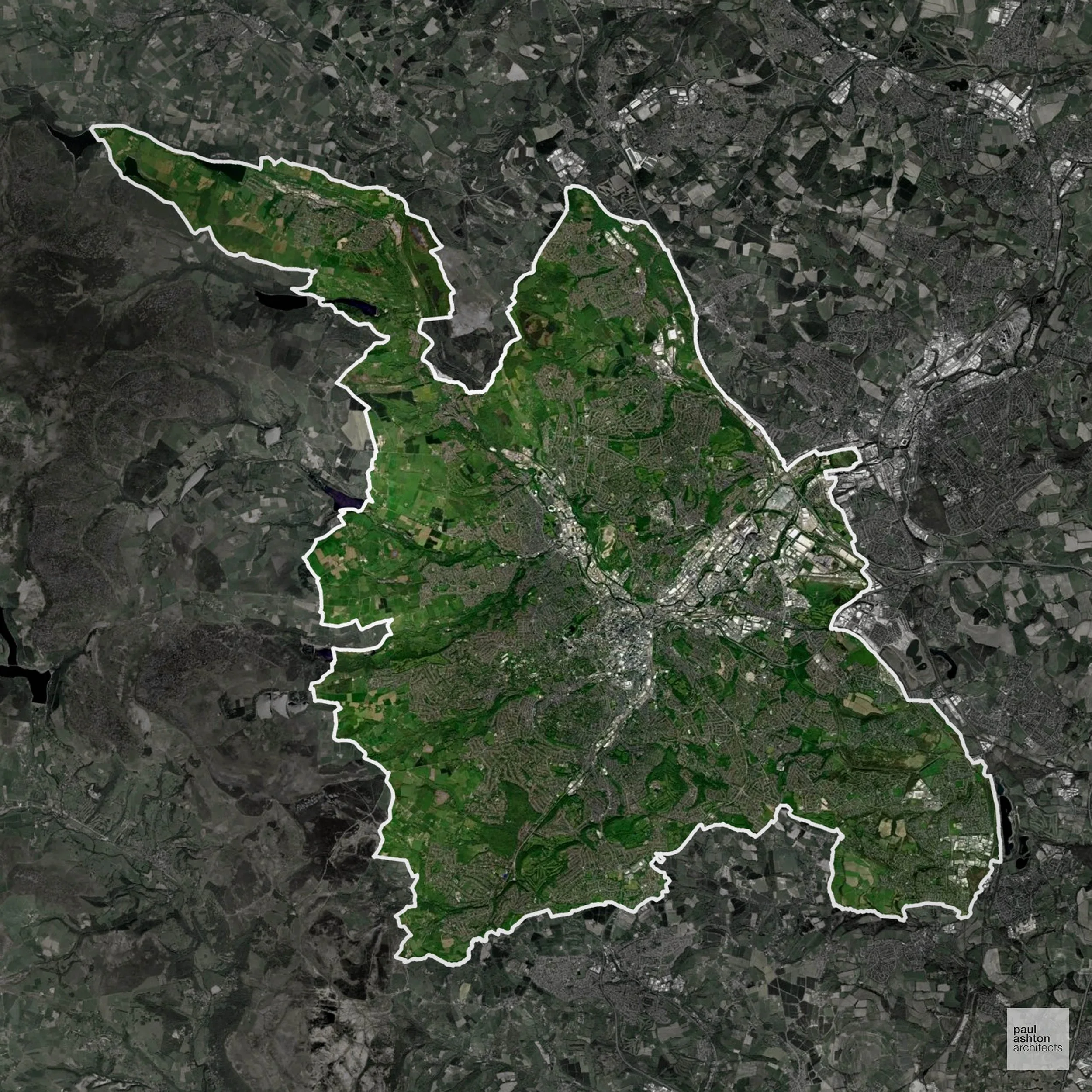
In the last year Wakefield decided 1,086 applications which is just above the national average of 988. The approval rate was 92% (roughly equal to the national average of 88%) and 44% of applications were decided on time, (significantly below the national average of 59%). Stats updated March 2026 from gov. sources. See how Wakefield performs relative to other LPAs in our LPA hub.
"We love helping clients win Planning Permission in Wakefield"
Green Belt Approvals in Wakefield
The Green Belt is nationally designated land around towns and cities, created to limit urban growth.
Significantly, 67.6% of Wakefield is within the Green Belt and proposals in these areas can be subject to high levels of scrutiny.
The Green Belt near Wakefield and Horbury constrains development to safeguard rural landscapes and village separation.
In our experience, one of the top reasons poorly conceived Green Belt proposals are refused is causing 'harm to openness'. We can lower the risk of refusal with site-specific guidance. Contact us here.
You can also check whether your land is within the Green Belt using our interactive Green Belt map.
Flood Risk in Wakefield
In some areas of the LPA, flood risk plays a key role in determining planning proposals. The Aire and Calder floodplains cover extensive areas of the district and the 2015 Boxing Day floods caused serious damage, with Flood Zone 3 a significant constraint on growth in many settlements. Where constraints permit, we can develop proposals that manage flood risk thoughtfully to give applications the best chance of approval.
Planning Applications in Wakefield
As well as acting as Planning Consultants we are ARB registered architects with over 25 years’ experience. Our site-specific planning proposals balance creativity with strategic insight. We use the following field-tested work stages to help clients in Wakefield achieve successful planning outcomes:
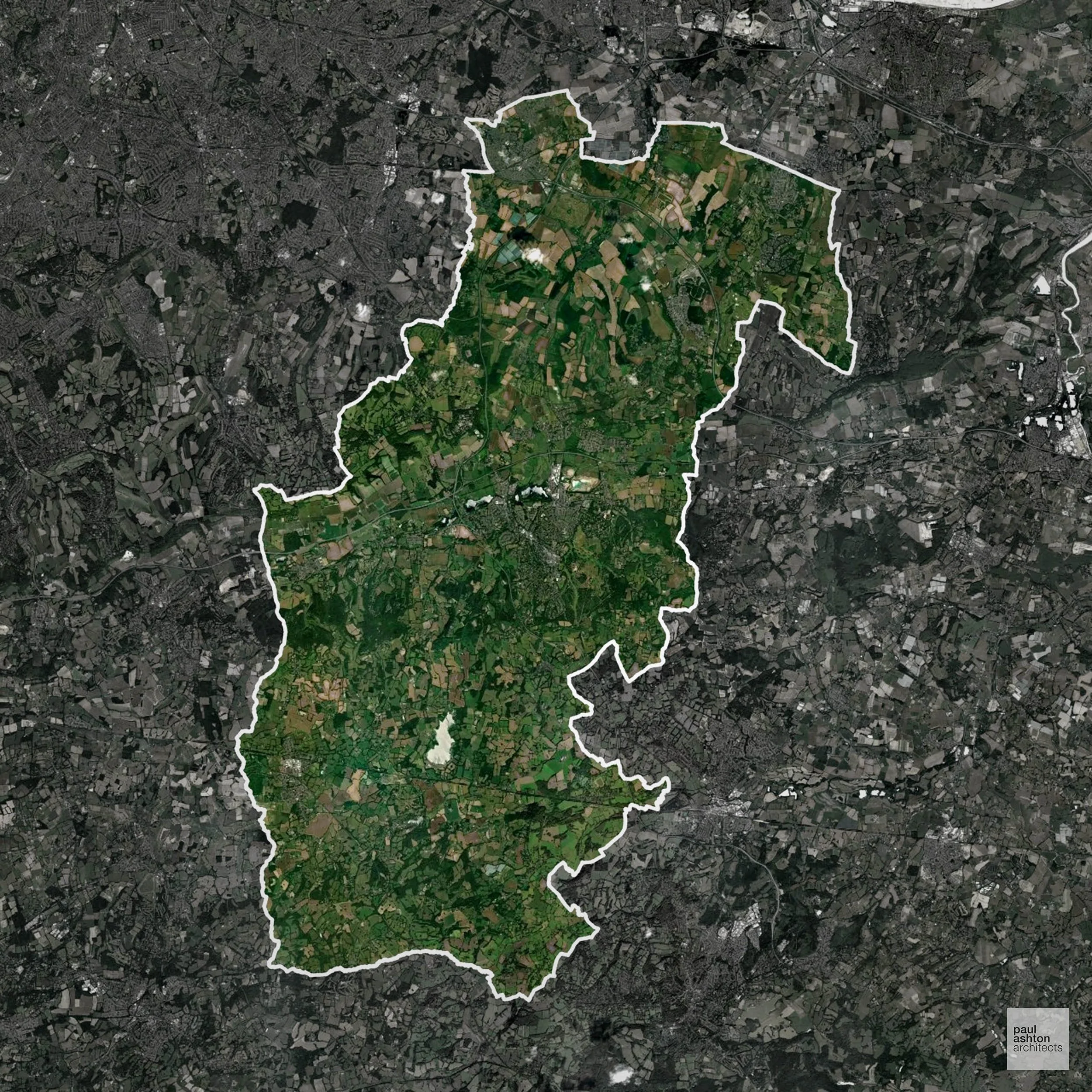
- Stage 1: Site Appraisals & Planning Strategy Advice
- Stage 2: Feasibility Studies & Concept Designs
- Stage 3: Planning Application Packages
- Architectural Drawing Packages
- Planning Statements & Design and Access Statements
- Coordination of Consultant Reports
- Direct Liaison with Planning Officers
- Stage 4: Technical Design
- Discharge of Planning Conditions
- Building Regulations and Construction Packages
Planning Services We Offer in Wakefield
- Full Planning Applications: Commercial, new buildings, changes of use.
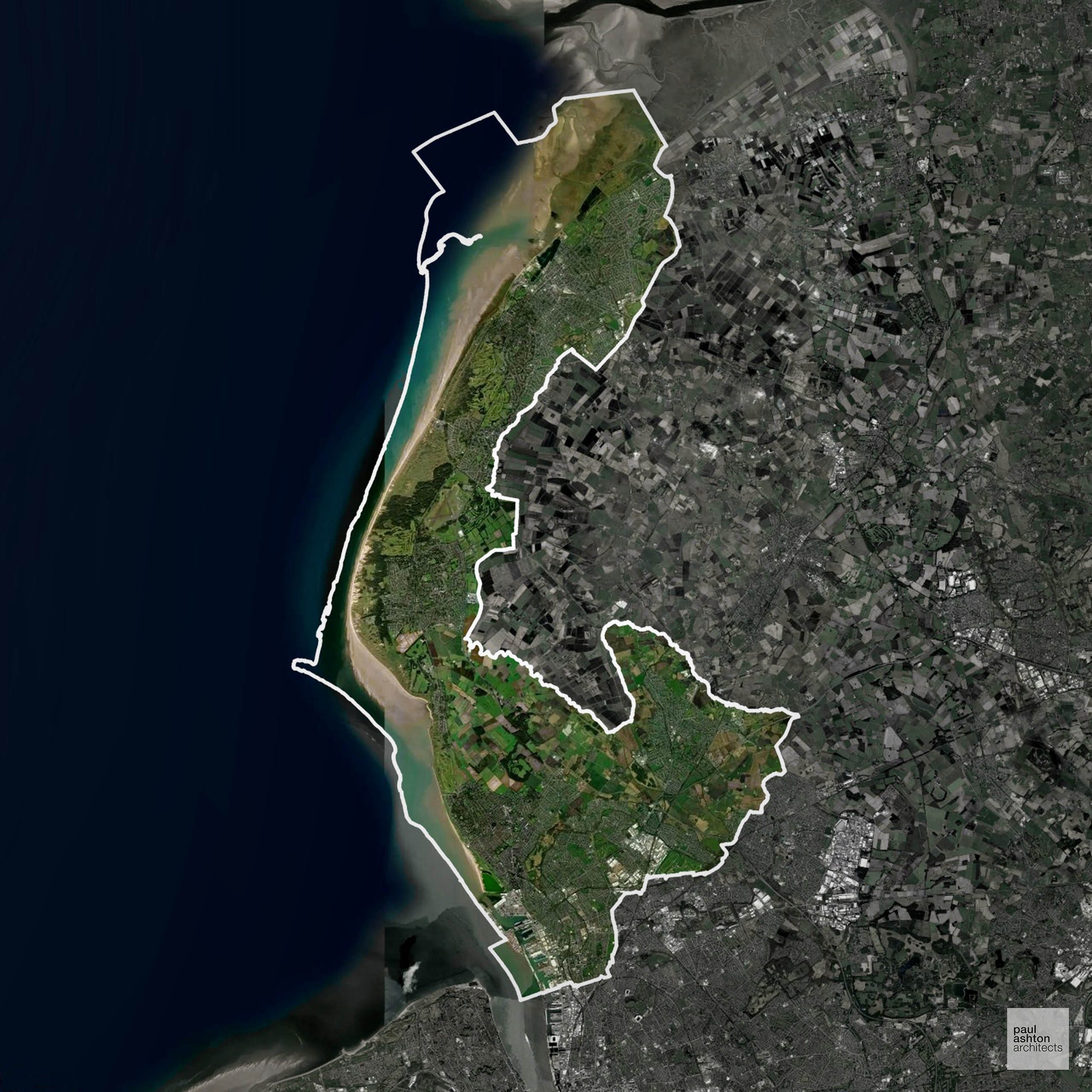
- Householder Planning Applications: Domestic extensions / garden structures.
- Listed Building Consent: Alterations / repairs to listed buildings.
- Conservation Area Consent: Developments within Conservation Areas.
- Lawful Development Certificates: Confirming existing / completed works are lawful.
- Validation Requirements: Gathering documentation to ensure applications are validated by Wakefield LPA.
Design-Led Planning Advice in Wakefield
We can review your site in Wakefield and offer informed guidance on how proposals can be developed in order to maximise your chances of securing Planning Permission.
Vale of White Horse in Oxfordshire includes Abingdon, Wantage, and Faringdon. About 14% of the district is Green Belt, shaping settlement edges and protecting villages. Known for historic towns, heritage streets, and rural landscapes, planning focuses on residential, commercial, and conversion projects. We can advise and support projects throughout Vale of White Horse.
In the last year Vale of White Horse decided 986 applications which is broadly in line with the national average of 988. The approval rate was 96% (marginally above the national average of 88%) and 49% of applications were decided on time, (significantly below the national average of 59%). Stats updated March 2026 from gov. sources. See how Vale of White Horse performs relative to other LPAs in our LPA hub.
"We love helping clients win Planning Permission in Vale of White Horse"
Green Belt Approvals in Vale of White Horse
The Green Belt is nationally designated land around towns and cities, created to limit urban growth.
14.0% of Vale of White Horse is within the Green Belt and proposals in these areas can be subject to reasonable levels of scrutiny.
The Vale of White Horse Green Belt safeguards villages including Botley, Cumnor, and Wootton, preserving the rural setting of Oxford, open farmland, and views toward the North Wessex Downs, which are highly sensitive to housing growth and urban expansion pressures.
In our experience, one of the top reasons poorly conceived Green Belt proposals are refused is causing 'harm to openness'. We can lower the risk of refusal with site-specific guidance. Contact us here.
You can also check whether your land is within the Green Belt using our interactive Green Belt map.
Development in the Open Countryside
The Open Countryside is generally defined as land outside settlement and Green Belt boundaries, often comprising agricultural or natural land. Development, particularly standard residential development, is usually restricted in Open Countryside.
Vale of White Horse contains parts of the Oxfordshire Downs and open agricultural land, where development is only allowed in exceptional circumstances.
One of the top reasons poorly prepared proposals in the Open Countryside are refused is that they fail to demonstrate a policy-supported need. To minimise that risk with bespoke advice contact us here.
Planning Applications in Vale of White Horse
As well as acting as Planning Consultants we are ARB registered architects with over 25 years’ experience. Our site-specific planning proposals balance creativity with strategic insight. We use the following field-tested work stages to help clients in Vale of White Horse achieve successful planning outcomes:
- Stage 1: Site Appraisals & Planning Strategy Advice
- Stage 2: Feasibility Studies & Concept Designs
- Stage 3: Planning Application Packages
- Architectural Drawing Packages
- Planning Statements & Design and Access Statements
- Coordination of Consultant Reports
- Direct Liaison with Planning Officers
- Stage 4: Technical Design
- Discharge of Planning Conditions
- Building Regulations and Construction Packages
Planning Services We Offer in Vale of White Horse
- Full Planning Applications: Commercial, new buildings, changes of use.
- Householder Planning Applications: Domestic extensions / garden structures.
- Listed Building Consent: Alterations / repairs to listed buildings.
- Conservation Area Consent: Developments within Conservation Areas.
- Lawful Development Certificates: Confirming existing / completed works are lawful.
- Validation Requirements: Gathering documentation to ensure applications are validated by Vale of White Horse LPA.
Creative Planning Advice in Vale of White Horse
We collaborate closely with our clients to develop designs that respond to local character and align with Planning Policy, helping to maximise the likelihood of securing Planning Permission in Vale of White Horse.
Uttlesford in Essex includes Saffron Walden, Great Dunmow, and Stansted. About 5.9% of the district is Green Belt, framing minor urban edges. Known for historic towns, heritage buildings, and market streets, planning balances residential, commercial, and conversion projects. We can advise and support projects across Uttlesford.
In the last year Uttlesford decided 1,261 applications which is well above the national average of 988. The approval rate was 77% (slightly below the national average of 88%) and 77% of applications were decided on time, (significantly above the national average of 59%). Stats updated March 2026 from gov. sources. See how Uttlesford performs relative to other LPAs in our LPA hub.
"We love helping clients win Planning Permission in Uttlesford"
Green Belt Approvals in Uttlesford
The Green Belt is a policy protecting land around many English towns and cities, where development is tightly controlled to safeguard the open countryside.
5.9% of Uttlesford is within the Green Belt and proposals in these areas can be subject to high levels of scrutiny.
The Green Belt around Uttlesford protects villages such as Great Dunmow, Stansted Mountfitchet, and Takeley, preserving rolling farmland, historic landscapes, and the setting of nearby heritage assets, which are particularly sensitive to development pressure from London and Stansted Airport.
In our experience, one of the top reasons poorly conceived Green Belt proposals are refused is causing 'harm to openness'. We can lower the risk of refusal with site-specific guidance. Contact us here.
You can also check whether your land is within the Green Belt using our interactive Green Belt map.
Development in the Open Countryside
The Open Countryside is generally defined as land outside settlement and Green Belt boundaries, often comprising agricultural or natural land. Development, particularly standard residential development, is usually restricted in Open Countryside.
Uttlesford includes the rural villages and rolling farmland of the Essex countryside, with strict limitations on residential development.
One of the top reasons poorly prepared proposals in the Open Countryside are refused is that they fail to demonstrate a policy-supported need. To minimise that risk with bespoke advice contact us here.
Planning Applications in Uttlesford
Alongside acting as Planning Consultants we are ARB registered architects with 25+ years of experience. We use the following proven work stages to guide clients in Uttlesford through the planning process in order to maximise the potential of their development :
- Stage 1: Site Appraisals & Planning Strategy Advice
- Stage 2: Feasibility Studies & Concept Designs
- Stage 3: Planning Application Packages
- Architectural Drawing Packages
- Planning Statements & Design and Access Statements
- Coordination of Consultant Reports
- Direct Liaison with Planning Officers
- Stage 4: Technical Design
- Discharge of Planning Conditions
- Building Regulations and Construction Packages
Planning Services We Offer in Uttlesford
- Full Planning Applications: Commercial, new buildings, changes of use.
- Householder Planning Applications: Domestic extensions / garden structures.
- Listed Building Consent: Alterations / repairs to listed buildings.
- Conservation Area Consent: Developments within Conservation Areas.
- Lawful Development Certificates: Confirming existing / completed works are lawful.
- Validation Requirements: Gathering documentation to ensure applications are validated by Uttlesford LPA.
Design-Led Planning Advice in Uttlesford
We can review your site in Uttlesford and offer informed guidance on how proposals can be developed in order to maximise your chances of securing Planning Permission.
Tunbridge Wells in Kent includes Royal Tunbridge Wells, Paddock Wood, and Cranbrook. About 21.5% of the district is Green Belt, shaping town edges and protecting villages. Known for historic towns, Georgian architecture, and scenic villages, planning focuses on residential, commercial, and conversion projects. We can advise and support projects throughout Tunbridge Wells.
In the last year Tunbridge Wells decided 1,217 applications which is well above the national average of 988. The approval rate was 94% (marginally above the national average of 88%) and 74% of applications were decided on time, (significantly above the national average of 59%). Stats updated March 2026 from gov. sources. See how Tunbridge Wells performs relative to other LPAs in our LPA hub.
"We love helping clients win Planning Permission in Tunbridge Wells"
Areas of Outstanding Natural Beauty in Tunbridge Wells
Areas of Outstanding Natural Beauty (AONBs), often referred to as National Landscapes, are protected for their remarkable natural and scenic value. Any development proposals here are closely evaluated, with a strong presumption against works that could harm the landscape.
Tunbridge Wells overlaps with the High Weald AONB. Projects must conserve visual and ecological character.
In our experience, one of the top reasons proposals in Areas of Outstanding Natural Beauty are refused is causing landscape harm or visual intrusion, a risk that often arises when applications are not fully informed. We help minimise the likelihood of refusal with expert, guidance; contact us here.
Green Belt Approvals in Tunbridge Wells
The Green Belt is nationally designated land around towns and cities, created to limit urban growth.
21.5% of Tunbridge Wells is within the Green Belt and proposals in these areas can be subject to reasonable levels of scrutiny.
The Green Belt around Tunbridge Wells protects High Weald countryside, historic villages such as Rusthall and Matfield, which are highly sensitive to development.
In our experience, one of the top reasons poorly conceived Green Belt proposals are refused is causing 'harm to openness'. We can lower the risk of refusal with site-specific guidance. Contact us here.
You can also check whether your land is within the Green Belt using our interactive Green Belt map.
Planning Applications in Tunbridge Wells
In addition to acting as Planing Conultants we are ARB registered architects with 25+ years of experience. Our planning proposals are creatively tailored to each site to maximise potential and improve planning outcomes. We use the following tried and tested process to guide clients in Tunbridge Wells through planning to completion:
- Stage 1: Site Appraisals & Planning Strategy Advice
- Stage 2: Feasibility Studies & Concept Designs
- Stage 3: Planning Application Packages
- Architectural Drawing Packages
- Planning Statements & Design and Access Statements
- Coordination of Consultant Reports
- Direct Liaison with Planning Officers
- Stage 4: Technical Design
- Discharge of Planning Conditions
- Building Regulations and Construction Packages
Planning Services We Offer in Tunbridge Wells
- Full Planning Applications: Commercial, new buildings, changes of use.
- Householder Planning Applications: Domestic extensions / garden structures.
- Listed Building Consent: Alterations / repairs to listed buildings.
- Conservation Area Consent: Developments within Conservation Areas.
- Lawful Development Certificates: Confirming existing / completed works are lawful.
- Validation Requirements: Gathering documentation to ensure applications are validated by Tunbridge Wells LPA.
Contextual Planning Support in Tunbridge Wells
We work collaboratively with clients and shape a design that respects local character and meets Planning Policy requirements in order to maximise your chances of winning Planning Permission.
Trafford includes Altrincham, Sale, and Stretford. About 35.2% of the borough is Green Belt, framing urban edges and protecting surrounding villages. Known for historic streets, heritage buildings, and residential suburbs, planning balances residential, commercial, and conversion projects. We can advise and support projects across Trafford.
In the last year Trafford decided 1,451 applications which is well above the national average of 988. The approval rate was 86% (roughly equal to the national average of 88%) and 69% of applications were decided on time, (significantly above the national average of 59%). Stats updated March 2026 from gov. sources. See how Trafford performs relative to other LPAs in our LPA hub.
"We love helping clients win Planning Permission in Trafford"
Green Belt Approvals in Trafford
The Green Belt is nationally designated land around towns and cities, created to limit urban growth.
35.2% of Trafford is within the Green Belt and proposals in these areas can be subject to high levels of scrutiny.
The Green Belt within Trafford includes river valleys and open farmland along the Mersey and Bollin corridors, sensitive for landscape and floodplain protection.
In our experience, one of the top reasons poorly conceived Green Belt proposals are refused is causing 'harm to openness'. We can lower the risk of refusal with site-specific guidance. Contact us here.
You can also check whether your land is within the Green Belt using our interactive Green Belt map.
Planning Applications in Trafford
In addition to acting as Planing Conultants we are ARB registered architects with 25+ years of experience. Our planning proposals are creatively tailored to each site to maximise potential and improve planning outcomes. We use the following tried and tested process to guide clients in Trafford through planning to completion:
- Stage 1: Site Appraisals & Planning Strategy Advice
- Stage 2: Feasibility Studies & Concept Designs
- Stage 3: Planning Application Packages
- Architectural Drawing Packages
- Planning Statements & Design and Access Statements
- Coordination of Consultant Reports
- Direct Liaison with Planning Officers
- Stage 4: Technical Design
- Discharge of Planning Conditions
- Building Regulations and Construction Packages
Planning Services We Offer in Trafford
- Full Planning Applications: Commercial, new buildings, changes of use.
- Householder Planning Applications: Domestic extensions / garden structures.
- Listed Building Consent: Alterations / repairs to listed buildings.
- Conservation Area Consent: Developments within Conservation Areas.
- Lawful Development Certificates: Confirming existing / completed works are lawful.
- Validation Requirements: Gathering documentation to ensure applications are validated by Trafford LPA.
Planning Permissions We’ve Won in Trafford
- Full Planning Application: Change of use from A3 [Restaurant] to use class A3 (Restaurant/Cafe) and A5 (Takeaway). →
- Householder Planning Application: Two-storey rear extension to existing 1930s dwelling in Old Trafford. →
Contextual Planning Support in Trafford
We work collaboratively with clients and shape a design that respects local character and meets Planning Policy requirements in order to maximise your chances of winning Planning Permission.
Tower Hamlets includes the borough centre, Canary Wharf, and Bethnal Green. Planning focuses on urban regeneration, heritage streets, and high-density development. Known for financial districts, historic buildings, and cultural hubs, planning supports residential, commercial, and conversion projects. We can advise and support projects throughout Tower Hamlets.
In the last year Tower Hamlets decided 1,036 applications which is broadly in line with the national average of 988. The approval rate was 81% (slightly below the national average of 88%) and 61% of applications were decided on time, (on par with the national average of 59%). Stats updated March 2026 from gov. sources. See how Tower Hamlets performs relative to other LPAs in our LPA hub.
"We love helping clients win Planning Permission in Tower Hamlets"
Conservation and Listed Buildings in Tower Hamlets
Tower Hamlets has a complex historic environment shaped by its maritime and industrial past, with numerous Conservation Areas and a significant number of listed buildings. Heritage constraints are particularly evident within the St Katharine Docks Conservation Area and Arnold Circus Conservation Area, where dockland structures, planned estates, and historic street patterns define character.
One of the top reasons heritage building applications are refused is causing harm to historic significance, a risk that can arise when proposals are not prepared by a consultant with heritage expertise. We help minimise this risk with expert, site-specific guidance; contact us here.
Flood Risk in Tower Hamlets
In some areas of the LPA, flood risk plays a key role in determining planning proposals. Much of the borough sits within tidal Flood Zone 3 due to its Thames and Lee frontage, and flood risk management has been central to planning major regeneration schemes across the borough. Where constraints permit, we can develop proposals that manage flood risk thoughtfully to give applications the best chance of approval.
Planning Applications in Tower Hamlets
As well as acting as Planning Consultants we are ARB registered architects with over 25 years’ experience. Our site-specific planning proposals balance creativity with strategic insight. We use the following field-tested work stages to help clients in Tower Hamlets achieve successful planning outcomes:
- Stage 1: Site Appraisals & Planning Strategy Advice
- Stage 2: Feasibility Studies & Concept Designs
- Stage 3: Planning Application Packages
- Architectural Drawing Packages
- Planning Statements & Design and Access Statements
- Coordination of Consultant Reports
- Direct Liaison with Planning Officers
- Stage 4: Technical Design
- Discharge of Planning Conditions
- Building Regulations and Construction Packages
Planning Services We Offer in Tower Hamlets
- Full Planning Applications: Commercial, new buildings, changes of use.
- Householder Planning Applications: Domestic extensions / garden structures.
- Listed Building Consent: Alterations / repairs to listed buildings.
- Conservation Area Consent: Developments within Conservation Areas.
- Lawful Development Certificates: Confirming existing / completed works are lawful.
- Validation Requirements: Gathering documentation to ensure applications are validated by Tower Hamlets LPA.
Creative Planning Advice in Tower Hamlets
We collaborate closely with our clients to develop designs that respond to local character and align with Planning Policy, helping to maximise the likelihood of securing Planning Permission in Tower Hamlets.
Torridge in Devon includes Bideford, Great Torrington, and Holsworthy. Planning focuses on historic towns, villages, and rural development. Known for heritage streets, market towns, and countryside, planning balances residential, commercial, and conversion projects with conservation. We can advise and support projects across Torridge.
In the last year Torridge decided 562 applications which is well below the national average of 988. The approval rate was 87% (roughly equal to the national average of 88%) and 63% of applications were decided on time, (slightly above the national average of 59%). Stats updated March 2026 from gov. sources. See how Torridge performs relative to other LPAs in our LPA hub.
"We love helping clients win Planning Permission in Torridge"
Development in the Open Countryside
Open Countryside within Torridge refers to land situated outside built-up areas and Green Belt boundaries, typically comprising farmland or natural landscapes. Residential development is generally restricted unless special circumstances can be demonstrated.
Torridge encompasses open moorland, estuary edges, and North Devon AONB landscapes, highly sensitive to new development.
One of the top reasons poorly prepared proposals in the Open Countryside are refused is that they fail to demonstrate a policy-supported need. To minimise that risk with bespoke advice contact us here.
Flood Risk in Torridge
In some areas of the LPA, flood risk plays a key role in determining planning proposals. The Torridge and Taw estuaries, combined with an exposed Atlantic coastline, create significant tidal and fluvial flood risk that constrains development in Bideford and other settlements. Where constraints permit, we can develop proposals that manage flood risk thoughtfully to give applications the best chance of approval.
Planning Applications in Torridge
As well as acting as Planning Consultants we are ARB registered architects with over 25 years’ experience. Our site-specific planning proposals balance creativity with strategic insight. We use the following field-tested work stages to help clients in Torridge achieve successful planning outcomes:
- Stage 1: Site Appraisals & Planning Strategy Advice
- Stage 2: Feasibility Studies & Concept Designs
- Stage 3: Planning Application Packages
- Architectural Drawing Packages
- Planning Statements & Design and Access Statements
- Coordination of Consultant Reports
- Direct Liaison with Planning Officers
- Stage 4: Technical Design
- Discharge of Planning Conditions
- Building Regulations and Construction Packages
Planning Services We Offer in Torridge
- Full Planning Applications: Commercial, new buildings, changes of use.
- Householder Planning Applications: Domestic extensions / garden structures.
- Listed Building Consent: Alterations / repairs to listed buildings.
- Conservation Area Consent: Developments within Conservation Areas.
- Lawful Development Certificates: Confirming existing / completed works are lawful.
- Validation Requirements: Gathering documentation to ensure applications are validated by Torridge LPA.
Contextual Planning Support in Torridge
We work collaboratively with clients and shape a design that respects local character and meets Planning Policy requirements in order to maximise your chances of winning Planning Permission.
Torbay in Devon includes Torquay, Paignton, and Brixham. Planning focuses on seaside towns, historic streets, and coastal development. Known for tourism, heritage buildings, and seaside resorts, planning supports residential, commercial, and conversion projects. We can advise and support projects throughout Torbay.
In the last year Torbay decided 533 applications which is well below the national average of 988. The approval rate was 86% (roughly equal to the national average of 88%) and 48% of applications were decided on time, (significantly below the national average of 59%). Stats updated March 2026 from gov. sources. See how Torbay performs relative to other LPAs in our LPA hub.
"We love helping clients win Planning Permission in Torbay"
Development in the Open Countryside
Torbay includes areas classed as Open Countryside, generally encompassing land beyond settlements and Green Belt zones, often used for agriculture or left as natural landscapes. Development in these areas is tightly controlled, with standard residential proposals rarely permitted.
Torbay contains coastal countryside and the South Devon Area of Outstanding Natural Beauty, where development is tightly controlled.
One of the top reasons poorly prepared proposals in the Open Countryside are refused is that they fail to demonstrate a policy-supported need. To minimise that risk with bespoke advice contact us here.
Planning Applications in Torbay
As well as acting as Planning Consultants we are ARB registered architects with over 25 years’ experience. Our site-specific planning proposals balance creativity with strategic insight. We use the following field-tested work stages to help clients in Torbay achieve successful planning outcomes:
- Stage 1: Site Appraisals & Planning Strategy Advice
- Stage 2: Feasibility Studies & Concept Designs
- Stage 3: Planning Application Packages
- Architectural Drawing Packages
- Planning Statements & Design and Access Statements
- Coordination of Consultant Reports
- Direct Liaison with Planning Officers
- Stage 4: Technical Design
- Discharge of Planning Conditions
- Building Regulations and Construction Packages
Planning Services We Offer in Torbay
- Full Planning Applications: Commercial, new buildings, changes of use.
- Householder Planning Applications: Domestic extensions / garden structures.
- Listed Building Consent: Alterations / repairs to listed buildings.
- Conservation Area Consent: Developments within Conservation Areas.
- Lawful Development Certificates: Confirming existing / completed works are lawful.
- Validation Requirements: Gathering documentation to ensure applications are validated by Torbay LPA.
Design-Led Planning Advice in Torbay
We can review your site in Torbay and offer informed guidance on how proposals can be developed in order to maximise your chances of securing Planning Permission.
Tonbridge and Malling in Kent includes Tonbridge, West Malling, and Snodland. About 71% of the district is Green Belt, shaping town edges and protecting rural villages. Known for historic towns, castles, and market settlements, planning balances residential, commercial, and conversion projects with conservation. We can advise and support projects across Tonbridge and Malling.
In the last year Tonbridge and Malling decided 891 applications which is slightly below the national average of 988. The approval rate was 94% (marginally above the national average of 88%) and 48% of applications were decided on time, (significantly below the national average of 59%). Stats updated March 2026 from gov. sources. See how Tonbridge and Malling performs relative to other LPAs in our LPA hub.
"We love helping clients win Planning Permission in Tonbridge and Malling"
Green Belt Approvals in Tonbridge and Malling
The Green Belt is a policy protecting land around many English towns and cities, where development is tightly controlled to safeguard the open countryside.
Significantly, 71.0% of Tonbridge and Malling is within the Green Belt and proposals in these areas can be subject to high levels of scrutiny.
The Green Belt near Tonbridge and Malling tightly controls growth to maintain village separation and protect rural landscapes.
In our experience, one of the top reasons poorly conceived Green Belt proposals are refused is causing 'harm to openness'. We can lower the risk of refusal with site-specific guidance. Contact us here.
You can also check whether your land is within the Green Belt using our interactive Green Belt map.
Development in the Open Countryside
Tonbridge and Malling includes areas classed as Open Countryside, generally encompassing land beyond settlements and Green Belt zones, often used for agriculture or left as natural landscapes. Development in these areas is tightly controlled, with standard residential proposals rarely permitted.
Tonbridge and Malling includes the Medway Valley and surrounding rural farmland, where development is restricted to protect scenic and ecological value.
One of the top reasons poorly prepared proposals in the Open Countryside are refused is that they fail to demonstrate a policy-supported need. To minimise that risk with bespoke advice contact us here.
Planning Applications in Tonbridge and Malling
In addition to acting as Planing Conultants we are ARB registered architects with 25+ years of experience. Our planning proposals are creatively tailored to each site to maximise potential and improve planning outcomes. We use the following tried and tested process to guide clients in Tonbridge and Malling through planning to completion:
- Stage 1: Site Appraisals & Planning Strategy Advice
- Stage 2: Feasibility Studies & Concept Designs
- Stage 3: Planning Application Packages
- Architectural Drawing Packages
- Planning Statements & Design and Access Statements
- Coordination of Consultant Reports
- Direct Liaison with Planning Officers
- Stage 4: Technical Design
- Discharge of Planning Conditions
- Building Regulations and Construction Packages
Planning Services We Offer in Tonbridge and Malling
- Full Planning Applications: Commercial, new buildings, changes of use.
- Householder Planning Applications: Domestic extensions / garden structures.
- Listed Building Consent: Alterations / repairs to listed buildings.
- Conservation Area Consent: Developments within Conservation Areas.
- Lawful Development Certificates: Confirming existing / completed works are lawful.
- Validation Requirements: Gathering documentation to ensure applications are validated by Tonbridge and Malling LPA.
Contextual Planning Support in Tonbridge and Malling
We work collaboratively with clients and shape a design that respects local character and meets Planning Policy requirements in order to maximise your chances of winning Planning Permission.
Thurrock includes Grays, Tilbury, and Stanford-le-Hope. About 71.2% of the borough is Green Belt, framing urban edges and protecting surrounding villages. Known for riverside towns, industrial heritage, and historic streets, planning focuses on residential, commercial, and conversion projects. We can advise and support projects throughout Thurrock.
In the last year Thurrock decided 711 applications which is well below the national average of 988. The approval rate was 81% (slightly below the national average of 88%) and 70% of applications were decided on time, (significantly above the national average of 59%). Stats updated March 2026 from gov. sources. See how Thurrock performs relative to other LPAs in our LPA hub.
"We love helping clients win Planning Permission in Thurrock"
Green Belt Approvals in Thurrock
The Green Belt is a policy protecting land around many English towns and cities, where development is tightly controlled to safeguard the open countryside.
Significantly, 71.2% of Thurrock is within the Green Belt and proposals in these areas can be subject to very high levels of scrutiny.
The Green Belt around Grays and Tilbury restricts expansion to preserve countryside and prevent urban sprawl along the Thames corridor.
In our experience, one of the top reasons poorly conceived Green Belt proposals are refused is causing 'harm to openness'. We can lower the risk of refusal with site-specific guidance. Contact us here.
You can also check whether your land is within the Green Belt using our interactive Green Belt map.
Flood Risk in Thurrock
In some areas of the LPA, flood risk plays a key role in determining planning proposals. The tidal Thames runs the full length of the borough and large areas of Thurrock, including significant development sites, lie within Flood Zone 3, requiring sequential and exception testing. Where constraints permit, we can develop proposals that manage flood risk thoughtfully to give applications the best chance of approval.
Planning Applications in Thurrock
As well as acting as Planning Consultants we are ARB registered architects with over 25 years’ experience. Our site-specific planning proposals balance creativity with strategic insight. We use the following field-tested work stages to help clients in Thurrock achieve successful planning outcomes:
- Stage 1: Site Appraisals & Planning Strategy Advice
- Stage 2: Feasibility Studies & Concept Designs
- Stage 3: Planning Application Packages
- Architectural Drawing Packages
- Planning Statements & Design and Access Statements
- Coordination of Consultant Reports
- Direct Liaison with Planning Officers
- Stage 4: Technical Design
- Discharge of Planning Conditions
- Building Regulations and Construction Packages
Planning Services We Offer in Thurrock
- Full Planning Applications: Commercial, new buildings, changes of use.
- Householder Planning Applications: Domestic extensions / garden structures.
- Listed Building Consent: Alterations / repairs to listed buildings.
- Conservation Area Consent: Developments within Conservation Areas.
- Lawful Development Certificates: Confirming existing / completed works are lawful.
- Validation Requirements: Gathering documentation to ensure applications are validated by Thurrock LPA.
Creative Planning Advice in Thurrock
We collaborate closely with our clients to develop designs that respond to local character and align with Planning Policy, helping to maximise the likelihood of securing Planning Permission in Thurrock.
Three Rivers in Hertfordshire includes Rickmansworth, Chorleywood, and Abbots Langley. About 75.6% of the district is Green Belt, shaping settlement edges and protecting rural villages extensively. Known for historic towns, riverside areas, and heritage buildings, planning balances residential, commercial, and conversion projects with countryside conservation. We can advise and support projects across Three Rivers.
In the last year Three Rivers decided 853 applications which is slightly below the national average of 988. The approval rate was 89% (roughly equal to the national average of 88%) and 76% of applications were decided on time, (significantly above the national average of 59%). Stats updated March 2026 from gov. sources. See how Three Rivers performs relative to other LPAs in our LPA hub.
"We love helping clients win Planning Permission in Three Rivers"
Green Belt Approvals in Three Rivers
The Green Belt is a nationally designated area of protected land surrounding many English towns and cities, where development is strictly controlled to prevent urban sprawl.
Significantly, 75.6% of Three Rivers is within the Green Belt and proposals in these areas can be subject to high levels of scrutiny.
The Green Belt surrounding Rickmansworth and Sarratt constrains development to protect woodlands, landscape, and settlement gaps.
In our experience, one of the top reasons poorly conceived Green Belt proposals are refused is causing 'harm to openness'. We can lower the risk of refusal with site-specific guidance. Contact us here.
You can also check whether your land is within the Green Belt using our interactive Green Belt map.
Planning Applications in Three Rivers
In addition to acting as Planing Conultants we are ARB registered architects with 25+ years of experience. Our planning proposals are creatively tailored to each site to maximise potential and improve planning outcomes. We use the following tried and tested process to guide clients in Three Rivers through planning to completion:
- Stage 1: Site Appraisals & Planning Strategy Advice
- Stage 2: Feasibility Studies & Concept Designs
- Stage 3: Planning Application Packages
- Architectural Drawing Packages
- Planning Statements & Design and Access Statements
- Coordination of Consultant Reports
- Direct Liaison with Planning Officers
- Stage 4: Technical Design
- Discharge of Planning Conditions
- Building Regulations and Construction Packages
Planning Services We Offer in Three Rivers
- Full Planning Applications: Commercial, new buildings, changes of use.
- Householder Planning Applications: Domestic extensions / garden structures.
- Listed Building Consent: Alterations / repairs to listed buildings.
- Conservation Area Consent: Developments within Conservation Areas.
- Lawful Development Certificates: Confirming existing / completed works are lawful.
- Validation Requirements: Gathering documentation to ensure applications are validated by Three Rivers LPA.
Contextual Planning Support in Three Rivers
We work collaboratively with clients and shape a design that respects local character and meets Planning Policy requirements in order to maximise your chances of winning Planning Permission.
Thanet in Kent includes Margate, Ramsgate, and Broadstairs. Planning focuses on seaside towns, historic streets, and coastal settlements. Known for cultural heritage, piers, and seaside resorts, planning balances residential, commercial, and conversion projects with conservation. We can advise and support projects throughout Thanet.
In the last year Thanet decided 773 applications which is well below the national average of 988. The approval rate was 89% (roughly equal to the national average of 88%) and 57% of applications were decided on time, (on par with the national average of 59%). Stats updated March 2026 from gov. sources. See how Thanet performs relative to other LPAs in our LPA hub.
"We love helping clients win Planning Permission in Thanet"
Development in the Open Countryside
Open Countryside within Thanet refers to land situated outside built-up areas and Green Belt boundaries, typically comprising farmland or natural landscapes. Residential development is generally restricted unless special circumstances can be demonstrated.
Thanet features open chalk downlands and coastal countryside around Sandwich and St Peter’s, where development is only permitted in exceptional circumstances.
One of the top reasons poorly prepared proposals in the Open Countryside are refused is that they fail to demonstrate a policy-supported need. To minimise that risk with bespoke advice contact us here.
Nutrient Neutrality in Thanet
Nutrient Neutrality ensures new developments do not increase harmful nitrogen or phosphorus levels in sensitive waterways. Substantially within the Stodmarsh designated sensitive catchment; both nitrogen and phosphorus neutrality apply to new residential development, and the Thanet has experienced significant planning delays as a result. Unfortunately, Nutrient Neutrality can halt development completely. If you need early-stage, project-specific advice contact us here.
Planning Applications in Thanet
Alongside acting as Planning Consultants we are ARB registered architects with 25+ years of experience. We use the following proven work stages to guide clients in Thanet through the planning process in order to maximise the potential of their development :
- Stage 1: Site Appraisals & Planning Strategy Advice
- Stage 2: Feasibility Studies & Concept Designs
- Stage 3: Planning Application Packages
- Architectural Drawing Packages
- Planning Statements & Design and Access Statements
- Coordination of Consultant Reports
- Direct Liaison with Planning Officers
- Stage 4: Technical Design
- Discharge of Planning Conditions
- Building Regulations and Construction Packages
Planning Services We Offer in Thanet
- Full Planning Applications: Commercial, new buildings, changes of use.
- Householder Planning Applications: Domestic extensions / garden structures.
- Listed Building Consent: Alterations / repairs to listed buildings.
- Conservation Area Consent: Developments within Conservation Areas.
- Lawful Development Certificates: Confirming existing / completed works are lawful.
- Validation Requirements: Gathering documentation to ensure applications are validated by Thanet LPA.
Creative Planning Advice in Thanet
We collaborate closely with our clients to develop designs that respond to local character and align with Planning Policy, helping to maximise the likelihood of securing Planning Permission in Thanet.
Tewkesbury includes Tewkesbury town, Winchcombe, and Cheltenham outskirts. About 13.3% of the district is Green Belt, framing urban edges and protecting villages. Known for medieval architecture, riverside settlements, and market towns, planning supports residential, commercial, and conversion projects. We can advise and support projects across Tewkesbury.
In the last year Tewkesbury decided 718 applications which is well below the national average of 988. The approval rate was 88% (roughly equal to the national average of 88%) and 50% of applications were decided on time, (significantly below the national average of 59%). Stats updated March 2026 from gov. sources. See how Tewkesbury performs relative to other LPAs in our LPA hub.
"We love helping clients win Planning Permission in Tewkesbury"
Green Belt Approvals in Tewkesbury
The Green Belt is a policy protecting land around many English towns and cities, where development is tightly controlled to safeguard the open countryside.
13.3% of Tewkesbury is within the Green Belt and proposals in these areas can be subject to high levels of scrutiny.
The Tewkesbury Green Belt protects villages such as Bishop’s Cleeve, Winchcombe, and Twigworth, preserving the Severn floodplain, historic market town settings, and the foothills of the Cotswolds, which are particularly sensitive to development pressure from Cheltenham and Gloucester.
In our experience, one of the top reasons poorly conceived Green Belt proposals are refused is causing 'harm to openness'. We can lower the risk of refusal with site-specific guidance. Contact us here.
You can also check whether your land is within the Green Belt using our interactive Green Belt map.
Development in the Open Countryside
Open Countryside within Tewkesbury refers to land situated outside built-up areas and Green Belt boundaries, typically comprising farmland or natural landscapes. Residential development is generally restricted unless special circumstances can be demonstrated.
Tewkesbury contains Cotswold escarpment areas and rural farmland, important for landscape character and ecology, limiting development opportunities.
One of the top reasons poorly prepared proposals in the Open Countryside are refused is that they fail to demonstrate a policy-supported need. To minimise that risk with bespoke advice contact us here.
Flood Risk in Tewkesbury
In some areas of the LPA, flood risk plays a key role in determining planning proposals. Situated at the confluence of the Severn and Avon, Tewkesbury has the highest proportion of properties at risk of flooding of any local authority in England, and flood risk dominates the Local Plan strategy. Where constraints permit, we can develop proposals that manage flood risk thoughtfully to give applications the best chance of approval.
Planning Applications in Tewkesbury
As well as acting as Planning Consultants we are ARB registered architects with over 25 years’ experience. Our site-specific planning proposals balance creativity with strategic insight. We use the following field-tested work stages to help clients in Tewkesbury achieve successful planning outcomes:
- Stage 1: Site Appraisals & Planning Strategy Advice
- Stage 2: Feasibility Studies & Concept Designs
- Stage 3: Planning Application Packages
- Architectural Drawing Packages
- Planning Statements & Design and Access Statements
- Coordination of Consultant Reports
- Direct Liaison with Planning Officers
- Stage 4: Technical Design
- Discharge of Planning Conditions
- Building Regulations and Construction Packages
Planning Services We Offer in Tewkesbury
- Full Planning Applications: Commercial, new buildings, changes of use.
- Householder Planning Applications: Domestic extensions / garden structures.
- Listed Building Consent: Alterations / repairs to listed buildings.
- Conservation Area Consent: Developments within Conservation Areas.
- Lawful Development Certificates: Confirming existing / completed works are lawful.
- Validation Requirements: Gathering documentation to ensure applications are validated by Tewkesbury LPA.
Contextual Planning Support in Tewkesbury
We work collaboratively with clients and shape a design that respects local character and meets Planning Policy requirements in order to maximise your chances of winning Planning Permission.
Test Valley includes Andover, Romsey, and Stockbridge. Planning focuses on market towns, villages, and rural areas. Known for heritage buildings, historic streets, and scenic villages, planning balances residential, commercial, and conversion projects with conservation. We can advise and support projects throughout Test Valley.
In the last year Test Valley decided 1,015 applications which is broadly in line with the national average of 988. The approval rate was 93% (marginally above the national average of 88%) and 69% of applications were decided on time, (significantly above the national average of 59%). Stats updated March 2026 from gov. sources. See how Test Valley performs relative to other LPAs in our LPA hub.
"We love helping clients win Planning Permission in Test Valley"
Development in the Open Countryside
Test Valley includes areas classed as Open Countryside, generally encompassing land beyond settlements and Green Belt zones, often used for agriculture or left as natural landscapes. Development in these areas is tightly controlled, with standard residential proposals rarely permitted.
Test Valley includes the North Wessex Downs and River Test corridor, with sensitive countryside where new development is restricted.
One of the top reasons poorly prepared proposals in the Open Countryside are refused is that they fail to demonstrate a policy-supported need. To minimise that risk with bespoke advice contact us here.
Nutrient Neutrality in Test Valley
Nutrient Neutrality ensures new developments do not increase harmful nitrogen or phosphorus levels in sensitive waterways. Test Valley faces a dual constraint from the Solent nitrogen catchment and the River Avon phosphorus catchment, with different neutrality requirements applying to different parts of the district depending on which watercourse they drain to. Unfortunately, Nutrient Neutrality can halt development completely. If you need early-stage, project-specific advice contact us here.
Planning Applications in Test Valley
Alongside acting as Planning Consultants we are ARB registered architects with 25+ years of experience. We use the following proven work stages to guide clients in Test Valley through the planning process in order to maximise the potential of their development :
- Stage 1: Site Appraisals & Planning Strategy Advice
- Stage 2: Feasibility Studies & Concept Designs
- Stage 3: Planning Application Packages
- Architectural Drawing Packages
- Planning Statements & Design and Access Statements
- Coordination of Consultant Reports
- Direct Liaison with Planning Officers
- Stage 4: Technical Design
- Discharge of Planning Conditions
- Building Regulations and Construction Packages
Planning Services We Offer in Test Valley
- Full Planning Applications: Commercial, new buildings, changes of use.
- Householder Planning Applications: Domestic extensions / garden structures.
- Listed Building Consent: Alterations / repairs to listed buildings.
- Conservation Area Consent: Developments within Conservation Areas.
- Lawful Development Certificates: Confirming existing / completed works are lawful.
- Validation Requirements: Gathering documentation to ensure applications are validated by Test Valley LPA.
Contextual Planning Support in Test Valley
We work collaboratively with clients and shape a design that respects local character and meets Planning Policy requirements in order to maximise your chances of winning Planning Permission.
Tendring in Essex includes Clacton, Harwich, and Walton-on-the-Naze. Planning focuses on coastal towns, historic villages, and rural landscapes. Known for seaside resorts, historic streets, and market towns, planning supports residential, commercial, and conversion projects. We can advise and support projects across Tendring.
In the last year Tendring decided 832 applications which is slightly below the national average of 988. The approval rate was 85% (roughly equal to the national average of 88%) and 75% of applications were decided on time, (significantly above the national average of 59%). Stats updated March 2026 from gov. sources. See how Tendring performs relative to other LPAs in our LPA hub.
"We love helping clients win Planning Permission in Tendring"
Development in the Open Countryside
Open Countryside within Tendring refers to land situated outside built-up areas and Green Belt boundaries, typically comprising farmland or natural landscapes. Residential development is generally restricted unless special circumstances can be demonstrated.
Tendring incorporates rural villages and coastal farmland around Frinton and Brightlingsea, where development is carefully controlled.
One of the top reasons poorly prepared proposals in the Open Countryside are refused is that they fail to demonstrate a policy-supported need. To minimise that risk with bespoke advice contact us here.
Flood Risk in Tendring
In some areas of the LPA, flood risk plays a key role in determining planning proposals. Hamford Water and the Colne and Stour estuaries create extensive tidal Flood Zone 3 areas, and the low-lying Tendring peninsula faces growing coastal flood and erosion risk. Where constraints permit, we can develop proposals that manage flood risk thoughtfully to give applications the best chance of approval.
Planning Applications in Tendring
As well as acting as Planning Consultants we are ARB registered architects with over 25 years’ experience. Our site-specific planning proposals balance creativity with strategic insight. We use the following field-tested work stages to help clients in Tendring achieve successful planning outcomes:
- Stage 1: Site Appraisals & Planning Strategy Advice
- Stage 2: Feasibility Studies & Concept Designs
- Stage 3: Planning Application Packages
- Architectural Drawing Packages
- Planning Statements & Design and Access Statements
- Coordination of Consultant Reports
- Direct Liaison with Planning Officers
- Stage 4: Technical Design
- Discharge of Planning Conditions
- Building Regulations and Construction Packages
Planning Services We Offer in Tendring
- Full Planning Applications: Commercial, new buildings, changes of use.
- Householder Planning Applications: Domestic extensions / garden structures.
- Listed Building Consent: Alterations / repairs to listed buildings.
- Conservation Area Consent: Developments within Conservation Areas.
- Lawful Development Certificates: Confirming existing / completed works are lawful.
- Validation Requirements: Gathering documentation to ensure applications are validated by Tendring LPA.
Creative Planning Advice in Tendring
We collaborate closely with our clients to develop designs that respond to local character and align with Planning Policy, helping to maximise the likelihood of securing Planning Permission in Tendring.
Telford and Wrekin includes Telford town, Wellington, and Madeley. Planning focuses on new town developments, historic streets, and suburban expansion. Known for industrial heritage, historic villages, and urban growth, planning balances residential, commercial, and conversion projects. We can advise and support projects throughout Telford and Wrekin.
In the last year Telford and Wrekin decided 593 applications which is well below the national average of 988. The approval rate was 90% (roughly equal to the national average of 88%) and 89% of applications were decided on time, (significantly above the national average of 59%). Stats updated March 2026 from gov. sources. See how Telford and Wrekin performs relative to other LPAs in our LPA hub.
"We love helping clients win Planning Permission in Telford and Wrekin"
Development in the Open Countryside
The Open Countryside is generally defined as land outside settlement and Green Belt boundaries, often comprising agricultural or natural land. Development, particularly standard residential development, is usually restricted in Open Countryside.
Telford and Wrekin contains the Shropshire Hills and surrounding rural landscapes, sensitive to new development due to landscape and heritage value.
One of the top reasons poorly prepared proposals in the Open Countryside are refused is that they fail to demonstrate a policy-supported need. To minimise that risk with bespoke advice contact us here.
Planning Applications in Telford and Wrekin
Alongside acting as Planning Consultants we are ARB registered architects with 25+ years of experience. We use the following proven work stages to guide clients in Telford and Wrekin through the planning process in order to maximise the potential of their development :
- Stage 1: Site Appraisals & Planning Strategy Advice
- Stage 2: Feasibility Studies & Concept Designs
- Stage 3: Planning Application Packages
- Architectural Drawing Packages
- Planning Statements & Design and Access Statements
- Coordination of Consultant Reports
- Direct Liaison with Planning Officers
- Stage 4: Technical Design
- Discharge of Planning Conditions
- Building Regulations and Construction Packages
Planning Services We Offer in Telford and Wrekin
- Full Planning Applications: Commercial, new buildings, changes of use.
- Householder Planning Applications: Domestic extensions / garden structures.
- Listed Building Consent: Alterations / repairs to listed buildings.
- Conservation Area Consent: Developments within Conservation Areas.
- Lawful Development Certificates: Confirming existing / completed works are lawful.
- Validation Requirements: Gathering documentation to ensure applications are validated by Telford and Wrekin LPA.
Contextual Planning Support in Telford and Wrekin
We work collaboratively with clients and shape a design that respects local character and meets Planning Policy requirements in order to maximise your chances of winning Planning Permission.
Teignbridge in Devon includes Newton Abbot, Dawlish, and Teignmouth. Planning focuses on coastal towns, historic villages, and rural development. Known for heritage buildings, seaside settlements, and market towns, planning supports residential, commercial, and conversion projects. We can advise and support projects across Teignbridge.
In the last year Teignbridge decided 729 applications which is well below the national average of 988. The approval rate was 82% (slightly below the national average of 88%) and 71% of applications were decided on time, (significantly above the national average of 59%). Stats updated March 2026 from gov. sources. See how Teignbridge performs relative to other LPAs in our LPA hub.
"We love helping clients win Planning Permission in Teignbridge"
Development in the Open Countryside
Open Countryside within Teignbridge refers to land situated outside built-up areas and Green Belt boundaries, typically comprising farmland or natural landscapes. Residential development is generally restricted unless special circumstances can be demonstrated.
Teignbridge includes Dartmoor fringe and the Teign Valley, areas of high scenic and ecological sensitivity where development is strictly limited.
One of the top reasons poorly prepared proposals in the Open Countryside are refused is that they fail to demonstrate a policy-supported need. To minimise that risk with bespoke advice contact us here.
Planning Applications in Teignbridge
Alongside acting as Planning Consultants we are ARB registered architects with 25+ years of experience. We use the following proven work stages to guide clients in Teignbridge through the planning process in order to maximise the potential of their development :
- Stage 1: Site Appraisals & Planning Strategy Advice
- Stage 2: Feasibility Studies & Concept Designs
- Stage 3: Planning Application Packages
- Architectural Drawing Packages
- Planning Statements & Design and Access Statements
- Coordination of Consultant Reports
- Direct Liaison with Planning Officers
- Stage 4: Technical Design
- Discharge of Planning Conditions
- Building Regulations and Construction Packages
Planning Services We Offer in Teignbridge
- Full Planning Applications: Commercial, new buildings, changes of use.
- Householder Planning Applications: Domestic extensions / garden structures.
- Listed Building Consent: Alterations / repairs to listed buildings.
- Conservation Area Consent: Developments within Conservation Areas.
- Lawful Development Certificates: Confirming existing / completed works are lawful.
- Validation Requirements: Gathering documentation to ensure applications are validated by Teignbridge LPA.
Contextual Planning Support in Teignbridge
We work collaboratively with clients and shape a design that respects local character and meets Planning Policy requirements in order to maximise your chances of winning Planning Permission.
Tandridge in Surrey includes Oxted, Caterham, and Lingfield. About 93.9% of the district is Green Belt, shaping settlements and protecting rural villages extensively. Known for historic towns, scenic villages, and heritage buildings, planning balances residential, commercial, and conversion projects with conservation. We can advise and support projects throughout Tandridge.
In the last year Tandridge decided 709 applications which is well below the national average of 988. The approval rate was 85% (roughly equal to the national average of 88%) and 48% of applications were decided on time, (significantly below the national average of 59%). Stats updated March 2026 from gov. sources. See how Tandridge performs relative to other LPAs in our LPA hub.
"We love helping clients win Planning Permission in Tandridge"
Green Belt Approvals in Tandridge
The Green Belt is nationally designated land around towns and cities, created to limit urban growth.
Significantly, 93.9% of Tandridge is within the Green Belt and proposals in these areas can be subject to very high levels of scrutiny.
Almost the entire area of Tandridge is located within the Green Belt. The areas around Oxted and Caterham in particular tightly limit urban expansion to protect countryside and settlement gaps.
In our experience, one of the top reasons poorly conceived Green Belt proposals are refused is causing 'harm to openness'. We can lower the risk of refusal with site-specific guidance. Contact us here.
You can also check whether your land is within the Green Belt using our interactive Green Belt map.
Planning Applications in Tandridge
In addition to acting as Planing Conultants we are ARB registered architects with 25+ years of experience. Our planning proposals are creatively tailored to each site to maximise potential and improve planning outcomes. We use the following tried and tested process to guide clients in Tandridge through planning to completion:
- Stage 1: Site Appraisals & Planning Strategy Advice
- Stage 2: Feasibility Studies & Concept Designs
- Stage 3: Planning Application Packages
- Architectural Drawing Packages
- Planning Statements & Design and Access Statements
- Coordination of Consultant Reports
- Direct Liaison with Planning Officers
- Stage 4: Technical Design
- Discharge of Planning Conditions
- Building Regulations and Construction Packages
Planning Services We Offer in Tandridge
- Full Planning Applications: Commercial, new buildings, changes of use.
- Householder Planning Applications: Domestic extensions / garden structures.
- Listed Building Consent: Alterations / repairs to listed buildings.
- Conservation Area Consent: Developments within Conservation Areas.
- Lawful Development Certificates: Confirming existing / completed works are lawful.
- Validation Requirements: Gathering documentation to ensure applications are validated by Tandridge LPA.
Design-Led Planning Advice in Tandridge
We can review your site in Tandridge and offer informed guidance on how proposals can be developed in order to maximise your chances of securing Planning Permission.
Tamworth includes the town centre, Wilnecote, and Glascote. About 6.8% of the district is Green Belt, framing urban edges and protecting minor villages. Known for its castle, historic streets, and suburban communities, planning focuses on residential, commercial, and conversion projects. We can advise and support projects across Tamworth.
In the last year Tamworth decided 155 applications which is well below the national average of 988. The approval rate was 95% (marginally above the national average of 88%) and 48% of applications were decided on time, (significantly below the national average of 59%). Stats updated March 2026 from gov. sources. See how Tamworth performs relative to other LPAs in our LPA hub.
"We love helping clients win Planning Permission in Tamworth"
Green Belt Approvals in Tamworth
The Green Belt is a nationally designated area of protected land surrounding many English towns and cities, where development is strictly controlled to prevent urban sprawl.
6.8% of Tamworth is within the Green Belt and proposals in these areas can be subject to reasonable levels of scrutiny.
The Tamworth Green Belt protects villages such as Wigginton, Hopwas, and Mile Oak, preserving river corridors along the Tame and Anker, open farmland, and historic landscapes, which are particularly sensitive to development pressure and prevent coalescence with Birmingham and the wider West Midlands conurbation.
In our experience, one of the top reasons poorly conceived Green Belt proposals are refused is causing 'harm to openness'. We can lower the risk of refusal with site-specific guidance. Contact us here.
You can also check whether your land is within the Green Belt using our interactive Green Belt map.
Planning Applications in Tamworth
In addition to acting as Planing Conultants we are ARB registered architects with 25+ years of experience. Our planning proposals are creatively tailored to each site to maximise potential and improve planning outcomes. We use the following tried and tested process to guide clients in Tamworth through planning to completion:
- Stage 1: Site Appraisals & Planning Strategy Advice
- Stage 2: Feasibility Studies & Concept Designs
- Stage 3: Planning Application Packages
- Architectural Drawing Packages
- Planning Statements & Design and Access Statements
- Coordination of Consultant Reports
- Direct Liaison with Planning Officers
- Stage 4: Technical Design
- Discharge of Planning Conditions
- Building Regulations and Construction Packages
Planning Services We Offer in Tamworth
- Full Planning Applications: Commercial, new buildings, changes of use.
- Householder Planning Applications: Domestic extensions / garden structures.
- Listed Building Consent: Alterations / repairs to listed buildings.
- Conservation Area Consent: Developments within Conservation Areas.
- Lawful Development Certificates: Confirming existing / completed works are lawful.
- Validation Requirements: Gathering documentation to ensure applications are validated by Tamworth LPA.
Design-Led Planning Advice in Tamworth
We can review your site in Tamworth and offer informed guidance on how proposals can be developed in order to maximise your chances of securing Planning Permission.
Tameside includes Ashton-under-Lyne, Stalybridge, and Hyde. About 47.4% of the borough is Green Belt, shaping urban edges and Pennine fringes. Known for industrial heritage, listed mills, and historic towns, planning focuses on residential, commercial, and conversion projects. We can advise and support projects throughout Tameside.
In the last year Tameside decided 569 applications which is well below the national average of 988. The approval rate was 87% (roughly equal to the national average of 88%) and 62% of applications were decided on time, (slightly above the national average of 59%). Stats updated March 2026 from gov. sources. See how Tameside performs relative to other LPAs in our LPA hub.
"We love helping clients win Planning Permission in Tameside"
Conservation and Listed Buildings in Tameside
Tameside has a varied historic environment shaped by its industrial heritage and Pennine fringe setting, with several Conservation Areas and a number of listed buildings. Heritage constraints are particularly evident within the Stalybridge Conservation Area and Mottram in Longdendale Conservation Area, where mills, stone terraces, and historic village form define local character.
Development proposals are assessed in relation to these assets and their landscape setting, with Planning Permission typically requiring a context-led approach that responds to both heritage significance and topography.One of the top reasons heritage building applications are refused is causing harm to historic significance, a risk that can arise when proposals are not prepared by a consultant with heritage expertise. We help minimise this risk with expert, site-specific guidance; contact us here.
Green Belt Approvals in Tameside
The Green Belt is nationally designated land around towns and cities, created to limit urban growth.
47.4% of Tameside is within the Green Belt and proposals in these areas can be subject to high levels of scrutiny.
The Tameside Green Belt protects Pennine foothills, river valleys, and farmland near Stalybridge and Mossley, particularly sensitive to sprawl.
In our experience, one of the top reasons poorly conceived Green Belt proposals are refused is causing 'harm to openness'. We can lower the risk of refusal with site-specific guidance. Contact us here.
You can also check whether your land is within the Green Belt using our interactive Green Belt map.
Planning Applications in Tameside
Alongside acting as Planning Consultants we are ARB registered architects with 25+ years of experience. We use the following proven work stages to guide clients in Tameside through the planning process in order to maximise the potential of their development :
- Stage 1: Site Appraisals & Planning Strategy Advice
- Stage 2: Feasibility Studies & Concept Designs
- Stage 3: Planning Application Packages
- Architectural Drawing Packages
- Planning Statements & Design and Access Statements
- Coordination of Consultant Reports
- Direct Liaison with Planning Officers
- Stage 4: Technical Design
- Discharge of Planning Conditions
- Building Regulations and Construction Packages
Planning Services We Offer in Tameside
- Full Planning Applications: Commercial, new buildings, changes of use.
- Householder Planning Applications: Domestic extensions / garden structures.
- Listed Building Consent: Alterations / repairs to listed buildings.
- Conservation Area Consent: Developments within Conservation Areas.
- Lawful Development Certificates: Confirming existing / completed works are lawful.
- Validation Requirements: Gathering documentation to ensure applications are validated by Tameside LPA.
Contextual Planning Support in Tameside
We work collaboratively with clients and shape a design that respects local character and meets Planning Policy requirements in order to maximise your chances of winning Planning Permission.
Swindon includes the town centre, Old Town, and Wroughton. Planning focuses on urban expansion, industrial areas, and residential growth. Known for railway heritage, modern developments, and historic streets, planning balances residential, commercial, and conversion projects. We can advise and support projects across Swindon.
In the last year Swindon decided 772 applications which is well below the national average of 988. The approval rate was 89% (roughly equal to the national average of 88%) and 91% of applications were decided on time, (significantly above the national average of 59%). Stats updated March 2026 from gov. sources. See how Swindon performs relative to other LPAs in our LPA hub.
"We love helping clients win Planning Permission in Swindon"
Nutrient Neutrality in Swindon
Nutrient Neutrality ensures new developments do not increase harmful nitrogen or phosphorus levels in sensitive waterways. Parts of Swindon fall within the River Avon SAC catchment, where phosphorus neutrality is required for new residential development in the affected area. Unfortunately, Nutrient Neutrality can halt development completely. If you need early-stage, project-specific advice contact us here.
Planning Applications in Swindon
In addition to acting as Planing Conultants we are ARB registered architects with 25+ years of experience. Our planning proposals are creatively tailored to each site to maximise potential and improve planning outcomes. We use the following tried and tested process to guide clients in Swindon through planning to completion:
- Stage 1: Site Appraisals & Planning Strategy Advice
- Stage 2: Feasibility Studies & Concept Designs
- Stage 3: Planning Application Packages
- Architectural Drawing Packages
- Planning Statements & Design and Access Statements
- Coordination of Consultant Reports
- Direct Liaison with Planning Officers
- Stage 4: Technical Design
- Discharge of Planning Conditions
- Building Regulations and Construction Packages
Planning Services We Offer in Swindon
- Full Planning Applications: Commercial, new buildings, changes of use.
- Householder Planning Applications: Domestic extensions / garden structures.
- Listed Building Consent: Alterations / repairs to listed buildings.
- Conservation Area Consent: Developments within Conservation Areas.
- Lawful Development Certificates: Confirming existing / completed works are lawful.
- Validation Requirements: Gathering documentation to ensure applications are validated by Swindon LPA.
Design-Led Planning Advice in Swindon
We can review your site in Swindon and offer informed guidance on how proposals can be developed in order to maximise your chances of securing Planning Permission.
Swale in Kent includes Sittingbourne, Faversham, and Sheerness. Planning focuses on historic towns, villages, and coastal settlements. Known for market towns, historic streets, and industrial heritage, planning supports residential, commercial, and conversion projects. We can advise and support projects throughout Swale.
In the last year Swale decided 678 applications which is well below the national average of 988. The approval rate was 90% (roughly equal to the national average of 88%) and 27% of applications were decided on time, (significantly below the national average of 59%). Stats updated March 2026 from gov. sources. See how Swale performs relative to other LPAs in our LPA hub.
"We love helping clients win Planning Permission in Swale"
Areas of Outstanding Natural Beauty in Swale
Areas of Outstanding Natural Beauty (AONBs), sometimes called National Landscapes, are designated for their exceptional scenic and natural importance. Planning proposals in these areas face close scrutiny, with a strong presumption against inappropriate development.
Swale is partially within the Kent Downs AONB. Development is constrained to protect landscape and heritage.
In our experience, one of the top reasons proposals in Areas of Outstanding Natural Beauty are refused is causing landscape harm or visual intrusion, a risk that often arises when applications are not fully informed. We help minimise the likelihood of refusal with expert, guidance; contact us here.
Development in the Open Countryside
The Open Countryside is generally defined as land outside settlement and Green Belt boundaries, often comprising agricultural or natural land. Development, particularly standard residential development, is usually restricted in Open Countryside.
Swale includes the North Kent Marshes, Isle of Sheppey countryside, and farmland surrounding Faversham, where development is carefully controlled to protect landscape and ecological value.
One of the top reasons poorly prepared proposals in the Open Countryside are refused is that they fail to demonstrate a policy-supported need. To minimise that risk with bespoke advice contact us here.
Flood Risk in Swale
In some areas of the LPA, flood risk plays a key role in determining planning proposals. The Isle of Sheppey, which is largely low-lying and within Flood Zone 3, and the tidal Swale channel make this one of the most flood-exposed authorities in the South East. Where constraints permit, we can develop proposals that manage flood risk thoughtfully to give applications the best chance of approval.
Nutrient Neutrality in Swale
Nutrient Neutrality ensures new developments do not increase harmful nitrogen or phosphorus levels in sensitive waterways. Parts of Swale fall within the Stodmarsh designated sensitive catchment, requiring both nitrogen and phosphorus neutrality for new residential development in those areas. Unfortunately, Nutrient Neutrality can halt development completely. If you need early-stage, project-specific advice contact us here.
Planning Applications in Swale
Alongside acting as Planning Consultants we are ARB registered architects with 25+ years of experience. We use the following proven work stages to guide clients in Swale through the planning process in order to maximise the potential of their development :
- Stage 1: Site Appraisals & Planning Strategy Advice
- Stage 2: Feasibility Studies & Concept Designs
- Stage 3: Planning Application Packages
- Architectural Drawing Packages
- Planning Statements & Design and Access Statements
- Coordination of Consultant Reports
- Direct Liaison with Planning Officers
- Stage 4: Technical Design
- Discharge of Planning Conditions
- Building Regulations and Construction Packages
Planning Services We Offer in Swale
- Full Planning Applications: Commercial, new buildings, changes of use.
- Householder Planning Applications: Domestic extensions / garden structures.
- Listed Building Consent: Alterations / repairs to listed buildings.
- Conservation Area Consent: Developments within Conservation Areas.
- Lawful Development Certificates: Confirming existing / completed works are lawful.
- Validation Requirements: Gathering documentation to ensure applications are validated by Swale LPA.
Creative Planning Advice in Swale
We collaborate closely with our clients to develop designs that respond to local character and align with Planning Policy, helping to maximise the likelihood of securing Planning Permission in Swale.
Sutton in London includes Sutton town, Carshalton, and Cheam. About 13.8% of the borough is Green Belt, framing minor suburban edges. Known for historic streets, parks, and suburban communities, planning focuses on residential, commercial, and conversion projects. We can advise and support projects across Sutton.
In the last year Sutton decided 901 applications which is slightly below the national average of 988. The approval rate was 88% (roughly equal to the national average of 88%) and 86% of applications were decided on time, (significantly above the national average of 59%). Stats updated March 2026 from gov. sources. See how Sutton performs relative to other LPAs in our LPA hub.
"We love helping clients win Planning Permission in Sutton"
Conservation and Listed Buildings in Sutton
Sutton has a locally distinctive historic environment, with several Conservation Areas and a number of listed buildings across its suburban centres and residential areas. Heritage constraints are particularly evident within the Carshalton Village Conservation Area and The Wrythe Conservation Area, where historic village form, ponds, and traditional architecture define local character.
One of the top reasons heritage building applications are refused is causing harm to historic significance, a risk that can arise when proposals are not prepared by a consultant with heritage expertise. We help minimise this risk with expert, site-specific guidance; contact us here.
Green Belt Approvals in Sutton
The Green Belt is nationally designated land around towns and cities, created to limit urban growth.
13.8% of Sutton is within the Green Belt and proposals in these areas can be subject to very high levels of scrutiny.
Development within the Green Belt surrounding London is highly sensitive and politically contentious.
In our experience, one of the top reasons poorly conceived Green Belt proposals are refused is causing 'harm to openness'. We can lower the risk of refusal with site-specific guidance. Contact us here.
You can also check whether your land is within the Green Belt using our interactive Green Belt map.
Planning Applications in Sutton
Alongside acting as Planning Consultants we are ARB registered architects with 25+ years of experience. We use the following proven work stages to guide clients in Sutton through the planning process in order to maximise the potential of their development :
- Stage 1: Site Appraisals & Planning Strategy Advice
- Stage 2: Feasibility Studies & Concept Designs
- Stage 3: Planning Application Packages
- Architectural Drawing Packages
- Planning Statements & Design and Access Statements
- Coordination of Consultant Reports
- Direct Liaison with Planning Officers
- Stage 4: Technical Design
- Discharge of Planning Conditions
- Building Regulations and Construction Packages
Planning Services We Offer in Sutton
- Full Planning Applications: Commercial, new buildings, changes of use.
- Householder Planning Applications: Domestic extensions / garden structures.
- Listed Building Consent: Alterations / repairs to listed buildings.
- Conservation Area Consent: Developments within Conservation Areas.
- Lawful Development Certificates: Confirming existing / completed works are lawful.
- Validation Requirements: Gathering documentation to ensure applications are validated by Sutton LPA.
Contextual Planning Support in Sutton
We work collaboratively with clients and shape a design that respects local character and meets Planning Policy requirements in order to maximise your chances of winning Planning Permission.
Surrey Heath includes Camberley, Bagshot, and Frimley. About 44.1% of the borough is Green Belt, shaping settlement edges and protecting rural areas. Known for historic towns, woodland, and commuter villages, planning balances residential, commercial, and conversion projects with conservation. We can advise and support projects throughout Surrey Heath.
In the last year Surrey Heath decided 632 applications which is well below the national average of 988. The approval rate was 84% (roughly equal to the national average of 88%) and 68% of applications were decided on time, (significantly above the national average of 59%). Stats updated March 2026 from gov. sources. See how Surrey Heath performs relative to other LPAs in our LPA hub.
"We love helping clients win Planning Permission in Surrey Heath"
Green Belt Approvals in Surrey Heath
The Green Belt is a policy protecting land around many English towns and cities, where development is tightly controlled to safeguard the open countryside.
44.1% of Surrey Heath is within the Green Belt and proposals in these areas can be subject to high levels of scrutiny.
The Green Belt around Camberley and Frimley limits expansion to maintain rural character and prevent urban sprawl.
In our experience, one of the top reasons poorly conceived Green Belt proposals are refused is causing 'harm to openness'. We can lower the risk of refusal with site-specific guidance. Contact us here.
You can also check whether your land is within the Green Belt using our interactive Green Belt map.
Planning Applications in Surrey Heath
Alongside acting as Planning Consultants we are ARB registered architects with 25+ years of experience. We use the following proven work stages to guide clients in Surrey Heath through the planning process in order to maximise the potential of their development :
- Stage 1: Site Appraisals & Planning Strategy Advice
- Stage 2: Feasibility Studies & Concept Designs
- Stage 3: Planning Application Packages
- Architectural Drawing Packages
- Planning Statements & Design and Access Statements
- Coordination of Consultant Reports
- Direct Liaison with Planning Officers
- Stage 4: Technical Design
- Discharge of Planning Conditions
- Building Regulations and Construction Packages
Planning Services We Offer in Surrey Heath
- Full Planning Applications: Commercial, new buildings, changes of use.
- Householder Planning Applications: Domestic extensions / garden structures.
- Listed Building Consent: Alterations / repairs to listed buildings.
- Conservation Area Consent: Developments within Conservation Areas.
- Lawful Development Certificates: Confirming existing / completed works are lawful.
- Validation Requirements: Gathering documentation to ensure applications are validated by Surrey Heath LPA.
Design-Led Planning Advice in Surrey Heath
We can review your site in Surrey Heath and offer informed guidance on how proposals can be developed in order to maximise your chances of securing Planning Permission.
Sunderland includes the city centre, Washington, and Houghton-le-Spring. About 23.2% of the city is Green Belt, framing urban edges and protecting surrounding villages. Known for industrial heritage, coastal towns, and historic streets, planning focuses on residential, commercial, and conversion projects. We can advise and support projects across Sunderland.
In the last year Sunderland decided 578 applications which is well below the national average of 988. The approval rate was 91% (roughly equal to the national average of 88%) and 64% of applications were decided on time, (slightly above the national average of 59%). Stats updated March 2026 from gov. sources. See how Sunderland performs relative to other LPAs in our LPA hub.
"We love helping clients win Planning Permission in Sunderland"
Green Belt Approvals in Sunderland
The Green Belt is a nationally designated area of protected land surrounding many English towns and cities, where development is strictly controlled to prevent urban sprawl.
23.2% of Sunderland is within the Green Belt and proposals in these areas can be subject to high levels of scrutiny.
The Sunderland Green Belt protects open farmland and village buffers near Houghton-le-Spring and Herrington, areas sensitive to urban sprawl.
In our experience, one of the top reasons poorly conceived Green Belt proposals are refused is causing 'harm to openness'. We can lower the risk of refusal with site-specific guidance. Contact us here.
You can also check whether your land is within the Green Belt using our interactive Green Belt map.
Planning Applications in Sunderland
In addition to acting as Planing Conultants we are ARB registered architects with 25+ years of experience. Our planning proposals are creatively tailored to each site to maximise potential and improve planning outcomes. We use the following tried and tested process to guide clients in Sunderland through planning to completion:
- Stage 1: Site Appraisals & Planning Strategy Advice
- Stage 2: Feasibility Studies & Concept Designs
- Stage 3: Planning Application Packages
- Architectural Drawing Packages
- Planning Statements & Design and Access Statements
- Coordination of Consultant Reports
- Direct Liaison with Planning Officers
- Stage 4: Technical Design
- Discharge of Planning Conditions
- Building Regulations and Construction Packages
Planning Services We Offer in Sunderland
- Full Planning Applications: Commercial, new buildings, changes of use.
- Householder Planning Applications: Domestic extensions / garden structures.
- Listed Building Consent: Alterations / repairs to listed buildings.
- Conservation Area Consent: Developments within Conservation Areas.
- Lawful Development Certificates: Confirming existing / completed works are lawful.
- Validation Requirements: Gathering documentation to ensure applications are validated by Sunderland LPA.
Contextual Planning Support in Sunderland
We work collaboratively with clients and shape a design that respects local character and meets Planning Policy requirements in order to maximise your chances of winning Planning Permission.
Stroud includes the town centre, Dursley, and Nailsworth. Planning focuses on historic towns, villages, and rural landscapes. Known for industrial heritage, listed buildings, and countryside settings, planning supports residential, commercial, and conversion projects. We can advise and support projects throughout Stroud.
In the last year Stroud decided 1,019 applications which is broadly in line with the national average of 988. The approval rate was 87% (roughly equal to the national average of 88%) and 63% of applications were decided on time, (slightly above the national average of 59%). Stats updated March 2026 from gov. sources. See how Stroud performs relative to other LPAs in our LPA hub.
"We love helping clients win Planning Permission in Stroud"
Development in the Open Countryside
The Open Countryside is generally defined as land outside settlement and Green Belt boundaries, often comprising agricultural or natural land. Development, particularly standard residential development, is usually restricted in Open Countryside.
Stroud encompasses the Stroud Valleys, Cotswold escarpments, and surrounding farmland, with open countryside considered highly sensitive to new development.
One of the top reasons poorly prepared proposals in the Open Countryside are refused is that they fail to demonstrate a policy-supported need. To minimise that risk with bespoke advice contact us here.
Planning Applications in Stroud
As well as acting as Planning Consultants we are ARB registered architects with over 25 years’ experience. Our site-specific planning proposals balance creativity with strategic insight. We use the following field-tested work stages to help clients in Stroud achieve successful planning outcomes:
- Stage 1: Site Appraisals & Planning Strategy Advice
- Stage 2: Feasibility Studies & Concept Designs
- Stage 3: Planning Application Packages
- Architectural Drawing Packages
- Planning Statements & Design and Access Statements
- Coordination of Consultant Reports
- Direct Liaison with Planning Officers
- Stage 4: Technical Design
- Discharge of Planning Conditions
- Building Regulations and Construction Packages
Planning Services We Offer in Stroud
- Full Planning Applications: Commercial, new buildings, changes of use.
- Householder Planning Applications: Domestic extensions / garden structures.
- Listed Building Consent: Alterations / repairs to listed buildings.
- Conservation Area Consent: Developments within Conservation Areas.
- Lawful Development Certificates: Confirming existing / completed works are lawful.
- Validation Requirements: Gathering documentation to ensure applications are validated by Stroud LPA.
Contextual Planning Support in Stroud
We work collaboratively with clients and shape a design that respects local character and meets Planning Policy requirements in order to maximise your chances of winning Planning Permission.
Stratford-on-Avon includes Stratford, Alcester, and Shipston-on-Stour. About 22.9% of the district is Green Belt, shaping settlement edges and protecting rural villages. Known for Shakespearean heritage, historic towns, and scenic villages, planning balances residential, commercial, and conversion projects with conservation. We can advise and support projects across Stratford-on-Avon.
In the last year Stratford-on-Avon decided 1,287 applications which is well above the national average of 988. The approval rate was 91% (roughly equal to the national average of 88%) and 54% of applications were decided on time, (slightly below the national average of 59%). Stats updated March 2026 from gov. sources. See how Stratford-on-Avon performs relative to other LPAs in our LPA hub.
"We love helping clients win Planning Permission in Stratford-on-Avon"
Conservation and Listed Buildings in Stratford-on-Avon
Stratford-on-Avon District is characterised by a highly sensitive historic environment, with numerous Conservation Areas and a high concentration of listed buildings across both the town and surrounding villages. Development proposals must carefully consider impacts on historic form, rural setting, and key heritage assets, including those associated with William Shakespeare.
Securing Planning Permission typically requires a heritage-led approach that preserves the district’s distinctive character and cultural significance.One of the top reasons heritage building applications are refused is causing harm to historic significance, a risk that can arise when proposals are not prepared by a consultant with heritage expertise. We help minimise this risk with expert, site-specific guidance; contact us here.
Green Belt Approvals in Stratford-on-Avon
The Green Belt is a nationally designated area of protected land surrounding many English towns and cities, where development is strictly controlled to prevent urban sprawl.
22.9% of Stratford-on-Avon is within the Green Belt and proposals in these areas can be subject to high levels of scrutiny.
The Green Belt around Stratford-on-Avon includes agricultural land and historic villages around Alcester and Bidford-on-Avon, highly sensitive to housing growth.
In our experience, one of the top reasons poorly conceived Green Belt proposals are refused is causing 'harm to openness'. We can lower the risk of refusal with site-specific guidance. Contact us here.
You can also check whether your land is within the Green Belt using our interactive Green Belt map.
Development in the Open Countryside
Stratford-on-Avon includes areas classed as Open Countryside, generally encompassing land beyond settlements and Green Belt zones, often used for agriculture or left as natural landscapes. Development in these areas is tightly controlled, with standard residential proposals rarely permitted.
Stratford-on-Avon features the Cotswolds’ rolling hills, Avon valley meadows, and historic rural villages, where development is tightly restricted to preserve scenic and ecological character.
One of the top reasons poorly prepared proposals in the Open Countryside are refused is that they fail to demonstrate a policy-supported need. To minimise that risk with bespoke advice contact us here.
Planning Applications in Stratford-on-Avon
As well as acting as Planning Consultants we are ARB registered architects with over 25 years’ experience. Our site-specific planning proposals balance creativity with strategic insight. We use the following field-tested work stages to help clients in Stratford-on-Avon achieve successful planning outcomes:
- Stage 1: Site Appraisals & Planning Strategy Advice
- Stage 2: Feasibility Studies & Concept Designs
- Stage 3: Planning Application Packages
- Architectural Drawing Packages
- Planning Statements & Design and Access Statements
- Coordination of Consultant Reports
- Direct Liaison with Planning Officers
- Stage 4: Technical Design
- Discharge of Planning Conditions
- Building Regulations and Construction Packages
Planning Services We Offer in Stratford-on-Avon
- Full Planning Applications: Commercial, new buildings, changes of use.
- Householder Planning Applications: Domestic extensions / garden structures.
- Listed Building Consent: Alterations / repairs to listed buildings.
- Conservation Area Consent: Developments within Conservation Areas.
- Lawful Development Certificates: Confirming existing / completed works are lawful.
- Validation Requirements: Gathering documentation to ensure applications are validated by Stratford-on-Avon LPA.
Creative Planning Advice in Stratford-on-Avon
We collaborate closely with our clients to develop designs that respond to local character and align with Planning Policy, helping to maximise the likelihood of securing Planning Permission in Stratford-on-Avon.
Stoke-on-Trent includes Hanley, Burslem, and Tunstall. About 18.9% of the city is Green Belt, framing urban edges and protecting nearby villages. Known for its pottery heritage, historic streets, and industrial legacy, planning focuses on residential, commercial, and conversion projects. We can advise and support projects throughout Stoke-on-Trent.
In the last year Stoke-on-Trent decided 420 applications which is well below the national average of 988. The approval rate was 86% (roughly equal to the national average of 88%) and 33% of applications were decided on time, (significantly below the national average of 59%). Stats updated March 2026 from gov. sources. See how Stoke-on-Trent performs relative to other LPAs in our LPA hub.
"We love helping clients win Planning Permission in Stoke-on-Trent"
Green Belt Approvals in Stoke-on-Trent
The Green Belt is a policy protecting land around many English towns and cities, where development is tightly controlled to safeguard the open countryside.
18.9% of Stoke-on-Trent is within the Green Belt and proposals in these areas can be subject to high levels of scrutiny.
The Stoke-on-Trent Green Belt includes farmland and village buffers near Barlaston and Trentham, vulnerable to encroachment from housing growth.
In our experience, one of the top reasons poorly conceived Green Belt proposals are refused is causing 'harm to openness'. We can lower the risk of refusal with site-specific guidance. Contact us here.
You can also check whether your land is within the Green Belt using our interactive Green Belt map.
Planning Applications in Stoke-on-Trent
In addition to acting as Planing Conultants we are ARB registered architects with 25+ years of experience. Our planning proposals are creatively tailored to each site to maximise potential and improve planning outcomes. We use the following tried and tested process to guide clients in Stoke-on-Trent through planning to completion:
- Stage 1: Site Appraisals & Planning Strategy Advice
- Stage 2: Feasibility Studies & Concept Designs
- Stage 3: Planning Application Packages
- Architectural Drawing Packages
- Planning Statements & Design and Access Statements
- Coordination of Consultant Reports
- Direct Liaison with Planning Officers
- Stage 4: Technical Design
- Discharge of Planning Conditions
- Building Regulations and Construction Packages
Planning Services We Offer in Stoke-on-Trent
- Full Planning Applications: Commercial, new buildings, changes of use.
- Householder Planning Applications: Domestic extensions / garden structures.
- Listed Building Consent: Alterations / repairs to listed buildings.
- Conservation Area Consent: Developments within Conservation Areas.
- Lawful Development Certificates: Confirming existing / completed works are lawful.
- Validation Requirements: Gathering documentation to ensure applications are validated by Stoke-on-Trent LPA.
Design-Led Planning Advice in Stoke-on-Trent
We can review your site in Stoke-on-Trent and offer informed guidance on how proposals can be developed in order to maximise your chances of securing Planning Permission.
Stockton-on-Tees includes the town centre, Billingham, and Norton. Planning focuses on urban growth, industrial heritage, and residential extensions. Known for historic streets, riverside areas, and market towns, planning supports residential and commercial development. We can advise and support projects across Stockton-on-Tees.
In the last year Stockton-on-Tees decided 618 applications which is well below the national average of 988. The approval rate was 94% (marginally above the national average of 88%) and 61% of applications were decided on time, (on par with the national average of 59%). Stats updated March 2026 from gov. sources. See how Stockton-on-Tees performs relative to other LPAs in our LPA hub.
"We love helping clients win Planning Permission in Stockton-on-Tees"
Development in the Open Countryside
Open Countryside within Stockton-on-Tees refers to land situated outside built-up areas and Green Belt boundaries, typically comprising farmland or natural landscapes. Residential development is generally restricted unless special circumstances can be demonstrated.
Stockton-on-Tees has the Teesdale countryside, River Tees floodplains, and surrounding agricultural land, which are sensitive to development.
One of the top reasons poorly prepared proposals in the Open Countryside are refused is that they fail to demonstrate a policy-supported need. To minimise that risk with bespoke advice contact us here.
Flood Risk in Stockton-on-Tees
In some areas of the LPA, flood risk plays a key role in determining planning proposals. The River Tees floodplain runs through the centre of the borough and significant Flood Zone 3 areas constrain development in Stockton town centre and a number of riverside communities. Where constraints permit, we can develop proposals that manage flood risk thoughtfully to give applications the best chance of approval.
Nutrient Neutrality in Stockton-on-Tees
Nutrient Neutrality ensures new developments do not increase harmful nitrogen or phosphorus levels in sensitive waterways. Substantially within the Stockton-on-Tees designated sensitive catchment; nitrogen neutrality is required for all new residential development, and the urban nature of the borough means a high volume of applications is affected. Unfortunately, Nutrient Neutrality can halt development completely. If you need early-stage, project-specific advice contact us here.
Planning Applications in Stockton-on-Tees
As well as acting as Planning Consultants we are ARB registered architects with over 25 years’ experience. Our site-specific planning proposals balance creativity with strategic insight. We use the following field-tested work stages to help clients in Stockton-on-Tees achieve successful planning outcomes:
- Stage 1: Site Appraisals & Planning Strategy Advice
- Stage 2: Feasibility Studies & Concept Designs
- Stage 3: Planning Application Packages
- Architectural Drawing Packages
- Planning Statements & Design and Access Statements
- Coordination of Consultant Reports
- Direct Liaison with Planning Officers
- Stage 4: Technical Design
- Discharge of Planning Conditions
- Building Regulations and Construction Packages
Planning Services We Offer in Stockton-on-Tees
- Full Planning Applications: Commercial, new buildings, changes of use.
- Householder Planning Applications: Domestic extensions / garden structures.
- Listed Building Consent: Alterations / repairs to listed buildings.
- Conservation Area Consent: Developments within Conservation Areas.
- Lawful Development Certificates: Confirming existing / completed works are lawful.
- Validation Requirements: Gathering documentation to ensure applications are validated by Stockton-on-Tees LPA.
Design-Led Planning Advice in Stockton-on-Tees
We can review your site in Stockton-on-Tees and offer informed guidance on how proposals can be developed in order to maximise your chances of securing Planning Permission.
Stockport includes the town centre, Cheadle, and Bramhall. About 46.5% of the borough is Green Belt, shaping suburban edges and protecting surrounding villages. Known for historic mills, listed buildings, and Pennine foothills, planning balances residential, commercial, and conversion projects with conservation. We can advise and support projects throughout Stockport.
In the last year Stockport decided 1,293 applications which is well above the national average of 988. The approval rate was 95% (marginally above the national average of 88%) and 68% of applications were decided on time, (significantly above the national average of 59%). Stats updated March 2026 from gov. sources. See how Stockport performs relative to other LPAs in our LPA hub.
"We love helping clients win Planning Permission in Stockport"
Conservation and Listed Buildings in Stockport
Stockport has a varied historic environment, with numerous Conservation Areas and a strong concentration of listed buildings within its historic core. Heritage constraints are particularly evident within the Market Place and Underbanks Conservation Area and Bramall Hall Conservation Area, where medieval street patterns, industrial heritage, and vernacular architecture define character.
Development proposals are carefully assessed in relation to townscape, topography, and the setting of key assets such as Bramall Hall, with Planning Permission typically requiring a sensitive, context-led design approach.One of the top reasons heritage building applications are refused is causing harm to historic significance, a risk that can arise when proposals are not prepared by a consultant with heritage expertise. We help minimise this risk with expert, site-specific guidance; contact us here.
Green Belt Approvals in Stockport
The Green Belt is a nationally designated area of protected land surrounding many English towns and cities, where development is strictly controlled to prevent urban sprawl.
46.5% of Stockport is within the Green Belt and proposals in these areas can be subject to high levels of scrutiny.
The Green Belt within Stockport includes Pennine uplands, Etherow and Goyt river valleys, where moorland and steep slopes are highly sensitive.
In our experience, one of the top reasons poorly conceived Green Belt proposals are refused is causing 'harm to openness'. We can lower the risk of refusal with site-specific guidance. Contact us here.
You can also check whether your land is within the Green Belt using our interactive Green Belt map.
Planning Applications in Stockport
Alongside acting as Planning Consultants we are ARB registered architects with 25+ years of experience. We use the following proven work stages to guide clients in Stockport through the planning process in order to maximise the potential of their development :
- Stage 1: Site Appraisals & Planning Strategy Advice
- Stage 2: Feasibility Studies & Concept Designs
- Stage 3: Planning Application Packages
- Architectural Drawing Packages
- Planning Statements & Design and Access Statements
- Coordination of Consultant Reports
- Direct Liaison with Planning Officers
- Stage 4: Technical Design
- Discharge of Planning Conditions
- Building Regulations and Construction Packages
Planning Services We Offer in Stockport
- Full Planning Applications: Commercial, new buildings, changes of use.
- Householder Planning Applications: Domestic extensions / garden structures.
- Listed Building Consent: Alterations / repairs to listed buildings.
- Conservation Area Consent: Developments within Conservation Areas.
- Lawful Development Certificates: Confirming existing / completed works are lawful.
- Validation Requirements: Gathering documentation to ensure applications are validated by Stockport LPA.
Planning Permissions We’ve Won in Stockport
- Minor Material Amendment: Alterations to approved scheme for conversion of three-storey office building into 9 no. apartments in Stockport to improve fire safety. →
- Condition Discharge Application: External materials. →
- Minor Material Amendment: Alterations to approved scheme for conversion of three-storey office building into 9 no. apartments in Stockport to improve fire safety. →
Design-Led Planning Advice in Stockport
We can review your site in Stockport and offer informed guidance on how proposals can be developed in order to maximise your chances of securing Planning Permission.
Stevenage includes the town centre, Old Stevenage, and Chells. About 6.9% of the district is Green Belt, framing urban edges and protecting surrounding countryside. Known for its post-war new town layout, industrial areas, and residential communities, planning focuses on residential, commercial, and conversion projects. We can advise and support projects across Stevenage.
In the last year Stevenage decided 266 applications which is well below the national average of 988. The approval rate was 94% (marginally above the national average of 88%) and 86% of applications were decided on time, (significantly above the national average of 59%). Stats updated March 2026 from gov. sources. See how Stevenage performs relative to other LPAs in our LPA hub.
"We love helping clients win Planning Permission in Stevenage"
Green Belt Approvals in Stevenage
The Green Belt is nationally designated land around towns and cities, created to limit urban growth.
6.9% of Stevenage is within the Green Belt and proposals in these areas can be subject to reasonable levels of scrutiny.
The Stevenage Green Belt protects surrounding villages such as Knebworth, Aston, and Walkern, preserving arable farmland, historic parkland landscapes, and the rural setting between settlements, which are highly sensitive to development pressure and play a key role in preventing coalescence along the A1(M) corridor.
In our experience, one of the top reasons poorly conceived Green Belt proposals are refused is causing 'harm to openness'. We can lower the risk of refusal with site-specific guidance. Contact us here.
You can also check whether your land is within the Green Belt using our interactive Green Belt map.
Planning Applications in Stevenage
As well as acting as Planning Consultants we are ARB registered architects with over 25 years’ experience. Our site-specific planning proposals balance creativity with strategic insight. We use the following field-tested work stages to help clients in Stevenage achieve successful planning outcomes:
- Stage 1: Site Appraisals & Planning Strategy Advice
- Stage 2: Feasibility Studies & Concept Designs
- Stage 3: Planning Application Packages
- Architectural Drawing Packages
- Planning Statements & Design and Access Statements
- Coordination of Consultant Reports
- Direct Liaison with Planning Officers
- Stage 4: Technical Design
- Discharge of Planning Conditions
- Building Regulations and Construction Packages
Planning Services We Offer in Stevenage
- Full Planning Applications: Commercial, new buildings, changes of use.
- Householder Planning Applications: Domestic extensions / garden structures.
- Listed Building Consent: Alterations / repairs to listed buildings.
- Conservation Area Consent: Developments within Conservation Areas.
- Lawful Development Certificates: Confirming existing / completed works are lawful.
- Validation Requirements: Gathering documentation to ensure applications are validated by Stevenage LPA.
Contextual Planning Support in Stevenage
We work collaboratively with clients and shape a design that respects local character and meets Planning Policy requirements in order to maximise your chances of winning Planning Permission.
Staffordshire Moorlands includes Leek, Cheadle, and Biddulph. About 30.2% of the district is Green Belt, framing urban edges and protecting countryside. Known for market towns, historic villages, and scenic landscapes, planning balances residential, commercial, and conversion projects with conservation. We can advise and support projects throughout Staffordshire Moorlands.
In the last year Staffordshire Moorlands decided 419 applications which is well below the national average of 988. The approval rate was 80% (slightly below the national average of 88%) and 34% of applications were decided on time, (significantly below the national average of 59%). Stats updated March 2026 from gov. sources. See how Staffordshire Moorlands performs relative to other LPAs in our LPA hub.
"We love helping clients win Planning Permission in Staffordshire Moorlands"
Green Belt Approvals in Staffordshire Moorlands
The Green Belt is nationally designated land around towns and cities, created to limit urban growth.
30.2% of Staffordshire Moorlands is within the Green Belt and proposals in these areas can be subject to high levels of scrutiny.
The Green Belt within Staffordshire Moorlands contains upland countryside, farmland, and village separation zones near Leek and Biddulph, vulnerable to development pressures.
In our experience, one of the top reasons poorly conceived Green Belt proposals are refused is causing 'harm to openness'. We can lower the risk of refusal with site-specific guidance. Contact us here.
You can also check whether your land is within the Green Belt using our interactive Green Belt map.
Development in the Open Countryside
Open Countryside within Staffordshire Moorlands refers to land situated outside built-up areas and Green Belt boundaries, typically comprising farmland or natural landscapes. Residential development is generally restricted unless special circumstances can be demonstrated.
Staffordshire Moorlands contains the Peak District fringes, Leek and Cheadle rural landscapes, and upland pastures, where planning is tightly controlled.
One of the top reasons poorly prepared proposals in the Open Countryside are refused is that they fail to demonstrate a policy-supported need. To minimise that risk with bespoke advice contact us here.
Nutrient Neutrality in Staffordshire Moorlands
Nutrient Neutrality ensures new developments do not increase harmful nitrogen or phosphorus levels in sensitive waterways. Parts of Staffordshire Moorlands are within the West Midlands Mosses SAC catchment, where both nitrogen and phosphorus neutrality apply to new residential development in those areas. Unfortunately, Nutrient Neutrality can halt development completely. If you need early-stage, project-specific advice contact us here.
Planning Applications in Staffordshire Moorlands
Alongside acting as Planning Consultants we are ARB registered architects with 25+ years of experience. We use the following proven work stages to guide clients in Staffordshire Moorlands through the planning process in order to maximise the potential of their development :
- Stage 1: Site Appraisals & Planning Strategy Advice
- Stage 2: Feasibility Studies & Concept Designs
- Stage 3: Planning Application Packages
- Architectural Drawing Packages
- Planning Statements & Design and Access Statements
- Coordination of Consultant Reports
- Direct Liaison with Planning Officers
- Stage 4: Technical Design
- Discharge of Planning Conditions
- Building Regulations and Construction Packages
Planning Services We Offer in Staffordshire Moorlands
- Full Planning Applications: Commercial, new buildings, changes of use.
- Householder Planning Applications: Domestic extensions / garden structures.
- Listed Building Consent: Alterations / repairs to listed buildings.
- Conservation Area Consent: Developments within Conservation Areas.
- Lawful Development Certificates: Confirming existing / completed works are lawful.
- Validation Requirements: Gathering documentation to ensure applications are validated by Staffordshire Moorlands LPA.
Design-Led Planning Advice in Staffordshire Moorlands
We can review your site in Staffordshire Moorlands and offer informed guidance on how proposals can be developed in order to maximise your chances of securing Planning Permission.
Stafford includes the town centre, Stone, and Penkridge. About 18.6% of the district is Green Belt, shaping minor urban edges. Known for market towns, historic streets, and rural villages, planning focuses on residential, commercial, and conversion projects. We can advise and support projects across Stafford.
In the last year Stafford decided 487 applications which is well below the national average of 988. The approval rate was 87% (roughly equal to the national average of 88%) and 44% of applications were decided on time, (significantly below the national average of 59%). Stats updated March 2026 from gov. sources. See how Stafford performs relative to other LPAs in our LPA hub.
"We love helping clients win Planning Permission in Stafford"
Green Belt Approvals in Stafford
The Green Belt is nationally designated land around towns and cities, created to limit urban growth.
18.6% of Stafford is within the Green Belt and proposals in these areas can be subject to high levels of scrutiny.
The Green Belt around Stafford protects farmland and historic village edges near Hixon and Ingestre, sensitive to development pressures.
In our experience, one of the top reasons poorly conceived Green Belt proposals are refused is causing 'harm to openness'. We can lower the risk of refusal with site-specific guidance. Contact us here.
You can also check whether your land is within the Green Belt using our interactive Green Belt map.
Development in the Open Countryside
The Open Countryside is generally defined as land outside settlement and Green Belt boundaries, often comprising agricultural or natural land. Development, particularly standard residential development, is usually restricted in Open Countryside.
Stafford features the River Sow floodplains, open farmland near Weston, and green wedges around villages, all protected from standard development.
One of the top reasons poorly prepared proposals in the Open Countryside are refused is that they fail to demonstrate a policy-supported need. To minimise that risk with bespoke advice contact us here.
Nutrient Neutrality in Stafford
Nutrient Neutrality ensures new developments do not increase harmful nitrogen or phosphorus levels in sensitive waterways. Parts of Stafford fall within the West Midlands Mosses SAC catchment, requiring both nitrogen and phosphorus neutrality for new residential development in affected areas. Unfortunately, Nutrient Neutrality can halt development completely. If you need early-stage, project-specific advice contact us here.
Planning Applications in Stafford
Alongside acting as Planning Consultants we are ARB registered architects with 25+ years of experience. We use the following proven work stages to guide clients in Stafford through the planning process in order to maximise the potential of their development :
- Stage 1: Site Appraisals & Planning Strategy Advice
- Stage 2: Feasibility Studies & Concept Designs
- Stage 3: Planning Application Packages
- Architectural Drawing Packages
- Planning Statements & Design and Access Statements
- Coordination of Consultant Reports
- Direct Liaison with Planning Officers
- Stage 4: Technical Design
- Discharge of Planning Conditions
- Building Regulations and Construction Packages
Planning Services We Offer in Stafford
- Full Planning Applications: Commercial, new buildings, changes of use.
- Householder Planning Applications: Domestic extensions / garden structures.
- Listed Building Consent: Alterations / repairs to listed buildings.
- Conservation Area Consent: Developments within Conservation Areas.
- Lawful Development Certificates: Confirming existing / completed works are lawful.
- Validation Requirements: Gathering documentation to ensure applications are validated by Stafford LPA.
Creative Planning Advice in Stafford
We collaborate closely with our clients to develop designs that respond to local character and align with Planning Policy, helping to maximise the likelihood of securing Planning Permission in Stafford.
St. Helens includes the town centre, Earlestown, and Rainford. About 58.5% of the borough is Green Belt, shaping urban edges and protecting surrounding villages. Known for industrial heritage, historic streets, and suburban communities, planning balances residential and commercial development with countryside protection. We can advise and support projects throughout St. Helens.
In the last year St. Helens decided 495 applications which is well below the national average of 988. The approval rate was 94% (marginally above the national average of 88%) and 64% of applications were decided on time, (slightly above the national average of 59%). Stats updated March 2026 from gov. sources. See how St. Helens performs relative to other LPAs in our LPA hub.
"We love helping clients win Planning Permission in St. Helens"
Conservation and Listed Buildings in St. Helens
St Helens has a historic environment shaped by its industrial and glassmaking heritage, with several Conservation Areas and a number of listed buildings. Heritage constraints are particularly evident within the Windle Conservation Area and Eccleston Conservation Area, where historic village cores, green spaces, and traditional building forms define local character.
One of the top reasons heritage building applications are refused is causing harm to historic significance, a risk that can arise when proposals are not prepared by a consultant with heritage expertise. We help minimise this risk with expert, site-specific guidance; contact us here.
Green Belt Approvals in St. Helens
The Green Belt is a policy protecting land around many English towns and cities, where development is tightly controlled to safeguard the open countryside.
Significantly, 58.5% of St. Helens is within the Green Belt and proposals in these areas can be subject to high levels of scrutiny.
The St. Helens Green Belt protects villages such as Rainford, Billinge, and Bold, preserving mossland, farmland, and former industrial landscapes, which are particularly sensitive to development pressure and play a key role in preventing coalescence between Liverpool, St Helens, and Wigan.
In our experience, one of the top reasons poorly conceived Green Belt proposals are refused is causing 'harm to openness'. We can lower the risk of refusal with site-specific guidance. Contact us here.
You can also check whether your land is within the Green Belt using our interactive Green Belt map.
Planning Applications in St. Helens
In addition to acting as Planing Conultants we are ARB registered architects with 25+ years of experience. Our planning proposals are creatively tailored to each site to maximise potential and improve planning outcomes. We use the following tried and tested process to guide clients in St. Helens through planning to completion:
- Stage 1: Site Appraisals & Planning Strategy Advice
- Stage 2: Feasibility Studies & Concept Designs
- Stage 3: Planning Application Packages
- Architectural Drawing Packages
- Planning Statements & Design and Access Statements
- Coordination of Consultant Reports
- Direct Liaison with Planning Officers
- Stage 4: Technical Design
- Discharge of Planning Conditions
- Building Regulations and Construction Packages
Planning Services We Offer in St. Helens
- Full Planning Applications: Commercial, new buildings, changes of use.
- Householder Planning Applications: Domestic extensions / garden structures.
- Listed Building Consent: Alterations / repairs to listed buildings.
- Conservation Area Consent: Developments within Conservation Areas.
- Lawful Development Certificates: Confirming existing / completed works are lawful.
- Validation Requirements: Gathering documentation to ensure applications are validated by St. Helens LPA.
Creative Planning Advice in St. Helens
We collaborate closely with our clients to develop designs that respond to local character and align with Planning Policy, helping to maximise the likelihood of securing Planning Permission in St. Helens.
St Albans includes the city centre, Harpenden, and Sandridge. About 81.5% of the district is Green Belt, shaping urban edges and protecting villages. Known for Roman history, heritage streets, and market towns, planning focuses on residential, commercial, and conversion projects. We can advise and support projects across St Albans.
In the last year St Albans decided 1,375 applications which is well above the national average of 988. The approval rate was 86% (roughly equal to the national average of 88%) and 38% of applications were decided on time, (significantly below the national average of 59%). Stats updated March 2026 from gov. sources. See how St Albans performs relative to other LPAs in our LPA hub.
"We love helping clients win Planning Permission in St Albans"
Green Belt Approvals in St Albans
The Green Belt is a nationally designated area of protected land surrounding many English towns and cities, where development is strictly controlled to prevent urban sprawl.
Significantly, 81.5% of St Albans is within the Green Belt and proposals in these areas can be subject to very high levels of scrutiny.
The Green Belt surrounding Harpenden, Redbourn, and St Albans itself is sensitive due to settlement separation and safeguarding rolling countryside on the edge of the Chilterns.
In our experience, one of the top reasons poorly conceived Green Belt proposals are refused is causing 'harm to openness'. We can lower the risk of refusal with site-specific guidance. Contact us here.
You can also check whether your land is within the Green Belt using our interactive Green Belt map.
Planning Applications in St Albans
In addition to acting as Planing Conultants we are ARB registered architects with 25+ years of experience. Our planning proposals are creatively tailored to each site to maximise potential and improve planning outcomes. We use the following tried and tested process to guide clients in St Albans through planning to completion:
- Stage 1: Site Appraisals & Planning Strategy Advice
- Stage 2: Feasibility Studies & Concept Designs
- Stage 3: Planning Application Packages
- Architectural Drawing Packages
- Planning Statements & Design and Access Statements
- Coordination of Consultant Reports
- Direct Liaison with Planning Officers
- Stage 4: Technical Design
- Discharge of Planning Conditions
- Building Regulations and Construction Packages
Planning Services We Offer in St Albans
- Full Planning Applications: Commercial, new buildings, changes of use.
- Householder Planning Applications: Domestic extensions / garden structures.
- Listed Building Consent: Alterations / repairs to listed buildings.
- Conservation Area Consent: Developments within Conservation Areas.
- Lawful Development Certificates: Confirming existing / completed works are lawful.
- Validation Requirements: Gathering documentation to ensure applications are validated by St Albans LPA.
Contextual Planning Support in St Albans
We work collaboratively with clients and shape a design that respects local character and meets Planning Policy requirements in order to maximise your chances of winning Planning Permission.
Spelthorne in Surrey includes Staines, Ashford, and Sunbury-on-Thames. About 64.9% of the borough is Green Belt, framing settlements and protecting surrounding countryside. Known for historic towns, riverside areas, and commuter communities, planning balances residential, commercial, and conversion projects with conservation. We can advise and support projects throughout Spelthorne.
In the last year Spelthorne decided 668 applications which is well below the national average of 988. The approval rate was 81% (slightly below the national average of 88%) and 68% of applications were decided on time, (significantly above the national average of 59%). Stats updated March 2026 from gov. sources. See how Spelthorne performs relative to other LPAs in our LPA hub.
"We love helping clients win Planning Permission in Spelthorne"
Green Belt Approvals in Spelthorne
The Green Belt is a policy protecting land around many English towns and cities, where development is tightly controlled to safeguard the open countryside.
Significantly, 64.9% of Spelthorne is within the Green Belt and proposals in these areas can be subject to very high levels of scrutiny.
TheGreen Belt along the River Thames near Staines‑upon‑Thames tightly restricts housing and commercial growth to protect open countryside.
In our experience, one of the top reasons poorly conceived Green Belt proposals are refused is causing 'harm to openness'. We can lower the risk of refusal with site-specific guidance. Contact us here.
You can also check whether your land is within the Green Belt using our interactive Green Belt map.
Planning Applications in Spelthorne
In addition to acting as Planing Conultants we are ARB registered architects with 25+ years of experience. Our planning proposals are creatively tailored to each site to maximise potential and improve planning outcomes. We use the following tried and tested process to guide clients in Spelthorne through planning to completion:
- Stage 1: Site Appraisals & Planning Strategy Advice
- Stage 2: Feasibility Studies & Concept Designs
- Stage 3: Planning Application Packages
- Architectural Drawing Packages
- Planning Statements & Design and Access Statements
- Coordination of Consultant Reports
- Direct Liaison with Planning Officers
- Stage 4: Technical Design
- Discharge of Planning Conditions
- Building Regulations and Construction Packages
Planning Services We Offer in Spelthorne
- Full Planning Applications: Commercial, new buildings, changes of use.
- Householder Planning Applications: Domestic extensions / garden structures.
- Listed Building Consent: Alterations / repairs to listed buildings.
- Conservation Area Consent: Developments within Conservation Areas.
- Lawful Development Certificates: Confirming existing / completed works are lawful.
- Validation Requirements: Gathering documentation to ensure applications are validated by Spelthorne LPA.
Creative Planning Advice in Spelthorne
We collaborate closely with our clients to develop designs that respond to local character and align with Planning Policy, helping to maximise the likelihood of securing Planning Permission in Spelthorne.
Southwark includes the borough centre, Bermondsey, and Peckham. Planning focuses on urban regeneration, historic streets, and sensitive conversions. Known for cultural hubs, heritage buildings, and riverside developments, planning balances residential and commercial growth with conservation. We can advise and support projects across Southwark.
In the last year Southwark decided 1,589 applications which is well above the national average of 988. The approval rate was 91% (roughly equal to the national average of 88%) and 64% of applications were decided on time, (slightly above the national average of 59%). Stats updated March 2026 from gov. sources. See how Southwark performs relative to other LPAs in our LPA hub.
"We love helping clients win Planning Permission in Southwark"
Conservation and Listed Buildings in Southwark
Southwark has a dense and layered historic environment, with numerous Conservation Areas and a significant number of listed buildings across the borough. Heritage constraints are particularly evident within the Bankside Conservation Area and Borough High Street Conservation Area, where historic street patterns, warehouses, and riverside townscape define character.
One of the top reasons heritage building applications are refused is causing harm to historic significance, a risk that can arise when proposals are not prepared by a consultant with heritage expertise. We help minimise this risk with expert, site-specific guidance; contact us here.
Planning Applications in Southwark
Alongside acting as Planning Consultants we are ARB registered architects with 25+ years of experience. We use the following proven work stages to guide clients in Southwark through the planning process in order to maximise the potential of their development :
- Stage 1: Site Appraisals & Planning Strategy Advice
- Stage 2: Feasibility Studies & Concept Designs
- Stage 3: Planning Application Packages
- Architectural Drawing Packages
- Planning Statements & Design and Access Statements
- Coordination of Consultant Reports
- Direct Liaison with Planning Officers
- Stage 4: Technical Design
- Discharge of Planning Conditions
- Building Regulations and Construction Packages
Planning Services We Offer in Southwark
- Full Planning Applications: Commercial, new buildings, changes of use.
- Householder Planning Applications: Domestic extensions / garden structures.
- Listed Building Consent: Alterations / repairs to listed buildings.
- Conservation Area Consent: Developments within Conservation Areas.
- Lawful Development Certificates: Confirming existing / completed works are lawful.
- Validation Requirements: Gathering documentation to ensure applications are validated by Southwark LPA.
Contextual Planning Support in Southwark
We work collaboratively with clients and shape a design that respects local character and meets Planning Policy requirements in order to maximise your chances of winning Planning Permission.
Southend-on-Sea includes Southend, Leigh-on-Sea, and Westcliff. About 13.9% of the borough is Green Belt, shaping minor edges of urban development. Known for seaside resorts, piers, and historic streets, planning supports residential, commercial, and conversion projects. We can advise and support projects throughout Southend-on-Sea.
In the last year Southend-on-Sea decided 901 applications which is slightly below the national average of 988. The approval rate was 81% (slightly below the national average of 88%) and 54% of applications were decided on time, (slightly below the national average of 59%). Stats updated March 2026 from gov. sources. See how Southend-on-Sea performs relative to other LPAs in our LPA hub.
"We love helping clients win Planning Permission in Southend-on-Sea"
Green Belt Approvals in Southend-on-Sea
The Green Belt is a nationally designated area of protected land surrounding many English towns and cities, where development is strictly controlled to prevent urban sprawl.
13.9% of Southend-on-Sea is within the Green Belt and proposals in these areas can be subject to high levels of scrutiny.
The Southend-on-Sea Green Belt protects the northern fringe of the borough, including areas near Rochford and Great Wakering, preserving coastal farmland, estuarine landscapes, and open countryside, which are particularly sensitive to development pressure and prevent further expansion into the wider Thames Estuary setting.
In our experience, one of the top reasons poorly conceived Green Belt proposals are refused is causing 'harm to openness'. We can lower the risk of refusal with site-specific guidance. Contact us here.
You can also check whether your land is within the Green Belt using our interactive Green Belt map.
Flood Risk in Southend-on-Sea
In some areas of the LPA, flood risk plays a key role in determining planning proposals. The Thames Estuary frontage and low-lying coastal topography place parts of the city within Flood Zone 3, with tidal flood risk an important consideration in the seafront and eastern areas. Where constraints permit, we can develop proposals that manage flood risk thoughtfully to give applications the best chance of approval.
Planning Applications in Southend-on-Sea
In addition to acting as Planing Conultants we are ARB registered architects with 25+ years of experience. Our planning proposals are creatively tailored to each site to maximise potential and improve planning outcomes. We use the following tried and tested process to guide clients in Southend-on-Sea through planning to completion:
- Stage 1: Site Appraisals & Planning Strategy Advice
- Stage 2: Feasibility Studies & Concept Designs
- Stage 3: Planning Application Packages
- Architectural Drawing Packages
- Planning Statements & Design and Access Statements
- Coordination of Consultant Reports
- Direct Liaison with Planning Officers
- Stage 4: Technical Design
- Discharge of Planning Conditions
- Building Regulations and Construction Packages
Planning Services We Offer in Southend-on-Sea
- Full Planning Applications: Commercial, new buildings, changes of use.
- Householder Planning Applications: Domestic extensions / garden structures.
- Listed Building Consent: Alterations / repairs to listed buildings.
- Conservation Area Consent: Developments within Conservation Areas.
- Lawful Development Certificates: Confirming existing / completed works are lawful.
- Validation Requirements: Gathering documentation to ensure applications are validated by Southend-on-Sea LPA.
Creative Planning Advice in Southend-on-Sea
We collaborate closely with our clients to develop designs that respond to local character and align with Planning Policy, helping to maximise the likelihood of securing Planning Permission in Southend-on-Sea.
Southampton includes the city centre, Bitterne, and Portswood. Planning focuses on urban regeneration, historic streets, and residential extensions. Known for maritime heritage, cultural hubs, and riverside areas, planning balances urban growth with heritage protection. We can advise and support projects across Southampton.
In the last year Southampton decided 748 applications which is well below the national average of 988. The approval rate was 92% (roughly equal to the national average of 88%) and 57% of applications were decided on time, (on par with the national average of 59%). Stats updated March 2026 from gov. sources. See how Southampton performs relative to other LPAs in our LPA hub.
"We love helping clients win Planning Permission in Southampton"
Nutrient Neutrality in Southampton
Nutrient Neutrality ensures new developments do not increase harmful nitrogen or phosphorus levels in sensitive waterways. Entirely within the Solent nitrogen catchment; Southampton has consistently failed to meet housing delivery targets and has seen planning applications significantly delayed as a result of nitrogen neutrality requirements. Unfortunately, Nutrient Neutrality can halt development completely. If you need early-stage, project-specific advice contact us here.
Planning Applications in Southampton
In addition to acting as Planing Conultants we are ARB registered architects with 25+ years of experience. Our planning proposals are creatively tailored to each site to maximise potential and improve planning outcomes. We use the following tried and tested process to guide clients in Southampton through planning to completion:
- Stage 1: Site Appraisals & Planning Strategy Advice
- Stage 2: Feasibility Studies & Concept Designs
- Stage 3: Planning Application Packages
- Architectural Drawing Packages
- Planning Statements & Design and Access Statements
- Coordination of Consultant Reports
- Direct Liaison with Planning Officers
- Stage 4: Technical Design
- Discharge of Planning Conditions
- Building Regulations and Construction Packages
Planning Services We Offer in Southampton
- Full Planning Applications: Commercial, new buildings, changes of use.
- Householder Planning Applications: Domestic extensions / garden structures.
- Listed Building Consent: Alterations / repairs to listed buildings.
- Conservation Area Consent: Developments within Conservation Areas.
- Lawful Development Certificates: Confirming existing / completed works are lawful.
- Validation Requirements: Gathering documentation to ensure applications are validated by Southampton LPA.
Contextual Planning Support in Southampton
We work collaboratively with clients and shape a design that respects local character and meets Planning Policy requirements in order to maximise your chances of winning Planning Permission.
South Tyneside includes South Shields, Jarrow, and Hebburn. About 36.4% of the borough is Green Belt, framing urban edges and protecting suburban villages. Known for industrial heritage, seaside towns, and historic streets, planning focuses on residential, commercial, and conversion projects. We can advise and support projects throughout South Tyneside.
In the last year South Tyneside decided 376 applications which is well below the national average of 988. The approval rate was 96% (marginally above the national average of 88%) and 61% of applications were decided on time, (on par with the national average of 59%). Stats updated March 2026 from gov. sources. See how South Tyneside performs relative to other LPAs in our LPA hub.
"We love helping clients win Planning Permission in South Tyneside"
Green Belt Approvals in South Tyneside
The Green Belt is a nationally designated area of protected land surrounding many English towns and cities, where development is strictly controlled to prevent urban sprawl.
36.4% of South Tyneside is within the Green Belt and proposals in these areas can be subject to high levels of scrutiny.
The Green Belt within South Tyneside protects coastal farmland, open land, and green buffers around South Shields and villages such as Whitburn, important for settlement separation.
In our experience, one of the top reasons poorly conceived Green Belt proposals are refused is causing 'harm to openness'. We can lower the risk of refusal with site-specific guidance. Contact us here.
You can also check whether your land is within the Green Belt using our interactive Green Belt map.
Planning Applications in South Tyneside
As well as acting as Planning Consultants we are ARB registered architects with over 25 years’ experience. Our site-specific planning proposals balance creativity with strategic insight. We use the following field-tested work stages to help clients in South Tyneside achieve successful planning outcomes:
- Stage 1: Site Appraisals & Planning Strategy Advice
- Stage 2: Feasibility Studies & Concept Designs
- Stage 3: Planning Application Packages
- Architectural Drawing Packages
- Planning Statements & Design and Access Statements
- Coordination of Consultant Reports
- Direct Liaison with Planning Officers
- Stage 4: Technical Design
- Discharge of Planning Conditions
- Building Regulations and Construction Packages
Planning Services We Offer in South Tyneside
- Full Planning Applications: Commercial, new buildings, changes of use.
- Householder Planning Applications: Domestic extensions / garden structures.
- Listed Building Consent: Alterations / repairs to listed buildings.
- Conservation Area Consent: Developments within Conservation Areas.
- Lawful Development Certificates: Confirming existing / completed works are lawful.
- Validation Requirements: Gathering documentation to ensure applications are validated by South Tyneside LPA.
Contextual Planning Support in South Tyneside
We work collaboratively with clients and shape a design that respects local character and meets Planning Policy requirements in order to maximise your chances of winning Planning Permission.
South Staffordshire includes Codsall, Wombourne, and Cannock Wood. About 78.8% of the district is Green Belt, shaping settlement edges and rural protection. Known for historic villages, market towns, and countryside, planning balances residential, commercial, and conversion projects with conservation. We can advise and support projects across South Staffordshire.
In the last year South Staffordshire decided 587 applications which is well below the national average of 988. The approval rate was 87% (roughly equal to the national average of 88%) and 52% of applications were decided on time, (significantly below the national average of 59%). Stats updated March 2026 from gov. sources. See how South Staffordshire performs relative to other LPAs in our LPA hub.
"We love helping clients win Planning Permission in South Staffordshire"
Green Belt Approvals in South Staffordshire
The Green Belt is a nationally designated area of protected land surrounding many English towns and cities, where development is strictly controlled to prevent urban sprawl.
Significantly, 78.8% of South Staffordshire is within the Green Belt and proposals in these areas can be subject to very high levels of scrutiny.
The Green Belt surrounding Codsall and Wolverhampton fringe restricts development to preserve rural gaps and landscape character.
In our experience, one of the top reasons poorly conceived Green Belt proposals are refused is causing 'harm to openness'. We can lower the risk of refusal with site-specific guidance. Contact us here.
You can also check whether your land is within the Green Belt using our interactive Green Belt map.
Development in the Open Countryside
The Open Countryside is generally defined as land outside settlement and Green Belt boundaries, often comprising agricultural or natural land. Development, particularly standard residential development, is usually restricted in Open Countryside.
South Staffordshire includes the Cannock Chase outskirts, farmland around Codsall and Penkridge, and woodland corridors, where development is highly sensitive.
One of the top reasons poorly prepared proposals in the Open Countryside are refused is that they fail to demonstrate a policy-supported need. To minimise that risk with bespoke advice contact us here.
Nutrient Neutrality in South Staffordshire
Nutrient Neutrality ensures new developments do not increase harmful nitrogen or phosphorus levels in sensitive waterways. Parts of South Staffordshire fall within the West Midlands Mosses SAC catchment, requiring both nitrogen and phosphorus neutrality for new residential development in affected areas. Unfortunately, Nutrient Neutrality can halt development completely. If you need early-stage, project-specific advice contact us here.
Planning Applications in South Staffordshire
Alongside acting as Planning Consultants we are ARB registered architects with 25+ years of experience. We use the following proven work stages to guide clients in South Staffordshire through the planning process in order to maximise the potential of their development :
- Stage 1: Site Appraisals & Planning Strategy Advice
- Stage 2: Feasibility Studies & Concept Designs
- Stage 3: Planning Application Packages
- Architectural Drawing Packages
- Planning Statements & Design and Access Statements
- Coordination of Consultant Reports
- Direct Liaison with Planning Officers
- Stage 4: Technical Design
- Discharge of Planning Conditions
- Building Regulations and Construction Packages
Planning Services We Offer in South Staffordshire
- Full Planning Applications: Commercial, new buildings, changes of use.
- Householder Planning Applications: Domestic extensions / garden structures.
- Listed Building Consent: Alterations / repairs to listed buildings.
- Conservation Area Consent: Developments within Conservation Areas.
- Lawful Development Certificates: Confirming existing / completed works are lawful.
- Validation Requirements: Gathering documentation to ensure applications are validated by South Staffordshire LPA.
Design-Led Planning Advice in South Staffordshire
We can review your site in South Staffordshire and offer informed guidance on how proposals can be developed in order to maximise your chances of securing Planning Permission.
South Ribble includes Leyland, Penwortham, and Bamber Bridge. About 67.3% of the district is Green Belt, shaping settlement edges and protecting surrounding countryside. Known for market towns, historic villages, and suburban communities, planning supports residential, commercial, and conversion projects. We can advise and support projects throughout South Ribble.
In the last year South Ribble decided 411 applications which is well below the national average of 988. The approval rate was 95% (marginally above the national average of 88%) and 66% of applications were decided on time, (significantly above the national average of 59%). Stats updated March 2026 from gov. sources. See how South Ribble performs relative to other LPAs in our LPA hub.
"We love helping clients win Planning Permission in South Ribble"
Green Belt Approvals in South Ribble
The Green Belt is a nationally designated area of protected land surrounding many English towns and cities, where development is strictly controlled to prevent urban sprawl.
Significantly, 67.3% of South Ribble is within the Green Belt and proposals in these areas can be subject to high levels of scrutiny.
The Green Belt near Leyland and Penwortham limits growth to preserve open land and settlement separation.
In our experience, one of the top reasons poorly conceived Green Belt proposals are refused is causing 'harm to openness'. We can lower the risk of refusal with site-specific guidance. Contact us here.
You can also check whether your land is within the Green Belt using our interactive Green Belt map.
Planning Applications in South Ribble
In addition to acting as Planing Conultants we are ARB registered architects with 25+ years of experience. Our planning proposals are creatively tailored to each site to maximise potential and improve planning outcomes. We use the following tried and tested process to guide clients in South Ribble through planning to completion:
- Stage 1: Site Appraisals & Planning Strategy Advice
- Stage 2: Feasibility Studies & Concept Designs
- Stage 3: Planning Application Packages
- Architectural Drawing Packages
- Planning Statements & Design and Access Statements
- Coordination of Consultant Reports
- Direct Liaison with Planning Officers
- Stage 4: Technical Design
- Discharge of Planning Conditions
- Building Regulations and Construction Packages
Planning Services We Offer in South Ribble
- Full Planning Applications: Commercial, new buildings, changes of use.
- Householder Planning Applications: Domestic extensions / garden structures.
- Listed Building Consent: Alterations / repairs to listed buildings.
- Conservation Area Consent: Developments within Conservation Areas.
- Lawful Development Certificates: Confirming existing / completed works are lawful.
- Validation Requirements: Gathering documentation to ensure applications are validated by South Ribble LPA.
Contextual Planning Support in South Ribble
We work collaboratively with clients and shape a design that respects local character and meets Planning Policy requirements in order to maximise your chances of winning Planning Permission.
South Oxfordshire includes Henley-on-Thames, Wallingford, and Thame. About 21.3% of the district is Green Belt, framing urban edges and protecting villages. Known for historic towns, riverside settlements, and heritage buildings, planning balances residential, commercial, and conversion projects. We can advise and support projects across South Oxfordshire.
In the last year South Oxfordshire decided 1,522 applications which is well above the national average of 988. The approval rate was 94% (marginally above the national average of 88%) and 63% of applications were decided on time, (slightly above the national average of 59%). Stats updated March 2026 from gov. sources. See how South Oxfordshire performs relative to other LPAs in our LPA hub.
"We love helping clients win Planning Permission in South Oxfordshire"
Areas of Outstanding Natural Beauty in South Oxfordshire
Areas of Outstanding Natural Beauty (AONBs), sometimes called National Landscapes, are designated for their exceptional scenic and natural importance. Planning proposals in these areas face close scrutiny, with a strong presumption against inappropriate development.
South Oxfordshire contains sections of the Chilterns AONB. Development must preserve landscape and scenic quality.
In our experience, one of the top reasons proposals in Areas of Outstanding Natural Beauty are refused is causing landscape harm or visual intrusion, a risk that often arises when applications are not fully informed. We help minimise the likelihood of refusal with expert, guidance; contact us here.
Green Belt Approvals in South Oxfordshire
The Green Belt is a nationally designated area of protected land surrounding many English towns and cities, where development is strictly controlled to prevent urban sprawl.
21.3% of South Oxfordshire is within the Green Belt and proposals in these areas can be subject to reasonable levels of scrutiny.
The South Oxfordshire Green Belt preserves farmland, river valleys, and villages near Thame and Henley-on-Thames, areas under pressure from housing growth.
In our experience, one of the top reasons poorly conceived Green Belt proposals are refused is causing 'harm to openness'. We can lower the risk of refusal with site-specific guidance. Contact us here.
You can also check whether your land is within the Green Belt using our interactive Green Belt map.
Development in the Open Countryside
Open Countryside within South Oxfordshire refers to land situated outside built-up areas and Green Belt boundaries, typically comprising farmland or natural landscapes. Residential development is generally restricted unless special circumstances can be demonstrated.
South Oxfordshire contains the Chilterns Area of Outstanding Natural Beauty and surrounding rural villages, where planning is tightly controlled.
One of the top reasons poorly prepared proposals in the Open Countryside are refused is that they fail to demonstrate a policy-supported need. To minimise that risk with bespoke advice contact us here.
Planning Applications in South Oxfordshire
In addition to acting as Planing Conultants we are ARB registered architects with 25+ years of experience. Our planning proposals are creatively tailored to each site to maximise potential and improve planning outcomes. We use the following tried and tested process to guide clients in South Oxfordshire through planning to completion:
- Stage 1: Site Appraisals & Planning Strategy Advice
- Stage 2: Feasibility Studies & Concept Designs
- Stage 3: Planning Application Packages
- Architectural Drawing Packages
- Planning Statements & Design and Access Statements
- Coordination of Consultant Reports
- Direct Liaison with Planning Officers
- Stage 4: Technical Design
- Discharge of Planning Conditions
- Building Regulations and Construction Packages
Planning Services We Offer in South Oxfordshire
- Full Planning Applications: Commercial, new buildings, changes of use.
- Householder Planning Applications: Domestic extensions / garden structures.
- Listed Building Consent: Alterations / repairs to listed buildings.
- Conservation Area Consent: Developments within Conservation Areas.
- Lawful Development Certificates: Confirming existing / completed works are lawful.
- Validation Requirements: Gathering documentation to ensure applications are validated by South Oxfordshire LPA.
Contextual Planning Support in South Oxfordshire
We work collaboratively with clients and shape a design that respects local character and meets Planning Policy requirements in order to maximise your chances of winning Planning Permission.
South Norfolk includes Wymondham, Diss, and Harleston. Planning focuses on villages, market towns, and rural development. Known for historic streets, villages, and market towns, planning supports residential, commercial, and conversion projects. We can advise and support projects throughout South Norfolk.
In the last year South Norfolk decided 1,050 applications which is just above the national average of 988. The approval rate was 94% (marginally above the national average of 88%) and 59% of applications were decided on time, (on par with the national average of 59%). Stats updated March 2026 from gov. sources. See how South Norfolk performs relative to other LPAs in our LPA hub.
"We love helping clients win Planning Permission in South Norfolk"
Development in the Open Countryside
South Norfolk includes areas classed as Open Countryside, generally encompassing land beyond settlements and Green Belt zones, often used for agriculture or left as natural landscapes. Development in these areas is tightly controlled, with standard residential proposals rarely permitted.
South Norfolk includes the Broads and surrounding open countryside, where new development is carefully managed to protect landscape and wildlife.
One of the top reasons poorly prepared proposals in the Open Countryside are refused is that they fail to demonstrate a policy-supported need. To minimise that risk with bespoke advice contact us here.
Nutrient Neutrality in South Norfolk
Nutrient Neutrality ensures new developments do not increase harmful nitrogen or phosphorus levels in sensitive waterways. Substantially within the Broads and Wensum SAC catchments; both nitrogen and phosphorus neutrality apply across much of South Norfolk, meaning a large proportion of residential planning applications require nutrient budget calculations and mitigation. Unfortunately, Nutrient Neutrality can halt development completely. If you need early-stage, project-specific advice contact us here.
Planning Applications in South Norfolk
Alongside acting as Planning Consultants we are ARB registered architects with 25+ years of experience. We use the following proven work stages to guide clients in South Norfolk through the planning process in order to maximise the potential of their development :
- Stage 1: Site Appraisals & Planning Strategy Advice
- Stage 2: Feasibility Studies & Concept Designs
- Stage 3: Planning Application Packages
- Architectural Drawing Packages
- Planning Statements & Design and Access Statements
- Coordination of Consultant Reports
- Direct Liaison with Planning Officers
- Stage 4: Technical Design
- Discharge of Planning Conditions
- Building Regulations and Construction Packages
Planning Services We Offer in South Norfolk
- Full Planning Applications: Commercial, new buildings, changes of use.
- Householder Planning Applications: Domestic extensions / garden structures.
- Listed Building Consent: Alterations / repairs to listed buildings.
- Conservation Area Consent: Developments within Conservation Areas.
- Lawful Development Certificates: Confirming existing / completed works are lawful.
- Validation Requirements: Gathering documentation to ensure applications are validated by South Norfolk LPA.
Creative Planning Advice in South Norfolk
We collaborate closely with our clients to develop designs that respond to local character and align with Planning Policy, helping to maximise the likelihood of securing Planning Permission in South Norfolk.
South Kesteven includes Grantham, Stamford, and Bourne. Planning focuses on historic market towns, villages, and residential extensions. Known for heritage buildings, historic streets, and rural communities, planning balances development with conservation. We can advise and support projects across South Kesteven.
In the last year South Kesteven decided 980 applications which is broadly in line with the national average of 988. The approval rate was 90% (roughly equal to the national average of 88%) and 40% of applications were decided on time, (significantly below the national average of 59%). Stats updated March 2026 from gov. sources. See how South Kesteven performs relative to other LPAs in our LPA hub.
"We love helping clients win Planning Permission in South Kesteven"
Development in the Open Countryside
Open Countryside within South Kesteven refers to land situated outside built-up areas and Green Belt boundaries, typically comprising farmland or natural landscapes. Residential development is generally restricted unless special circumstances can be demonstrated.
South Kesteven incorporates the Lincolnshire Edge and Vale of Belvoir, areas of visual and historic significance with strict development constraints.
One of the top reasons poorly prepared proposals in the Open Countryside are refused is that they fail to demonstrate a policy-supported need. To minimise that risk with bespoke advice contact us here.
Planning Applications in South Kesteven
Alongside acting as Planning Consultants we are ARB registered architects with 25+ years of experience. We use the following proven work stages to guide clients in South Kesteven through the planning process in order to maximise the potential of their development :
- Stage 1: Site Appraisals & Planning Strategy Advice
- Stage 2: Feasibility Studies & Concept Designs
- Stage 3: Planning Application Packages
- Architectural Drawing Packages
- Planning Statements & Design and Access Statements
- Coordination of Consultant Reports
- Direct Liaison with Planning Officers
- Stage 4: Technical Design
- Discharge of Planning Conditions
- Building Regulations and Construction Packages
Planning Services We Offer in South Kesteven
- Full Planning Applications: Commercial, new buildings, changes of use.
- Householder Planning Applications: Domestic extensions / garden structures.
- Listed Building Consent: Alterations / repairs to listed buildings.
- Conservation Area Consent: Developments within Conservation Areas.
- Lawful Development Certificates: Confirming existing / completed works are lawful.
- Validation Requirements: Gathering documentation to ensure applications are validated by South Kesteven LPA.
Design-Led Planning Advice in South Kesteven
We can review your site in South Kesteven and offer informed guidance on how proposals can be developed in order to maximise your chances of securing Planning Permission.
South Holland in Lincolnshire includes Spalding, Holbeach, and Long Sutton. Planning focuses on market towns, agricultural villages, and heritage areas. Known for fenland landscapes, historic streets, and market towns, planning supports residential, commercial, and conversion projects. We can advise and support projects throughout South Holland.
In the last year South Holland decided 588 applications which is well below the national average of 988. The approval rate was 82% (slightly below the national average of 88%) and 55% of applications were decided on time, (slightly below the national average of 59%). Stats updated March 2026 from gov. sources. See how South Holland performs relative to other LPAs in our LPA hub.
"We love helping clients win Planning Permission in South Holland"
Development in the Open Countryside
Open Countryside within South Holland refers to land situated outside built-up areas and Green Belt boundaries, typically comprising farmland or natural landscapes. Residential development is generally restricted unless special circumstances can be demonstrated.
South Holland features the Lincolnshire Fens, including Whaplode and Holbeach rural landscapes, sensitive to development due to agricultural and ecological value.
One of the top reasons poorly prepared proposals in the Open Countryside are refused is that they fail to demonstrate a policy-supported need. To minimise that risk with bespoke advice contact us here.
Flood Risk in South Holland
In some areas of the LPA, flood risk plays a key role in determining planning proposals. Comprising almost entirely reclaimed fenland at or below sea level, South Holland has one of the highest concentrations of Flood Zone 3 land in England and flood risk constrains virtually all significant development decisions. Where constraints permit, we can develop proposals that manage flood risk thoughtfully to give applications the best chance of approval.
Planning Applications in South Holland
As well as acting as Planning Consultants we are ARB registered architects with over 25 years’ experience. Our site-specific planning proposals balance creativity with strategic insight. We use the following field-tested work stages to help clients in South Holland achieve successful planning outcomes:
- Stage 1: Site Appraisals & Planning Strategy Advice
- Stage 2: Feasibility Studies & Concept Designs
- Stage 3: Planning Application Packages
- Architectural Drawing Packages
- Planning Statements & Design and Access Statements
- Coordination of Consultant Reports
- Direct Liaison with Planning Officers
- Stage 4: Technical Design
- Discharge of Planning Conditions
- Building Regulations and Construction Packages
Planning Services We Offer in South Holland
- Full Planning Applications: Commercial, new buildings, changes of use.
- Householder Planning Applications: Domestic extensions / garden structures.
- Listed Building Consent: Alterations / repairs to listed buildings.
- Conservation Area Consent: Developments within Conservation Areas.
- Lawful Development Certificates: Confirming existing / completed works are lawful.
- Validation Requirements: Gathering documentation to ensure applications are validated by South Holland LPA.
Design-Led Planning Advice in South Holland
We can review your site in South Holland and offer informed guidance on how proposals can be developed in order to maximise your chances of securing Planning Permission.
South Hams in Devon includes Totnes, Dartmouth, and Ivybridge. Planning focuses on historic towns, villages, and sensitive coastal development. Known for heritage buildings, natural landscapes, and rural settlements, planning supports residential and commercial projects. We can advise and support projects across South Hams.
In the last year South Hams decided 1,050 applications which is just above the national average of 988. The approval rate was 89% (roughly equal to the national average of 88%) and 67% of applications were decided on time, (significantly above the national average of 59%). Stats updated March 2026 from gov. sources. See how South Hams performs relative to other LPAs in our LPA hub.
"We love helping clients win Planning Permission in South Hams"
Development in the Open Countryside
The Open Countryside is generally defined as land outside settlement and Green Belt boundaries, often comprising agricultural or natural land. Development, particularly standard residential development, is usually restricted in Open Countryside.
South Hams contains the South Devon Area of Outstanding Natural Beauty, including Dartmoor fringe and coastal countryside, where development is tightly controlled.
One of the top reasons poorly prepared proposals in the Open Countryside are refused is that they fail to demonstrate a policy-supported need. To minimise that risk with bespoke advice contact us here.
Planning Applications in South Hams
As well as acting as Planning Consultants we are ARB registered architects with over 25 years’ experience. Our site-specific planning proposals balance creativity with strategic insight. We use the following field-tested work stages to help clients in South Hams achieve successful planning outcomes:
- Stage 1: Site Appraisals & Planning Strategy Advice
- Stage 2: Feasibility Studies & Concept Designs
- Stage 3: Planning Application Packages
- Architectural Drawing Packages
- Planning Statements & Design and Access Statements
- Coordination of Consultant Reports
- Direct Liaison with Planning Officers
- Stage 4: Technical Design
- Discharge of Planning Conditions
- Building Regulations and Construction Packages
Planning Services We Offer in South Hams
- Full Planning Applications: Commercial, new buildings, changes of use.
- Householder Planning Applications: Domestic extensions / garden structures.
- Listed Building Consent: Alterations / repairs to listed buildings.
- Conservation Area Consent: Developments within Conservation Areas.
- Lawful Development Certificates: Confirming existing / completed works are lawful.
- Validation Requirements: Gathering documentation to ensure applications are validated by South Hams LPA.
Contextual Planning Support in South Hams
We work collaboratively with clients and shape a design that respects local character and meets Planning Policy requirements in order to maximise your chances of winning Planning Permission.
South Gloucestershire includes Yate, Thornbury, and Kingswood. About 46.3% of the district is Green Belt, shaping settlement edges and protecting surrounding countryside. Known for historic market towns, villages, and proximity to Bristol, planning balances residential, commercial, and conversion projects. We can advise and support projects throughout South Gloucestershire.
In the last year South Gloucestershire decided 1,561 applications which is well above the national average of 988. The approval rate was 82% (slightly below the national average of 88%) and 55% of applications were decided on time, (slightly below the national average of 59%). Stats updated March 2026 from gov. sources. See how South Gloucestershire performs relative to other LPAs in our LPA hub.
"We love helping clients win Planning Permission in South Gloucestershire"
Green Belt Approvals in South Gloucestershire
The Green Belt is nationally designated land around towns and cities, created to limit urban growth.
46.3% of South Gloucestershire is within the Green Belt and proposals in these areas can be subject to high levels of scrutiny.
The Green Belt within South Gloucestershire protects the Cotswolds fringe, farmland around Thornbury, and the Severn Vale, which are under pressure from housing demand.
In our experience, one of the top reasons poorly conceived Green Belt proposals are refused is causing 'harm to openness'. We can lower the risk of refusal with site-specific guidance. Contact us here.
You can also check whether your land is within the Green Belt using our interactive Green Belt map.
Development in the Open Countryside
Open Countryside within South Gloucestershire refers to land situated outside built-up areas and Green Belt boundaries, typically comprising farmland or natural landscapes. Residential development is generally restricted unless special circumstances can be demonstrated.
South Gloucestershire includes the Cotswold Edge and surrounding rural plateaux, areas of scenic and ecological importance where development is restricted.
One of the top reasons poorly prepared proposals in the Open Countryside are refused is that they fail to demonstrate a policy-supported need. To minimise that risk with bespoke advice contact us here.
Planning Applications in South Gloucestershire
Alongside acting as Planning Consultants we are ARB registered architects with 25+ years of experience. We use the following proven work stages to guide clients in South Gloucestershire through the planning process in order to maximise the potential of their development :
- Stage 1: Site Appraisals & Planning Strategy Advice
- Stage 2: Feasibility Studies & Concept Designs
- Stage 3: Planning Application Packages
- Architectural Drawing Packages
- Planning Statements & Design and Access Statements
- Coordination of Consultant Reports
- Direct Liaison with Planning Officers
- Stage 4: Technical Design
- Discharge of Planning Conditions
- Building Regulations and Construction Packages
Planning Services We Offer in South Gloucestershire
- Full Planning Applications: Commercial, new buildings, changes of use.
- Householder Planning Applications: Domestic extensions / garden structures.
- Listed Building Consent: Alterations / repairs to listed buildings.
- Conservation Area Consent: Developments within Conservation Areas.
- Lawful Development Certificates: Confirming existing / completed works are lawful.
- Validation Requirements: Gathering documentation to ensure applications are validated by South Gloucestershire LPA.
Creative Planning Advice in South Gloucestershire
We collaborate closely with our clients to develop designs that respond to local character and align with Planning Policy, helping to maximise the likelihood of securing Planning Permission in South Gloucestershire.
The South Downs National Park includes Lewes, Petersfield, and Midhurst. Designated as a National Park, planning focuses on conserving landscapes, heritage settlements, and sustainable rural development. We can advise and support residential, commercial, and sensitive conversion projects within the park.
In the last year South Downs National Park decided 1,656 applications which is well above the national average of 988. The approval rate was 92% (roughly equal to the national average of 88%) and 40% of applications were decided on time, (significantly below the national average of 59%). Stats updated March 2026 from gov. sources. See how South Downs National Park performs relative to other LPAs in our LPA hub.
"We love helping clients win Planning Permission in South Downs National Park"
Development in South Downs National Park
National Parks have stricter protections, with development tightly controlled to safeguard landscape, wildlife, and heritage.
Rolling chalk hills and villages like Lewes and Petersfield mean most greenfield development is resisted. Opportunities are mainly limited to sensitive infill, barn conversions, or redevelopment within existing settlements, respecting local character and ecological constraints.
One of the top reasons National Park applications lacking specialist expertise are refused is failing to conserve or enhance the landscape. We help reduce this risk with expert, site-specific guidance; contact us here.
Areas of Outstanding Natural Beauty in South Downs National Park
Areas of Outstanding Natural Beauty (AONBs), (now often referred to as National Landscapes), are protected areas recognised for their exceptional scenic and natural value. For developers, this means that planning proposals within these areas are carefully scrutinised, with a strong presumption against inappropriate development.
South Downs National Park contains South Downs AONB sections. All development must respect scenic and ecological values.
In our experience, one of the top reasons proposals in Areas of Outstanding Natural Beauty are refused is causing landscape harm or visual intrusion, a risk that often arises when applications are not fully informed. We help minimise the likelihood of refusal with expert, guidance; contact us here.
Nutrient Neutrality in South Downs National Park
Nutrient Neutrality ensures new developments do not increase harmful nitrogen or phosphorus levels in sensitive waterways. Parts of the South Downs National Park drain to the Solent catchment, requiring nitrogen neutrality for new residential development and overnight accommodation in affected areas of the National Park. Unfortunately, Nutrient Neutrality can halt development completely. If you need early-stage, project-specific advice contact us here.
Planning Applications in South Downs National Park
In addition to acting as Planing Conultants we are ARB registered architects with 25+ years of experience. Our planning proposals are creatively tailored to each site to maximise potential and improve planning outcomes. We use the following tried and tested process to guide clients in South Downs National Park through planning to completion:
- Stage 1: Site Appraisals & Planning Strategy Advice
- Stage 2: Feasibility Studies & Concept Designs
- Stage 3: Planning Application Packages
- Architectural Drawing Packages
- Planning Statements & Design and Access Statements
- Coordination of Consultant Reports
- Direct Liaison with Planning Officers
- Stage 4: Technical Design
- Discharge of Planning Conditions
- Building Regulations and Construction Packages
Planning Services We Offer in South Downs National Park
- Full Planning Applications: Commercial, new buildings, changes of use.
- Householder Planning Applications: Domestic extensions / garden structures.
- Listed Building Consent: Alterations / repairs to listed buildings.
- Conservation Area Consent: Developments within Conservation Areas.
- Lawful Development Certificates: Confirming existing / completed works are lawful.
- Validation Requirements: Gathering documentation to ensure applications are validated by South Downs National Park LPA.
Design-Led Planning Advice in South Downs National Park
We can review your site in South Downs National Park and offer informed guidance on how proposals can be developed in order to maximise your chances of securing Planning Permission.
South Derbyshire includes Swadlincote, Melbourne, and Repton. About 7.1% of the district is Green Belt, framing urban edges and protecting rural areas. Known for historic market towns, heritage buildings, and village communities, planning focuses on residential, commercial, and conversion projects. We can advise and support projects across South Derbyshire.
In the last year South Derbyshire decided 599 applications which is well below the national average of 988. The approval rate was 94% (marginally above the national average of 88%) and 62% of applications were decided on time, (slightly above the national average of 59%). Stats updated March 2026 from gov. sources. See how South Derbyshire performs relative to other LPAs in our LPA hub.
"We love helping clients win Planning Permission in South Derbyshire"
Green Belt Approvals in South Derbyshire
The Green Belt is a nationally designated area of protected land surrounding many English towns and cities, where development is strictly controlled to prevent urban sprawl.
7.1% of South Derbyshire is within the Green Belt and proposals in these areas can be subject to reasonable levels of scrutiny.
The South Derbyshire Green Belt protects villages such as Repton, Melbourne, and Willington, preserving the Trent Valley floodplain, historic estates, and open agricultural landscapes, which are particularly sensitive to development pressure and help prevent coalescence between Derby, Burton upon Trent, and surrounding settlements.
In our experience, one of the top reasons poorly conceived Green Belt proposals are refused is causing 'harm to openness'. We can lower the risk of refusal with site-specific guidance. Contact us here.
You can also check whether your land is within the Green Belt using our interactive Green Belt map.
Development in the Open Countryside
South Derbyshire includes areas classed as Open Countryside, generally encompassing land beyond settlements and Green Belt zones, often used for agriculture or left as natural landscapes. Development in these areas is tightly controlled, with standard residential proposals rarely permitted.
South Derbyshire contains the River Trent floodplain, meadows, and green wedges between villages, where development is strictly controlled.
One of the top reasons poorly prepared proposals in the Open Countryside are refused is that they fail to demonstrate a policy-supported need. To minimise that risk with bespoke advice contact us here.
Nutrient Neutrality in South Derbyshire
Nutrient Neutrality ensures new developments do not increase harmful nitrogen or phosphorus levels in sensitive waterways. Parts of South Derbyshire fall within the River Mease SAC designated sensitive catchment, requiring phosphorus neutrality for new residential development in those areas. Unfortunately, Nutrient Neutrality can halt development completely. If you need early-stage, project-specific advice contact us here.
Planning Applications in South Derbyshire
Alongside acting as Planning Consultants we are ARB registered architects with 25+ years of experience. We use the following proven work stages to guide clients in South Derbyshire through the planning process in order to maximise the potential of their development :
- Stage 1: Site Appraisals & Planning Strategy Advice
- Stage 2: Feasibility Studies & Concept Designs
- Stage 3: Planning Application Packages
- Architectural Drawing Packages
- Planning Statements & Design and Access Statements
- Coordination of Consultant Reports
- Direct Liaison with Planning Officers
- Stage 4: Technical Design
- Discharge of Planning Conditions
- Building Regulations and Construction Packages
Planning Services We Offer in South Derbyshire
- Full Planning Applications: Commercial, new buildings, changes of use.
- Householder Planning Applications: Domestic extensions / garden structures.
- Listed Building Consent: Alterations / repairs to listed buildings.
- Conservation Area Consent: Developments within Conservation Areas.
- Lawful Development Certificates: Confirming existing / completed works are lawful.
- Validation Requirements: Gathering documentation to ensure applications are validated by South Derbyshire LPA.
Creative Planning Advice in South Derbyshire
We collaborate closely with our clients to develop designs that respond to local character and align with Planning Policy, helping to maximise the likelihood of securing Planning Permission in South Derbyshire.
South Cambridgeshire includes Cambourne, Sawston, and Melbourn. About 25.8% of the district is Green Belt, shaping urban edges and protecting surrounding villages. Known for historic market towns, villages, and proximity to Cambridge, planning balances residential, commercial, and sensitive conversion projects. We can advise and support projects throughout South Cambridgeshire.
In the last year South Cambridgeshire decided 1,516 applications which is well above the national average of 988. The approval rate was 93% (marginally above the national average of 88%) and 69% of applications were decided on time, (significantly above the national average of 59%). Stats updated March 2026 from gov. sources. See how South Cambridgeshire performs relative to other LPAs in our LPA hub.
"We love helping clients win Planning Permission in South Cambridgeshire"
Green Belt Approvals in South Cambridgeshire
The Green Belt is a policy protecting land around many English towns and cities, where development is tightly controlled to safeguard the open countryside.
25.8% of South Cambridgeshire is within the Green Belt and proposals in these areas can be subject to high levels of scrutiny.
The South Cambridgeshire Green Belt protects historic villages, farmland, and river valleys around Sawston and Linton which are sensitive to housing expansion from Cambridge.
In our experience, one of the top reasons poorly conceived Green Belt proposals are refused is causing 'harm to openness'. We can lower the risk of refusal with site-specific guidance. Contact us here.
You can also check whether your land is within the Green Belt using our interactive Green Belt map.
Development in the Open Countryside
South Cambridgeshire includes areas classed as Open Countryside, generally encompassing land beyond settlements and Green Belt zones, often used for agriculture or left as natural landscapes. Development in these areas is tightly controlled, with standard residential proposals rarely permitted.
South Cambridgeshire features the chalklands, fen-edge villages, and agricultural landscapes, all protected as sensitive rural areas.
One of the top reasons poorly prepared proposals in the Open Countryside are refused is that they fail to demonstrate a policy-supported need. To minimise that risk with bespoke advice contact us here.
Planning Applications in South Cambridgeshire
In addition to acting as Planing Conultants we are ARB registered architects with 25+ years of experience. Our planning proposals are creatively tailored to each site to maximise potential and improve planning outcomes. We use the following tried and tested process to guide clients in South Cambridgeshire through planning to completion:
- Stage 1: Site Appraisals & Planning Strategy Advice
- Stage 2: Feasibility Studies & Concept Designs
- Stage 3: Planning Application Packages
- Architectural Drawing Packages
- Planning Statements & Design and Access Statements
- Coordination of Consultant Reports
- Direct Liaison with Planning Officers
- Stage 4: Technical Design
- Discharge of Planning Conditions
- Building Regulations and Construction Packages
Planning Services We Offer in South Cambridgeshire
- Full Planning Applications: Commercial, new buildings, changes of use.
- Householder Planning Applications: Domestic extensions / garden structures.
- Listed Building Consent: Alterations / repairs to listed buildings.
- Conservation Area Consent: Developments within Conservation Areas.
- Lawful Development Certificates: Confirming existing / completed works are lawful.
- Validation Requirements: Gathering documentation to ensure applications are validated by South Cambridgeshire LPA.
Design-Led Planning Advice in South Cambridgeshire
We can review your site in South Cambridgeshire and offer informed guidance on how proposals can be developed in order to maximise your chances of securing Planning Permission.
Somerset includes Taunton, Yeovil, and Bridgwater. About 0.2% of the county is Green Belt, affecting only minor edges. Known for historic towns, rural villages, and scenic landscapes, planning focuses on residential, commercial, and conversion projects while balancing conservation. We can advise and support projects across Somerset.
In the last year Somerset decided 3,851 applications which is well above the national average of 988. The approval rate was 89% (roughly equal to the national average of 88%) and 58% of applications were decided on time, (on par with the national average of 59%). Stats updated March 2026 from gov. sources. See how Somerset performs relative to other LPAs in our LPA hub.
"We love helping clients win Planning Permission in Somerset"
Green Belt Approvals in Somerset
The Green Belt is a policy protecting land around many English towns and cities, where development is tightly controlled to safeguard the open countryside.
0.2% of Somerset is within the Green Belt and proposals in these areas can be subject to reasonable levels of scrutiny.
The Somerset Green Belt protects key villages and towns such as Frome, Glastonbury, and Shepton Mallet, preserving the Mendip Hills’ rolling landscapes, historic parklands, and river valleys, which are particularly sensitive to development pressure and prevent coalescence between settlements across the rural Somerset countryside.
In our experience, one of the top reasons poorly conceived Green Belt proposals are refused is causing 'harm to openness'. We can lower the risk of refusal with site-specific guidance. Contact us here.
You can also check whether your land is within the Green Belt using our interactive Green Belt map.
Development in the Open Countryside
Open Countryside within Somerset refers to land situated outside built-up areas and Green Belt boundaries, typically comprising farmland or natural landscapes. Residential development is generally restricted unless special circumstances can be demonstrated.
Somerset includes the Mendip Hills, Exmoor fringes, and the levels and moors, where open countryside is highly sensitive to development.
One of the top reasons poorly prepared proposals in the Open Countryside are refused is that they fail to demonstrate a policy-supported need. To minimise that risk with bespoke advice contact us here.
Flood Risk in Somerset
In some areas of the LPA, flood risk plays a key role in determining planning proposals. The Somerset Levels and Moors, which cover a substantial part of the county, sit largely within Flood Zone 3 and were inundated for weeks in the winter of 2013/14, making flood risk the dominant land use planning constraint in the county. Where constraints permit, we can develop proposals that manage flood risk thoughtfully to give applications the best chance of approval.
Nutrient Neutrality in Somerset
Nutrient Neutrality ensures new developments do not increase harmful nitrogen or phosphorus levels in sensitive waterways. Somerset is affected by multiple catchments including the Somerset Levels and Moors and River Axe, all designated as sensitive for phosphorus; phosphate neutrality is required across significant parts of the county. Unfortunately, Nutrient Neutrality can halt development completely. If you need early-stage, project-specific advice contact us here.
Planning Applications in Somerset
As well as acting as Planning Consultants we are ARB registered architects with over 25 years’ experience. Our site-specific planning proposals balance creativity with strategic insight. We use the following field-tested work stages to help clients in Somerset achieve successful planning outcomes:
- Stage 1: Site Appraisals & Planning Strategy Advice
- Stage 2: Feasibility Studies & Concept Designs
- Stage 3: Planning Application Packages
- Architectural Drawing Packages
- Planning Statements & Design and Access Statements
- Coordination of Consultant Reports
- Direct Liaison with Planning Officers
- Stage 4: Technical Design
- Discharge of Planning Conditions
- Building Regulations and Construction Packages
Planning Services We Offer in Somerset
- Full Planning Applications: Commercial, new buildings, changes of use.
- Householder Planning Applications: Domestic extensions / garden structures.
- Listed Building Consent: Alterations / repairs to listed buildings.
- Conservation Area Consent: Developments within Conservation Areas.
- Lawful Development Certificates: Confirming existing / completed works are lawful.
- Validation Requirements: Gathering documentation to ensure applications are validated by Somerset LPA.
Design-Led Planning Advice in Somerset
We can review your site in Somerset and offer informed guidance on how proposals can be developed in order to maximise your chances of securing Planning Permission.
Solihull includes the town centre, Shirley, and Bickenhill. About 66.6% of the borough is Green Belt, shaping urban edges and protecting surrounding villages. Known for historic streets, industrial heritage, and commuter towns, planning balances residential, commercial, and conversion projects with countryside conservation. We can advise and support projects throughout Solihull.
In the last year Solihull decided 1,185 applications which is just above the national average of 988. The approval rate was 94% (marginally above the national average of 88%) and 62% of applications were decided on time, (slightly above the national average of 59%). Stats updated March 2026 from gov. sources. See how Solihull performs relative to other LPAs in our LPA hub.
"We love helping clients win Planning Permission in Solihull"
Green Belt Approvals in Solihull
The Green Belt is a nationally designated area of protected land surrounding many English towns and cities, where development is strictly controlled to prevent urban sprawl.
Significantly, 66.6% of Solihull is within the Green Belt and proposals in these areas can be subject to high levels of scrutiny.
The Green Belt surrounding Solihull and Shirley restricts development to protect open countryside and prevent urban sprawl into the West Midlands Green Belt.
In our experience, one of the top reasons poorly conceived Green Belt proposals are refused is causing 'harm to openness'. We can lower the risk of refusal with site-specific guidance. Contact us here.
You can also check whether your land is within the Green Belt using our interactive Green Belt map.
Planning Applications in Solihull
Alongside acting as Planning Consultants we are ARB registered architects with 25+ years of experience. We use the following proven work stages to guide clients in Solihull through the planning process in order to maximise the potential of their development :
- Stage 1: Site Appraisals & Planning Strategy Advice
- Stage 2: Feasibility Studies & Concept Designs
- Stage 3: Planning Application Packages
- Architectural Drawing Packages
- Planning Statements & Design and Access Statements
- Coordination of Consultant Reports
- Direct Liaison with Planning Officers
- Stage 4: Technical Design
- Discharge of Planning Conditions
- Building Regulations and Construction Packages
Planning Services We Offer in Solihull
- Full Planning Applications: Commercial, new buildings, changes of use.
- Householder Planning Applications: Domestic extensions / garden structures.
- Listed Building Consent: Alterations / repairs to listed buildings.
- Conservation Area Consent: Developments within Conservation Areas.
- Lawful Development Certificates: Confirming existing / completed works are lawful.
- Validation Requirements: Gathering documentation to ensure applications are validated by Solihull LPA.
Creative Planning Advice in Solihull
We collaborate closely with our clients to develop designs that respond to local character and align with Planning Policy, helping to maximise the likelihood of securing Planning Permission in Solihull.
Slough includes the town centre, Langley, and Cippenham. About 26.6% of the borough is Green Belt, framing suburban edges and protecting surrounding villages. Known for industrial estates, historic streets, and urban regeneration, planning focuses on residential extensions, conversions, and commercial development. We can advise and support projects across Slough.
In the last year Slough decided 637 applications which is well below the national average of 988. The approval rate was 77% (slightly below the national average of 88%) and 58% of applications were decided on time, (on par with the national average of 59%). Stats updated March 2026 from gov. sources. See how Slough performs relative to other LPAs in our LPA hub.
"We love helping clients win Planning Permission in Slough"
Green Belt Approvals in Slough
The Green Belt is a policy protecting land around many English towns and cities, where development is tightly controlled to safeguard the open countryside.
26.6% of Slough is within the Green Belt and proposals in these areas can be subject to high levels of scrutiny.
The Green Belt around Slough includes farmland and village buffers around Upton and Langley, sensitive to development pressures from nearby urban areas.
In our experience, one of the top reasons poorly conceived Green Belt proposals are refused is causing 'harm to openness'. We can lower the risk of refusal with site-specific guidance. Contact us here.
You can also check whether your land is within the Green Belt using our interactive Green Belt map.
Planning Applications in Slough
As well as acting as Planning Consultants we are ARB registered architects with over 25 years’ experience. Our site-specific planning proposals balance creativity with strategic insight. We use the following field-tested work stages to help clients in Slough achieve successful planning outcomes:
- Stage 1: Site Appraisals & Planning Strategy Advice
- Stage 2: Feasibility Studies & Concept Designs
- Stage 3: Planning Application Packages
- Architectural Drawing Packages
- Planning Statements & Design and Access Statements
- Coordination of Consultant Reports
- Direct Liaison with Planning Officers
- Stage 4: Technical Design
- Discharge of Planning Conditions
- Building Regulations and Construction Packages
Planning Services We Offer in Slough
- Full Planning Applications: Commercial, new buildings, changes of use.
- Householder Planning Applications: Domestic extensions / garden structures.
- Listed Building Consent: Alterations / repairs to listed buildings.
- Conservation Area Consent: Developments within Conservation Areas.
- Lawful Development Certificates: Confirming existing / completed works are lawful.
- Validation Requirements: Gathering documentation to ensure applications are validated by Slough LPA.
Contextual Planning Support in Slough
We work collaboratively with clients and shape a design that respects local character and meets Planning Policy requirements in order to maximise your chances of winning Planning Permission.
Shropshire includes Shrewsbury, Ludlow, and Oswestry. About 7.7% of the county is Green Belt, shaping minor urban edges. Known for historic towns, castles, and rural landscapes, planning supports residential, commercial, and conversion projects while protecting heritage. We can advise and support projects throughout Shropshire.
In the last year Shropshire decided 2,039 applications which is well above the national average of 988. The approval rate was 87% (roughly equal to the national average of 88%) and 73% of applications were decided on time, (significantly above the national average of 59%). Stats updated March 2026 from gov. sources. See how Shropshire performs relative to other LPAs in our LPA hub.
"We love helping clients win Planning Permission in Shropshire"
Conservation and Listed Buildings in Shropshire
Shropshire has an extensive and highly sensitive historic environment, with numerous Conservation Areas and a high concentration of listed buildings across its towns and rural settlements. Heritage constraints are particularly evident within the Ludlow Conservation Area and Bridgnorth Conservation Area, where medieval street patterns, timber framing, and topography define character.
One of the top reasons heritage building applications are refused is causing harm to historic significance, a risk that can arise when proposals are not prepared by a consultant with heritage expertise. We help minimise this risk with expert, site-specific guidance; contact us here.
Green Belt Approvals in Shropshire
The Green Belt is nationally designated land around towns and cities, created to limit urban growth.
7.7% of Shropshire is within the Green Belt and proposals in these areas can be subject to reasonable levels of scrutiny.
The Shropshire Green Belt protects villages such as Church Stretton, Much Wenlock, and Broseley, preserving the Shropshire Hills Area of Outstanding Natural Beauty, historic farmland, and river valleys, which are particularly sensitive to development pressure and prevent expansion into the open rural landscape.
In our experience, one of the top reasons poorly conceived Green Belt proposals are refused is causing 'harm to openness'. We can lower the risk of refusal with site-specific guidance. Contact us here.
You can also check whether your land is within the Green Belt using our interactive Green Belt map.
Development in the Open Countryside
The Open Countryside is generally defined as land outside settlement and Green Belt boundaries, often comprising agricultural or natural land. Development, particularly standard residential development, is usually restricted in Open Countryside.
Shropshire has the Shropshire Hills AONB, Wenlock Edge, and surrounding open farmland, where planning proposals are carefully scrutinised.
One of the top reasons poorly prepared proposals in the Open Countryside are refused is that they fail to demonstrate a policy-supported need. To minimise that risk with bespoke advice contact us here.
Nutrient Neutrality in Shropshire
Nutrient Neutrality ensures new developments do not increase harmful nitrogen or phosphorus levels in sensitive waterways. Parts of Shropshire fall within the River Clun SAC catchment, where both nitrogen and phosphorus neutrality are required; the catchment is not designated as sensitive so wastewater treatment upgrades are not mandated, limiting available mitigation options. Unfortunately, Nutrient Neutrality can halt development completely. If you need early-stage, project-specific advice contact us here.
Planning Applications in Shropshire
In addition to acting as Planing Conultants we are ARB registered architects with 25+ years of experience. Our planning proposals are creatively tailored to each site to maximise potential and improve planning outcomes. We use the following tried and tested process to guide clients in Shropshire through planning to completion:
- Stage 1: Site Appraisals & Planning Strategy Advice
- Stage 2: Feasibility Studies & Concept Designs
- Stage 3: Planning Application Packages
- Architectural Drawing Packages
- Planning Statements & Design and Access Statements
- Coordination of Consultant Reports
- Direct Liaison with Planning Officers
- Stage 4: Technical Design
- Discharge of Planning Conditions
- Building Regulations and Construction Packages
Planning Services We Offer in Shropshire
- Full Planning Applications: Commercial, new buildings, changes of use.
- Householder Planning Applications: Domestic extensions / garden structures.
- Listed Building Consent: Alterations / repairs to listed buildings.
- Conservation Area Consent: Developments within Conservation Areas.
- Lawful Development Certificates: Confirming existing / completed works are lawful.
- Validation Requirements: Gathering documentation to ensure applications are validated by Shropshire LPA.
Creative Planning Advice in Shropshire
We collaborate closely with our clients to develop designs that respond to local character and align with Planning Policy, helping to maximise the likelihood of securing Planning Permission in Shropshire.
Sheffield includes the city centre, Hillsborough, and Dore. About 24.6% of the city is Green Belt, shaping urban edges and protecting Pennine fringes. Known for industrial heritage, cultural hubs, and historic districts, planning focuses on residential, commercial, and sensitive conversion projects. We can advise and support projects across Sheffield.
In the last year Sheffield decided 1,765 applications which is well above the national average of 988. The approval rate was 87% (roughly equal to the national average of 88%) and 66% of applications were decided on time, (significantly above the national average of 59%). Stats updated March 2026 from gov. sources. See how Sheffield performs relative to other LPAs in our LPA hub.
"We love helping clients win Planning Permission in Sheffield"
Conservation and Listed Buildings in Sheffield
Sheffield has a varied historic environment shaped by its industrial heritage, with numerous Conservation Areas and a significant number of listed buildings. Heritage constraints are particularly evident within the Kelham Island Conservation Area and Broomhill Conservation Area, where industrial structures, stone architecture, and historic street patterns define local character.
One of the top reasons heritage building applications are refused is causing harm to historic significance, a risk that can arise when proposals are not prepared by a consultant with heritage expertise. We help minimise this risk with expert, site-specific guidance; contact us here.
Green Belt Approvals in Sheffield
The Green Belt is a policy protecting land around many English towns and cities, where development is tightly controlled to safeguard the open countryside.
24.6% of Sheffield is within the Green Belt and proposals in these areas can be subject to high levels of scrutiny.
The Sheffield Green Belt covers Pennine uplands, moorland, and valley farmland around Stocksbridge and Bradfield, which are particularly vulnerable to development pressures.
In our experience, one of the top reasons poorly conceived Green Belt proposals are refused is causing 'harm to openness'. We can lower the risk of refusal with site-specific guidance. Contact us here.
You can also check whether your land is within the Green Belt using our interactive Green Belt map.
Planning Applications in Sheffield
In addition to acting as Planing Conultants we are ARB registered architects with 25+ years of experience. Our planning proposals are creatively tailored to each site to maximise potential and improve planning outcomes. We use the following tried and tested process to guide clients in Sheffield through planning to completion:
- Stage 1: Site Appraisals & Planning Strategy Advice
- Stage 2: Feasibility Studies & Concept Designs
- Stage 3: Planning Application Packages
- Architectural Drawing Packages
- Planning Statements & Design and Access Statements
- Coordination of Consultant Reports
- Direct Liaison with Planning Officers
- Stage 4: Technical Design
- Discharge of Planning Conditions
- Building Regulations and Construction Packages
Planning Services We Offer in Sheffield
- Full Planning Applications: Commercial, new buildings, changes of use.
- Householder Planning Applications: Domestic extensions / garden structures.
- Listed Building Consent: Alterations / repairs to listed buildings.
- Conservation Area Consent: Developments within Conservation Areas.
- Lawful Development Certificates: Confirming existing / completed works are lawful.
- Validation Requirements: Gathering documentation to ensure applications are validated by Sheffield LPA.
Design-Led Planning Advice in Sheffield
We can review your site in Sheffield and offer informed guidance on how proposals can be developed in order to maximise your chances of securing Planning Permission.
Sevenoaks in Kent includes Sevenoaks town, Swanley, and Westerham. About 92.9% of the district is Green Belt, framing settlements and protecting countryside extensively. Known for historic towns, estates, and scenic villages, planning balances residential, commercial, and conversion projects with conservation. We can advise and support projects throughout Sevenoaks.
In the last year Sevenoaks decided 1,193 applications which is well above the national average of 988. The approval rate was 87% (roughly equal to the national average of 88%) and 66% of applications were decided on time, (significantly above the national average of 59%). Stats updated March 2026 from gov. sources. See how Sevenoaks performs relative to other LPAs in our LPA hub.
"We love helping clients win Planning Permission in Sevenoaks"
Green Belt Approvals in Sevenoaks
The Green Belt is a policy protecting land around many English towns and cities, where development is tightly controlled to safeguard the open countryside.
Significantly, 92.9% of Sevenoaks is within the Green Belt and proposals in these areas can be subject to very high levels of scrutiny.
The Sevenoaks Green Belt near Edenbridge and Sevenoaks Weald restricts growth, with emphasis on preserving rural gaps and historic landscapes.
In our experience, one of the top reasons poorly conceived Green Belt proposals are refused is causing 'harm to openness'. We can lower the risk of refusal with site-specific guidance. Contact us here.
You can also check whether your land is within the Green Belt using our interactive Green Belt map.
Planning Applications in Sevenoaks
Alongside acting as Planning Consultants we are ARB registered architects with 25+ years of experience. We use the following proven work stages to guide clients in Sevenoaks through the planning process in order to maximise the potential of their development :
- Stage 1: Site Appraisals & Planning Strategy Advice
- Stage 2: Feasibility Studies & Concept Designs
- Stage 3: Planning Application Packages
- Architectural Drawing Packages
- Planning Statements & Design and Access Statements
- Coordination of Consultant Reports
- Direct Liaison with Planning Officers
- Stage 4: Technical Design
- Discharge of Planning Conditions
- Building Regulations and Construction Packages
Planning Services We Offer in Sevenoaks
- Full Planning Applications: Commercial, new buildings, changes of use.
- Householder Planning Applications: Domestic extensions / garden structures.
- Listed Building Consent: Alterations / repairs to listed buildings.
- Conservation Area Consent: Developments within Conservation Areas.
- Lawful Development Certificates: Confirming existing / completed works are lawful.
- Validation Requirements: Gathering documentation to ensure applications are validated by Sevenoaks LPA.
Contextual Planning Support in Sevenoaks
We work collaboratively with clients and shape a design that respects local character and meets Planning Policy requirements in order to maximise your chances of winning Planning Permission.
Sefton includes Southport, Bootle, and Crosby. About 46.7% of the borough is Green Belt, shaping urban edges and protecting surrounding countryside. Known for coastal towns, historic streets, and rural villages, planning balances residential, commercial, and conversion projects with landscape protection. We can advise and support projects across Sefton.
In the last year Sefton decided 991 applications which is broadly in line with the national average of 988. The approval rate was 93% (marginally above the national average of 88%) and 63% of applications were decided on time, (slightly above the national average of 59%). Stats updated March 2026 from gov. sources. See how Sefton performs relative to other LPAs in our LPA hub.
"We love helping clients win Planning Permission in Sefton"
Conservation and Listed Buildings in Sefton
Sefton has a varied historic environment, with several Conservation Areas and a number of listed buildings across its coastal and suburban settlements. Heritage constraints are particularly evident within the Lord Street Conservation Area and Waterloo Park Conservation Area, where formal townscape, Victorian resort architecture, and historic public realm define local character.
One of the top reasons heritage building applications are refused is causing harm to historic significance, a risk that can arise when proposals are not prepared by a consultant with heritage expertise. We help minimise this risk with expert, site-specific guidance; contact us here.
Green Belt Approvals in Sefton
The Green Belt is a policy protecting land around many English towns and cities, where development is tightly controlled to safeguard the open countryside.
46.7% of Sefton is within the Green Belt and proposals in these areas can be subject to high levels of scrutiny.
The Green Belt around Formby, Ainsdale, and Maghull restricts development to protect countryside and prevent urban sprawl.
In our experience, one of the top reasons poorly conceived Green Belt proposals are refused is causing 'harm to openness'. We can lower the risk of refusal with site-specific guidance. Contact us here.
You can also check whether your land is within the Green Belt using our interactive Green Belt map.
Flood Risk in Sefton
In some areas of the LPA, flood risk plays a key role in determining planning proposals. Coastal dune systems and the low-lying Southport coastal plain face significant tidal and surface water flood risk, with Flood Zone 3 a key constraint on development in the northern part of the borough. Where constraints permit, we can develop proposals that manage flood risk thoughtfully to give applications the best chance of approval.
Planning Applications in Sefton
In addition to acting as Planing Conultants we are ARB registered architects with 25+ years of experience. Our planning proposals are creatively tailored to each site to maximise potential and improve planning outcomes. We use the following tried and tested process to guide clients in Sefton through planning to completion:
- Stage 1: Site Appraisals & Planning Strategy Advice
- Stage 2: Feasibility Studies & Concept Designs
- Stage 3: Planning Application Packages
- Architectural Drawing Packages
- Planning Statements & Design and Access Statements
- Coordination of Consultant Reports
- Direct Liaison with Planning Officers
- Stage 4: Technical Design
- Discharge of Planning Conditions
- Building Regulations and Construction Packages
Planning Services We Offer in Sefton
- Full Planning Applications: Commercial, new buildings, changes of use.
- Householder Planning Applications: Domestic extensions / garden structures.
- Listed Building Consent: Alterations / repairs to listed buildings.
- Conservation Area Consent: Developments within Conservation Areas.
- Lawful Development Certificates: Confirming existing / completed works are lawful.
- Validation Requirements: Gathering documentation to ensure applications are validated by Sefton LPA.
Planning Permissions We’ve Won in Sefton
- Full Planning Application: Conversion of Victorian villa from flats to single-family dwelling on Duke Street, Southport. →
- Full Planning Application: 10 new-build apartments arranged over three storeys with associated landscaping on Church Road, Formby. →
Creative Planning Advice in Sefton
We collaborate closely with our clients to develop designs that respond to local character and align with Planning Policy, helping to maximise the likelihood of securing Planning Permission in Sefton.
Sandwell includes West Bromwich, Smethwick, and Oldbury. About 9.6% of the borough is Green Belt, framing urban edges and suburban villages. Known for industrial heritage, historic market towns, and urban communities, planning focuses on residential, commercial, and conversion projects. We can advise and support projects throughout Sandwell.
In the last year Sandwell decided 935 applications which is slightly below the national average of 988. The approval rate was 88% (roughly equal to the national average of 88%) and 67% of applications were decided on time, (significantly above the national average of 59%). Stats updated March 2026 from gov. sources. See how Sandwell performs relative to other LPAs in our LPA hub.
"We love helping clients win Planning Permission in Sandwell"
Green Belt Approvals in Sandwell
The Green Belt is a policy protecting land around many English towns and cities, where development is tightly controlled to safeguard the open countryside.
9.6% of Sandwell is within the Green Belt and proposals in these areas can be subject to reasonable levels of scrutiny.
The Sandwell Green Belt protects villages and green spaces near West Bromwich, Wednesbury, and Oldbury, preserving pockets of historic farmland, woodland, and parkland, which are particularly sensitive to development pressure and help maintain separation between the West Midlands urban areas.
In our experience, one of the top reasons poorly conceived Green Belt proposals are refused is causing 'harm to openness'. We can lower the risk of refusal with site-specific guidance. Contact us here.
You can also check whether your land is within the Green Belt using our interactive Green Belt map.
Planning Applications in Sandwell
Alongside acting as Planning Consultants we are ARB registered architects with 25+ years of experience. We use the following proven work stages to guide clients in Sandwell through the planning process in order to maximise the potential of their development :
- Stage 1: Site Appraisals & Planning Strategy Advice
- Stage 2: Feasibility Studies & Concept Designs
- Stage 3: Planning Application Packages
- Architectural Drawing Packages
- Planning Statements & Design and Access Statements
- Coordination of Consultant Reports
- Direct Liaison with Planning Officers
- Stage 4: Technical Design
- Discharge of Planning Conditions
- Building Regulations and Construction Packages
Planning Services We Offer in Sandwell
- Full Planning Applications: Commercial, new buildings, changes of use.
- Householder Planning Applications: Domestic extensions / garden structures.
- Listed Building Consent: Alterations / repairs to listed buildings.
- Conservation Area Consent: Developments within Conservation Areas.
- Lawful Development Certificates: Confirming existing / completed works are lawful.
- Validation Requirements: Gathering documentation to ensure applications are validated by Sandwell LPA.
Contextual Planning Support in Sandwell
We work collaboratively with clients and shape a design that respects local character and meets Planning Policy requirements in order to maximise your chances of winning Planning Permission.
Salford includes the city centre, Eccles, and Swinton. About 33.4% of the city is Green Belt, shaping suburban edges and protecting countryside. Known for industrial heritage, listed mills, and cultural quarters, planning focuses on residential, commercial, and conversion projects. We can advise and support projects across Salford.
In the last year Salford decided 783 applications which is well below the national average of 988. The approval rate was 90% (roughly equal to the national average of 88%) and 44% of applications were decided on time, (significantly below the national average of 59%). Stats updated March 2026 from gov. sources. See how Salford performs relative to other LPAs in our LPA hub.
"We love helping clients win Planning Permission in Salford"
Green Belt Approvals in Salford
The Green Belt is nationally designated land around towns and cities, created to limit urban growth.
33.4% of Salford is within the Green Belt and proposals in these areas can be subject to high levels of scrutiny.
The Green Belt within Salford contains river valleys, farmland, and open land separating urban districts, particularly along the Irwell and Mersey corridors.
In our experience, one of the top reasons poorly conceived Green Belt proposals are refused is causing 'harm to openness'. We can lower the risk of refusal with site-specific guidance. Contact us here.
You can also check whether your land is within the Green Belt using our interactive Green Belt map.
Planning Applications in Salford
As well as acting as Planning Consultants we are ARB registered architects with over 25 years’ experience. Our site-specific planning proposals balance creativity with strategic insight. We use the following field-tested work stages to help clients in Salford achieve successful planning outcomes:
- Stage 1: Site Appraisals & Planning Strategy Advice
- Stage 2: Feasibility Studies & Concept Designs
- Stage 3: Planning Application Packages
- Architectural Drawing Packages
- Planning Statements & Design and Access Statements
- Coordination of Consultant Reports
- Direct Liaison with Planning Officers
- Stage 4: Technical Design
- Discharge of Planning Conditions
- Building Regulations and Construction Packages
Planning Services We Offer in Salford
- Full Planning Applications: Commercial, new buildings, changes of use.
- Householder Planning Applications: Domestic extensions / garden structures.
- Listed Building Consent: Alterations / repairs to listed buildings.
- Conservation Area Consent: Developments within Conservation Areas.
- Lawful Development Certificates: Confirming existing / completed works are lawful.
- Validation Requirements: Gathering documentation to ensure applications are validated by Salford LPA.
Planning Permissions We’ve Won in Salford
- Non-Material Amendment: Replacement dwelling in Worsley. →
- Condition Discharge Application: Replacement dwelling in Worsley. →
- Full Planning Application: Replacement dwelling in Worsley. →
Design-Led Planning Advice in Salford
We can review your site in Salford and offer informed guidance on how proposals can be developed in order to maximise your chances of securing Planning Permission.
Rutland includes Oakham, Uppingham, and Ketton. Planning focuses on historic market towns, villages, and rural development. Known for Rutland Water, timber-framed buildings, and heritage streets, planning balances residential, commercial, and conversion projects with conservation. We can advise and support projects throughout Rutland.
In the last year Rutland decided 509 applications which is well below the national average of 988. The approval rate was 87% (roughly equal to the national average of 88%) and 70% of applications were decided on time, (significantly above the national average of 59%). Stats updated March 2026 from gov. sources. See how Rutland performs relative to other LPAs in our LPA hub.
"We love helping clients win Planning Permission in Rutland"
Development in the Open Countryside
The Open Countryside is generally defined as land outside settlement and Green Belt boundaries, often comprising agricultural or natural land. Development, particularly standard residential development, is usually restricted in Open Countryside.
Rutland’s open countryside is characterised by Rutland Water, historic villages, and undulating fields; Local Planning Authority policies place high weight on conserving landscape character and biodiversity, restricting most new building outside settlements.
One of the top reasons poorly prepared proposals in the Open Countryside are refused is that they fail to demonstrate a policy-supported need. To minimise that risk with bespoke advice contact us here.
Planning Applications in Rutland
Alongside acting as Planning Consultants we are ARB registered architects with 25+ years of experience. We use the following proven work stages to guide clients in Rutland through the planning process in order to maximise the potential of their development :
- Stage 1: Site Appraisals & Planning Strategy Advice
- Stage 2: Feasibility Studies & Concept Designs
- Stage 3: Planning Application Packages
- Architectural Drawing Packages
- Planning Statements & Design and Access Statements
- Coordination of Consultant Reports
- Direct Liaison with Planning Officers
- Stage 4: Technical Design
- Discharge of Planning Conditions
- Building Regulations and Construction Packages
Planning Services We Offer in Rutland
- Full Planning Applications: Commercial, new buildings, changes of use.
- Householder Planning Applications: Domestic extensions / garden structures.
- Listed Building Consent: Alterations / repairs to listed buildings.
- Conservation Area Consent: Developments within Conservation Areas.
- Lawful Development Certificates: Confirming existing / completed works are lawful.
- Validation Requirements: Gathering documentation to ensure applications are validated by Rutland LPA.
Design-Led Planning Advice in Rutland
We can review your site in Rutland and offer informed guidance on how proposals can be developed in order to maximise your chances of securing Planning Permission.
Rushmoor in Hampshire includes Aldershot, Farnborough, and Cove. Planning focuses on urban growth, residential schemes, and commercial development. Known for military heritage, historic streets, and suburban towns, planning balances development with sensitive conservation. We can advise and support projects across Rushmoor.
In the last year Rushmoor decided 313 applications which is well below the national average of 988. The approval rate was 96% (marginally above the national average of 88%) and 75% of applications were decided on time, (significantly above the national average of 59%). Stats updated March 2026 from gov. sources. See how Rushmoor performs relative to other LPAs in our LPA hub.
"We love helping clients win Planning Permission in Rushmoor"
Nutrient Neutrality in Rushmoor
Nutrient Neutrality ensures new developments do not increase harmful nitrogen or phosphorus levels in sensitive waterways. Parts of Rushmoor drain to the Solent catchment, requiring nitrogen neutrality for new residential development in the affected area. Unfortunately, Nutrient Neutrality can halt development completely. If you need early-stage, project-specific advice contact us here.
Planning Applications in Rushmoor
As well as acting as Planning Consultants we are ARB registered architects with over 25 years’ experience. Our site-specific planning proposals balance creativity with strategic insight. We use the following field-tested work stages to help clients in Rushmoor achieve successful planning outcomes:
- Stage 1: Site Appraisals & Planning Strategy Advice
- Stage 2: Feasibility Studies & Concept Designs
- Stage 3: Planning Application Packages
- Architectural Drawing Packages
- Planning Statements & Design and Access Statements
- Coordination of Consultant Reports
- Direct Liaison with Planning Officers
- Stage 4: Technical Design
- Discharge of Planning Conditions
- Building Regulations and Construction Packages
Planning Services We Offer in Rushmoor
- Full Planning Applications: Commercial, new buildings, changes of use.
- Householder Planning Applications: Domestic extensions / garden structures.
- Listed Building Consent: Alterations / repairs to listed buildings.
- Conservation Area Consent: Developments within Conservation Areas.
- Lawful Development Certificates: Confirming existing / completed works are lawful.
- Validation Requirements: Gathering documentation to ensure applications are validated by Rushmoor LPA.
Creative Planning Advice in Rushmoor
We collaborate closely with our clients to develop designs that respond to local character and align with Planning Policy, helping to maximise the likelihood of securing Planning Permission in Rushmoor.
Rushcliffe in Nottinghamshire includes West Bridgford, Bingham, and Cotgrave. About 39.7% of the district is Green Belt, framing settlements and protecting villages. Known for historic market towns, riverside areas, and suburban communities, planning balances residential, commercial, and conversion projects. We can advise and support projects throughout Rushcliffe.
In the last year Rushcliffe decided 785 applications which is well below the national average of 988. The approval rate was 91% (roughly equal to the national average of 88%) and 54% of applications were decided on time, (slightly below the national average of 59%). Stats updated March 2026 from gov. sources. See how Rushcliffe performs relative to other LPAs in our LPA hub.
"We love helping clients win Planning Permission in Rushcliffe"
Green Belt Approvals in Rushcliffe
The Green Belt is nationally designated land around towns and cities, created to limit urban growth.
39.7% of Rushcliffe is within the Green Belt and proposals in these areas can be subject to high levels of scrutiny.
The Green Belt surrounding West Bridgford and Bingham restricts development to preserve rural landscapes and village separation.
In our experience, one of the top reasons poorly conceived Green Belt proposals are refused is causing 'harm to openness'. We can lower the risk of refusal with site-specific guidance. Contact us here.
You can also check whether your land is within the Green Belt using our interactive Green Belt map.
Development in the Open Countryside
The Open Countryside is generally defined as land outside settlement and Green Belt boundaries, often comprising agricultural or natural land. Development, particularly standard residential development, is usually restricted in Open Countryside.
Rushcliffe's open countryside spans the Trent Valley floodplain, the Vale of Belvoir escarpment, and farmland around Keyworth and Radcliffe on Trent, where Green Belt policy strongly resists urban expansion.
One of the top reasons poorly prepared proposals in the Open Countryside are refused is that they fail to demonstrate a policy-supported need. To minimise that risk with bespoke advice contact us here.
Planning Applications in Rushcliffe
Alongside acting as Planning Consultants we are ARB registered architects with 25+ years of experience. We use the following proven work stages to guide clients in Rushcliffe through the planning process in order to maximise the potential of their development :
- Stage 1: Site Appraisals & Planning Strategy Advice
- Stage 2: Feasibility Studies & Concept Designs
- Stage 3: Planning Application Packages
- Architectural Drawing Packages
- Planning Statements & Design and Access Statements
- Coordination of Consultant Reports
- Direct Liaison with Planning Officers
- Stage 4: Technical Design
- Discharge of Planning Conditions
- Building Regulations and Construction Packages
Planning Services We Offer in Rushcliffe
- Full Planning Applications: Commercial, new buildings, changes of use.
- Householder Planning Applications: Domestic extensions / garden structures.
- Listed Building Consent: Alterations / repairs to listed buildings.
- Conservation Area Consent: Developments within Conservation Areas.
- Lawful Development Certificates: Confirming existing / completed works are lawful.
- Validation Requirements: Gathering documentation to ensure applications are validated by Rushcliffe LPA.
Design-Led Planning Advice in Rushcliffe
We can review your site in Rushcliffe and offer informed guidance on how proposals can be developed in order to maximise your chances of securing Planning Permission.
Runnymede in Surrey includes Egham, Addlestone, and Chertsey. About 74.3% of the borough is Green Belt, shaping town edges and rural protection. Known for historic sites, riverside areas, and commuter towns, planning focuses on residential, commercial, and conversion projects. We can advise and support projects across Runnymede.
In the last year Runnymede decided 720 applications which is well below the national average of 988. The approval rate was 83% (slightly below the national average of 88%) and 61% of applications were decided on time, (on par with the national average of 59%). Stats updated March 2026 from gov. sources. See how Runnymede performs relative to other LPAs in our LPA hub.
"We love helping clients win Planning Permission in Runnymede"
Green Belt Approvals in Runnymede
The Green Belt is a policy protecting land around many English towns and cities, where development is tightly controlled to safeguard the open countryside.
Significantly, 74.3% of Runnymede is within the Green Belt and proposals in these areas can be subject to very high levels of scrutiny.
The Green Belt areas near Egham and Virginia Water protect historic parkland and prevent sprawl into the Green Belt.
In our experience, one of the top reasons poorly conceived Green Belt proposals are refused is causing 'harm to openness'. We can lower the risk of refusal with site-specific guidance. Contact us here.
You can also check whether your land is within the Green Belt using our interactive Green Belt map.
Planning Applications in Runnymede
In addition to acting as Planing Conultants we are ARB registered architects with 25+ years of experience. Our planning proposals are creatively tailored to each site to maximise potential and improve planning outcomes. We use the following tried and tested process to guide clients in Runnymede through planning to completion:
- Stage 1: Site Appraisals & Planning Strategy Advice
- Stage 2: Feasibility Studies & Concept Designs
- Stage 3: Planning Application Packages
- Architectural Drawing Packages
- Planning Statements & Design and Access Statements
- Coordination of Consultant Reports
- Direct Liaison with Planning Officers
- Stage 4: Technical Design
- Discharge of Planning Conditions
- Building Regulations and Construction Packages
Planning Services We Offer in Runnymede
- Full Planning Applications: Commercial, new buildings, changes of use.
- Householder Planning Applications: Domestic extensions / garden structures.
- Listed Building Consent: Alterations / repairs to listed buildings.
- Conservation Area Consent: Developments within Conservation Areas.
- Lawful Development Certificates: Confirming existing / completed works are lawful.
- Validation Requirements: Gathering documentation to ensure applications are validated by Runnymede LPA.
Design-Led Planning Advice in Runnymede
We can review your site in Runnymede and offer informed guidance on how proposals can be developed in order to maximise your chances of securing Planning Permission.
Rugby in Warwickshire includes Rugby town, Dunchurch, and Bilton. About 58.2% of the district is Green Belt, framing urban edges and protecting surrounding villages. Known for its school, historic streets, and industrial heritage, planning balances residential growth with countryside conservation. We can advise and support projects throughout Rugby.
In the last year Rugby decided 513 applications which is well below the national average of 988. The approval rate was 93% (marginally above the national average of 88%) and 50% of applications were decided on time, (significantly below the national average of 59%). Stats updated March 2026 from gov. sources. See how Rugby performs relative to other LPAs in our LPA hub.
"We love helping clients win Planning Permission in Rugby"
Green Belt Approvals in Rugby
The Green Belt is a policy protecting land around many English towns and cities, where development is tightly controlled to safeguard the open countryside.
Significantly, 58.2% of Rugby is within the Green Belt and proposals in these areas can be subject to high levels of scrutiny.
The Green Belt surrounding Rugby town restricts expansion to maintain rural character and prevent urban coalescence.
In our experience, one of the top reasons poorly conceived Green Belt proposals are refused is causing 'harm to openness'. We can lower the risk of refusal with site-specific guidance. Contact us here.
You can also check whether your land is within the Green Belt using our interactive Green Belt map.
Development in the Open Countryside
Open Countryside within Rugby refers to land situated outside built-up areas and Green Belt boundaries, typically comprising farmland or natural landscapes. Residential development is generally restricted unless special circumstances can be demonstrated.
Rugby's Dunsmore and Feldon countryside includes the Avon Valley, open ridge farmland around Dunchurch, and wooded estates near Coombe Abbey, where Green Belt and landscape designations limit new development.
One of the top reasons poorly prepared proposals in the Open Countryside are refused is that they fail to demonstrate a policy-supported need. To minimise that risk with bespoke advice contact us here.
Planning Applications in Rugby
Alongside acting as Planning Consultants we are ARB registered architects with 25+ years of experience. We use the following proven work stages to guide clients in Rugby through the planning process in order to maximise the potential of their development :
- Stage 1: Site Appraisals & Planning Strategy Advice
- Stage 2: Feasibility Studies & Concept Designs
- Stage 3: Planning Application Packages
- Architectural Drawing Packages
- Planning Statements & Design and Access Statements
- Coordination of Consultant Reports
- Direct Liaison with Planning Officers
- Stage 4: Technical Design
- Discharge of Planning Conditions
- Building Regulations and Construction Packages
Planning Services We Offer in Rugby
- Full Planning Applications: Commercial, new buildings, changes of use.
- Householder Planning Applications: Domestic extensions / garden structures.
- Listed Building Consent: Alterations / repairs to listed buildings.
- Conservation Area Consent: Developments within Conservation Areas.
- Lawful Development Certificates: Confirming existing / completed works are lawful.
- Validation Requirements: Gathering documentation to ensure applications are validated by Rugby LPA.
Creative Planning Advice in Rugby
We collaborate closely with our clients to develop designs that respond to local character and align with Planning Policy, helping to maximise the likelihood of securing Planning Permission in Rugby.
Rotherham includes the town centre, Wath-upon-Dearne, and Rother Valley. About 70% of the borough is Green Belt, shaping urban expansion and protecting surrounding villages. Known for industrial heritage, historic market towns, and riverside settlements, planning focuses on residential, commercial, and conversion projects. We can advise and support projects across Rotherham.
In the last year Rotherham decided 777 applications which is well below the national average of 988. The approval rate was 80% (slightly below the national average of 88%) and 66% of applications were decided on time, (significantly above the national average of 59%). Stats updated March 2026 from gov. sources. See how Rotherham performs relative to other LPAs in our LPA hub.
"We love helping clients win Planning Permission in Rotherham"
Green Belt Approvals in Rotherham
The Green Belt is nationally designated land around towns and cities, created to limit urban growth.
Significantly, 70.0% of Rotherham is within the Green Belt and proposals in these areas can be subject to very high levels of scrutiny.
The Green Belt around Rotherham town and rural fringes restricts growth to maintain countryside and settlement separation.
In our experience, one of the top reasons poorly conceived Green Belt proposals are refused is causing 'harm to openness'. We can lower the risk of refusal with site-specific guidance. Contact us here.
You can also check whether your land is within the Green Belt using our interactive Green Belt map.
Planning Applications in Rotherham
Alongside acting as Planning Consultants we are ARB registered architects with 25+ years of experience. We use the following proven work stages to guide clients in Rotherham through the planning process in order to maximise the potential of their development :
- Stage 1: Site Appraisals & Planning Strategy Advice
- Stage 2: Feasibility Studies & Concept Designs
- Stage 3: Planning Application Packages
- Architectural Drawing Packages
- Planning Statements & Design and Access Statements
- Coordination of Consultant Reports
- Direct Liaison with Planning Officers
- Stage 4: Technical Design
- Discharge of Planning Conditions
- Building Regulations and Construction Packages
Planning Services We Offer in Rotherham
- Full Planning Applications: Commercial, new buildings, changes of use.
- Householder Planning Applications: Domestic extensions / garden structures.
- Listed Building Consent: Alterations / repairs to listed buildings.
- Conservation Area Consent: Developments within Conservation Areas.
- Lawful Development Certificates: Confirming existing / completed works are lawful.
- Validation Requirements: Gathering documentation to ensure applications are validated by Rotherham LPA.
Contextual Planning Support in Rotherham
We work collaboratively with clients and shape a design that respects local character and meets Planning Policy requirements in order to maximise your chances of winning Planning Permission.
Rother in East Sussex includes Bexhill, Rye, and Battle. Planning focuses on historic towns, coastal settlements, and rural villages. Known for castles, historic streets, and seaside towns, planning balances residential and commercial development with heritage protection. We can advise and support projects throughout Rother.
In the last year Rother decided 780 applications which is well below the national average of 988. The approval rate was 88% (roughly equal to the national average of 88%) and 37% of applications were decided on time, (significantly below the national average of 59%). Stats updated March 2026 from gov. sources. See how Rother performs relative to other LPAs in our LPA hub.
"We love helping clients win Planning Permission in Rother"
Flood Risk in Rother
In some areas of the LPA, flood risk plays a key role in determining planning proposals. The Rother and Brede valleys, the Pevensey Levels, and a low-lying coast combine to create extensive Flood Zone 3 areas that fundamentally constrain the district's already limited development capacity. Where constraints permit, we can develop proposals that manage flood risk thoughtfully to give applications the best chance of approval.
Planning Applications in Rother
As well as acting as Planning Consultants we are ARB registered architects with over 25 years’ experience. Our site-specific planning proposals balance creativity with strategic insight. We use the following field-tested work stages to help clients in Rother achieve successful planning outcomes:
- Stage 1: Site Appraisals & Planning Strategy Advice
- Stage 2: Feasibility Studies & Concept Designs
- Stage 3: Planning Application Packages
- Architectural Drawing Packages
- Planning Statements & Design and Access Statements
- Coordination of Consultant Reports
- Direct Liaison with Planning Officers
- Stage 4: Technical Design
- Discharge of Planning Conditions
- Building Regulations and Construction Packages
Planning Services We Offer in Rother
- Full Planning Applications: Commercial, new buildings, changes of use.
- Householder Planning Applications: Domestic extensions / garden structures.
- Listed Building Consent: Alterations / repairs to listed buildings.
- Conservation Area Consent: Developments within Conservation Areas.
- Lawful Development Certificates: Confirming existing / completed works are lawful.
- Validation Requirements: Gathering documentation to ensure applications are validated by Rother LPA.
Contextual Planning Support in Rother
We work collaboratively with clients and shape a design that respects local character and meets Planning Policy requirements in order to maximise your chances of winning Planning Permission.
Rossendale in Lancashire includes Rawtenstall, Bacup, and Haslingden. About 22.2% of the district is Green Belt, framing urban edges and hillsides. Known for mill heritage, historic towns, and Pennine landscapes, planning supports residential, commercial, and conversion projects. We can advise and support projects across Rossendale.
In the last year Rossendale decided 231 applications which is well below the national average of 988. The approval rate was 88% (roughly equal to the national average of 88%) and 27% of applications were decided on time, (significantly below the national average of 59%). Stats updated March 2026 from gov. sources. See how Rossendale performs relative to other LPAs in our LPA hub.
"We love helping clients win Planning Permission in Rossendale"
Conservation and Listed Buildings in Rossendale
Rossendale has a distinctive historic environment shaped by its industrial valley settlements, with several Conservation Areas and a number of listed buildings. Heritage constraints are most evident in areas such as Rawtenstall and Bacup, where mills, terraced housing, and steep topography define local character.
Development proposals are assessed in relation to townscape and landscape setting, with Planning Permission typically requiring a design approach that responds to both heritage significance and the surrounding Pennine context.One of the top reasons heritage building applications are refused is causing harm to historic significance, a risk that can arise when proposals are not prepared by a consultant with heritage expertise. We help minimise this risk with expert, site-specific guidance; contact us here.
Green Belt Approvals in Rossendale
The Green Belt is a nationally designated area of protected land surrounding many English towns and cities, where development is strictly controlled to prevent urban sprawl.
22.2% of Rossendale is within the Green Belt and proposals in these areas can be subject to high levels of scrutiny.
The Rossendale Green Belt covers upland moorland, valley farmland, and villages around Rawtenstall and Bacup, which are under pressure from expansion.
In our experience, one of the top reasons poorly conceived Green Belt proposals are refused is causing 'harm to openness'. We can lower the risk of refusal with site-specific guidance. Contact us here.
You can also check whether your land is within the Green Belt using our interactive Green Belt map.
Development in the Open Countryside
Open Countryside within Rossendale refers to land situated outside built-up areas and Green Belt boundaries, typically comprising farmland or natural landscapes. Residential development is generally restricted unless special circumstances can be demonstrated.
Rossendale's Pennine moorlands above Rawtenstall and Bacup, including the Forest of Rossendale uplands and Irwell Valley green corridor, are highly sensitive to development and tightly controlled under planning policy.
One of the top reasons poorly prepared proposals in the Open Countryside are refused is that they fail to demonstrate a policy-supported need. To minimise that risk with bespoke advice contact us here.
Planning Applications in Rossendale
Alongside acting as Planning Consultants we are ARB registered architects with 25+ years of experience. We use the following proven work stages to guide clients in Rossendale through the planning process in order to maximise the potential of their development :
- Stage 1: Site Appraisals & Planning Strategy Advice
- Stage 2: Feasibility Studies & Concept Designs
- Stage 3: Planning Application Packages
- Architectural Drawing Packages
- Planning Statements & Design and Access Statements
- Coordination of Consultant Reports
- Direct Liaison with Planning Officers
- Stage 4: Technical Design
- Discharge of Planning Conditions
- Building Regulations and Construction Packages
Planning Services We Offer in Rossendale
- Full Planning Applications: Commercial, new buildings, changes of use.
- Householder Planning Applications: Domestic extensions / garden structures.
- Listed Building Consent: Alterations / repairs to listed buildings.
- Conservation Area Consent: Developments within Conservation Areas.
- Lawful Development Certificates: Confirming existing / completed works are lawful.
- Validation Requirements: Gathering documentation to ensure applications are validated by Rossendale LPA.
Design-Led Planning Advice in Rossendale
We can review your site in Rossendale and offer informed guidance on how proposals can be developed in order to maximise your chances of securing Planning Permission.
Rochford in Essex includes Rochford town, Rayleigh, and Hockley. About 70.7% of the district is Green Belt, shaping town edges and protecting surrounding villages. Known for historic market towns and rural communities, planning focuses on residential, commercial, and conversion schemes. We can advise and support projects throughout Rochford.
In the last year Rochford decided 477 applications which is well below the national average of 988. The approval rate was 78% (slightly below the national average of 88%) and 61% of applications were decided on time, (on par with the national average of 59%). Stats updated March 2026 from gov. sources. See how Rochford performs relative to other LPAs in our LPA hub.
"We love helping clients win Planning Permission in Rochford"
Green Belt Approvals in Rochford
The Green Belt is nationally designated land around towns and cities, created to limit urban growth.
Significantly, 70.7% of Rochford is within the Green Belt and proposals in these areas can be subject to very high levels of scrutiny.
The Green Belt around Rochford and Rayleigh limits development to safeguard open countryside and settlement gaps.
In our experience, one of the top reasons poorly conceived Green Belt proposals are refused is causing 'harm to openness'. We can lower the risk of refusal with site-specific guidance. Contact us here.
You can also check whether your land is within the Green Belt using our interactive Green Belt map.
Flood Risk in Rochford
In some areas of the LPA, flood risk plays a key role in determining planning proposals. The Crouch and Roach estuaries, together with low-lying coastal grazing marshes, place a very high proportion of the district within tidal Flood Zone 3, making flood risk the primary constraint on growth. Where constraints permit, we can develop proposals that manage flood risk thoughtfully to give applications the best chance of approval.
Planning Applications in Rochford
Alongside acting as Planning Consultants we are ARB registered architects with 25+ years of experience. We use the following proven work stages to guide clients in Rochford through the planning process in order to maximise the potential of their development :
- Stage 1: Site Appraisals & Planning Strategy Advice
- Stage 2: Feasibility Studies & Concept Designs
- Stage 3: Planning Application Packages
- Architectural Drawing Packages
- Planning Statements & Design and Access Statements
- Coordination of Consultant Reports
- Direct Liaison with Planning Officers
- Stage 4: Technical Design
- Discharge of Planning Conditions
- Building Regulations and Construction Packages
Planning Services We Offer in Rochford
- Full Planning Applications: Commercial, new buildings, changes of use.
- Householder Planning Applications: Domestic extensions / garden structures.
- Listed Building Consent: Alterations / repairs to listed buildings.
- Conservation Area Consent: Developments within Conservation Areas.
- Lawful Development Certificates: Confirming existing / completed works are lawful.
- Validation Requirements: Gathering documentation to ensure applications are validated by Rochford LPA.
Contextual Planning Support in Rochford
We work collaboratively with clients and shape a design that respects local character and meets Planning Policy requirements in order to maximise your chances of winning Planning Permission.
Rochdale includes the town centre, Heywood, and Littleborough. About 59.7% of the borough is Green Belt, framing urban edges and Pennine hills. Known for industrial heritage, listed mills, and market towns, planning balances residential, commercial, and conversion projects with countryside protection. We can advise and support projects across Rochdale.
In the last year Rochdale decided 638 applications which is well below the national average of 988. The approval rate was 85% (roughly equal to the national average of 88%) and 47% of applications were decided on time, (significantly below the national average of 59%). Stats updated March 2026 from gov. sources. See how Rochdale performs relative to other LPAs in our LPA hub.
"We love helping clients win Planning Permission in Rochdale"
Conservation and Listed Buildings in Rochdale
Rochdale has a historic environment shaped by its industrial heritage, with several Conservation Areas and a number of listed buildings across the borough. Heritage constraints are most evident in areas such as Rochdale town centre and Littleborough, where mills, civic buildings, and traditional stone architecture define local character.
Development proposals are assessed in relation to these assets, with Planning Permission typically requiring a context-led approach that balances heritage significance with regeneration objectives.One of the top reasons heritage building applications are refused is causing harm to historic significance, a risk that can arise when proposals are not prepared by a consultant with heritage expertise. We help minimise this risk with expert, site-specific guidance; contact us here.
Green Belt Approvals in Rochdale
The Green Belt is nationally designated land around towns and cities, created to limit urban growth.
Significantly, 59.7% of Rochdale is within the Green Belt and proposals in these areas can be subject to high levels of scrutiny.
The Green Belt around Littleborough, Rochdale town, and Milnrow constrains development to safeguard upland landscapes and settlement gaps.
In our experience, one of the top reasons poorly conceived Green Belt proposals are refused is causing 'harm to openness'. We can lower the risk of refusal with site-specific guidance. Contact us here.
You can also check whether your land is within the Green Belt using our interactive Green Belt map.
Planning Applications in Rochdale
In addition to acting as Planing Conultants we are ARB registered architects with 25+ years of experience. Our planning proposals are creatively tailored to each site to maximise potential and improve planning outcomes. We use the following tried and tested process to guide clients in Rochdale through planning to completion:
- Stage 1: Site Appraisals & Planning Strategy Advice
- Stage 2: Feasibility Studies & Concept Designs
- Stage 3: Planning Application Packages
- Architectural Drawing Packages
- Planning Statements & Design and Access Statements
- Coordination of Consultant Reports
- Direct Liaison with Planning Officers
- Stage 4: Technical Design
- Discharge of Planning Conditions
- Building Regulations and Construction Packages
Planning Services We Offer in Rochdale
- Full Planning Applications: Commercial, new buildings, changes of use.
- Householder Planning Applications: Domestic extensions / garden structures.
- Listed Building Consent: Alterations / repairs to listed buildings.
- Conservation Area Consent: Developments within Conservation Areas.
- Lawful Development Certificates: Confirming existing / completed works are lawful.
- Validation Requirements: Gathering documentation to ensure applications are validated by Rochdale LPA.
Contextual Planning Support in Rochdale
We work collaboratively with clients and shape a design that respects local character and meets Planning Policy requirements in order to maximise your chances of winning Planning Permission.
Richmond upon Thames in London includes Richmond, Twickenham, and Hampton. About 2.3% of the borough is Green Belt, shaping minor edges of settlements. Known for riverside walks, historic houses, and parks, planning focuses on residential extensions, sensitive conversions, and conservation-led development. We can advise and support projects throughout Richmond upon Thames.
In the last year Richmond upon Thames decided 1,916 applications which is well above the national average of 988. The approval rate was 80% (slightly below the national average of 88%) and 66% of applications were decided on time, (significantly above the national average of 59%). Stats updated March 2026 from gov. sources. See how Richmond upon Thames performs relative to other LPAs in our LPA hub.
"We love helping clients win Planning Permission in Richmond upon Thames"
Green Belt Approvals in Richmond upon Thames
The Green Belt is a nationally designated area of protected land surrounding many English towns and cities, where development is strictly controlled to prevent urban sprawl.
2.3% of Richmond upon Thames is within the Green Belt and proposals in these areas can be subject to very high levels of scrutiny.
Development within the Green Belt surrounding London is highly sensitive and politically contentious.
In our experience, one of the top reasons poorly conceived Green Belt proposals are refused is causing 'harm to openness'. We can lower the risk of refusal with site-specific guidance. Contact us here.
You can also check whether your land is within the Green Belt using our interactive Green Belt map.
Planning Applications in Richmond upon Thames
In addition to acting as Planing Conultants we are ARB registered architects with 25+ years of experience. Our planning proposals are creatively tailored to each site to maximise potential and improve planning outcomes. We use the following tried and tested process to guide clients in Richmond upon Thames through planning to completion:
- Stage 1: Site Appraisals & Planning Strategy Advice
- Stage 2: Feasibility Studies & Concept Designs
- Stage 3: Planning Application Packages
- Architectural Drawing Packages
- Planning Statements & Design and Access Statements
- Coordination of Consultant Reports
- Direct Liaison with Planning Officers
- Stage 4: Technical Design
- Discharge of Planning Conditions
- Building Regulations and Construction Packages
Planning Services We Offer in Richmond upon Thames
- Full Planning Applications: Commercial, new buildings, changes of use.
- Householder Planning Applications: Domestic extensions / garden structures.
- Listed Building Consent: Alterations / repairs to listed buildings.
- Conservation Area Consent: Developments within Conservation Areas.
- Lawful Development Certificates: Confirming existing / completed works are lawful.
- Validation Requirements: Gathering documentation to ensure applications are validated by Richmond upon Thames LPA.
Contextual Planning Support in Richmond upon Thames
We work collaboratively with clients and shape a design that respects local character and meets Planning Policy requirements in order to maximise your chances of winning Planning Permission.
Ribble Valley in Lancashire includes Clitheroe, Longridge, and Whalley. About 3% of the district is Green Belt, framing small urban edges. Known for historic towns, castles, and rural villages, planning balances residential and commercial growth with countryside conservation. We can advise and support projects across Ribble Valley.
In the last year Ribble Valley decided 533 applications which is well below the national average of 988. The approval rate was 83% (slightly below the national average of 88%) and 54% of applications were decided on time, (slightly below the national average of 59%). Stats updated March 2026 from gov. sources. See how Ribble Valley performs relative to other LPAs in our LPA hub.
"We love helping clients win Planning Permission in Ribble Valley"
Green Belt Approvals in Ribble Valley
The Green Belt is a nationally designated area of protected land surrounding many English towns and cities, where development is strictly controlled to prevent urban sprawl.
3.0% of Ribble Valley is within the Green Belt and proposals in these areas can be subject to high levels of scrutiny.
The Ribble Valley Green Belt protects villages such as Clitheroe, Whalley, and Sawley, preserving the Ribble Valley’s river corridors, rolling farmland, and historic parklands, which are particularly sensitive to development pressure and help prevent coalescence between settlements.
In our experience, one of the top reasons poorly conceived Green Belt proposals are refused is causing 'harm to openness'. We can lower the risk of refusal with site-specific guidance. Contact us here.
You can also check whether your land is within the Green Belt using our interactive Green Belt map.
Development in the Open Countryside
Open Countryside within Ribble Valley refers to land situated outside built-up areas and Green Belt boundaries, typically comprising farmland or natural landscapes. Residential development is generally restricted unless special circumstances can be demonstrated.
Ribble Valley has the Forest of Bowland, open pastures near Clitheroe and Longridge, and scenic valley landscapes protected from development.
One of the top reasons poorly prepared proposals in the Open Countryside are refused is that they fail to demonstrate a policy-supported need. To minimise that risk with bespoke advice contact us here.
Planning Applications in Ribble Valley
In addition to acting as Planing Conultants we are ARB registered architects with 25+ years of experience. Our planning proposals are creatively tailored to each site to maximise potential and improve planning outcomes. We use the following tried and tested process to guide clients in Ribble Valley through planning to completion:
- Stage 1: Site Appraisals & Planning Strategy Advice
- Stage 2: Feasibility Studies & Concept Designs
- Stage 3: Planning Application Packages
- Architectural Drawing Packages
- Planning Statements & Design and Access Statements
- Coordination of Consultant Reports
- Direct Liaison with Planning Officers
- Stage 4: Technical Design
- Discharge of Planning Conditions
- Building Regulations and Construction Packages
Planning Services We Offer in Ribble Valley
- Full Planning Applications: Commercial, new buildings, changes of use.
- Householder Planning Applications: Domestic extensions / garden structures.
- Listed Building Consent: Alterations / repairs to listed buildings.
- Conservation Area Consent: Developments within Conservation Areas.
- Lawful Development Certificates: Confirming existing / completed works are lawful.
- Validation Requirements: Gathering documentation to ensure applications are validated by Ribble Valley LPA.
Design-Led Planning Advice in Ribble Valley
We can review your site in Ribble Valley and offer informed guidance on how proposals can be developed in order to maximise your chances of securing Planning Permission.
Reigate and Banstead in Surrey includes Reigate, Redhill, and Banstead. About 67.9% of the district is Green Belt, shaping urban expansion and protecting countryside. Known for market towns, historic villages, and scenic landscapes, planning focuses on residential, commercial, and conversion projects. We can advise and support projects throughout Reigate and Banstead.
In the last year Reigate and Banstead decided 1,027 applications which is broadly in line with the national average of 988. The approval rate was 87% (roughly equal to the national average of 88%) and 74% of applications were decided on time, (significantly above the national average of 59%). Stats updated March 2026 from gov. sources. See how Reigate and Banstead performs relative to other LPAs in our LPA hub.
"We love helping clients win Planning Permission in Reigate and Banstead"
Green Belt Approvals in Reigate and Banstead
The Green Belt is a policy protecting land around many English towns and cities, where development is tightly controlled to safeguard the open countryside.
Significantly, 67.9% of Reigate and Banstead is within the Green Belt and proposals in these areas can be subject to high levels of scrutiny.
The Reigate and Banstead Green Belt protects villages and landscapes near Reigate, Banstead, and Merstham, preserving the Surrey Hills Area of Outstanding Natural Beauty, historic parkland, and farmland, which are highly sensitive to development pressure and prevent urban coalescence between settlements.
In our experience, one of the top reasons poorly conceived Green Belt proposals are refused is causing 'harm to openness'. We can lower the risk of refusal with site-specific guidance. Contact us here.
You can also check whether your land is within the Green Belt using our interactive Green Belt map.
Planning Applications in Reigate and Banstead
In addition to acting as Planing Conultants we are ARB registered architects with 25+ years of experience. Our planning proposals are creatively tailored to each site to maximise potential and improve planning outcomes. We use the following tried and tested process to guide clients in Reigate and Banstead through planning to completion:
- Stage 1: Site Appraisals & Planning Strategy Advice
- Stage 2: Feasibility Studies & Concept Designs
- Stage 3: Planning Application Packages
- Architectural Drawing Packages
- Planning Statements & Design and Access Statements
- Coordination of Consultant Reports
- Direct Liaison with Planning Officers
- Stage 4: Technical Design
- Discharge of Planning Conditions
- Building Regulations and Construction Packages
Planning Services We Offer in Reigate and Banstead
- Full Planning Applications: Commercial, new buildings, changes of use.
- Householder Planning Applications: Domestic extensions / garden structures.
- Listed Building Consent: Alterations / repairs to listed buildings.
- Conservation Area Consent: Developments within Conservation Areas.
- Lawful Development Certificates: Confirming existing / completed works are lawful.
- Validation Requirements: Gathering documentation to ensure applications are validated by Reigate and Banstead LPA.
Contextual Planning Support in Reigate and Banstead
We work collaboratively with clients and shape a design that respects local character and meets Planning Policy requirements in order to maximise your chances of winning Planning Permission.
Redditch includes the town centre, Winyates, and Matchborough. About 33.1% of the district is Green Belt, framing urban edges and protecting rural villages. Known for historic industrial heritage, market towns, and suburban communities, planning balances residential growth with conservation. We can advise and support projects across Redditch.
In the last year Redditch decided 159 applications which is well below the national average of 988. The approval rate was 96% (marginally above the national average of 88%) and 73% of applications were decided on time, (significantly above the national average of 59%). Stats updated March 2026 from gov. sources. See how Redditch performs relative to other LPAs in our LPA hub.
"We love helping clients win Planning Permission in Redditch"
Green Belt Approvals in Redditch
The Green Belt is a policy protecting land around many English towns and cities, where development is tightly controlled to safeguard the open countryside.
33.1% of Redditch is within the Green Belt and proposals in these areas can be subject to high levels of scrutiny.
The Redditch Green Belt includes farmland and village buffers around Astwood Bank and Alvechurch, sensitive to housing pressures.
In our experience, one of the top reasons poorly conceived Green Belt proposals are refused is causing 'harm to openness'. We can lower the risk of refusal with site-specific guidance. Contact us here.
You can also check whether your land is within the Green Belt using our interactive Green Belt map.
Development in the Open Countryside
Redditch includes areas classed as Open Countryside, generally encompassing land beyond settlements and Green Belt zones, often used for agriculture or left as natural landscapes. Development in these areas is tightly controlled, with standard residential proposals rarely permitted.
Redditch contains the Arrow Valley Country Park, Studley and surrounding farmland, and green corridors separating settlements.
One of the top reasons poorly prepared proposals in the Open Countryside are refused is that they fail to demonstrate a policy-supported need. To minimise that risk with bespoke advice contact us here.
Planning Applications in Redditch
Alongside acting as Planning Consultants we are ARB registered architects with 25+ years of experience. We use the following proven work stages to guide clients in Redditch through the planning process in order to maximise the potential of their development :
- Stage 1: Site Appraisals & Planning Strategy Advice
- Stage 2: Feasibility Studies & Concept Designs
- Stage 3: Planning Application Packages
- Architectural Drawing Packages
- Planning Statements & Design and Access Statements
- Coordination of Consultant Reports
- Direct Liaison with Planning Officers
- Stage 4: Technical Design
- Discharge of Planning Conditions
- Building Regulations and Construction Packages
Planning Services We Offer in Redditch
- Full Planning Applications: Commercial, new buildings, changes of use.
- Householder Planning Applications: Domestic extensions / garden structures.
- Listed Building Consent: Alterations / repairs to listed buildings.
- Conservation Area Consent: Developments within Conservation Areas.
- Lawful Development Certificates: Confirming existing / completed works are lawful.
- Validation Requirements: Gathering documentation to ensure applications are validated by Redditch LPA.
Creative Planning Advice in Redditch
We collaborate closely with our clients to develop designs that respond to local character and align with Planning Policy, helping to maximise the likelihood of securing Planning Permission in Redditch.
Redcar and Cleveland includes Redcar, Saltburn, and Guisborough. Planning focuses on coastal towns, industrial heritage, and residential growth. Known for seaside resorts and historic streets, planning supports residential and commercial projects. We can advise and support projects throughout Redcar and Cleveland.
In the last year Redcar and Cleveland decided 425 applications which is well below the national average of 988. The approval rate was 97% (marginally above the national average of 88%) and 67% of applications were decided on time, (significantly above the national average of 59%). Stats updated March 2026 from gov. sources. See how Redcar and Cleveland performs relative to other LPAs in our LPA hub.
"We love helping clients win Planning Permission in Redcar and Cleveland"
Development in the Open Countryside
Redcar and Cleveland includes areas classed as Open Countryside, generally encompassing land beyond settlements and Green Belt zones, often used for agriculture or left as natural landscapes. Development in these areas is tightly controlled, with standard residential proposals rarely permitted.
Redcar and Cleveland features the Cleveland Hills, Saltburn and Loftus countryside, and coastal rural areas, all highly sensitive to building.
One of the top reasons poorly prepared proposals in the Open Countryside are refused is that they fail to demonstrate a policy-supported need. To minimise that risk with bespoke advice contact us here.
Nutrient Neutrality in Redcar and Cleveland
Nutrient Neutrality ensures new developments do not increase harmful nitrogen or phosphorus levels in sensitive waterways. Redcar and Cleveland sits within the Teesmouth designated sensitive catchment; nitrogen neutrality is required for all new residential development, with the coastal location directly adjacent to the protected Teesmouth and Cleveland Coast SPA/Ramsar site. Unfortunately, Nutrient Neutrality can halt development completely. If you need early-stage, project-specific advice contact us here.
Planning Applications in Redcar and Cleveland
As well as acting as Planning Consultants we are ARB registered architects with over 25 years’ experience. Our site-specific planning proposals balance creativity with strategic insight. We use the following field-tested work stages to help clients in Redcar and Cleveland achieve successful planning outcomes:
- Stage 1: Site Appraisals & Planning Strategy Advice
- Stage 2: Feasibility Studies & Concept Designs
- Stage 3: Planning Application Packages
- Architectural Drawing Packages
- Planning Statements & Design and Access Statements
- Coordination of Consultant Reports
- Direct Liaison with Planning Officers
- Stage 4: Technical Design
- Discharge of Planning Conditions
- Building Regulations and Construction Packages
Planning Services We Offer in Redcar and Cleveland
- Full Planning Applications: Commercial, new buildings, changes of use.
- Householder Planning Applications: Domestic extensions / garden structures.
- Listed Building Consent: Alterations / repairs to listed buildings.
- Conservation Area Consent: Developments within Conservation Areas.
- Lawful Development Certificates: Confirming existing / completed works are lawful.
- Validation Requirements: Gathering documentation to ensure applications are validated by Redcar and Cleveland LPA.
Design-Led Planning Advice in Redcar and Cleveland
We can review your site in Redcar and Cleveland and offer informed guidance on how proposals can be developed in order to maximise your chances of securing Planning Permission.
Redbridge in London includes Ilford, Wanstead, and Gants Hill. About 34% of the borough is Green Belt, shaping suburban edges and protecting open spaces. Known for historic streets, parks, and residential communities, planning focuses on extensions, conversions, and residential schemes. We can advise and support projects across Redbridge.
In the last year Redbridge decided 1,711 applications which is well above the national average of 988. The approval rate was 74% (slightly below the national average of 88%) and 64% of applications were decided on time, (slightly above the national average of 59%). Stats updated March 2026 from gov. sources. See how Redbridge performs relative to other LPAs in our LPA hub.
"We love helping clients win Planning Permission in Redbridge"
Green Belt Approvals in Redbridge
The Green Belt is nationally designated land around towns and cities, created to limit urban growth.
34.0% of Redbridge is within the Green Belt and proposals in these areas can be subject to very high levels of scrutiny.
Development within the Green Belt surrounding London is highly sensitive and politically contentious. The Green Belt within Redbridge preserves parklands, woodland, and open buffers between suburban districts, particularly around Hainault Forest, sensitive to development.
In our experience, one of the top reasons poorly conceived Green Belt proposals are refused is causing 'harm to openness'. We can lower the risk of refusal with site-specific guidance. Contact us here.
You can also check whether your land is within the Green Belt using our interactive Green Belt map.
Planning Applications in Redbridge
In addition to acting as Planing Conultants we are ARB registered architects with 25+ years of experience. Our planning proposals are creatively tailored to each site to maximise potential and improve planning outcomes. We use the following tried and tested process to guide clients in Redbridge through planning to completion:
- Stage 1: Site Appraisals & Planning Strategy Advice
- Stage 2: Feasibility Studies & Concept Designs
- Stage 3: Planning Application Packages
- Architectural Drawing Packages
- Planning Statements & Design and Access Statements
- Coordination of Consultant Reports
- Direct Liaison with Planning Officers
- Stage 4: Technical Design
- Discharge of Planning Conditions
- Building Regulations and Construction Packages
Planning Services We Offer in Redbridge
- Full Planning Applications: Commercial, new buildings, changes of use.
- Householder Planning Applications: Domestic extensions / garden structures.
- Listed Building Consent: Alterations / repairs to listed buildings.
- Conservation Area Consent: Developments within Conservation Areas.
- Lawful Development Certificates: Confirming existing / completed works are lawful.
- Validation Requirements: Gathering documentation to ensure applications are validated by Redbridge LPA.
Contextual Planning Support in Redbridge
We work collaboratively with clients and shape a design that respects local character and meets Planning Policy requirements in order to maximise your chances of winning Planning Permission.
Reading includes the town centre, Caversham, and Earley. Planning focuses on urban growth, residential extensions, and commercial development. Known for office districts, historic streets, and riverside areas, planning balances modernisation with heritage preservation. We can advise and support projects throughout Reading.
In the last year Reading decided 635 applications which is well below the national average of 988. The approval rate was 84% (roughly equal to the national average of 88%) and 43% of applications were decided on time, (significantly below the national average of 59%). Stats updated March 2026 from gov. sources. See how Reading performs relative to other LPAs in our LPA hub.
"We love helping clients win Planning Permission in Reading"
Planning Applications in Reading
As well as acting as Planning Consultants we are ARB registered architects with over 25 years’ experience. Our site-specific planning proposals balance creativity with strategic insight. We use the following field-tested work stages to help clients in Reading achieve successful planning outcomes:
- Stage 1: Site Appraisals & Planning Strategy Advice
- Stage 2: Feasibility Studies & Concept Designs
- Stage 3: Planning Application Packages
- Architectural Drawing Packages
- Planning Statements & Design and Access Statements
- Coordination of Consultant Reports
- Direct Liaison with Planning Officers
- Stage 4: Technical Design
- Discharge of Planning Conditions
- Building Regulations and Construction Packages
Planning Services We Offer in Reading
- Full Planning Applications: Commercial, new buildings, changes of use.
- Householder Planning Applications: Domestic extensions / garden structures.
- Listed Building Consent: Alterations / repairs to listed buildings.
- Conservation Area Consent: Developments within Conservation Areas.
- Lawful Development Certificates: Confirming existing / completed works are lawful.
- Validation Requirements: Gathering documentation to ensure applications are validated by Reading LPA.
Design-Led Planning Advice in Reading
We can review your site in Reading and offer informed guidance on how proposals can be developed in order to maximise your chances of securing Planning Permission.
Preston includes the city centre, Fulwood, and Ribbleton. About 4.6% of the district is Green Belt, affecting minor urban edges. Known for historic streets, market towns, and industrial heritage, planning focuses on residential, commercial, and conversion projects. We can advise and support projects across Preston.
In the last year Preston decided 682 applications which is well below the national average of 988. The approval rate was 90% (roughly equal to the national average of 88%) and 55% of applications were decided on time, (slightly below the national average of 59%). Stats updated March 2026 from gov. sources. See how Preston performs relative to other LPAs in our LPA hub.
"We love helping clients win Planning Permission in Preston"
Conservation and Listed Buildings in Preston
Preston has a varied historic environment, with several Conservation Areas and a number of listed buildings reflecting its industrial and civic development. Heritage considerations are most evident in the city centre, where historic streetscape and landmark assets such as Harris Museum contribute to local character.
Development proposals are assessed in relation to townscape and setting, with Planning Permission typically requiring a balanced, design-led approach that responds to both heritage significance and ongoing regeneration.One of the top reasons heritage building applications are refused is causing harm to historic significance, a risk that can arise when proposals are not prepared by a consultant with heritage expertise. We help minimise this risk with expert, site-specific guidance; contact us here.
Green Belt Approvals in Preston
The Green Belt is a policy protecting land around many English towns and cities, where development is tightly controlled to safeguard the open countryside.
4.6% of Preston is within the Green Belt and proposals in these areas can be subject to reasonable levels of scrutiny.
The Green Belt around Preston protects villages and open countryside near Fulwood, Goosnargh, and Longridge, preserving historic farmland, small woodlands, and river corridors, which are particularly sensitive to development pressure and help maintain separation between Preston and surrounding settlements.
In our experience, one of the top reasons poorly conceived Green Belt proposals are refused is causing 'harm to openness'. We can lower the risk of refusal with site-specific guidance. Contact us here.
You can also check whether your land is within the Green Belt using our interactive Green Belt map.
Development in the Open Countryside
Preston includes areas classed as Open Countryside, generally encompassing land beyond settlements and Green Belt zones, often used for agriculture or left as natural landscapes. Development in these areas is tightly controlled, with standard residential proposals rarely permitted.
Preston includes the Ribble Valley fringes, Brockholes and surrounding farmland, and open green wedges around villages, where development is restricted.
One of the top reasons poorly prepared proposals in the Open Countryside are refused is that they fail to demonstrate a policy-supported need. To minimise that risk with bespoke advice contact us here.
Flood Risk in Preston
In some areas of the LPA, flood risk plays a key role in determining planning proposals. The tidal and fluvial River Ribble creates a significant Flood Zone 3 corridor through the south of the city, constraining development on riverside sites and influencing strategic land allocations. Where constraints permit, we can develop proposals that manage flood risk thoughtfully to give applications the best chance of approval.
Planning Applications in Preston
In addition to acting as Planing Conultants we are ARB registered architects with 25+ years of experience. Our planning proposals are creatively tailored to each site to maximise potential and improve planning outcomes. We use the following tried and tested process to guide clients in Preston through planning to completion:
- Stage 1: Site Appraisals & Planning Strategy Advice
- Stage 2: Feasibility Studies & Concept Designs
- Stage 3: Planning Application Packages
- Architectural Drawing Packages
- Planning Statements & Design and Access Statements
- Coordination of Consultant Reports
- Direct Liaison with Planning Officers
- Stage 4: Technical Design
- Discharge of Planning Conditions
- Building Regulations and Construction Packages
Planning Services We Offer in Preston
- Full Planning Applications: Commercial, new buildings, changes of use.
- Householder Planning Applications: Domestic extensions / garden structures.
- Listed Building Consent: Alterations / repairs to listed buildings.
- Conservation Area Consent: Developments within Conservation Areas.
- Lawful Development Certificates: Confirming existing / completed works are lawful.
- Validation Requirements: Gathering documentation to ensure applications are validated by Preston LPA.
Contextual Planning Support in Preston
We work collaboratively with clients and shape a design that respects local character and meets Planning Policy requirements in order to maximise your chances of winning Planning Permission.
Portsmouth includes the city centre, Hilsea, and Southsea. Planning is focused on urban regeneration, historic streets, and residential extensions. Known for naval heritage, historic fortifications, and cityscape, planning balances development with heritage. We can advise and support projects throughout Portsmouth.
In the last year Portsmouth decided 624 applications which is well below the national average of 988. The approval rate was 87% (roughly equal to the national average of 88%) and 50% of applications were decided on time, (significantly below the national average of 59%). Stats updated March 2026 from gov. sources. See how Portsmouth performs relative to other LPAs in our LPA hub.
"We love helping clients win Planning Permission in Portsmouth"
Flood Risk in Portsmouth
In some areas of the LPA, flood risk plays a key role in determining planning proposals. As a low-lying tidal island, Portsmouth faces significant and growing coastal inundation risk, with much of the city within Flood Zone 3 and sea level rise a long-term existential planning challenge. Where constraints permit, we can develop proposals that manage flood risk thoughtfully to give applications the best chance of approval.
Nutrient Neutrality in Portsmouth
Nutrient Neutrality ensures new developments do not increase harmful nitrogen or phosphorus levels in sensitive waterways. Portsmouth is entirely within the Solent nitrogen catchment; Portsmouth has faced persistent housing delivery shortfalls as a direct result, averaging well below its housing delivery target over several years. Unfortunately, Nutrient Neutrality can halt development completely. If you need early-stage, project-specific advice contact us here.
Planning Applications in Portsmouth
In addition to acting as Planing Conultants we are ARB registered architects with 25+ years of experience. Our planning proposals are creatively tailored to each site to maximise potential and improve planning outcomes. We use the following tried and tested process to guide clients in Portsmouth through planning to completion:
- Stage 1: Site Appraisals & Planning Strategy Advice
- Stage 2: Feasibility Studies & Concept Designs
- Stage 3: Planning Application Packages
- Architectural Drawing Packages
- Planning Statements & Design and Access Statements
- Coordination of Consultant Reports
- Direct Liaison with Planning Officers
- Stage 4: Technical Design
- Discharge of Planning Conditions
- Building Regulations and Construction Packages
Planning Services We Offer in Portsmouth
- Full Planning Applications: Commercial, new buildings, changes of use.
- Householder Planning Applications: Domestic extensions / garden structures.
- Listed Building Consent: Alterations / repairs to listed buildings.
- Conservation Area Consent: Developments within Conservation Areas.
- Lawful Development Certificates: Confirming existing / completed works are lawful.
- Validation Requirements: Gathering documentation to ensure applications are validated by Portsmouth LPA.
Creative Planning Advice in Portsmouth
We collaborate closely with our clients to develop designs that respond to local character and align with Planning Policy, helping to maximise the likelihood of securing Planning Permission in Portsmouth.
Plymouth includes the city centre, Devonport, and Plympton. Planning focuses on urban regeneration, historic streets, and residential growth. Known for maritime heritage, naval history, and riverside development, planning supports residential and commercial projects. We can advise and support projects across Plymouth.
In the last year Plymouth decided 677 applications which is well below the national average of 988. The approval rate was 93% (marginally above the national average of 88%) and 68% of applications were decided on time, (significantly above the national average of 59%). Stats updated March 2026 from gov. sources. See how Plymouth performs relative to other LPAs in our LPA hub.
"We love helping clients win Planning Permission in Plymouth"
Development in the Open Countryside
Open Countryside within Plymouth refers to land situated outside built-up areas and Green Belt boundaries, typically comprising farmland or natural landscapes. Residential development is generally restricted unless special circumstances can be demonstrated.
Plymouth features the Tamar Valley and surrounding green spaces, ecologically and visually sensitive areas with strict development controls.
One of the top reasons poorly prepared proposals in the Open Countryside are refused is that they fail to demonstrate a policy-supported need. To minimise that risk with bespoke advice contact us here.
Planning Applications in Plymouth
In addition to acting as Planing Conultants we are ARB registered architects with 25+ years of experience. Our planning proposals are creatively tailored to each site to maximise potential and improve planning outcomes. We use the following tried and tested process to guide clients in Plymouth through planning to completion:
- Stage 1: Site Appraisals & Planning Strategy Advice
- Stage 2: Feasibility Studies & Concept Designs
- Stage 3: Planning Application Packages
- Architectural Drawing Packages
- Planning Statements & Design and Access Statements
- Coordination of Consultant Reports
- Direct Liaison with Planning Officers
- Stage 4: Technical Design
- Discharge of Planning Conditions
- Building Regulations and Construction Packages
Planning Services We Offer in Plymouth
- Full Planning Applications: Commercial, new buildings, changes of use.
- Householder Planning Applications: Domestic extensions / garden structures.
- Listed Building Consent: Alterations / repairs to listed buildings.
- Conservation Area Consent: Developments within Conservation Areas.
- Lawful Development Certificates: Confirming existing / completed works are lawful.
- Validation Requirements: Gathering documentation to ensure applications are validated by Plymouth LPA.
Creative Planning Advice in Plymouth
We collaborate closely with our clients to develop designs that respond to local character and align with Planning Policy, helping to maximise the likelihood of securing Planning Permission in Plymouth.
Peterborough includes the city centre, Fengate, and Orton. Planning focused on urban growth, historic streets, and residential extensions. Known for its cathedral and market towns, planning balances urban development with heritage preservation. We can advise and support projects throughout Peterborough.
In the last year Peterborough decided 706 applications which is well below the national average of 988. The approval rate was 84% (roughly equal to the national average of 88%) and 70% of applications were decided on time, (significantly above the national average of 59%). Stats updated March 2026 from gov. sources. See how Peterborough performs relative to other LPAs in our LPA hub.
"We love helping clients win Planning Permission in Peterborough"
Development in the Open Countryside
Peterborough includes areas classed as Open Countryside, generally encompassing land beyond settlements and Green Belt zones, often used for agriculture or left as natural landscapes. Development in these areas is tightly controlled, with standard residential proposals rarely permitted.
Peterborough contains the Fens and surrounding rural farmland, including Nene Park, where development is carefully managed.
One of the top reasons poorly prepared proposals in the Open Countryside are refused is that they fail to demonstrate a policy-supported need. To minimise that risk with bespoke advice contact us here.
Flood Risk in Peterborough
In some areas of the LPA, flood risk plays a key role in determining planning proposals. The River Nene and the fenland setting place extensive areas of the city and district within Flood Zone 3, making sequential testing a key element of the development management process. Where constraints permit, we can develop proposals that manage flood risk thoughtfully to give applications the best chance of approval.
Planning Applications in Peterborough
As well as acting as Planning Consultants we are ARB registered architects with over 25 years’ experience. Our site-specific planning proposals balance creativity with strategic insight. We use the following field-tested work stages to help clients in Peterborough achieve successful planning outcomes:
- Stage 1: Site Appraisals & Planning Strategy Advice
- Stage 2: Feasibility Studies & Concept Designs
- Stage 3: Planning Application Packages
- Architectural Drawing Packages
- Planning Statements & Design and Access Statements
- Coordination of Consultant Reports
- Direct Liaison with Planning Officers
- Stage 4: Technical Design
- Discharge of Planning Conditions
- Building Regulations and Construction Packages
Planning Services We Offer in Peterborough
- Full Planning Applications: Commercial, new buildings, changes of use.
- Householder Planning Applications: Domestic extensions / garden structures.
- Listed Building Consent: Alterations / repairs to listed buildings.
- Conservation Area Consent: Developments within Conservation Areas.
- Lawful Development Certificates: Confirming existing / completed works are lawful.
- Validation Requirements: Gathering documentation to ensure applications are validated by Peterborough LPA.
Contextual Planning Support in Peterborough
We work collaboratively with clients and shape a design that respects local character and meets Planning Policy requirements in order to maximise your chances of winning Planning Permission.
Pendle in Lancashire includes Nelson, Colne, and Barnoldswick. About 12.1% of the district is Green Belt, framing urban edges and protecting surrounding villages. Known for industrial heritage, historic towns, and rural landscapes, planning focuses on residential, commercial, and conversion projects. We can advise and support projects across Pendle.
In the last year Pendle decided 436 applications which is well below the national average of 988. The approval rate was 86% (roughly equal to the national average of 88%) and 64% of applications were decided on time, (slightly above the national average of 59%). Stats updated March 2026 from gov. sources. See how Pendle performs relative to other LPAs in our LPA hub.
"We love helping clients win Planning Permission in Pendle"
Conservation and Listed Buildings in Pendle
Pendle has a distinctive historic environment shaped by its mill towns and rural settlements, with several Conservation Areas and a number of listed buildings. Heritage constraints are particularly evident within the Barrowford Conservation Area and Wycoller Conservation Area, where stone-built villages, textile heritage, and landscape setting define character.
Development proposals are assessed in relation to these assets and their setting, with Planning Permission typically requiring a context-led approach that responds to both heritage significance and the surrounding rural context.One of the top reasons heritage building applications are refused is causing harm to historic significance, a risk that can arise when proposals are not prepared by a consultant with heritage expertise. We help minimise this risk with expert, site-specific guidance; contact us here.
Green Belt Approvals in Pendle
The Green Belt is nationally designated land around towns and cities, created to limit urban growth.
12.1% of Pendle is within the Green Belt and proposals in these areas can be subject to high levels of scrutiny.
The Pendle Green Belt protects upland villages such as Barrowford, Colne, and Trawden, preserving the Pennine foothills, moorland, and agricultural landscapes, which are highly sensitive to development pressure and help prevent coalescence of settlements.
In our experience, one of the top reasons poorly conceived Green Belt proposals are refused is causing 'harm to openness'. We can lower the risk of refusal with site-specific guidance. Contact us here.
You can also check whether your land is within the Green Belt using our interactive Green Belt map.
Development in the Open Countryside
Open Countryside within Pendle refers to land situated outside built-up areas and Green Belt boundaries, typically comprising farmland or natural landscapes. Residential development is generally restricted unless special circumstances can be demonstrated.
Pendle includes the Pennine slopes, moorlands around Barley and Pendle Hill, areas of high landscape sensitivity where development is limited.
One of the top reasons poorly prepared proposals in the Open Countryside are refused is that they fail to demonstrate a policy-supported need. To minimise that risk with bespoke advice contact us here.
Planning Applications in Pendle
In addition to acting as Planing Conultants we are ARB registered architects with 25+ years of experience. Our planning proposals are creatively tailored to each site to maximise potential and improve planning outcomes. We use the following tried and tested process to guide clients in Pendle through planning to completion:
- Stage 1: Site Appraisals & Planning Strategy Advice
- Stage 2: Feasibility Studies & Concept Designs
- Stage 3: Planning Application Packages
- Architectural Drawing Packages
- Planning Statements & Design and Access Statements
- Coordination of Consultant Reports
- Direct Liaison with Planning Officers
- Stage 4: Technical Design
- Discharge of Planning Conditions
- Building Regulations and Construction Packages
Planning Services We Offer in Pendle
- Full Planning Applications: Commercial, new buildings, changes of use.
- Householder Planning Applications: Domestic extensions / garden structures.
- Listed Building Consent: Alterations / repairs to listed buildings.
- Conservation Area Consent: Developments within Conservation Areas.
- Lawful Development Certificates: Confirming existing / completed works are lawful.
- Validation Requirements: Gathering documentation to ensure applications are validated by Pendle LPA.
Contextual Planning Support in Pendle
We work collaboratively with clients and shape a design that respects local character and meets Planning Policy requirements in order to maximise your chances of winning Planning Permission.
The Peak District National Park includes Bakewell, Buxton, and Matlock. Designated as a National Park, planning focuses on landscape conservation, heritage settlements, and sustainable rural development. We can advise and support residential, commercial, and sensitive conversion projects within the park.
In the last year Peak District National Park decided 547 applications which is well below the national average of 988. The approval rate was 86% (roughly equal to the national average of 88%) and 68% of applications were decided on time, (significantly above the national average of 59%). Stats updated March 2026 from gov. sources. See how Peak District National Park performs relative to other LPAs in our LPA hub.
"We love helping clients win Planning Permission in Peak District National Park"
Development in Peak District National Park
National Parks have stricter protections, with development tightly controlled to safeguard landscape, wildlife, and heritage.
The White Peak dales and Dark Peak moorlands are tightly constrained, particularly near villages such as Bakewell, Castleton, and Hathersage. Development is resisted in open countryside and high-value scenic areas, but conversions of redundant farm buildings or modest infill in larger villages may be supported, provided proposals respect landscape character and ecological networks.
One of the top reasons National Park applications lacking specialist expertise are refused is failing to conserve or enhance the landscape. We help reduce this risk with expert, site-specific guidance; contact us here.
Areas of Outstanding Natural Beauty in Peak District National Park
Areas of Outstanding Natural Beauty (AONBs), (now often referred to as National Landscapes), are protected areas recognised for their exceptional scenic and natural value. For developers, this means that planning proposals within these areas are carefully scrutinised, with a strong presumption against inappropriate development.
Peak District National Park includes Peak District fringes designated as AONB. Development must consider landscape protection.
In our experience, one of the top reasons proposals in Areas of Outstanding Natural Beauty are refused is causing landscape harm or visual intrusion, a risk that often arises when applications are not fully informed. We help minimise the likelihood of refusal with expert, guidance; contact us here.
Conservation and Listed Buildings in Peak District National Park
The Peak District National Park has an exceptionally sensitive historic environment, with numerous Conservation Areas and a high concentration of listed buildings set within a nationally protected landscape. Heritage constraints are closely intertwined with landscape considerations, particularly in settlements such as Bakewell and Castleton, where traditional building forms and materials are integral to local character.
Development proposals are subject to very stringent policy tests, with Planning Permission typically requiring exceptional justification and a design approach that conserves and enhances both heritage significance and landscape quality.One of the top reasons heritage building applications are refused is causing harm to historic significance, a risk that can arise when proposals are not prepared by a consultant with heritage expertise. We help minimise this risk with expert, site-specific guidance; contact us here.
Nutrient Neutrality in Peak District National Park
Nutrient Neutrality ensures new developments do not increase harmful nitrogen or phosphorus levels in sensitive waterways. A significant part of the National Park falls within the Peak District Dales SAC catchment, where phosphorus neutrality is required for new residential development and overnight accommodation in affected areas. Unfortunately, Nutrient Neutrality can halt development completely. If you need early-stage, project-specific advice contact us here.
Planning Applications in Peak District National Park
In addition to acting as Planing Conultants we are ARB registered architects with 25+ years of experience. Our planning proposals are creatively tailored to each site to maximise potential and improve planning outcomes. We use the following tried and tested process to guide clients in Peak District National Park through planning to completion:
- Stage 1: Site Appraisals & Planning Strategy Advice
- Stage 2: Feasibility Studies & Concept Designs
- Stage 3: Planning Application Packages
- Architectural Drawing Packages
- Planning Statements & Design and Access Statements
- Coordination of Consultant Reports
- Direct Liaison with Planning Officers
- Stage 4: Technical Design
- Discharge of Planning Conditions
- Building Regulations and Construction Packages
Planning Services We Offer in Peak District National Park
- Full Planning Applications: Commercial, new buildings, changes of use.
- Householder Planning Applications: Domestic extensions / garden structures.
- Listed Building Consent: Alterations / repairs to listed buildings.
- Conservation Area Consent: Developments within Conservation Areas.
- Lawful Development Certificates: Confirming existing / completed works are lawful.
- Validation Requirements: Gathering documentation to ensure applications are validated by Peak District National Park LPA.
Contextual Planning Support in Peak District National Park
We work collaboratively with clients and shape a design that respects local character and meets Planning Policy requirements in order to maximise your chances of winning Planning Permission.
Oxford includes the city centre, Summertown, and Cowley. About 27.8% of the district is Green Belt, framing historic urban edges. Known for the university, historic streets, and listed buildings, planning focuses on sensitive residential, commercial, and conversion schemes. We can advise and support projects throughout Oxford.
In the last year Oxford decided 1,132 applications which is just above the national average of 988. The approval rate was 87% (roughly equal to the national average of 88%) and 45% of applications were decided on time, (significantly below the national average of 59%). Stats updated March 2026 from gov. sources. See how Oxford performs relative to other LPAs in our LPA hub.
"We love helping clients win Planning Permission in Oxford"
Conservation and Listed Buildings in Oxford
Oxford is defined by its historic skyline, collegiate architecture, and numerous Conservation Areas, all of which impose strong heritage constraints on new development. Proposals are closely assessed for their impact on key views, setting of listed buildings, and the wider historic townscape, including internationally recognised assets such as University of Oxford.
Securing Planning Permission typically depends on a well-evidenced heritage strategy and a design approach that responds positively to the city’s distinctive character.One of the top reasons heritage building applications are refused is causing harm to historic significance, a risk that can arise when proposals are not prepared by a consultant with heritage expertise. We help minimise this risk with expert, site-specific guidance; contact us here.
Green Belt Approvals in Oxford
The Green Belt is a policy protecting land around many English towns and cities, where development is tightly controlled to safeguard the open countryside.
27.8% of Oxford is within the Green Belt and proposals in these areas can be subject to high levels of scrutiny.
The Green Belt around Oxford preserves farmland, floodplains, and historic village edges around Kidlington and Wheatley, sensitive to urban sprawl.
In our experience, one of the top reasons poorly conceived Green Belt proposals are refused is causing 'harm to openness'. We can lower the risk of refusal with site-specific guidance. Contact us here.
You can also check whether your land is within the Green Belt using our interactive Green Belt map.
Flood Risk in Oxford
In some areas of the LPA, flood risk plays a key role in determining planning proposals. The confluence of the Thames and Cherwell creates extensive Flood Zone 3 areas around the city, and Oxford is regularly affected by winter flooding that constrains development sites across the west and south of the urban area. Where constraints permit, we can develop proposals that manage flood risk thoughtfully to give applications the best chance of approval.
Planning Applications in Oxford
As well as acting as Planning Consultants we are ARB registered architects with over 25 years’ experience. Our site-specific planning proposals balance creativity with strategic insight. We use the following field-tested work stages to help clients in Oxford achieve successful planning outcomes:
- Stage 1: Site Appraisals & Planning Strategy Advice
- Stage 2: Feasibility Studies & Concept Designs
- Stage 3: Planning Application Packages
- Architectural Drawing Packages
- Planning Statements & Design and Access Statements
- Coordination of Consultant Reports
- Direct Liaison with Planning Officers
- Stage 4: Technical Design
- Discharge of Planning Conditions
- Building Regulations and Construction Packages
Planning Services We Offer in Oxford
- Full Planning Applications: Commercial, new buildings, changes of use.
- Householder Planning Applications: Domestic extensions / garden structures.
- Listed Building Consent: Alterations / repairs to listed buildings.
- Conservation Area Consent: Developments within Conservation Areas.
- Lawful Development Certificates: Confirming existing / completed works are lawful.
- Validation Requirements: Gathering documentation to ensure applications are validated by Oxford LPA.
Contextual Planning Support in Oxford
We work collaboratively with clients and shape a design that respects local character and meets Planning Policy requirements in order to maximise your chances of winning Planning Permission.
Oldham includes the town centre, Chadderton, and Royton. About 42.8% of the borough is Green Belt, shaping urban edges and protecting surrounding countryside. Known for industrial heritage, listed buildings, and Pennine fringes, planning focuses on residential, commercial, and conversion projects. We can advise and support projects across Oldham.
In the last year Oldham decided 875 applications which is slightly below the national average of 988. The approval rate was 88% (roughly equal to the national average of 88%) and 38% of applications were decided on time, (significantly below the national average of 59%). Stats updated March 2026 from gov. sources. See how Oldham performs relative to other LPAs in our LPA hub.
"We love helping clients win Planning Permission in Oldham"
Conservation and Listed Buildings in Oldham
Oldham has a historic environment shaped by its textile and industrial heritage, with a number of Conservation Areas and listed buildings distributed across the borough. Heritage constraints are most evident in areas such as Uppermill and Saddleworth, where traditional stone architecture, mill buildings, and landscape setting contribute strongly to local character.
Development proposals are assessed in relation to their impact on these assets, with Planning Permission typically requiring a context-led approach that respects both heritage significance and the surrounding Pennine landscape.One of the top reasons heritage building applications are refused is causing harm to historic significance, a risk that can arise when proposals are not prepared by a consultant with heritage expertise. We help minimise this risk with expert, site-specific guidance; contact us here.
Green Belt Approvals in Oldham
The Green Belt is nationally designated land around towns and cities, created to limit urban growth.
42.8% of Oldham is within the Green Belt and proposals in these areas can be subject to high levels of scrutiny.
The Green Belt near Saddleworth and Chadderton constrains development to protect upland landscapes and settlement gaps.
In our experience, one of the top reasons poorly conceived Green Belt proposals are refused is causing 'harm to openness'. We can lower the risk of refusal with site-specific guidance. Contact us here.
You can also check whether your land is within the Green Belt using our interactive Green Belt map.
Planning Applications in Oldham
As well as acting as Planning Consultants we are ARB registered architects with over 25 years’ experience. Our site-specific planning proposals balance creativity with strategic insight. We use the following field-tested work stages to help clients in Oldham achieve successful planning outcomes:
- Stage 1: Site Appraisals & Planning Strategy Advice
- Stage 2: Feasibility Studies & Concept Designs
- Stage 3: Planning Application Packages
- Architectural Drawing Packages
- Planning Statements & Design and Access Statements
- Coordination of Consultant Reports
- Direct Liaison with Planning Officers
- Stage 4: Technical Design
- Discharge of Planning Conditions
- Building Regulations and Construction Packages
Planning Services We Offer in Oldham
- Full Planning Applications: Commercial, new buildings, changes of use.
- Householder Planning Applications: Domestic extensions / garden structures.
- Listed Building Consent: Alterations / repairs to listed buildings.
- Conservation Area Consent: Developments within Conservation Areas.
- Lawful Development Certificates: Confirming existing / completed works are lawful.
- Validation Requirements: Gathering documentation to ensure applications are validated by Oldham LPA.
Design-Led Planning Advice in Oldham
We can review your site in Oldham and offer informed guidance on how proposals can be developed in order to maximise your chances of securing Planning Permission.
Oadby and Wigston in Leicestershire includes Oadby town, Wigston, and South Wigston. Planning focuses on suburban development, residential extensions, and sensitive conversions. We can advise and support projects across Oadby and Wigston.
In the last year Oadby and Wigston decided 279 applications which is well below the national average of 988. The approval rate was 72% (slightly below the national average of 88%) and 68% of applications were decided on time, (significantly above the national average of 59%). Stats updated March 2026 from gov. sources. See how Oadby and Wigston performs relative to other LPAs in our LPA hub.
"We love helping clients win Planning Permission in Oadby and Wigston"
Development in the Open Countryside
Oadby and Wigston includes areas classed as Open Countryside, generally encompassing land beyond settlements and Green Belt zones, often used for agriculture or left as natural landscapes. Development in these areas is tightly controlled, with standard residential proposals rarely permitted.
Oadby and Wigston's Green Wedges extend into open farmland and mature parkland around Stoughton and Glen Parva, forming ecologically and visually important corridors between settlements where development is resisted.
One of the top reasons poorly prepared proposals in the Open Countryside are refused is that they fail to demonstrate a policy-supported need. To minimise that risk with bespoke advice contact us here.
Planning Applications in Oadby and Wigston
As well as acting as Planning Consultants we are ARB registered architects with over 25 years’ experience. Our site-specific planning proposals balance creativity with strategic insight. We use the following field-tested work stages to help clients in Oadby and Wigston achieve successful planning outcomes:
- Stage 1: Site Appraisals & Planning Strategy Advice
- Stage 2: Feasibility Studies & Concept Designs
- Stage 3: Planning Application Packages
- Architectural Drawing Packages
- Planning Statements & Design and Access Statements
- Coordination of Consultant Reports
- Direct Liaison with Planning Officers
- Stage 4: Technical Design
- Discharge of Planning Conditions
- Building Regulations and Construction Packages
Planning Services We Offer in Oadby and Wigston
- Full Planning Applications: Commercial, new buildings, changes of use.
- Householder Planning Applications: Domestic extensions / garden structures.
- Listed Building Consent: Alterations / repairs to listed buildings.
- Conservation Area Consent: Developments within Conservation Areas.
- Lawful Development Certificates: Confirming existing / completed works are lawful.
- Validation Requirements: Gathering documentation to ensure applications are validated by Oadby and Wigston LPA.
Creative Planning Advice in Oadby and Wigston
We collaborate closely with our clients to develop designs that respond to local character and align with Planning Policy, helping to maximise the likelihood of securing Planning Permission in Oadby and Wigston.
Nuneaton and Bedworth includes Nuneaton town, Bedworth, and Bulkington. About 41.1% of the district is Green Belt, framing urban settlements and protecting surrounding villages. Known for industrial heritage and historic market towns, planning balances residential growth with countryside preservation. We can advise and support projects throughout Nuneaton and Bedworth.
In the last year Nuneaton and Bedworth decided 301 applications which is well below the national average of 988. The approval rate was 95% (marginally above the national average of 88%) and 51% of applications were decided on time, (significantly below the national average of 59%). Stats updated March 2026 from gov. sources. See how Nuneaton and Bedworth performs relative to other LPAs in our LPA hub.
"We love helping clients win Planning Permission in Nuneaton and Bedworth"
Green Belt Approvals in Nuneaton and Bedworth
The Green Belt is a nationally designated area of protected land surrounding many English towns and cities, where development is strictly controlled to prevent urban sprawl.
41.1% of Nuneaton and Bedworth is within the Green Belt and proposals in these areas can be subject to high levels of scrutiny.
The Green Belt around Nuneaton and Bedworth limits development to protect open land and maintain separation between settlements.
In our experience, one of the top reasons poorly conceived Green Belt proposals are refused is causing 'harm to openness'. We can lower the risk of refusal with site-specific guidance. Contact us here.
You can also check whether your land is within the Green Belt using our interactive Green Belt map.
Development in the Open Countryside
The Open Countryside is generally defined as land outside settlement and Green Belt boundaries, often comprising agricultural or natural land. Development, particularly standard residential development, is usually restricted in Open Countryside.
Nuneaton and Bedworth's open countryside includes the Arbury Hall parklands, the Anker Valley, and farmland around Hartshill Hayes Country Park, where Green Belt and ecological designations restrict development.
One of the top reasons poorly prepared proposals in the Open Countryside are refused is that they fail to demonstrate a policy-supported need. To minimise that risk with bespoke advice contact us here.
Planning Applications in Nuneaton and Bedworth
As well as acting as Planning Consultants we are ARB registered architects with over 25 years’ experience. Our site-specific planning proposals balance creativity with strategic insight. We use the following field-tested work stages to help clients in Nuneaton and Bedworth achieve successful planning outcomes:
- Stage 1: Site Appraisals & Planning Strategy Advice
- Stage 2: Feasibility Studies & Concept Designs
- Stage 3: Planning Application Packages
- Architectural Drawing Packages
- Planning Statements & Design and Access Statements
- Coordination of Consultant Reports
- Direct Liaison with Planning Officers
- Stage 4: Technical Design
- Discharge of Planning Conditions
- Building Regulations and Construction Packages
Planning Services We Offer in Nuneaton and Bedworth
- Full Planning Applications: Commercial, new buildings, changes of use.
- Householder Planning Applications: Domestic extensions / garden structures.
- Listed Building Consent: Alterations / repairs to listed buildings.
- Conservation Area Consent: Developments within Conservation Areas.
- Lawful Development Certificates: Confirming existing / completed works are lawful.
- Validation Requirements: Gathering documentation to ensure applications are validated by Nuneaton and Bedworth LPA.
Creative Planning Advice in Nuneaton and Bedworth
We collaborate closely with our clients to develop designs that respond to local character and align with Planning Policy, helping to maximise the likelihood of securing Planning Permission in Nuneaton and Bedworth.
Nottingham includes the city centre, Wollaton, and Lenton. About 9.9% of the district is Green Belt, shaping urban expansion. Known for historic streets, castles, and industrial heritage, planning focuses on residential, commercial, and conversion projects. We can advise and support projects across Nottingham.
In the last year Nottingham decided 966 applications which is broadly in line with the national average of 988. The approval rate was 89% (roughly equal to the national average of 88%) and 68% of applications were decided on time, (significantly above the national average of 59%). Stats updated March 2026 from gov. sources. See how Nottingham performs relative to other LPAs in our LPA hub.
"We love helping clients win Planning Permission in Nottingham"
Conservation and Listed Buildings in Nottingham
Nottingham has a varied and historically significant urban environment, with numerous Conservation Areas and a substantial number of listed buildings reflecting its medieval origins and later industrial growth. Heritage constraints are particularly evident in areas such as Lace Market and The Park Estate, where historic street patterns, brick warehouses, and planned townscape create a sensitive framework for development.
Proposals are assessed in relation to townscape character, key views, and the setting of assets such as Nottingham Castle, with Planning Permission typically requiring a well-considered, design-led approach that responds to both heritage significance and ongoing regeneration.One of the top reasons heritage building applications are refused is causing harm to historic significance, a risk that can arise when proposals are not prepared by a consultant with heritage expertise. We help minimise this risk with expert, site-specific guidance; contact us here.
Green Belt Approvals in Nottingham
The Green Belt is a nationally designated area of protected land surrounding many English towns and cities, where development is strictly controlled to prevent urban sprawl.
9.9% of Nottingham is within the Green Belt and proposals in these areas can be subject to reasonable levels of scrutiny.
The Green Belt around Nottingham protects villages and open countryside near Wollaton, Clifton, and Bestwood, preserving historic farmland, parklands, and river corridors, which are particularly sensitive to development pressure and help maintain separation between Nottingham and surrounding settlements.
In our experience, one of the top reasons poorly conceived Green Belt proposals are refused is causing 'harm to openness'. We can lower the risk of refusal with site-specific guidance. Contact us here.
You can also check whether your land is within the Green Belt using our interactive Green Belt map.
Flood Risk in Nottingham
In some areas of the LPA, flood risk plays a key role in determining planning proposals. The River Trent floodplain runs through the south of the city and is a significant Flood Zone 3 constraint, with major flood defence schemes necessary to enable development in riverside areas. Where constraints permit, we can develop proposals that manage flood risk thoughtfully to give applications the best chance of approval.
Planning Applications in Nottingham
As well as acting as Planning Consultants we are ARB registered architects with over 25 years’ experience. Our site-specific planning proposals balance creativity with strategic insight. We use the following field-tested work stages to help clients in Nottingham achieve successful planning outcomes:
- Stage 1: Site Appraisals & Planning Strategy Advice
- Stage 2: Feasibility Studies & Concept Designs
- Stage 3: Planning Application Packages
- Architectural Drawing Packages
- Planning Statements & Design and Access Statements
- Coordination of Consultant Reports
- Direct Liaison with Planning Officers
- Stage 4: Technical Design
- Discharge of Planning Conditions
- Building Regulations and Construction Packages
Planning Services We Offer in Nottingham
- Full Planning Applications: Commercial, new buildings, changes of use.
- Householder Planning Applications: Domestic extensions / garden structures.
- Listed Building Consent: Alterations / repairs to listed buildings.
- Conservation Area Consent: Developments within Conservation Areas.
- Lawful Development Certificates: Confirming existing / completed works are lawful.
- Validation Requirements: Gathering documentation to ensure applications are validated by Nottingham LPA.
Design-Led Planning Advice in Nottingham
We can review your site in Nottingham and offer informed guidance on how proposals can be developed in order to maximise your chances of securing Planning Permission.
Norwich city includes the city centre, Eaton, and Thorpe St Andrew. Planning focuses on historic buildings, conservation areas, and residential extensions. Known for its cathedral, medieval streets, and cultural heritage, planning balances urban growth with sensitive preservation. We can advise and support projects throughout Norwich.
In the last year Norwich decided 546 applications which is well below the national average of 988. The approval rate was 96% (marginally above the national average of 88%) and 82% of applications were decided on time, (significantly above the national average of 59%). Stats updated March 2026 from gov. sources. See how Norwich performs relative to other LPAs in our LPA hub.
"We love helping clients win Planning Permission in Norwich"
Conservation and Listed Buildings in Norwich
Norwich has a rich and well-preserved historic environment, with a large Conservation Area and a high concentration of listed buildings reflecting its medieval origins. Development proposals are carefully assessed in relation to historic street patterns, archaeological sensitivity, and the setting of key landmarks such as Norwich Cathedral.
Norwich LPA places strong weight on heritage considerations, with Planning Permission typically requiring proposals that preserve or enhance the city’s distinctive character.One of the top reasons heritage building applications are refused is causing harm to historic significance, a risk that can arise when proposals are not prepared by a consultant with heritage expertise. We help minimise this risk with expert, site-specific guidance; contact us here.
Development in the Open Countryside
Open Countryside within Norwich refers to land situated outside built-up areas and Green Belt boundaries, typically comprising farmland or natural landscapes. Residential development is generally restricted unless special circumstances can be demonstrated.
Norwich features the surrounding Wensum Valley and open farmland on the city outskirts, areas where development is generally restricted to protect landscape character.
One of the top reasons poorly prepared proposals in the Open Countryside are refused is that they fail to demonstrate a policy-supported need. To minimise that risk with bespoke advice contact us here.
Nutrient Neutrality in Norwich
Nutrient Neutrality ensures new developments do not increase harmful nitrogen or phosphorus levels in sensitive waterways. Norwich City is substantially within the River Wensum SAC catchment; both nitrogen and phosphorus neutrality apply, and the council has stated it cannot grant permission for overnight accommodation development unless nutrient neutrality can be demonstrated. Unfortunately, Nutrient Neutrality can halt development completely. If you need early-stage, project-specific advice contact us here.
Planning Applications in Norwich
As well as acting as Planning Consultants we are ARB registered architects with over 25 years’ experience. Our site-specific planning proposals balance creativity with strategic insight. We use the following field-tested work stages to help clients in Norwich achieve successful planning outcomes:
- Stage 1: Site Appraisals & Planning Strategy Advice
- Stage 2: Feasibility Studies & Concept Designs
- Stage 3: Planning Application Packages
- Architectural Drawing Packages
- Planning Statements & Design and Access Statements
- Coordination of Consultant Reports
- Direct Liaison with Planning Officers
- Stage 4: Technical Design
- Discharge of Planning Conditions
- Building Regulations and Construction Packages
Planning Services We Offer in Norwich
- Full Planning Applications: Commercial, new buildings, changes of use.
- Householder Planning Applications: Domestic extensions / garden structures.
- Listed Building Consent: Alterations / repairs to listed buildings.
- Conservation Area Consent: Developments within Conservation Areas.
- Lawful Development Certificates: Confirming existing / completed works are lawful.
- Validation Requirements: Gathering documentation to ensure applications are validated by Norwich LPA.
Contextual Planning Support in Norwich
We work collaboratively with clients and shape a design that respects local character and meets Planning Policy requirements in order to maximise your chances of winning Planning Permission.
Northumberland includes Alnwick, Hexham, and Morpeth. About 14% of the county is Green Belt, shaping urban edges and protecting open countryside. Known for castles, historic villages, and coastline, planning focuses on sensitive residential and commercial development. We can advise and support projects across Northumberland.
In the last year Northumberland decided 1,923 applications which is well above the national average of 988. The approval rate was 89% (roughly equal to the national average of 88%) and 53% of applications were decided on time, (significantly below the national average of 59%). Stats updated March 2026 from gov. sources. See how Northumberland performs relative to other LPAs in our LPA hub.
"We love helping clients win Planning Permission in Northumberland"
Green Belt Approvals in Northumberland
The Green Belt is a policy protecting land around many English towns and cities, where development is tightly controlled to safeguard the open countryside.
14.0% of Northumberland is within the Green Belt and proposals in these areas can be subject to high levels of scrutiny.
The Northumberland Green Belt covers upland countryside, historic villages, and farmland near Hexham and Alnwick, areas under significant development pressure.
In our experience, one of the top reasons poorly conceived Green Belt proposals are refused is causing 'harm to openness'. We can lower the risk of refusal with site-specific guidance. Contact us here.
You can also check whether your land is within the Green Belt using our interactive Green Belt map.
Development in the Open Countryside
Northumberland includes areas classed as Open Countryside, generally encompassing land beyond settlements and Green Belt zones, often used for agriculture or left as natural landscapes. Development in these areas is tightly controlled, with standard residential proposals rarely permitted.
Northumberland contains the Cheviot Hills, Northumberland National Park, and extensive coastal plains, all sensitive to development due to their natural and historic value.
One of the top reasons poorly prepared proposals in the Open Countryside are refused is that they fail to demonstrate a policy-supported need. To minimise that risk with bespoke advice contact us here.
Nutrient Neutrality in Northumberland
Nutrient Neutrality ensures new developments do not increase harmful nitrogen or phosphorus levels in sensitive waterways. Coastal parts of Northumberland drain to the Lindisfarne SAC/SPA catchment, where nitrogen neutrality applies to new residential development and overnight accommodation in the affected area. Unfortunately, Nutrient Neutrality can halt development completely. If you need early-stage, project-specific advice contact us here.
Planning Applications in Northumberland
In addition to acting as Planing Conultants we are ARB registered architects with 25+ years of experience. Our planning proposals are creatively tailored to each site to maximise potential and improve planning outcomes. We use the following tried and tested process to guide clients in Northumberland through planning to completion:
- Stage 1: Site Appraisals & Planning Strategy Advice
- Stage 2: Feasibility Studies & Concept Designs
- Stage 3: Planning Application Packages
- Architectural Drawing Packages
- Planning Statements & Design and Access Statements
- Coordination of Consultant Reports
- Direct Liaison with Planning Officers
- Stage 4: Technical Design
- Discharge of Planning Conditions
- Building Regulations and Construction Packages
Planning Services We Offer in Northumberland
- Full Planning Applications: Commercial, new buildings, changes of use.
- Householder Planning Applications: Domestic extensions / garden structures.
- Listed Building Consent: Alterations / repairs to listed buildings.
- Conservation Area Consent: Developments within Conservation Areas.
- Lawful Development Certificates: Confirming existing / completed works are lawful.
- Validation Requirements: Gathering documentation to ensure applications are validated by Northumberland LPA.
Contextual Planning Support in Northumberland
We work collaboratively with clients and shape a design that respects local character and meets Planning Policy requirements in order to maximise your chances of winning Planning Permission.
North Yorkshire includes Harrogate, Scarborough, and Ripon. About 4.5% of the county is Green Belt, mainly around urban edges. Known for market towns, historic architecture, and natural landscapes, planning balances rural conservation with residential and commercial growth. We can advise and support projects throughout North Yorkshire.
In the last year North Yorkshire decided 4,687 applications which is well above the national average of 988. The approval rate was 89% (roughly equal to the national average of 88%) and 56% of applications were decided on time, (slightly below the national average of 59%). Stats updated March 2026 from gov. sources. See how North Yorkshire performs relative to other LPAs in our LPA hub.
"We love helping clients win Planning Permission in North Yorkshire"
Conservation and Listed Buildings in North Yorkshire
North Yorkshire contains an extensive and varied historic environment, with numerous Conservation Areas and a high concentration of listed buildings distributed across its towns and rural settlements. Heritage constraints are particularly pronounced in locations such as Harrogate and Richmond, where historic townscape, architectural cohesion, and landscape setting are key considerations.
Development proposals are subject to detailed assessment, with Planning Permission typically requiring a context-led approach that preserves or enhances both heritage significance and local character.One of the top reasons heritage building applications are refused is causing harm to historic significance, a risk that can arise when proposals are not prepared by a consultant with heritage expertise. We help minimise this risk with expert, site-specific guidance; contact us here.
Green Belt Approvals in North Yorkshire
The Green Belt is a nationally designated area of protected land surrounding many English towns and cities, where development is strictly controlled to prevent urban sprawl.
4.5% of North Yorkshire is within the Green Belt and proposals in these areas can be subject to reasonable levels of scrutiny.
The North Yorkshire Green Belt safeguards villages such as Easingwold, Thirsk, and Helmsley, protecting rolling farmland, river valleys, and historic landscapes, which are highly sensitive to development pressure and essential for preventing coalescence of settlements.
In our experience, one of the top reasons poorly conceived Green Belt proposals are refused is causing 'harm to openness'. We can lower the risk of refusal with site-specific guidance. Contact us here.
You can also check whether your land is within the Green Belt using our interactive Green Belt map.
Development in the Open Countryside
Open Countryside within North Yorkshire refers to land situated outside built-up areas and Green Belt boundaries, typically comprising farmland or natural landscapes. Residential development is generally restricted unless special circumstances can be demonstrated.
North Yorkshire includes the North York Moors, the Howardian Hills, and the Vale of York, landscapes of exceptional beauty and ecological significance where development is tightly controlled.
One of the top reasons poorly prepared proposals in the Open Countryside are refused is that they fail to demonstrate a policy-supported need. To minimise that risk with bespoke advice contact us here.
Nutrient Neutrality in North Yorkshire
Nutrient Neutrality ensures new developments do not increase harmful nitrogen or phosphorus levels in sensitive waterways. Significant parts of North Yorkshire, particularly in Richmondshire and Hambleton areas, fall within the Teesmouth catchment, requiring nitrogen neutrality for new residential development. Unfortunately, Nutrient Neutrality can halt development completely. If you need early-stage, project-specific advice contact us here.
Planning Applications in North Yorkshire
As well as acting as Planning Consultants we are ARB registered architects with over 25 years’ experience. Our site-specific planning proposals balance creativity with strategic insight. We use the following field-tested work stages to help clients in North Yorkshire achieve successful planning outcomes:
- Stage 1: Site Appraisals & Planning Strategy Advice
- Stage 2: Feasibility Studies & Concept Designs
- Stage 3: Planning Application Packages
- Architectural Drawing Packages
- Planning Statements & Design and Access Statements
- Coordination of Consultant Reports
- Direct Liaison with Planning Officers
- Stage 4: Technical Design
- Discharge of Planning Conditions
- Building Regulations and Construction Packages
Planning Services We Offer in North Yorkshire
- Full Planning Applications: Commercial, new buildings, changes of use.
- Householder Planning Applications: Domestic extensions / garden structures.
- Listed Building Consent: Alterations / repairs to listed buildings.
- Conservation Area Consent: Developments within Conservation Areas.
- Lawful Development Certificates: Confirming existing / completed works are lawful.
- Validation Requirements: Gathering documentation to ensure applications are validated by North Yorkshire LPA.
Creative Planning Advice in North Yorkshire
We collaborate closely with our clients to develop designs that respond to local character and align with Planning Policy, helping to maximise the likelihood of securing Planning Permission in North Yorkshire.
The North York Moors National Park includes Whitby, Pickering, and Helmsley. Designated as a National Park, planning focuses on conserving landscapes, heritage settlements, and sustainable rural development. We can advise and support residential, commercial, and sensitive conversion projects within the park.
In the last year North York Moors National Park decided 462 applications which is well below the national average of 988. The approval rate was 94% (marginally above the national average of 88%) and 80% of applications were decided on time, (significantly above the national average of 59%). Stats updated March 2026 from gov. sources. See how North York Moors National Park performs relative to other LPAs in our LPA hub.
"We love helping clients win Planning Permission in North York Moors National Park"
Development in North York Moors National Park
National Parks have stricter protections, with development tightly controlled to safeguard landscape, wildlife, and heritage.
Open moorland, valleys, and villages like Helmsley and Goathland mean greenfield development is heavily resisted. Practical opportunities are generally limited to sensitive infill, barn conversions, or redevelopment within existing settlements, respecting landscape character and protected habitats.
One of the top reasons National Park applications lacking specialist expertise are refused is failing to conserve or enhance the landscape. We help reduce this risk with expert, site-specific guidance; contact us here.
Nutrient Neutrality in North York Moors National Park
Nutrient Neutrality ensures new developments do not increase harmful nitrogen or phosphorus levels in sensitive waterways. Parts of North York Moors National Park drain to the Teesmouth catchment, meaning nitrogen neutrality is required for new residential development and tourist accommodation in those areas. Unfortunately, Nutrient Neutrality can halt development completely. If you need early-stage, project-specific advice contact us here.
Planning Applications in North York Moors National Park
Alongside acting as Planning Consultants we are ARB registered architects with 25+ years of experience. We use the following proven work stages to guide clients in North York Moors National Park through the planning process in order to maximise the potential of their development :
- Stage 1: Site Appraisals & Planning Strategy Advice
- Stage 2: Feasibility Studies & Concept Designs
- Stage 3: Planning Application Packages
- Architectural Drawing Packages
- Planning Statements & Design and Access Statements
- Coordination of Consultant Reports
- Direct Liaison with Planning Officers
- Stage 4: Technical Design
- Discharge of Planning Conditions
- Building Regulations and Construction Packages
Planning Services We Offer in North York Moors National Park
- Full Planning Applications: Commercial, new buildings, changes of use.
- Householder Planning Applications: Domestic extensions / garden structures.
- Listed Building Consent: Alterations / repairs to listed buildings.
- Conservation Area Consent: Developments within Conservation Areas.
- Lawful Development Certificates: Confirming existing / completed works are lawful.
- Validation Requirements: Gathering documentation to ensure applications are validated by North York Moors National Park LPA.
Design-Led Planning Advice in North York Moors National Park
We can review your site in North York Moors National Park and offer informed guidance on how proposals can be developed in order to maximise your chances of securing Planning Permission.
North West Leicestershire includes Coalville, Ashby-de-la-Zouch, and Castle Donington. Planning focuses on market towns, industrial heritage, and residential development. Known for historic streets and village communities, planning balances growth with heritage protection. We can advise and support projects across North West Leicestershire.
In the last year North West Leicestershire decided 540 applications which is well below the national average of 988. The approval rate was 94% (marginally above the national average of 88%) and 46% of applications were decided on time, (significantly below the national average of 59%). Stats updated March 2026 from gov. sources. See how North West Leicestershire performs relative to other LPAs in our LPA hub.
"We love helping clients win Planning Permission in North West Leicestershire"
Development in the Open Countryside
Open Countryside within North West Leicestershire refers to land situated outside built-up areas and Green Belt boundaries, typically comprising farmland or natural landscapes. Residential development is generally restricted unless special circumstances can be demonstrated.
North West Leicestershire features the Charnwood fringe and the open farmland around Ashby-de-la-Zouch, sensitive to new housing and commercial development.
One of the top reasons poorly prepared proposals in the Open Countryside are refused is that they fail to demonstrate a policy-supported need. To minimise that risk with bespoke advice contact us here.
Nutrient Neutrality in North West Leicestershire
Nutrient Neutrality ensures new developments do not increase harmful nitrogen or phosphorus levels in sensitive waterways. A significant part of North West Leicestershire falls within the River Mease SAC designated sensitive catchment, where phosphorus neutrality is required for all new residential development generating additional wastewater. Unfortunately, Nutrient Neutrality can halt development completely. If you need early-stage, project-specific advice contact us here.
Planning Applications in North West Leicestershire
Alongside acting as Planning Consultants we are ARB registered architects with 25+ years of experience. We use the following proven work stages to guide clients in North West Leicestershire through the planning process in order to maximise the potential of their development :
- Stage 1: Site Appraisals & Planning Strategy Advice
- Stage 2: Feasibility Studies & Concept Designs
- Stage 3: Planning Application Packages
- Architectural Drawing Packages
- Planning Statements & Design and Access Statements
- Coordination of Consultant Reports
- Direct Liaison with Planning Officers
- Stage 4: Technical Design
- Discharge of Planning Conditions
- Building Regulations and Construction Packages
Planning Services We Offer in North West Leicestershire
- Full Planning Applications: Commercial, new buildings, changes of use.
- Householder Planning Applications: Domestic extensions / garden structures.
- Listed Building Consent: Alterations / repairs to listed buildings.
- Conservation Area Consent: Developments within Conservation Areas.
- Lawful Development Certificates: Confirming existing / completed works are lawful.
- Validation Requirements: Gathering documentation to ensure applications are validated by North West Leicestershire LPA.
Design-Led Planning Advice in North West Leicestershire
We can review your site in North West Leicestershire and offer informed guidance on how proposals can be developed in order to maximise your chances of securing Planning Permission.
North Warwickshire includes Atherstone, Coleshill, and Polesworth. About 60.7% of the district is Green Belt, shaping settlement patterns and rural protection. Known for historic towns, industrial heritage, and villages, planning balances residential and commercial development with countryside conservation. We can advise and support projects throughout North Warwickshire.
In the last year North Warwickshire decided 375 applications which is well below the national average of 988. The approval rate was 93% (marginally above the national average of 88%) and 48% of applications were decided on time, (significantly below the national average of 59%). Stats updated March 2026 from gov. sources. See how North Warwickshire performs relative to other LPAs in our LPA hub.
"We love helping clients win Planning Permission in North Warwickshire"
Green Belt Approvals in North Warwickshire
The Green Belt is a policy protecting land around many English towns and cities, where development is tightly controlled to safeguard the open countryside.
Significantly, 60.7% of North Warwickshire is within the Green Belt and proposals in these areas can be subject to high levels of scrutiny.
The Green Belt around Atherstone and Coleshill constrains growth to safeguard rural character and open land.
In our experience, one of the top reasons poorly conceived Green Belt proposals are refused is causing 'harm to openness'. We can lower the risk of refusal with site-specific guidance. Contact us here.
You can also check whether your land is within the Green Belt using our interactive Green Belt map.
Development in the Open Countryside
North Warwickshire includes areas classed as Open Countryside, generally encompassing land beyond settlements and Green Belt zones, often used for agriculture or left as natural landscapes. Development in these areas is tightly controlled, with standard residential proposals rarely permitted.
North Warwickshire contains the Arden landscape and the valley of the River Tame, areas of historic and ecological importance where development is restricted.
One of the top reasons poorly prepared proposals in the Open Countryside are refused is that they fail to demonstrate a policy-supported need. To minimise that risk with bespoke advice contact us here.
Planning Applications in North Warwickshire
In addition to acting as Planing Conultants we are ARB registered architects with 25+ years of experience. Our planning proposals are creatively tailored to each site to maximise potential and improve planning outcomes. We use the following tried and tested process to guide clients in North Warwickshire through planning to completion:
- Stage 1: Site Appraisals & Planning Strategy Advice
- Stage 2: Feasibility Studies & Concept Designs
- Stage 3: Planning Application Packages
- Architectural Drawing Packages
- Planning Statements & Design and Access Statements
- Coordination of Consultant Reports
- Direct Liaison with Planning Officers
- Stage 4: Technical Design
- Discharge of Planning Conditions
- Building Regulations and Construction Packages
Planning Services We Offer in North Warwickshire
- Full Planning Applications: Commercial, new buildings, changes of use.
- Householder Planning Applications: Domestic extensions / garden structures.
- Listed Building Consent: Alterations / repairs to listed buildings.
- Conservation Area Consent: Developments within Conservation Areas.
- Lawful Development Certificates: Confirming existing / completed works are lawful.
- Validation Requirements: Gathering documentation to ensure applications are validated by North Warwickshire LPA.
Creative Planning Advice in North Warwickshire
We collaborate closely with our clients to develop designs that respond to local character and align with Planning Policy, helping to maximise the likelihood of securing Planning Permission in North Warwickshire.
North Tyneside includes North Shields, Whitley Bay, and Wallsend. About 20.1% of the district is Green Belt, framing development on suburban and coastal edges. Known for historic towns, riverside communities, and seaside resorts, planning supports residential, commercial, and conversion projects. We can advise and support projects across North Tyneside.
In the last year North Tyneside decided 648 applications which is well below the national average of 988. The approval rate was 96% (marginally above the national average of 88%) and 77% of applications were decided on time, (significantly above the national average of 59%). Stats updated March 2026 from gov. sources. See how North Tyneside performs relative to other LPAs in our LPA hub.
"We love helping clients win Planning Permission in North Tyneside"
Green Belt Approvals in North Tyneside
The Green Belt is a nationally designated area of protected land surrounding many English towns and cities, where development is strictly controlled to prevent urban sprawl.
20.1% of North Tyneside is within the Green Belt and proposals in these areas can be subject to reasonable levels of scrutiny.
The Green Belt around North Tyneside protects farmland, open land, and village edges near Whitley Bay and Killingworth, which are particularly sensitive to urban expansion.
In our experience, one of the top reasons poorly conceived Green Belt proposals are refused is causing 'harm to openness'. We can lower the risk of refusal with site-specific guidance. Contact us here.
You can also check whether your land is within the Green Belt using our interactive Green Belt map.
Planning Applications in North Tyneside
As well as acting as Planning Consultants we are ARB registered architects with over 25 years’ experience. Our site-specific planning proposals balance creativity with strategic insight. We use the following field-tested work stages to help clients in North Tyneside achieve successful planning outcomes:
- Stage 1: Site Appraisals & Planning Strategy Advice
- Stage 2: Feasibility Studies & Concept Designs
- Stage 3: Planning Application Packages
- Architectural Drawing Packages
- Planning Statements & Design and Access Statements
- Coordination of Consultant Reports
- Direct Liaison with Planning Officers
- Stage 4: Technical Design
- Discharge of Planning Conditions
- Building Regulations and Construction Packages
Planning Services We Offer in North Tyneside
- Full Planning Applications: Commercial, new buildings, changes of use.
- Householder Planning Applications: Domestic extensions / garden structures.
- Listed Building Consent: Alterations / repairs to listed buildings.
- Conservation Area Consent: Developments within Conservation Areas.
- Lawful Development Certificates: Confirming existing / completed works are lawful.
- Validation Requirements: Gathering documentation to ensure applications are validated by North Tyneside LPA.
Creative Planning Advice in North Tyneside
We collaborate closely with our clients to develop designs that respond to local character and align with Planning Policy, helping to maximise the likelihood of securing Planning Permission in North Tyneside.
North Somerset includes Weston-super-Mare, Clevedon, and Nailsea. About 41.5% of the district is Green Belt, shaping development at the urban edges. Known for seaside resorts, historic towns, and rural villages, planning balances residential, commercial, and conversion projects. We can advise and support projects throughout North Somerset.
In the last year North Somerset decided 1,148 applications which is just above the national average of 988. The approval rate was 88% (roughly equal to the national average of 88%) and 64% of applications were decided on time, (slightly above the national average of 59%). Stats updated March 2026 from gov. sources. See how North Somerset performs relative to other LPAs in our LPA hub.
"We love helping clients win Planning Permission in North Somerset"
Green Belt Approvals in North Somerset
The Green Belt is a policy protecting land around many English towns and cities, where development is tightly controlled to safeguard the open countryside.
41.5% of North Somerset is within the Green Belt and proposals in these areas can be subject to high levels of scrutiny.
The Green Belt near Clevedon, Portishead, and Backwell constrains growth to safeguard countryside and maintain settlement separation.
In our experience, one of the top reasons poorly conceived Green Belt proposals are refused is causing 'harm to openness'. We can lower the risk of refusal with site-specific guidance. Contact us here.
You can also check whether your land is within the Green Belt using our interactive Green Belt map.
Development in the Open Countryside
Open Countryside within North Somerset refers to land situated outside built-up areas and Green Belt boundaries, typically comprising farmland or natural landscapes. Residential development is generally restricted unless special circumstances can be demonstrated.
North Somerset includes the Mendip Hills and the Gordano Valley, with open countryside considered sensitive to development.
One of the top reasons poorly prepared proposals in the Open Countryside are refused is that they fail to demonstrate a policy-supported need. To minimise that risk with bespoke advice contact us here.
Flood Risk in North Somerset
In some areas of the LPA, flood risk plays a key role in determining planning proposals. The Severn Estuary frontage is subject to some of the highest tidal flood risk in England, with large Flood Zone 3 areas along the coast constraining development across the authority. Where constraints permit, we can develop proposals that manage flood risk thoughtfully to give applications the best chance of approval.
Nutrient Neutrality in North Somerset
Nutrient Neutrality ensures new developments do not increase harmful nitrogen or phosphorus levels in sensitive waterways. Parts of North Somerset drain to the Somerset Levels and Moors designated sensitive catchment, requiring phosphorus neutrality for new residential development in those areas. Unfortunately, Nutrient Neutrality can halt development completely. If you need early-stage, project-specific advice contact us here.
Planning Applications in North Somerset
As well as acting as Planning Consultants we are ARB registered architects with over 25 years’ experience. Our site-specific planning proposals balance creativity with strategic insight. We use the following field-tested work stages to help clients in North Somerset achieve successful planning outcomes:
- Stage 1: Site Appraisals & Planning Strategy Advice
- Stage 2: Feasibility Studies & Concept Designs
- Stage 3: Planning Application Packages
- Architectural Drawing Packages
- Planning Statements & Design and Access Statements
- Coordination of Consultant Reports
- Direct Liaison with Planning Officers
- Stage 4: Technical Design
- Discharge of Planning Conditions
- Building Regulations and Construction Packages
Planning Services We Offer in North Somerset
- Full Planning Applications: Commercial, new buildings, changes of use.
- Householder Planning Applications: Domestic extensions / garden structures.
- Listed Building Consent: Alterations / repairs to listed buildings.
- Conservation Area Consent: Developments within Conservation Areas.
- Lawful Development Certificates: Confirming existing / completed works are lawful.
- Validation Requirements: Gathering documentation to ensure applications are validated by North Somerset LPA.
Design-Led Planning Advice in North Somerset
We can review your site in North Somerset and offer informed guidance on how proposals can be developed in order to maximise your chances of securing Planning Permission.
North Northamptonshire includes Kettering, Corby, and Wellingborough. Planning focuses on urban growth, historic towns, and residential schemes. Known for market towns, industrial heritage, and suburban communities, planning balances development with conservation. We can advise and support projects across North Northamptonshire.
In the last year North Northamptonshire decided 1,155 applications which is just above the national average of 988. The approval rate was 86% (roughly equal to the national average of 88%) and 38% of applications were decided on time, (significantly below the national average of 59%). Stats updated March 2026 from gov. sources. See how North Northamptonshire performs relative to other LPAs in our LPA hub.
"We love helping clients win Planning Permission in North Northamptonshire"
Development in the Open Countryside
Open Countryside within North Northamptonshire refers to land situated outside built-up areas and Green Belt boundaries, typically comprising farmland or natural landscapes. Residential development is generally restricted unless special circumstances can be demonstrated.
North Northamptonshire encompasses the Nene Valley and Rockingham Forest remnants, where rural and historic character is protected.
One of the top reasons poorly prepared proposals in the Open Countryside are refused is that they fail to demonstrate a policy-supported need. To minimise that risk with bespoke advice contact us here.
Planning Applications in North Northamptonshire
In addition to acting as Planing Conultants we are ARB registered architects with 25+ years of experience. Our planning proposals are creatively tailored to each site to maximise potential and improve planning outcomes. We use the following tried and tested process to guide clients in North Northamptonshire through planning to completion:
- Stage 1: Site Appraisals & Planning Strategy Advice
- Stage 2: Feasibility Studies & Concept Designs
- Stage 3: Planning Application Packages
- Architectural Drawing Packages
- Planning Statements & Design and Access Statements
- Coordination of Consultant Reports
- Direct Liaison with Planning Officers
- Stage 4: Technical Design
- Discharge of Planning Conditions
- Building Regulations and Construction Packages
Planning Services We Offer in North Northamptonshire
- Full Planning Applications: Commercial, new buildings, changes of use.
- Householder Planning Applications: Domestic extensions / garden structures.
- Listed Building Consent: Alterations / repairs to listed buildings.
- Conservation Area Consent: Developments within Conservation Areas.
- Lawful Development Certificates: Confirming existing / completed works are lawful.
- Validation Requirements: Gathering documentation to ensure applications are validated by North Northamptonshire LPA.
Creative Planning Advice in North Northamptonshire
We collaborate closely with our clients to develop designs that respond to local character and align with Planning Policy, helping to maximise the likelihood of securing Planning Permission in North Northamptonshire.
North Norfolk includes Cromer, Fakenham, and Holt. Planning focuses on coastal villages, market towns, and heritage conservation. Known for seaside resorts, historic streets, and natural landscapes, planning supports sensitive residential and commercial projects. We can advise and support projects throughout North Norfolk.
In the last year North Norfolk decided 877 applications which is slightly below the national average of 988. The approval rate was 94% (marginally above the national average of 88%) and 55% of applications were decided on time, (slightly below the national average of 59%). Stats updated March 2026 from gov. sources. See how North Norfolk performs relative to other LPAs in our LPA hub.
"We love helping clients win Planning Permission in North Norfolk"
Conservation and Listed Buildings in North Norfolk
North Norfolk has a highly sensitive historic environment, with numerous Conservation Areas and a significant number of listed buildings across its coastal towns and rural villages. Heritage constraints are particularly evident in locations such as Wells-next-the-Sea and Blakeney, where historic character, vernacular architecture, and coastal setting are key considerations.
Development proposals are subject to detailed assessment, with Planning Permission typically requiring a context-led approach that preserves or enhances both heritage significance and landscape character.One of the top reasons heritage building applications are refused is causing harm to historic significance, a risk that can arise when proposals are not prepared by a consultant with heritage expertise. We help minimise this risk with expert, site-specific guidance; contact us here.
Development in the Open Countryside
The Open Countryside is generally defined as land outside settlement and Green Belt boundaries, often comprising agricultural or natural land. Development, particularly standard residential development, is usually restricted in Open Countryside.
North Norfolk features the Broads, coastal marshes, and Holkham Estate, where development is highly constrained.
One of the top reasons poorly prepared proposals in the Open Countryside are refused is that they fail to demonstrate a policy-supported need. To minimise that risk with bespoke advice contact us here.
Flood Risk in North Norfolk
In some areas of the LPA, flood risk plays a key role in determining planning proposals. A rapidly eroding North Sea coastline, low-lying coastal marshes and proximity to the Norfolk Broads make this one of the authorities most exposed to coastal flood risk and erosion in England. Where constraints permit, we can develop proposals that manage flood risk thoughtfully to give applications the best chance of approval.
Nutrient Neutrality in North Norfolk
Nutrient Neutrality ensures new developments do not increase harmful nitrogen or phosphorus levels in sensitive waterways. North Norfolk is substantially within the Broads and Wensum SAC catchments; both nitrogen and phosphorus neutrality apply across most of the district, with the constraint affecting a very large proportion of planning applications for residential and tourist accommodation. Unfortunately, Nutrient Neutrality can halt development completely. If you need early-stage, project-specific advice contact us here.
Planning Applications in North Norfolk
Alongside acting as Planning Consultants we are ARB registered architects with 25+ years of experience. We use the following proven work stages to guide clients in North Norfolk through the planning process in order to maximise the potential of their development :
- Stage 1: Site Appraisals & Planning Strategy Advice
- Stage 2: Feasibility Studies & Concept Designs
- Stage 3: Planning Application Packages
- Architectural Drawing Packages
- Planning Statements & Design and Access Statements
- Coordination of Consultant Reports
- Direct Liaison with Planning Officers
- Stage 4: Technical Design
- Discharge of Planning Conditions
- Building Regulations and Construction Packages
Planning Services We Offer in North Norfolk
- Full Planning Applications: Commercial, new buildings, changes of use.
- Householder Planning Applications: Domestic extensions / garden structures.
- Listed Building Consent: Alterations / repairs to listed buildings.
- Conservation Area Consent: Developments within Conservation Areas.
- Lawful Development Certificates: Confirming existing / completed works are lawful.
- Validation Requirements: Gathering documentation to ensure applications are validated by North Norfolk LPA.
Creative Planning Advice in North Norfolk
We collaborate closely with our clients to develop designs that respond to local character and align with Planning Policy, helping to maximise the likelihood of securing Planning Permission in North Norfolk.
North Lincolnshire includes Scunthorpe, Brigg, and Barton-upon-Humber. Planning focuses on industrial heritage, urban regeneration, and residential extensions. Known for steelworks, historic towns, and riverside settlements, planning is primarily urban-focused. We can advise and support projects across North Lincolnshire.
In the last year North Lincolnshire decided 720 applications which is well below the national average of 988. The approval rate was 86% (roughly equal to the national average of 88%) and 53% of applications were decided on time, (significantly below the national average of 59%). Stats updated March 2026 from gov. sources. See how North Lincolnshire performs relative to other LPAs in our LPA hub.
"We love helping clients win Planning Permission in North Lincolnshire"
Development in the Open Countryside
Open Countryside within North Lincolnshire refers to land situated outside built-up areas and Green Belt boundaries, typically comprising farmland or natural landscapes. Residential development is generally restricted unless special circumstances can be demonstrated.
The open countryside in North Lincolnshire includes the Humber Estuary, marshlands, and arable farmland; planning policies weigh heavily against residential and commercial expansion, permitting only essential agricultural or infrastructure-related structures.
One of the top reasons poorly prepared proposals in the Open Countryside are refused is that they fail to demonstrate a policy-supported need. To minimise that risk with bespoke advice contact us here.
Flood Risk in North Lincolnshire
In some areas of the LPA, flood risk plays a key role in determining planning proposals. The Isle of Axholme, the Humber Estuary and extensive low-lying farmland mean a very high proportion of the authority is within Flood Zone 3, fundamentally shaping where development can be directed. Where constraints permit, we can develop proposals that manage flood risk thoughtfully to give applications the best chance of approval.
Planning Applications in North Lincolnshire
In addition to acting as Planing Conultants we are ARB registered architects with 25+ years of experience. Our planning proposals are creatively tailored to each site to maximise potential and improve planning outcomes. We use the following tried and tested process to guide clients in North Lincolnshire through planning to completion:
- Stage 1: Site Appraisals & Planning Strategy Advice
- Stage 2: Feasibility Studies & Concept Designs
- Stage 3: Planning Application Packages
- Architectural Drawing Packages
- Planning Statements & Design and Access Statements
- Coordination of Consultant Reports
- Direct Liaison with Planning Officers
- Stage 4: Technical Design
- Discharge of Planning Conditions
- Building Regulations and Construction Packages
Planning Services We Offer in North Lincolnshire
- Full Planning Applications: Commercial, new buildings, changes of use.
- Householder Planning Applications: Domestic extensions / garden structures.
- Listed Building Consent: Alterations / repairs to listed buildings.
- Conservation Area Consent: Developments within Conservation Areas.
- Lawful Development Certificates: Confirming existing / completed works are lawful.
- Validation Requirements: Gathering documentation to ensure applications are validated by North Lincolnshire LPA.
Creative Planning Advice in North Lincolnshire
We collaborate closely with our clients to develop designs that respond to local character and align with Planning Policy, helping to maximise the likelihood of securing Planning Permission in North Lincolnshire.
North Kesteven in Lincolnshire includes Sleaford, North Hykeham, and Cranwell. Planning focuses on market towns, villages, and rural development. Known for historic churches, market streets, and agricultural heritage, planning supports residential and commercial schemes. We can advise and support projects throughout North Kesteven.
In the last year North Kesteven decided 637 applications which is well below the national average of 988. The approval rate was 97% (marginally above the national average of 88%) and 55% of applications were decided on time, (slightly below the national average of 59%). Stats updated March 2026 from gov. sources. See how North Kesteven performs relative to other LPAs in our LPA hub.
"We love helping clients win Planning Permission in North Kesteven"
Development in the Open Countryside
Open Countryside within North Kesteven refers to land situated outside built-up areas and Green Belt boundaries, typically comprising farmland or natural landscapes. Residential development is generally restricted unless special circumstances can be demonstrated.
The open countryside in North Kesteven includes gently rolling farmland and scattered villages, with features such as the Lincolnshire Wolds and River Witham; Planning Policy gives strong protection against urban development while allowing limited agricultural or rural enterprise structures.
One of the top reasons poorly prepared proposals in the Open Countryside are refused is that they fail to demonstrate a policy-supported need. To minimise that risk with bespoke advice contact us here.
Planning Applications in North Kesteven
Alongside acting as Planning Consultants we are ARB registered architects with 25+ years of experience. We use the following proven work stages to guide clients in North Kesteven through the planning process in order to maximise the potential of their development :
- Stage 1: Site Appraisals & Planning Strategy Advice
- Stage 2: Feasibility Studies & Concept Designs
- Stage 3: Planning Application Packages
- Architectural Drawing Packages
- Planning Statements & Design and Access Statements
- Coordination of Consultant Reports
- Direct Liaison with Planning Officers
- Stage 4: Technical Design
- Discharge of Planning Conditions
- Building Regulations and Construction Packages
Planning Services We Offer in North Kesteven
- Full Planning Applications: Commercial, new buildings, changes of use.
- Householder Planning Applications: Domestic extensions / garden structures.
- Listed Building Consent: Alterations / repairs to listed buildings.
- Conservation Area Consent: Developments within Conservation Areas.
- Lawful Development Certificates: Confirming existing / completed works are lawful.
- Validation Requirements: Gathering documentation to ensure applications are validated by North Kesteven LPA.
Design-Led Planning Advice in North Kesteven
We can review your site in North Kesteven and offer informed guidance on how proposals can be developed in order to maximise your chances of securing Planning Permission.
North Hertfordshire includes Hitchin, Letchworth, and Royston. About 46.9% of the district is Green Belt, shaping settlement edges and protecting surrounding countryside. Known for market towns, historic villages, and Letchworth Garden City, planning balances residential, commercial, and conversion projects. We can advise and support projects across North Hertfordshire.
In the last year North Hertfordshire decided 1,071 applications which is just above the national average of 988. The approval rate was 93% (marginally above the national average of 88%) and 63% of applications were decided on time, (slightly above the national average of 59%). Stats updated March 2026 from gov. sources. See how North Hertfordshire performs relative to other LPAs in our LPA hub.
"We love helping clients win Planning Permission in North Hertfordshire"
Green Belt Approvals in North Hertfordshire
The Green Belt is a nationally designated area of protected land surrounding many English towns and cities, where development is strictly controlled to prevent urban sprawl.
46.9% of North Hertfordshire is within the Green Belt and proposals in these areas can be subject to high levels of scrutiny.
The Green Belt within North Hertfordshire includes the chalk hills near Hitchin and Letchworth, along with river valleys, which are sensitive to development pressures.
In our experience, one of the top reasons poorly conceived Green Belt proposals are refused is causing 'harm to openness'. We can lower the risk of refusal with site-specific guidance. Contact us here.
You can also check whether your land is within the Green Belt using our interactive Green Belt map.
Development in the Open Countryside
North Hertfordshire includes areas classed as Open Countryside, generally encompassing land beyond settlements and Green Belt zones, often used for agriculture or left as natural landscapes. Development in these areas is tightly controlled, with standard residential proposals rarely permitted.
North Hertfordshire encompasses the Chilterns’ northern escarpments and Ashwell Green Belt farmland, where development is carefully restricted.
One of the top reasons poorly prepared proposals in the Open Countryside are refused is that they fail to demonstrate a policy-supported need. To minimise that risk with bespoke advice contact us here.
Planning Applications in North Hertfordshire
Alongside acting as Planning Consultants we are ARB registered architects with 25+ years of experience. We use the following proven work stages to guide clients in North Hertfordshire through the planning process in order to maximise the potential of their development :
- Stage 1: Site Appraisals & Planning Strategy Advice
- Stage 2: Feasibility Studies & Concept Designs
- Stage 3: Planning Application Packages
- Architectural Drawing Packages
- Planning Statements & Design and Access Statements
- Coordination of Consultant Reports
- Direct Liaison with Planning Officers
- Stage 4: Technical Design
- Discharge of Planning Conditions
- Building Regulations and Construction Packages
Planning Services We Offer in North Hertfordshire
- Full Planning Applications: Commercial, new buildings, changes of use.
- Householder Planning Applications: Domestic extensions / garden structures.
- Listed Building Consent: Alterations / repairs to listed buildings.
- Conservation Area Consent: Developments within Conservation Areas.
- Lawful Development Certificates: Confirming existing / completed works are lawful.
- Validation Requirements: Gathering documentation to ensure applications are validated by North Hertfordshire LPA.
Design-Led Planning Advice in North Hertfordshire
We can review your site in North Hertfordshire and offer informed guidance on how proposals can be developed in order to maximise your chances of securing Planning Permission.
North East Lincolnshire includes Grimsby, Cleethorpes, and Immingham. Planning focuses on urban regeneration, seaside development, and residential schemes. Known for fishing heritage, industrial sites, and coastal communities, planning is primarily urban-focused. We can advise and support projects throughout North East Lincolnshire.
In the last year North East Lincolnshire decided 468 applications which is well below the national average of 988. The approval rate was 95% (marginally above the national average of 88%) and 48% of applications were decided on time, (significantly below the national average of 59%). Stats updated March 2026 from gov. sources. See how North East Lincolnshire performs relative to other LPAs in our LPA hub.
"We love helping clients win Planning Permission in North East Lincolnshire"
Development in the Open Countryside
Open Countryside within North East Lincolnshire refers to land situated outside built-up areas and Green Belt boundaries, typically comprising farmland or natural landscapes. Residential development is generally restricted unless special circumstances can be demonstrated.
North East Lincolnshire contains the Humber Estuary and the marshland near Immingham, areas of ecological and visual importance.
One of the top reasons poorly prepared proposals in the Open Countryside are refused is that they fail to demonstrate a policy-supported need. To minimise that risk with bespoke advice contact us here.
Flood Risk in North East Lincolnshire
In some areas of the LPA, flood risk plays a key role in determining planning proposals. The Humber Estuary and a low-lying North Sea coastline place large areas of Grimsby and Cleethorpes within Flood Zone 3, with tidal inundation risk a major concern for the authority. Where constraints permit, we can develop proposals that manage flood risk thoughtfully to give applications the best chance of approval.
Planning Applications in North East Lincolnshire
In addition to acting as Planing Conultants we are ARB registered architects with 25+ years of experience. Our planning proposals are creatively tailored to each site to maximise potential and improve planning outcomes. We use the following tried and tested process to guide clients in North East Lincolnshire through planning to completion:
- Stage 1: Site Appraisals & Planning Strategy Advice
- Stage 2: Feasibility Studies & Concept Designs
- Stage 3: Planning Application Packages
- Architectural Drawing Packages
- Planning Statements & Design and Access Statements
- Coordination of Consultant Reports
- Direct Liaison with Planning Officers
- Stage 4: Technical Design
- Discharge of Planning Conditions
- Building Regulations and Construction Packages
Planning Services We Offer in North East Lincolnshire
- Full Planning Applications: Commercial, new buildings, changes of use.
- Householder Planning Applications: Domestic extensions / garden structures.
- Listed Building Consent: Alterations / repairs to listed buildings.
- Conservation Area Consent: Developments within Conservation Areas.
- Lawful Development Certificates: Confirming existing / completed works are lawful.
- Validation Requirements: Gathering documentation to ensure applications are validated by North East Lincolnshire LPA.
Contextual Planning Support in North East Lincolnshire
We work collaboratively with clients and shape a design that respects local character and meets Planning Policy requirements in order to maximise your chances of winning Planning Permission.
North East Derbyshire includes Clay Cross, Dronfield, and Eckington. About 37.5% of the district is Green Belt, shaping urban expansion and protecting rural settlements. Known for mining heritage, historic towns, and villages, planning focuses on residential, commercial, and conversion projects. We can advise and support projects across North East Derbyshire.
In the last year North East Derbyshire decided 516 applications which is well below the national average of 988. The approval rate was 91% (roughly equal to the national average of 88%) and 58% of applications were decided on time, (on par with the national average of 59%). Stats updated March 2026 from gov. sources. See how North East Derbyshire performs relative to other LPAs in our LPA hub.
"We love helping clients win Planning Permission in North East Derbyshire"
Green Belt Approvals in North East Derbyshire
The Green Belt is a nationally designated area of protected land surrounding many English towns and cities, where development is strictly controlled to prevent urban sprawl.
37.5% of North East Derbyshire is within the Green Belt and proposals in these areas can be subject to high levels of scrutiny.
The Green Belt within North East Derbyshire covers valley farmland and upland edges surrounding Clay Cross and Dronfield, sensitive for landscape and settlement separation.
In our experience, one of the top reasons poorly conceived Green Belt proposals are refused is causing 'harm to openness'. We can lower the risk of refusal with site-specific guidance. Contact us here.
You can also check whether your land is within the Green Belt using our interactive Green Belt map.
Development in the Open Countryside
North East Derbyshire includes areas classed as Open Countryside, generally encompassing land beyond settlements and Green Belt zones, often used for agriculture or left as natural landscapes. Development in these areas is tightly controlled, with standard residential proposals rarely permitted.
North East Derbyshire includes the Peak District fringe and agricultural valleys around Dronfield and Eckington, where rural character is protected.
One of the top reasons poorly prepared proposals in the Open Countryside are refused is that they fail to demonstrate a policy-supported need. To minimise that risk with bespoke advice contact us here.
Planning Applications in North East Derbyshire
Alongside acting as Planning Consultants we are ARB registered architects with 25+ years of experience. We use the following proven work stages to guide clients in North East Derbyshire through the planning process in order to maximise the potential of their development :
- Stage 1: Site Appraisals & Planning Strategy Advice
- Stage 2: Feasibility Studies & Concept Designs
- Stage 3: Planning Application Packages
- Architectural Drawing Packages
- Planning Statements & Design and Access Statements
- Coordination of Consultant Reports
- Direct Liaison with Planning Officers
- Stage 4: Technical Design
- Discharge of Planning Conditions
- Building Regulations and Construction Packages
Planning Services We Offer in North East Derbyshire
- Full Planning Applications: Commercial, new buildings, changes of use.
- Householder Planning Applications: Domestic extensions / garden structures.
- Listed Building Consent: Alterations / repairs to listed buildings.
- Conservation Area Consent: Developments within Conservation Areas.
- Lawful Development Certificates: Confirming existing / completed works are lawful.
- Validation Requirements: Gathering documentation to ensure applications are validated by North East Derbyshire LPA.
Contextual Planning Support in North East Derbyshire
We work collaboratively with clients and shape a design that respects local character and meets Planning Policy requirements in order to maximise your chances of winning Planning Permission.
North Devon includes Barnstaple, Ilfracombe, and South Molton. Planning focuses on coastal towns, rural villages, and sensitive residential development. Known for natural landscapes, historic towns, and seaside tourism, planning balances growth with conservation. We can advise and support projects throughout North Devon.
In the last year North Devon decided 963 applications which is broadly in line with the national average of 988. The approval rate was 94% (marginally above the national average of 88%) and 51% of applications were decided on time, (significantly below the national average of 59%). Stats updated March 2026 from gov. sources. See how North Devon performs relative to other LPAs in our LPA hub.
"We love helping clients win Planning Permission in North Devon"
Development in the Open Countryside
The Open Countryside is generally defined as land outside settlement and Green Belt boundaries, often comprising agricultural or natural land. Development, particularly standard residential development, is usually restricted in Open Countryside.
North Devon features the Taw-Torridge estuary and Exmoor fringe, where coastal and upland landscapes are particularly sensitive to development.
One of the top reasons poorly prepared proposals in the Open Countryside are refused is that they fail to demonstrate a policy-supported need. To minimise that risk with bespoke advice contact us here.
Planning Applications in North Devon
In addition to acting as Planing Conultants we are ARB registered architects with 25+ years of experience. Our planning proposals are creatively tailored to each site to maximise potential and improve planning outcomes. We use the following tried and tested process to guide clients in North Devon through planning to completion:
- Stage 1: Site Appraisals & Planning Strategy Advice
- Stage 2: Feasibility Studies & Concept Designs
- Stage 3: Planning Application Packages
- Architectural Drawing Packages
- Planning Statements & Design and Access Statements
- Coordination of Consultant Reports
- Direct Liaison with Planning Officers
- Stage 4: Technical Design
- Discharge of Planning Conditions
- Building Regulations and Construction Packages
Planning Services We Offer in North Devon
- Full Planning Applications: Commercial, new buildings, changes of use.
- Householder Planning Applications: Domestic extensions / garden structures.
- Listed Building Consent: Alterations / repairs to listed buildings.
- Conservation Area Consent: Developments within Conservation Areas.
- Lawful Development Certificates: Confirming existing / completed works are lawful.
- Validation Requirements: Gathering documentation to ensure applications are validated by North Devon LPA.
Design-Led Planning Advice in North Devon
We can review your site in North Devon and offer informed guidance on how proposals can be developed in order to maximise your chances of securing Planning Permission.
Newham in London includes Stratford, Canning Town, and East Ham. About 2.2% of the borough is Green Belt, affecting only minor outskirts. Known for urban regeneration, cultural hubs, and historic sites, planning focuses on conversions, residential schemes, and commercial developments. We can advise and support projects across Newham.
In the last year Newham decided 1,143 applications which is just above the national average of 988. The approval rate was 81% (slightly below the national average of 88%) and 77% of applications were decided on time, (significantly above the national average of 59%). Stats updated March 2026 from gov. sources. See how Newham performs relative to other LPAs in our LPA hub.
"We love helping clients win Planning Permission in Newham"
Green Belt Approvals in Newham
The Green Belt is a policy protecting land around many English towns and cities, where development is tightly controlled to safeguard the open countryside.
2.2% of Newham is within the Green Belt and proposals in these areas can be subject to very high levels of scrutiny.
Development within the Green Belt surrounding London is highly sensitive and politically contentious.
In our experience, one of the top reasons poorly conceived Green Belt proposals are refused is causing 'harm to openness'. We can lower the risk of refusal with site-specific guidance. Contact us here.
You can also check whether your land is within the Green Belt using our interactive Green Belt map.
Flood Risk in Newham
In some areas of the LPA, flood risk plays a key role in determining planning proposals. Situated on the tidal Thames and Lee, with much of the borough lying in Flood Zone 3, flood risk is a defining planning constraint and has shaped major regeneration schemes including the Olympic Park. Where constraints permit, we can develop proposals that manage flood risk thoughtfully to give applications the best chance of approval.
Planning Applications in Newham
In addition to acting as Planing Conultants we are ARB registered architects with 25+ years of experience. Our planning proposals are creatively tailored to each site to maximise potential and improve planning outcomes. We use the following tried and tested process to guide clients in Newham through planning to completion:
- Stage 1: Site Appraisals & Planning Strategy Advice
- Stage 2: Feasibility Studies & Concept Designs
- Stage 3: Planning Application Packages
- Architectural Drawing Packages
- Planning Statements & Design and Access Statements
- Coordination of Consultant Reports
- Direct Liaison with Planning Officers
- Stage 4: Technical Design
- Discharge of Planning Conditions
- Building Regulations and Construction Packages
Planning Services We Offer in Newham
- Full Planning Applications: Commercial, new buildings, changes of use.
- Householder Planning Applications: Domestic extensions / garden structures.
- Listed Building Consent: Alterations / repairs to listed buildings.
- Conservation Area Consent: Developments within Conservation Areas.
- Lawful Development Certificates: Confirming existing / completed works are lawful.
- Validation Requirements: Gathering documentation to ensure applications are validated by Newham LPA.
Creative Planning Advice in Newham
We collaborate closely with our clients to develop designs that respond to local character and align with Planning Policy, helping to maximise the likelihood of securing Planning Permission in Newham.
Newcastle-under-Lyme in Staffordshire includes Newcastle town, Keele, and Chesterton. About 44.7% of the district is Green Belt, shaping urban edges and protecting villages. Known for historic market towns and heritage buildings, planning balances growth with conservation. We can advise and support residential, commercial, and conversion projects throughout Newcastle-under-Lyme.
In the last year Newcastle-under-Lyme decided 479 applications which is well below the national average of 988. The approval rate was 94% (marginally above the national average of 88%) and 54% of applications were decided on time, (slightly below the national average of 59%). Stats updated March 2026 from gov. sources. See how Newcastle-under-Lyme performs relative to other LPAs in our LPA hub.
"We love helping clients win Planning Permission in Newcastle-under-Lyme"
Green Belt Approvals in Newcastle-under-Lyme
The Green Belt is a nationally designated area of protected land surrounding many English towns and cities, where development is strictly controlled to prevent urban sprawl.
44.7% of Newcastle-under-Lyme is within the Green Belt and proposals in these areas can be subject to high levels of scrutiny.
The Green Belt surrounding Newcastle and Keele restricts development to safeguard open land and village separation.
In our experience, one of the top reasons poorly conceived Green Belt proposals are refused is causing 'harm to openness'. We can lower the risk of refusal with site-specific guidance. Contact us here.
You can also check whether your land is within the Green Belt using our interactive Green Belt map.
Development in the Open Countryside
Newcastle-under-Lyme includes areas classed as Open Countryside, generally encompassing land beyond settlements and Green Belt zones, often used for agriculture or left as natural landscapes. Development in these areas is tightly controlled, with standard residential proposals rarely permitted.
Newcastle-under-Lyme contains the rural landscapes around Apedale and the Keele Plateau, with rolling farmland and woodland that are protected from standard development.
One of the top reasons poorly prepared proposals in the Open Countryside are refused is that they fail to demonstrate a policy-supported need. To minimise that risk with bespoke advice contact us here.
Nutrient Neutrality in Newcastle-under-Lyme
Nutrient Neutrality ensures new developments do not increase harmful nitrogen or phosphorus levels in sensitive waterways. Parts of Newcastle-under-Lyme fall within the West Midlands Mosses SAC catchment, where both nitrogen and phosphorus neutrality apply to new residential development in affected areas. Unfortunately, Nutrient Neutrality can halt development completely. If you need early-stage, project-specific advice contact us here.
Planning Applications in Newcastle-under-Lyme
As well as acting as Planning Consultants we are ARB registered architects with over 25 years’ experience. Our site-specific planning proposals balance creativity with strategic insight. We use the following field-tested work stages to help clients in Newcastle-under-Lyme achieve successful planning outcomes:
- Stage 1: Site Appraisals & Planning Strategy Advice
- Stage 2: Feasibility Studies & Concept Designs
- Stage 3: Planning Application Packages
- Architectural Drawing Packages
- Planning Statements & Design and Access Statements
- Coordination of Consultant Reports
- Direct Liaison with Planning Officers
- Stage 4: Technical Design
- Discharge of Planning Conditions
- Building Regulations and Construction Packages
Planning Services We Offer in Newcastle-under-Lyme
- Full Planning Applications: Commercial, new buildings, changes of use.
- Householder Planning Applications: Domestic extensions / garden structures.
- Listed Building Consent: Alterations / repairs to listed buildings.
- Conservation Area Consent: Developments within Conservation Areas.
- Lawful Development Certificates: Confirming existing / completed works are lawful.
- Validation Requirements: Gathering documentation to ensure applications are validated by Newcastle-under-Lyme LPA.
Design-Led Planning Advice in Newcastle-under-Lyme
We can review your site in Newcastle-under-Lyme and offer informed guidance on how proposals can be developed in order to maximise your chances of securing Planning Permission.
Newcastle upon Tyne includes the city centre, Jesmond, and Fenham. About 35% of the district is Green Belt, framing urban expansion on the outskirts. Known for historic quays, listed buildings, and a dynamic city centre, planning focuses on residential extensions, conversions, and regeneration schemes. We can advise and support projects across Newcastle upon Tyne.
In the last year Newcastle upon Tyne decided 910 applications which is slightly below the national average of 988. The approval rate was 92% (marginally above the national average of 88%) and 56% of applications were decided on time, (on par with the national average of 59%). Stats updated March 2026 from gov. sources. See how Newcastle upon Tyne performs relative to other LPAs in our LPA hub.
"We love helping clients win Planning Permission in Newcastle upon Tyne"
Conservation and Listed Buildings in Newcastle upon Tyne
Newcastle upon Tyne has a distinctive historic environment shaped by its Georgian planning, industrial heritage, and dramatic topography, with numerous Conservation Areas and a significant number of listed buildings. Heritage constraints are particularly evident in areas such as Grainger Town and along the Quayside, where formal townscape, historic street patterns, and river setting create a sensitive urban framework.
Development proposals are carefully assessed in relation to key views, level changes, and the setting of landmark assets such as Tyne Bridge.One of the top reasons heritage building applications are refused is causing harm to historic significance, a risk that can arise when proposals are not prepared by a consultant with heritage expertise. We help minimise this risk with expert, site-specific guidance; contact us here.
Green Belt Approvals in Newcastle upon Tyne
The Green Belt is nationally designated land around towns and cities, created to limit urban growth.
35.0% of Newcastle upon Tyne is within the Green Belt and proposals in these areas can be subject to high levels of scrutiny.
The Green Belt within Newcastle upon Tyne preserves rural land to the west of Newcastle, including farmland and village buffers in Ponteland and Dinnington, sensitive to development pressures.
In our experience, one of the top reasons poorly conceived Green Belt proposals are refused is causing 'harm to openness'. We can lower the risk of refusal with site-specific guidance. Contact us here.
You can also check whether your land is within the Green Belt using our interactive Green Belt map.
Planning Applications in Newcastle upon Tyne
Alongside acting as Planning Consultants we are ARB registered architects with 25+ years of experience. We use the following proven work stages to guide clients in Newcastle upon Tyne through the planning process in order to maximise the potential of their development :
- Stage 1: Site Appraisals & Planning Strategy Advice
- Stage 2: Feasibility Studies & Concept Designs
- Stage 3: Planning Application Packages
- Architectural Drawing Packages
- Planning Statements & Design and Access Statements
- Coordination of Consultant Reports
- Direct Liaison with Planning Officers
- Stage 4: Technical Design
- Discharge of Planning Conditions
- Building Regulations and Construction Packages
Planning Services We Offer in Newcastle upon Tyne
- Full Planning Applications: Commercial, new buildings, changes of use.
- Householder Planning Applications: Domestic extensions / garden structures.
- Listed Building Consent: Alterations / repairs to listed buildings.
- Conservation Area Consent: Developments within Conservation Areas.
- Lawful Development Certificates: Confirming existing / completed works are lawful.
- Validation Requirements: Gathering documentation to ensure applications are validated by Newcastle upon Tyne LPA.
Contextual Planning Support in Newcastle upon Tyne
We work collaboratively with clients and shape a design that respects local character and meets Planning Policy requirements in order to maximise your chances of winning Planning Permission.
Newark and Sherwood in Nottinghamshire includes Newark-on-Trent, Southwell, and Ollerton. About 9.6% of the district is Green Belt, shaping edges of towns and villages. Known for historic market towns, castles, and rural communities, planning focuses on residential, commercial, and conversion projects. We can advise and support projects throughout Newark and Sherwood
In the last year Newark and Sherwood decided 746 applications which is well below the national average of 988. The approval rate was 91% (roughly equal to the national average of 88%) and 51% of applications were decided on time, (significantly below the national average of 59%). Stats updated March 2026 from gov. sources. See how Newark and Sherwood performs relative to other LPAs in our LPA hub.
"We love helping clients win Planning Permission in Newark and Sherwood"
Green Belt Approvals in Newark and Sherwood
The Green Belt is nationally designated land around towns and cities, created to limit urban growth.
9.6% of Newark and Sherwood is within the Green Belt and proposals in these areas can be subject to reasonable levels of scrutiny.
The Newark and Sherwood Green Belt preserves the villages of Southwell, Balderton, and Farnsfield, protecting open farmland, historic parklands, and river corridors, which are highly sensitive to development pressure and crucial for maintaining separation between settlements.
In our experience, one of the top reasons poorly conceived Green Belt proposals are refused is causing 'harm to openness'. We can lower the risk of refusal with site-specific guidance. Contact us here.
You can also check whether your land is within the Green Belt using our interactive Green Belt map.
Development in the Open Countryside
Newark and Sherwood includes areas classed as Open Countryside, generally encompassing land beyond settlements and Green Belt zones, often used for agriculture or left as natural landscapes. Development in these areas is tightly controlled, with standard residential proposals rarely permitted.
Newark and Sherwood includes the Trent Valley floodplain and the Sherwood Forest area, where historic woodland and open farmland make development highly sensitive.
One of the top reasons poorly prepared proposals in the Open Countryside are refused is that they fail to demonstrate a policy-supported need. To minimise that risk with bespoke advice contact us here.
Flood Risk in Newark and Sherwood
In some areas of the LPA, flood risk plays a key role in determining planning proposals. The River Trent floodplain covers large areas of the district, and Newark itself sits within an extensive Flood Zone 3 that significantly constrains growth options in and around the town. Where constraints permit, we can develop proposals that manage flood risk thoughtfully to give applications the best chance of approval.
Planning Applications in Newark and Sherwood
Alongside acting as Planning Consultants we are ARB registered architects with 25+ years of experience. We use the following proven work stages to guide clients in Newark and Sherwood through the planning process in order to maximise the potential of their development :
- Stage 1: Site Appraisals & Planning Strategy Advice
- Stage 2: Feasibility Studies & Concept Designs
- Stage 3: Planning Application Packages
- Architectural Drawing Packages
- Planning Statements & Design and Access Statements
- Coordination of Consultant Reports
- Direct Liaison with Planning Officers
- Stage 4: Technical Design
- Discharge of Planning Conditions
- Building Regulations and Construction Packages
Planning Services We Offer in Newark and Sherwood
- Full Planning Applications: Commercial, new buildings, changes of use.
- Householder Planning Applications: Domestic extensions / garden structures.
- Listed Building Consent: Alterations / repairs to listed buildings.
- Conservation Area Consent: Developments within Conservation Areas.
- Lawful Development Certificates: Confirming existing / completed works are lawful.
- Validation Requirements: Gathering documentation to ensure applications are validated by Newark and Sherwood LPA.
Creative Planning Advice in Newark and Sherwood
We collaborate closely with our clients to develop designs that respond to local character and align with Planning Policy, helping to maximise the likelihood of securing Planning Permission in Newark and Sherwood.
The New Forest National Park includes Brockenhurst, Lyndhurst, and Beaulieu. Designated as a National Park, planning focuses on protecting landscapes, heritage settlements, and sustainable rural development. We can advise and support residential, commercial, and sensitive conversion projects within the park.
In the last year New Forest National Park decided 468 applications which is well below the national average of 988. The approval rate was 92% (roughly equal to the national average of 88%) and 52% of applications were decided on time, (significantly below the national average of 59%). Stats updated March 2026 from gov. sources. See how New Forest National Park performs relative to other LPAs in our LPA hub.
"We love helping clients win Planning Permission in New Forest National Park"
Development in New Forest National Park
National Parks have stricter protections, with development tightly controlled to safeguard landscape, wildlife, and heritage.
Development is heavily constrained to protect heathlands, ancient woodland, and historic villages such as Lyndhurst and Beaulieu. While greenfield housing is largely resisted, carefully designed infill or redevelopment of previously developed plots may be acceptable, especially where proposals preserve wildlife corridors and comply with heritage and landscape policies.
One of the top reasons National Park applications lacking specialist expertise are refused is failing to conserve or enhance the landscape. We help reduce this risk with expert, site-specific guidance; contact us here.
Nutrient Neutrality in New Forest National Park
Nutrient Neutrality ensures new developments do not increase harmful nitrogen or phosphorus levels in sensitive waterways. New Forest National Park is affected by both the Solent nitrogen and River Avon phosphorus catchments, with nutrient neutrality applying to new residential development and overnight accommodation across the protected landscape. Unfortunately, Nutrient Neutrality can halt development completely. If you need early-stage, project-specific advice contact us here.
Planning Applications in New Forest National Park
As well as acting as Planning Consultants we are ARB registered architects with over 25 years’ experience. Our site-specific planning proposals balance creativity with strategic insight. We use the following field-tested work stages to help clients in New Forest National Park achieve successful planning outcomes:
- Stage 1: Site Appraisals & Planning Strategy Advice
- Stage 2: Feasibility Studies & Concept Designs
- Stage 3: Planning Application Packages
- Architectural Drawing Packages
- Planning Statements & Design and Access Statements
- Coordination of Consultant Reports
- Direct Liaison with Planning Officers
- Stage 4: Technical Design
- Discharge of Planning Conditions
- Building Regulations and Construction Packages
Planning Services We Offer in New Forest National Park
- Full Planning Applications: Commercial, new buildings, changes of use.
- Householder Planning Applications: Domestic extensions / garden structures.
- Listed Building Consent: Alterations / repairs to listed buildings.
- Conservation Area Consent: Developments within Conservation Areas.
- Lawful Development Certificates: Confirming existing / completed works are lawful.
- Validation Requirements: Gathering documentation to ensure applications are validated by New Forest National Park LPA.
Creative Planning Advice in New Forest National Park
We collaborate closely with our clients to develop designs that respond to local character and align with Planning Policy, helping to maximise the likelihood of securing Planning Permission in New Forest National Park.
New Forest district includes Lymington, Fordingbridge, and Ringwood. About 6.6% of the area is Green Belt, shaping minor edges of settlements. Known for its historic towns, rural villages, and proximity to the New Forest National Park, planning focuses on conservation-led development and sensitive residential growth. We can advise and support projects across New Forest.
In the last year New Forest decided 912 applications which is slightly below the national average of 988. The approval rate was 91% (roughly equal to the national average of 88%) and 65% of applications were decided on time, (slightly above the national average of 59%). Stats updated March 2026 from gov. sources. See how New Forest performs relative to other LPAs in our LPA hub.
"We love helping clients win Planning Permission in New Forest"
Green Belt Approvals in New Forest
The Green Belt is a nationally designated area of protected land surrounding many English towns and cities, where development is strictly controlled to prevent urban sprawl.
6.6% of New Forest is within the Green Belt and proposals in these areas can be subject to reasonable levels of scrutiny.
The New Forest Green Belt protects sensitive heathlands, ancient woodland, and the villages of Lyndhurst, Brockenhurst, and Lymington, which are under significant development pressure, preserving the unique landscapes and preventing coalescence of settlements within this nationally important area.
In our experience, one of the top reasons poorly conceived Green Belt proposals are refused is causing 'harm to openness'. We can lower the risk of refusal with site-specific guidance. Contact us here.
You can also check whether your land is within the Green Belt using our interactive Green Belt map.
Nutrient Neutrality in New Forest
Nutrient Neutrality ensures new developments do not increase harmful nitrogen or phosphorus levels in sensitive waterways. New Forest is affected by two catchments: the Solent (nitrogen) and the River Avon SAC (phosphorus), creating a dual neutrality burden that applies across much of the district and has significantly constrained housing delivery. Unfortunately, Nutrient Neutrality can halt development completely. If you need early-stage, project-specific advice contact us here.
Planning Applications in New Forest
Alongside acting as Planning Consultants we are ARB registered architects with 25+ years of experience. We use the following proven work stages to guide clients in New Forest through the planning process in order to maximise the potential of their development :
- Stage 1: Site Appraisals & Planning Strategy Advice
- Stage 2: Feasibility Studies & Concept Designs
- Stage 3: Planning Application Packages
- Architectural Drawing Packages
- Planning Statements & Design and Access Statements
- Coordination of Consultant Reports
- Direct Liaison with Planning Officers
- Stage 4: Technical Design
- Discharge of Planning Conditions
- Building Regulations and Construction Packages
Planning Services We Offer in New Forest
- Full Planning Applications: Commercial, new buildings, changes of use.
- Householder Planning Applications: Domestic extensions / garden structures.
- Listed Building Consent: Alterations / repairs to listed buildings.
- Conservation Area Consent: Developments within Conservation Areas.
- Lawful Development Certificates: Confirming existing / completed works are lawful.
- Validation Requirements: Gathering documentation to ensure applications are validated by New Forest LPA.
Contextual Planning Support in New Forest
We work collaboratively with clients and shape a design that respects local character and meets Planning Policy requirements in order to maximise your chances of winning Planning Permission.
Mole Valley in Surrey includes Dorking, Leatherhead, and Ashtead. About 75.5% of the district is Green Belt, shaping urban expansion and protecting surrounding countryside. Known for historic towns, scenic villages, and Surrey Hills landscapes, planning balances conservation with residential and commercial growth. We can advise and support projects throughout Mole Valley.
In the last year Mole Valley decided 1,025 applications which is broadly in line with the national average of 988. The approval rate was 73% (slightly below the national average of 88%) and 59% of applications were decided on time, (on par with the national average of 59%). Stats updated March 2026 from gov. sources. See how Mole Valley performs relative to other LPAs in our LPA hub.
"We love helping clients win Planning Permission in Mole Valley"
Green Belt Approvals in Mole Valley
The Green Belt is a nationally designated area of protected land surrounding many English towns and cities, where development is strictly controlled to prevent urban sprawl.
Significantly, 75.5% of Mole Valley is within the Green Belt and proposals in these areas can be subject to very high levels of scrutiny.
The Green Belt around Dorking and Leatherhead limits expansion to safeguard Surrey Hills landscape and village character.
In our experience, one of the top reasons poorly conceived Green Belt proposals are refused is causing 'harm to openness'. We can lower the risk of refusal with site-specific guidance. Contact us here.
You can also check whether your land is within the Green Belt using our interactive Green Belt map.
Development in the Open Countryside
Mole Valley includes areas classed as Open Countryside, generally encompassing land beyond settlements and Green Belt zones, often used for agriculture or left as natural landscapes. Development in these areas is tightly controlled, with standard residential proposals rarely permitted.
Mole Valley features the Surrey Hills Area of Outstanding Natural Beauty, including Box Hill and surrounding chalk downland, where scenic and ecological value restricts development.
One of the top reasons poorly prepared proposals in the Open Countryside are refused is that they fail to demonstrate a policy-supported need. To minimise that risk with bespoke advice contact us here.
Planning Applications in Mole Valley
Alongside acting as Planning Consultants we are ARB registered architects with 25+ years of experience. We use the following proven work stages to guide clients in Mole Valley through the planning process in order to maximise the potential of their development :
- Stage 1: Site Appraisals & Planning Strategy Advice
- Stage 2: Feasibility Studies & Concept Designs
- Stage 3: Planning Application Packages
- Architectural Drawing Packages
- Planning Statements & Design and Access Statements
- Coordination of Consultant Reports
- Direct Liaison with Planning Officers
- Stage 4: Technical Design
- Discharge of Planning Conditions
- Building Regulations and Construction Packages
Planning Services We Offer in Mole Valley
- Full Planning Applications: Commercial, new buildings, changes of use.
- Householder Planning Applications: Domestic extensions / garden structures.
- Listed Building Consent: Alterations / repairs to listed buildings.
- Conservation Area Consent: Developments within Conservation Areas.
- Lawful Development Certificates: Confirming existing / completed works are lawful.
- Validation Requirements: Gathering documentation to ensure applications are validated by Mole Valley LPA.
Contextual Planning Support in Mole Valley
We work collaboratively with clients and shape a design that respects local character and meets Planning Policy requirements in order to maximise your chances of winning Planning Permission.
Milton Keynes includes Central Milton Keynes, Bletchley, and Stony Stratford. Planning focuses on urban expansion, historic villages, and design-led residential growth. Known for its New Town layout, grid roads, and modernist architecture, planning balances innovation and sustainability. We can advise and support projects across Milton Keynes.
In the last year Milton Keynes decided 1,290 applications which is well above the national average of 988. The approval rate was 87% (roughly equal to the national average of 88%) and 58% of applications were decided on time, (on par with the national average of 59%). Stats updated March 2026 from gov. sources. See how Milton Keynes performs relative to other LPAs in our LPA hub.
"We love helping clients win Planning Permission in Milton Keynes"
Development in the Open Countryside
The Open Countryside is generally defined as land outside settlement and Green Belt boundaries, often comprising agricultural or natural land. Development, particularly standard residential development, is usually restricted in Open Countryside.
Milton Keynes's open countryside includes the Ouzel and Ouse valleys, the ridge farmland around Whaddon, and the rural setting of historic villages such as Hanslope and Woburn Sands, where development is carefully managed.
One of the top reasons poorly prepared proposals in the Open Countryside are refused is that they fail to demonstrate a policy-supported need. To minimise that risk with bespoke advice contact us here.
Planning Applications in Milton Keynes
As well as acting as Planning Consultants we are ARB registered architects with over 25 years’ experience. Our site-specific planning proposals balance creativity with strategic insight. We use the following field-tested work stages to help clients in Milton Keynes achieve successful planning outcomes:
- Stage 1: Site Appraisals & Planning Strategy Advice
- Stage 2: Feasibility Studies & Concept Designs
- Stage 3: Planning Application Packages
- Architectural Drawing Packages
- Planning Statements & Design and Access Statements
- Coordination of Consultant Reports
- Direct Liaison with Planning Officers
- Stage 4: Technical Design
- Discharge of Planning Conditions
- Building Regulations and Construction Packages
Planning Services We Offer in Milton Keynes
- Full Planning Applications: Commercial, new buildings, changes of use.
- Householder Planning Applications: Domestic extensions / garden structures.
- Listed Building Consent: Alterations / repairs to listed buildings.
- Conservation Area Consent: Developments within Conservation Areas.
- Lawful Development Certificates: Confirming existing / completed works are lawful.
- Validation Requirements: Gathering documentation to ensure applications are validated by Milton Keynes LPA.
Design-Led Planning Advice in Milton Keynes
We can review your site in Milton Keynes and offer informed guidance on how proposals can be developed in order to maximise your chances of securing Planning Permission.
Middlesbrough includes the town centre, Acklam, and Linthorpe. Planning focuses on urban regeneration, residential growth, and commercial schemes. Known for industrial heritage, cultural hubs, and riverside developments, planning is primarily urban-focused. We can advise and support projects throughout Middlesbrough.
In the last year Middlesbrough decided 316 applications which is well below the national average of 988. The approval rate was 77% (slightly below the national average of 88%) and 43% of applications were decided on time, (significantly below the national average of 59%). Stats updated March 2026 from gov. sources. See how Middlesbrough performs relative to other LPAs in our LPA hub.
"We love helping clients win Planning Permission in Middlesbrough"
Development in the Open Countryside
Open Countryside within Middlesbrough refers to land situated outside built-up areas and Green Belt boundaries, typically comprising farmland or natural landscapes. Residential development is generally restricted unless special circumstances can be demonstrated.
Middlesbrough's open land includes the Eston Hills, the Tees floodplain green wedges, and the rural fringe around Nunthorpe and Marton, where landscape and ecological designations limit new development.
One of the top reasons poorly prepared proposals in the Open Countryside are refused is that they fail to demonstrate a policy-supported need. To minimise that risk with bespoke advice contact us here.
Flood Risk in Middlesbrough
In some areas of the LPA, flood risk plays a key role in determining planning proposals. The town's position on the tidal Tees floodplain places significant areas within Flood Zone 3, with tidal and fluvial risk a long-standing constraint on development particularly in the south of the borough. Where constraints permit, we can develop proposals that manage flood risk thoughtfully to give applications the best chance of approval.
Nutrient Neutrality in Middlesbrough
Nutrient Neutrality ensures new developments do not increase harmful nitrogen or phosphorus levels in sensitive waterways. Middlesbrough in entirely within the Teesmouth designated sensitive catchment; nitrogen neutrality is required for all new residential development, and the town centre location means a significant volume of planning applications are affected. Unfortunately, Nutrient Neutrality can halt development completely. If you need early-stage, project-specific advice contact us here.
Planning Applications in Middlesbrough
As well as acting as Planning Consultants we are ARB registered architects with over 25 years’ experience. Our site-specific planning proposals balance creativity with strategic insight. We use the following field-tested work stages to help clients in Middlesbrough achieve successful planning outcomes:
- Stage 1: Site Appraisals & Planning Strategy Advice
- Stage 2: Feasibility Studies & Concept Designs
- Stage 3: Planning Application Packages
- Architectural Drawing Packages
- Planning Statements & Design and Access Statements
- Coordination of Consultant Reports
- Direct Liaison with Planning Officers
- Stage 4: Technical Design
- Discharge of Planning Conditions
- Building Regulations and Construction Packages
Planning Services We Offer in Middlesbrough
- Full Planning Applications: Commercial, new buildings, changes of use.
- Householder Planning Applications: Domestic extensions / garden structures.
- Listed Building Consent: Alterations / repairs to listed buildings.
- Conservation Area Consent: Developments within Conservation Areas.
- Lawful Development Certificates: Confirming existing / completed works are lawful.
- Validation Requirements: Gathering documentation to ensure applications are validated by Middlesbrough LPA.
Contextual Planning Support in Middlesbrough
We work collaboratively with clients and shape a design that respects local character and meets Planning Policy requirements in order to maximise your chances of winning Planning Permission.
Mid Sussex includes Burgess Hill, Haywards Heath, and East Grinstead. About 0.1% of the district is Green Belt, affecting minor edges only. Known for market towns, historic villages, and commuter communities, planning balances conservation with residential and commercial growth. We can advise and support projects across Mid Sussex.
In the last year Mid Sussex decided 1,104 applications which is just above the national average of 988. The approval rate was 91% (roughly equal to the national average of 88%) and 58% of applications were decided on time, (on par with the national average of 59%). Stats updated March 2026 from gov. sources. See how Mid Sussex performs relative to other LPAs in our LPA hub.
"We love helping clients win Planning Permission in Mid Sussex"
Green Belt Approvals in Mid Sussex
The Green Belt is nationally designated land around towns and cities, created to limit urban growth.
0.1% of Mid Sussex is within the Green Belt and proposals in these areas can be subject to reasonable levels of scrutiny.
The Mid Sussex Green Belt protects the villages of Haywards Heath, Burgess Hill, and Hassocks, safeguarding rolling farmland, historic parklands, and ancient woodlands, which are highly sensitive to development pressure and important for maintaining separation between settlements.
In our experience, one of the top reasons poorly conceived Green Belt proposals are refused is causing 'harm to openness'. We can lower the risk of refusal with site-specific guidance. Contact us here.
You can also check whether your land is within the Green Belt using our interactive Green Belt map.
Development in the Open Countryside
The Open Countryside is generally defined as land outside settlement and Green Belt boundaries, often comprising agricultural or natural land. Development, particularly standard residential development, is usually restricted in Open Countryside.
Mid Sussex features the High Weald Area of Outstanding Natural Beauty, including Ashurst Wood and open ridges near Haywards Heath, where development is carefully controlled.
One of the top reasons poorly prepared proposals in the Open Countryside are refused is that they fail to demonstrate a policy-supported need. To minimise that risk with bespoke advice contact us here.
Planning Applications in Mid Sussex
In addition to acting as Planing Conultants we are ARB registered architects with 25+ years of experience. Our planning proposals are creatively tailored to each site to maximise potential and improve planning outcomes. We use the following tried and tested process to guide clients in Mid Sussex through planning to completion:
- Stage 1: Site Appraisals & Planning Strategy Advice
- Stage 2: Feasibility Studies & Concept Designs
- Stage 3: Planning Application Packages
- Architectural Drawing Packages
- Planning Statements & Design and Access Statements
- Coordination of Consultant Reports
- Direct Liaison with Planning Officers
- Stage 4: Technical Design
- Discharge of Planning Conditions
- Building Regulations and Construction Packages
Planning Services We Offer in Mid Sussex
- Full Planning Applications: Commercial, new buildings, changes of use.
- Householder Planning Applications: Domestic extensions / garden structures.
- Listed Building Consent: Alterations / repairs to listed buildings.
- Conservation Area Consent: Developments within Conservation Areas.
- Lawful Development Certificates: Confirming existing / completed works are lawful.
- Validation Requirements: Gathering documentation to ensure applications are validated by Mid Sussex LPA.
Design-Led Planning Advice in Mid Sussex
We can review your site in Mid Sussex and offer informed guidance on how proposals can be developed in order to maximise your chances of securing Planning Permission.
Mid Suffolk includes Stowmarket, Eye, and Needham Market. Planning focuses on villages, market towns, and sensitive rural development. Known for historic churches, timber-framed buildings, and agricultural heritage, planning supports rural residential and commercial schemes. We can advise and support projects across Mid Suffolk.
In the last year Mid Suffolk decided 904 applications which is slightly below the national average of 988. The approval rate was 88% (roughly equal to the national average of 88%) and 65% of applications were decided on time, (slightly above the national average of 59%). Stats updated March 2026 from gov. sources. See how Mid Suffolk performs relative to other LPAs in our LPA hub.
"We love helping clients win Planning Permission in Mid Suffolk"
Development in the Open Countryside
Mid Suffolk includes areas classed as Open Countryside, generally encompassing land beyond settlements and Green Belt zones, often used for agriculture or left as natural landscapes. Development in these areas is tightly controlled, with standard residential proposals rarely permitted.
Mid Suffolk contains the Stour Valley and areas around Debenham, with rolling farmland and historic parkland that are sensitive to new buildings.
One of the top reasons poorly prepared proposals in the Open Countryside are refused is that they fail to demonstrate a policy-supported need. To minimise that risk with bespoke advice contact us here.
Planning Applications in Mid Suffolk
In addition to acting as Planing Conultants we are ARB registered architects with 25+ years of experience. Our planning proposals are creatively tailored to each site to maximise potential and improve planning outcomes. We use the following tried and tested process to guide clients in Mid Suffolk through planning to completion:
- Stage 1: Site Appraisals & Planning Strategy Advice
- Stage 2: Feasibility Studies & Concept Designs
- Stage 3: Planning Application Packages
- Architectural Drawing Packages
- Planning Statements & Design and Access Statements
- Coordination of Consultant Reports
- Direct Liaison with Planning Officers
- Stage 4: Technical Design
- Discharge of Planning Conditions
- Building Regulations and Construction Packages
Planning Services We Offer in Mid Suffolk
- Full Planning Applications: Commercial, new buildings, changes of use.
- Householder Planning Applications: Domestic extensions / garden structures.
- Listed Building Consent: Alterations / repairs to listed buildings.
- Conservation Area Consent: Developments within Conservation Areas.
- Lawful Development Certificates: Confirming existing / completed works are lawful.
- Validation Requirements: Gathering documentation to ensure applications are validated by Mid Suffolk LPA.
Contextual Planning Support in Mid Suffolk
We work collaboratively with clients and shape a design that respects local character and meets Planning Policy requirements in order to maximise your chances of winning Planning Permission.
Mid Devon includes Tiverton, Crediton, and Cullompton. Planning focuses on rural villages, market towns, and conservation-led residential growth. Known for historic architecture and countryside landscapes, development balances heritage and housing needs. We can advise and support projects throughout Mid Devon.
In the last year Mid Devon decided 675 applications which is well below the national average of 988. The approval rate was 94% (marginally above the national average of 88%) and 60% of applications were decided on time, (on par with the national average of 59%). Stats updated March 2026 from gov. sources. See how Mid Devon performs relative to other LPAs in our LPA hub.
"We love helping clients win Planning Permission in Mid Devon"
Development in the Open Countryside
Mid Devon includes areas classed as Open Countryside, generally encompassing land beyond settlements and Green Belt zones, often used for agriculture or left as natural landscapes. Development in these areas is tightly controlled, with standard residential proposals rarely permitted.
Mid Devon includes the Exe Valley and surrounding agricultural land, as well as the hills around Tiverton, where development is restricted to protect scenic landscapes and biodiversity.
One of the top reasons poorly prepared proposals in the Open Countryside are refused is that they fail to demonstrate a policy-supported need. To minimise that risk with bespoke advice contact us here.
Planning Applications in Mid Devon
As well as acting as Planning Consultants we are ARB registered architects with over 25 years’ experience. Our site-specific planning proposals balance creativity with strategic insight. We use the following field-tested work stages to help clients in Mid Devon achieve successful planning outcomes:
- Stage 1: Site Appraisals & Planning Strategy Advice
- Stage 2: Feasibility Studies & Concept Designs
- Stage 3: Planning Application Packages
- Architectural Drawing Packages
- Planning Statements & Design and Access Statements
- Coordination of Consultant Reports
- Direct Liaison with Planning Officers
- Stage 4: Technical Design
- Discharge of Planning Conditions
- Building Regulations and Construction Packages
Planning Services We Offer in Mid Devon
- Full Planning Applications: Commercial, new buildings, changes of use.
- Householder Planning Applications: Domestic extensions / garden structures.
- Listed Building Consent: Alterations / repairs to listed buildings.
- Conservation Area Consent: Developments within Conservation Areas.
- Lawful Development Certificates: Confirming existing / completed works are lawful.
- Validation Requirements: Gathering documentation to ensure applications are validated by Mid Devon LPA.
Creative Planning Advice in Mid Devon
We collaborate closely with our clients to develop designs that respond to local character and align with Planning Policy, helping to maximise the likelihood of securing Planning Permission in Mid Devon.
Merton in London includes Wimbledon, Morden, and Mitcham. Planning focuses on urban densification, residential conversions, and commercial schemes. Known for Wimbledon tennis, parks, and suburban communities, development is primarily urban-focused. We can advise and support projects throughout Merton.
In the last year Merton decided 1,126 applications which is just above the national average of 988. The approval rate was 88% (roughly equal to the national average of 88%) and 63% of applications were decided on time, (slightly above the national average of 59%). Stats updated March 2026 from gov. sources. See how Merton performs relative to other LPAs in our LPA hub.
"We love helping clients win Planning Permission in Merton"
Planning Applications in Merton
As well as acting as Planning Consultants we are ARB registered architects with over 25 years’ experience. Our site-specific planning proposals balance creativity with strategic insight. We use the following field-tested work stages to help clients in Merton achieve successful planning outcomes:
- Stage 1: Site Appraisals & Planning Strategy Advice
- Stage 2: Feasibility Studies & Concept Designs
- Stage 3: Planning Application Packages
- Architectural Drawing Packages
- Planning Statements & Design and Access Statements
- Coordination of Consultant Reports
- Direct Liaison with Planning Officers
- Stage 4: Technical Design
- Discharge of Planning Conditions
- Building Regulations and Construction Packages
Planning Services We Offer in Merton
- Full Planning Applications: Commercial, new buildings, changes of use.
- Householder Planning Applications: Domestic extensions / garden structures.
- Listed Building Consent: Alterations / repairs to listed buildings.
- Conservation Area Consent: Developments within Conservation Areas.
- Lawful Development Certificates: Confirming existing / completed works are lawful.
- Validation Requirements: Gathering documentation to ensure applications are validated by Merton LPA.
Design-Led Planning Advice in Merton
We can review your site in Merton and offer informed guidance on how proposals can be developed in order to maximise your chances of securing Planning Permission.
Melton in Leicestershire includes Melton Mowbray, Asfordby, and Frisby. Planning focuses on historic market towns, villages, and rural development. Known for Stilton cheese, pork pies, and heritage architecture, planning balances growth with conservation. We can advise and support residential, commercial, and conversion projects across Melton.
In the last year Melton decided 293 applications which is well below the national average of 988. The approval rate was 95% (marginally above the national average of 88%) and 17% of applications were decided on time, (significantly below the national average of 59%). Stats updated March 2026 from gov. sources. See how Melton performs relative to other LPAs in our LPA hub.
"We love helping clients win Planning Permission in Melton"
Development in the Open Countryside
Open Countryside within Melton refers to land situated outside built-up areas and Green Belt boundaries, typically comprising farmland or natural landscapes. Residential development is generally restricted unless special circumstances can be demonstrated.
Melton contains the Vale of Belvoir and open rolling farmland, noted for its agricultural character and visual openness, restricting typical residential development.
One of the top reasons poorly prepared proposals in the Open Countryside are refused is that they fail to demonstrate a policy-supported need. To minimise that risk with bespoke advice contact us here.
Planning Applications in Melton
In addition to acting as Planing Conultants we are ARB registered architects with 25+ years of experience. Our planning proposals are creatively tailored to each site to maximise potential and improve planning outcomes. We use the following tried and tested process to guide clients in Melton through planning to completion:
- Stage 1: Site Appraisals & Planning Strategy Advice
- Stage 2: Feasibility Studies & Concept Designs
- Stage 3: Planning Application Packages
- Architectural Drawing Packages
- Planning Statements & Design and Access Statements
- Coordination of Consultant Reports
- Direct Liaison with Planning Officers
- Stage 4: Technical Design
- Discharge of Planning Conditions
- Building Regulations and Construction Packages
Planning Services We Offer in Melton
- Full Planning Applications: Commercial, new buildings, changes of use.
- Householder Planning Applications: Domestic extensions / garden structures.
- Listed Building Consent: Alterations / repairs to listed buildings.
- Conservation Area Consent: Developments within Conservation Areas.
- Lawful Development Certificates: Confirming existing / completed works are lawful.
- Validation Requirements: Gathering documentation to ensure applications are validated by Melton LPA.
Creative Planning Advice in Melton
We collaborate closely with our clients to develop designs that respond to local character and align with Planning Policy, helping to maximise the likelihood of securing Planning Permission in Melton.
Medway in Kent includes Chatham, Rochester, and Gillingham. About 6.9% of the district is Green Belt, shaping only the outer fringes. Known for naval heritage, historic streets, and riverside communities, planning focuses on urban regeneration, conversions, and residential growth. We can advise and support projects across Medway.
In the last year Medway decided 1,025 applications which is broadly in line with the national average of 988. The approval rate was 92% (roughly equal to the national average of 88%) and 80% of applications were decided on time, (significantly above the national average of 59%). Stats updated March 2026 from gov. sources. See how Medway performs relative to other LPAs in our LPA hub.
"We love helping clients win Planning Permission in Medway"
Green Belt Approvals in Medway
The Green Belt is nationally designated land around towns and cities, created to limit urban growth.
6.9% of Medway is within the Green Belt and proposals in these areas can be subject to reasonable levels of scrutiny.
The Green Belt around Chatham, Gillingham, and Rochester preserves historic villages, farmland, and river corridors, which are highly sensitive to urban expansion and crucial for maintaining separation between settlements within the Medway landscape.
In our experience, one of the top reasons poorly conceived Green Belt proposals are refused is causing 'harm to openness'. We can lower the risk of refusal with site-specific guidance. Contact us here.
You can also check whether your land is within the Green Belt using our interactive Green Belt map.
Development in the Open Countryside
The Open Countryside is generally defined as land outside settlement and Green Belt boundaries, often comprising agricultural or natural land. Development, particularly standard residential development, is usually restricted in Open Countryside.
Medway includes the Hoo Peninsula and river valley farmland, where open countryside and wetland habitats are protected for ecological and landscape reasons.
One of the top reasons poorly prepared proposals in the Open Countryside are refused is that they fail to demonstrate a policy-supported need. To minimise that risk with bespoke advice contact us here.
Flood Risk in Medway
In some areas of the LPA, flood risk plays a key role in determining planning proposals. The tidal Medway runs through the centre of the urban area, with extensive Flood Zone 3 areas on both banks constraining development across Chatham, Rochester and Strood. Where constraints permit, we can develop proposals that manage flood risk thoughtfully to give applications the best chance of approval.
Nutrient Neutrality in Medway
Nutrient Neutrality ensures new developments do not increase harmful nitrogen or phosphorus levels in sensitive waterways. Parts of Medway drain to the Stodmarsh designated sensitive catchment, requiring both nitrogen and phosphorus neutrality for new residential development in those areas. Unfortunately, Nutrient Neutrality can halt development completely. If you need early-stage, project-specific advice contact us here.
Planning Applications in Medway
As well as acting as Planning Consultants we are ARB registered architects with over 25 years’ experience. Our site-specific planning proposals balance creativity with strategic insight. We use the following field-tested work stages to help clients in Medway achieve successful planning outcomes:
- Stage 1: Site Appraisals & Planning Strategy Advice
- Stage 2: Feasibility Studies & Concept Designs
- Stage 3: Planning Application Packages
- Architectural Drawing Packages
- Planning Statements & Design and Access Statements
- Coordination of Consultant Reports
- Direct Liaison with Planning Officers
- Stage 4: Technical Design
- Discharge of Planning Conditions
- Building Regulations and Construction Packages
Planning Services We Offer in Medway
- Full Planning Applications: Commercial, new buildings, changes of use.
- Householder Planning Applications: Domestic extensions / garden structures.
- Listed Building Consent: Alterations / repairs to listed buildings.
- Conservation Area Consent: Developments within Conservation Areas.
- Lawful Development Certificates: Confirming existing / completed works are lawful.
- Validation Requirements: Gathering documentation to ensure applications are validated by Medway LPA.
Contextual Planning Support in Medway
We work collaboratively with clients and shape a design that respects local character and meets Planning Policy requirements in order to maximise your chances of winning Planning Permission.
Mansfield in Nottinghamshire includes Mansfield town, Warsop, and Forest Town. Planning focuses on urban regeneration, residential growth, and commercial schemes. Known for historic market towns and industrial heritage, development is primarily urban-focused. We can advise and support projects throughout Mansfield.
In the last year Mansfield decided 304 applications which is well below the national average of 988. The approval rate was 96% (marginally above the national average of 88%) and 50% of applications were decided on time, (significantly below the national average of 59%). Stats updated March 2026 from gov. sources. See how Mansfield performs relative to other LPAs in our LPA hub.
"We love helping clients win Planning Permission in Mansfield"
Development in the Open Countryside
Open Countryside within Mansfield refers to land situated outside built-up areas and Green Belt boundaries, typically comprising farmland or natural landscapes. Residential development is generally restricted unless special circumstances can be demonstrated.
Mansfield's rural edges include the Sherwood Forest fringe around Clipstone, the Maun Valley corridor, and open farmland north of Rainworth, where planning policy resists urban encroachment into historic woodland landscapes.
One of the top reasons poorly prepared proposals in the Open Countryside are refused is that they fail to demonstrate a policy-supported need. To minimise that risk with bespoke advice contact us here.
Planning Applications in Mansfield
As well as acting as Planning Consultants we are ARB registered architects with over 25 years’ experience. Our site-specific planning proposals balance creativity with strategic insight. We use the following field-tested work stages to help clients in Mansfield achieve successful planning outcomes:
- Stage 1: Site Appraisals & Planning Strategy Advice
- Stage 2: Feasibility Studies & Concept Designs
- Stage 3: Planning Application Packages
- Architectural Drawing Packages
- Planning Statements & Design and Access Statements
- Coordination of Consultant Reports
- Direct Liaison with Planning Officers
- Stage 4: Technical Design
- Discharge of Planning Conditions
- Building Regulations and Construction Packages
Planning Services We Offer in Mansfield
- Full Planning Applications: Commercial, new buildings, changes of use.
- Householder Planning Applications: Domestic extensions / garden structures.
- Listed Building Consent: Alterations / repairs to listed buildings.
- Conservation Area Consent: Developments within Conservation Areas.
- Lawful Development Certificates: Confirming existing / completed works are lawful.
- Validation Requirements: Gathering documentation to ensure applications are validated by Mansfield LPA.
Design-Led Planning Advice in Mansfield
We can review your site in Mansfield and offer informed guidance on how proposals can be developed in order to maximise your chances of securing Planning Permission.
Manchester is a dynamic and complex planning environment shaped by dense urban development, a rich industrial heritage, and a rapidly evolving skyline. The area includes a wide range of contexts from listed mill buildings and Conservation Areas in Castlefield and the Northern Quarter to high-density residential zones in Deansgate, Ancoats, and New Islington.
We help secure Planning Permission for a variety of schemes throughout the city centre, including conversions, rooftop extensions, new-build developments, and changes of use often in highly sensitive or design-led contexts where policy interpretation and presentation are critical to success.
Despite it's dense urban fabric about 10.7% of the LPA is actually in the Green Belt, framing development on the urban edges.
In the last year Manchester decided 1,813 applications which is well above the national average of 988. The approval rate was 87% (roughly equal to the national average of 88%) and 70% of applications were decided on time, (significantly above the national average of 59%). Stats updated March 2026 from gov. sources. See how Manchester performs relative to other LPAs in our LPA hub.
"We love helping clients win Planning Permission in Manchester"
Conservation and Listed Buildings in Manchester
Manchester has a complex historic environment shaped by its industrial and commercial heritage, with numerous Conservation Areas and a high concentration of listed buildings. Heritage constraints are particularly pronounced within the Castlefield Conservation Area and St Ann’s Square Conservation Area, where canal infrastructure, warehouses, and formal civic townscape create a sensitive framework.
Development proposals are assessed in relation to massing, height, and key views, with Planning Permission typically requiring a carefully balanced, design-led response that reconciles heritage significance with significant city centre growth pressures.One of the top reasons heritage building applications are refused is causing harm to historic significance, a risk that can arise when proposals are not prepared by a consultant with heritage expertise. We help minimise this risk with expert, site-specific guidance; contact us here.
Green Belt Approvals in Manchester
The Green Belt is a nationally designated area of protected land surrounding many English towns and cities, where development is strictly controlled to prevent urban sprawl.
10.7% of Manchester is within the Green Belt and proposals in these areas can be subject to high levels of scrutiny.
The Manchester Green Belt protects the Pennine foothills, valley farmland, and villages such as Heaton Mersey and Romiley, preserving open landscapes and preventing coalescence between urban suburbs and surrounding towns, which are highly sensitive to development pressure.
In our experience, one of the top reasons poorly conceived Green Belt proposals are refused is causing 'harm to openness'. We can lower the risk of refusal with site-specific guidance. Contact us here.
You can also check whether your land is within the Green Belt using our interactive Green Belt map.
Planning Applications in Manchester
In addition to acting as Planing Conultants we are ARB registered architects with 25+ years of experience. Our planning proposals are creatively tailored to each site to maximise potential and improve planning outcomes. We use the following tried and tested process to guide clients in Manchester through planning to completion:
- Stage 1: Site Appraisals & Planning Strategy Advice
- Stage 2: Feasibility Studies & Concept Designs
- Stage 3: Planning Application Packages
- Architectural Drawing Packages
- Planning Statements & Design and Access Statements
- Coordination of Consultant Reports
- Direct Liaison with Planning Officers
- Stage 4: Technical Design
- Discharge of Planning Conditions
- Building Regulations and Construction Packages
Planning Services We Offer in Manchester
- Full Planning Applications: Commercial, new buildings, changes of use.
- Householder Planning Applications: Domestic extensions / garden structures.
- Listed Building Consent: Alterations / repairs to listed buildings.
- Conservation Area Consent: Developments within Conservation Areas.
- Lawful Development Certificates: Confirming existing / completed works are lawful.
- Validation Requirements: Gathering documentation to ensure applications are validated by Manchester LPA.
Planning Permissions We’ve Won in Manchester
- Full Planning Application: External alterations to front elevation of existing apartment building in Higher Blackley, Manchester →
- Condition Discharge Application: Discharge of materials condition for Grade II* listed building on Princess Street, Manchester →
- Full Planning Application: Two-storey infill extension providing new community hub and facilities to existing church building in Longsight, Manchester. →
Contextual Planning Support in Manchester
We work collaboratively with clients and shape a design that respects local character and meets Planning Policy requirements in order to maximise your chances of winning Planning Permission.
Malvern Hills in Worcestershire includes Great Malvern, Tenbury Wells, and Ledbury. Planning focuses on conservation, historic towns, and sensitive residential development. Known for hills, spa towns, and rural villages, planning balances heritage and growth. We can advise and support projects throughout Malvern Hills.
In the last year Malvern Hills decided 720 applications which is well below the national average of 988. The approval rate was 83% (slightly below the national average of 88%) and 58% of applications were decided on time, (on par with the national average of 59%). Stats updated March 2026 from gov. sources. See how Malvern Hills performs relative to other LPAs in our LPA hub.
"We love helping clients win Planning Permission in Malvern Hills"
Areas of Outstanding Natural Beauty in Malvern Hills
Areas of Outstanding Natural Beauty (AONBs), (now often referred to as National Landscapes), are protected areas recognised for their exceptional scenic and natural value. For developers, this means that planning proposals within these areas are carefully scrutinised, with a strong presumption against inappropriate development.
Malvern Hills contains sections of the Malvern Hills AONB. Development is restricted to preserve landscape integrity.
In our experience, one of the top reasons proposals in Areas of Outstanding Natural Beauty are refused is causing landscape harm or visual intrusion, a risk that often arises when applications are not fully informed. We help minimise the likelihood of refusal with expert, guidance; contact us here.
Development in the Open Countryside
The Open Countryside is generally defined as land outside settlement and Green Belt boundaries, often comprising agricultural or natural land. Development, particularly standard residential development, is usually restricted in Open Countryside.
Malvern Hills features the Malvern Hills ridge and surrounding farmland, where scenic views and open spaces are carefully managed to restrict inappropriate development.
One of the top reasons poorly prepared proposals in the Open Countryside are refused is that they fail to demonstrate a policy-supported need. To minimise that risk with bespoke advice contact us here.
Planning Applications in Malvern Hills
As well as acting as Planning Consultants we are ARB registered architects with over 25 years’ experience. Our site-specific planning proposals balance creativity with strategic insight. We use the following field-tested work stages to help clients in Malvern Hills achieve successful planning outcomes:
- Stage 1: Site Appraisals & Planning Strategy Advice
- Stage 2: Feasibility Studies & Concept Designs
- Stage 3: Planning Application Packages
- Architectural Drawing Packages
- Planning Statements & Design and Access Statements
- Coordination of Consultant Reports
- Direct Liaison with Planning Officers
- Stage 4: Technical Design
- Discharge of Planning Conditions
- Building Regulations and Construction Packages
Planning Services We Offer in Malvern Hills
- Full Planning Applications: Commercial, new buildings, changes of use.
- Householder Planning Applications: Domestic extensions / garden structures.
- Listed Building Consent: Alterations / repairs to listed buildings.
- Conservation Area Consent: Developments within Conservation Areas.
- Lawful Development Certificates: Confirming existing / completed works are lawful.
- Validation Requirements: Gathering documentation to ensure applications are validated by Malvern Hills LPA.
Creative Planning Advice in Malvern Hills
We collaborate closely with our clients to develop designs that respond to local character and align with Planning Policy, helping to maximise the likelihood of securing Planning Permission in Malvern Hills.
Maldon in Essex includes Maldon town, Burnham-on-Crouch, and Heybridge. Planning is focused on historic market towns, waterfronts, and rural villages. We can advise and support residential, commercial, and conversion projects across Maldon.
In the last year Maldon decided 394 applications which is well below the national average of 988. The approval rate was 87% (roughly equal to the national average of 88%) and 54% of applications were decided on time, (slightly below the national average of 59%). Stats updated March 2026 from gov. sources. See how Maldon performs relative to other LPAs in our LPA hub.
"We love helping clients win Planning Permission in Maldon"
Development in the Open Countryside
Maldon includes areas classed as Open Countryside, generally encompassing land beyond settlements and Green Belt zones, often used for agriculture or left as natural landscapes. Development in these areas is tightly controlled, with standard residential proposals rarely permitted.
Maldon includes the Dengie Peninsula and Blackwater Estuary marshes, with open coastal landscapes and saltmarsh habitats that are highly protected.
One of the top reasons poorly prepared proposals in the Open Countryside are refused is that they fail to demonstrate a policy-supported need. To minimise that risk with bespoke advice contact us here.
Flood Risk in Maldon
In some areas of the LPA, flood risk plays a key role in determining planning proposals. The Blackwater and Chelmer estuaries create an intricate tidal coastline with large areas of Flood Zone 3 saltmarsh and low-lying land, making tidal flood risk a primary planning consideration. Where constraints permit, we can develop proposals that manage flood risk thoughtfully to give applications the best chance of approval.
Planning Applications in Maldon
In addition to acting as Planing Conultants we are ARB registered architects with 25+ years of experience. Our planning proposals are creatively tailored to each site to maximise potential and improve planning outcomes. We use the following tried and tested process to guide clients in Maldon through planning to completion:
- Stage 1: Site Appraisals & Planning Strategy Advice
- Stage 2: Feasibility Studies & Concept Designs
- Stage 3: Planning Application Packages
- Architectural Drawing Packages
- Planning Statements & Design and Access Statements
- Coordination of Consultant Reports
- Direct Liaison with Planning Officers
- Stage 4: Technical Design
- Discharge of Planning Conditions
- Building Regulations and Construction Packages
Planning Services We Offer in Maldon
- Full Planning Applications: Commercial, new buildings, changes of use.
- Householder Planning Applications: Domestic extensions / garden structures.
- Listed Building Consent: Alterations / repairs to listed buildings.
- Conservation Area Consent: Developments within Conservation Areas.
- Lawful Development Certificates: Confirming existing / completed works are lawful.
- Validation Requirements: Gathering documentation to ensure applications are validated by Maldon LPA.
Creative Planning Advice in Maldon
We collaborate closely with our clients to develop designs that respond to local character and align with Planning Policy, helping to maximise the likelihood of securing Planning Permission in Maldon.
Maidstone in Kent includes Maidstone town, Boxley, and Bearsted. About 1.3% of the district is Green Belt, affecting minor edges of the urban area. Known for historic streets, the river, and market towns, planning focuses on residential, commercial, and sensitive conversion schemes. We can advise and support projects throughout Maidstone.
In the last year Maidstone decided 1,125 applications which is just above the national average of 988. The approval rate was 82% (slightly below the national average of 88%) and 71% of applications were decided on time, (significantly above the national average of 59%). Stats updated March 2026 from gov. sources. See how Maidstone performs relative to other LPAs in our LPA hub.
"We love helping clients win Planning Permission in Maidstone"
Green Belt Approvals in Maidstone
The Green Belt is a policy protecting land around many English towns and cities, where development is tightly controlled to safeguard the open countryside.
1.3% of Maidstone is within the Green Belt and proposals in these areas can be subject to high levels of scrutiny.
The Maidstone Green Belt protects farmland, historic villages such as Leeds and Staplehurst, and the North Downs landscapes, constraining urban expansion and safeguarding areas sensitive to development pressures
In our experience, one of the top reasons poorly conceived Green Belt proposals are refused is causing 'harm to openness'. We can lower the risk of refusal with site-specific guidance. Contact us here.
You can also check whether your land is within the Green Belt using our interactive Green Belt map.
Development in the Open Countryside
Maidstone includes areas classed as Open Countryside, generally encompassing land beyond settlements and Green Belt zones, often used for agriculture or left as natural landscapes. Development in these areas is tightly controlled, with standard residential proposals rarely permitted.
Maidstone contains the Kent Downs Area of Outstanding Natural Beauty, including chalk ridges, valleys, and orchard landscapes sensitive to new buildings.
One of the top reasons poorly prepared proposals in the Open Countryside are refused is that they fail to demonstrate a policy-supported need. To minimise that risk with bespoke advice contact us here.
Planning Applications in Maidstone
Alongside acting as Planning Consultants we are ARB registered architects with 25+ years of experience. We use the following proven work stages to guide clients in Maidstone through the planning process in order to maximise the potential of their development :
- Stage 1: Site Appraisals & Planning Strategy Advice
- Stage 2: Feasibility Studies & Concept Designs
- Stage 3: Planning Application Packages
- Architectural Drawing Packages
- Planning Statements & Design and Access Statements
- Coordination of Consultant Reports
- Direct Liaison with Planning Officers
- Stage 4: Technical Design
- Discharge of Planning Conditions
- Building Regulations and Construction Packages
Planning Services We Offer in Maidstone
- Full Planning Applications: Commercial, new buildings, changes of use.
- Householder Planning Applications: Domestic extensions / garden structures.
- Listed Building Consent: Alterations / repairs to listed buildings.
- Conservation Area Consent: Developments within Conservation Areas.
- Lawful Development Certificates: Confirming existing / completed works are lawful.
- Validation Requirements: Gathering documentation to ensure applications are validated by Maidstone LPA.
Design-Led Planning Advice in Maidstone
We can review your site in Maidstone and offer informed guidance on how proposals can be developed in order to maximise your chances of securing Planning Permission.
Luton in Bedfordshire includes the town centre, Dallow, and Leagrave. About 3.2% of the borough is Green Belt, shaping only the urban fringes. Known for its airport, historic streets, and diverse communities, planning focuses on residential and commercial development, conversions, and extensions. We can advise and support projects across Luton.
In the last year Luton decided 721 applications which is well below the national average of 988. The approval rate was 76% (slightly below the national average of 88%) and 56% of applications were decided on time, (slightly below the national average of 59%). Stats updated March 2026 from gov. sources. See how Luton performs relative to other LPAs in our LPA hub.
"We love helping clients win Planning Permission in Luton"
Green Belt Approvals in Luton
The Green Belt is a policy protecting land around many English towns and cities, where development is tightly controlled to safeguard the open countryside.
3.2% of Luton is within the Green Belt and proposals in these areas can be subject to high levels of scrutiny.
The Luton Green Belt safeguards farmland, small villages such as Harpenden and Toddington, and rural landscapes along the Chiltern Hills, preventing urban sprawl and protecting sensitive ecological and historic areas.
In our experience, one of the top reasons poorly conceived Green Belt proposals are refused is causing 'harm to openness'. We can lower the risk of refusal with site-specific guidance. Contact us here.
You can also check whether your land is within the Green Belt using our interactive Green Belt map.
Planning Applications in Luton
Alongside acting as Planning Consultants we are ARB registered architects with 25+ years of experience. We use the following proven work stages to guide clients in Luton through the planning process in order to maximise the potential of their development :
- Stage 1: Site Appraisals & Planning Strategy Advice
- Stage 2: Feasibility Studies & Concept Designs
- Stage 3: Planning Application Packages
- Architectural Drawing Packages
- Planning Statements & Design and Access Statements
- Coordination of Consultant Reports
- Direct Liaison with Planning Officers
- Stage 4: Technical Design
- Discharge of Planning Conditions
- Building Regulations and Construction Packages
Planning Services We Offer in Luton
- Full Planning Applications: Commercial, new buildings, changes of use.
- Householder Planning Applications: Domestic extensions / garden structures.
- Listed Building Consent: Alterations / repairs to listed buildings.
- Conservation Area Consent: Developments within Conservation Areas.
- Lawful Development Certificates: Confirming existing / completed works are lawful.
- Validation Requirements: Gathering documentation to ensure applications are validated by Luton LPA.
Creative Planning Advice in Luton
We collaborate closely with our clients to develop designs that respond to local character and align with Planning Policy, helping to maximise the likelihood of securing Planning Permission in Luton.
Liverpool includes the city centre, Toxteth, and Anfield. About 3.8% of the district is Green Belt, affecting only the urban periphery. Known for maritime heritage, historic docks, and cultural attractions, planning focuses on residential, commercial, and regeneration projects. We can advise and support projects throughout Liverpool.
In the last year Liverpool decided 1,323 applications which is well above the national average of 988. The approval rate was 84% (roughly equal to the national average of 88%) and 68% of applications were decided on time, (significantly above the national average of 59%). Stats updated March 2026 from gov. sources. See how Liverpool performs relative to other LPAs in our LPA hub.
"We love helping clients win Planning Permission in Liverpool"
Conservation and Listed Buildings in Liverpool
Liverpool has a highly distinctive historic environment shaped by its maritime and mercantile heritage, with extensive Conservation Areas and a large number of listed buildings. Heritage constraints are particularly evident within the Albert Dock and Castle Street Conservation Areas, where dock infrastructure and commercial architecture define character.
Development proposals are assessed in relation to waterfront views, historic grain, and the setting of assets such as Royal Albert Dock and the Three Graces.One of the top reasons heritage building applications are refused is causing harm to historic significance, a risk that can arise when proposals are not prepared by a consultant with heritage expertise. We help minimise this risk with expert, site-specific guidance; contact us here.
Green Belt Approvals in Liverpool
The Green Belt is a policy protecting land around many English towns and cities, where development is tightly controlled to safeguard the open countryside.
3.8% of Liverpool is within the Green Belt and proposals in these areas can be subject to reasonable levels of scrutiny.
The Liverpool Green Belt is minimal in extent but it protects farmland, historic villages, and open river corridors around Woolton and Speke, preserving countryside character and preventing coalescence between urban districts, highly sensitive to development pressure.
In our experience, one of the top reasons poorly conceived Green Belt proposals are refused is causing 'harm to openness'. We can lower the risk of refusal with site-specific guidance. Contact us here.
You can also check whether your land is within the Green Belt using our interactive Green Belt map.
Planning Applications in Liverpool
In addition to acting as Planing Conultants we are ARB registered architects with 25+ years of experience. Our planning proposals are creatively tailored to each site to maximise potential and improve planning outcomes. We use the following tried and tested process to guide clients in Liverpool through planning to completion:
- Stage 1: Site Appraisals & Planning Strategy Advice
- Stage 2: Feasibility Studies & Concept Designs
- Stage 3: Planning Application Packages
- Architectural Drawing Packages
- Planning Statements & Design and Access Statements
- Coordination of Consultant Reports
- Direct Liaison with Planning Officers
- Stage 4: Technical Design
- Discharge of Planning Conditions
- Building Regulations and Construction Packages
Planning Services We Offer in Liverpool
- Full Planning Applications: Commercial, new buildings, changes of use.
- Householder Planning Applications: Domestic extensions / garden structures.
- Listed Building Consent: Alterations / repairs to listed buildings.
- Conservation Area Consent: Developments within Conservation Areas.
- Lawful Development Certificates: Confirming existing / completed works are lawful.
- Validation Requirements: Gathering documentation to ensure applications are validated by Liverpool LPA.
Planning Permissions We’ve Won in Liverpool
- Condition Variation Application: Vary condition 8 of 22F/0495 to alter opening hours. →
- Listed Building Consent: Replacement windows and doors with restoration of original interior openings to Grade II listed townhouse on Falkner Square. →
- Full Planning Application: Change of use of Sui Generis unit into cafe / restaurant (Use Class E). →
Design-Led Planning Advice in Liverpool
We can review your site in Liverpool and offer informed guidance on how proposals can be developed in order to maximise your chances of securing Planning Permission.
Lincoln city includes the historic centre, Bracebridge, and Boultham. Planning focuses on historic buildings, urban extensions, and sensitive residential growth. Known for Lincoln Cathedral, Roman heritage, and market streets, development is primarily urban-focused. We can advise and support projects across Lincoln.
In the last year Lincoln decided 329 applications which is well below the national average of 988. The approval rate was 95% (marginally above the national average of 88%) and 76% of applications were decided on time, (significantly above the national average of 59%). Stats updated March 2026 from gov. sources. See how Lincoln performs relative to other LPAs in our LPA hub.
"We love helping clients win Planning Permission in Lincoln"
Conservation and Listed Buildings in Lincoln
Lincoln has a highly sensitive historic environment, with a large Conservation Area and a significant number of listed buildings reflecting its medieval origins. Heritage constraints are particularly pronounced within the Cathedral and City Centre Conservation Area and Bailgate Conservation Area, where steep topography, historic street patterns, and stone architecture define character.
Development proposals are rigorously assessed in relation to key views and the setting of assets such as Lincoln Cathedral, with Planning Permission typically requiring a highly sensitive, design-led approach.One of the top reasons heritage building applications are refused is causing harm to historic significance, a risk that can arise when proposals are not prepared by a consultant with heritage expertise. We help minimise this risk with expert, site-specific guidance; contact us here.
Development in the Open Countryside
Lincoln includes areas classed as Open Countryside, generally encompassing land beyond settlements and Green Belt zones, often used for agriculture or left as natural landscapes. Development in these areas is tightly controlled, with standard residential proposals rarely permitted.
Lincoln features the Lincolnshire Wolds and surrounding arable farmland, designated for its rolling landscapes and visual significance.
One of the top reasons poorly prepared proposals in the Open Countryside are refused is that they fail to demonstrate a policy-supported need. To minimise that risk with bespoke advice contact us here.
Planning Applications in Lincoln
Alongside acting as Planning Consultants we are ARB registered architects with 25+ years of experience. We use the following proven work stages to guide clients in Lincoln through the planning process in order to maximise the potential of their development :
- Stage 1: Site Appraisals & Planning Strategy Advice
- Stage 2: Feasibility Studies & Concept Designs
- Stage 3: Planning Application Packages
- Architectural Drawing Packages
- Planning Statements & Design and Access Statements
- Coordination of Consultant Reports
- Direct Liaison with Planning Officers
- Stage 4: Technical Design
- Discharge of Planning Conditions
- Building Regulations and Construction Packages
Planning Services We Offer in Lincoln
- Full Planning Applications: Commercial, new buildings, changes of use.
- Householder Planning Applications: Domestic extensions / garden structures.
- Listed Building Consent: Alterations / repairs to listed buildings.
- Conservation Area Consent: Developments within Conservation Areas.
- Lawful Development Certificates: Confirming existing / completed works are lawful.
- Validation Requirements: Gathering documentation to ensure applications are validated by Lincoln LPA.
Creative Planning Advice in Lincoln
We collaborate closely with our clients to develop designs that respond to local character and align with Planning Policy, helping to maximise the likelihood of securing Planning Permission in Lincoln.
Lichfield in Staffordshire includes Lichfield city, Burntwood, and Tamworth outskirts. About 45.8% of the district is Green Belt, shaping suburban growth and protecting surrounding countryside. Known for its cathedral, historic streets, and market towns, planning balances growth with conservation. We can advise and support residential, commercial, and conversion projects throughout Lichfield.
In the last year Lichfield decided 718 applications which is well below the national average of 988. The approval rate was 80% (slightly below the national average of 88%) and 86% of applications were decided on time, (significantly above the national average of 59%). Stats updated March 2026 from gov. sources. See how Lichfield performs relative to other LPAs in our LPA hub.
"We love helping clients win Planning Permission in Lichfield"
Green Belt Approvals in Lichfield
The Green Belt is a nationally designated area of protected land surrounding many English towns and cities, where development is strictly controlled to prevent urban sprawl.
45.8% of Lichfield is within the Green Belt and proposals in these areas can be subject to high levels of scrutiny.
The Green Belt within Lichfield preserves historic villages and farmland surrounding Lichfield city, particularly around Shenstone and Hammerwich.
In our experience, one of the top reasons poorly conceived Green Belt proposals are refused is causing 'harm to openness'. We can lower the risk of refusal with site-specific guidance. Contact us here.
You can also check whether your land is within the Green Belt using our interactive Green Belt map.
Development in the Open Countryside
Lichfield includes areas classed as Open Countryside, generally encompassing land beyond settlements and Green Belt zones, often used for agriculture or left as natural landscapes. Development in these areas is tightly controlled, with standard residential proposals rarely permitted.
Lichfield includes Cannock Chase and the open farmland surrounding Lichfield city, where woodland, heath, and rural fields are protected from standard development.
One of the top reasons poorly prepared proposals in the Open Countryside are refused is that they fail to demonstrate a policy-supported need. To minimise that risk with bespoke advice contact us here.
Nutrient Neutrality in Lichfield
Nutrient Neutrality ensures new developments do not increase harmful nitrogen or phosphorus levels in sensitive waterways. Parts of Lichfield district drain to the River Mease SAC, a designated sensitive catchment requiring phosphorus neutrality for new residential development in those areas. Unfortunately, Nutrient Neutrality can halt development completely. If you need early-stage, project-specific advice contact us here.
Planning Applications in Lichfield
In addition to acting as Planing Conultants we are ARB registered architects with 25+ years of experience. Our planning proposals are creatively tailored to each site to maximise potential and improve planning outcomes. We use the following tried and tested process to guide clients in Lichfield through planning to completion:
- Stage 1: Site Appraisals & Planning Strategy Advice
- Stage 2: Feasibility Studies & Concept Designs
- Stage 3: Planning Application Packages
- Architectural Drawing Packages
- Planning Statements & Design and Access Statements
- Coordination of Consultant Reports
- Direct Liaison with Planning Officers
- Stage 4: Technical Design
- Discharge of Planning Conditions
- Building Regulations and Construction Packages
Planning Services We Offer in Lichfield
- Full Planning Applications: Commercial, new buildings, changes of use.
- Householder Planning Applications: Domestic extensions / garden structures.
- Listed Building Consent: Alterations / repairs to listed buildings.
- Conservation Area Consent: Developments within Conservation Areas.
- Lawful Development Certificates: Confirming existing / completed works are lawful.
- Validation Requirements: Gathering documentation to ensure applications are validated by Lichfield LPA.
Design-Led Planning Advice in Lichfield
We can review your site in Lichfield and offer informed guidance on how proposals can be developed in order to maximise your chances of securing Planning Permission.
Lewisham in London includes Lewisham town, Catford, and Blackheath. Planning focuses on urban regeneration, residential extensions, and commercial schemes. Known for parks, historic buildings, and vibrant town centres, development is primarily urban-focused. We can advise and support projects across Lewisham.
In the last year Lewisham decided 1,379 applications which is well above the national average of 988. The approval rate was 85% (roughly equal to the national average of 88%) and 68% of applications were decided on time, (significantly above the national average of 59%). Stats updated March 2026 from gov. sources. See how Lewisham performs relative to other LPAs in our LPA hub.
"We love helping clients win Planning Permission in Lewisham"
Planning Applications in Lewisham
In addition to acting as Planing Conultants we are ARB registered architects with 25+ years of experience. Our planning proposals are creatively tailored to each site to maximise potential and improve planning outcomes. We use the following tried and tested process to guide clients in Lewisham through planning to completion:
- Stage 1: Site Appraisals & Planning Strategy Advice
- Stage 2: Feasibility Studies & Concept Designs
- Stage 3: Planning Application Packages
- Architectural Drawing Packages
- Planning Statements & Design and Access Statements
- Coordination of Consultant Reports
- Direct Liaison with Planning Officers
- Stage 4: Technical Design
- Discharge of Planning Conditions
- Building Regulations and Construction Packages
Planning Services We Offer in Lewisham
- Full Planning Applications: Commercial, new buildings, changes of use.
- Householder Planning Applications: Domestic extensions / garden structures.
- Listed Building Consent: Alterations / repairs to listed buildings.
- Conservation Area Consent: Developments within Conservation Areas.
- Lawful Development Certificates: Confirming existing / completed works are lawful.
- Validation Requirements: Gathering documentation to ensure applications are validated by Lewisham LPA.
Design-Led Planning Advice in Lewisham
We can review your site in Lewisham and offer informed guidance on how proposals can be developed in order to maximise your chances of securing Planning Permission.
Lewes in East Sussex includes Lewes town, Seaford, and Newhaven. Planning is focused on historic streets, conservation areas, and sensitive residential growth. The area is known for its castle, cultural heritage, and market towns. We can advise and support residential, commercial, and conversion projects throughout Lewes.
In the last year Lewes decided 411 applications which is well below the national average of 988. The approval rate was 91% (roughly equal to the national average of 88%) and 70% of applications were decided on time, (significantly above the national average of 59%). Stats updated March 2026 from gov. sources. See how Lewes performs relative to other LPAs in our LPA hub.
"We love helping clients win Planning Permission in Lewes"
Conservation and Listed Buildings in Lewes
Lewes has a highly sensitive historic environment, with numerous Conservation Areas and a strong concentration of listed buildings reflecting its medieval streets, castle, and historic townscape. Heritage constraints are particularly evident within the Lewes Town Centre Conservation Area and Cliffe Conservation Area, where historic streets, vernacular architecture, and topography define character. Development proposals are assessed in relation to key views, listed buildings, and townscape setting, with Planning Permission typically requiring a context-led design approach that preserves historic significance.
One of the top reasons heritage building applications are refused is causing harm to historic significance, a risk that can arise when proposals are not prepared by a consultant with heritage expertise. We help minimise this risk with expert, site-specific guidance; contact us here.
Flood Risk in Lewes
In some areas of the LPA, flood risk plays a key role in determining planning proposals. The town suffered severe flooding in 2000 when the River Ouse overtopped its banks, and the Ouse floodplain remains a significant Flood Zone 3 constraint on development in and around the town centre. Where constraints permit, we can develop proposals that manage flood risk thoughtfully to give applications the best chance of approval.
Planning Applications in Lewes
In addition to acting as Planing Conultants we are ARB registered architects with 25+ years of experience. Our planning proposals are creatively tailored to each site to maximise potential and improve planning outcomes. We use the following tried and tested process to guide clients in Lewes through planning to completion:
- Stage 1: Site Appraisals & Planning Strategy Advice
- Stage 2: Feasibility Studies & Concept Designs
- Stage 3: Planning Application Packages
- Architectural Drawing Packages
- Planning Statements & Design and Access Statements
- Coordination of Consultant Reports
- Direct Liaison with Planning Officers
- Stage 4: Technical Design
- Discharge of Planning Conditions
- Building Regulations and Construction Packages
Planning Services We Offer in Lewes
- Full Planning Applications: Commercial, new buildings, changes of use.
- Householder Planning Applications: Domestic extensions / garden structures.
- Listed Building Consent: Alterations / repairs to listed buildings.
- Conservation Area Consent: Developments within Conservation Areas.
- Lawful Development Certificates: Confirming existing / completed works are lawful.
- Validation Requirements: Gathering documentation to ensure applications are validated by Lewes LPA.
Design-Led Planning Advice in Lewes
We can review your site in Lewes and offer informed guidance on how proposals can be developed in order to maximise your chances of securing Planning Permission.
Leicester city includes the city centre, Braunstone, and Belgrave. Planning focuses on urban regeneration, residential extensions, and commercial schemes. Known for historic markets, cultural diversity, and university presence, development is primarily urban-focused. We can advise and support projects across Leicester.
In the last year Leicester decided 1,149 applications which is just above the national average of 988. The approval rate was 82% (slightly below the national average of 88%) and 51% of applications were decided on time, (significantly below the national average of 59%). Stats updated March 2026 from gov. sources. See how Leicester performs relative to other LPAs in our LPA hub.
"We love helping clients win Planning Permission in Leicester"
Planning Applications in Leicester
In addition to acting as Planing Conultants we are ARB registered architects with 25+ years of experience. Our planning proposals are creatively tailored to each site to maximise potential and improve planning outcomes. We use the following tried and tested process to guide clients in Leicester through planning to completion:
- Stage 1: Site Appraisals & Planning Strategy Advice
- Stage 2: Feasibility Studies & Concept Designs
- Stage 3: Planning Application Packages
- Architectural Drawing Packages
- Planning Statements & Design and Access Statements
- Coordination of Consultant Reports
- Direct Liaison with Planning Officers
- Stage 4: Technical Design
- Discharge of Planning Conditions
- Building Regulations and Construction Packages
Planning Services We Offer in Leicester
- Full Planning Applications: Commercial, new buildings, changes of use.
- Householder Planning Applications: Domestic extensions / garden structures.
- Listed Building Consent: Alterations / repairs to listed buildings.
- Conservation Area Consent: Developments within Conservation Areas.
- Lawful Development Certificates: Confirming existing / completed works are lawful.
- Validation Requirements: Gathering documentation to ensure applications are validated by Leicester LPA.
Contextual Planning Support in Leicester
We work collaboratively with clients and shape a design that respects local character and meets Planning Policy requirements in order to maximise your chances of winning Planning Permission.
Leeds in West Yorkshire includes the city centre, Headingley, and Morley. About 61.3% of the district is Green Belt, shaping urban expansion and protecting open countryside. Known for financial hubs, historic mills, and cultural centres, planning balances growth with sensitive conservation. We can advise and support residential, commercial, and conversion projects throughout Leeds.
In the last year Leeds decided 3,649 applications which is well above the national average of 988. The approval rate was 83% (roughly equal to the national average of 88%) and 63% of applications were decided on time, (slightly above the national average of 59%). Stats updated March 2026 from gov. sources. See how Leeds performs relative to other LPAs in our LPA hub.
"We love helping clients win Planning Permission in Leeds"
Conservation and Listed Buildings in Leeds
Leeds has a diverse historic environment, with numerous Conservation Areas and a substantial number of listed buildings reflecting its industrial, commercial, and civic development. Heritage constraints are particularly evident in areas such as Leeds city centre and Headingley, where historic townscape, mills, and Victorian architecture contribute to local character.
One of the top reasons heritage building applications are refused is causing harm to historic significance, a risk that can arise when proposals are not prepared by a consultant with heritage expertise. We help minimise this risk with expert, site-specific guidance; contact us here.
Green Belt Approvals in Leeds
The Green Belt is nationally designated land around towns and cities, created to limit urban growth.
Significantly, 61.3% of Leeds is within the Green Belt and proposals in these areas can be subject to high levels of scrutiny.
The Green Belt around Otley, Wetherby, and Guiseley limits growth to preserve countryside and prevent urban sprawl from the city.
In our experience, one of the top reasons poorly conceived Green Belt proposals are refused is causing 'harm to openness'. We can lower the risk of refusal with site-specific guidance. Contact us here.
You can also check whether your land is within the Green Belt using our interactive Green Belt map.
Flood Risk in Leeds
In some areas of the LPA, flood risk plays a key role in determining planning proposals. The Aire and Calder floodplains run through the heart of the city, and the devastating Boxing Day floods of 2015 prompted a £112m flood alleviation scheme that nonetheless leaves significant Flood Zone 3 areas constraining growth. Where constraints permit, we can develop proposals that manage flood risk thoughtfully to give applications the best chance of approval.
Planning Applications in Leeds
In addition to acting as Planing Conultants we are ARB registered architects with 25+ years of experience. Our planning proposals are creatively tailored to each site to maximise potential and improve planning outcomes. We use the following tried and tested process to guide clients in Leeds through planning to completion:
- Stage 1: Site Appraisals & Planning Strategy Advice
- Stage 2: Feasibility Studies & Concept Designs
- Stage 3: Planning Application Packages
- Architectural Drawing Packages
- Planning Statements & Design and Access Statements
- Coordination of Consultant Reports
- Direct Liaison with Planning Officers
- Stage 4: Technical Design
- Discharge of Planning Conditions
- Building Regulations and Construction Packages
Planning Services We Offer in Leeds
- Full Planning Applications: Commercial, new buildings, changes of use.
- Householder Planning Applications: Domestic extensions / garden structures.
- Listed Building Consent: Alterations / repairs to listed buildings.
- Conservation Area Consent: Developments within Conservation Areas.
- Lawful Development Certificates: Confirming existing / completed works are lawful.
- Validation Requirements: Gathering documentation to ensure applications are validated by Leeds LPA.
Contextual Planning Support in Leeds
We work collaboratively with clients and shape a design that respects local character and meets Planning Policy requirements in order to maximise your chances of winning Planning Permission.
Lancaster in Lancashire includes Lancaster city, Morecambe, and Carnforth. About 2.7% of the district is Green Belt, shaping development on the urban outskirts. Known for historic streets, the castle, and seaside towns, planning focuses on residential, commercial, and conversion schemes. We can advise and support projects across Lancaster.
In the last year Lancaster decided 728 applications which is well below the national average of 988. The approval rate was 84% (roughly equal to the national average of 88%) and 62% of applications were decided on time, (on par with the national average of 59%). Stats updated March 2026 from gov. sources. See how Lancaster performs relative to other LPAs in our LPA hub.
"We love helping clients win Planning Permission in Lancaster"
Conservation and Listed Buildings in Lancaster
Lancaster City Council covers a varied and historically rich area, with numerous Conservation Areas and a high concentration of listed buildings across both urban and coastal settlements. Heritage constraints are particularly pronounced in Lancaster and Morecambe, where historic townscape, civic buildings, and seafront character form key considerations.
One of the top reasons heritage building applications are refused is causing harm to historic significance, a risk that can arise when proposals are not prepared by a consultant with heritage expertise. We help minimise this risk with expert, site-specific guidance; contact us here.
Green Belt Approvals in Lancaster
The Green Belt is nationally designated land around towns and cities, created to limit urban growth.
2.7% of Lancaster is within the Green Belt and proposals in these areas can be subject to reasonable levels of scrutiny.
The Lancaster Green Belt preserves farmland, village edges such as Caton and Ellel, and the Lune Valley landscapes, restricting development to protect rural character and prevent urban sprawl.
In our experience, one of the top reasons poorly conceived Green Belt proposals are refused is causing 'harm to openness'. We can lower the risk of refusal with site-specific guidance. Contact us here.
You can also check whether your land is within the Green Belt using our interactive Green Belt map.
Development in the Open Countryside
Open Countryside within Lancaster refers to land situated outside built-up areas and Green Belt boundaries, typically comprising farmland or natural landscapes. Residential development is generally restricted unless special circumstances can be demonstrated.
Lancaster contains Morecambe Bay coastal marshes and the Lune Valley countryside, valued for scenic beauty and ecological importance.
One of the top reasons poorly prepared proposals in the Open Countryside are refused is that they fail to demonstrate a policy-supported need. To minimise that risk with bespoke advice contact us here.
Planning Applications in Lancaster
As well as acting as Planning Consultants we are ARB registered architects with over 25 years’ experience. Our site-specific planning proposals balance creativity with strategic insight. We use the following field-tested work stages to help clients in Lancaster achieve successful planning outcomes:
- Stage 1: Site Appraisals & Planning Strategy Advice
- Stage 2: Feasibility Studies & Concept Designs
- Stage 3: Planning Application Packages
- Architectural Drawing Packages
- Planning Statements & Design and Access Statements
- Coordination of Consultant Reports
- Direct Liaison with Planning Officers
- Stage 4: Technical Design
- Discharge of Planning Conditions
- Building Regulations and Construction Packages
Planning Services We Offer in Lancaster
- Full Planning Applications: Commercial, new buildings, changes of use.
- Householder Planning Applications: Domestic extensions / garden structures.
- Listed Building Consent: Alterations / repairs to listed buildings.
- Conservation Area Consent: Developments within Conservation Areas.
- Lawful Development Certificates: Confirming existing / completed works are lawful.
- Validation Requirements: Gathering documentation to ensure applications are validated by Lancaster LPA.
Creative Planning Advice in Lancaster
We collaborate closely with our clients to develop designs that respond to local character and align with Planning Policy, helping to maximise the likelihood of securing Planning Permission in Lancaster.
Lambeth in London includes Brixton, Clapham, and Streatham. Planning focuses on urban regeneration, residential conversions, and extensions. We can advise and support projects throughout Lambeth.
In the last year Lambeth decided 1,725 applications which is well above the national average of 988. The approval rate was 80% (slightly below the national average of 88%) and 54% of applications were decided on time, (slightly below the national average of 59%). Stats updated March 2026 from gov. sources. See how Lambeth performs relative to other LPAs in our LPA hub.
"We love helping clients win Planning Permission in Lambeth"
Planning Applications in Lambeth
In addition to acting as Planing Conultants we are ARB registered architects with 25+ years of experience. Our planning proposals are creatively tailored to each site to maximise potential and improve planning outcomes. We use the following tried and tested process to guide clients in Lambeth through planning to completion:
- Stage 1: Site Appraisals & Planning Strategy Advice
- Stage 2: Feasibility Studies & Concept Designs
- Stage 3: Planning Application Packages
- Architectural Drawing Packages
- Planning Statements & Design and Access Statements
- Coordination of Consultant Reports
- Direct Liaison with Planning Officers
- Stage 4: Technical Design
- Discharge of Planning Conditions
- Building Regulations and Construction Packages
Planning Services We Offer in Lambeth
- Full Planning Applications: Commercial, new buildings, changes of use.
- Householder Planning Applications: Domestic extensions / garden structures.
- Listed Building Consent: Alterations / repairs to listed buildings.
- Conservation Area Consent: Developments within Conservation Areas.
- Lawful Development Certificates: Confirming existing / completed works are lawful.
- Validation Requirements: Gathering documentation to ensure applications are validated by Lambeth LPA.
Contextual Planning Support in Lambeth
We work collaboratively with clients and shape a design that respects local character and meets Planning Policy requirements in order to maximise your chances of winning Planning Permission.
The world famous Lake District National Park includes Keswick, Ambleside, and Windermere. Designated as a National Park, planning focuses on conserving natural landscapes, heritage settlements, and sustainable rural development. We can advise and support residential, commercial, and sensitive conversion projects within the park.
In the last year Lake District National Park decided 795 applications which is slightly below the national average of 988. The approval rate was 91% (roughly equal to the national average of 88%) and 68% of applications were decided on time, (significantly above the national average of 59%). Stats updated March 2026 from gov. sources. See how Lake District National Park performs relative to other LPAs in our LPA hub.
"We love helping clients win Planning Permission in Lake District National Park"
Development in Lake District National Park
National Parks have stricter protections, with development tightly controlled to safeguard landscape, wildlife, and heritage.
The Lake District’s valleys around Windermere, Ullswater, and Derwent Water are highly sensitive; development in these areas is generally resisted to protect landscapes, historic villages like Keswick and Ambleside, and conservation sites. More feasible opportunities may exist on brownfield or derelict sites at the edges of villages, but all proposals must demonstrate minimal visual impact, use of local materials, and adherence to heritage and ecological policies.
One of the top reasons National Park applications lacking specialist expertise are refused is failing to conserve or enhance the landscape. We help reduce this risk with expert, site-specific guidance; contact us here.
Nutrient Neutrality in Lake District National Park
Nutrient Neutrality ensures new developments do not increase harmful nitrogen or phosphorus levels in sensitive waterways. The Lake District National Park is affected by both the River Derwent/Bassenthwaite Lake and Esthwaite Water catchments, requiring phosphorus neutrality for any new residential development or overnight accommodation in sensitive areas. Unfortunately, Nutrient Neutrality can halt development completely. If you need early-stage, project-specific advice contact us here.
Planning Applications in Lake District National Park
Alongside acting as Planning Consultants we are ARB registered architects with 25+ years of experience. We use the following proven work stages to guide clients in Lake District National Park through the planning process in order to maximise the potential of their development :
- Stage 1: Site Appraisals & Planning Strategy Advice
- Stage 2: Feasibility Studies & Concept Designs
- Stage 3: Planning Application Packages
- Architectural Drawing Packages
- Planning Statements & Design and Access Statements
- Coordination of Consultant Reports
- Direct Liaison with Planning Officers
- Stage 4: Technical Design
- Discharge of Planning Conditions
- Building Regulations and Construction Packages
Planning Services We Offer in Lake District National Park
- Full Planning Applications: Commercial, new buildings, changes of use.
- Householder Planning Applications: Domestic extensions / garden structures.
- Listed Building Consent: Alterations / repairs to listed buildings.
- Conservation Area Consent: Developments within Conservation Areas.
- Lawful Development Certificates: Confirming existing / completed works are lawful.
- Validation Requirements: Gathering documentation to ensure applications are validated by Lake District National Park LPA.
Creative Planning Advice in Lake District National Park
We collaborate closely with our clients to develop designs that respond to local character and align with Planning Policy, helping to maximise the likelihood of securing Planning Permission in Lake District National Park.
Knowsley in Merseyside includes Huyton, Kirkby, and Prescot. About 48.9% of the borough is Green Belt, influencing development around towns. Known for industrial heritage and suburban communities, planning focuses on residential, commercial, and conversion schemes. We can advise and support projects across Knowsley.
In the last year Knowsley decided 316 applications which is well below the national average of 988. The approval rate was 93% (marginally above the national average of 88%) and 53% of applications were decided on time, (significantly below the national average of 59%). Stats updated March 2026 from gov. sources. See how Knowsley performs relative to other LPAs in our LPA hub.
"We love helping clients win Planning Permission in Knowsley"
Conservation and Listed Buildings in Knowsley
Heritage constraints are particularly evident within the Prescot Conservation Area and Knowsley Village Conservation Area, where historic village form, civic buildings, and traditional streetscapes define local character. Development proposals are assessed in relation to these assets and their setting, with Planning Permission typically requiring a proportionate, context-led design approach.
One of the top reasons heritage building applications are refused is causing harm to historic significance, a risk that can arise when proposals are not prepared by a consultant with heritage expertise. We help minimise this risk with expert, site-specific guidance; contact us here.
Green Belt Approvals in Knowsley
The Green Belt is a nationally designated area of protected land surrounding many English towns and cities, where development is strictly controlled to prevent urban sprawl.
48.9% of Knowsley is within the Green Belt and proposals in these areas can be subject to high levels of scrutiny.
The Green Belt around Huyton and Prescot restricts expansion to maintain rural edges and prevent urban sprawl.
In our experience, one of the top reasons poorly conceived Green Belt proposals are refused is causing 'harm to openness'. We can lower the risk of refusal with site-specific guidance. Contact us here.
You can also check whether your land is within the Green Belt using our interactive Green Belt map.
Planning Applications in Knowsley
In addition to acting as Planing Conultants we are ARB registered architects with 25+ years of experience. Our planning proposals are creatively tailored to each site to maximise potential and improve planning outcomes. We use the following tried and tested process to guide clients in Knowsley through planning to completion:
- Stage 1: Site Appraisals & Planning Strategy Advice
- Stage 2: Feasibility Studies & Concept Designs
- Stage 3: Planning Application Packages
- Architectural Drawing Packages
- Planning Statements & Design and Access Statements
- Coordination of Consultant Reports
- Direct Liaison with Planning Officers
- Stage 4: Technical Design
- Discharge of Planning Conditions
- Building Regulations and Construction Packages
Planning Services We Offer in Knowsley
- Full Planning Applications: Commercial, new buildings, changes of use.
- Householder Planning Applications: Domestic extensions / garden structures.
- Listed Building Consent: Alterations / repairs to listed buildings.
- Conservation Area Consent: Developments within Conservation Areas.
- Lawful Development Certificates: Confirming existing / completed works are lawful.
- Validation Requirements: Gathering documentation to ensure applications are validated by Knowsley LPA.
Planning Permissions We’ve Won in Knowsley
- Full Planning Application: Conversion of barn to dwelling and extension of farmhouse in the Green Belt. →
Contextual Planning Support in Knowsley
We work collaboratively with clients and shape a design that respects local character and meets Planning Policy requirements in order to maximise your chances of winning Planning Permission.
Kirklees in West Yorkshire includes Huddersfield, Dewsbury, and Batley. About 61.2% of the district is Green Belt, framing urban settlements and protecting surrounding countryside. Known for mill heritage, market towns, and Pennine fringes, planning balances urban growth with conservation. We can advise and support residential, commercial, and conversion projects throughout Kirklees.
In the last year Kirklees decided 1,719 applications which is well above the national average of 988. The approval rate was 92% (roughly equal to the national average of 88%) and 40% of applications were decided on time, (significantly below the national average of 59%). Stats updated March 2026 from gov. sources. See how Kirklees performs relative to other LPAs in our LPA hub.
"We love helping clients win Planning Permission in Kirklees"
Conservation and Listed Buildings in Kirklees
Heritage constraints are particularly evident in locations such as Huddersfield and Holmfirth, where historic townscape, mills, and traditional stone architecture contribute strongly to local character. Development proposals are assessed in relation to their impact on these assets, with Planning Permission typically requiring a context-led approach that respects both heritage significance and landscape setting.
One of the top reasons heritage building applications are refused is causing harm to historic significance, a risk that can arise when proposals are not prepared by a consultant with heritage expertise. We help minimise this risk with expert, site-specific guidance; contact us here.
Green Belt Approvals in Kirklees
The Green Belt is a nationally designated area of protected land surrounding many English towns and cities, where development is strictly controlled to prevent urban sprawl.
Significantly, 61.2% of Kirklees is within the Green Belt and proposals in these areas can be subject to high levels of scrutiny.
The Green Belt near Huddersfield, Holmfirth, and Meltham constrains development to protect rural landscapes and maintain settlement gaps.
In our experience, one of the top reasons poorly conceived Green Belt proposals are refused is causing 'harm to openness'. We can lower the risk of refusal with site-specific guidance. Contact us here.
You can also check whether your land is within the Green Belt using our interactive Green Belt map.
Planning Applications in Kirklees
Alongside acting as Planning Consultants we are ARB registered architects with 25+ years of experience. We use the following proven work stages to guide clients in Kirklees through the planning process in order to maximise the potential of their development :
- Stage 1: Site Appraisals & Planning Strategy Advice
- Stage 2: Feasibility Studies & Concept Designs
- Stage 3: Planning Application Packages
- Architectural Drawing Packages
- Planning Statements & Design and Access Statements
- Coordination of Consultant Reports
- Direct Liaison with Planning Officers
- Stage 4: Technical Design
- Discharge of Planning Conditions
- Building Regulations and Construction Packages
Planning Services We Offer in Kirklees
- Full Planning Applications: Commercial, new buildings, changes of use.
- Householder Planning Applications: Domestic extensions / garden structures.
- Listed Building Consent: Alterations / repairs to listed buildings.
- Conservation Area Consent: Developments within Conservation Areas.
- Lawful Development Certificates: Confirming existing / completed works are lawful.
- Validation Requirements: Gathering documentation to ensure applications are validated by Kirklees LPA.
Design-Led Planning Advice in Kirklees
We can review your site in Kirklees and offer informed guidance on how proposals can be developed in order to maximise your chances of securing Planning Permission.
Kingston upon Thames in South West London includes Kingston town, Surbiton, and Tolworth. About 17.1% of the borough is Green Belt, shaping suburban development and protecting open spaces. Known for historic market streets and riverside areas, planning focuses on residential and commercial schemes. We can advise and support projects across Kingston upon Thames.
In the last year Kingston upon Thames decided 1,151 applications which is just above the national average of 988. The approval rate was 75% (slightly below the national average of 88%) and 88% of applications were decided on time, (significantly above the national average of 59%). Stats updated March 2026 from gov. sources. See how Kingston upon Thames performs relative to other LPAs in our LPA hub.
"We love helping clients win Planning Permission in Kingston upon Thames"
Green Belt Approvals in Kingston upon Thames
The Green Belt is a nationally designated area of protected land surrounding many English towns and cities, where development is strictly controlled to prevent urban sprawl.
17.1% of Kingston upon Thames is within the Green Belt and proposals in these areas can be subject to very high levels of scrutiny.
Development within the Green Belt surrounding London is highly sensitive and politically contentious. The Green Belt around Kingston upon Thames preserves open countryside, parkland, and village buffers near Surbiton and New Malden, under pressure from suburban growth.
In our experience, one of the top reasons poorly conceived Green Belt proposals are refused is causing 'harm to openness'. We can lower the risk of refusal with site-specific guidance. Contact us here.
You can also check whether your land is within the Green Belt using our interactive Green Belt map.
Planning Applications in Kingston upon Thames
As well as acting as Planning Consultants we are ARB registered architects with over 25 years’ experience. Our site-specific planning proposals balance creativity with strategic insight. We use the following field-tested work stages to help clients in Kingston upon Thames achieve successful planning outcomes:
- Stage 1: Site Appraisals & Planning Strategy Advice
- Stage 2: Feasibility Studies & Concept Designs
- Stage 3: Planning Application Packages
- Architectural Drawing Packages
- Planning Statements & Design and Access Statements
- Coordination of Consultant Reports
- Direct Liaison with Planning Officers
- Stage 4: Technical Design
- Discharge of Planning Conditions
- Building Regulations and Construction Packages
Planning Services We Offer in Kingston upon Thames
- Full Planning Applications: Commercial, new buildings, changes of use.
- Householder Planning Applications: Domestic extensions / garden structures.
- Listed Building Consent: Alterations / repairs to listed buildings.
- Conservation Area Consent: Developments within Conservation Areas.
- Lawful Development Certificates: Confirming existing / completed works are lawful.
- Validation Requirements: Gathering documentation to ensure applications are validated by Kingston upon Thames LPA.
Creative Planning Advice in Kingston upon Thames
We collaborate closely with our clients to develop designs that respond to local character and align with Planning Policy, helping to maximise the likelihood of securing Planning Permission in Kingston upon Thames.
Kingston upon Hull includes the city centre, Hessle, and Anlaby. Planning focuses on urban regeneration, residential extensions, and commercial development. We can advise and support projects throughout Hull.
In the last year Kingston upon Hull decided 412 applications which is well below the national average of 988. The approval rate was 92% (roughly equal to the national average of 88%) and 45% of applications were decided on time, (significantly below the national average of 59%). Stats updated March 2026 from gov. sources. See how Kingston upon Hull performs relative to other LPAs in our LPA hub.
"We love helping clients win Planning Permission in Kingston upon Hull"
Development in the Open Countryside
Open Countryside within Kingston upon Hull refers to land situated outside built-up areas and Green Belt boundaries, typically comprising farmland or natural landscapes. Residential development is generally restricted unless special circumstances can be demonstrated.
Kingston upon Hull includes the Humber Estuary and surrounding floodplain meadows, where open land and wildlife habitats are highly sensitive to development.
One of the top reasons poorly prepared proposals in the Open Countryside are refused is that they fail to demonstrate a policy-supported need. To minimise that risk with bespoke advice contact us here.
Flood Risk in Kingston upon Hull
In some areas of the LPA, flood risk plays a key role in determining planning proposals. With over 90,000 properties at risk, a low-lying position below the tidal River Hull, and catastrophic flooding in 2007, Hull faces the most severe urban flood risk of any city in England. Where constraints permit, we can develop proposals that manage flood risk thoughtfully to give applications the best chance of approval.
Planning Applications in Kingston upon Hull
As well as acting as Planning Consultants we are ARB registered architects with over 25 years’ experience. Our site-specific planning proposals balance creativity with strategic insight. We use the following field-tested work stages to help clients in Kingston upon Hull achieve successful planning outcomes:
- Stage 1: Site Appraisals & Planning Strategy Advice
- Stage 2: Feasibility Studies & Concept Designs
- Stage 3: Planning Application Packages
- Architectural Drawing Packages
- Planning Statements & Design and Access Statements
- Coordination of Consultant Reports
- Direct Liaison with Planning Officers
- Stage 4: Technical Design
- Discharge of Planning Conditions
- Building Regulations and Construction Packages
Planning Services We Offer in Kingston upon Hull
- Full Planning Applications: Commercial, new buildings, changes of use.
- Householder Planning Applications: Domestic extensions / garden structures.
- Listed Building Consent: Alterations / repairs to listed buildings.
- Conservation Area Consent: Developments within Conservation Areas.
- Lawful Development Certificates: Confirming existing / completed works are lawful.
- Validation Requirements: Gathering documentation to ensure applications are validated by Kingston upon Hull LPA.
Design-Led Planning Advice in Kingston upon Hull
We can review your site in Kingston upon Hull and offer informed guidance on how proposals can be developed in order to maximise your chances of securing Planning Permission.
King’s Lynn and West Norfolk includes King’s Lynn, Hunstanton, and Downham Market. Planning is focused on historic market towns, coastal villages, and rural growth. We can advise and support residential, commercial, and conversion schemes across the district.
In the last year King's Lynn and West Norfolk decided 1,202 applications which is well above the national average of 988. The approval rate was 89% (roughly equal to the national average of 88%) and 71% of applications were decided on time, (significantly above the national average of 59%). Stats updated March 2026 from gov. sources. See how King's Lynn and West Norfolk performs relative to other LPAs in our LPA hub.
"We love helping clients win Planning Permission in King's Lynn and West Norfolk"
Flood Risk in King's Lynn and West Norfolk
In some areas of the LPA, flood risk plays a key role in determining planning proposals. Bordering The Wash and containing large areas of low-lying Fenland, this is one of the most flood-vulnerable authorities in England, with tidal and fluvial Flood Zone 3 covering vast tracts of the district. Where constraints permit, we can develop proposals that manage flood risk thoughtfully to give applications the best chance of approval.
Nutrient Neutrality in King's Lynn and West Norfolk
Nutrient Neutrality ensures new developments do not increase harmful nitrogen or phosphorus levels in sensitive waterways. Parts of King's Lynn and West Norfolk fall within the Broads and Wensum SAC catchment; both nitrogen and phosphorus neutrality apply, with developers unable to obtain permission for overnight accommodation unless neutrality can be demonstrated. Unfortunately, Nutrient Neutrality can halt development completely. If you need early-stage, project-specific advice contact us here.
Planning Applications in King's Lynn and West Norfolk
As well as acting as Planning Consultants we are ARB registered architects with over 25 years’ experience. Our site-specific planning proposals balance creativity with strategic insight. We use the following field-tested work stages to help clients in King's Lynn and West Norfolk achieve successful planning outcomes:
- Stage 1: Site Appraisals & Planning Strategy Advice
- Stage 2: Feasibility Studies & Concept Designs
- Stage 3: Planning Application Packages
- Architectural Drawing Packages
- Planning Statements & Design and Access Statements
- Coordination of Consultant Reports
- Direct Liaison with Planning Officers
- Stage 4: Technical Design
- Discharge of Planning Conditions
- Building Regulations and Construction Packages
Planning Services We Offer in King's Lynn and West Norfolk
- Full Planning Applications: Commercial, new buildings, changes of use.
- Householder Planning Applications: Domestic extensions / garden structures.
- Listed Building Consent: Alterations / repairs to listed buildings.
- Conservation Area Consent: Developments within Conservation Areas.
- Lawful Development Certificates: Confirming existing / completed works are lawful.
- Validation Requirements: Gathering documentation to ensure applications are validated by King's Lynn and West Norfolk LPA.
Creative Planning Advice in King's Lynn and West Norfolk
We collaborate closely with our clients to develop designs that respond to local character and align with Planning Policy, helping to maximise the likelihood of securing Planning Permission in King's Lynn and West Norfolk.
Kensington and Chelsea in London includes South Kensington, Chelsea, and Notting Hill. Planning focuses on historic buildings, urban densification, and sensitive extensions. We can advise and support residential and commercial projects throughout the borough.
In the last year Kensington and Chelsea decided 2,381 applications which is well above the national average of 988. The approval rate was 93% (marginally above the national average of 88%) and 70% of applications were decided on time, (significantly above the national average of 59%). Stats updated March 2026 from gov. sources. See how Kensington and Chelsea performs relative to other LPAs in our LPA hub.
"We love helping clients win Planning Permission in Kensington and Chelsea"
Conservation and Listed Buildings in Kensington and Chelsea
Kensington and Chelsea has an exceptionally sensitive historic environment, with numerous Conservation Areas and a very high concentration of listed buildings. Heritage constraints are particularly pronounced within the Kensington Square Conservation Area and Redcliffe Conservation Area, where formal terraces, stucco architecture, and consistent townscape create a highly controlled environment.
One of the top reasons heritage building applications are refused is causing harm to historic significance, a risk that can arise when proposals are not prepared by a consultant with heritage expertise. We help minimise this risk with expert, site-specific guidance; contact us here.
Planning Applications in Kensington and Chelsea
In addition to acting as Planing Conultants we are ARB registered architects with 25+ years of experience. Our planning proposals are creatively tailored to each site to maximise potential and improve planning outcomes. We use the following tried and tested process to guide clients in Kensington and Chelsea through planning to completion:
- Stage 1: Site Appraisals & Planning Strategy Advice
- Stage 2: Feasibility Studies & Concept Designs
- Stage 3: Planning Application Packages
- Architectural Drawing Packages
- Planning Statements & Design and Access Statements
- Coordination of Consultant Reports
- Direct Liaison with Planning Officers
- Stage 4: Technical Design
- Discharge of Planning Conditions
- Building Regulations and Construction Packages
Planning Services We Offer in Kensington and Chelsea
- Full Planning Applications: Commercial, new buildings, changes of use.
- Householder Planning Applications: Domestic extensions / garden structures.
- Listed Building Consent: Alterations / repairs to listed buildings.
- Conservation Area Consent: Developments within Conservation Areas.
- Lawful Development Certificates: Confirming existing / completed works are lawful.
- Validation Requirements: Gathering documentation to ensure applications are validated by Kensington and Chelsea LPA.
Design-Led Planning Advice in Kensington and Chelsea
We can review your site in Kensington and Chelsea and offer informed guidance on how proposals can be developed in order to maximise your chances of securing Planning Permission.
Islington in London includes Islington town, Angel, and Highbury. Planning focuses on dense urban sites, residential conversions, and extensions. We can advise and support projects across Islington.
In the last year Islington decided 1,451 applications which is well above the national average of 988. The approval rate was 91% (roughly equal to the national average of 88%) and 44% of applications were decided on time, (significantly below the national average of 59%). Stats updated March 2026 from gov. sources. See how Islington performs relative to other LPAs in our LPA hub.
"We love helping clients win Planning Permission in Islington"
Conservation and Listed Buildings in Islington
Islington has one of the most concentrated historic environments in inner London, with numerous Conservation Areas and a very high density of listed buildings. Heritage constraints are particularly pronounced within the Barnsbury Conservation Area and Canonbury Conservation Area, where Georgian terraces, formal squares, and consistent townscape create a highly sensitive framework.
One of the top reasons heritage building applications are refused is causing harm to historic significance, a risk that can arise when proposals are not prepared by a consultant with heritage expertise. We help minimise this risk with expert, site-specific guidance; contact us here.
Planning Applications in Islington
In addition to acting as Planing Conultants we are ARB registered architects with 25+ years of experience. Our planning proposals are creatively tailored to each site to maximise potential and improve planning outcomes. We use the following tried and tested process to guide clients in Islington through planning to completion:
- Stage 1: Site Appraisals & Planning Strategy Advice
- Stage 2: Feasibility Studies & Concept Designs
- Stage 3: Planning Application Packages
- Architectural Drawing Packages
- Planning Statements & Design and Access Statements
- Coordination of Consultant Reports
- Direct Liaison with Planning Officers
- Stage 4: Technical Design
- Discharge of Planning Conditions
- Building Regulations and Construction Packages
Planning Services We Offer in Islington
- Full Planning Applications: Commercial, new buildings, changes of use.
- Householder Planning Applications: Domestic extensions / garden structures.
- Listed Building Consent: Alterations / repairs to listed buildings.
- Conservation Area Consent: Developments within Conservation Areas.
- Lawful Development Certificates: Confirming existing / completed works are lawful.
- Validation Requirements: Gathering documentation to ensure applications are validated by Islington LPA.
Creative Planning Advice in Islington
We collaborate closely with our clients to develop designs that respond to local character and align with Planning Policy, helping to maximise the likelihood of securing Planning Permission in Islington.
The Isles of Scilly include St Mary’s, Tresco, and St Martin’s. Planning focuses on heritage, sensitive coastal development, and small-scale residential schemes. We can advise and support projects across the islands remotely.
In the last year Isles of Scilly decided 58 applications which is well below the national average of 988. The approval rate was 91% (roughly equal to the national average of 88%) and 53% of applications were decided on time, (slightly below the national average of 59%). Stats updated March 2026 from gov. sources. See how Isles of Scilly performs relative to other LPAs in our LPA hub.
"We love helping clients win Planning Permission in Isles of Scilly"
Planning Applications in Isles of Scilly
Alongside acting as Planning Consultants we are ARB registered architects with 25+ years of experience. We use the following proven work stages to guide clients in Isles of Scilly through the planning process in order to maximise the potential of their development :
- Stage 1: Site Appraisals & Planning Strategy Advice
- Stage 2: Feasibility Studies & Concept Designs
- Stage 3: Planning Application Packages
- Architectural Drawing Packages
- Planning Statements & Design and Access Statements
- Coordination of Consultant Reports
- Direct Liaison with Planning Officers
- Stage 4: Technical Design
- Discharge of Planning Conditions
- Building Regulations and Construction Packages
Planning Services We Offer in Isles of Scilly
- Full Planning Applications: Commercial, new buildings, changes of use.
- Householder Planning Applications: Domestic extensions / garden structures.
- Listed Building Consent: Alterations / repairs to listed buildings.
- Conservation Area Consent: Developments within Conservation Areas.
- Lawful Development Certificates: Confirming existing / completed works are lawful.
- Validation Requirements: Gathering documentation to ensure applications are validated by Isles of Scilly LPA.
Creative Planning Advice in Isles of Scilly
We collaborate closely with our clients to develop designs that respond to local character and align with Planning Policy, helping to maximise the likelihood of securing Planning Permission in Isles of Scilly.
The Isle of Wight includes Newport, Ryde, and Ventnor. Planning focuses on sensitive coastal development, historic villages, and residential schemes. We can advise and support residential, commercial, and conversion projects across the island remotely.
In the last year Isle of Wight decided 821 applications which is slightly below the national average of 988. The approval rate was 91% (roughly equal to the national average of 88%) and 85% of applications were decided on time, (significantly above the national average of 59%). Stats updated March 2026 from gov. sources. See how Isle of Wight performs relative to other LPAs in our LPA hub.
"We love helping clients win Planning Permission in Isle of Wight"
Nutrient Neutrality in Isle of Wight
Nutrient Neutrality ensures new developments do not increase harmful nitrogen or phosphorus levels in sensitive waterways. The Isle of Wight is substantially within the Solent nitrogen catchment; all new residential development must demonstrate nitrogen neutrality, with mitigation linked to schemes within the relevant operational catchment. Unfortunately, Nutrient Neutrality can halt development completely. If you need early-stage, project-specific advice contact us here.
Planning Applications in Isle of Wight
As well as acting as Planning Consultants we are ARB registered architects with over 25 years’ experience. Our site-specific planning proposals balance creativity with strategic insight. We use the following field-tested work stages to help clients in Isle of Wight achieve successful planning outcomes:
- Stage 1: Site Appraisals & Planning Strategy Advice
- Stage 2: Feasibility Studies & Concept Designs
- Stage 3: Planning Application Packages
- Architectural Drawing Packages
- Planning Statements & Design and Access Statements
- Coordination of Consultant Reports
- Direct Liaison with Planning Officers
- Stage 4: Technical Design
- Discharge of Planning Conditions
- Building Regulations and Construction Packages
Planning Services We Offer in Isle of Wight
- Full Planning Applications: Commercial, new buildings, changes of use.
- Householder Planning Applications: Domestic extensions / garden structures.
- Listed Building Consent: Alterations / repairs to listed buildings.
- Conservation Area Consent: Developments within Conservation Areas.
- Lawful Development Certificates: Confirming existing / completed works are lawful.
- Validation Requirements: Gathering documentation to ensure applications are validated by Isle of Wight LPA.
Contextual Planning Support in Isle of Wight
We work collaboratively with clients and shape a design that respects local character and meets Planning Policy requirements in order to maximise your chances of winning Planning Permission.
Ipswich in Suffolk includes the town centre, Kesgrave, and Rushmere St. Andrew. Planning focuses on urban regeneration, historic streets, and residential extensions. We can advise and support projects throughout Ipswich.
In the last year Ipswich decided 442 applications which is well below the national average of 988. The approval rate was 92% (marginally above the national average of 88%) and 62% of applications were decided on time, (on par with the national average of 59%). Stats updated March 2026 from gov. sources. See how Ipswich performs relative to other LPAs in our LPA hub.
"We love helping clients win Planning Permission in Ipswich"
Development in the Open Countryside
Ipswich includes areas classed as Open Countryside, generally encompassing land beyond settlements and Green Belt zones, often used for agriculture or left as natural landscapes. Development in these areas is tightly controlled, with standard residential proposals rarely permitted.
Ipswich features the Orwell Estuary and surrounding arable countryside, which are sensitive to development to preserve views and natural habitats.
One of the top reasons poorly prepared proposals in the Open Countryside are refused is that they fail to demonstrate a policy-supported need. To minimise that risk with bespoke advice contact us here.
Planning Applications in Ipswich
In addition to acting as Planing Conultants we are ARB registered architects with 25+ years of experience. Our planning proposals are creatively tailored to each site to maximise potential and improve planning outcomes. We use the following tried and tested process to guide clients in Ipswich through planning to completion:
- Stage 1: Site Appraisals & Planning Strategy Advice
- Stage 2: Feasibility Studies & Concept Designs
- Stage 3: Planning Application Packages
- Architectural Drawing Packages
- Planning Statements & Design and Access Statements
- Coordination of Consultant Reports
- Direct Liaison with Planning Officers
- Stage 4: Technical Design
- Discharge of Planning Conditions
- Building Regulations and Construction Packages
Planning Services We Offer in Ipswich
- Full Planning Applications: Commercial, new buildings, changes of use.
- Householder Planning Applications: Domestic extensions / garden structures.
- Listed Building Consent: Alterations / repairs to listed buildings.
- Conservation Area Consent: Developments within Conservation Areas.
- Lawful Development Certificates: Confirming existing / completed works are lawful.
- Validation Requirements: Gathering documentation to ensure applications are validated by Ipswich LPA.
Design-Led Planning Advice in Ipswich
We can review your site in Ipswich and offer informed guidance on how proposals can be developed in order to maximise your chances of securing Planning Permission.
Hyndburn in Lancashire includes Accrington, Rishton, and Oswaldtwistle. About 54.7% of the borough is Green Belt, framing urban development and shaping town expansion. Known for industrial heritage and historic mills, planning balances residential growth with countryside protection. We can advise and support residential, commercial, and conversion projects across Hyndburn.
In the last year Hyndburn decided 252 applications which is well below the national average of 988. The approval rate was 77% (slightly below the national average of 88%) and 49% of applications were decided on time, (significantly below the national average of 59%). Stats updated March 2026 from gov. sources. See how Hyndburn performs relative to other LPAs in our LPA hub.
"We love helping clients win Planning Permission in Hyndburn"
Green Belt Approvals in Hyndburn
The Green Belt is a nationally designated area of protected land surrounding many English towns and cities, where development is strictly controlled to prevent urban sprawl.
Significantly, 54.7% of Hyndburn is within the Green Belt and proposals in these areas can be subject to high levels of scrutiny.
The Green Belt near Accrington and Clayton-le-Moors limits growth to protect countryside character and prevent urban sprawl.
In our experience, one of the top reasons poorly conceived Green Belt proposals are refused is causing 'harm to openness'. We can lower the risk of refusal with site-specific guidance. Contact us here.
You can also check whether your land is within the Green Belt using our interactive Green Belt map.
Development in the Open Countryside
Hyndburn includes areas classed as Open Countryside, generally encompassing land beyond settlements and Green Belt zones, often used for agriculture or left as natural landscapes. Development in these areas is tightly controlled, with standard residential proposals rarely permitted.
Hyndburn includes the Pennine fringe around Oswaldtwistle and rural farmland near Rishton, where open countryside is protected to prevent urban encroachment.
One of the top reasons poorly prepared proposals in the Open Countryside are refused is that they fail to demonstrate a policy-supported need. To minimise that risk with bespoke advice contact us here.
Planning Applications in Hyndburn
In addition to acting as Planing Conultants we are ARB registered architects with 25+ years of experience. Our planning proposals are creatively tailored to each site to maximise potential and improve planning outcomes. We use the following tried and tested process to guide clients in Hyndburn through planning to completion:
- Stage 1: Site Appraisals & Planning Strategy Advice
- Stage 2: Feasibility Studies & Concept Designs
- Stage 3: Planning Application Packages
- Architectural Drawing Packages
- Planning Statements & Design and Access Statements
- Coordination of Consultant Reports
- Direct Liaison with Planning Officers
- Stage 4: Technical Design
- Discharge of Planning Conditions
- Building Regulations and Construction Packages
Planning Services We Offer in Hyndburn
- Full Planning Applications: Commercial, new buildings, changes of use.
- Householder Planning Applications: Domestic extensions / garden structures.
- Listed Building Consent: Alterations / repairs to listed buildings.
- Conservation Area Consent: Developments within Conservation Areas.
- Lawful Development Certificates: Confirming existing / completed works are lawful.
- Validation Requirements: Gathering documentation to ensure applications are validated by Hyndburn LPA.
Contextual Planning Support in Hyndburn
We work collaboratively with clients and shape a design that respects local character and meets Planning Policy requirements in order to maximise your chances of winning Planning Permission.
Huntingdonshire in Cambridgeshire includes Huntingdon, St Ives, and St Neots. Planning focuses on historic towns, market villages, and sensitive residential growth. We can advise and support residential, commercial, and conversion projects throughout Huntingdonshire.
In the last year Huntingdonshire decided 1,053 applications which is just above the national average of 988. The approval rate was 91% (roughly equal to the national average of 88%) and 46% of applications were decided on time, (significantly below the national average of 59%). Stats updated March 2026 from gov. sources. See how Huntingdonshire performs relative to other LPAs in our LPA hub.
"We love helping clients win Planning Permission in Huntingdonshire"
Development in the Open Countryside
Huntingdonshire includes areas classed as Open Countryside, generally encompassing land beyond settlements and Green Belt zones, often used for agriculture or left as natural landscapes. Development in these areas is tightly controlled, with standard residential proposals rarely permitted.
Huntingdonshire contains the Fenlands and river valleys near St Ives and Ramsey, where flat, open farmland and wetland habitats are sensitive to built development.
One of the top reasons poorly prepared proposals in the Open Countryside are refused is that they fail to demonstrate a policy-supported need. To minimise that risk with bespoke advice contact us here.
Planning Applications in Huntingdonshire
In addition to acting as Planing Conultants we are ARB registered architects with 25+ years of experience. Our planning proposals are creatively tailored to each site to maximise potential and improve planning outcomes. We use the following tried and tested process to guide clients in Huntingdonshire through planning to completion:
- Stage 1: Site Appraisals & Planning Strategy Advice
- Stage 2: Feasibility Studies & Concept Designs
- Stage 3: Planning Application Packages
- Architectural Drawing Packages
- Planning Statements & Design and Access Statements
- Coordination of Consultant Reports
- Direct Liaison with Planning Officers
- Stage 4: Technical Design
- Discharge of Planning Conditions
- Building Regulations and Construction Packages
Planning Services We Offer in Huntingdonshire
- Full Planning Applications: Commercial, new buildings, changes of use.
- Householder Planning Applications: Domestic extensions / garden structures.
- Listed Building Consent: Alterations / repairs to listed buildings.
- Conservation Area Consent: Developments within Conservation Areas.
- Lawful Development Certificates: Confirming existing / completed works are lawful.
- Validation Requirements: Gathering documentation to ensure applications are validated by Huntingdonshire LPA.
Design-Led Planning Advice in Huntingdonshire
We can review your site in Huntingdonshire and offer informed guidance on how proposals can be developed in order to maximise your chances of securing Planning Permission.
Hounslow in West London includes Hounslow town, Chiswick, and Feltham. About 21.9% of the borough is Green Belt, limiting development at the urban edges. Known for riverside heritage, parks, and suburban communities, planning focuses on extensions, conversions, and residential schemes. We can advise and support projects across Hounslow.
In the last year Hounslow decided 1,284 applications which is well above the national average of 988. The approval rate was 68% (well below the national average of 88%) and 54% of applications were decided on time, (slightly below the national average of 59%). Stats updated March 2026 from gov. sources. See how Hounslow performs relative to other LPAs in our LPA hub.
"We love helping clients win Planning Permission in Hounslow"
Green Belt Approvals in Hounslow
The Green Belt is nationally designated land around towns and cities, created to limit urban growth.
21.9% of Hounslow is within the Green Belt and proposals in these areas can be subject to very high levels of scrutiny.
Development within the Green Belt surrounding London is highly sensitive and politically contentious. The Green Belt around Hounslow preserves countryside, parkland, and village edges near Heston and Cranford, areas particularly sensitive to urban development.
In our experience, one of the top reasons poorly conceived Green Belt proposals are refused is causing 'harm to openness'. We can lower the risk of refusal with site-specific guidance. Contact us here.
You can also check whether your land is within the Green Belt using our interactive Green Belt map.
Planning Applications in Hounslow
As well as acting as Planning Consultants we are ARB registered architects with over 25 years’ experience. Our site-specific planning proposals balance creativity with strategic insight. We use the following field-tested work stages to help clients in Hounslow achieve successful planning outcomes:
- Stage 1: Site Appraisals & Planning Strategy Advice
- Stage 2: Feasibility Studies & Concept Designs
- Stage 3: Planning Application Packages
- Architectural Drawing Packages
- Planning Statements & Design and Access Statements
- Coordination of Consultant Reports
- Direct Liaison with Planning Officers
- Stage 4: Technical Design
- Discharge of Planning Conditions
- Building Regulations and Construction Packages
Planning Services We Offer in Hounslow
- Full Planning Applications: Commercial, new buildings, changes of use.
- Householder Planning Applications: Domestic extensions / garden structures.
- Listed Building Consent: Alterations / repairs to listed buildings.
- Conservation Area Consent: Developments within Conservation Areas.
- Lawful Development Certificates: Confirming existing / completed works are lawful.
- Validation Requirements: Gathering documentation to ensure applications are validated by Hounslow LPA.
Contextual Planning Support in Hounslow
We work collaboratively with clients and shape a design that respects local character and meets Planning Policy requirements in order to maximise your chances of winning Planning Permission.
Horsham in West Sussex includes Horsham town, Billingshurst, and Storrington. Planning is focused on market towns, historic villages, and sensitive residential schemes. We can advise and support residential, commercial, and conversion projects across Horsham.
In the last year Horsham decided 1,259 applications which is well above the national average of 988. The approval rate was 90% (roughly equal to the national average of 88%) and 54% of applications were decided on time, (slightly below the national average of 59%). Stats updated March 2026 from gov. sources. See how Horsham performs relative to other LPAs in our LPA hub.
"We love helping clients win Planning Permission in Horsham"
Development in the Open Countryside
Open Countryside within Horsham refers to land situated outside built-up areas and Green Belt boundaries, typically comprising farmland or natural landscapes. Residential development is generally restricted unless special circumstances can be demonstrated.
Horsham includes the High Weald Area of Outstanding Natural Beauty, with woodland, open heath, and farmland where new development is highly restricted.
One of the top reasons poorly prepared proposals in the Open Countryside are refused is that they fail to demonstrate a policy-supported need. To minimise that risk with bespoke advice contact us here.
Planning Applications in Horsham
As well as acting as Planning Consultants we are ARB registered architects with over 25 years’ experience. Our site-specific planning proposals balance creativity with strategic insight. We use the following field-tested work stages to help clients in Horsham achieve successful planning outcomes:
- Stage 1: Site Appraisals & Planning Strategy Advice
- Stage 2: Feasibility Studies & Concept Designs
- Stage 3: Planning Application Packages
- Architectural Drawing Packages
- Planning Statements & Design and Access Statements
- Coordination of Consultant Reports
- Direct Liaison with Planning Officers
- Stage 4: Technical Design
- Discharge of Planning Conditions
- Building Regulations and Construction Packages
Planning Services We Offer in Horsham
- Full Planning Applications: Commercial, new buildings, changes of use.
- Householder Planning Applications: Domestic extensions / garden structures.
- Listed Building Consent: Alterations / repairs to listed buildings.
- Conservation Area Consent: Developments within Conservation Areas.
- Lawful Development Certificates: Confirming existing / completed works are lawful.
- Validation Requirements: Gathering documentation to ensure applications are validated by Horsham LPA.
Creative Planning Advice in Horsham
We collaborate closely with our clients to develop designs that respond to local character and align with Planning Policy, helping to maximise the likelihood of securing Planning Permission in Horsham.
Hinckley and Bosworth in Leicestershire includes Hinckley, Market Bosworth, and Burbage. Planning focuses on historic towns, industrial heritage, and suburban villages. We can advise and support residential, commercial, and conversion projects throughout the district.
In the last year Hinckley and Bosworth decided 484 applications which is well below the national average of 988. The approval rate was 88% (roughly equal to the national average of 88%) and 48% of applications were decided on time, (significantly below the national average of 59%). Stats updated March 2026 from gov. sources. See how Hinckley and Bosworth performs relative to other LPAs in our LPA hub.
"We love helping clients win Planning Permission in Hinckley and Bosworth"
Development in the Open Countryside
Hinckley and Bosworth includes areas classed as Open Countryside, generally encompassing land beyond settlements and Green Belt zones, often used for agriculture or left as natural landscapes. Development in these areas is tightly controlled, with standard residential proposals rarely permitted.
Hinckley and Bosworth contains rural areas around Market Bosworth and Fenn Lanes, with open fields and hedgerow networks considered sensitive for development.
One of the top reasons poorly prepared proposals in the Open Countryside are refused is that they fail to demonstrate a policy-supported need. To minimise that risk with bespoke advice contact us here.
Planning Applications in Hinckley and Bosworth
In addition to acting as Planing Conultants we are ARB registered architects with 25+ years of experience. Our planning proposals are creatively tailored to each site to maximise potential and improve planning outcomes. We use the following tried and tested process to guide clients in Hinckley and Bosworth through planning to completion:
- Stage 1: Site Appraisals & Planning Strategy Advice
- Stage 2: Feasibility Studies & Concept Designs
- Stage 3: Planning Application Packages
- Architectural Drawing Packages
- Planning Statements & Design and Access Statements
- Coordination of Consultant Reports
- Direct Liaison with Planning Officers
- Stage 4: Technical Design
- Discharge of Planning Conditions
- Building Regulations and Construction Packages
Planning Services We Offer in Hinckley and Bosworth
- Full Planning Applications: Commercial, new buildings, changes of use.
- Householder Planning Applications: Domestic extensions / garden structures.
- Listed Building Consent: Alterations / repairs to listed buildings.
- Conservation Area Consent: Developments within Conservation Areas.
- Lawful Development Certificates: Confirming existing / completed works are lawful.
- Validation Requirements: Gathering documentation to ensure applications are validated by Hinckley and Bosworth LPA.
Creative Planning Advice in Hinckley and Bosworth
We collaborate closely with our clients to develop designs that respond to local character and align with Planning Policy, helping to maximise the likelihood of securing Planning Permission in Hinckley and Bosworth.
Hillingdon in West London includes Uxbridge, Hayes, and Ruislip. About 42.1% of the borough is Green Belt, framing suburban development and limiting urban expansion. Known for historic buildings, parks, and Heathrow-adjacent communities, planning focuses on extensions, conversions, and sensitive residential schemes. We can advise and support projects across Hillingdon.
In the last year Hillingdon decided 1,703 applications which is well above the national average of 988. The approval rate was 84% (roughly equal to the national average of 88%) and 57% of applications were decided on time, (on par with the national average of 59%). Stats updated March 2026 from gov. sources. See how Hillingdon performs relative to other LPAs in our LPA hub.
"We love helping clients win Planning Permission in Hillingdon"
Green Belt Approvals in Hillingdon
The Green Belt is a nationally designated area of protected land surrounding many English towns and cities, where development is strictly controlled to prevent urban sprawl.
42.1% of Hillingdon is within the Green Belt and proposals in these areas can be subject to very high levels of scrutiny.
Development within the Green Belt surrounding London is highly sensitive and politically contentious. The Green Belt around Uxbridge and Harefield limits development to protect open countryside and prevent urban sprawl from Greater London.
In our experience, one of the top reasons poorly conceived Green Belt proposals are refused is causing 'harm to openness'. We can lower the risk of refusal with site-specific guidance. Contact us here.
You can also check whether your land is within the Green Belt using our interactive Green Belt map.
Planning Applications in Hillingdon
Alongside acting as Planning Consultants we are ARB registered architects with 25+ years of experience. We use the following proven work stages to guide clients in Hillingdon through the planning process in order to maximise the potential of their development :
- Stage 1: Site Appraisals & Planning Strategy Advice
- Stage 2: Feasibility Studies & Concept Designs
- Stage 3: Planning Application Packages
- Architectural Drawing Packages
- Planning Statements & Design and Access Statements
- Coordination of Consultant Reports
- Direct Liaison with Planning Officers
- Stage 4: Technical Design
- Discharge of Planning Conditions
- Building Regulations and Construction Packages
Planning Services We Offer in Hillingdon
- Full Planning Applications: Commercial, new buildings, changes of use.
- Householder Planning Applications: Domestic extensions / garden structures.
- Listed Building Consent: Alterations / repairs to listed buildings.
- Conservation Area Consent: Developments within Conservation Areas.
- Lawful Development Certificates: Confirming existing / completed works are lawful.
- Validation Requirements: Gathering documentation to ensure applications are validated by Hillingdon LPA.
Design-Led Planning Advice in Hillingdon
We can review your site in Hillingdon and offer informed guidance on how proposals can be developed in order to maximise your chances of securing Planning Permission.
High Peak in Derbyshire includes Buxton, Glossop, and Chapel-en-le-Frith. Famous for its Peak District fringes, historic towns, and natural landscapes, about 7.4% of the district is Green Belt. Planning balances rural conservation with residential and commercial development. We can advise and support projects across High Peak.
Of particular note in Buxton is the town’s reliance on protected watercourses and nearby ecologically sensitive sites, meaning Nutrient Neutrality must carefully manage wastewater discharge, surface water runoff, and land use changes to avoid adverse impacts on these habitats, and this is a material planning consideration in the relevant areas for any development that could increase nutrient inputs, including new housing, commercial or industrial projects, or extensions that affect sensitive water bodies.In the last year High Peak decided 354 applications which is well below the national average of 988. The approval rate was 86% (roughly equal to the national average of 88%) and 27% of applications were decided on time, (significantly below the national average of 59%). Stats updated March 2026 from gov. sources. See how High Peak performs relative to other LPAs in our LPA hub.
"We love helping clients win Planning Permission in High Peak"
Conservation and Listed Buildings in High Peak
High Peak has a sensitive historic environment shaped by its upland landscape and dispersed settlements, with several Conservation Areas and numerous listed buildings. Heritage constraints are particularly evident within the Buxton Conservation Area and Hayfield Conservation Area, where historic townscape, Millstone Grit stone, and topography define local character. Development proposals are assessed in relation to these assets and their wider setting.
One of the top reasons heritage building applications are refused is causing harm to historic significance, a risk that can arise when proposals are not prepared by a consultant with heritage expertise. We help minimise this risk with expert, site-specific guidance; contact us here.
Green Belt Approvals in High Peak
The Green Belt is a policy protecting land around many English towns and cities, where development is tightly controlled to safeguard the open countryside.
7.4% of High Peak is within the Green Belt and proposals in these areas can be subject to reasonable levels of scrutiny.
The High Peak Green Belt is fairly minimal in extent but it protects the rural Pennine foothills, moorland edges, and villages such as Glossop and Chapel-en-le-Frith, preventing coalescence and safeguarding sensitive upland landscapes.
In our experience, one of the top reasons poorly conceived Green Belt proposals are refused is causing 'harm to openness'. We can lower the risk of refusal with site-specific guidance. Contact us here.
You can also check whether your land is within the Green Belt using our interactive Green Belt map.
Development in the Open Countryside
High Peak includes areas classed as Open Countryside, generally encompassing land beyond settlements and Green Belt zones, often used for agriculture or left as natural landscapes. Development in these areas is tightly controlled, with standard residential proposals rarely permitted.
High Peak features parts of the Peak District National Park and Dark Peak moorlands, where open upland landscapes are protected for their visual and ecological importance.
One of the top reasons poorly prepared proposals in the Open Countryside are refused is that they fail to demonstrate a policy-supported need. To minimise that risk with bespoke advice contact us here.
Nutrient Neutrality in High Peak
Nutrient Neutrality ensures new developments do not increase harmful nitrogen or phosphorus levels in sensitive waterways. Parts of High Peak, and perhaps most significantly Buxton, fall within the Peak District Dales SAC catchment, where phosphorus neutrality is required for residential development in the affected area. Unfortunately, Nutrient Neutrality can halt development completely. If you need early-stage, project-specific advice contact us here.
Planning Applications in High Peak
Alongside acting as Planning Consultants we are ARB registered architects with 25+ years of experience. We use the following proven work stages to guide clients in High Peak through the planning process in order to maximise the potential of their development :
- Stage 1: Site Appraisals & Planning Strategy Advice
- Stage 2: Feasibility Studies & Concept Designs
- Stage 3: Planning Application Packages
- Architectural Drawing Packages
- Planning Statements & Design and Access Statements
- Coordination of Consultant Reports
- Direct Liaison with Planning Officers
- Stage 4: Technical Design
- Discharge of Planning Conditions
- Building Regulations and Construction Packages
Planning Services We Offer in High Peak
- Full Planning Applications: Commercial, new buildings, changes of use.
- Householder Planning Applications: Domestic extensions / garden structures.
- Listed Building Consent: Alterations / repairs to listed buildings.
- Conservation Area Consent: Developments within Conservation Areas.
- Lawful Development Certificates: Confirming existing / completed works are lawful.
- Validation Requirements: Gathering documentation to ensure applications are validated by High Peak LPA.
Creative Planning Advice in High Peak
We collaborate closely with our clients to develop designs that respond to local character and align with Planning Policy, helping to maximise the likelihood of securing Planning Permission in High Peak.
Hertsmere in Hertfordshire includes Borehamwood, Bushey, and Potters Bar. Approximately 78.9% of the borough is Green Belt, shaping residential and commercial growth around towns. Known for historic villages, suburban communities, and studios, planning balances urban expansion with countryside protection. We can advise and support residential, commercial, and conversion projects throughout Hertsmere
In the last year Hertsmere decided 749 applications which is well below the national average of 988. The approval rate was 93% (marginally above the national average of 88%) and 45% of applications were decided on time, (significantly below the national average of 59%). Stats updated March 2026 from gov. sources. See how Hertsmere performs relative to other LPAs in our LPA hub.
"We love helping clients win Planning Permission in Hertsmere"
Green Belt Approvals in Hertsmere
The Green Belt is a nationally designated area of protected land surrounding many English towns and cities, where development is strictly controlled to prevent urban sprawl.
Significantly, 78.9% of Hertsmere is within the Green Belt and proposals in these areas can be subject to high levels of scrutiny.
The Green Belt around Potters Bar and Bushey limits outward housing expansion to protect open countryside and maintain settlement separation.
In our experience, one of the top reasons poorly conceived Green Belt proposals are refused is causing 'harm to openness'. We can lower the risk of refusal with site-specific guidance. Contact us here.
You can also check whether your land is within the Green Belt using our interactive Green Belt map.
Planning Applications in Hertsmere
As well as acting as Planning Consultants we are ARB registered architects with over 25 years’ experience. Our site-specific planning proposals balance creativity with strategic insight. We use the following field-tested work stages to help clients in Hertsmere achieve successful planning outcomes:
- Stage 1: Site Appraisals & Planning Strategy Advice
- Stage 2: Feasibility Studies & Concept Designs
- Stage 3: Planning Application Packages
- Architectural Drawing Packages
- Planning Statements & Design and Access Statements
- Coordination of Consultant Reports
- Direct Liaison with Planning Officers
- Stage 4: Technical Design
- Discharge of Planning Conditions
- Building Regulations and Construction Packages
Planning Services We Offer in Hertsmere
- Full Planning Applications: Commercial, new buildings, changes of use.
- Householder Planning Applications: Domestic extensions / garden structures.
- Listed Building Consent: Alterations / repairs to listed buildings.
- Conservation Area Consent: Developments within Conservation Areas.
- Lawful Development Certificates: Confirming existing / completed works are lawful.
- Validation Requirements: Gathering documentation to ensure applications are validated by Hertsmere LPA.
Creative Planning Advice in Hertsmere
We collaborate closely with our clients to develop designs that respond to local character and align with Planning Policy, helping to maximise the likelihood of securing Planning Permission in Hertsmere.
Herefordshire includes Hereford, Leominster, and Ross-on-Wye. Known for historic market towns, rural villages, and cider production. Planning focuses on conservation, rural development, and sensitive residential schemes. We can advise and support projects across Herefordshire.
In the last year Herefordshire decided 1,389 applications which is well above the national average of 988. The approval rate was 94% (marginally above the national average of 88%) and 40% of applications were decided on time, (significantly below the national average of 59%). Stats updated March 2026 from gov. sources. See how Herefordshire performs relative to other LPAs in our LPA hub.
"We love helping clients win Planning Permission in Herefordshire"
Development in the Open Countryside
Herefordshire includes areas classed as Open Countryside, generally encompassing land beyond settlements and Green Belt zones, often used for agriculture or left as natural landscapes. Development in these areas is tightly controlled, with standard residential proposals rarely permitted.
Herefordshire includes the Wye Valley and Malvern Hills landscapes, with scenic river valleys and orchards that are particularly sensitive to change.
One of the top reasons poorly prepared proposals in the Open Countryside are refused is that they fail to demonstrate a policy-supported need. To minimise that risk with bespoke advice contact us here.
Flood Risk in Herefordshire
In some areas of the LPA, flood risk plays a key role in determining planning proposals. The Rivers Wye, Lugg and Frome regularly flood extensive areas of Herefordshire, and the city of Hereford itself has suffered repeated serious flood events that have shaped Local Plan allocations. Where constraints permit, we can develop proposals that manage flood risk thoughtfully to give applications the best chance of approval.
Nutrient Neutrality in Herefordshire
Nutrient Neutrality ensures new developments do not increase harmful nitrogen or phosphorus levels in sensitive waterways. Herefordshire is affected by the River Lugg phosphorus catchment and has proactively established an integrated wetlands scheme to generate phosphate credits, but the constraint continues to limit residential development in affected parts of the county. Unfortunately, Nutrient Neutrality can halt development completely. If you need early-stage, project-specific advice contact us here.
Planning Applications in Herefordshire
In addition to acting as Planing Conultants we are ARB registered architects with 25+ years of experience. Our planning proposals are creatively tailored to each site to maximise potential and improve planning outcomes. We use the following tried and tested process to guide clients in Herefordshire through planning to completion:
- Stage 1: Site Appraisals & Planning Strategy Advice
- Stage 2: Feasibility Studies & Concept Designs
- Stage 3: Planning Application Packages
- Architectural Drawing Packages
- Planning Statements & Design and Access Statements
- Coordination of Consultant Reports
- Direct Liaison with Planning Officers
- Stage 4: Technical Design
- Discharge of Planning Conditions
- Building Regulations and Construction Packages
Planning Services We Offer in Herefordshire
- Full Planning Applications: Commercial, new buildings, changes of use.
- Householder Planning Applications: Domestic extensions / garden structures.
- Listed Building Consent: Alterations / repairs to listed buildings.
- Conservation Area Consent: Developments within Conservation Areas.
- Lawful Development Certificates: Confirming existing / completed works are lawful.
- Validation Requirements: Gathering documentation to ensure applications are validated by Herefordshire LPA.
Contextual Planning Support in Herefordshire
We work collaboratively with clients and shape a design that respects local character and meets Planning Policy requirements in order to maximise your chances of winning Planning Permission.
Havering in East London includes Romford, Hornchurch, and Rainham. About 54% of the borough is Green Belt, shaping development on the outskirts of suburban communities. Known for historic market towns and parks, planning balances growth with protection of open land. We can advise and support residential, commercial, and conversion projects across Havering.
In the last year Havering decided 1,476 applications which is well above the national average of 988. The approval rate was 73% (slightly below the national average of 88%) and 53% of applications were decided on time, (slightly below the national average of 59%). Stats updated March 2026 from gov. sources. See how Havering performs relative to other LPAs in our LPA hub.
"We love helping clients win Planning Permission in Havering"
Green Belt Approvals in Havering
The Green Belt is a nationally designated area of protected land surrounding many English towns and cities, where development is strictly controlled to prevent urban sprawl.
Significantly, 54.0% of Havering is within the Green Belt and proposals in these areas can be subject to particularly high levels of scrutiny.
Development within the Green Belt surrounding London is highly sensitive and politically contentious. The Green Belt surrounding Romford, Upminster, and Hornchurch constrains development to maintain open land and settlement gaps.
In our experience, one of the top reasons poorly conceived Green Belt proposals are refused is causing 'harm to openness'. We can lower the risk of refusal with site-specific guidance. Contact us here.
You can also check whether your land is within the Green Belt using our interactive Green Belt map.
Flood Risk in Havering
In some areas of the LPA, flood risk plays a key role in determining planning proposals. Tidal Thames influence and the Beam and Ingrebourne rivers place extensive areas of east and south Havering within Flood Zone 3, a major constraint on the borough's development capacity. Where constraints permit, we can develop proposals that manage flood risk thoughtfully to give applications the best chance of approval.
Planning Applications in Havering
Alongside acting as Planning Consultants we are ARB registered architects with 25+ years of experience. We use the following proven work stages to guide clients in Havering through the planning process in order to maximise the potential of their development :
- Stage 1: Site Appraisals & Planning Strategy Advice
- Stage 2: Feasibility Studies & Concept Designs
- Stage 3: Planning Application Packages
- Architectural Drawing Packages
- Planning Statements & Design and Access Statements
- Coordination of Consultant Reports
- Direct Liaison with Planning Officers
- Stage 4: Technical Design
- Discharge of Planning Conditions
- Building Regulations and Construction Packages
Planning Services We Offer in Havering
- Full Planning Applications: Commercial, new buildings, changes of use.
- Householder Planning Applications: Domestic extensions / garden structures.
- Listed Building Consent: Alterations / repairs to listed buildings.
- Conservation Area Consent: Developments within Conservation Areas.
- Lawful Development Certificates: Confirming existing / completed works are lawful.
- Validation Requirements: Gathering documentation to ensure applications are validated by Havering LPA.
Contextual Planning Support in Havering
We work collaboratively with clients and shape a design that respects local character and meets Planning Policy requirements in order to maximise your chances of winning Planning Permission.
Havant in Hampshire includes Havant town, Emsworth, and Hayling Island. Planning focuses on suburban development, residential extensions, and conservation. We can advise and support residential and commercial projects throughout Havant.
In the last year Havant decided 419 applications which is well below the national average of 988. The approval rate was 94% (marginally above the national average of 88%) and 39% of applications were decided on time, (significantly below the national average of 59%). Stats updated March 2026 from gov. sources. See how Havant performs relative to other LPAs in our LPA hub.
"We love helping clients win Planning Permission in Havant"
Flood Risk in Havant
In some areas of the LPA, flood risk plays a key role in determining planning proposals. Flanked by Langstone and Chichester Harbours, much of the borough lies at low elevation within Flood Zone 3 and faces growing tidal inundation risk as sea levels rise. Where constraints permit, we can develop proposals that manage flood risk thoughtfully to give applications the best chance of approval.
Nutrient Neutrality in Havant
Nutrient Neutrality ensures new developments do not increase harmful nitrogen or phosphorus levels in sensitive waterways. Havant is entirely within the Solent nitrogen catchment and one of the original LPAs affected by this policy. Havant was the first LPA in England to develop its own nutrient neutrality credit scheme, using proceeds to create wetlands and meadows. Unfortunately, Nutrient Neutrality can halt development completely. If you need early-stage, project-specific advice contact us here.
Planning Applications in Havant
As well as acting as Planning Consultants we are ARB registered architects with over 25 years’ experience. Our site-specific planning proposals balance creativity with strategic insight. We use the following field-tested work stages to help clients in Havant achieve successful planning outcomes:
- Stage 1: Site Appraisals & Planning Strategy Advice
- Stage 2: Feasibility Studies & Concept Designs
- Stage 3: Planning Application Packages
- Architectural Drawing Packages
- Planning Statements & Design and Access Statements
- Coordination of Consultant Reports
- Direct Liaison with Planning Officers
- Stage 4: Technical Design
- Discharge of Planning Conditions
- Building Regulations and Construction Packages
Planning Services We Offer in Havant
- Full Planning Applications: Commercial, new buildings, changes of use.
- Householder Planning Applications: Domestic extensions / garden structures.
- Listed Building Consent: Alterations / repairs to listed buildings.
- Conservation Area Consent: Developments within Conservation Areas.
- Lawful Development Certificates: Confirming existing / completed works are lawful.
- Validation Requirements: Gathering documentation to ensure applications are validated by Havant LPA.
Creative Planning Advice in Havant
We collaborate closely with our clients to develop designs that respond to local character and align with Planning Policy, helping to maximise the likelihood of securing Planning Permission in Havant.
Hastings in East Sussex includes Hastings town, St Leonards-on-Sea, and Ore. Known for its seaside heritage, fishing industry, and historic streets. Planning focuses on urban regeneration, sensitive conversions, and residential growth. We can advise and support projects across Hastings.
In the last year Hastings decided 339 applications which is well below the national average of 988. The approval rate was 90% (roughly equal to the national average of 88%) and 55% of applications were decided on time, (slightly below the national average of 59%). Stats updated March 2026 from gov. sources. See how Hastings performs relative to other LPAs in our LPA hub.
"We love helping clients win Planning Permission in Hastings"
Flood Risk in Hastings
In some areas of the LPA, flood risk plays a key role in determining planning proposals. Steep catchments draining to the coast mean that surface water and culverted watercourses are a significant flood risk, compounded by coastal exposure and a constrained built-up area. Where constraints permit, we can develop proposals that manage flood risk thoughtfully to give applications the best chance of approval.
Planning Applications in Hastings
Alongside acting as Planning Consultants we are ARB registered architects with 25+ years of experience. We use the following proven work stages to guide clients in Hastings through the planning process in order to maximise the potential of their development :
- Stage 1: Site Appraisals & Planning Strategy Advice
- Stage 2: Feasibility Studies & Concept Designs
- Stage 3: Planning Application Packages
- Architectural Drawing Packages
- Planning Statements & Design and Access Statements
- Coordination of Consultant Reports
- Direct Liaison with Planning Officers
- Stage 4: Technical Design
- Discharge of Planning Conditions
- Building Regulations and Construction Packages
Planning Services We Offer in Hastings
- Full Planning Applications: Commercial, new buildings, changes of use.
- Householder Planning Applications: Domestic extensions / garden structures.
- Listed Building Consent: Alterations / repairs to listed buildings.
- Conservation Area Consent: Developments within Conservation Areas.
- Lawful Development Certificates: Confirming existing / completed works are lawful.
- Validation Requirements: Gathering documentation to ensure applications are validated by Hastings LPA.
Creative Planning Advice in Hastings
We collaborate closely with our clients to develop designs that respond to local character and align with Planning Policy, helping to maximise the likelihood of securing Planning Permission in Hastings.
Hartlepool in County Durham includes the town centre, Seaton Carew, and Hart Village. Known for its port heritage, historic streets, and coastal character. Planning focuses on regeneration, residential extensions, and commercial development. We can advise and support projects throughout Hartlepool.
In the last year Hartlepool decided 229 applications which is well below the national average of 988. The approval rate was 94% (marginally above the national average of 88%) and 45% of applications were decided on time, (significantly below the national average of 59%). Stats updated March 2026 from gov. sources. See how Hartlepool performs relative to other LPAs in our LPA hub.
"We love helping clients win Planning Permission in Hartlepool"
Flood Risk in Hartlepool
In some areas of the LPA, flood risk plays a key role in determining planning proposals. The town's exposed position on the North Sea coast and tidal Tees estuary creates significant coastal flood risk, with Flood Zone 3 constraining development in low-lying seafront areas. Where constraints permit, we can develop proposals that manage flood risk thoughtfully to give applications the best chance of approval.
Nutrient Neutrality in Hartlepool
Nutrient Neutrality ensures new developments do not increase harmful nitrogen or phosphorus levels in sensitive waterways. Sits within the Teesmouth designated sensitive catchment; nitrogen neutrality is required for all new residential development, with limited mitigation supply historically causing delays. Unfortunately, Nutrient Neutrality can halt development completely. If you need early-stage, project-specific advice contact us here.
Planning Applications in Hartlepool
In addition to acting as Planing Conultants we are ARB registered architects with 25+ years of experience. Our planning proposals are creatively tailored to each site to maximise potential and improve planning outcomes. We use the following tried and tested process to guide clients in Hartlepool through planning to completion:
- Stage 1: Site Appraisals & Planning Strategy Advice
- Stage 2: Feasibility Studies & Concept Designs
- Stage 3: Planning Application Packages
- Architectural Drawing Packages
- Planning Statements & Design and Access Statements
- Coordination of Consultant Reports
- Direct Liaison with Planning Officers
- Stage 4: Technical Design
- Discharge of Planning Conditions
- Building Regulations and Construction Packages
Planning Services We Offer in Hartlepool
- Full Planning Applications: Commercial, new buildings, changes of use.
- Householder Planning Applications: Domestic extensions / garden structures.
- Listed Building Consent: Alterations / repairs to listed buildings.
- Conservation Area Consent: Developments within Conservation Areas.
- Lawful Development Certificates: Confirming existing / completed works are lawful.
- Validation Requirements: Gathering documentation to ensure applications are validated by Hartlepool LPA.
Creative Planning Advice in Hartlepool
We collaborate closely with our clients to develop designs that respond to local character and align with Planning Policy, helping to maximise the likelihood of securing Planning Permission in Hartlepool.
Hart in Hampshire includes Fleet, Yateley, and Hook. Planning focuses on historic towns, suburban communities, and sensitive residential schemes. We can advise and support residential, commercial, and conversion projects across Hart.
In the last year Hart decided 734 applications which is well below the national average of 988. The approval rate was 81% (slightly below the national average of 88%) and 64% of applications were decided on time, (slightly above the national average of 59%). Stats updated March 2026 from gov. sources. See how Hart performs relative to other LPAs in our LPA hub.
"We love helping clients win Planning Permission in Hart"
Nutrient Neutrality in Hart
Nutrient Neutrality ensures new developments do not increase harmful nitrogen or phosphorus levels in sensitive waterways. Parts of Hart district drain to the Solent catchment via the River Test, requiring nitrogen neutrality for residential development in those areas. Unfortunately, Nutrient Neutrality can halt development completely. If you need early-stage, project-specific advice contact us here.
Planning Applications in Hart
As well as acting as Planning Consultants we are ARB registered architects with over 25 years’ experience. Our site-specific planning proposals balance creativity with strategic insight. We use the following field-tested work stages to help clients in Hart achieve successful planning outcomes:
- Stage 1: Site Appraisals & Planning Strategy Advice
- Stage 2: Feasibility Studies & Concept Designs
- Stage 3: Planning Application Packages
- Architectural Drawing Packages
- Planning Statements & Design and Access Statements
- Coordination of Consultant Reports
- Direct Liaison with Planning Officers
- Stage 4: Technical Design
- Discharge of Planning Conditions
- Building Regulations and Construction Packages
Planning Services We Offer in Hart
- Full Planning Applications: Commercial, new buildings, changes of use.
- Householder Planning Applications: Domestic extensions / garden structures.
- Listed Building Consent: Alterations / repairs to listed buildings.
- Conservation Area Consent: Developments within Conservation Areas.
- Lawful Development Certificates: Confirming existing / completed works are lawful.
- Validation Requirements: Gathering documentation to ensure applications are validated by Hart LPA.
Contextual Planning Support in Hart
We work collaboratively with clients and shape a design that respects local character and meets Planning Policy requirements in order to maximise your chances of winning Planning Permission.
Harrow in North West London includes Harrow town, Pinner, and Wealdstone. About 21.6% of the borough is Green Belt, framing suburban development. Known for historic streets, schools, and heritage buildings, planning focuses on urban densification and sensitive residential schemes. We can advise and support projects throughout Harrow.
In the last year Harrow decided 1,316 applications which is well above the national average of 988. The approval rate was 78% (slightly below the national average of 88%) and 69% of applications were decided on time, (significantly above the national average of 59%). Stats updated March 2026 from gov. sources. See how Harrow performs relative to other LPAs in our LPA hub.
"We love helping clients win Planning Permission in Harrow"
Green Belt Approvals in Harrow
The Green Belt is a nationally designated area of protected land surrounding many English towns and cities, where development is strictly controlled to prevent urban sprawl.
21.6% of Harrow is within the Green Belt and proposals in these areas can be subject to very high levels of scrutiny.
Development within the Green Belt surrounding London is highly sensitive and politically contentious. The Harrow Green Belt includes farmland, woodland, and village edges near Pinner and Harrow Weald, sensitive to housing development.
In our experience, one of the top reasons poorly conceived Green Belt proposals are refused is causing 'harm to openness'. We can lower the risk of refusal with site-specific guidance. Contact us here.
You can also check whether your land is within the Green Belt using our interactive Green Belt map.
Planning Applications in Harrow
In addition to acting as Planing Conultants we are ARB registered architects with 25+ years of experience. Our planning proposals are creatively tailored to each site to maximise potential and improve planning outcomes. We use the following tried and tested process to guide clients in Harrow through planning to completion:
- Stage 1: Site Appraisals & Planning Strategy Advice
- Stage 2: Feasibility Studies & Concept Designs
- Stage 3: Planning Application Packages
- Architectural Drawing Packages
- Planning Statements & Design and Access Statements
- Coordination of Consultant Reports
- Direct Liaison with Planning Officers
- Stage 4: Technical Design
- Discharge of Planning Conditions
- Building Regulations and Construction Packages
Planning Services We Offer in Harrow
- Full Planning Applications: Commercial, new buildings, changes of use.
- Householder Planning Applications: Domestic extensions / garden structures.
- Listed Building Consent: Alterations / repairs to listed buildings.
- Conservation Area Consent: Developments within Conservation Areas.
- Lawful Development Certificates: Confirming existing / completed works are lawful.
- Validation Requirements: Gathering documentation to ensure applications are validated by Harrow LPA.
Creative Planning Advice in Harrow
We collaborate closely with our clients to develop designs that respond to local character and align with Planning Policy, helping to maximise the likelihood of securing Planning Permission in Harrow.
Harlow in Essex includes Harlow town, Church Langley, and Old Harlow. Approximately 15.2% of the district is Green Belt, shaping development at the urban edges. Known for post-war New Town planning, historic buildings, and green spaces, planning balances urban growth with conservation. We can advise and support residential, commercial, and conversion projects across Harlow.
In the last year Harlow decided 275 applications which is well below the national average of 988. The approval rate was 81% (slightly below the national average of 88%) and 62% of applications were decided on time, (slightly above the national average of 59%). Stats updated March 2026 from gov. sources. See how Harlow performs relative to other LPAs in our LPA hub.
"We love helping clients win Planning Permission in Harlow"
Green Belt Approvals in Harlow
The Green Belt is a policy protecting land around many English towns and cities, where development is tightly controlled to safeguard the open countryside.
15.2% of Harlow is within the Green Belt and proposals in these areas can be subject to high levels of scrutiny.
The Green Belt around Harlow protects farmland, woodlands, and village edges near Roydon and Epping, highly sensitive to housing pressures.
In our experience, one of the top reasons poorly conceived Green Belt proposals are refused is causing 'harm to openness'. We can lower the risk of refusal with site-specific guidance. Contact us here.
You can also check whether your land is within the Green Belt using our interactive Green Belt map.
Planning Applications in Harlow
In addition to acting as Planing Conultants we are ARB registered architects with 25+ years of experience. Our planning proposals are creatively tailored to each site to maximise potential and improve planning outcomes. We use the following tried and tested process to guide clients in Harlow through planning to completion:
- Stage 1: Site Appraisals & Planning Strategy Advice
- Stage 2: Feasibility Studies & Concept Designs
- Stage 3: Planning Application Packages
- Architectural Drawing Packages
- Planning Statements & Design and Access Statements
- Coordination of Consultant Reports
- Direct Liaison with Planning Officers
- Stage 4: Technical Design
- Discharge of Planning Conditions
- Building Regulations and Construction Packages
Planning Services We Offer in Harlow
- Full Planning Applications: Commercial, new buildings, changes of use.
- Householder Planning Applications: Domestic extensions / garden structures.
- Listed Building Consent: Alterations / repairs to listed buildings.
- Conservation Area Consent: Developments within Conservation Areas.
- Lawful Development Certificates: Confirming existing / completed works are lawful.
- Validation Requirements: Gathering documentation to ensure applications are validated by Harlow LPA.
Design-Led Planning Advice in Harlow
We can review your site in Harlow and offer informed guidance on how proposals can be developed in order to maximise your chances of securing Planning Permission.
Haringey in London includes Tottenham, Muswell Hill, and Hornsey. Known for its cultural diversity, historic streets, and parks, about 2.1% of the borough is Green Belt, affecting only the outskirts. Planning focuses on urban regeneration, extensions, and residential conversions. We can advise and support projects across Haringey.
In the last year Haringey decided 1,414 applications which is well above the national average of 988. The approval rate was 85% (roughly equal to the national average of 88%) and 59% of applications were decided on time, (on par with the national average of 59%). Stats updated March 2026 from gov. sources. See how Haringey performs relative to other LPAs in our LPA hub.
"We love helping clients win Planning Permission in Haringey"
Green Belt Approvals in Haringey
The Green Belt is a nationally designated area of protected land surrounding many English towns and cities, where development is strictly controlled to prevent urban sprawl.
2.1% of Haringey is within the Green Belt and proposals in these areas can be subject to high levels of scrutiny.
Development within the Green Belt surrounding London is highly sensitive and politically contentious.
In our experience, one of the top reasons poorly conceived Green Belt proposals are refused is causing 'harm to openness'. We can lower the risk of refusal with site-specific guidance. Contact us here.
You can also check whether your land is within the Green Belt using our interactive Green Belt map.
Planning Applications in Haringey
Alongside acting as Planning Consultants we are ARB registered architects with 25+ years of experience. We use the following proven work stages to guide clients in Haringey through the planning process in order to maximise the potential of their development :
- Stage 1: Site Appraisals & Planning Strategy Advice
- Stage 2: Feasibility Studies & Concept Designs
- Stage 3: Planning Application Packages
- Architectural Drawing Packages
- Planning Statements & Design and Access Statements
- Coordination of Consultant Reports
- Direct Liaison with Planning Officers
- Stage 4: Technical Design
- Discharge of Planning Conditions
- Building Regulations and Construction Packages
Planning Services We Offer in Haringey
- Full Planning Applications: Commercial, new buildings, changes of use.
- Householder Planning Applications: Domestic extensions / garden structures.
- Listed Building Consent: Alterations / repairs to listed buildings.
- Conservation Area Consent: Developments within Conservation Areas.
- Lawful Development Certificates: Confirming existing / completed works are lawful.
- Validation Requirements: Gathering documentation to ensure applications are validated by Haringey LPA.
Contextual Planning Support in Haringey
We work collaboratively with clients and shape a design that respects local character and meets Planning Policy requirements in order to maximise your chances of winning Planning Permission.
Harborough in Leicestershire includes Market Harborough, Lutterworth, and Kibworth. Planning is focused on historic towns, rural villages, and sensitive residential schemes. We can advise and support residential, commercial, and conversion projects throughout Harborough.
In the last year Harborough decided 819 applications which is slightly below the national average of 988. The approval rate was 90% (roughly equal to the national average of 88%) and 62% of applications were decided on time, (on par with the national average of 59%). Stats updated March 2026 from gov. sources. See how Harborough performs relative to other LPAs in our LPA hub.
"We love helping clients win Planning Permission in Harborough"
Development in the Open Countryside
Harborough includes areas classed as Open Countryside, generally encompassing land beyond settlements and Green Belt zones, often used for agriculture or left as natural landscapes. Development in these areas is tightly controlled, with standard residential proposals rarely permitted.
Harborough contains the Welland Valley and Leicestershire countryside around Market Harborough, where open farmland and rolling hills are protected from standard residential development.
One of the top reasons poorly prepared proposals in the Open Countryside are refused is that they fail to demonstrate a policy-supported need. To minimise that risk with bespoke advice contact us here.
Planning Applications in Harborough
Alongside acting as Planning Consultants we are ARB registered architects with 25+ years of experience. We use the following proven work stages to guide clients in Harborough through the planning process in order to maximise the potential of their development :
- Stage 1: Site Appraisals & Planning Strategy Advice
- Stage 2: Feasibility Studies & Concept Designs
- Stage 3: Planning Application Packages
- Architectural Drawing Packages
- Planning Statements & Design and Access Statements
- Coordination of Consultant Reports
- Direct Liaison with Planning Officers
- Stage 4: Technical Design
- Discharge of Planning Conditions
- Building Regulations and Construction Packages
Planning Services We Offer in Harborough
- Full Planning Applications: Commercial, new buildings, changes of use.
- Householder Planning Applications: Domestic extensions / garden structures.
- Listed Building Consent: Alterations / repairs to listed buildings.
- Conservation Area Consent: Developments within Conservation Areas.
- Lawful Development Certificates: Confirming existing / completed works are lawful.
- Validation Requirements: Gathering documentation to ensure applications are validated by Harborough LPA.
Design-Led Planning Advice in Harborough
We can review your site in Harborough and offer informed guidance on how proposals can be developed in order to maximise your chances of securing Planning Permission.
Hammersmith and Fulham in London includes Hammersmith, Fulham, and Parsons Green. Known for riverside developments, historic buildings, and cultural hubs. Planning focuses on urban densification, residential conversions, and commercial projects. We can advise and support projects throughout the borough.
In the last year Hammersmith and Fulham decided 1,401 applications which is well above the national average of 988. The approval rate was 97% (marginally above the national average of 88%) and 37% of applications were decided on time, (significantly below the national average of 59%). Stats updated March 2026 from gov. sources. See how Hammersmith and Fulham performs relative to other LPAs in our LPA hub.
"We love helping clients win Planning Permission in Hammersmith and Fulham"
Conservation and Listed Buildings in Hammersmith and Fulham
Hammersmith and Fulham has a well-defined historic environment, with numerous Conservation Areas and a significant number of listed buildings across the borough. Heritage constraints are particularly evident within the Brook Green Conservation Area and Barons Court Conservation Area, where Victorian terraces, formal squares, and consistent townscape define local character.
One of the top reasons heritage building applications are refused is causing harm to historic significance, a risk that can arise when proposals are not prepared by a consultant with heritage expertise. We help minimise this risk with expert, site-specific guidance; contact us here.
Planning Applications in Hammersmith and Fulham
In addition to acting as Planing Conultants we are ARB registered architects with 25+ years of experience. Our planning proposals are creatively tailored to each site to maximise potential and improve planning outcomes. We use the following tried and tested process to guide clients in Hammersmith and Fulham through planning to completion:
- Stage 1: Site Appraisals & Planning Strategy Advice
- Stage 2: Feasibility Studies & Concept Designs
- Stage 3: Planning Application Packages
- Architectural Drawing Packages
- Planning Statements & Design and Access Statements
- Coordination of Consultant Reports
- Direct Liaison with Planning Officers
- Stage 4: Technical Design
- Discharge of Planning Conditions
- Building Regulations and Construction Packages
Planning Services We Offer in Hammersmith and Fulham
- Full Planning Applications: Commercial, new buildings, changes of use.
- Householder Planning Applications: Domestic extensions / garden structures.
- Listed Building Consent: Alterations / repairs to listed buildings.
- Conservation Area Consent: Developments within Conservation Areas.
- Lawful Development Certificates: Confirming existing / completed works are lawful.
- Validation Requirements: Gathering documentation to ensure applications are validated by Hammersmith and Fulham LPA.
Design-Led Planning Advice in Hammersmith and Fulham
We can review your site in Hammersmith and Fulham and offer informed guidance on how proposals can be developed in order to maximise your chances of securing Planning Permission.
Halton in Cheshire includes Runcorn, Widnes, and Halebank. About 26.3% of the borough is Green Belt, shaping the urban edges. Known for industrial heritage and suburban communities, planning balances development with countryside protection. We can advise and support residential, commercial, and conversion projects across Halton.
In the last year Halton decided 255 applications which is well below the national average of 988. The approval rate was 95% (marginally above the national average of 88%) and 62% of applications were decided on time, (on par with the national average of 59%). Stats updated March 2026 from gov. sources. See how Halton performs relative to other LPAs in our LPA hub.
"We love helping clients win Planning Permission in Halton"
Green Belt Approvals in Halton
The Green Belt is a policy protecting land around many English towns and cities, where development is tightly controlled to safeguard the open countryside.
26.3% of Halton is within the Green Belt and proposals in these areas can be subject to high levels of scrutiny.
The Halton Green Belt preserves the Mersey river floodplain, farmland, and village edges around Runcorn and Widnes.
In our experience, one of the top reasons poorly conceived Green Belt proposals are refused is causing 'harm to openness'. We can lower the risk of refusal with site-specific guidance. Contact us here.
You can also check whether your land is within the Green Belt using our interactive Green Belt map.
Planning Applications in Halton
As well as acting as Planning Consultants we are ARB registered architects with over 25 years’ experience. Our site-specific planning proposals balance creativity with strategic insight. We use the following field-tested work stages to help clients in Halton achieve successful planning outcomes:
- Stage 1: Site Appraisals & Planning Strategy Advice
- Stage 2: Feasibility Studies & Concept Designs
- Stage 3: Planning Application Packages
- Architectural Drawing Packages
- Planning Statements & Design and Access Statements
- Coordination of Consultant Reports
- Direct Liaison with Planning Officers
- Stage 4: Technical Design
- Discharge of Planning Conditions
- Building Regulations and Construction Packages
Planning Services We Offer in Halton
- Full Planning Applications: Commercial, new buildings, changes of use.
- Householder Planning Applications: Domestic extensions / garden structures.
- Listed Building Consent: Alterations / repairs to listed buildings.
- Conservation Area Consent: Developments within Conservation Areas.
- Lawful Development Certificates: Confirming existing / completed works are lawful.
- Validation Requirements: Gathering documentation to ensure applications are validated by Halton LPA.
Design-Led Planning Advice in Halton
We can review your site in Halton and offer informed guidance on how proposals can be developed in order to maximise your chances of securing Planning Permission.
No results found
No results match your search. Try removing a few filters.
Learn about our latest pieces.
-
It all begins with an idea. Maybe you want to launch a business. Maybe you want to turn a hobby into something more.
-
It all begins with an idea. Maybe you want to launch a business. Maybe you want to turn a hobby into something more.
-
It all begins with an idea. Maybe you want to launch a business. Maybe you want to turn a hobby into something more.
Have Questions?
email@example.com
(555) 555-5555
123 Demo Street
New York, NY 12345